Ansi B16 9 Manufacturer | Engineering Guide

Engineering Guide: Ansi B16 9

ansi b16 9 manufacturing

Engineering Insight: Material Selection for ANSI B16.9 Butt-Welding Fittings in Rubber Applications

Material selection for elastomeric components interfacing with ANSI B16.9 butt-welding fittings is not a secondary consideration; it is the primary determinant of system integrity and longevity in demanding industrial fluid handling systems. Off-the-shelf rubber solutions frequently fail catastrophically because they assume generic chemical and thermal resistance, ignoring the specific synergistic stresses inherent in welded piping systems governed by this standard. ANSI B16.9 defines dimensional and rating requirements for factory-made wrought steel buttwelding fittings (elbows, tees, reducers), but the elastomeric seals, gaskets, or linings integrated at flange connections or within associated components operate under unique, often extreme, conditions dictated by the process fluid, pressure cycles, temperature excursions, and mechanical loads transmitted through the rigid welded structure. Standard catalog compounds lack the tailored formulation necessary to withstand these combined factors, leading to premature degradation modes such as compression set under sustained load, thermal degradation at elevated service temperatures common in steam or chemical transfer, chemical swelling or extraction from specific process media, and ozone cracking in outdoor installations. These failures manifest as leaks, joint separation, or complete seal extrusion, resulting in costly downtime, environmental incidents, and safety hazards – consequences far exceeding the marginal cost difference of a precision-engineered compound.

The critical error lies in treating rubber as a commodity. A nitrile (NBR) compound suitable for mineral oil at 100°C may rapidly harden and crack when exposed to the same oil containing trace amines at 120°C, a scenario plausible near a hot welded joint. Similarly, an EPDM gasket resistant to hot water may suffer catastrophic ozone attack in an outdoor refinery setting, even if the fluid compatibility seems adequate. Off-the-shelf materials rarely account for dynamic sealing environments, cyclic fatigue, or the specific impurities present in real-world process streams interacting with the metal surface finish defined by B16.9. True reliability demands compound formulation based on rigorous analysis of the actual service profile, not nominal fluid type or temperature class.

Suzhou Baoshida Trading Co., Ltd. addresses this through OEM engineering collaboration. We do not supply generic rubber; we develop application-specific elastomer formulations validated against the precise operational envelope. Key material properties must be optimized in concert:

Material Property Critical Threshold (Example) Common Off-the-Shelf Deficiency ASTM Test Standard
Continuous Temp. Range >15°C above max process temp Narrow margin, rapid aging D2240, D573
Compression Set (22h) <20% at service temperature High set (>40%), loss of seal D395 Method B
Specific Chemical Swell <15% volume change Uncontrolled swelling/extraction D471
Ozone Resistance No cracks @ 50 pphm, 20% strain Rapid surface cracking D1149

This data-driven approach, moving beyond basic fluid compatibility charts, ensures the elastomer maintains sealing force, recovers from compression, and resists degradation throughout the designed service life. For ANSI B16.9 system integrators, investing in engineered rubber compounds is not an added cost; it is fundamental risk mitigation against the predictable failures of inadequate material science. Suzhou Baoshida provides the formulation expertise and OEM partnership to transform rubber from a failure point into a reliable system component.


Material Specifications

ansi b16 9 manufacturing

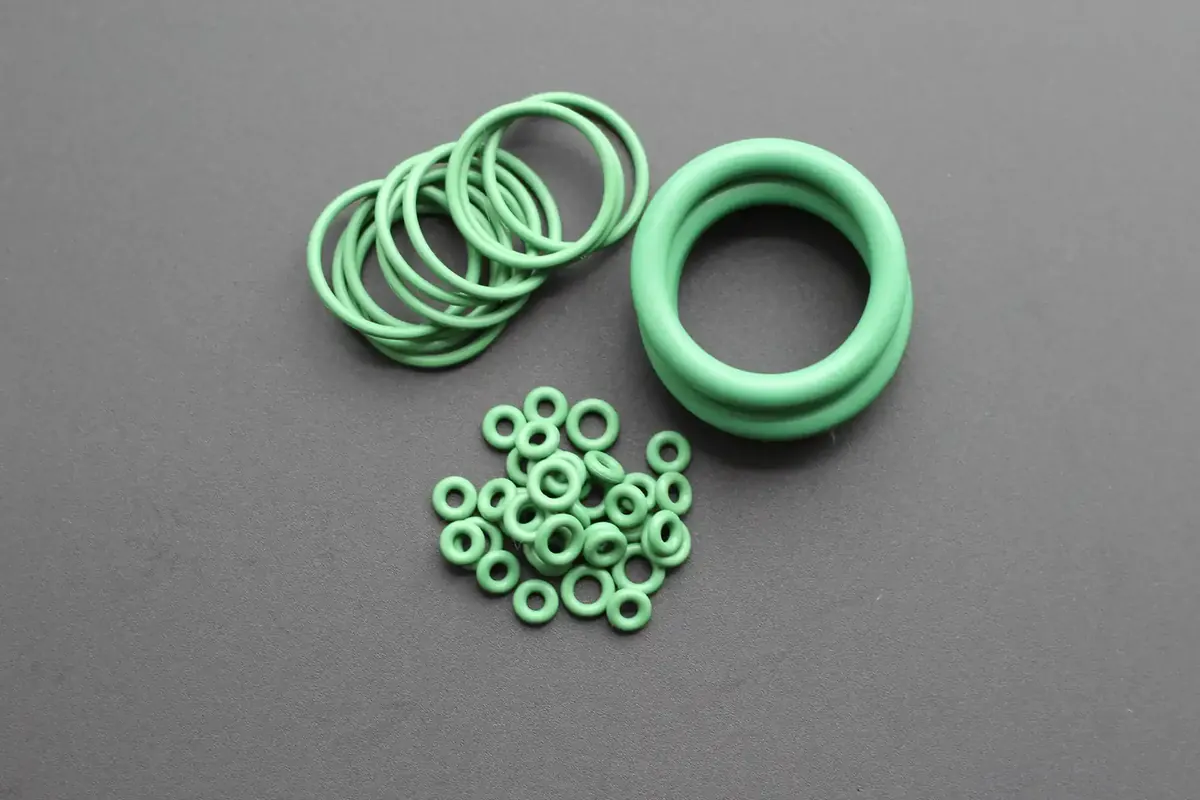
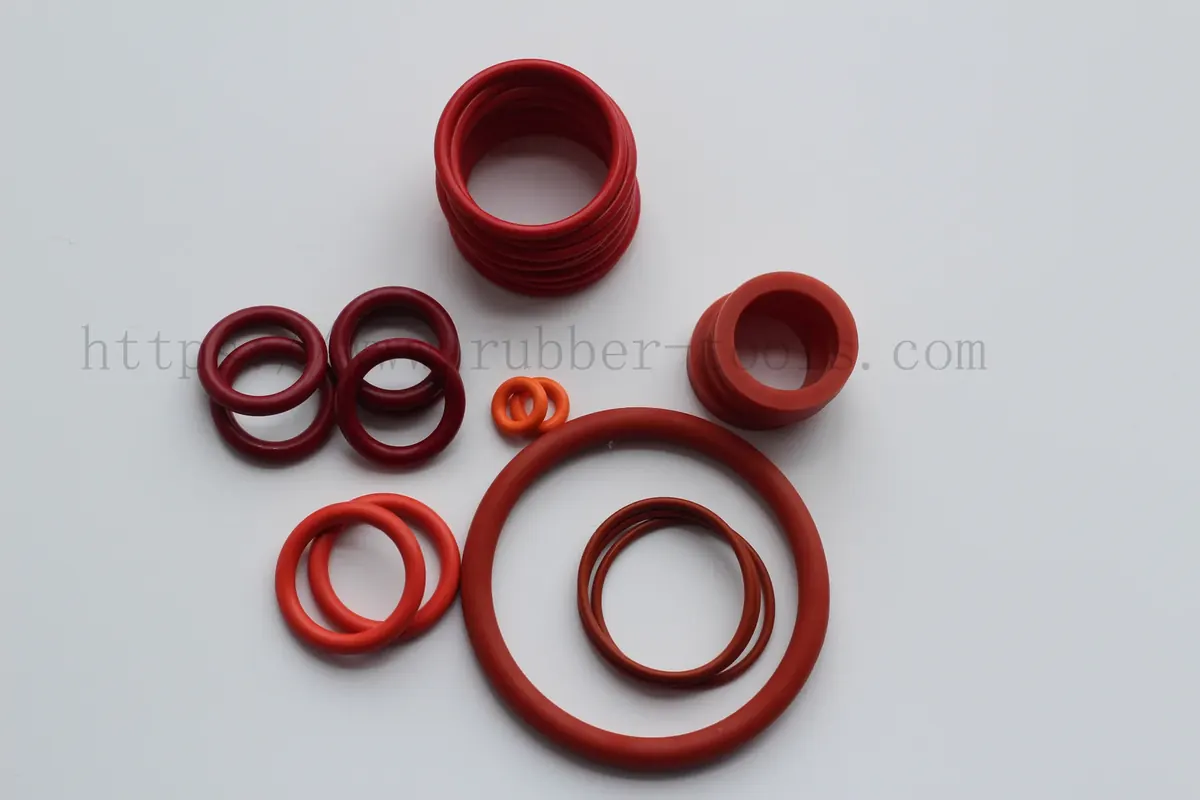
Material selection is a critical factor in the performance and longevity of industrial rubber components used in conjunction with ANSI B16.9 fittings. At Suzhou Baoshida Trading Co., Ltd., we specialize in providing high-performance elastomeric solutions tailored to meet the rigorous demands of modern industrial systems. Our primary materials—Viton, Nitrile (NBR), and Silicone—are engineered to deliver optimal resistance to temperature, pressure, and chemical exposure, ensuring compatibility across a wide range of fluid handling applications.

Viton, a fluorocarbon-based rubber, is widely recognized for its exceptional resistance to high temperatures, oils, fuels, and a broad spectrum of chemicals. With a continuous service temperature range of -20°C to +200°C (short-term up to +250°C), Viton is ideal for demanding environments such as petrochemical processing, aerospace, and high-temperature sealing applications. Its low gas permeability and excellent aging characteristics make it a preferred choice where long-term reliability is paramount.

Nitrile rubber, also known as Buna-N or NBR, offers outstanding resistance to petroleum-based oils, fuels, and hydraulic fluids. It operates effectively within a temperature range of -30°C to +100°C, with short-term excursions up to +125°C. Nitrile is a cost-effective solution for general-purpose sealing in automotive, industrial hydraulics, and oilfield equipment. Its high abrasion resistance and mechanical strength contribute to extended service life in dynamic applications.

Silicone rubber provides superior flexibility and thermal stability across extreme temperatures, functioning reliably from -60°C to +200°C. While it exhibits lower mechanical strength compared to Viton and Nitrile, silicone excels in applications requiring high purity, such as food and beverage processing, pharmaceuticals, and medical devices. It also demonstrates excellent resistance to ozone and UV radiation, making it suitable for outdoor and high-humidity environments.

Each material presents a unique balance of properties, and selection must be based on the specific operational parameters of the system, including fluid type, temperature profile, pressure conditions, and regulatory requirements. Suzhou Baoshida ensures all rubber components are manufactured to exacting standards, supporting seamless integration with ANSI B16.9-compliant piping systems.

The following table summarizes key physical and chemical properties of these materials for comparative evaluation:

Property Viton (FKM) Nitrile (NBR) Silicone (VMQ)
Temperature Range (°C) -20 to +200 (up to +250) -30 to +100 (up to +125) -60 to +200
Tensile Strength (MPa) 15–20 10–20 5–8
Elongation at Break (%) 200–300 200–500 400–700
Hardness (Shore A) 70–90 50–90 30–80
Resistance to Oils/Fuels Excellent Excellent Poor
Resistance to Ozone/UV Excellent Good Excellent
Compression Set Resistance Excellent Good Moderate
FDA Compliance Available Yes (specific grades) Limited Yes

Understanding these material characteristics enables precise matching of elastomer performance to application demands, ensuring safety, efficiency, and compliance in industrial systems.


Manufacturing Capabilities

ansi b16 9 manufacturing

Engineering Capability: Precision Solutions for ANSI B16.9 Rubber Components

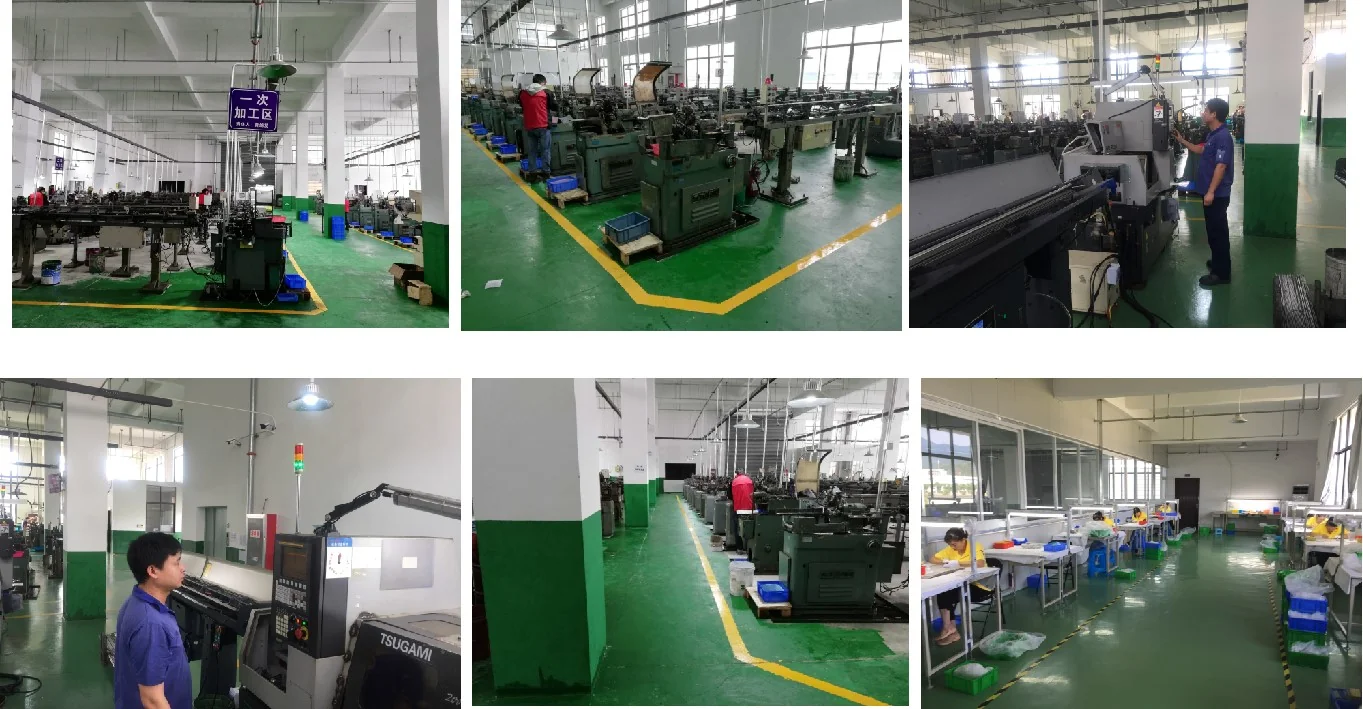
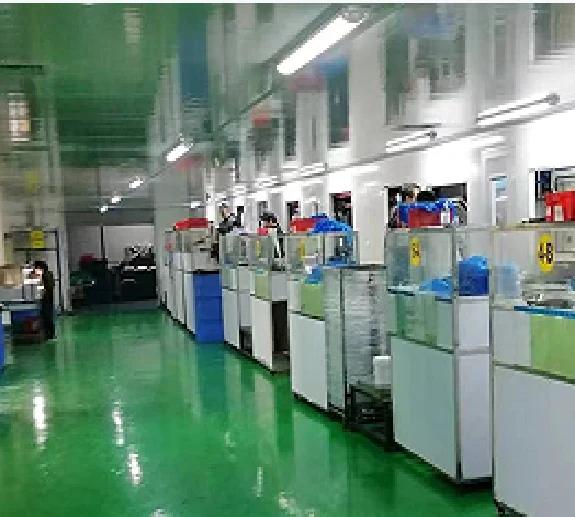
Suzhou Baoshida Trading Co., Ltd. delivers rigorously engineered rubber solutions compliant with ANSI B16.9 standards for butt-welding pipe fittings. Our integrated engineering framework combines deep material science expertise with advanced mold design to ensure dimensional accuracy, chemical resistance, and long-term sealing integrity under extreme industrial conditions. Central to this capability is a dedicated team of five certified mold engineers and two specialized rubber formula engineers, operating within a closed-loop development system that eliminates cross-functional delays.

Our formula engineers focus exclusively on elastomer performance optimization for ANSI B16.9 applications. They develop proprietary compound formulations meeting ASTM D2000 classification requirements, with precise control over compression set, tensile strength, and fluid compatibility. Each formulation undergoes accelerated aging tests per ISO 188 and fluid immersion protocols per SAE J2044 to validate performance against hydraulic oils, steam, and aggressive chemicals. This scientific approach ensures components maintain seal integrity at temperatures ranging from -50°C to +250°C and pressures up to 1,500 PSI, critical for pipeline safety in oil/gas and chemical processing.

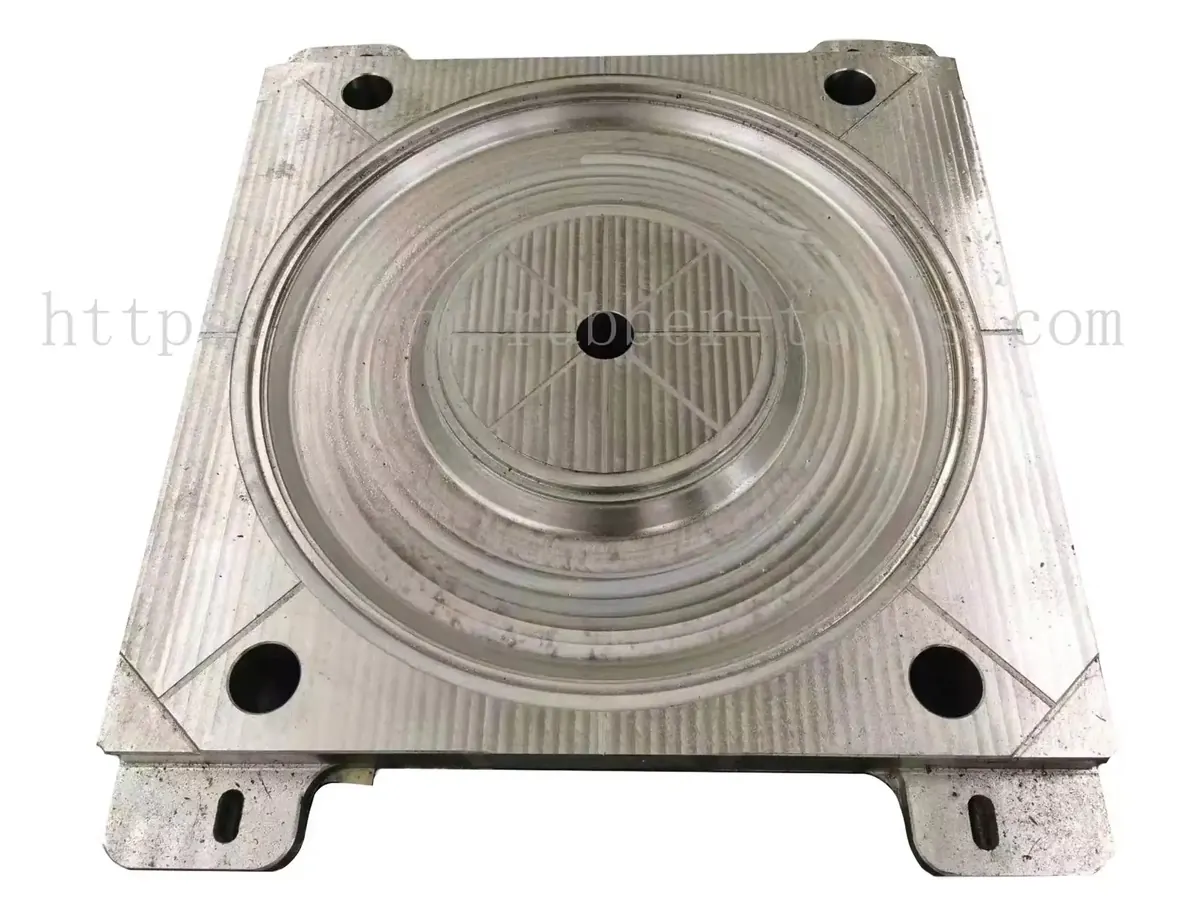
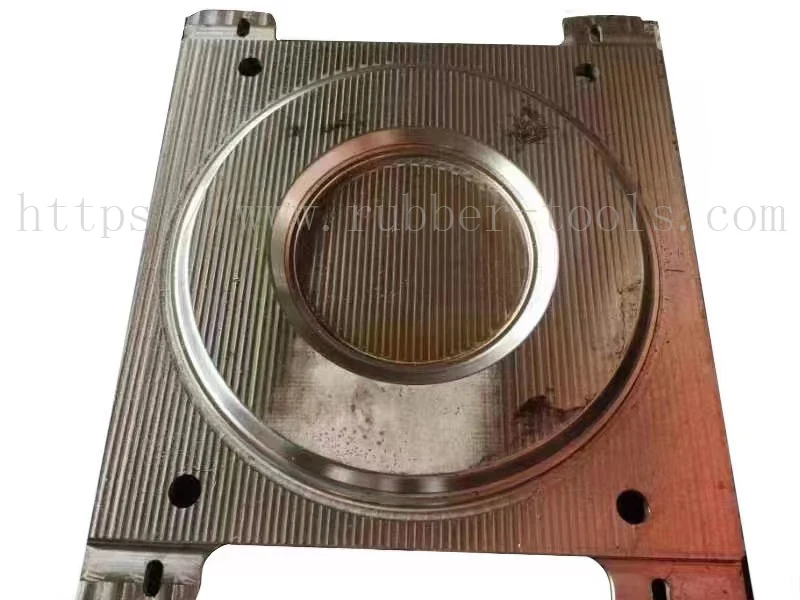
The mold engineering team executes precision tooling for complex geometries specified in ANSI B16.9, including reducers, elbows, and tees. Utilizing CAD/CAM simulation software (SolidWorks® and Moldflow®), they achieve tolerances of ±0.05mm on critical sealing surfaces and draft angles. This precision prevents flash formation and ensures consistent wall thickness distribution—directly impacting fatigue life in dynamic applications. All molds incorporate conformal cooling channels validated through thermal imaging to minimize cycle time variance below 2%.

Our OEM capabilities bridge design and production through a structured four-phase workflow: reverse engineering of client samples, FEA-driven material selection, prototype validation under simulated service conditions, and PPAP-compliant mass production. We resolve material substitution challenges by cross-referencing client fluid exposure data with our compound database, guaranteeing seamless integration into existing systems. This process reduces time-to-market by 30% compared to industry benchmarks while maintaining full traceability via batch-specific CoC documentation.

Material performance specifications for key ANSI B16.9 applications are summarized below:

Material Type Durometer Range (Shore A) Temperature Range (°C) Pressure Rating (PSI) Key Compliance Standards
Hydrogenated NBR 60–90 -40 to +150 1,200 ASTM D2000 BA14, ISO 3601
FKM (Viton®) 70–85 -20 to +250 1,500 SAE AS5527, ISO 2230
EPDM 50–80 -50 to +150 1,000 ASTM D2000 EB34, ISO 4892
Silicone 40–70 -60 to +200 800 ISO 188, FDA 21 CFR 177.2600

This engineering synergy—material science fused with precision tooling—ensures Suzhou Baoshida’s ANSI B16.9 components exceed industry durability benchmarks. We partner with OEMs to transform technical specifications into failure-resistant products, backed by ISO/TS 16949-certified processes and real-time production data analytics.


Customization Process

ansi b16 9 manufacturing

Drawing Analysis

The customization process for ANSI B16.9-compatible rubber components begins with rigorous drawing analysis. At Suzhou Baoshida Trading Co., Ltd., engineering teams conduct a comprehensive review of client-submitted technical drawings to verify dimensional accuracy, material callouts, and interface compatibility with standard pipe fittings. This phase ensures that every radius, bevel, and tolerance aligns with ANSI B16.9 specifications for butt-welding ends. Special attention is given to flange contact zones, wall thickness transitions, and sealing surfaces, where rubber-to-metal interaction is critical. Any discrepancies or potential performance risks are flagged for technical clarification prior to material selection.

Formulation Development

Following drawing validation, the formulation stage tailors rubber compound chemistry to the operational environment. Suzhou Baoshida leverages decades of industrial experience to engineer elastomers that meet precise thermal, chemical, and mechanical demands. Key parameters include resistance to media such as steam, hydrocarbons, or corrosive fluids, as well as sustained performance under pressure cycles and temperature fluctuations typical in pipeline systems. Compounds are developed using EPDM, NBR, CR, or FKM based on service conditions. Each formulation undergoes Durometer testing (Shore A), tensile strength evaluation, and compression set analysis per ASTM standards to ensure long-term sealing integrity when integrated with ANSI B16.9 fittings.

Prototyping and Validation

A functional prototype is produced using precision molding techniques calibrated to the final production tolerances. This prototype undergoes dimensional inspection via coordinate measuring machines (CMM) to confirm conformity with the original drawing. Simultaneously, physical testing evaluates performance under simulated service conditions, including hydrostatic pressure testing, thermal cycling, and accelerated aging. Feedback from this phase informs iterative refinements to both geometry and material composition. Client approval is obtained before progression to full-scale manufacturing.

Mass Production and Quality Assurance

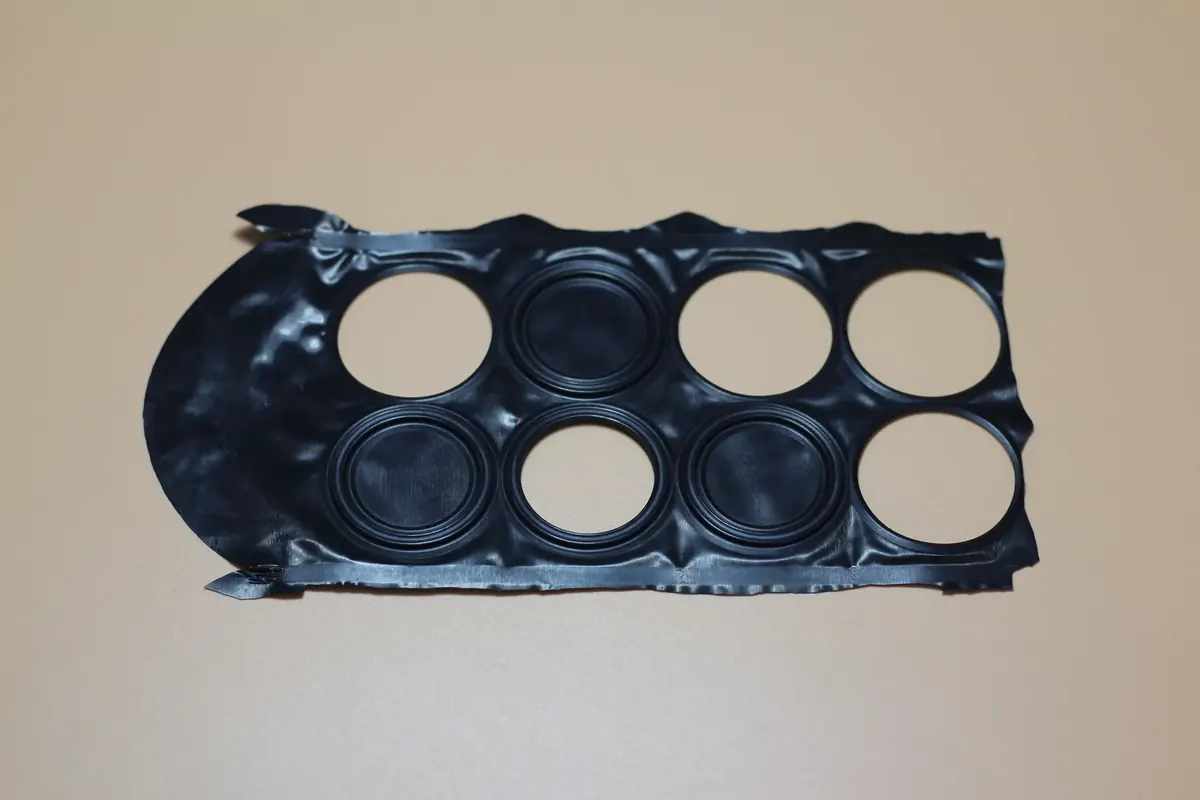
Once the prototype is validated, Suzhou Baoshida initiates mass production using automated vulcanization lines and statistical process control (SPC) monitoring. Each batch is traceable through lot numbering, with raw material certifications and final inspection reports provided. All finished rubber components are packaged to prevent deformation and contamination during shipment.

The following table outlines typical specifications for custom rubber components designed for ANSI B16.9 applications:

Parameter Standard Range Test Method
Hardness (Shore A) 50–90 ±5 ASTM D2240
Tensile Strength ≥10 MPa ASTM D412
Elongation at Break ≥250% ASTM D412
Compression Set (22h, 70°C) ≤25% ASTM D395
Operating Temperature -40°C to +150°C (varies by compound)
Media Resistance Steam, oil, water, mild acids Custom testing

Through this structured approach, Suzhou Baoshida ensures seamless integration of custom rubber solutions within ANSI B16.9-compliant systems, delivering reliability and performance in demanding industrial environments.


Contact Engineering Team

ansi b16 9 manufacturing

Technical Engagement for ANSI B16.9 Compliant Rubber Solutions

Suzhou Baoshida Trading Co., Ltd. operates at the intersection of precision rubber formulation and industrial standards compliance, with specialized expertise in ANSI B16.9 pipe fitting specifications. As global infrastructure projects demand increasingly resilient elastomeric components for high-pressure, high-temperature fluid transfer systems, adherence to dimensional tolerances, material certifications, and performance validation becomes non-negotiable. Our engineering team possesses deep familiarity with the geometric requirements of ANSI B16.9 reducers, elbows, and tees, ensuring rubber variants—such as EPDM, NBR, and FKM compounds—meet exacting dimensional stability and sealing integrity criteria under cyclic stress. We recognize that deviations in wall thickness or bevel geometry directly impact system longevity and safety margins, particularly in petrochemical, marine, and power generation applications where failure is not an option.

Our value extends beyond material supply; we provide co-engineering support for OEMs navigating complex certification landscapes. Suzhou Baoshida maintains rigorous in-house testing protocols aligned with ASTM D2000 and ISO 37 standards, validating tensile strength, compression set, and fluid resistance for rubber components interfacing with ANSI B16.9 metal fittings. This ensures seamless integration within flanged or welded assemblies while mitigating risks of extrusion, thermal degradation, or chemical incompatibility. For volume production partners, we offer material traceability down to batch-level Certificates of Conformance (CoC), critical for audit readiness in regulated industries.

Initiate your project validation by contacting our dedicated technical OEM Manager, Mr. Boyce. With 14 years of experience in rubber-to-metal interface engineering, Mr. Boyce specializes in translating ANSI B16.9 dimensional schematics into optimized elastomer formulations. He will coordinate material sampling, finite element analysis (FEA) support for stress distribution modeling, and rapid prototyping to accelerate your time-to-qualification. Provide your project’s operating parameters—including media type, temperature range, and pressure cycles—and our team will deliver a tailored compound recommendation within 72 hours.

Contact Specifications for Technical Collaboration

Communication Channel Expected Response Time Primary Application
Technical Email < 2 business hours Specification reviews, material certifications, dimensional queries
Direct OEM Line < 4 business hours Urgent production escalations, co-engineering scheduling
Secure Document Portal Immediate access NDA-protected drawings, CoC archives, test reports

Direct all technical inquiries to Mr. Boyce at [email protected]. Include your project reference number, ANSI B16.9 drawing specifications, and operational environment details to expedite solution development. For time-sensitive RFQs, reference “ANSI B16.9 URGENT” in the subject line to trigger priority processing. Suzhou Baoshida operates under ISO 9001:2015 and IATF 16949 frameworks, guaranteeing consistent output from prototype to multi-tonnage production runs. Do not compromise system integrity with generic elastomer suppliers; engage engineers who speak the language of dimensional metrology and polymer science. Submit your requirements today to secure formulation validation aligned with your ANSI B16.9 assembly criticality.


⚖️ O-Ring Weight Calculator

Estimate rubber O-ring weight (Approx).


Ansi B16 9 Manufacturer | Engineering Guide

Contents of Table

Contact [email protected] Whatsapp 86 15951276160