Ornamental Molding Manufacturer | Engineering Guide

Engineering Guide: Ornamental Molding

ornamental molding manufacturing

Engineering Insight: Material Selection in Ornamental Molding

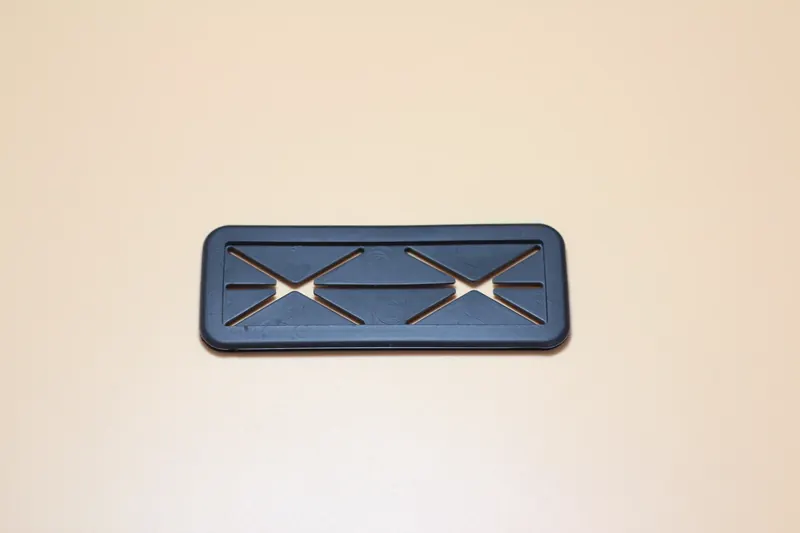
Ornamental molding in custom rubber manufacturing serves both aesthetic and functional roles, often acting as a visible seal, trim, or decorative accent in automotive, architectural, and appliance applications. While these components may appear secondary to core mechanical systems, their performance and longevity are directly tied to precise material selection. Off-the-shelf rubber profiles frequently fail in ornamental applications due to a fundamental mismatch between standardized material properties and the specific environmental, mechanical, and regulatory demands of the end-use environment.

A primary reason for failure lies in the oversimplification of material performance. Generic rubber extrusions are typically formulated for bulk utility rather than tailored performance. They often utilize low-cost EPDM or SBR compounds optimized for weather resistance or compression set but lack the necessary UV stability, colorfastness, or surface finish required in visible applications. When exposed to prolonged sunlight, thermal cycling, or chemical cleaners, these materials degrade prematurely—exhibiting chalking, cracking, or discoloration that compromises both appearance and integrity.

Furthermore, ornamental moldings are frequently subjected to complex stress profiles. Unlike static seals, they may experience repeated flexing during installation or operation, require precise dimensional stability to maintain alignment, and must retain a consistent surface gloss or texture. Standard materials do not account for these dynamic conditions. For instance, a door seal on a luxury vehicle must not only resist ozone and rain but also maintain a soft-touch feel and exact color match over a 10-year service life. Achieving this demands purpose-engineered formulations, such as peroxide-cured silicone or specialty ACM compounds, which offer superior aging characteristics and pigment retention.

At Suzhou Baoshida Trading Co., Ltd., we approach ornamental molding as a systems challenge—not merely an extrusion task. Our engineering process begins with a full assessment of service conditions: temperature range, media exposure, mechanical load, and aesthetic requirements. From this data, we select base polymers, curatives, fillers, and pigments that align with both functional and visual specifications.

The table below outlines key material properties for common rubber types used in ornamental molding applications.

Material Hardness (Shore A) Temp Range (°C) UV Resistance Color Stability Typical Use Case
EPDM 50–80 -50 to +150 High Moderate Exterior trim, roofing
Silicone 30–70 -60 to +200 Excellent Excellent High-end appliances, medical devices
TPE 40–95 -40 to +125 Moderate Good Consumer electronics, interior trim
ACM 60–80 -30 to +175 High Excellent Automotive under-hood accents
NBR 50–90 -30 to +105 Low Poor Fuel-exposed trims (limited use)

Material selection is not a compromise—it is the foundation of performance. By rejecting one-size-fits-all solutions and applying precision compounding, Suzhou Baoshida ensures ornamental moldings meet exact OEM standards for durability, appearance, and fit.


Material Specifications

ornamental molding manufacturing

Material Specifications for Ornamental Rubber Molding Applications

Ornamental rubber moldings demand precise material selection to balance aesthetic integrity with functional performance. At Suzhou Baoshida Trading Co., Ltd., we prioritize compounds that maintain visual appeal under environmental stress while meeting dimensional tolerances. Viton (FKM), Nitrile (NBR), and Silicone (VMQ) represent our core solutions for decorative automotive, architectural, and consumer-facing components. Each material exhibits distinct polymer chemistry dictating its suitability for specific ornamental use cases, particularly regarding color stability, surface finish retention, and resistance to weathering.

Viton fluorocarbon rubber delivers exceptional resistance to high temperatures, ozone, and aggressive chemicals including fuels and lubricants. Its thermal stability up to 250°C makes it ideal for under-hood automotive trim exposed to engine heat and fluid splashes. However, Viton’s inherent cost and limited pigment compatibility restrict its ornamental use to critical high-value applications where failure is unacceptable. Surface smoothness is excellent, but color options are constrained compared to alternatives.

Nitrile butadiene rubber offers optimal cost-effectiveness for indoor or sheltered ornamental parts requiring oil and fuel resistance. With a standard operating range of -40°C to 120°C, it suits dashboard seals, appliance gaskets, and interior trims. NBR achieves superior black pigment depth and gloss retention but suffers rapid UV degradation outdoors. Its moderate tear strength necessitates careful mold design to prevent flash lines that compromise visual quality.

Silicone rubber excels in extreme temperature flexibility (-60°C to 230°C) and superior UV/ozone resistance, making it the premier choice for exterior architectural moldings, marine trim, and medical device housings requiring long-term color fidelity. Platinum-cured silicone variants provide Class A surface finishes with minimal shrinkage, critical for visible edges and contours. While exhibiting lower tensile strength than Viton, its broad color gamut and transparency options support complex aesthetic requirements.

The following table summarizes critical specifications per ASTM D2000 and ISO 37 standards for ornamental molding applications:

Material Key Properties Temperature Range (°C) Chemical Resistance Typical Hardness (Shore A) Ornamental Suitability
Viton (FKM) High heat/oil resistance, low gas permeability -20 to +250 Excellent against fuels, oils, acids 60–90 High for premium automotive under-hood; limited color options
Nitrile (NBR) Good abrasion resistance, cost-effective -40 to +120 Good against oils, fuels; poor against ozone 50–90 Moderate for interior trim; UV degradation limits outdoor use
Silicone (VMQ) Exceptional flexibility, biocompatible -60 to +230 Poor against concentrated acids; excellent for water/steam 30–80 Very high for exterior/medical; superior color retention and surface finish

Material selection must align with the end-use environment. For exterior architectural moldings exposed to sunlight, Silicone is non-negotiable due to UV stability. Viton remains reserved for high-stress automotive zones where chemical exposure outweighs cosmetic flexibility. Nitrile serves cost-sensitive interior applications but requires protective coatings if marginal outdoor exposure occurs. At Suzhou Baoshida, our engineering team validates each compound’s pigment dispersion and flow characteristics to ensure defect-free molding of intricate profiles. We recommend accelerated aging testing per SAE J2527 for all exterior-facing ornamental parts to verify 5+ year service life.


Manufacturing Capabilities

ornamental molding manufacturing

Engineering Excellence in Custom Ornamental Rubber Molding

At Suzhou Baoshida Trading Co., Ltd., our engineering capability forms the backbone of our custom ornamental molding solutions. With a dedicated team of five certified mold engineers and two specialized rubber formulation engineers, we deliver precision, durability, and aesthetic consistency across complex rubber profiles. Our integrated approach ensures that every ornamental molding—whether decorative, functional, or both—is developed with exacting technical standards and tailored material performance.

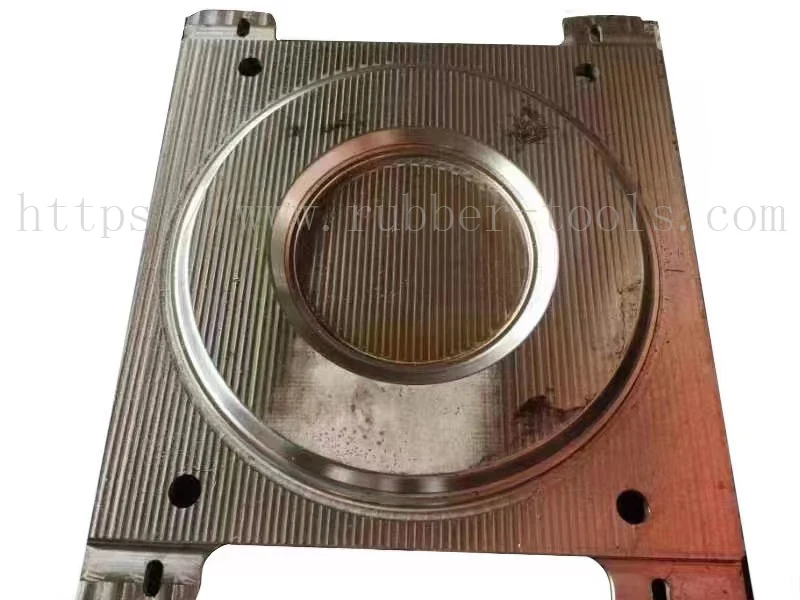
Our mold engineers bring over 70 combined years of experience in precision tooling design for extrusion, compression, and injection molding processes. Each engineer specializes in optimizing mold geometry for intricate ornamental patterns, ensuring sharp detail reproduction, minimal flash, and dimensional stability across production runs. Utilizing advanced CAD/CAM software and 3D simulation tools, we conduct mold flow analysis and stress modeling to preempt defects such as warping, sink marks, or uneven curing. This proactive design methodology reduces time-to-prototype and enhances first-time success rates, especially for custom profiles with fine surface textures or multi-cavity configurations.

Complementing our mold design expertise, our two in-house rubber formulation engineers focus on material science tailored to ornamental applications. These components often require a balance between visual appeal and environmental resistance—UV stability, ozone resistance, color retention, and surface finish. Our formula engineers develop proprietary elastomer blends using EPDM, silicone, neoprene, and custom-modified NR/SBR compounds. Each formulation is optimized not only for mechanical performance (hardness, elongation, compression set) but also for aesthetic consistency, including pigment dispersion uniformity and gloss control.

We maintain full OEM (Original Equipment Manufacturer) capability, enabling end-to-end development from concept sketch to mass production. Clients provide design specifications, performance requirements, or sample parts, and our engineering team executes feasibility studies, material selection, tooling fabrication, and process validation. This vertical integration allows us to maintain strict quality control and intellectual property security throughout the product lifecycle.

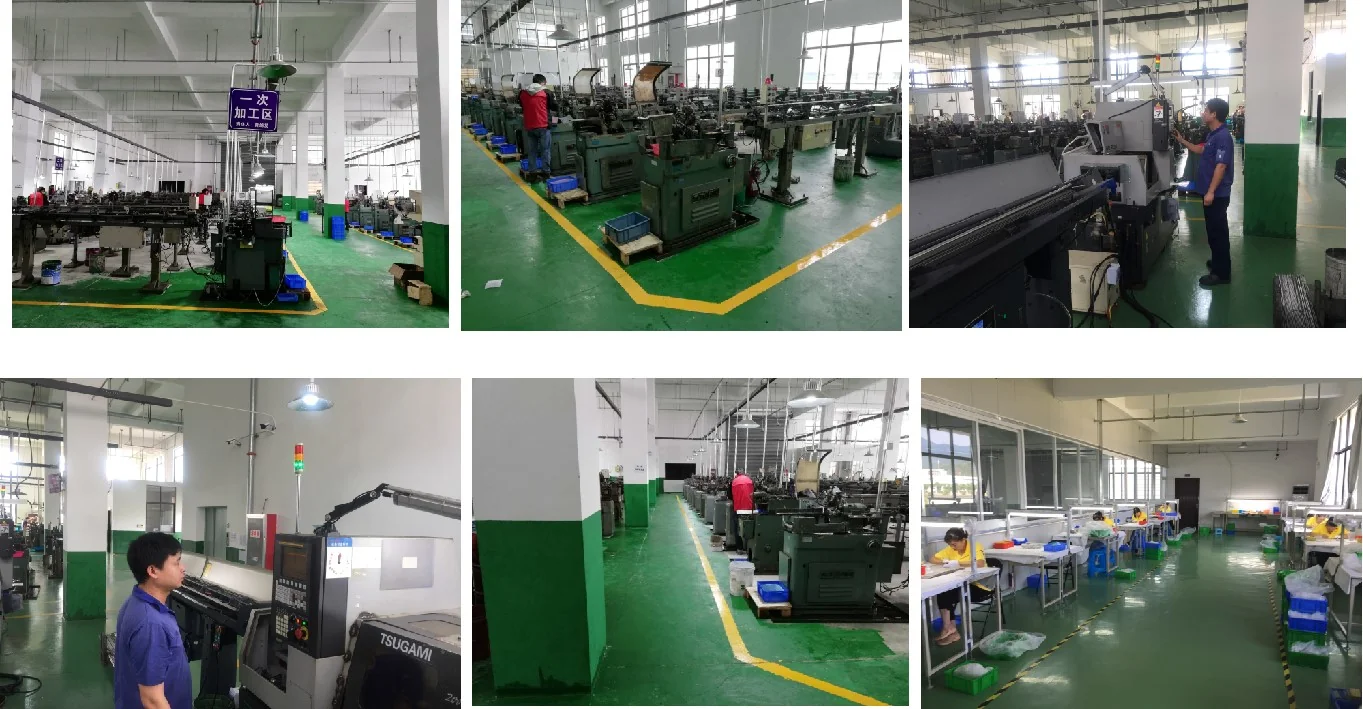
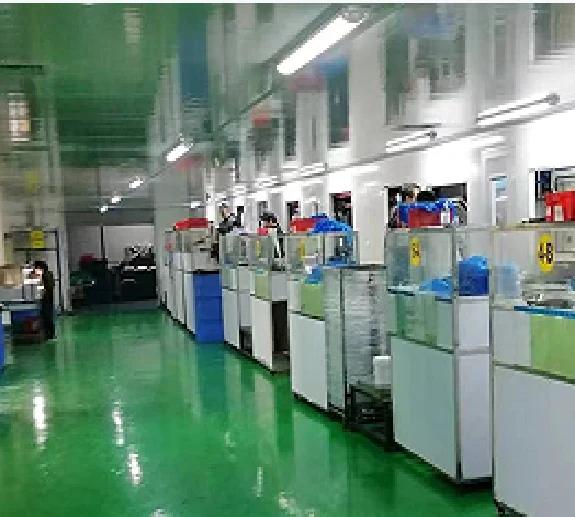
Our production infrastructure supports batch scalability from pilot runs to high-volume contracts, with automated mixing systems, precision curing ovens, and inline inspection for dimensional accuracy. All compounds are tested in-house for physical properties per ASTM and ISO standards before approval.

The following table summarizes our core engineering specifications and capabilities:

Parameter Specification
Mold Design Software SolidWorks, AutoCAD, Moldflow
Tooling Materials P20, H13, 420 Stainless Steel, Brass
Mold Tolerances ±0.05 mm (standard), ±0.02 mm (precision)
Rubber Hardness Range 30–90 Shore A
Standard Elastomers EPDM, Silicone, NBR, CR, NR, SBR, TPE
Custom Compounding Yes (flame retardant, UV-resistant, colored, conductive)
Prototyping Lead Time 10–15 days
Production Lead Time 20–30 days (after approval)
OEM/ODM Support Full design, testing, packaging, and documentation

Suzhou Baoshida Trading Co., Ltd. combines deep materials expertise with precision engineering to deliver ornamental rubber moldings that meet both functional demands and aesthetic expectations. Our team is equipped to support global manufacturers in automotive, architecture, consumer goods, and industrial design with reliable, scalable, and technically advanced rubber solutions.


Customization Process

ornamental molding manufacturing

Ornamental Molding Customization Process: Precision Engineering from Concept to Volume

At Suzhou Baoshida Trading Co., Ltd., our customization process for ornamental rubber molding integrates rigorous scientific analysis with industrial-scale execution. We transform client specifications into high-fidelity decorative components through a four-phase workflow, ensuring aesthetic precision and material performance meet automotive, architectural, and consumer OEM standards.

Drawing Analysis: Geometric and Material Feasibility Assessment
Our engineering team initiates with comprehensive CAD review, focusing on critical ornamental features such as intricate profiles, surface textures, and tight tolerances. We conduct mold flow simulations to identify potential defects like knit lines or sink marks that compromise visual quality. Cross-sectional thickness variations are analyzed to prevent cure inconsistencies, while draft angles and parting lines are optimized for seamless demolding. This phase establishes manufacturability thresholds and identifies necessary design adjustments to balance aesthetics with production viability.

Formulation: Tailored Compound Development
Based on functional and visual requirements, our rubber chemists develop proprietary formulations. Ornamental parts demand exceptional surface smoothness, color stability, and UV resistance. We select elastomer bases (EPDM, silicone, or TPE) and engineer additive packages—pigments for ±0.5 ΔE color accuracy, non-staining antioxidants for exterior exposure, and specialized release agents to eliminate mold marks. Hardness is precisely calibrated between 40–80 Shore A to maintain structural integrity while allowing fine detail reproduction. Each compound undergoes accelerated aging tests per ASTM D573 to validate long-term appearance retention.

Prototyping: Validation and Refinement
Low-volume prototypes are produced using production-intent tooling. We perform dimensional verification via CMM against GD&T callouts, with critical attention to visible surfaces. Surface roughness (Ra) is measured to confirm ≤1.6 μm finish, and colorimetry under D65 lighting ensures compliance. Clients receive physical samples for fit/function evaluation, with iterative adjustments to compound or mold design until all aesthetic and technical criteria are met. This phase typically reduces mass production defects by 70% through preemptive issue resolution.

Mass Production: Consistent Volume Execution
Approved prototypes transition to automated production lines with real-time SPC monitoring. Each batch undergoes in-process checks:
Hardness validation every 30 minutes (±3 Shore A tolerance)
Color spectrophotometry per ISO 7724-2
Visual inspection under controlled lighting for surface imperfections
Full traceability from raw material lot to finished part ensures accountability. Our ISO 9001-certified process maintains ≤0.25% defect rates for ornamental components, with quarterly revalidation of critical process parameters.

Key ornamental molding specifications are summarized below:

Parameter Typical Range Measurement Standard Customization Note
Durometer 40–80 Shore A ASTM D2240 Adjustable in 5-point increments
Color Tolerance ≤0.5 ΔE ISO 7724-2 Validated under D50/D65 lighting
Surface Roughness Ra ≤1.6 μm ISO 4287 Polished mold cavities required
Dimensional Tolerance ±0.15 mm ISO 2768-mK Tighter tolerances achievable

Suzhou Baoshida’s end-to-end control—from elastomer chemistry to production metrology—guarantees ornamental moldings that achieve both visual excellence and functional reliability. Our process eliminates aesthetic compromises common in high-volume rubber manufacturing, delivering OEM-ready components with zero rework. Partner with us to transform design intent into market-ready decorative solutions.


Contact Engineering Team

ornamental molding manufacturing

For precision-critical applications in automotive, construction, and architectural design, ornamental rubber molding demands both aesthetic consistency and long-term material resilience. At Suzhou Baoshida Trading Co., Ltd., we specialize in the engineering and production of custom molded rubber components, including high-tolerance ornamental profiles that meet rigorous industrial standards. Our expertise spans material formulation, mold design, and scalable manufacturing—ensuring every part delivers uniform surface finish, dimensional accuracy, and environmental resistance.

Our team leverages advanced rubber compounding technologies to tailor elastomer properties for specific performance requirements. Whether you require weather-resistant EPDM for exterior building trims, oil-resistant NBR for industrial enclosures, or aesthetically refined silicone for decorative automotive accents, we formulate compounds that balance visual quality with functional durability. Each ornamental molding project begins with a collaborative design review, where our engineers assess profile complexity, material selection, and production methodology to optimize both cost and performance.

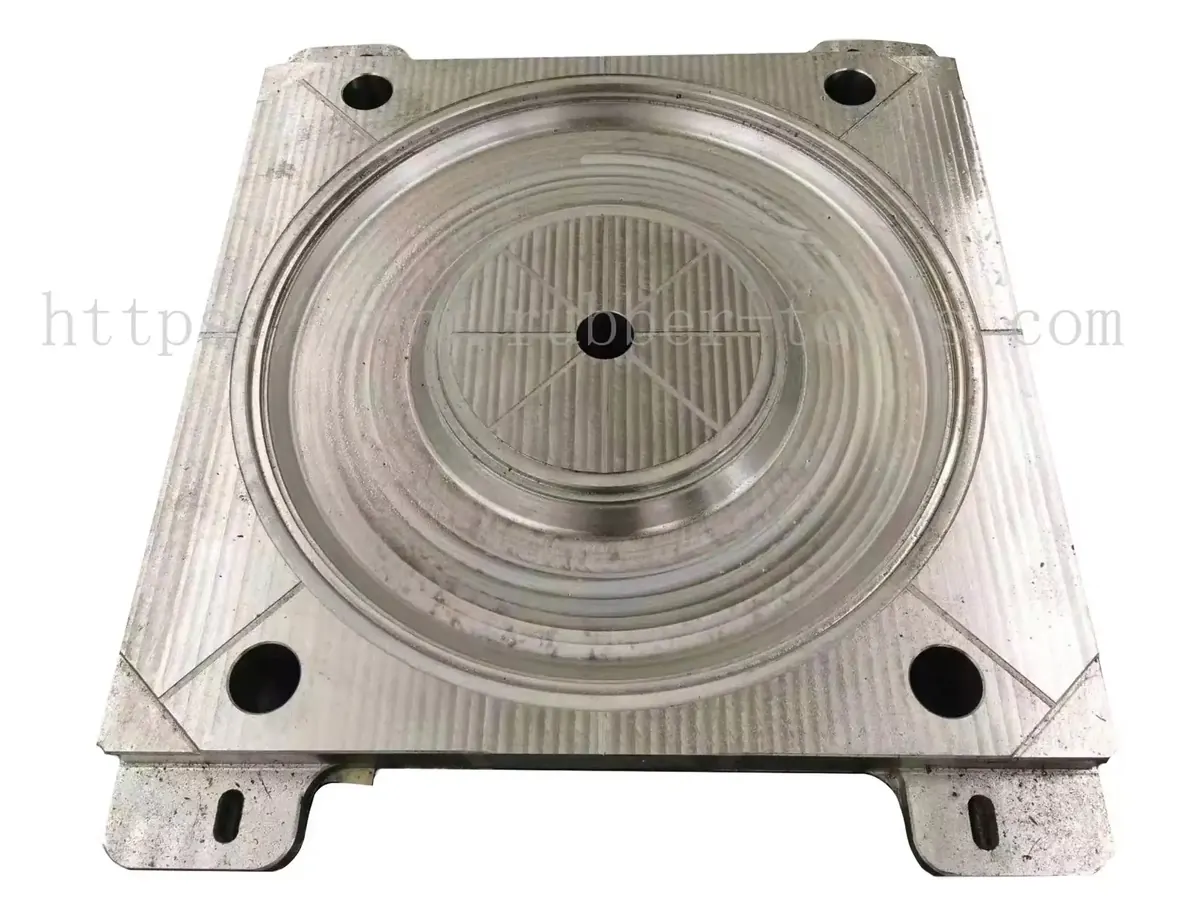
We utilize precision steel molds manufactured in-house, with tight tolerance control down to ±0.1 mm, ensuring repeatability across production batches. Our hydraulic presses support compression, transfer, and injection molding techniques, allowing flexibility in part geometry and volume scalability. Secondary operations—including trimming, surface texturing, and adhesive backing application—are performed under strict quality supervision to maintain finish integrity.

The following table outlines key technical specifications and capabilities relevant to our ornamental rubber molding services:

Parameter Specification
Material Types EPDM, NBR, Silicone, Neoprene, SBR, Natural Rubber, FKM
Hardness Range (Shore A) 30 to 90 ±5
Tolerance ±0.1 mm to ±0.3 mm (based on part size and geometry)
Temperature Resistance -60°C to +250°C (material-dependent)
Standard Compliance RoHS, REACH, FDA (upon request), UL Recognized Compounds
Mold Life 100,000+ cycles (hardened steel molds)
Production Lead Time 15–25 days (from mold approval to first article)
Custom Coloring Pantone Matching System (PMS) available
Minimum Order Quantity 500 pcs (varies by complexity)

All compounds are tested for tensile strength, elongation, compression set, and aging characteristics per ASTM and ISO standards. First-article reports, including dimensional inspection and material certification, are provided for customer validation.

To initiate a project or request a quotation for custom ornamental rubber moldings, contact Mr. Boyce, Rubber Formula Engineer and OEM Manager, directly at [email protected]. Mr. Boyce leads technical client engagement and will guide your team from concept to production, ensuring material and design alignment with your application requirements. Include detailed drawings, performance conditions, and volume expectations in your inquiry to accelerate response time.

Suzhou Baoshida Trading Co., Ltd. operates at the intersection of chemical engineering and precision manufacturing. We serve global OEMs requiring reliable, high-quality rubber components with consistent aesthetics and long-term performance. Partner with us to transform design intent into durable, manufacturable reality.


⚖️ O-Ring Weight Calculator

Estimate rubber O-ring weight (Approx).


Ornamental Molding Manufacturer | Engineering Guide

Contents of Table

Contact [email protected] Whatsapp 86 15951276160