Technical Contents
Engineering Guide: Paper Gasket Maker

Material Selection: The Critical Failure Point in Paper Gasket Manufacturing
The assumption that paper gasket materials are interchangeable commodities is a primary driver of field failures in precision sealing applications. Off-the-shelf paper gasket stock frequently fails because its formulation lacks the targeted molecular architecture required to withstand the specific chemical, thermal, and mechanical stresses encountered in modern industrial systems. Generic cellulose-based papers degrade rapidly when exposed to aggressive media like synthetic lubricants, biodiesel, or high-temperature coolants, leading to swelling, embrittlement, or complete disintegration. This isn’t theoretical; we routinely analyze failed gaskets where standard paper exhibits 300% volume swell in ester-based lubricants or loses 80% of its tensile strength after 500 hours at 150°C. The root cause is invariably mismatched material properties versus operational demands. Paper gaskets are not passive spacers; they are active sealing components requiring precise engineering of fiber composition, binder chemistry, and density to maintain integrity under compression, thermal cycling, and fluid exposure.
Standard paper gasket materials prioritize low cost and ease of die-cutting over performance resilience. They typically utilize unmodified cellulose fibers with basic phenolic or nitrile binders, offering limited resistance beyond mild oils and ambient temperatures. When subjected to dynamic loads, vibration, or thermal transients common in automotive transmissions or hydraulic power units, these materials exhibit excessive compression set. A gasket compressed to 30% deflection at assembly may recover only 10% after thermal cycling, creating permanent leakage paths. Crucially, off-the-shelf papers lack the tailored filler systems needed to resist specific chemical attacks – a paper suitable for mineral oil will catastrophically fail in phosphate ester hydraulic fluid due to binder dissolution. This underscores why material selection must begin with a rigorous analysis of the fluid media, temperature profile, pressure cycles, and flange dynamics, not dimensional compatibility alone.
Suzhou Baoshida Trading Co., Ltd. addresses this through engineered paper compounds where every component serves a functional purpose. Our formulations integrate specialized aramid or synthetic fibers for thermal stability, custom elastomeric binders for chemical resistance, and precision-controlled filler packages to optimize compression recovery and torque retention. The table below illustrates the performance gap between generic stock and engineered solutions under identical test conditions.
| Property | Standard Cellulose Paper | Baoshida Engineered Paper Compound |
|---|---|---|
| Continuous Temp (°C) | 120 | 200 |
| Compression Set (24h/150°C) | 45% | 18% |
| Swell in ISO 4927 Fluid | 280% | 12% |
| Tensile Strength Retention (500h/150°C) | 20% | 85% |
| pH Resistance Range | 5-9 | 2-12 |
Material selection is the foundational engineering decision in gasket reliability. Generic paper solutions fail because they treat sealing as a dimensional exercise rather than a materials science challenge. At Suzhou Baoshida, we reject the one-size-fits-all approach. Our paper gasket compounds are developed through fluid compatibility testing, thermal aging analysis, and dynamic seal simulation specific to your application. This precision engineering transforms the gasket from a potential failure point into a predictable, long-life component – ensuring system integrity where off-the-shelf materials inevitably compromise performance and safety. The cost of a custom compound is negligible compared to the downtime and liability of seal failure.
Material Specifications

Material selection is a critical determinant in the performance and longevity of precision rubber seals, particularly in industrial paper gasket applications where environmental exposure, chemical compatibility, and thermal stability directly impact operational integrity. At Suzhou Baoshida Trading Co., Ltd., we specialize in engineered sealing solutions tailored to meet rigorous industrial standards. Our primary elastomer offerings—Viton (FKM), Nitrile (NBR), and Silicone (VMQ)—are selected based on their distinct chemical structures and performance envelopes, enabling optimal matching to application demands.
Viton, a fluorocarbon-based rubber, delivers exceptional resistance to high temperatures, oils, fuels, and a broad spectrum of aggressive chemicals. It maintains structural integrity in continuous service temperatures up to 230°C (446°F), making it ideal for high-performance environments such as automotive engines, aerospace systems, and chemical processing equipment. Its low gas permeability and excellent aging characteristics further enhance reliability in critical sealing applications, although its higher cost and lower flexibility at low temperatures should be considered in cost-sensitive or cryogenic operations.
Nitrile rubber, or Buna-N, is a copolymer of butadiene and acrylonitrile, widely used for its excellent resistance to petroleum-based oils, hydraulic fluids, and aliphatic hydrocarbons. With a service temperature range of -40°C to 120°C (-40°F to 248°F), NBR offers a balanced profile of mechanical strength, abrasion resistance, and compression set performance. It is particularly suited for industrial machinery, fuel systems, and general-purpose sealing where exposure to greases and oils is prevalent. While not recommended for prolonged ozone or UV exposure without protective additives, NBR remains a cost-effective and reliable choice for medium-duty applications.
Silicone rubber, a polymer with a siloxane backbone, excels in extreme temperature environments, operating effectively from -60°C to 200°C (-76°F to 392°F). It exhibits outstanding thermal stability, UV resistance, and low-temperature flexibility, making it ideal for outdoor, medical, and food-grade applications where purity and consistent performance are paramount. Silicone also demonstrates good electrical insulation properties and resistance to ozone and weathering. However, it has lower tensile strength and abrasion resistance compared to Viton and Nitrile, and is less suitable for dynamic sealing under high mechanical stress.
The following table summarizes key physical and chemical properties of these materials to aid in informed selection for paper gasket manufacturing:
| Property | Viton (FKM) | Nitrile (NBR) | Silicone (VMQ) |
|---|---|---|---|
| Temperature Range (°C) | -20 to 230 | -40 to 120 | -60 to 200 |
| Hardness Range (Shore A) | 60–90 | 50–90 | 30–80 |
| Tensile Strength (MPa) | 15–25 | 10–20 | 5–10 |
| Elongation at Break (%) | 200–300 | 250–500 | 200–600 |
| Resistance to Oils/Fuels | Excellent | Excellent | Poor |
| Resistance to Ozone/UV | Excellent | Good (with additives) | Excellent |
| Compression Set Resistance | Excellent | Good | Good |
| Common Applications | Aerospace, chemical seals | Automotive, hydraulics | Medical, food, electrical |
Selection of the appropriate elastomer requires a comprehensive assessment of operational parameters, including media exposure, temperature extremes, mechanical loading, and regulatory compliance. Suzhou Baoshida Trading Co., Ltd. supports OEMs and industrial partners with material certification, custom formulation, and precision die-cutting to ensure optimal seal performance across diverse applications.
Manufacturing Capabilities

Engineering Capability: Precision Rubber Seal Development at Suzhou Baoshida
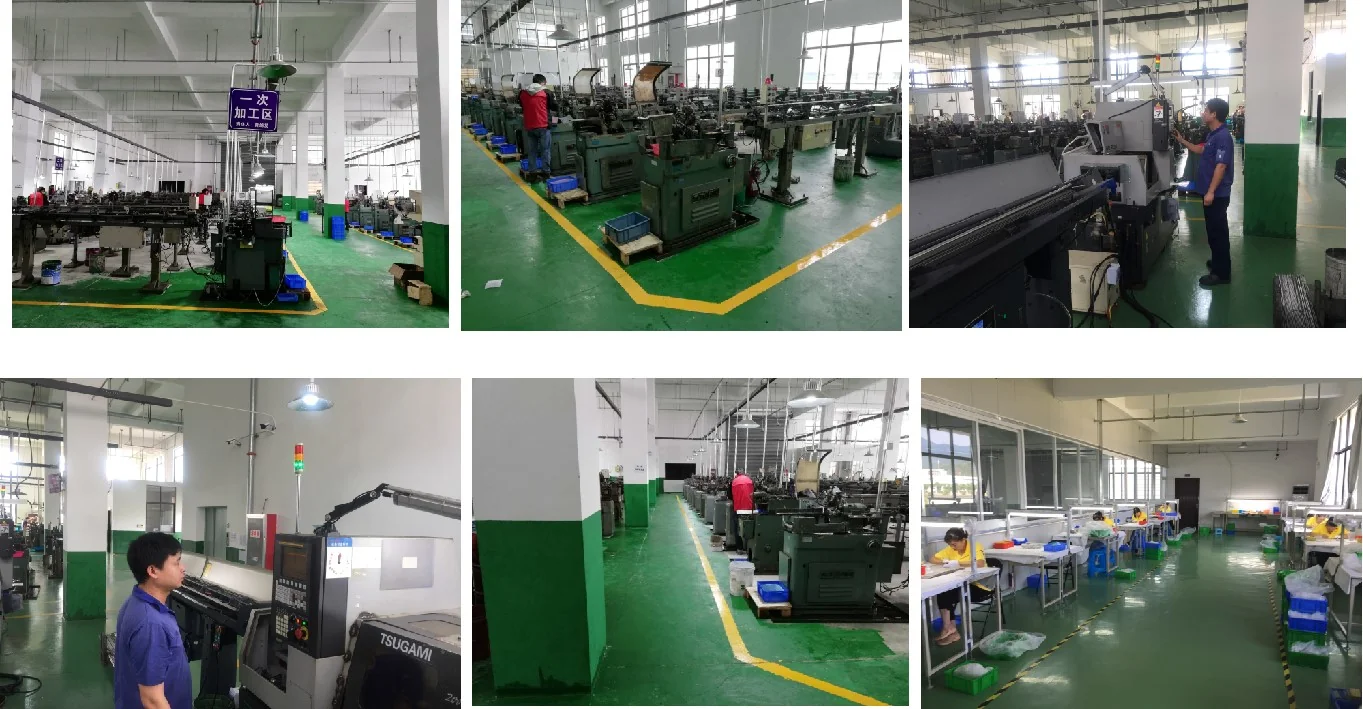
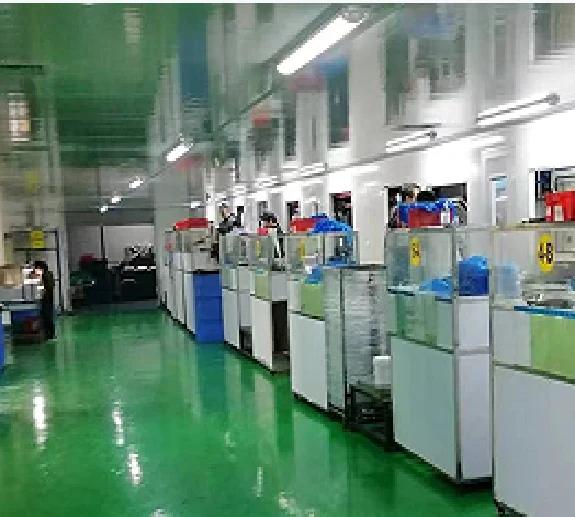
Suzhou Baoshida Trading Co., Ltd. delivers engineered rubber sealing solutions through integrated material science and precision manufacturing expertise. Our core strength lies in the direct collaboration between dedicated Formula Engineers and Mould Engineers, ensuring every paper gasket meets exacting functional and environmental demands. This vertical integration eliminates external dependencies, accelerating development cycles while guaranteeing material-performance alignment.
Our two certified Rubber Formula Engineers specialize in elastomeric compound design for dynamic sealing applications. They leverage advanced polymer chemistry to formulate custom NBR, EPDM, and FKM compounds optimized for paper handling machinery. Key focus areas include compression set resistance below 25% (ASTM D395), controlled hardness tolerances (±3 Shore A), and fluid compatibility with industrial lubricants and aqueous solutions. Each formulation undergoes rigorous laboratory validation for aging, thermal stability, and dynamic sealing integrity before prototyping. This scientific approach ensures gaskets maintain dimensional stability under continuous compression loads typical in high-speed printing and converting equipment.
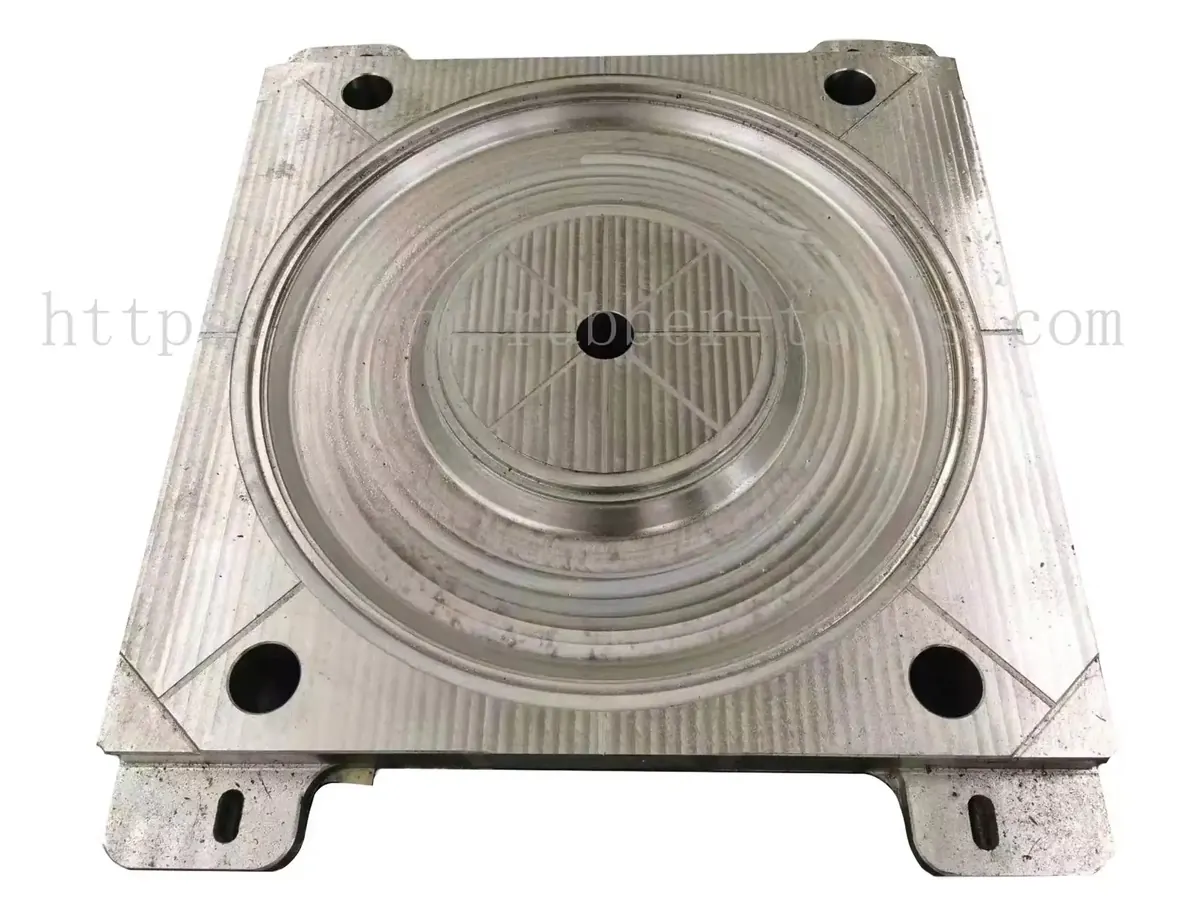
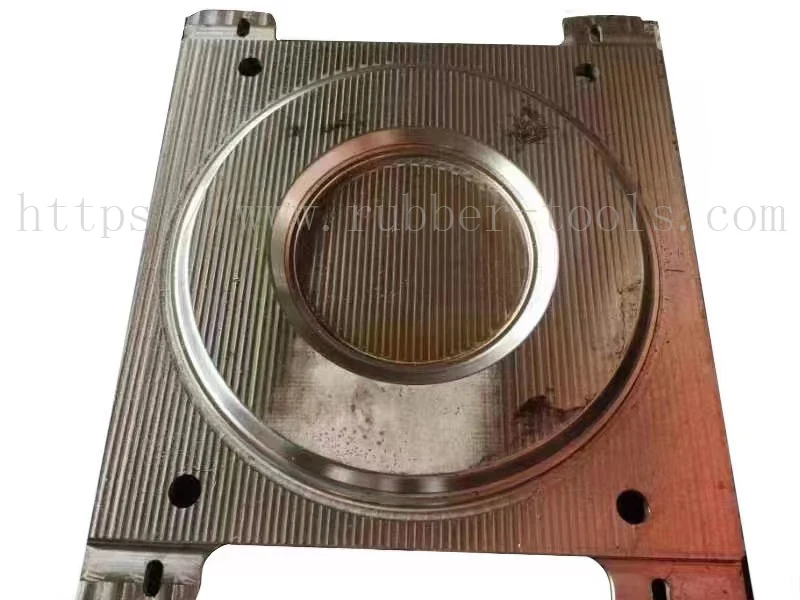
Complementing material expertise, our five Mould Engineers execute precision tooling design and process optimization. Utilizing CAD/CAM software and mold flow simulation, they develop cavity layouts that minimize flash, ensure uniform material distribution, and achieve critical tolerances down to ±0.05mm. All tooling adheres to ISO 2768-mK standards, with surface finishes polished to Ra 0.8µm for clean part ejection. Engineers conduct Design for Manufacturability (DFM) reviews early in the client’s product development phase, identifying potential sealing surface inconsistencies or demolding challenges before tool fabrication begins.
This seamless Formula-Mould synergy enables true OEM partnership. We manage the entire process from initial material specification and 3D modeling to validation testing and serial production. Clients receive actionable engineering data—including stress-strain curves, compression-deflection profiles, and thermal aging reports—enabling informed design decisions. Our facility supports low-volume prototyping through high-volume manufacturing, with all processes governed by IATF 16949 quality management systems.
Critical Paper Gasket Material Specifications
| Property | Standard Range | Custom Capability | Test Standard |
|---|---|---|---|
| Hardness (Shore A) | 50–90 | 40–95 | ASTM D2240 |
| Compression Set (22h/70°C) | ≤25% | ≤18% achievable | ASTM D395 B |
| Tensile Strength | 8–15 MPa | Up to 20 MPa | ASTM D412 |
| Temperature Range | -40°C to +120°C (NBR) | -55°C to +200°C (FKM) | ASTM D2000 |
| Fluid Resistance | Water, Oils, Greases | Custom chemical blends | ISO 1817 |
Suzhou Baoshida transforms engineering requirements into field-proven sealing performance. By embedding formula science and mould precision within a single operational framework, we eliminate compromise between material behavior and geometric accuracy—delivering paper gaskets that ensure machinery uptime and operational efficiency for global OEMs.
Customization Process

Drawing Analysis
The customization process for precision paper gasket manufacturing begins with a comprehensive drawing analysis. At Suzhou Baoshida Trading Co., Ltd., engineering teams meticulously evaluate customer-provided technical drawings to verify dimensional accuracy, tolerance specifications, and interface compatibility with mating components. Critical features such as bolt hole placement, groove engagement zones, and sealing surface profiles are cross-referenced against industry standards and application environments. This stage ensures that design intent aligns with functional performance under real-world conditions, including temperature fluctuations, pressure differentials, and media exposure. Any discrepancies or potential failure points are flagged for collaborative resolution with the client, ensuring optimal design integrity before material selection proceeds.
Formulation Development
Following drawing validation, the formulation phase determines the optimal rubber compound tailored to the operational demands of the paper gasket. Utilizing our proprietary compounding expertise, we select base polymers—such as NBR, EPDM, or silicone—based on required resistance to oils, steam, ozone, or extreme temperatures. Additives including reinforcing fillers, vulcanizing agents, and processing aids are precisely balanced to achieve target hardness (Shore A), compression set performance, and aging characteristics. Each formulation is documented under controlled batch records to ensure repeatability and compliance with ISO 9001 standards. Material datasheets and compatibility charts are provided for client review, enabling informed validation prior to prototyping.
Prototyping and Validation
Once the compound is finalized, low-volume prototyping is conducted using precision die-cutting or CNC blanking techniques, replicating production methods to ensure fidelity. Prototypes undergo rigorous functional testing, including compression stress relaxation, leakage rate evaluation, and thermal cycling, to verify seal integrity. Dimensional inspection reports (CMM-generated) are submitted alongside test results, allowing for design or material refinement if necessary. Client feedback is integrated at this stage to finalize the product specification, ensuring full alignment with performance expectations.
Mass Production and Quality Assurance
Approved prototypes transition into mass production under tightly controlled conditions. Automated cutting lines and hydraulic presses ensure consistency across large batches, while in-process quality checks monitor thickness uniformity, flash control, and dimensional stability. Final inspection includes 100% visual screening and statistical sampling for physical property verification. All lots are traceable through batch coding and supported by material certificates.
The following table outlines key customizable parameters and typical performance ranges:
| Parameter | Standard Options | Typical Range |
|---|---|---|
| Material Types | NBR, EPDM, Silicone, FKM, CR | Custom blends available |
| Hardness (Shore A) | 40 to 90 | ±5 tolerance |
| Thickness | 0.5 mm to 3.0 mm | Custom up to 6 mm |
| Temperature Resistance | -40°C to +230°C (varies by compound) | Fluid and pressure dependent |
| Tolerance (Cutting) | ±0.1 mm (standard), ±0.05 mm (precision) | Per ISO 3302 and client specs |
This structured approach ensures that every custom paper gasket meets the highest standards of precision, durability, and application-specific performance.
Contact Engineering Team

Contact Suzhou Baoshida for Precision Paper Gasket Manufacturing Solutions
Suzhou Baoshida Trading Co., Ltd. stands at the forefront of engineered rubber sealing solutions, specializing in the development and production of high-performance paper gasket makers for demanding industrial applications. Our technical expertise in rubber compounding, precision die-cutting, and material science ensures that every gasket meets exacting dimensional tolerances, chemical resistance, and thermal stability requirements critical to OEM assembly lines and maintenance operations. As global manufacturing standards intensify, suboptimal sealing solutions lead to costly downtime, leakage failures, and compliance risks. Partnering with Baoshida mitigates these challenges through scientifically validated material formulations and process-controlled manufacturing.
Our paper gasket makers are engineered for seamless integration into automated production environments, delivering consistent performance across automotive, aerospace, HVAC, and industrial machinery sectors. We prioritize empirical validation over generic specifications, subjecting all compounds to rigorous ASTM and ISO testing protocols. The table below summarizes core technical capabilities for our standard paper gasket material portfolio, reflecting our commitment to precision and repeatability.
| Specification Parameter | Standard Range | Testing Standard | Industrial Relevance |
|---|---|---|---|
| Hardness (Shore A) | 40–90 ±5 | ASTM D2240 | Ensures optimal compression set & sealing force |
| Tensile Strength (MPa) | 8.0–15.0 min | ASTM D412 | Critical for gasket integrity during installation |
| Temperature Resistance | -40°C to +150°C (continuous) | ISO 188 | Maintains performance in extreme thermal cycles |
| Fluid Resistance (Oil/Fuel) | Volume Swell ≤15% | ASTM D471 | Prevents degradation in hydraulic/fuel systems |
| Thickness Tolerance | ±0.05 mm (up to 3.0 mm) | ISO 2768 | Guarantees dimensional accuracy for tight flanges |
| Compression Set (70h/70°C) | ≤25% | ASTM D395 | Ensures long-term sealing resilience |
These specifications represent baseline capabilities; our engineering team routinely develops custom formulations to address unique operational challenges, including specialized fluid exposures, ultra-low outgassing requirements, or enhanced aging resistance. All materials are produced under ISO 9001-certified processes, with full traceability from raw material sourcing to finished goods. Our OEM-focused approach includes collaborative design reviews, rapid prototyping (typically 7–10 days), and scalable volume production with guaranteed on-time delivery performance exceeding 98.5%.
For immediate technical consultation or to initiate a project, contact Mr. Boyce, our dedicated OEM Manager, who possesses 12 years of experience in rubber sealing system integration. Mr. Boyce will coordinate cross-functional support from our R&D, quality assurance, and production teams to align your requirements with optimal material selection, tooling strategy, and validation protocols. Provide your application details, performance targets, and volume expectations to receive a tailored solution proposal within 48 business hours.
Direct engineering inquiries to [email protected] with subject line: Precision Gasket Inquiry – [Your Company Name]. Include relevant specifications such as flange dimensions, operating media, temperature/pressure profiles, and regulatory certifications required (e.g., FDA, UL, RoHS). Our team will respond with a preliminary technical assessment and request for sample validation if applicable. Do not rely on generic catalog materials for mission-critical sealing applications—Baoshida’s formula engineering ensures your gaskets perform as integral components of your system integrity. Initiate the qualification process today to eliminate field failures and optimize total cost of ownership. Precision sealing solutions begin with precise collaboration.
⚖️ O-Ring Weight Calculator
Estimate rubber O-ring weight (Approx).