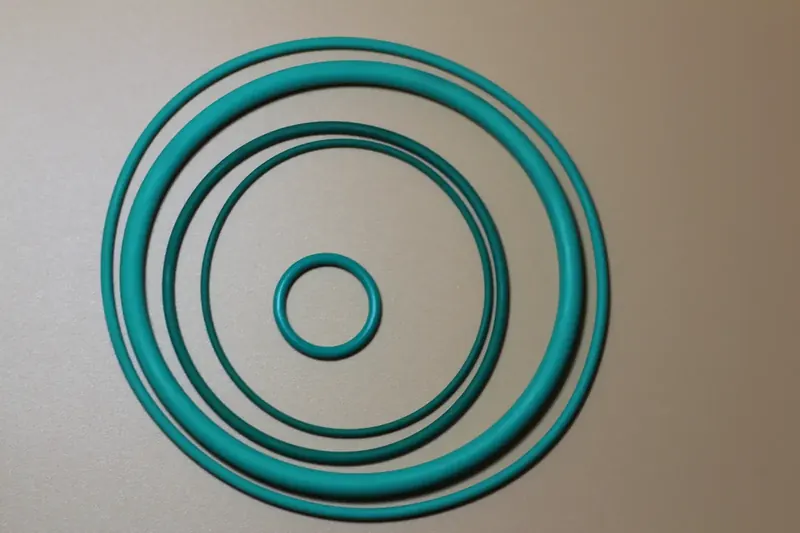
Lexan Tubing Manufacturer | Engineering Guide

Engineering Guide: Lexan Tubing

lexan tubing manufacturing

Engineering Insight: The Critical Role of Material Selection in lexan Tubing Applications

In industrial environments where performance under stress is non-negotiable, the selection of tubing materials directly impacts system reliability, safety, and longevity. Lexan tubing—commonly mistaken as a generic term—is in fact a high-performance polycarbonate solution engineered for demanding applications. At Suzhou Baoshida Trading Co., Ltd., we emphasize that off-the-shelf tubing solutions frequently fail because they do not account for the precise chemical, thermal, and mechanical conditions present in specialized industrial systems. Material substitution without rigorous validation leads to premature degradation, system downtime, and increased total cost of ownership.

Lexan, a registered trademark of SABIC, refers specifically to high-impact polycarbonate resins with exceptional clarity, heat resistance, and dimensional stability. When fabricated into tubing, these properties translate into superior performance in applications involving high-pressure fluid transfer, optical clarity requirements, or exposure to harsh environments. However, many suppliers offer so-called “lexan-grade” tubing made from lower-cost amorphous polymers or polycarbonate blends that lack the molecular consistency and purity of true Lexan resin. These alternatives may appear functionally equivalent during initial installation but rapidly deteriorate when exposed to UV radiation, thermal cycling, or chemical agents such as alcohols, ketones, or strong alkalis.

One of the most common failure modes observed in substandard tubing is environmental stress cracking (ESC). Polycarbonate materials are inherently susceptible to ESC when mechanical stress and chemical exposure coincide. Off-the-shelf solutions often lack the necessary additives or processing controls to mitigate this risk. In contrast, genuine Lexan tubing undergoes stringent quality assurance protocols, including controlled extrusion processes and post-production annealing, to relieve internal stresses and enhance chemical resistance.

Furthermore, dimensional tolerances and burst pressure ratings in commodity tubing are frequently inconsistent due to variable manufacturing practices. This variability compromises seal integrity and increases the likelihood of leaks or catastrophic failure in high-pressure systems. Precision-engineered Lexan tubing maintains tight tolerances (±0.05 mm) and offers predictable mechanical behavior across a wide temperature range.

At Suzhou Baoshida, we partner with OEMs to provide material-certified Lexan tubing solutions tailored to application-specific demands. Our engineering team conducts compatibility testing, lifecycle analysis, and pressure validation to ensure that every meter of tubing meets the operational requirements of the end-use environment.

Property Lexan Tubing (True Polycarbonate) Generic Polycarbonate-Blend Tubing
Tensile Strength 62–75 MPa 45–55 MPa
Heat Deflection Temperature (HDT) 130–140°C @ 1.8 MPa 100–115°C @ 1.8 MPa
Optical Clarity (Transmittance) ≥88% 75–82%
Chemical Resistance (to alcohols, dilute acids) Excellent Moderate to Poor
Environmental Stress Crack Resistance High (with proper processing) Low to Moderate
Dimensional Tolerance ±0.05 mm ±0.15 mm or higher

Material selection is not a cost-saving opportunity—it is a risk management imperative. Choosing authentic Lexan tubing ensures long-term performance, regulatory compliance, and operational continuity in critical industrial systems.


Material Specifications

lexan tubing manufacturing

Material Specifications for Industrial Rubber Tubing Solutions

Suzhou Baoshida Trading Co., Ltd. clarifies a critical industry distinction: Lexan® is a registered polycarbonate brand (Covestro), not a rubber compound. Our expertise centers on elastomeric tubing for demanding industrial applications. This section details three primary rubber materials—Viton® (FKM), Nitrile (NBR), and Silicone (VMQ)—engineered to replace rigid thermoplastics in dynamic sealing, fluid transfer, and high-stress environments. These compounds deliver superior flexibility, chemical resilience, and thermal stability where polycarbonates fail.

Viton® fluorocarbon rubber excels in extreme chemical and thermal conditions. Standard grades withstand continuous exposure to -20°C to +230°C, with specialty formulations reaching +300°C. It resists jet fuels, hydraulic fluids, and aromatic hydrocarbons per ASTM D471, making it indispensable for aerospace and chemical processing tubing. Compression set remains below 25% after 70 hours at 200°C (ASTM D395), ensuring long-term sealing integrity. Hardness ranges from 60 to 90 Shore A, optimized for high-pressure fuel lines and semiconductor manufacturing systems requiring ultra-purity (meeting USP Class VI and FDA 21 CFR 177.2600).

Nitrile rubber (NBR) provides the optimal balance of oil resistance and cost efficiency for general industrial use. With acrylonitrile content between 34% and 45%, it tolerates temperatures from -40°C to +120°C (short-term to +150°C). NBR demonstrates exceptional resistance to mineral oils, greases, and aliphatic hydrocarbons, with volume swell under 15% in ASTM No. 3 oil. Its abrasion resistance (DIN 53516: ≤120 mm³ loss) and tensile strength (20–30 MPa per ASTM D412) suit hydraulic hoses, automotive fuel systems, and pneumatic tubing. Hardness spans 50–90 Shore A, accommodating dynamic flexing without permanent deformation.

Silicone rubber (VMQ) dominates applications requiring biocompatibility and extreme temperature flexibility. Operating continuously from -60°C to +200°C (with short-term peaks at +250°C), it maintains elasticity where other rubbers harden or degrade. Silicone exhibits low toxicity compliance for medical/pharma tubing (ISO 10993-5, USP Class VI) and resists ozone, UV, and steam sterilization. While less resistant to non-polar solvents than Viton® or NBR, its gas permeability is 5–10x higher—critical for ventilation systems. Tear strength (≥20 kN/m per ASTM D624) and compression set (≤20% at 150°C) ensure reliability in food-grade and medical device applications.

Comparative Material Specifications

Property Viton® (FKM) Nitrile (NBR) Silicone (VMQ)
Temperature Range (°C) -20 to +230 -40 to +120 -60 to +200
Fuel/Oil Resistance Excellent Very Good Poor
Steam Resistance Excellent Poor Excellent
Hardness Range (Shore A) 60–90 50–90 30–80
Key ASTM Standards D2000, D1418, D471 D2000, D412, D471 D2000, D2240, D573

Suzhou Baoshida’s OEM engineering team tailors compound formulations to exact fluid compatibility, pressure ratings, and regulatory requirements. All materials undergo rigorous batch testing per ISO 9001 protocols. For mission-critical tubing applications, consult our technical staff to validate material selection against your operational parameters—ensuring optimal lifecycle performance and total cost of ownership.


Manufacturing Capabilities

lexan tubing manufacturing

Engineering Capability: Precision-Driven Development for Industrial Rubber Solutions

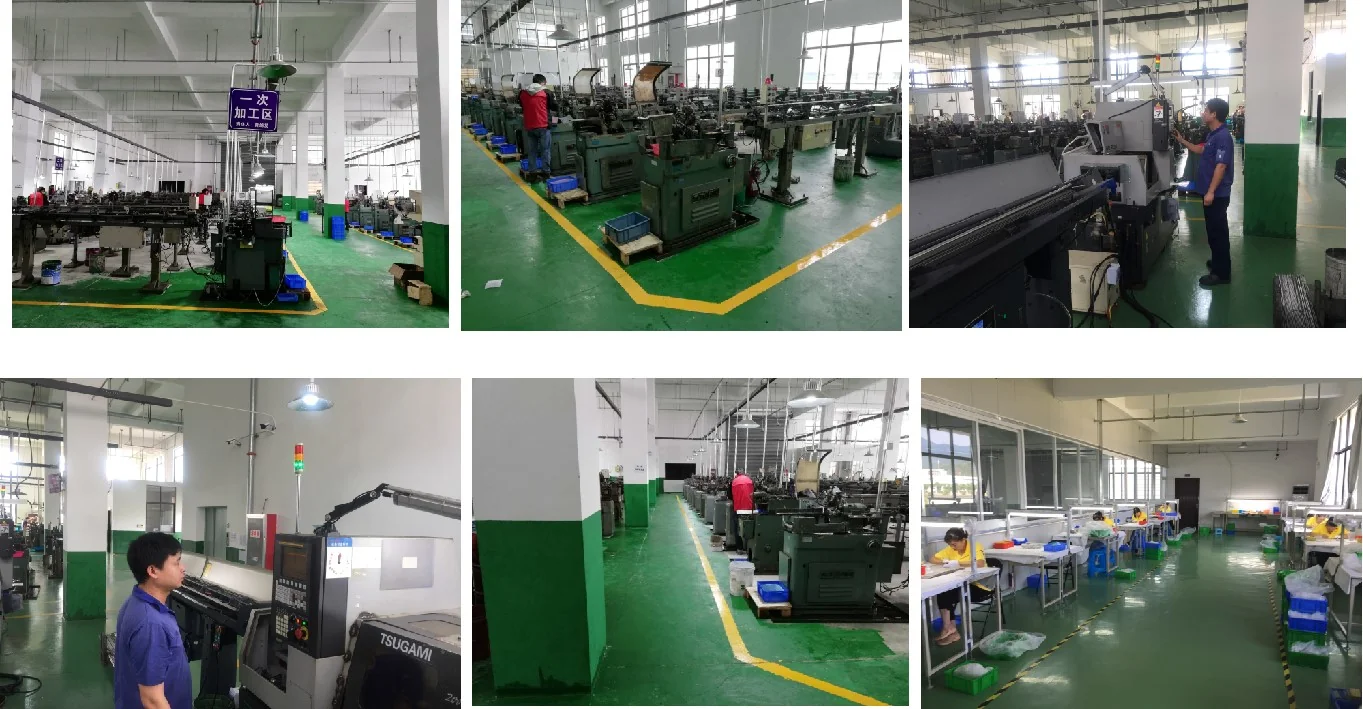
At Suzhou Baoshida Trading Co., Ltd., our engineering capability forms the backbone of our OEM manufacturing excellence, particularly in the development and production of high-performance lexan tubing for demanding industrial applications. With a dedicated team comprising five experienced mould engineers and two specialized rubber formula engineers, we deliver technically advanced, application-specific solutions that meet rigorous performance standards across sectors such as automotive, medical devices, and industrial automation.

Our mould engineering team brings over 15 collective years of precision tooling expertise, focusing on the design, simulation, and optimization of mould systems tailored to lexan tubing geometries. Utilizing advanced CAD/CAM software and 3D simulation tools, our engineers ensure dimensional accuracy, consistent wall thickness, and optimal flow dynamics during extrusion and injection processes. This precision minimizes material waste, reduces cycle times, and enhances repeatability—critical factors in high-volume OEM contracts.

Complementing our mould expertise, our two in-house rubber formula engineers specialize in polymer science and elastomer compounding. They develop custom formulations that enhance the performance of lexan tubing under extreme conditions, including high temperature resistance, UV stability, chemical inertness, and mechanical durability. By fine-tuning polymer blends—such as polycarbonate modifications, TPU enhancements, and co-extrusion compatibilizers—we achieve material properties that align precisely with client specifications. This integrated approach allows us to solve complex application challenges, such as maintaining flexibility without sacrificing tensile strength or ensuring biocompatibility for medical-grade tubing.

Our OEM capabilities are built on a foundation of collaborative engineering. From initial concept to final validation, we work closely with clients to understand functional requirements, environmental exposures, and regulatory constraints. This enables rapid prototyping, iterative testing, and seamless scale-up to mass production. All development phases are supported by in-house testing facilities, including tensile strength analyzers, thermal cycling chambers, and Shore hardness testers, ensuring full traceability and compliance with ISO 9001 standards.

The synergy between our mould and formula engineering teams allows Suzhou Baoshida to offer a unique value proposition: a fully integrated development cycle where material science and precision manufacturing converge to produce lexan tubing with superior performance characteristics.

Below is a summary of key technical specifications achievable with our engineered lexan tubing solutions:

Parameter Typical Value Range Test Standard
Shore Hardness (A/D) 80A – 75D ASTM D2240
Tensile Strength 15 – 60 MPa ASTM D412
Elongation at Break 200% – 700% ASTM D412
Operating Temperature -40°C to +135°C ASTM D1239
UV Resistance (QUV, 1000h) No cracking, <10% ΔE ASTM G154
Biocompatibility USP Class VI, ISO 10993 ISO 10993-5, -10, -11
Chemical Resistance Excellent to oils, alcohols Custom immersion testing

This technical depth, combined with our OEM agility, positions Suzhou Baoshida as a trusted engineering partner for lexan tubing solutions that demand both innovation and reliability.


Customization Process

lexan tubing manufacturing

Rubber Tubing Customization Process: Precision Engineering from Design to Volume Production

At Suzhou Baoshida Trading Co., Ltd., our OEM customization process for industrial rubber tubing rigorously transforms client specifications into high-performance solutions. We prioritize scientific validation at every phase to ensure dimensional accuracy, material integrity, and functional reliability under operational stress. This structured workflow eliminates guesswork and accelerates time-to-market for mission-critical applications.

Drawing Analysis: Technical Feasibility Audit
We commence with a granular review of client-provided CAD drawings or technical schematics. Our engineering team verifies geometric tolerances per ISO 2768-mK standards, assesses wall thickness uniformity, and cross-references fluid dynamics requirements against elastomer flow properties. Critical attention is given to sealing interfaces, bend radii, and pressure points to preempt extrusion defects. Non-conformities trigger immediate collaborative resolution with the client’s design team, ensuring manufacturability without compromising functional intent.

Formulation: Material Science Optimization
Based on the validated design parameters and application environment (e.g., chemical exposure, temperature range, pressure cycles), our rubber chemists develop a bespoke compound. We select base polymers—EPDM for ozone resistance, FKM for high-temperature fuel systems, or silicone for biocompatibility—and engineer additive packages for targeted performance. Accelerated aging tests per ASTM D573 and Shore A durometer calibration occur at this stage. Every formulation undergoes Fourier-transform infrared spectroscopy (FTIR) to confirm molecular stability before prototyping.

Prototyping: Iterative Validation Loop
Precision extrusion of 3–5 prototype batches follows, using client-specified tooling or our in-house CNC-machined dies. Each batch undergoes destructive and non-destructive testing:
Burst pressure verification (ISO 1402)
Compression set analysis (ASTM D395)
Permeation rate measurement for fluid-handling applications
Client feedback on prototype performance informs micro-adjustments to the compound or extrusion parameters. This phase typically requires 2–3 iterations to achieve zero-defect validation.

Mass Production: Statistical Process Control
Upon final sign-off, we transition to volume manufacturing under ISO 9001-certified protocols. Real-time monitoring of extrusion line variables (barrel temperature, vulcanization time, puller speed) ensures batch consistency. Every 500 meters, samples undergo automated dimensional checks via laser micrometers and hardness testing. Statistical process control (SPC) charts track Cp/Cpk indices for critical dimensions, maintaining ±0.1 mm tolerance adherence. Full traceability—from raw material lot numbers to operator IDs—is documented for audit compliance.

Key Performance Specifications for Custom Rubber Tubing

Parameter Design Target Range Production Control Limit Test Standard
Inner Diameter Client-specified ±0.15 mm ±0.10 mm ISO 3309
Shore A Hardness 50–90 ±3 points ASTM D2240
Tensile Strength 10–30 MPa Min. 90% of target ISO 37
Temp. Resistance -50°C to +250°C ±5°C margin ASTM D573
Burst Pressure 2x operational requirement Min. 1.5x requirement ISO 1402

This end-to-end methodology guarantees that Suzhou Baoshida delivers rubber tubing meeting exacting industrial demands—from hydraulic systems in heavy machinery to sterile fluid transfer in pharmaceutical processing. Our commitment to data-driven engineering ensures zero compromise between design intent and real-world performance.


Contact Engineering Team

lexan tubing manufacturing

Contact Suzhou Baoshida for Premium Lexan Tubing Solutions

At Suzhou Baoshida Trading Co., Ltd., we specialize in delivering high-performance industrial rubber and polymer solutions tailored to meet the rigorous demands of modern manufacturing. As a trusted partner in the field of engineered materials, we offer precision-grade Lexan tubing—a polycarbonate-based product renowned for its exceptional clarity, impact resistance, and thermal stability. Whether your application involves fluid transfer, protective shielding, or high-stress mechanical environments, our Lexan tubing provides reliable performance under extreme conditions.

Lexan tubing is not a one-size-fits-all product. Variations in wall thickness, diameter, UV resistance, and chemical compatibility require expert guidance to ensure optimal material selection. Our engineering team at Suzhou Baoshida brings deep technical expertise in polymer science and industrial applications, enabling us to recommend the right Lexan formulation for your specific operational needs. We work closely with OEMs, system integrators, and production managers across industries such as automotive, medical devices, electronics, and industrial automation.

We understand that sourcing high-quality materials involves more than just product specifications. Lead times, batch consistency, compliance with international standards (including ISO and RoHS), and technical documentation are critical factors in maintaining your production efficiency. Suzhou Baoshida ensures traceability, rigorous quality control, and responsive logistics to support your supply chain goals. Our global distribution network and strategic partnerships with certified manufacturers allow us to deliver consistent product availability without compromising on quality.

To further assist your engineering and procurement teams, we provide comprehensive technical data sheets, material certifications, and sample testing programs. Our objective is to reduce your development cycle time and mitigate material-related risks during prototyping and scale-up phases.

For immediate assistance with Lexan tubing selection, custom sizing, or volume procurement, contact Mr. Boyce, OEM Manager and Rubber Formula Engineer at Suzhou Baoshida Trading Co., Ltd. Mr. Boyce leads our technical client engagement and brings over a decade of experience in polymer formulation and industrial application support. He is available to discuss your project requirements, provide material recommendations, and coordinate sample deliveries.

Reach out via email at [email protected] to initiate a technical consultation. We respond to all inquiries within 24 business hours and offer multilingual support to facilitate seamless communication across global operations.

Below is a representative specification profile for standard Lexan tubing available through our inventory. Custom configurations can be developed upon request.

Property Value
Material Polycarbonate (Lexan®)
Transparency High optical clarity
Tensile Strength 60–75 MPa
Heat Deflection Temperature 135–140°C (at 1.82 MPa)
Impact Resistance Exceptional (no brittle fracture)
Chemical Resistance Resistant to dilute acids, alcohols
Standard Diameters 3 mm to 50 mm (custom up to 100 mm)
Wall Thickness Range 0.5 mm to 5 mm
Compliance RoHS, ISO 9001:2015

Partner with Suzhou Baoshida for technically driven, precision-engineered Lexan tubing solutions. Contact Mr. Boyce today to optimize your material performance and supply chain reliability.


⚖️ O-Ring Weight Calculator

Estimate rubber O-ring weight (Approx).


Lexan Tubing Manufacturer | Engineering Guide

Contents of Table

Contact [email protected] Whatsapp 86 15951276160