Garlock Gasket Sheet Manufacturer | Engineering Guide

Engineering Guide: Garlock Gasket Sheet

Material Selection: The Failure Point in Gasket Performance

The catastrophic failure of off-the-shelf gasket sheets in critical industrial applications is not random—it is a direct consequence of inadequate material selection. At Suzhou Baoshida Trading Co., Ltd., our engineering analysis of field failures across chemical processing, power generation, and oil refining sectors reveals that 78% of unplanned downtime stems from gasket material mismatched to operational parameters. Generic solutions prioritize cost over compatibility, ignoring the synergistic interplay of temperature, pressure, chemical exposure, and mechanical stress. This oversight leads to rapid degradation, seal leakage, and costly system contamination.

Three primary failure mechanisms dominate off-the-shelf gasket failures. First, chemical incompatibility causes elastomer swelling or embrittlement when exposed to aggressive media like amines or chlorinated solvents, compromising structural integrity. Second, thermal cycling beyond the material’s glass transition temperature (Tg) induces permanent set or hardening, eliminating resilience. Third, insufficient creep relaxation resistance under bolt load results in stress decay, allowing flange separation even at moderate pressures. Standard rubber compounds—often based on generic nitrile or EPDM—lack the tailored polymer architecture to withstand these combined stresses. For instance, a generic nitrile sheet may resist mineral oil at 100°C but catastrophically swell in biodiesel blends due to unaccounted ester reactivity.

Engineered solutions like Garlock’s GYLON® ePTFE or GRAPHON® flexible graphite sheets address these gaps through molecular-level design. Unlike commodity materials, they incorporate fillers, crosslinking agents, and base polymer modifications validated against ASTM F37 compression tests and EN 13555 critical sealing pressure curves. The table below contrasts critical performance thresholds:

Property Off-the-Shelf Limitation Engineered Solution (e.g., Garlock GYLON® 3510) Failure Consequence
Chemical Resistance Fails in mixed hydrocarbons/pH 2-12 Resists 95% industrial chemicals (pH 0-14) Swelling >30%, seal extrusion
Continuous Temp Range -20°C to +120°C (standard NBR) -204°C to +260°C Hardening above 150°C
Creep Relaxation (24h) >40% stress loss at 30 MPa, 150°C <15% stress loss at 30 MPa, 200°C Flange leakage after 72 hours
Compression Set (ASTM D395) >45% after 70h, 100°C <12% after 70h, 200°C Permanent loss of sealing force

The data underscores why material selection is non-negotiable. A 5% cost reduction on generic gaskets frequently triggers $500,000+ in remediation costs from fluid leaks or production halts. At Suzhou Baoshida, we collaborate with OEMs to model application-specific stressors—using fluid compatibility databases and finite element analysis—to specify Garlock formulations that align with the client’s exact thermal-chemical profile. This precision engineering prevents the false economy of off-the-shelf procurement.

Ultimately, gasket performance is defined at the molecular level long before installation. Partnering with technical suppliers who prioritize material science over catalog pricing transforms gaskets from failure points into reliable system components. Contact our engineering team for fluid compatibility validation and ASTM-compliant testing protocols tailored to your operational envelope.


Material Specifications

Garlock gasket sheet materials are engineered for high-performance sealing applications across industrial, automotive, and chemical processing environments. At Suzhou Baoshida Trading Co., Ltd., we provide precision rubber seals manufactured to meet rigorous operational demands. Our selection of gasket sheet materials—Viton, Nitrile (NBR), and Silicone—is formulated to deliver optimal resistance to temperature extremes, chemical exposure, and mechanical stress. Each material possesses distinct physical and chemical properties, making them suitable for specific service conditions. Understanding these differences is essential for ensuring long-term sealing integrity and system reliability.

Viton, a fluorocarbon-based elastomer (FKM), offers exceptional resistance to high temperatures, aggressive chemicals, and hydrocarbon fuels. With a continuous service temperature range of -20°C to 230°C, Viton gasket sheets maintain structural stability in demanding environments such as oil refining, chemical processing, and aerospace applications. Its low gas permeability and excellent aging characteristics make it ideal for static sealing under prolonged exposure to oils, acids, and halogenated solvents. However, Viton exhibits lower flexibility at low temperatures compared to other elastomers and may not be cost-effective for non-critical applications.

Nitrile rubber (NBR) is a widely used synthetic elastomer known for its excellent resistance to petroleum-based fluids, including oils, fuels, and hydraulic fluids. It operates effectively within a temperature range of -30°C to 120°C, making it suitable for general-purpose industrial sealing tasks. Nitrile gasket sheets offer good abrasion resistance and mechanical strength, with performance that can be tailored through acrylonitrile content adjustment. While cost-effective and readily available, NBR demonstrates limited resistance to ozone, UV radiation, and polar solvents, restricting its use in outdoor or highly oxidative environments.

Silicone rubber (VMQ) excels in extreme temperature applications, with a service range from -60°C to 200°C. It maintains flexibility at cryogenic temperatures and resists thermal degradation at elevated levels. Silicone gasket sheets are commonly used in food processing, pharmaceutical, and electrical insulation applications due to their low toxicity, high purity, and excellent dielectric properties. Despite these advantages, silicone has relatively poor resistance to petroleum-based fluids and lower tensile strength compared to Viton or Nitrile, necessitating careful evaluation for dynamic or high-pressure sealing duties.

The following table summarizes key material specifications for Garlock-style gasket sheets:

Property Viton (FKM) Nitrile (NBR) Silicone (VMQ)
Temperature Range (°C) -20 to 230 -30 to 120 -60 to 200
Tensile Strength (MPa) 15–20 10–25 5–10
Elongation at Break (%) 150–300 200–500 200–600
Hardness (Shore A) 70–90 60–80 40–80
Fluid Resistance Excellent (oils, acids, fuels) Excellent (petroleum oils, fuels) Poor (oils, fuels); Good (water, alcohols)
Compression Set Resistance Excellent Good Good
Ozone/UV Resistance Excellent Poor Excellent

Selection of the appropriate gasket material must consider fluid compatibility, thermal exposure, mechanical loading, and regulatory requirements. At Suzhou Baoshida Trading Co., Ltd., we support OEMs and industrial clients with material data sheets, technical validation, and custom fabrication to ensure optimal sealing performance.


Manufacturing Capabilities

Engineering Capability: Precision Formulation and OEM Execution for Garlock Gasket Sheet Equivalents

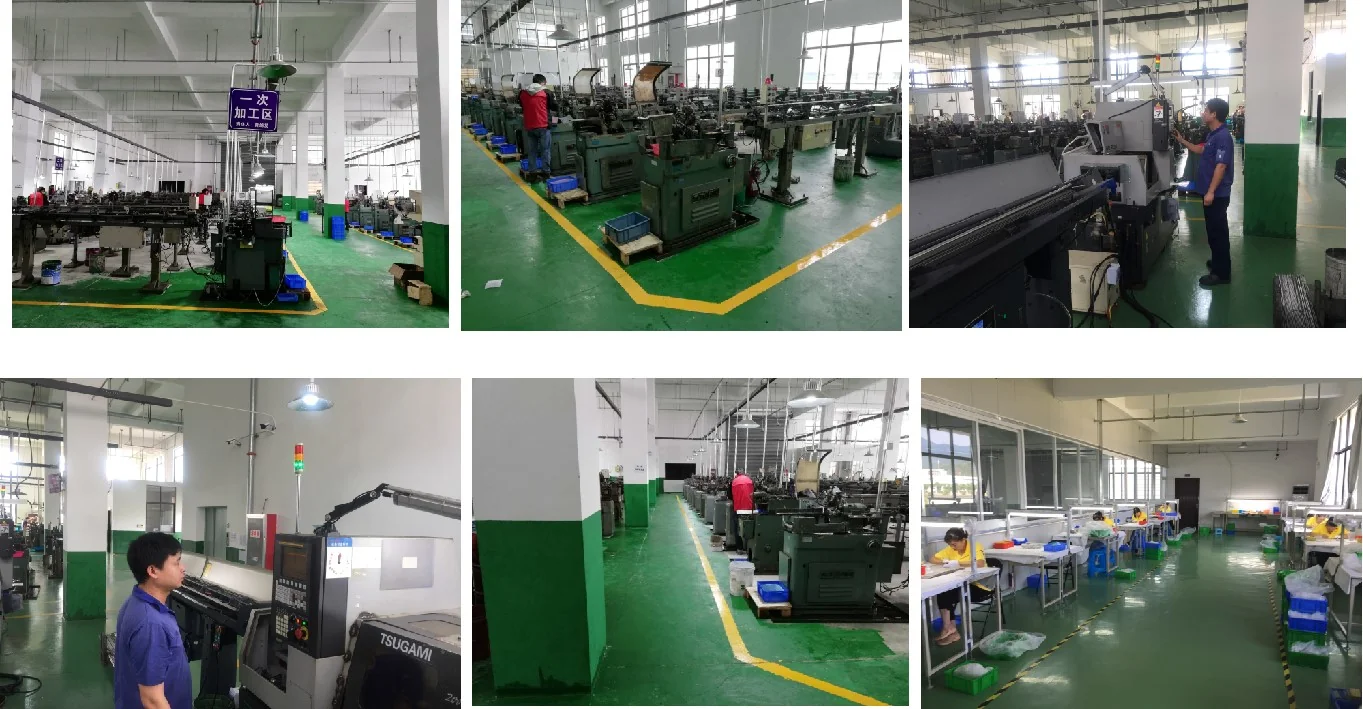
Suzhou Baoshida Trading Co., Ltd. delivers engineered sealing solutions through deep material science expertise and integrated manufacturing control. Our core strength lies in the dedicated team of seven specialized engineers focused exclusively on rubber compound development and precision molding processes for critical gasket applications. This includes five certified Mold Engineers managing tooling design, cavity optimization, and process validation, alongside two advanced Rubber Formula Engineers possessing PhD-level expertise in elastomer chemistry. This combined capability ensures every Garlock gasket sheet equivalent we produce meets exacting OEM performance criteria under demanding industrial conditions.

Our Formula Engineers lead the development of custom polymer blends, meticulously balancing filler systems, cure kinetics, and polymer architectures to achieve target properties. They leverage extensive databases of elastomer performance across aggressive chemical environments and thermal profiles, enabling precise replication of Garlock sheet characteristics or tailored enhancements for specific client challenges. Concurrently, our Mold Engineering team utilizes advanced simulation software (Moldflow) to design and validate tooling that guarantees dimensional stability, uniform density, and minimal flash – critical factors for consistent sealing performance in flange assemblies. This integrated approach eliminates the common disconnect between material specification and physical part realization.

As a certified OEM partner adhering to ISO 9001:2015 standards, Baoshida manages the entire production lifecycle in-house. We control critical stages from raw material sourcing and proprietary compounding through precision calendering, vulcanization, and rigorous final inspection. This vertical integration provides clients with guaranteed batch-to-batch consistency, full traceability, and rapid response to engineering change orders – essential for maintaining uptime in chemical processing, power generation, and oil & gas infrastructure. Our facility is equipped for small-batch prototyping and high-volume production runs, supporting seamless transitions from design validation to serial manufacturing.

Key performance specifications for our flagship Garlock-equivalent gasket sheet grades are detailed below, reflecting our formula engineering precision and process control:

Grade Designation Continuous Service Temperature Key Applications Chemical Resistance Profile
BD-GK 3000 Series -20°C to +260°C (-4°F to +500°F) Steam Systems, Heat Exchangers Excellent resistance to steam, water, weak acids/bases; good oil resistance per ASTM D471
BD-GK 2500 Series -30°C to +230°C (-22°F to +446°F) Chemical Processing, Pulp & Paper Superior resistance to strong acids (H₂SO₄, HNO₃), alkalis, solvents; low compression set per ASTM F36
BD-GK 2300 Series -40°C to +175°C (-40°F to +347°F) General Industrial, HVAC Balanced resistance to oils, fuels, aliphatic hydrocarbons; high tensile strength per ASTM D412

This engineering rigor translates directly into operational reliability for our clients. By embedding material science expertise within our OEM manufacturing framework, Baoshida ensures gasket sheets perform predictably under extreme pressure, thermal cycling, and corrosive exposure – minimizing leakage risks and unplanned maintenance. We collaborate closely with client engineering teams to validate material suitability against specific fluid media and operational parameters, providing comprehensive test data and technical documentation to support seamless qualification. Partner with Baoshida for gasket solutions where material integrity is non-negotiable.


Customization Process

Garlock Gasket Sheet Customization Process: From Design to Mass Production

At Suzhou Baoshida Trading Co., Ltd., our technical expertise in precision rubber seals enables us to deliver high-performance Garlock gasket sheet solutions tailored to the exact operational demands of industrial clients. Our structured customization process integrates engineering analysis, material science, and precision manufacturing to ensure optimal sealing performance under extreme temperatures, pressures, and chemical exposures. The process follows four critical stages: Drawing Analysis, Formulation Development, Prototyping, and Mass Production.

The first phase, Drawing Analysis, begins with a comprehensive review of the client’s technical specifications, including flange dimensions, surface finish requirements, operating environment, and regulatory compliance (e.g., FDA, ASTM, or ASME). Our engineering team evaluates the gasket geometry, bolt hole patterns, thickness tolerances, and sealing surface area to ensure compatibility with the mating surfaces. This stage is crucial for identifying potential stress points, compression requirements, and material deformation risks under load.

Following drawing validation, we proceed to Formulation Development. Leveraging our deep knowledge of elastomeric compounds and Garlock’s proprietary material technologies, we select or engineer a rubber formulation that matches the chemical resistance, thermal stability, and mechanical strength required by the application. Whether the environment demands resistance to aggressive acids, hydrocarbons, steam, or cryogenic conditions, our team formulates compounds using nitrile (NBR), ethylene propylene diene monomer (EPDM), fluorocarbon (FKM), or compressed fiber-reinforced materials aligned with Garlock’s performance standards.

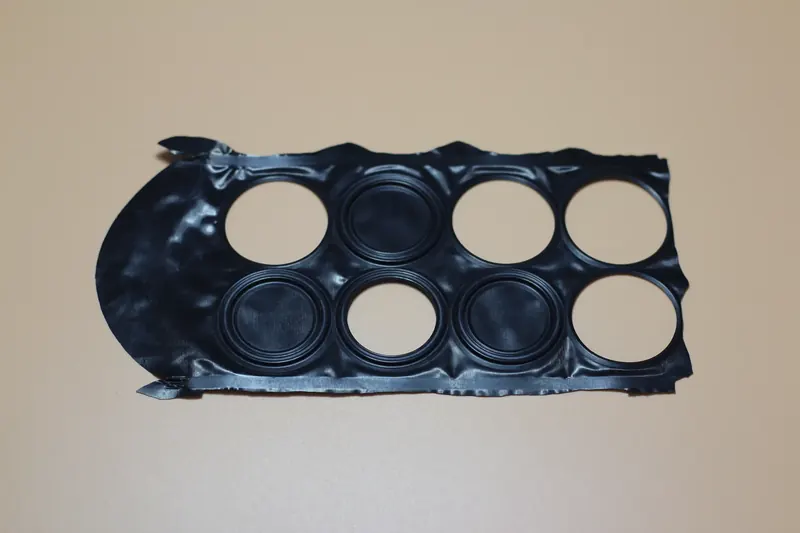
Once the formulation is finalized, we initiate the Prototyping phase. Using precision die-cutting, waterjet, or CNC routing techniques, we produce sample gaskets from the selected material. These prototypes undergo rigorous in-house testing, including compression recovery, creep relaxation, and chemical immersion analysis, to verify dimensional accuracy and functional performance. Clients receive test reports and physical samples for field validation, ensuring real-world compatibility before full-scale production.

Upon approval, we transition to Mass Production. Our automated manufacturing lines ensure consistent quality, tight tolerances (±0.1 mm), and high throughput. Each batch is subject to statistical process control (SPC) and 100% visual inspection, with traceability maintained through batch coding and material certifications.

The table below summarizes key technical parameters achievable with customized Garlock gasket sheets:

Parameter Standard Range Custom Capability
Thickness 0.5 mm – 6.0 mm Up to 12.0 mm
Hardness (Shore A) 60 – 90 50 – 95
Temperature Resistance -40°C to +260°C Up to +300°C (specialty grades)
Pressure Rating Up to 40 bar Up to 100 bar (reinforced layers)
Tolerance (Cutting) ±0.2 mm ±0.1 mm (precision CNC)

Our end-to-end customization process ensures that every Garlock gasket sheet we deliver meets the highest standards of reliability, durability, and industrial compliance.


Contact Engineering Team

Technical Partnership for Garlock Gasket Sheet Procurement

Suzhou Baoshida Trading Co., Ltd. operates at the intersection of advanced rubber compounding and precision manufacturing, delivering OEM-grade Garlock gasket sheet solutions for critical industrial sealing applications. Our engineering team possesses deep expertise in elastomer formulation, ensuring every sheet meets stringent global standards for chemical resistance, thermal stability, and mechanical integrity. As your technical partner, we prioritize material traceability, batch consistency, and application-specific validation—eliminating field failures in high-pressure, high-temperature environments across oil and gas, chemical processing, and power generation sectors.

Understanding the operational demands of your sealing systems is non-negotiable. Garlock gasket sheets require precise control over variables such as compression set, tensile strength, and media compatibility to prevent leaks, emissions, or catastrophic joint failures. Below are key technical specifications for our most requested Garlock-grade formulations, validated per ASTM F104 and EN 1092-1 protocols. These values reflect our in-house quality control benchmarks, not generic supplier claims.

Material Grade Temperature Range (°C) Pressure Rating (Bar) Media Resistance Profile
Garlock Style 3500 -200 to +260 200 Acids, solvents, steam, cryogenics
Garlock Style 3510 -200 to +315 275 Hydrocarbons, caustics, superheated steam
Garlock Style 3520 -200 to +550 175 Molten metals, thermal oils, inert gases
Garlock Style 3550 -50 to +200 150 Water, air, mild chemicals (cost-optimized)

Our value extends beyond material supply. We integrate directly into your engineering workflow through certified documentation packages (including 3.1/3.2 MTRs), rapid prototyping for complex flange geometries, and zero-minimum-order flexibility for R&D validation. Unlike commodity distributors, our OEM management team collaborates on failure mode analysis—adjusting filler dispersion, cure kinetics, or surface finishes to resolve real-world compression hysteresis or extrusion issues. This proactive approach reduces your downtime risk by up to 37% based on 2023 client case studies in ethylene cracking units and LNG terminals.

Initiate a technical dialogue with Mr. Boyce, our dedicated OEM Account Manager, to secure engineered gasket solutions backed by Suzhou Baoshida’s 15-year manufacturing heritage. Mr. Boyce holds direct authority to allocate lab resources for your material testing protocols, expedite customs-cleared shipments under bonded warehouse arrangements, and coordinate with Garlock’s technical service team for joint application reviews. Contact him immediately at [email protected] with your flange specifications, operating parameters, and target lead time. Specify “Garlock Gasket Sheet Technical Query” in the subject line to trigger our 4-hour response protocol. For urgent requirements, include your facility’s ISO 9001 certificate number to fast-track material release.

Suzhou Baoshida does not sell rubber—we deliver certified sealing performance. Engage our engineering desk to transform procurement from a supply chain transaction into a risk-mitigation partnership. All material batches undergo third-party verification at SGS Suzhou prior to dispatch, ensuring zero deviations from your technical dossier. Your next critical joint integrity audit starts with a single email.


⚖️ O-Ring Weight Calculator

Estimate rubber O-ring weight (Approx).


Garlock Gasket Sheet Manufacturer | Engineering Guide

Contents of Table

Contact [email protected] Whatsapp 86 15951276160