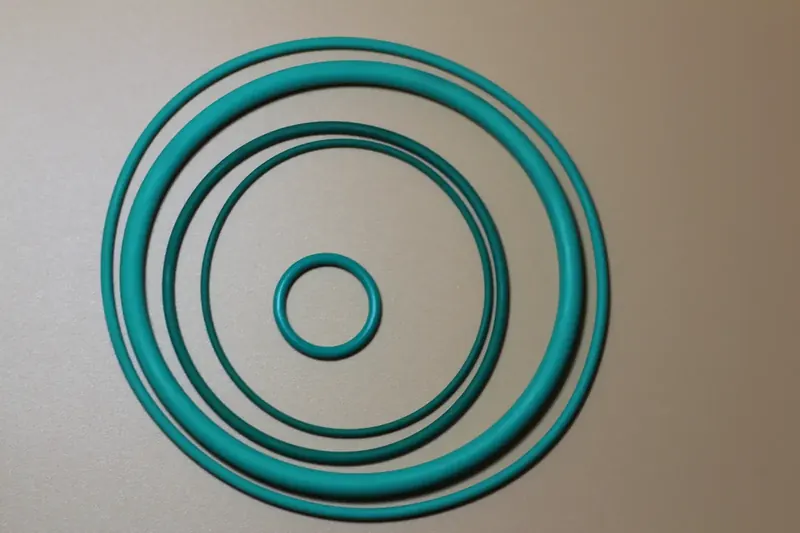
Technical Contents
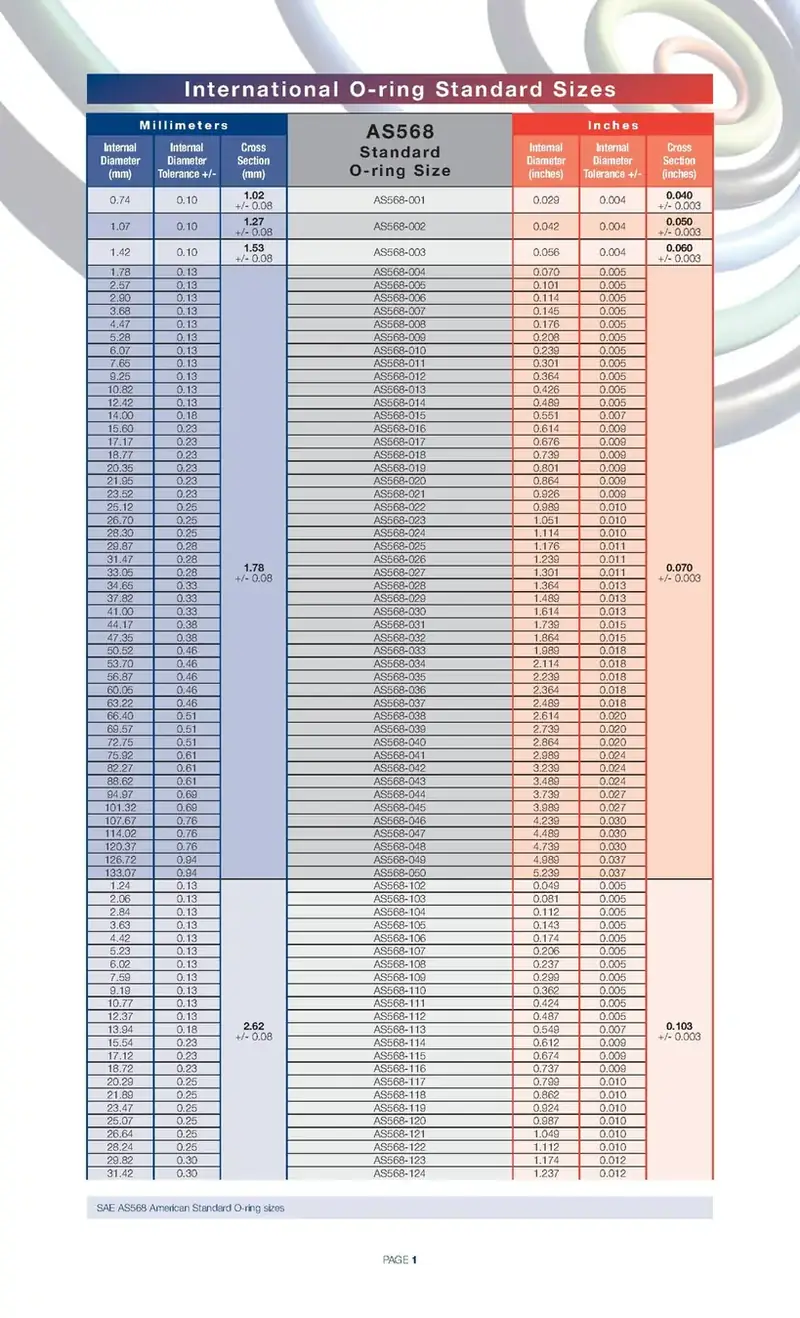
Engineering Guide: Viton O-Rings Size Chart
Engineering Insight: Material Selection Beyond Viton O-Ring Size Charts
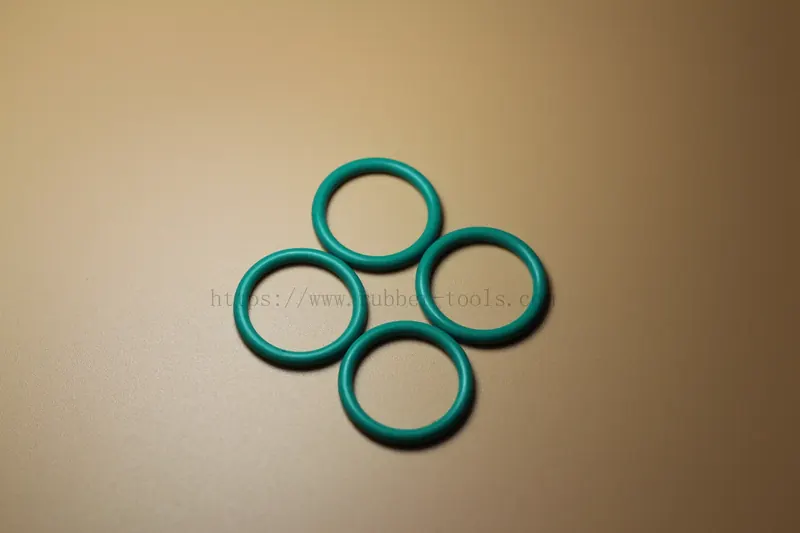
Precision sealing demands transcend dimensional accuracy alone. While standardized Viton O-ring size charts (AS568A, ISO 3601) provide critical geometric references, material selection remains the paramount engineering variable determining seal longevity and system integrity. Off-the-shelf Viton O-rings frequently fail not due to incorrect sizing, but because generic formulations lack tailored resistance to specific operational hazards. Thermodynamic incompatibility between the elastomer and process media initiates polymer backbone degradation, leading to swelling, hardening, or catastrophic compression set. For instance, standard FKM-A Viton exhibits inadequate resistance to low-molecular-weight ketones or hot amines, causing rapid volume swell exceeding 40% and subsequent seal extrusion in hydraulic systems. Similarly, aerospace actuators operating at 250°C require peroxide-cured FKM-F grades; standard bisphenol-cured variants suffer chain scission above 220°C, accelerating leakage.
The critical oversight occurs when engineers treat Viton as a monolithic material. Fluoroelastomer (FKM) chemistry varies significantly across grades, directly impacting chemical resistance and thermal stability. Generic catalog offerings typically stock only baseline FKM-A compounds, neglecting specialized formulations essential for aggressive media.
Viton Grade Performance Comparison for Critical Applications
| Property | FKM-A (Standard) | FKM-B (High Temp) | FKM-F (Chemical Resistant) | Test Standard |
|---|---|---|---|---|
| Continuous Temp Range | -20°C to +230°C | -15°C to +250°C | -25°C to +230°C | ASTM D2000 |
| Volume Swell in Jet Fuel | 5-8% | 6-9% | <3% | ASTM D471 |
| Volume Swell in Acetone | 35-45% | 30-40% | 10-15% | ASTM D471 |
| Compression Set (22h/200°C) | 35-45% | 25-35% | 20-30% | ASTM D395 |
| Base Resistance | Limited | Moderate | Excellent | N/A |
Common failure modes include seal extrusion in high-pressure hydraulic manifolds due to ketone-induced swelling, or premature leakage in chemical processing pumps from amine attack on standard FKM-A. These stem from mismatched material chemistry, not dimensional errors. Total cost of ownership calculations consistently reveal that 85% of premature seal failures originate from unaddressed chemical compatibility gaps, not incorrect AS568 sizing.
Suzhou Baoshida’s engineered approach integrates fluid analysis, temperature profiling, and dynamic stress modeling to prescribe bespoke Viton formulations. Our OEM partnerships begin with media compatibility testing against 120+ industrial chemicals, followed by custom peroxide or bisphenol curing systems optimized for the client’s thermal envelope. This methodology prevents the 30-60 day field failures typical of off-the-shelf Viton O-rings in demanding applications. Precision sealing requires material science rigor beyond catalog dimensions; it demands chemistry calibrated to the molecular reality of your operating environment.
Material Specifications
Material Specifications for Precision Rubber Seals
When selecting elastomeric materials for high-performance sealing applications, understanding the chemical, thermal, and mechanical properties of Viton, Nitrile (NBR), and Silicone is critical. At Suzhou Baoshida Trading Co., Ltd., we specialize in precision rubber seals engineered to meet rigorous industrial demands. Each material offers distinct advantages depending on operating environment, media exposure, and service life requirements.
Viton, a fluorocarbon rubber (FKM), is widely regarded as the premium choice for extreme environments. It exhibits outstanding resistance to high temperatures, consistently performing in continuous service up to 200°C (392°F) and short-term exposure up to 250°C (482°F). Viton demonstrates excellent resistance to a broad range of chemicals, including hydrocarbons, acids, oils, and fuels. This makes it ideal for aerospace, automotive, and chemical processing applications where reliability under stress is paramount. Additionally, Viton maintains sealing integrity under prolonged compression and exhibits low gas permeability, enhancing its suitability for vacuum and high-pressure systems.
Nitrile rubber (NBR) is a cost-effective solution for general-purpose sealing in oil and fuel environments. It performs well in temperatures ranging from -30°C to 100°C (-22°F to 212°F), with some formulations extending to 120°C (248°F) for limited durations. Nitrile offers excellent resistance to petroleum-based fluids, aliphatic hydrocarbons, and water. However, it is less effective when exposed to ozone, aromatic hydrocarbons, chlorinated solvents, or extreme heat. Due to its abrasion resistance and good mechanical strength, NBR is commonly used in hydraulic systems, fuel lines, and industrial machinery.
Silicone rubber (VMQ) excels in applications requiring wide temperature flexibility and biocompatibility. It operates effectively from -60°C to 200°C (-76°F to 392°F), making it suitable for both cryogenic and high-heat environments. Silicone is highly resistant to ozone and UV radiation, ensuring long-term outdoor durability. It also meets FDA and USP Class VI standards, which is essential for food processing, medical devices, and pharmaceutical applications. However, silicone has relatively low tensile strength and poor resistance to petroleum-based fluids, limiting its use in high-stress mechanical seals.
The selection of the appropriate elastomer directly impacts seal performance, longevity, and system safety. Below is a comparative overview of the key physical and chemical properties of these materials.
| Property | Viton (FKM) | Nitrile (NBR) | Silicone (VMQ) |
|---|---|---|---|
| Temperature Range (°C) | -20 to 200 | -30 to 100 (up to 120 short-term) | -60 to 200 |
| Temperature Range (°F) | -4 to 392 | -22 to 212 (up to 248 short-term) | -76 to 392 |
| Tensile Strength (MPa) | 15–25 | 10–20 | 5–10 |
| Elongation at Break (%) | 200–300 | 250–500 | 200–700 |
| Hardness (Shore A) | 60–90 | 50–90 | 30–80 |
| Resistance to Oils & Fuels | Excellent | Excellent | Poor |
| Resistance to Acids | Excellent | Moderate | Good |
| Resistance to Ozone/UV | Excellent | Good | Excellent |
| Compression Set Resistance | Excellent | Good | Moderate |
| FDA Compliance | Some grades | Limited | Yes (specific grades) |
Understanding these material characteristics enables precise matching of seal material to application requirements, ensuring optimal performance and reliability in industrial systems.
Manufacturing Capabilities
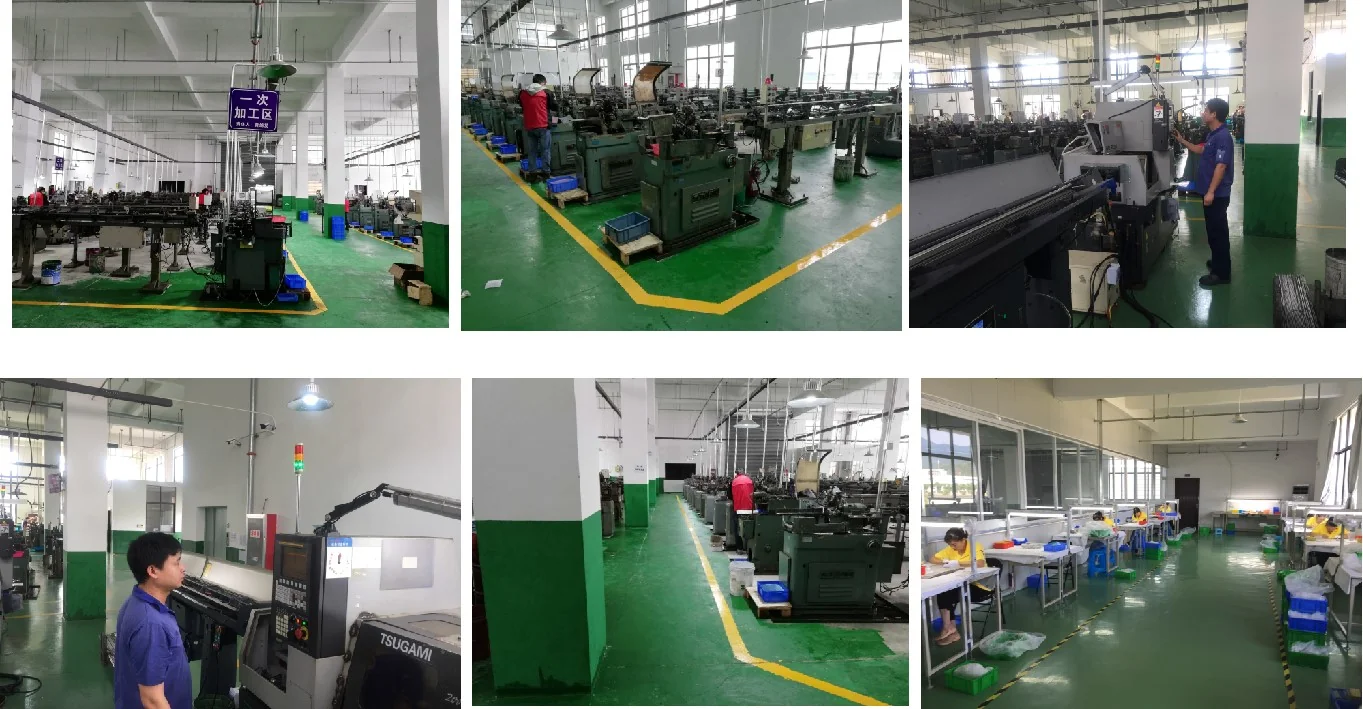
Engineering Capability: Precision Viton O-Ring Manufacturing at Suzhou Baoshida Trading Co., Ltd.
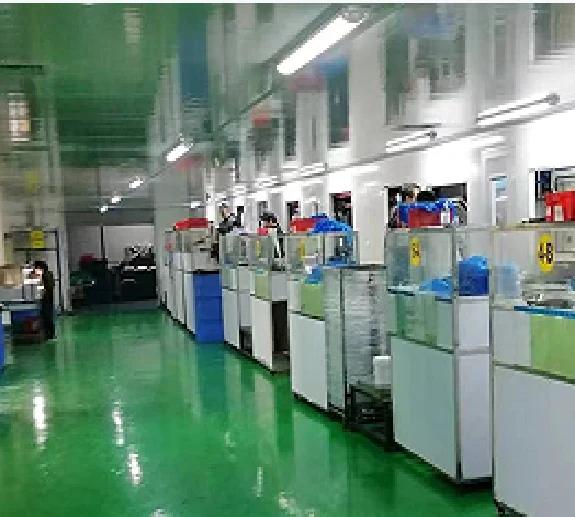
Suzhou Baoshida Trading Co., Ltd. delivers engineered sealing solutions where failure is not an option. Our specialization in Viton (FKM) O-rings leverages deep material science expertise and advanced manufacturing control to meet the most demanding aerospace, semiconductor, and chemical processing applications. Central to our capability is the seamless integration of dedicated Formula Engineering and Mold Engineering disciplines, ensuring every O-ring adheres precisely to dimensional, chemical, and thermal performance requirements defined by global standards like AS568-A.
Our core strength resides in a specialized technical team comprising five experienced Mold Engineers and two certified Rubber Formula Engineers. This structure is deliberate. Formula Engineers focus exclusively on Viton compound optimization, meticulously tailoring polymer grades, filler systems, and cure packages to achieve target properties such as compression set resistance below 25% after 70 hours at 200°C, exceptional resistance to jet fuels and aggressive acids, and thermal stability across the full Viton operational range. Concurrently, our Mold Engineers translate these precise material specifications into flawless production. They design and maintain high-precision tooling for all standard AS568-A sizes and custom cross-sections, utilizing advanced cavity pressure monitoring and statistical process control to maintain tolerances within ±0.05mm on critical dimensions like inside diameter and cross-section. This dual-engineering approach eliminates the disconnect often seen between material specification and physical part realization, guaranteeing the compound’s inherent properties are fully expressed in the final O-ring.
As a certified OEM partner, Suzhou Baoshida provides complete vertical integration under stringent ISO 9001:2015 and IATF 16949 quality management systems. We manage every stage: from raw material sourcing of premium Viton polymers through proprietary compounding, precision molding, post-cure optimization, 100% dimensional inspection, and comprehensive lot traceability. Our OEM process includes collaborative design review, rigorous First Article Inspection (FAI) reporting per AS9102, and dedicated production cells ensuring batch consistency for volumes ranging from prototypes to millions of units annually. This end-to-end control is critical for mission-critical seals where material homogeneity and dimensional accuracy directly impact system integrity and lifespan.
The following table summarizes key Viton O-ring specifications achievable through our integrated engineering and OEM manufacturing process:
| Parameter | Standard Range/Value | Testing Standard | Significance for Performance |
|---|---|---|---|
| Material Grade | Viton AGL-200, GBL-200, ETP | ASTM D2000, ISO 3767 | Base polymer selection for fuel/chem resistance |
| Durometer (Shore A) | 70 ± 5 to 90 ± 5 | ASTM D2240 | Sealing force optimization, extrusion resistance |
| Standard Sizes (AS568) | -001 to -455 | AS568-A | Interchangeability with global systems |
| ID Tolerance (mm) | ±0.08 to ±0.25 | ISO 3601-1 | Critical for gland fit and compression |
| Temp Range (Continuous) | -25°C to +230°C | ASTM D2000 | Performance in extreme environments |
| Compression Set (70h) | ≤ 25% @ 200°C | ASTM D395 Method B | Long-term sealing reliability metric |
This technical rigor, driven by our combined Formula and Mold Engineering expertise and executed through certified OEM manufacturing, ensures Suzhou Baoshida Viton O-rings consistently exceed industry expectations for dimensional accuracy, material performance, and operational reliability in the world’s harshest sealing environments. We engineer not just to spec, but to the unspoken requirement of zero leakage under extreme duress.
Customization Process
Customization Process for Viton O-Rings at Suzhou Baoshida Trading Co., Ltd.
At Suzhou Baoshida Trading Co., Ltd., precision in rubber seal manufacturing is paramount, especially when producing custom Viton O-rings for demanding industrial applications. Our systematic customization process ensures that every component meets exact functional, environmental, and dimensional requirements. The process begins with Drawing Analysis, followed by compound Formulation, Prototyping, and concludes with Mass Production.
The first phase, Drawing Analysis, involves a comprehensive review of customer-provided technical drawings or specifications. Our engineering team evaluates critical parameters such as cross-sectional diameter, inner diameter, tolerance class, groove design, and application conditions including temperature, pressure, and media exposure. This step ensures full alignment with international standards such as AS568, ISO 3601, or JIS B 2401, while also verifying feasibility for molding and sealing performance. Any discrepancies or optimization opportunities are communicated to the client for technical validation prior to proceeding.
Once the design is confirmed, we proceed to Formulation. Viton, a fluoroelastomer manufactured by Chemours, offers exceptional resistance to high temperatures, oils, fuels, and chemicals. However, different grades of Viton (e.g., FKM 260C, FKM 7075) exhibit varying performance characteristics. Our Rubber Formula Engineers select the optimal polymer base, cure system, and additive package—such as fillers, plasticizers, and stabilizers—based on the operational environment. For example, a high-temperature application exceeding 250°C may require a peroxide-cured tri-modal FKM formulation, while dynamic sealing applications demand enhanced resilience and low compression set.
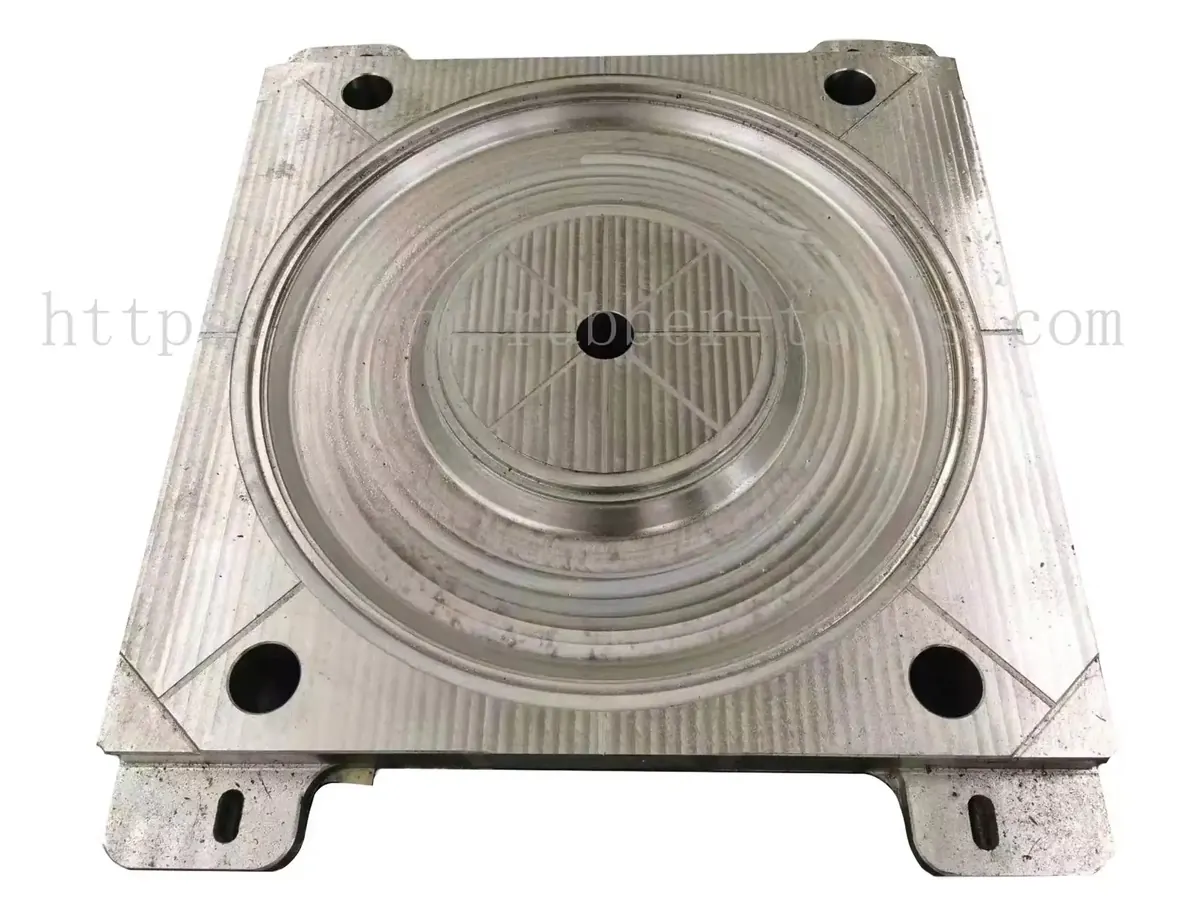
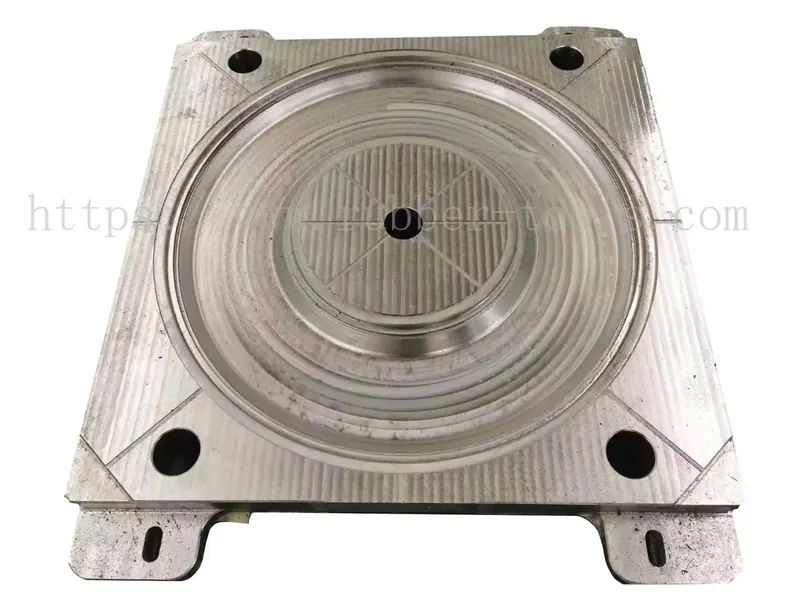
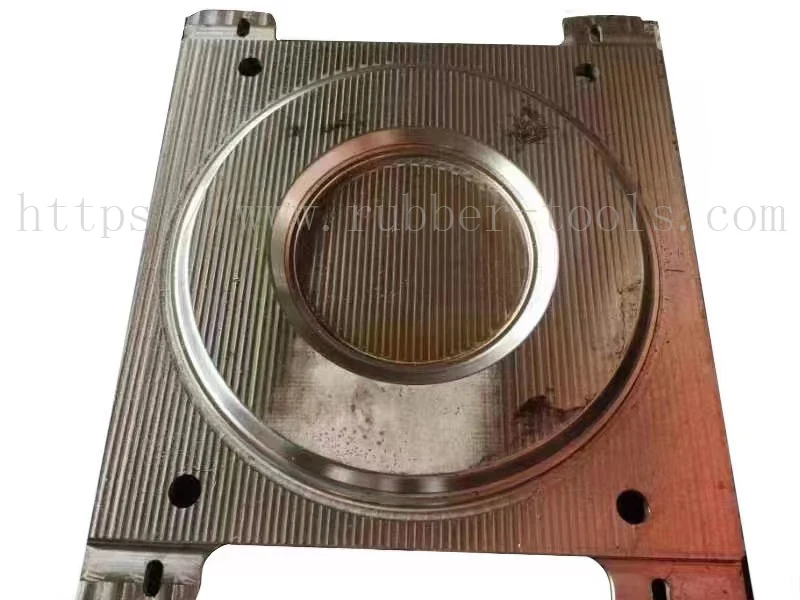
The next stage is Prototyping. Using precision CNC-machined molds or rapid tooling techniques, we produce small-batch samples for functional testing. These prototypes undergo rigorous quality checks including dimensional inspection via optical comparators, hardness testing (Shore A), and simulated service condition trials such as thermal aging, fluid immersion, and compression set analysis. Our in-house laboratory facilities enable accelerated life testing to validate long-term performance. Customer feedback is integrated at this stage to refine design or material choices before final approval.
Upon successful prototype validation, the project transitions to Mass Production. We leverage automated rubber molding lines, including compression, transfer, and injection molding systems, to ensure consistency and scalability. Each production batch is subject to statistical process control (SPC), with certificates of conformance (CoC) and material test reports (MTR) provided as standard. Traceability is maintained through batch coding and raw material lot tracking.
The following table outlines key specifications managed during the customization process:
| Parameter | Standard Range / Options | Tolerance (Typical) |
|---|---|---|
| Inner Diameter (ID) | 3.0 mm – 500.0 mm | ±0.05 mm to ±0.3 mm |
| Cross Section (CS) | 1.0 mm – 7.0 mm | ±0.05 mm |
| Hardness | 60, 70, 80, 90 Shore A | ±5 Shore A |
| Temperature Range | -20°C to +250°C (intermittent up to +300°C) | Material-dependent |
| Material Grades | FKM 260C, FKM 7075, FKM GBL, FFKM available | Per ASTM D1418 |
| Standards Compliance | AS568, ISO 3601, JIS B 2401, custom sizes | Per customer requirement |
This structured approach ensures that every custom Viton O-ring delivered by Suzhou Baoshida meets the highest standards of engineering integrity and performance reliability.
Contact Engineering Team
Precision Viton O-Ring Sourcing: Eliminate Seal Failure Through Expert Engineering Support
Selecting the correct Viton O-ring size is not merely a dimensional exercise; it is a critical engineering decision impacting system integrity, operational safety, and lifecycle costs. Standard size charts provide foundational data, but real-world application success hinges on understanding material behavior under dynamic conditions—thermal cycling, chemical exposure, and compression set. At Suzhou Baoshida Trading Co., Ltd., we engineer solutions beyond catalog specifications. Our technical team validates every O-ring against actual service parameters, ensuring the polymer backbone stability of Viton (FKM) delivers optimal extrusion resistance and sealing force retention where nitrile or EPDM would fail. Generic size charts cannot account for fluid compatibility nuances or pressure-temperature interactions that dictate seal longevity.
The following table details common AS568 standard sizes with Viton-specific tolerance considerations critical for aerospace, semiconductor, and chemical processing applications. Note the tighter cross-section tolerances required for high-purity or ultra-high-vacuum environments:
| AS568 Dash No | Inner Diameter (mm) | Cross-Section (mm) | Viton Tolerance (ID ±mm) | Viton Tolerance (CS ±mm) | Primary Application Risk Mitigation |
|---|---|---|---|---|---|
| -214 | 3.53 | 2.62 | 0.08 | 0.05 | Aggressive solvent resistance |
| -322 | 34.93 | 3.53 | 0.13 | 0.08 | Thermal cycling stability (200°C+) |
| -435 | 101.60 | 5.33 | 0.20 | 0.10 | High-pressure extrusion prevention |
| -901 | 0.79 | 1.78 | 0.05 | 0.03 | Ultra-high-vacuum outgassing control |
These tolerances reflect Viton’s unique compression set characteristics and thermal expansion coefficients—factors often overlooked in standard size charts. A 0.1mm deviation in cross-section tolerance can accelerate seal failure by 40% in hydrogen service due to permeation-induced blistering. Our OEM-managed production lines implement real-time dimensional monitoring via laser micrometry, not batch sampling, ensuring every shipment meets your exact engineering criticals.
Do not compromise sealing performance with off-the-shelf assumptions. Suzhou Baoshida operates as your embedded rubber science partner, not merely a supplier. We initiate every engagement with a fluid compatibility audit and dynamic stress analysis to match Viton compound grades (e.g., GBL-S for ketones, ETP-600 for amine resistance) to your specific media. Our traceability system tracks lot-specific durometer drift and compression set data—essential for FDA 21 CFR or NORSOK M-710 compliance. When lead time pressures mount, our Suzhou manufacturing hub guarantees 14-day delivery for standard AS568 sizes without sacrificing ASTM D2000 quality conformance.
Contact Mr. Boyce directly for engineered sealing validation. As OEM Manager and Rubber Formula Engineer, he will review your application’s thermal profile, chemical exposure matrix, and mechanical load requirements to prescribe the exact Viton formulation and dimensional tolerances required. Specify your AS568 size range, operating temperature, and fluid media in your inquiry to accelerate technical resolution. Do not risk system downtime through dimensional guesswork—leverage our 15 years of precision seal validation for mission-critical industries.
Mr. Boyce
OEM Manager & Rubber Formula Engineer
Suzhou Baoshida Trading Co., Ltd.
[email protected]
Immediate engineering consultation available for qualified OEM partners.
⚖️ O-Ring Weight Calculator
Estimate rubber O-ring weight (Approx).