Technical Contents
Engineering Guide: Best Material For Shock Absorption
Engineering Insight: Material Selection for Critical Shock Absorption Applications
Selecting the optimal material for industrial shock absorption transcends simplistic notions of “softness” or generic rubber types. Off-the-shelf elastomeric components frequently fail under demanding operational conditions because they neglect the complex interplay of dynamic forces, environmental stressors, and precise energy dissipation requirements inherent in industrial machinery, transportation systems, and heavy equipment. Generic solutions prioritize cost and availability over the fundamental physics of vibration damping and impact mitigation, leading to premature fatigue, loss of performance, and catastrophic system failure. The critical error lies in treating shock absorption as a commodity function rather than an engineered response governed by viscoelastic material properties.
True shock absorption efficiency depends on a material’s ability to convert kinetic energy into heat through internal molecular friction, characterized by its loss factor (tan δ) at the specific frequency and strain amplitude encountered. Simultaneously, the material must maintain structural integrity under repeated dynamic loading, resisting permanent set (compression set) and exhibiting sufficient resilience to return to its original shape without excessive rebound. Off-the-shelf materials often utilize standard formulations optimized for general sealing or static cushioning, not the high-cycle fatigue resistance and precise damping profiles required for dynamic shock loads. They typically lack tailored compound modifications for critical variables such as operating temperature extremes (-40°C to +120°C+), exposure to oils or ozone, required load-deflection curves, or resistance to dynamic heat build-up. This results in rapid degradation of damping characteristics, hardening, cracking, or excessive deflection under sustained load – directly compromising equipment protection and safety.
Material science dictates that the “best” solution is application-specific. Natural rubber excels in high-resilience, low-frequency isolation but suffers in oil resistance. SBR offers cost-effective general damping but poor low-temperature flexibility. Polyurethanes provide exceptional load-bearing capacity and abrasion resistance with tunable damping, though hydrolysis can be a concern. Silicone offers unparalleled temperature range but lower mechanical strength. The optimal choice requires rigorous analysis of the operational profile, not catalog browsing. Partnering with a specialized OEM rubber compounder enables precise formulation adjustments – filler systems, polymer blends, and curative packages – to target the exact loss modulus and storage modulus needed for the specific shock spectrum, ensuring peak energy dissipation where it matters most.
Key material properties for industrial shock absorption must be evaluated holistically:
| Material | Rebound Resilience (%) | Operating Temp Range (°C) | Compression Set (70h/70°C) | Key Strengths | Key Limitations |
|---|---|---|---|---|---|
| Natural Rubber | 60-75 | -50 to +70 | 10-25 | High resilience, excellent fatigue | Poor oil/ozone resistance |
| SBR | 45-60 | -40 to +100 | 20-40 | Good abrasion, cost-effective | Moderate damping, poor low-temp |
| Polyurethane | 30-55 | -40 to +120 | 5-20 | High load capacity, tunable damping | Susceptible to hydrolysis |
| Silicone | 20-40 | -100 to +250 | 15-35 | Extreme temp range, inert | Low tensile strength, high cost |
Successful shock absorption engineering demands moving beyond standard catalog items. It requires deep material science expertise applied to the specific kinetic energy profile, environmental envelope, and lifecycle expectations of the application. Suzhou Baoshida Trading Co., Ltd. leverages advanced compounding and OEM collaboration to transform shock absorption from a point of failure into a reliable engineering solution, ensuring operational integrity and extended equipment life through scientifically validated material selection. Material choice is not procurement; it is physics in practice.
Material Specifications
When selecting the best material for shock absorption in industrial applications, performance under stress, environmental resistance, and long-term durability are critical. At Suzhou Baoshida Trading Co., Ltd., we specialize in high-performance rubber solutions tailored for demanding mechanical environments. Among the most effective elastomers for shock absorption are Viton, Nitrile (NBR), and Silicone. Each material offers distinct mechanical and chemical properties, making them suitable for specific operational conditions.
Viton, a fluorocarbon-based rubber, excels in high-temperature and chemically aggressive environments. With a typical hardness range of 60–90 Shore A, Viton maintains structural integrity under extreme thermal cycling, operating continuously from -20°C to 250°C. Its excellent resistance to oils, fuels, and ozone makes it ideal for aerospace, automotive, and oilfield equipment where both shock damping and chemical stability are required. While its damping coefficient is moderate compared to other elastomers, its resilience under stress and low compression set ensure long-term performance in dynamic sealing and vibration isolation systems.
Nitrile rubber, or Buna-N, is widely used in industrial shock absorption due to its superior resistance to petroleum-based fluids and its high mechanical strength. With a hardness range of 40–95 Shore A, Nitrile provides excellent energy dissipation characteristics, making it effective in dampers, mounts, and couplings exposed to oils and hydraulic fluids. It performs reliably from -30°C to 120°C, with some formulations extending to 150°C for short durations. Its relatively high damping capacity allows for efficient attenuation of mechanical vibrations and impact forces, especially in heavy machinery and transportation applications.
Silicone rubber offers the widest operational temperature range, from -60°C to 230°C, and demonstrates excellent flexibility at low temperatures. With a hardness range of 30–80 Shore A, silicone is less resilient under high mechanical loads compared to Viton or Nitrile but provides consistent performance in thermal cycling environments. It is commonly used in electrical enclosures, medical devices, and precision instruments where moderate shock absorption and thermal stability are paramount. Silicone’s low surface energy also contributes to good release properties and resistance to weathering, though it exhibits lower tensile strength and abrasion resistance.
The choice of material depends on the specific balance of thermal, chemical, and mechanical requirements. Below is a comparative overview of key specifications.
| Property | Viton (FKM) | Nitrile (NBR) | Silicone (VMQ) |
|---|---|---|---|
| Hardness Range (Shore A) | 60–90 | 40–95 | 30–80 |
| Temperature Range (°C) | -20 to 250 | -30 to 120 (150 peak) | -60 to 230 |
| Tensile Strength (MPa) | 15–25 | 10–30 | 5–10 |
| Elongation at Break (%) | 150–300 | 200–500 | 200–600 |
| Compression Set (22h, 150°C) | 15–25% | 20–40% | 20–35% |
| Fluid Resistance (Oil/Fuel) | Excellent | Excellent | Poor |
| Damping Capacity | Moderate | High | Low to Moderate |
| Electrical Insulation | Good | Fair | Excellent |
Understanding these specifications enables precise material selection for optimal shock absorption in targeted industrial applications.
Manufacturing Capabilities
Engineering Capabilities: Precision Shock Absorption Material Development
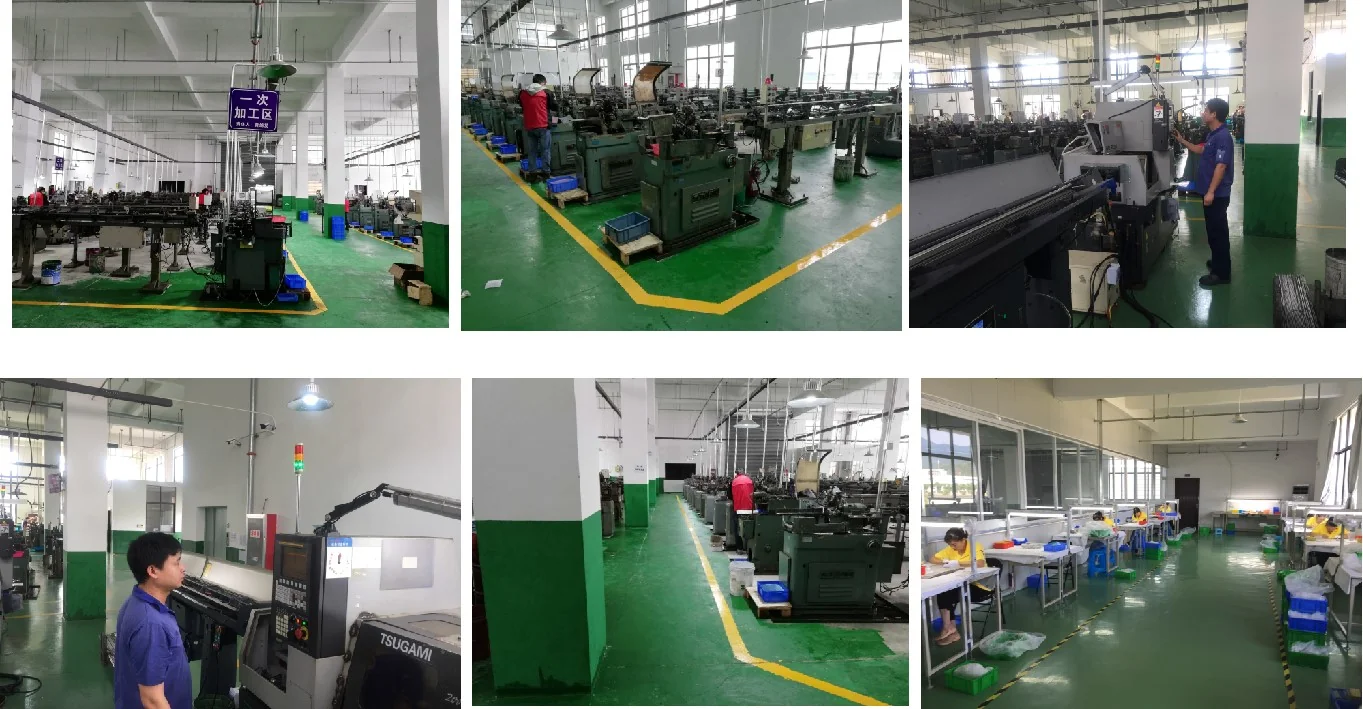
Suzhou Baoshida Trading Co., Ltd. leverages deep polymer science expertise to deliver engineered rubber solutions for critical shock absorption applications. Our strength lies in the seamless integration of material formulation and precision moulding, ensuring optimal energy dissipation, durability, and performance consistency under dynamic loads. With five dedicated mould engineers and two specialized rubber formula engineers, we address complex vibration isolation challenges across automotive, industrial machinery, and rail sectors.
Material selection for shock absorption transcends basic hardness ratings; it demands precise control over viscoelastic properties, hysteresis behavior, and temperature stability. Our formula engineers optimize polymer matrices—balancing crosslink density, filler dispersion, and plasticizer systems—to achieve targeted damping coefficients while maintaining structural integrity. This scientific approach prevents common failure modes such as premature fatigue, compression set, or thermal degradation in demanding environments. Concurrently, our mould engineering team utilizes advanced flow simulation (Moldflow) to eliminate knit lines, sink marks, and internal stresses during production. This synergy ensures uniform material properties throughout the component, directly enhancing shock absorption efficiency and service life.
Our OEM capabilities extend beyond standard manufacturing. We collaborate with clients from concept validation through量产, conducting rigorous material testing per ASTM D2240 (hardness), ISO 48 (tensile), and ISO 1817 (fluid resistance). Prototyping includes dynamic mechanical analysis (DMA) to quantify loss modulus (E”) and tan delta across operational temperature ranges. This data-driven process guarantees that each compound meets exacting specifications for energy dissipation without compromising rebound resilience or load-bearing capacity.
Critical material properties for industrial shock absorption are summarized below:
| Material Type | Hardness Range (Shore A) | Tensile Strength (MPa) | Elongation at Break (%) | Operating Temp Range (°C) | Damping Factor (tan δ @ 1Hz) |
|---|---|---|---|---|---|
| Natural Rubber (NR) | 40–80 | 20–30 | 400–600 | -50 to +70 | 0.15–0.25 |
| SBR | 50–90 | 15–25 | 300–500 | -40 to +100 | 0.20–0.35 |
| EPDM | 40–90 | 10–20 | 250–450 | -50 to +150 | 0.10–0.20 |
| Polyurethane (PU) | 60–95 | 30–50 | 300–500 | -40 to +90 | 0.30–0.60 |
Polyurethane demonstrates superior damping for high-frequency impacts, while EPDM excels in extreme-temperature stability. NR remains optimal for high-resilience applications requiring rapid energy return. Our formula engineers select and modify base polymers to fine-tune these characteristics—e.g., incorporating high-structure carbon blacks in SBR to elevate damping without sacrificing tear resistance.
Suzhou Baoshida’s OEM framework ensures traceability from raw material batch to finished part, with in-house QC labs validating every production run against client-defined performance thresholds. By unifying molecular-level material design with precision moulding science, we transform shock absorption from a generic requirement into a quantifiable engineering advantage. This capability reduces client downtime, extends component lifecycle, and meets stringent global industry standards for vibration control systems.
Customization Process
Drawing Analysis: Precision Engineering at the Foundation
The customization process for industrial rubber components begins with rigorous drawing analysis, a critical phase that ensures dimensional accuracy, functional compatibility, and performance alignment with end-use requirements. At Suzhou Baoshida Trading Co., Ltd., every technical drawing is evaluated using advanced CAD software and cross-referenced against OEM specifications. Engineers assess key parameters such as tolerance ranges, load-bearing zones, environmental exposure indicators, and mating part interfaces. This stage also involves identifying potential stress concentration areas that could compromise shock absorption efficiency. Our team collaborates directly with clients to clarify ambiguities, suggest design optimizations, and confirm material interface requirements. Only after full alignment on geometric and operational criteria do we proceed to material formulation.
Formulation: Tailoring Rubber Chemistry for Dynamic Load Management
Once design parameters are locked, our rubber formulation engineers develop a compound engineered specifically for the shock absorption profile required. The selection of polymer base—whether NBR, EPDM, silicone, or polyurethane—is determined by factors including operating temperature range, chemical exposure, compression set resistance, and dynamic resilience. Additives such as reinforcing fillers, plasticizers, and vulcanizing agents are precisely dosed to achieve optimal damping characteristics. For high-impact applications, we incorporate microcellular structures or gradient hardness zones to enhance energy dissipation. Each formulation is documented under strict batch control protocols, ensuring repeatability and compliance with ISO 9001 standards. The resulting compound is then validated through preliminary lab testing for hardness, tensile strength, and elongation before prototyping.
Prototyping: Functional Validation Under Simulated Conditions
Prototyping transforms theoretical design and chemistry into physical performance. Using precision molds and CNC-machined tooling, we produce small-batch samples that mirror final production quality. These prototypes undergo a battery of mechanical tests, including dynamic compression, fatigue cycling, and vibration damping analysis, to verify shock absorption efficacy. Data is compared against the initial design intent and OEM performance benchmarks. If deviations are detected, iterative refinements are made to either the compound or geometry. Client feedback is integrated at this stage, allowing for real-world functional validation. Only when all performance metrics are met is the design approved for scale-up.
Mass Production: Consistency, Scalability, and Quality Assurance
With design and material finalized, Suzhou Baoshida initiates mass production using automated mixing, molding, and curing systems calibrated for high repeatability. Each production batch undergoes in-line quality checks, including hardness testing, visual inspection, and dimensional verification via coordinate measuring machines (CMM). Final products are packaged per client logistics specifications, with full traceability maintained through batch coding and material certificates.
The following table outlines typical performance specifications for custom shock-absorbing rubber compounds:
| Property | NBR-Based | EPDM-Based | Polyurethane | Silicone |
|---|---|---|---|---|
| Hardness (Shore A) | 40–90 | 50–85 | 60–95 | 30–80 |
| Tensile Strength (MPa) | 15–25 | 10–20 | 30–50 | 6–12 |
| Operating Temperature (°C) | -30 to +100 | -50 to +150 | -40 to +90 | -60 to +200 |
| Damping Coefficient | Medium | Medium-High | High | Low-Medium |
| Compression Set (22h, 70°C) | ≤25% | ≤20% | ≤15% | ≤20% |
Contact Engineering Team
Optimizing Shock Absorption Material Selection for Industrial Applications
Selecting the correct elastomeric compound for shock absorption is critical in preventing premature component failure, reducing maintenance costs, and ensuring operational safety across dynamic load environments. Generic rubber materials often fail under sustained cyclic stress, extreme temperatures, or chemical exposure, leading to catastrophic system breakdowns. At Suzhou Baoshida Trading Co., Ltd., we engineer precision-tailored rubber formulations that address specific mechanical, thermal, and environmental challenges. Our compounds undergo rigorous ASTM D395 compression set testing, ISO 188 heat aging validation, and dynamic fatigue analysis to guarantee performance under real-world conditions. Unlike off-the-shelf solutions, our OEM-focused development process integrates your application parameters—load frequency, deflection range, and media compatibility—into molecular-level adjustments of polymer chains, filler dispersion, and crosslink density. This eliminates the guesswork in material selection and delivers measurable reductions in vibration transmission and impact damage.
The following table summarizes key performance metrics for our core shock absorption materials, validated per ISO 37 tensile testing and ASTM D2240 hardness protocols:
| Material Type | Hardness Range (Shore A) | Temperature Range (°C) | Tensile Strength (MPa) | Compression Set (22h/70°C) | Key Application Focus |
|---|---|---|---|---|---|
| High-Damping EPDM | 40–90 | -50 to +150 | 12–20 | ≤25% | Heavy machinery mounts, HVAC systems |
| Oil-Resistant NBR | 50–85 | -30 to +120 | 15–25 | ≤30% | Hydraulic seals, automotive suspensions |
| Wide-Temp Silicone | 30–70 | -60 to +230 | 6–10 | ≤20% | Aerospace actuators, semiconductor tooling |
| Polyurethane (Ether) | 60–95 | -40 to +100 | 30–50 | ≤15% | Mining equipment, high-impact rollers |
These specifications reflect baseline properties; actual formulations are optimized using proprietary additive synergies and cure system modifications. For instance, our EPDM variants achieve 40% lower hysteresis loss than industry averages through controlled peroxide vulcanization, directly enhancing energy dissipation in high-cycle applications. Similarly, our polyurethane compounds incorporate nano-silica reinforcement to maintain resilience under 10 million+ compression cycles—critical for continuous-operation industrial systems.
Suzhou Baoshida operates as your strategic OEM partner, not merely a supplier. We provide full traceability from raw material sourcing (ISO 9001-certified) through to final component validation, including FEA-guided prototyping and accelerated life testing. Our engineering team collaborates directly with your R&D department to align material behavior with system-level performance targets, ensuring compliance with ISO 10140 noise reduction standards or SAE J2205 shock pulse requirements.
Initiate the qualification process by contacting Mr. Boyce, our dedicated OEM Technical Manager. Provide your application’s dynamic load profile, environmental exposure conditions, and lifecycle expectations. Mr. Boyce will coordinate a formulation review within 48 hours, including material safety data sheets, test reports, and scalability assessment for volume production. Precision shock absorption engineering begins with data-driven collaboration—email [email protected] with your project specifications to receive a tailored compound recommendation and prototype timeline. Delaying material optimization risks irreversible system wear; engage our expertise to convert vibration challenges into operational reliability.
⚖️ O-Ring Weight Calculator
Estimate rubber O-ring weight (Approx).