Technical Contents
Engineering Guide: Pet – Polyethylene Terephthalate
Engineering Insight: PET – Polyethylene Terephthalate in Industrial Rubber Systems
Material selection in industrial rubber applications is not a matter of compatibility alone—it is a precision engineering decision that directly influences system longevity, performance under stress, and resistance to environmental degradation. While polyethylene terephthalate (PET) is widely recognized for its use in packaging and textiles, its integration into rubber composite systems—particularly as a reinforcement substrate in timing belts, hoses, and conveyor systems—demands a deeper technical evaluation. At Suzhou Baoshida Trading Co., Ltd., we emphasize that off-the-shelf rubber solutions incorporating PET often fail to meet rigorous industrial demands due to inadequate material pairing, processing inconsistencies, and misjudged operational parameters.
PET exhibits high tensile strength, low creep, and excellent dimensional stability, making it an attractive candidate for tensile members in rubber composites. However, these advantages can be nullified if the interfacial adhesion between PET and the rubber matrix—typically EPDM, NBR, or HNBR—is not chemically optimized. Standard formulations frequently overlook the inherently low surface energy and chemical inertness of PET, resulting in poor bonding and premature delamination under cyclic loading. This is particularly evident in high-humidity or elevated-temperature environments where hydrolytic degradation accelerates interface failure.
Furthermore, the thermal expansion coefficient of PET differs significantly from that of most elastomers. During thermal cycling, this mismatch induces internal stresses that propagate microcracks, especially at stress concentration points such as pulley interfaces or bend zones. Off-the-shelf products often utilize generic adhesion promoters or insufficient pretreatment protocols, such as plasma or chemical etching, which compromise long-term reliability.
Mechanical performance is equally dependent on the orientation and crystallinity of the PET fiber. Industrial-grade PET yarn must be biaxially oriented and thermally stabilized to maintain structural integrity under continuous strain. Substandard sourcing or inconsistent draw ratios during manufacturing lead to variable modulus and reduced fatigue resistance—key failure modes observed in field returns.
We advocate for engineered material systems where PET is not selected solely on cost or availability but on a holistic compatibility profile with the elastomer compound, curing regime, and end-use conditions. Custom adhesion systems, such as resorcinol-formaldehyde-latex (RFL) dips tailored to PET chemistry, are essential. Additionally, dynamic mechanical analysis (DMA) and thermogravimetric assessment (TGA) should guide formulation design to ensure coherence across thermal, mechanical, and chemical domains.
The following table outlines critical specifications for PET-reinforced rubber systems in industrial applications:
| Property | Standard PET Composite | Engineered PET Composite (Baoshida Specification) |
|---|---|---|
| Tensile Strength (MPa) | 75–90 | 100–120 |
| Elongation at Break (%) | 15–25 | 8–12 |
| Adhesion to Rubber (kN/m) | 2.5–3.5 | ≥6.0 |
| Operating Temperature Range (°C) | -20 to +80 | -40 to +110 |
| Hydrolysis Resistance (24h, 80°C, RH 95%) | Moderate (15% strength loss) | High (<5% strength loss) |
| Creep Resistance (1000h, 50% load) | 4.0% | 1.2% |
At Suzhou Baoshida, we engineer rubber systems where PET performs not as a generic reinforcement, but as an integrated component of a balanced, application-specific solution. This precision approach eliminates the vulnerabilities inherent in commoditized products and ensures sustained performance in demanding industrial environments.
Material Specifications
Material Specifications for Critical Sealing Applications
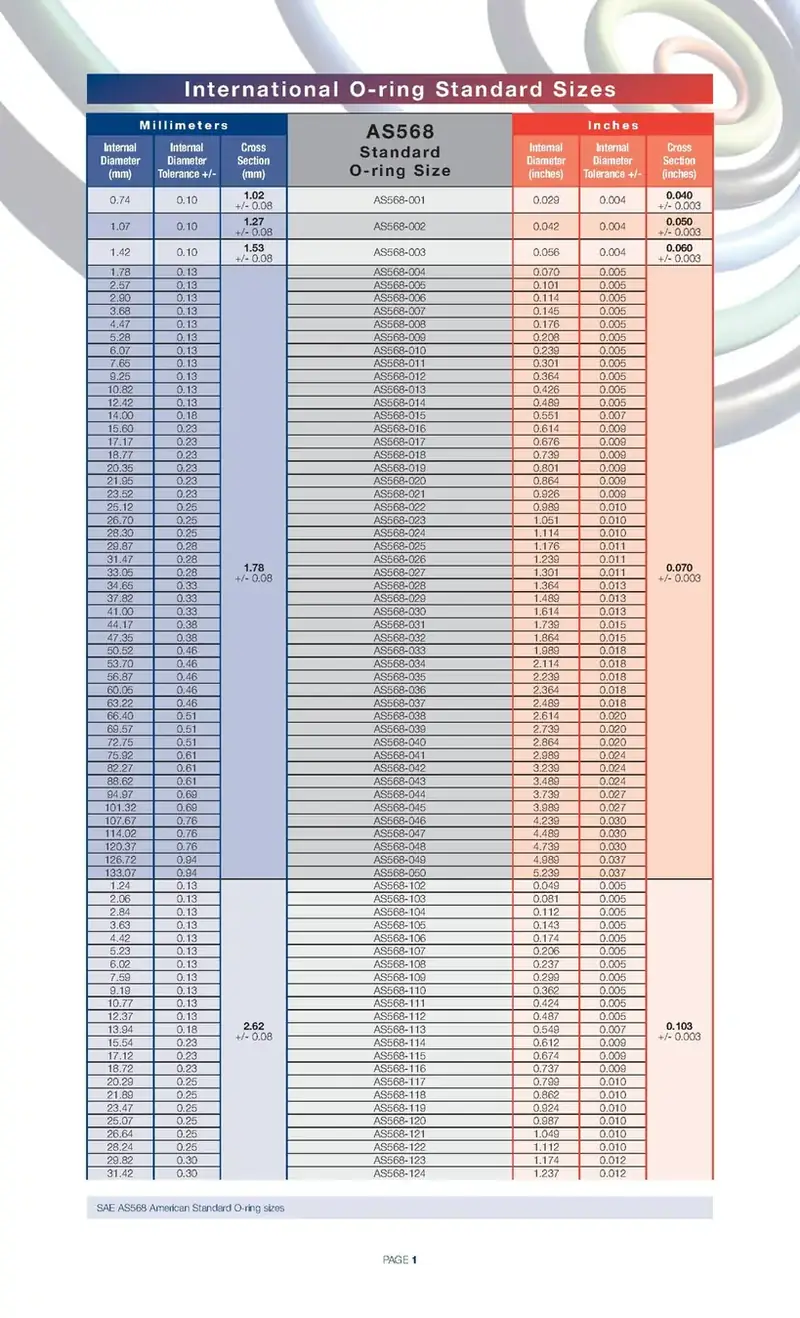
Suzhou Baoshida Trading Co., Ltd. clarifies a critical distinction for precision industrial applications: polyethylene terephthalate (PET) is a thermoplastic polyester resin primarily utilized in packaging and textiles, not elastomeric sealing solutions. Our expertise centers on high-performance rubber compounds engineered for dynamic sealing environments in automotive, aerospace, and chemical processing systems. For OEM partners requiring resilient elastomer specifications, Viton®, Nitrile (NBR), and Silicone represent foundational materials in our portfolio. Each compound undergoes rigorous formulation protocols to meet ISO 3601 and SAE AS568 standards, ensuring dimensional stability, compression set resistance, and chemical compatibility under operational extremes.
Viton® fluorocarbon rubber delivers exceptional resistance to high temperatures, aggressive fuels, and hydraulic fluids, making it indispensable for engine gaskets and downhole drilling components. Nitrile rubber provides optimal balance between cost efficiency and resistance to petroleum-based oils, ideal for hydraulic seals and O-rings in industrial machinery. Silicone excels in extreme temperature cycling (-60°C to 230°C) and biocompatibility, serving critical roles in medical devices and semiconductor manufacturing. All compounds are compounded with precision filler systems to minimize outgassing and maintain seal integrity under sustained pressure loads.
The following comparative analysis details core technical parameters validated through ASTM D2000 and ISO 1817 testing methodologies. Data reflects standard commercial grades; custom formulations are available to address niche OEM requirements.
| Property | Viton® (FKM) | Nitrile (NBR) | Silicone (VMQ) |
|---|---|---|---|
| Temperature Range (°C) | -20 to 230 | -30 to 120 | -60 to 230 |
| Tensile Strength (MPa) | 12–18 | 15–25 | 5–10 |
| Elongation at Break (%) | 150–300 | 200–500 | 200–800 |
| Compression Set (70h/150°C) (%) | ≤25 | ≤35 | ≤20 |
| Key Chemical Resistances | Fuels, acids, oils | Petroleum oils, water | Ozone, steam, water |
| Key Chemical Vulnerabilities | Ketones, amines | Esters, ozone | Concentrated acids |
Material selection must align with fluid compatibility charts and dynamic stress profiles. For instance, Viton®’s superior resistance to aromatic hydrocarbons prevents seal degradation in fuel injection systems, while NBR’s resilience to aliphatic hydrocarbons suits hydraulic power units. Silicone’s low-temperature flexibility ensures reliable valve actuation in cryogenic applications but requires reinforcement for high-pressure scenarios. Suzhou Baoshida’s engineering team conducts fluid immersion testing per ASTM D471 to validate material suitability against client-specified media.
OEMs must also consider hardness tolerances (Shore A 50–90 range), extrusion resistance, and dynamic friction coefficients during specification. Our quality control integrates real-time rheometry and FTIR spectroscopy to guarantee batch consistency, directly supporting your production line efficiency and product lifecycle reliability. Partner with our technical team to optimize elastomer performance for your next-generation sealing challenge.
Manufacturing Capabilities
Engineering Capability
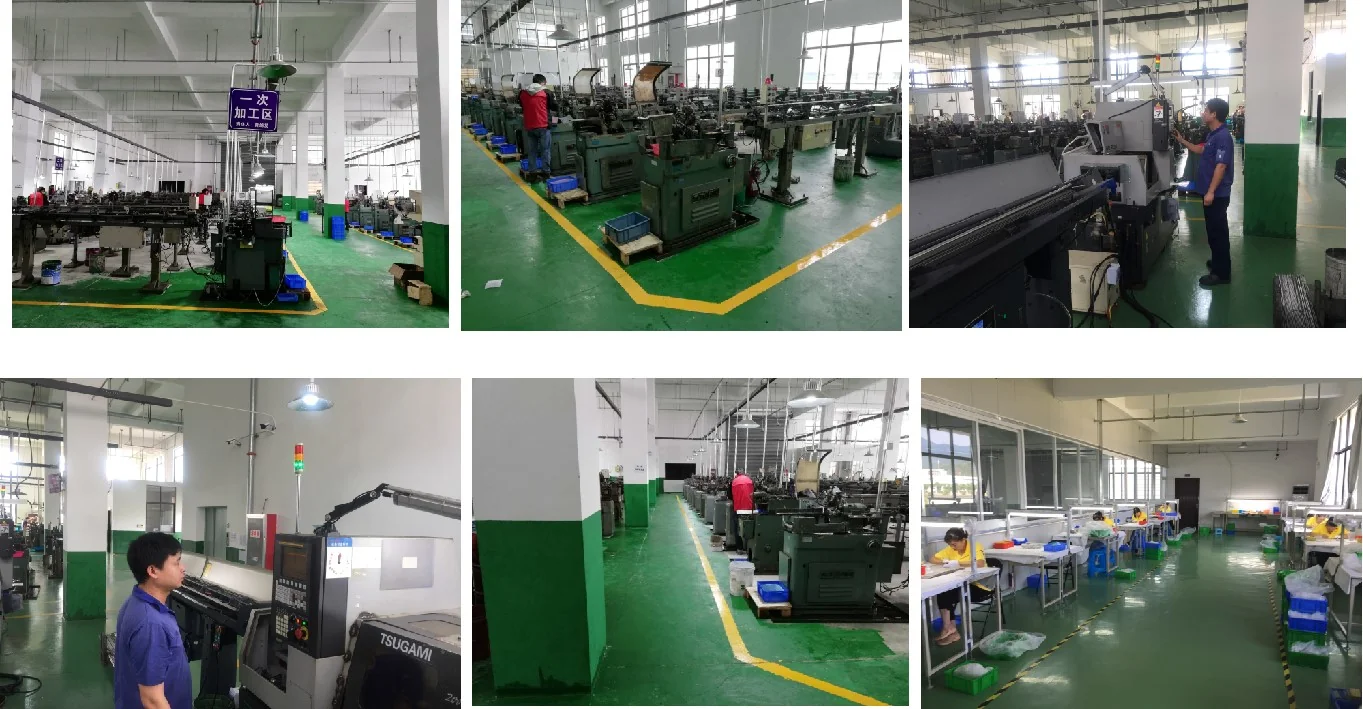
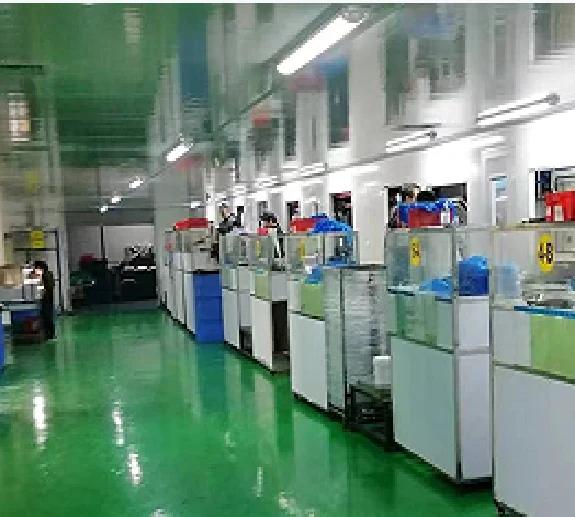
At Suzhou Baoshida Trading Co., Ltd., our engineering capability forms the backbone of our industrial rubber solutions, enabling us to deliver high-performance, application-specific products tailored to the rigorous demands of modern manufacturing. Within our technical team, we deploy a strategic integration of materials science and precision engineering, led by five dedicated mould engineers and two specialized rubber formula engineers. This multidisciplinary structure ensures that both the physical tooling and the chemical composition of our rubber components are optimized in parallel, minimizing development cycles and maximizing functional reliability.
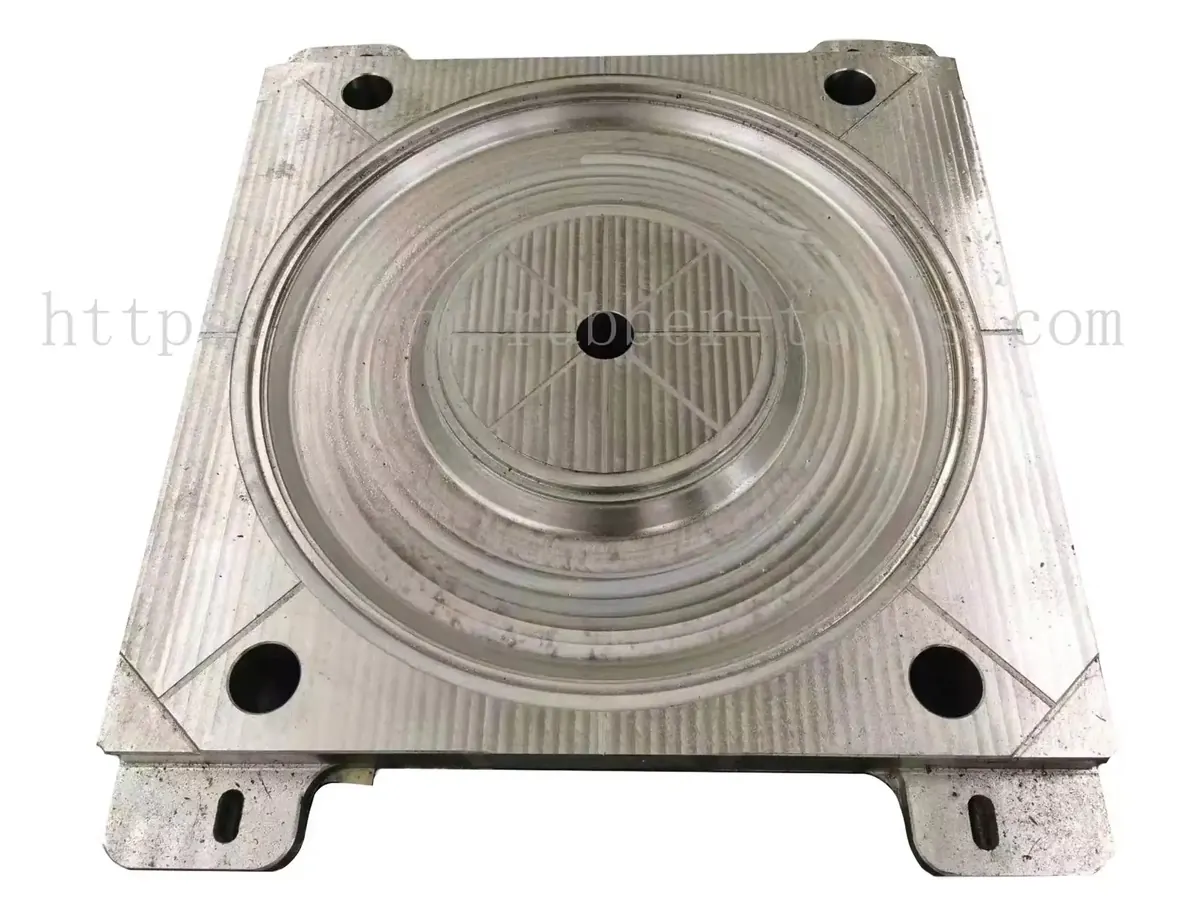
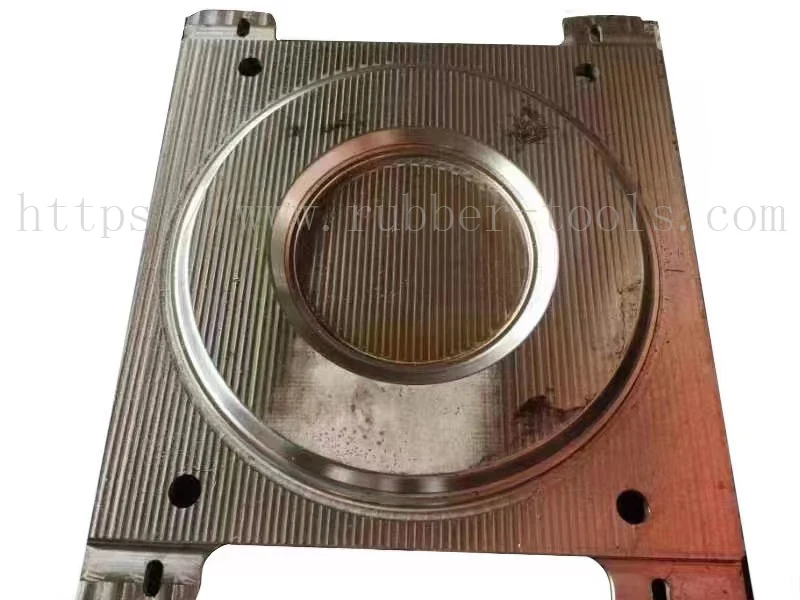
Our mould engineers possess extensive experience in the design, simulation, and validation of precision rubber moulds, particularly for complex geometries and tight-tolerance applications. Utilizing advanced CAD/CAM software and finite element analysis (FEA), they conduct detailed flow and stress simulations to predict material behavior during the vulcanization process. This proactive approach reduces trial iterations, accelerates time-to-market, and ensures consistent part quality across production batches. With expertise in multi-cavity, cold-runner, and transfer mould configurations, our team supports scalable OEM manufacturing with minimal waste and high repeatability.
Complementing this is our in-house rubber formulation capability, managed by two senior formula engineers with deep expertise in elastomer chemistry. These specialists develop custom rubber compounds tailored to specific performance parameters such as heat resistance, compression set, chemical exposure, and dynamic mechanical load. While our primary focus remains on industrial rubber systems, our formulation knowledge extends to compatibility considerations with adjacent materials, including thermoplastics such as polyethylene terephthalate (PET), commonly used in hybrid assemblies. By fine-tuning polymer blends, filler systems, and vulcanization packages, we achieve precise balance between elasticity, durability, and processability.
Our OEM capabilities are built on a foundation of vertical integration and technical agility. We support full product development cycles—from concept and prototyping to volume production and continuous improvement—under strict ISO-compliant quality systems. Clients benefit from dedicated engineering collaboration, design for manufacturability (DFM) feedback, and material traceability throughout the supply chain.
The following table outlines key engineering specifications and capabilities:
| Parameter | Specification |
|---|---|
| Mould Design Software | SolidWorks, AutoCAD, Moldflow |
| Mould Materials | H13, P20, 420 Stainless, BeCu Inserts |
| Tolerance Control | ±0.05 mm (critical dimensions) |
| Compound Development | EPDM, NBR, FKM, SIL, CR, NR, and custom blends |
| Vulcanization Methods | Compression, Transfer, Injection Moulding |
| Testing Capabilities | Hardness, Tensile, Compression Set, Aging, ODR |
| OEM Project Lead Time (Proto) | 4–6 weeks (design to sample) |
| Production Scalability | 1,000 to 500,000 units/month |
This integrated engineering framework enables Suzhou Baoshida to deliver technically superior rubber solutions, aligned with the exacting standards of global industrial OEMs.
Customization Process
Customization Process for PET-Reinforced Rubber Components
At Suzhou Baoshida Trading Co., Ltd., our precision-driven approach to customizing PET-reinforced rubber solutions begins with rigorous technical validation. Polyethylene terephthalate (PET) is integrated as a high-strength reinforcement within elastomeric matrices, primarily for industrial applications demanding exceptional tensile resilience and dimensional stability. This process ensures seamless alignment between client specifications and manufacturable outcomes.
Drawing Analysis
Initial assessment focuses on geometric tolerances, stress concentration zones, and PET integration points within the client’s CAD model. We evaluate cross-sectional thickness, bonding interfaces, and dynamic load requirements to determine optimal PET fiber orientation and loading density. Critical attention is given to moisture sensitivity thresholds, as PET’s hygroscopic nature directly impacts vulcanization kinetics. Non-conformities in draft angles or wall thickness are flagged for engineering collaboration prior to formulation.
Formulation Development
Our rubber compounding team designs proprietary blends where PET flakes or short fibers (typically 0.2–1.5 mm) are dispersed into base polymers like EPDM or NBR. Key variables include PET loading percentage, surface treatment for interfacial adhesion, and cure system adjustments to counteract PET’s thermal degradation above 250°C. Accelerated aging tests under ISO 188 protocols validate thermal stability, while dynamic mechanical analysis (DMA) confirms storage modulus retention at operational temperatures.
Prototyping & Validation
Prototypes undergo iterative testing using client-specified tooling. We measure critical properties against baseline rubber compounds, emphasizing tear resistance, compression set (ASTM D395), and adhesion integrity at PET-rubber interfaces. Finite element analysis (FEA) simulates real-world deformation, ensuring PET reinforcement mitigates crack propagation in high-flex zones. Client feedback on prototype performance triggers micro-adjustments to filler ratios or cure times before tooling sign-off.
Mass Production Execution
Full-scale manufacturing leverages twin-screw extruders with precise moisture control (<50 ppm) to prevent PET hydrolysis during compounding. In-line rheometers monitor Mooney viscosity consistency, while automated vision systems inspect surface defects. Batch traceability is maintained via QR-coded material logs, correlating each production lot to petrographic analysis reports. Final inspection adheres to ISO 3302-1 dimensional tolerances and ISO 4095 for reinforcement distribution homogeneity.
Critical Process Specifications
The table below summarizes how PET content influences key performance metrics in EPDM-based compounds:
| PET Loading (phr) | Tensile Strength (MPa) | Elongation at Break (%) | Compression Set (70°C, 24h) | Optimal Application |
|---|---|---|---|---|
| 0 | 18.5 | 420 | 28 | Standard seals |
| 5 | 24.3 | 310 | 22 | Conveyor belt carcasses |
| 10 | 29.7 | 240 | 18 | Automotive suspension bushings |
This structured workflow—grounded in material science and industrial pragmatism—ensures Suzhou Baoshida delivers PET-enhanced rubber components that exceed OEM durability and performance benchmarks. All phases integrate real-time data analytics to minimize scrap rates and accelerate time-to-market for global industrial partners.
Contact Engineering Team
For industrial manufacturers seeking high-performance rubber solutions compatible with advanced polymer systems such as polyethylene terephthalate (PET), Suzhou Baoshida Trading Co., Ltd. stands at the forefront of material innovation and technical support. As a trusted OEM partner in the industrial rubber sector, we specialize in formulating elastomeric components that meet the rigorous demands of processing, sealing, and conveying PET in both solid-phase and molten states. Our engineering team develops custom rubber compounds designed to resist thermal degradation, oxidative aging, and chemical interaction—critical factors when handling PET in extrusion, injection molding, and recycling operations.
Our expertise extends beyond standard elastomer offerings. We provide precision-engineered rubber rollers, seals, gaskets, and conveyor components tailored to the unique thermal expansion and friction characteristics of PET processing environments. Whether your application involves high-temperature drying hoppers, melt pumps, or stretch blow molding equipment, our materials are tested for long-term stability under continuous thermal cycling and mechanical stress.
Understanding the sensitivity of PET to contamination and thermal history, we formulate rubber compounds with ultra-low extractables and optimized surface release properties. This ensures minimal particulate generation and reduced downtime due to cleaning or maintenance. Our fluoroelastomer (FKM), ethylene propylene diene monomer (EPDM), and specialty silicone formulations are routinely used in food-grade and medical-grade PET applications where compliance with FDA, EU10/2011, and USP Class VI is required.
We invite engineering managers, procurement officers, and R&D specialists to engage directly with our technical team for application-specific support. Mr. Boyce, our OEM Manager and Rubber Formula Engineer, leads client collaboration with a focus on material compatibility, lifecycle cost reduction, and rapid prototyping. With a background in polymer rheology and elastomer chemistry, Mr. Boyce ensures that every solution is grounded in scientific rigor and industrial practicality.
To initiate a technical consultation or request customized material test reports, please contact Mr. Boyce at [email protected]. We respond to all inquiries within 24 business hours and offer sample development within 7–10 days upon specification confirmation. For urgent project timelines, expedited service is available upon request.
Below are key rubber material specifications commonly used in PET processing applications:
| Material Type | Hardness (Shore A) | Temp Range (°C) | Tensile Strength (MPa) | Elongation at Break (%) | Key Application Use |
|---|---|---|---|---|---|
| FKM | 70–90 | -20 to +230 | 12–18 | 150–250 | High-temp seals, melt channels |
| EPDM | 60–85 | -50 to +150 | 10–15 | 200–350 | Steam-resistant gaskets, dryer rolls |
| Silicone | 40–80 | -60 to +200 | 6–10 | 300–600 | Non-stick guides, food-contact rollers |
| Nitrile (NBR) | 50–90 | -30 to +120 | 10–20 | 250–400 | General-purpose handling, conveyor seals |
Partner with Suzhou Baoshida for engineered rubber solutions that enhance PET production efficiency, reduce wear-related failures, and meet global regulatory standards. Contact Mr. Boyce today to discuss your technical requirements and accelerate your next OEM integration.
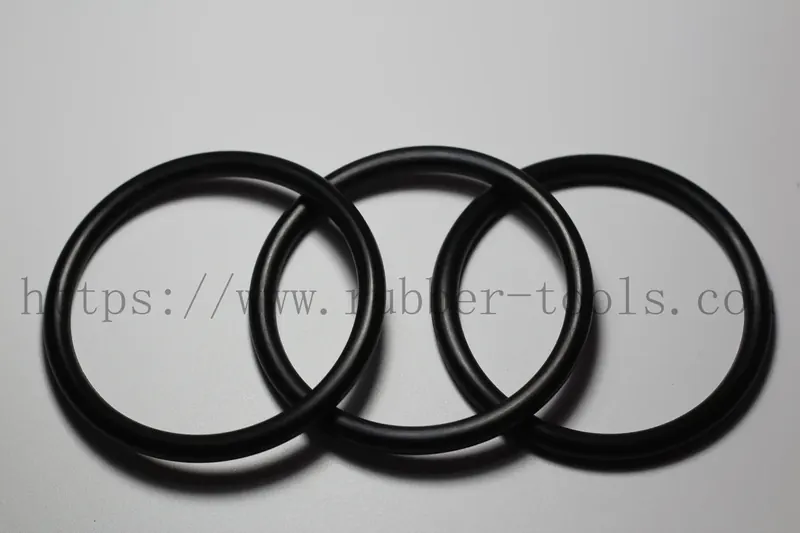
⚖️ O-Ring Weight Calculator
Estimate rubber O-ring weight (Approx).