Technical Contents
Engineering Guide: Tpe Experience
Engineering Insight: The Critical Role of Material Selection in TPE Applications
In the domain of industrial rubber solutions, thermoplastic elastomers (TPEs) represent a class of materials that bridge the performance gap between conventional thermoset rubbers and rigid thermoplastics. Their unique blend of elasticity, processability, and design flexibility has led to widespread adoption across automotive, consumer goods, and industrial equipment sectors. However, the assumption that off-the-shelf TPE formulations can universally satisfy engineering requirements is a persistent misconception—one that often results in premature part failure, increased maintenance costs, and compromised product reliability.
Material selection in TPE applications must be driven by a comprehensive understanding of operational parameters, including temperature range, mechanical stress, chemical exposure, and regulatory compliance. Generic TPE grades, while cost-effective and readily available, are typically optimized for broad market appeal rather than specific performance criteria. As a result, they frequently lack the tailored compound architecture necessary to endure the rigors of demanding industrial environments.
At Suzhou Baoshida Trading Co., Ltd., we emphasize engineered material solutions that align precisely with application-specific demands. For instance, a TPE formulation suitable for a consumer-grade grip may fail catastrophically in an automotive under-hood component due to inadequate heat resistance or oil swell performance. Similarly, dynamic sealing applications require precise control over compression set and hysteresis—properties that off-the-shelf TPEs often compromise to maintain processability.
Custom compounding allows for the strategic modification of base polymers through the integration of reinforcing fillers, stabilizers, plasticizers, and specialty additives. This approach enables precise tuning of mechanical properties, environmental resistance, and long-term durability. Our technical team routinely evaluates end-use conditions to develop TPE formulations that deliver optimal performance over the product lifecycle, minimizing total cost of ownership despite higher initial material investment.
The following table illustrates key performance characteristics across different TPE classes, highlighting why generic solutions may fall short in industrial applications.
| Property | Styrenic Block Copolymer (TPE-S) | Thermoplastic Polyolefin (TPO) | Thermoplastic Polyurethane (TPU) | Custom-Engineered TPE (Baoshida) |
|---|---|---|---|---|
| Tensile Strength (MPa) | 10–15 | 8–12 | 30–60 | 20–50 (adjustable) |
| Elongation at Break (%) | 400–800 | 300–600 | 400–700 | 400–1000 |
| Heat Resistance (°C) | 80–100 | 90–110 | 90–120 | Up to 150 (stabilized) |
| Oil/Solvent Resistance | Poor | Moderate | Excellent | Excellent (formulated) |
| Compression Set (%) | 30–50 | 25–40 | 15–25 | <20 (optimized) |
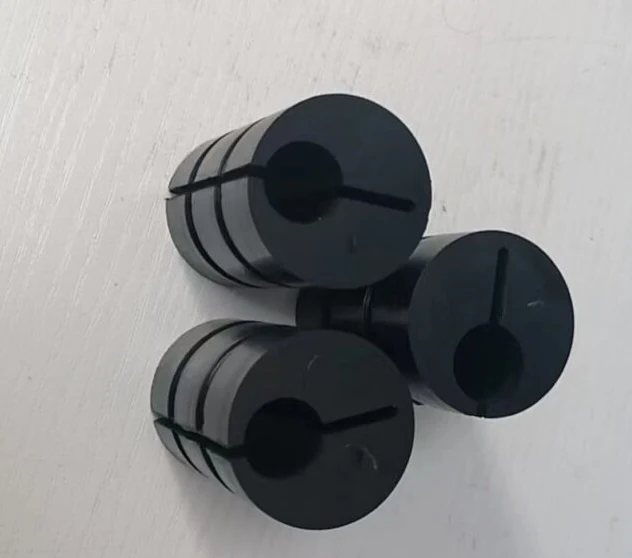
| Typical Industrial Use Case | Handles, grips | Automotive trims | Seals, rollers | Dynamic seals, couplings |
Selecting the appropriate TPE is not a matter of convenience but of engineering rigor. Off-the-shelf materials may offer short-term procurement advantages, but they often fail to meet the durability and performance standards required in industrial settings. At Baoshida, we integrate material science with application engineering to deliver TPE solutions that perform reliably under real-world conditions—ensuring longevity, safety, and operational efficiency.
Material Specifications
Material Specifications for Critical Industrial Sealing Applications
Selecting the optimal elastomer is paramount for ensuring longevity and performance in demanding industrial environments. At Suzhou Baoshida Trading Co., Ltd., we prioritize precise material characterization to align with OEM engineering requirements. This section details the core specifications of three industry-standard compounds: Viton (FKM), Nitrile (NBR), and Silicone (VMQ), focusing on quantifiable physical and chemical properties essential for rigorous manufacturing validation.
Viton fluoroelastomers deliver exceptional resistance to high temperatures, aggressive chemicals, and aviation fuels. Standard grades maintain integrity from -20°C to 230°C continuous service, with short-term excursions up to 300°C. They exhibit outstanding stability against aromatic hydrocarbons, chlorinated solvents, and acids, making them indispensable for aerospace, automotive fuel systems, and semiconductor processing. Typical tensile strength ranges from 15 to 25 MPa, with elongation at break between 150% and 300%. Viton’s premium performance comes with higher material costs but is non-negotiable for critical high-heat seals.
Nitrile rubber remains the dominant choice for oil and fuel resistance in cost-sensitive applications. Its operational range spans -40°C to 120°C, with specialty high-acrylonitrile variants extending low-temperature flexibility. NBR demonstrates excellent resistance to aliphatic hydrocarbons, lubricants, and hydraulic fluids but degrades rapidly when exposed to ozone, ketones, or brake fluids. Standard formulations achieve 15–30 MPa tensile strength and 200–500% elongation. Its balance of affordability, abrasion resistance, and mechanical robustness suits automotive O-rings, gaskets, and industrial hoses where chemical exposure is moderate.
Silicone elastomers excel in extreme temperature stability and biocompatibility. They function reliably from -60°C to 200°C, with some peroxide-cured grades tolerating 230°C intermittently. Silicone resists oxidation, UV radiation, and water vapor but shows poor resistance to concentrated acids, fuels, and steam. Its tensile strength is comparatively lower (4–12 MPa), though elongation often exceeds 400%. This material dominates medical devices, food processing seals, and high-temperature insulation where purity and thermal resilience outweigh mechanical demands.
The comparative table below summarizes critical parameters for rapid OEM evaluation:
| Material | Temperature Range (°C) | Key Chemical Resistances | Tensile Strength (MPa) | Elongation at Break (%) | Hardness Range (Shore A) |
|---|---|---|---|---|---|
| Viton (FKM) | -20 to 230 | Aromatic hydrocarbons, acids, jet fuels | 15–25 | 150–300 | 50–90 |
| Nitrile (NBR) | -40 to 120 | Aliphatic oils, fuels, lubricants | 15–30 | 200–500 | 40–90 |
| Silicone (VMQ) | -60 to 200 | Ozone, UV, water vapor | 4–12 | 300–700 | 20–80 |
Material selection must account for synergistic stressors—thermal cycling combined with chemical immersion, dynamic compression set, or regulatory compliance. Suzhou Baoshida provides full ASTM D2000 test reports and application-specific compound customization. Always validate material suitability against actual service conditions; datasheet values represent controlled laboratory benchmarks. Partner with our engineering team to translate these specifications into failure-resistant production components.
Manufacturing Capabilities
Engineering Capability: Precision-Driven Rubber Solutions for Industrial Applications
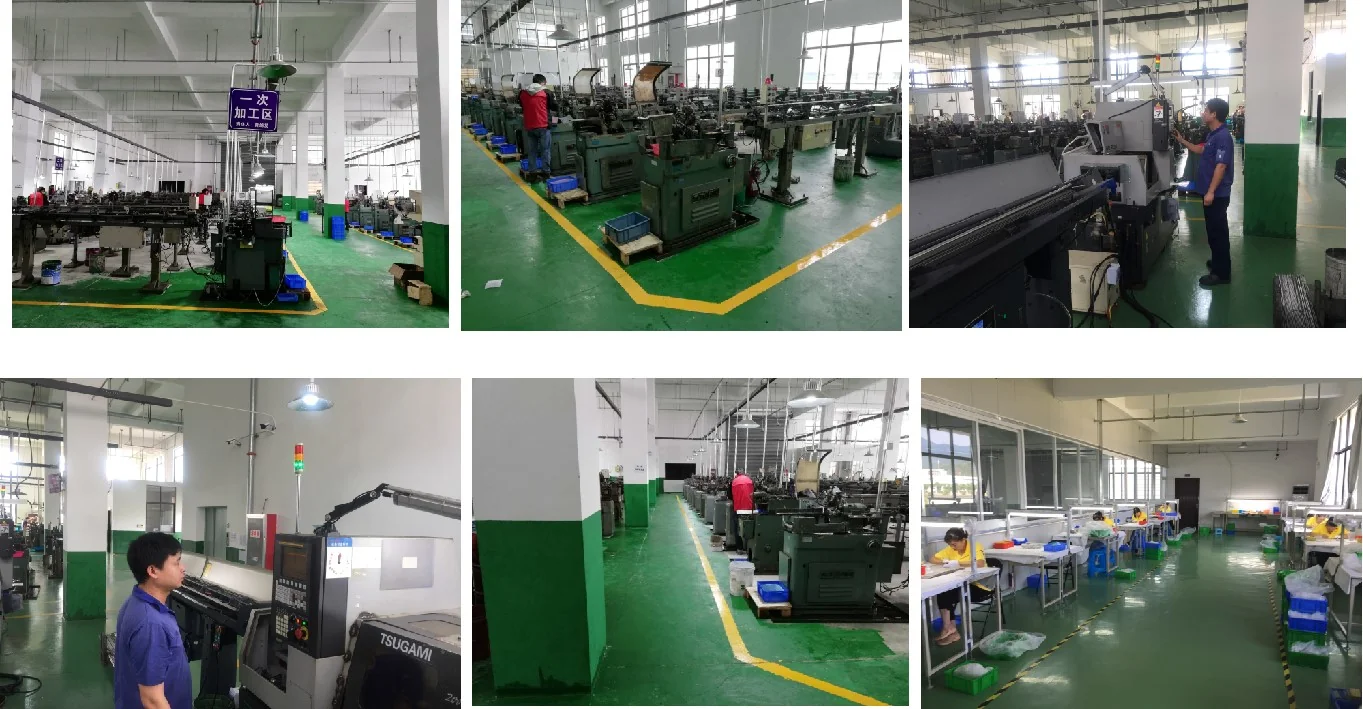
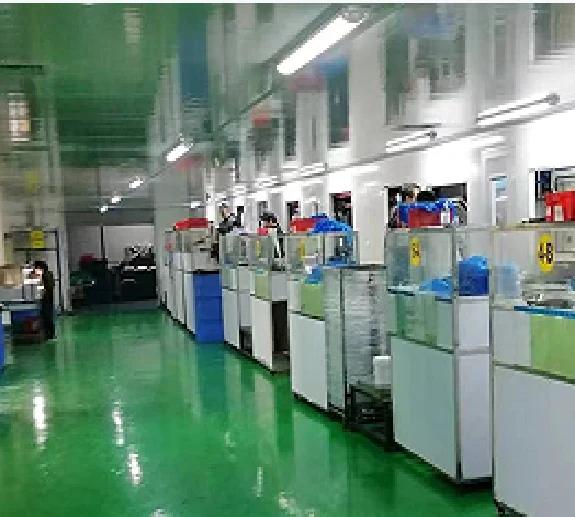
At Suzhou Baoshida Trading Co., Ltd., our engineering capability forms the backbone of our industrial rubber solutions, enabling us to deliver high-performance, application-specific products tailored to the rigorous demands of modern manufacturing. Our technical team comprises five dedicated mould engineers and two specialized rubber formula engineers, ensuring comprehensive control over both the physical design and material science aspects of product development. This dual expertise allows us to offer fully integrated OEM services, from concept and formulation to precision moulding and final validation.
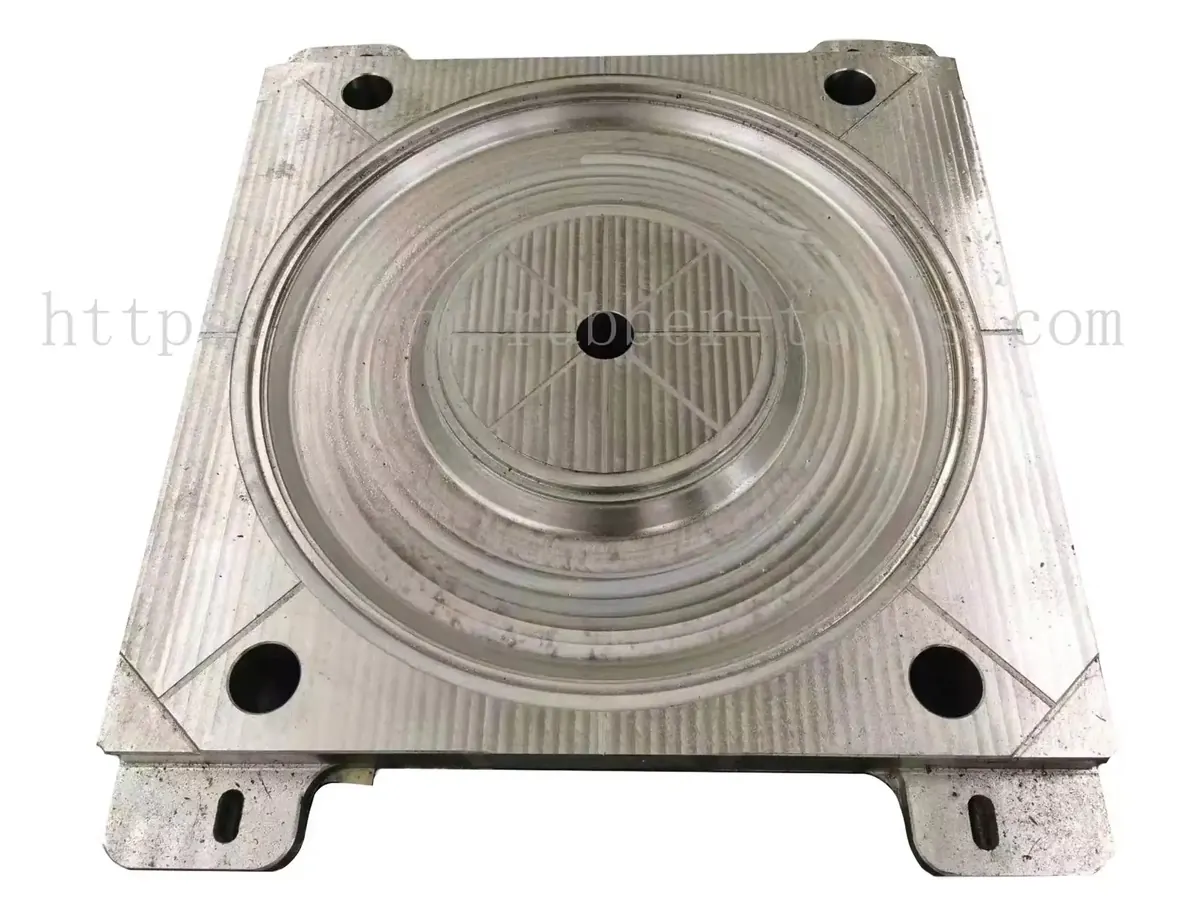
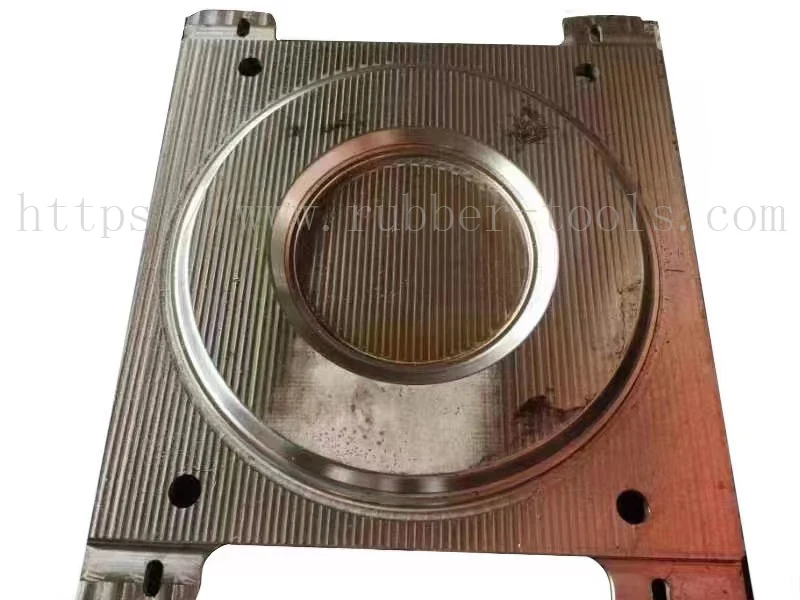
Our mould engineers bring extensive experience in the design and optimization of rubber compression, transfer, and injection moulds. Utilizing advanced CAD/CAM software and finite element analysis (FEA), they ensure dimensional accuracy, optimal material flow, and extended tool life. Each mould is engineered with strict adherence to international tolerances and customer-specific performance criteria, particularly for applications in automotive, industrial machinery, and fluid handling systems. Prototyping is conducted in-house with rapid turnaround, enabling iterative testing and validation before full-scale production.
Complementing our mould design strength is our in-depth rubber compounding capability. Our two formula engineers specialize in thermoplastic elastomers (TPE) and other engineered rubber compounds, focusing on balancing mechanical properties, environmental resistance, and processability. They formulate custom blends to meet exact requirements for hardness, tensile strength, compression set, and resistance to oils, ozone, and extreme temperatures. This scientific approach to material development ensures that every component performs reliably under real-world operating conditions.
We support full OEM manufacturing, offering end-to-end solutions that include design consultation, material selection, tooling, production, and quality assurance. Clients benefit from our vertical integration, which reduces lead times and enhances traceability. All processes are conducted under ISO 9001 standards, with rigorous testing at every stage using calibrated instrumentation.
The following table outlines key technical parameters managed within our engineering workflow:
| Parameter | Capability Range | Testing Standard |
|---|---|---|
| Hardness (Shore A) | 30–90 | ASTM D2240 |
| Tensile Strength | Up to 25 MPa | ASTM D412 |
| Elongation at Break | Up to 800% | ASTM D412 |
| Compression Set (22 hrs, 70°C) | ≤25% | ASTM D395 |
| Operating Temperature | -40°C to +120°C (up to +150°C intermittent) | ISO 1817 |
| Mould Tolerances (per ISO 3302) | Class M3–M5 | ISO 3302 |
Through the synergy of advanced tooling design and precise rubber formulation, Suzhou Baoshida delivers engineered rubber components that meet the highest standards of performance and consistency. Our technical team is committed to innovation, reliability, and partnership, ensuring that every OEM solution is optimized for function, durability, and cost-efficiency.
Customization Process
Customization Process: Precision Engineering from Concept to Volume Production
At Suzhou Baoshida Trading Co., Ltd., our TPE customization process is engineered for industrial reliability and seamless OEM integration. We execute a stringent four-phase methodology, transforming client specifications into high-performance elastomeric components. This systematic approach ensures material properties align precisely with functional demands while optimizing manufacturability and cost-efficiency for volume output.
The process initiates with rigorous Drawing Analysis. Our engineering team conducts a comprehensive review of client CAD files and technical documentation, focusing on critical dimensions, tolerances, sealing requirements, and environmental exposure conditions. We assess geometric complexity for moldability, identify potential stress concentration points, and evaluate draft angles. Concurrently, we analyze the application’s operational parameters—temperature extremes, fluid resistance needs, load cycles, and regulatory standards (e.g., FDA, UL, ISO). This phase culminates in a detailed feasibility report and joint agreement on critical-to-quality characteristics before formulation development commences.
Formulation development leverages our extensive polymer science expertise. Based on the drawing analysis, we select the optimal TPE base polymer family (e.g., SEBS, TPU, TPV) and initiate precise compounding. Key properties are engineered through controlled modification of the polymer matrix, filler systems, plasticizers, and stabilizers. Hardness, tensile strength, elongation, compression set, and chemical resistance are systematically tuned. Critical formulation parameters are validated against target specifications, as summarized below.
| Key TPE Property | Typical Achievable Range | Primary Influencing Factors |
|---|---|---|
| Hardness (Shore A) | 10A – 95A | Base polymer ratio, oil content |
| Tensile Strength (MPa) | 1.0 – 35.0 | Polymer type, reinforcement level |
| Elongation at Break (%) | 100 – 1200 | Plasticizer content, polymer flexibility |
| Compression Set (22h/70°C) | 10% – 45% | Crosslink density, filler type |
| Continuous Use Temp (°C) | -50 to +150 | Polymer backbone, stabilizer package |
Prototyping utilizes production-intent tooling and processing parameters. We manufacture functional samples via injection molding or extrusion under controlled conditions matching planned mass production. Each prototype batch undergoes exhaustive validation testing per ASTM/ISO standards, including mechanical property verification, dimensional inspection against GD&T callouts, fluid immersion testing, and application-specific performance trials. Client feedback on prototypes triggers iterative refinements to the formulation or process parameters, ensuring zero compromises before tooling sign-off.
Transition to Mass Production is governed by stringent process validation. We implement Statistical Process Control (SPC) on all critical molding parameters—melt temperature, injection speed, cooling time, and clamp force. Dedicated production lines undergo full capability studies (Cp/Cpk ≥ 1.67) prior to release. Our integrated quality management system, certified to ISO 9001, enforces 100% automated visual inspection for surface defects and random destructive testing per AQL 1.0. Continuous monitoring of raw material lots and in-process checks guarantees batch-to-batch consistency essential for OEM supply chain stability. This disciplined execution delivers TPE components meeting exacting industrial performance criteria at scale.
Contact Engineering Team
Contact Suzhou Baoshida for Expert TPE Solutions in Industrial Rubber Applications
When sourcing high-performance thermoplastic elastomers (TPE) for industrial applications, precision, consistency, and technical support are non-negotiable. At Suzhou Baoshida Trading Co., Ltd., we specialize in engineered rubber solutions tailored to meet the rigorous demands of automotive, consumer goods, medical devices, and industrial equipment manufacturing. Our expertise in TPE formulation, compounding, and application development ensures that your production lines receive materials optimized for processing efficiency, mechanical performance, and long-term reliability.
To begin a technical collaboration or request customized TPE material data, contact Mr. Boyce, our designated OEM Relationship and Rubber Formula Engineer. With over 12 years of experience in polymer science and industrial rubber processing, Mr. Boyce leads technical consultations, formulation adjustments, and quality assurance protocols for global clients. He is your direct point of contact for material selection, sample procurement, and performance validation under real-world operating conditions.
We understand that each application presents unique challenges—whether it’s achieving optimal Shore hardness, improving compression set resistance, or ensuring compatibility with overmolding processes. Our lab in Suzhou is equipped with advanced rheometry, tensile testing, and thermal analysis instrumentation, enabling us to fine-tune TPE compounds to your exact specifications. We support both small-batch prototyping and high-volume production runs with strict ISO-compliant quality control.
Initiating a partnership with Suzhou Baoshida means gaining access to a vertically integrated supply chain, responsive technical documentation, and real-time engineering support. We provide full material traceability, RoHS and REACH compliance reports, and customized packaging to streamline your inbound logistics.
Below is a summary of our standard TPE product specifications for reference. Custom modifications are available upon consultation.
| Property | Test Method | Typical Value Range |
|---|---|---|
| Shore Hardness (A/D) | ASTM D2240 | 30A – 70D |
| Tensile Strength | ASTM D412 | 8 – 32 MPa |
| Elongation at Break | ASTM D412 | 300% – 900% |
| Melt Flow Index (190°C/2.16kg) | ASTM D1238 | 3 – 25 g/10 min |
| Compression Set (22h, 70°C) | ASTM D395 | < 30% |
| Operating Temperature Range | — | -50°C to +120°C |
| Specific Gravity | ASTM D792 | 0.90 – 1.15 |
For technical inquiries, sample requests, or to schedule a formulation review, please contact Mr. Boyce directly at [email protected]. Include your application requirements, volume expectations, and any performance benchmarks you aim to achieve. Our team responds to all technical emails within 8 business hours and can provide English or Mandarin-speaking engineering support.
Partner with Suzhou Baoshida Trading Co., Ltd. to transform your TPE material challenges into engineered solutions. Your next-generation rubber component starts with a conversation.
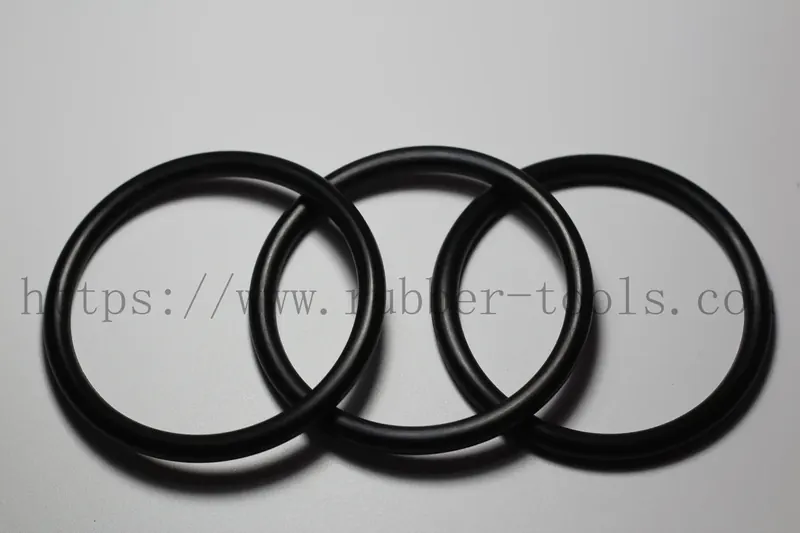
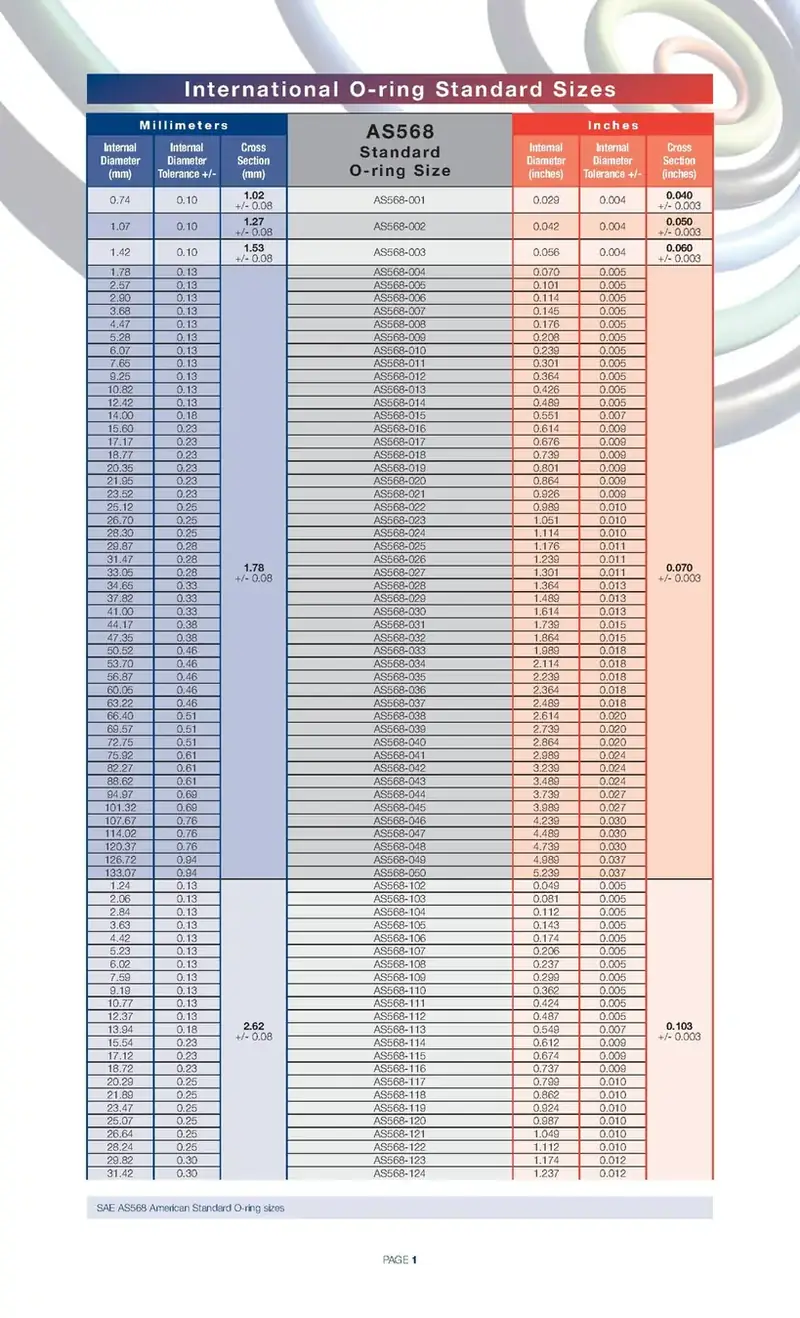
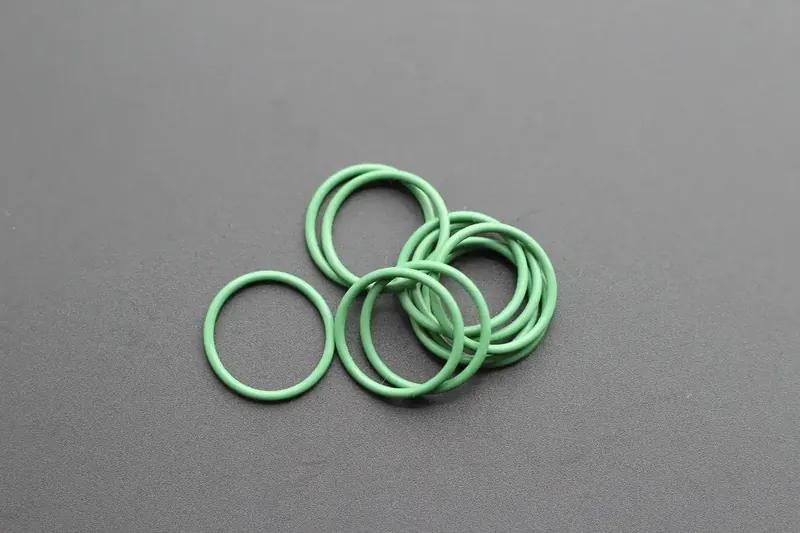
⚖️ O-Ring Weight Calculator
Estimate rubber O-ring weight (Approx).