Cool Doormats Manufacturer | Engineering Guide

Engineering Guide: Cool Doormats

Engineering Insight: Material Science as the Foundation for Performance Doormats

The term “cool doormats” in industrial contexts refers to engineered rubber matting solutions designed for thermal stability, dimensional integrity, and sustained performance under environmental stress—not merely aesthetic appeal. Generic off-the-shelf alternatives fail catastrophically in commercial settings due to fundamental material shortcomings. These products typically utilize low-grade SBR (Styrene-Butadiene Rubber) or unmodified PVC, which lack the molecular resilience required for high-traffic, outdoor, or temperature-variable environments. Within 6–12 months, such mats exhibit rapid surface degradation, including UV-induced cracking, accelerated wear from abrasive foot traffic, and loss of structural memory. This results in safety hazards from uneven surfaces and premature replacement costs that negate initial cost savings.

Material selection is non-negotiable for operational longevity. Industrial-grade rubber doormats demand precision-formulated compounds where polymer architecture, filler dispersion, and additive synergy dictate real-world viability. For instance, SBR’s low ozone resistance causes microfractures under sunlight exposure, while inadequate carbon black content fails to shield against UV radiation. Conversely, engineered EPDM (Ethylene Propylene Diene Monomer) with optimized silica reinforcement provides superior weatherability and tear strength. Critical additives—including UV stabilizers, anti-oxidants, and processing oils—must be dosed to exact thresholds; deviations of even 2% compromise cross-link density and rebound resilience.

Suzhou Baoshida Trading Co., Ltd. validates these principles through rigorous OEM formulation protocols. Below is a comparative analysis of material performance metrics under standardized ASTM testing:

Property Generic SBR Mat (Off-the-Shelf) Baoshida Engineered EPDM Mat Test Standard
Abrasion Loss (mm³) 185 42 ASTM D5963
Tensile Strength (MPa) 8.2 15.6 ASTM D412
Shore A Hardness 55 ± 5 68 ± 2 ASTM D2240
UV Resistance (2000h) Severe cracking No visible degradation ASTM G154
Operating Temp Range (°C) -10 to +60 -40 to +120 ISO 188

The data underscores why commoditized solutions fail: inadequate abrasion resistance leads to rapid tread pattern erosion, while narrow thermal tolerance causes warping in seasonal climates. Our OEM process begins with client-specific duty cycle analysis—foot traffic volume, chemical exposure, and geographic UV index—to calibrate compound matrices. This includes dynamic vulcanization for enhanced rebound and strategic pigment integration to prevent fading without sacrificing flexibility.

For facility managers, the consequence of substandard material selection extends beyond replacement expenses. Non-compliant mats violate ISO 22196 antimicrobial standards in healthcare settings and fail slip-resistance thresholds (ASTM F2913) when surface texture degrades. Suzhou Baoshida’s engineering discipline ensures every formulation meets or exceeds sector-specific regulatory benchmarks through iterative lab validation. In industrial rubber matting, material science isn’t a cost center—it’s the sole determinant of lifecycle value. Partner with an OEM that treats compound design as critical infrastructure, not a commodity.


Material Specifications

Suzhou Baoshida Trading Co., Ltd. provides high-performance industrial rubber solutions tailored for demanding environments. In the development of advanced doormat systems—particularly those designated for industrial, commercial, or high-traffic applications—material selection is critical to ensuring durability, chemical resistance, and long-term functionality. Our engineered rubber compounds, including Viton, Nitrile (NBR), and Silicone, offer distinct performance profiles suitable for specialized doormat applications where conventional materials fail.

Viton, a fluorocarbon-based elastomer, delivers exceptional resistance to high temperatures, oils, fuels, and aggressive chemicals. It maintains structural integrity in environments exceeding 200°C, making it ideal for doormats deployed in industrial facilities, laboratories, or automotive service areas where exposure to hydrocarbons and thermal stress is common. Its low compression set and outstanding aging characteristics ensure prolonged service life even under continuous mechanical load.

Nitrile rubber, or Buna-N, is a cost-effective solution with excellent resistance to aliphatic hydrocarbons, greases, and water-based fluids. With a typical operating temperature range of -30°C to +100°C, Nitrile is well-suited for indoor and outdoor doormats in manufacturing plants, garages, and food processing environments. Its high abrasion resistance and mechanical strength provide reliable performance in high-traffic zones, while its formulation flexibility allows for precise tuning of hardness and resilience.

Silicone rubber excels in extreme temperature applications, functioning reliably from -60°C to +230°C. It offers superior UV and ozone resistance, making it ideal for exterior installations exposed to direct sunlight and weathering. While its mechanical strength is lower than Viton or Nitrile, silicone provides excellent flexibility, non-toxicity, and resistance to microbial growth—advantages in cleanroom, healthcare, or public transit settings. Additionally, its aesthetic versatility supports custom coloring and surface finishes for architectural integration.

Each material is compounded with reinforcing fillers, processing aids, and stabilizers to meet specific application demands. Custom durometer ratings (Shore A 40–90) are achievable across all three elastomers, allowing optimization for slip resistance, comfort underfoot, and debris-scraping efficiency. All compounds comply with international standards for industrial rubber products, including ISO 48 (hardness), ISO 37 (tensile properties), and ISO 1817 (fluid resistance).

The following table outlines key physical and chemical properties of Viton, Nitrile, and Silicone for comparative evaluation in cool doormat applications.

Property Viton Nitrile (NBR) Silicone
Base Polymer Fluorocarbon Acrylonitrile-Butadiene Polydimethylsiloxane
Temperature Range (°C) -20 to +230 -30 to +100 -60 to +230
Tensile Strength (MPa) 12–18 10–20 6–10
Shore A Hardness Range 50–90 40–90 40–80
Resistance to Oils & Fuels Excellent Good to Excellent Poor
Resistance to Ozone/UV Excellent Good Excellent
Water Resistance Good Excellent Good
Compression Set Low Moderate Low to Moderate
Typical Applications Chemical plants, refineries Garages, factories, food processing Outdoor public areas, healthcare, cleanrooms

Material selection directly influences performance, safety, and lifecycle cost. Suzhou Baoshida Trading Co., Ltd. supports OEM partners with technical data sheets, sample prototyping, and formulation customization to ensure optimal material integration in next-generation doormat systems.


Manufacturing Capabilities

Engineering Capability: Precision Rubber Solutions for Performance Doormats

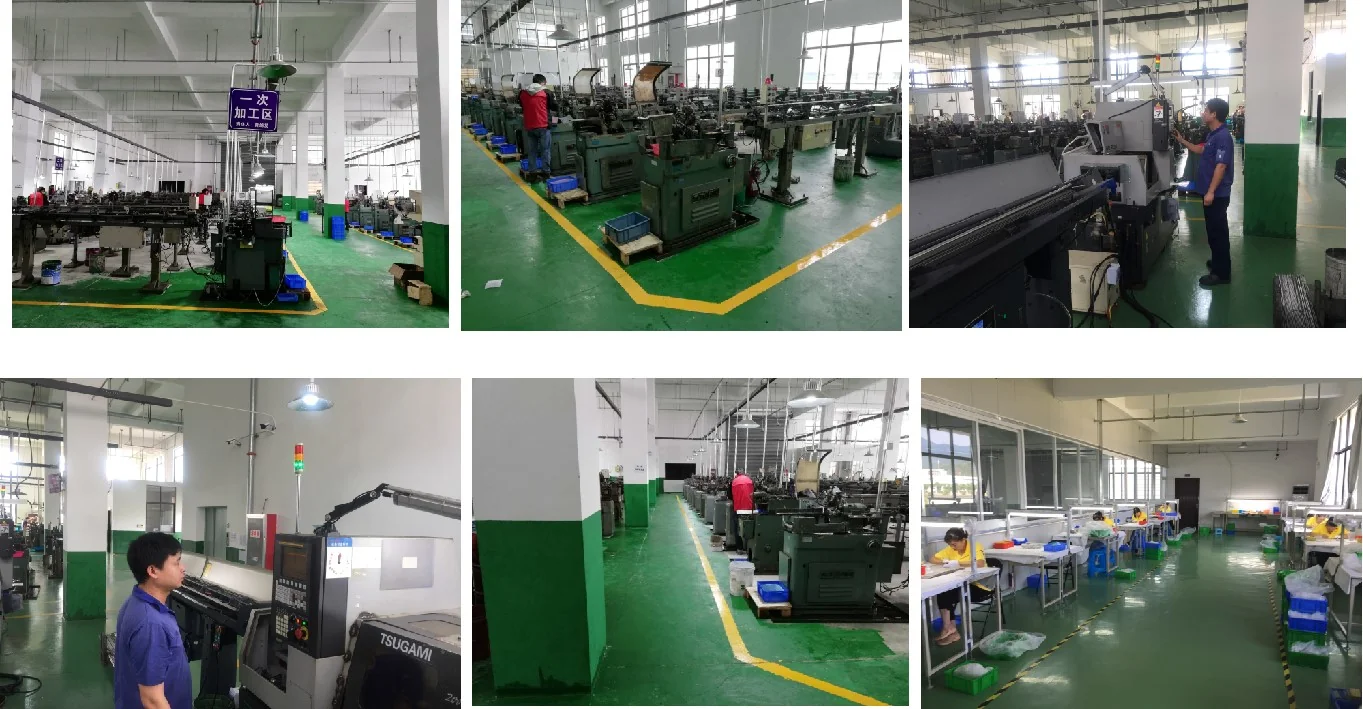
Suzhou Baoshida Trading Co., Ltd. leverages deep technical expertise in industrial rubber engineering to deliver high-performance “cool doormats” engineered for demanding commercial and industrial environments. Our dedicated team comprises five specialized mould engineers and two advanced formula engineers, ensuring end-to-end control from material science to precision manufacturing. This integrated capability enables us to solve complex challenges such as thermal conductivity optimization, moisture management, and extreme durability—critical for mats deployed in high-traffic, wet, or chemically exposed settings.

Our formula engineers focus on bespoke polymer chemistry, developing proprietary rubber compounds that balance thermal responsiveness with structural integrity. By manipulating silica fillers, thermoplastic elastomers, and conductive additives, we achieve rapid heat dissipation while maintaining resistance to hydrolysis, UV degradation, and common industrial contaminants. Each formulation undergoes rigorous accelerated aging and dynamic mechanical analysis to validate performance under real-world stressors, ensuring mats retain functionality beyond 50,000+ footfalls.

Complementing this, our mould engineering team utilizes CAD/CAM-driven design and finite element analysis (FEA) to optimize geometry for thermal efficiency and mechanical resilience. Precision-engineered drainage channels, anti-slip textures, and edge reinforcement are iteratively validated through prototyping and pressure distribution testing. This eliminates warping, extends service life, and ensures consistent thermal transfer across the mat surface—key for applications requiring rapid moisture evaporation or temperature moderation.

OEM partnerships benefit from our closed-loop engineering process. Clients provide functional requirements (e.g., target thermal conductivity, chemical exposure profiles, or load-bearing specifications), and our engineers co-develop solutions through iterative material selection, mould design validation, and small-batch pilot production. We accommodate custom dimensions, branding integration, and regulatory compliance (e.g., REACH, RoHS) without minimum order constraints, supported by full technical documentation including material safety data sheets (MSDS) and performance test reports.

Critical performance metrics for our standard industrial cool doormat compounds are validated per ISO and ASTM protocols:

Property Test Standard Performance Range Industrial Relevance
Shore A Hardness ISO 7619-1 60–85 Optimal balance of comfort and structural stability
Thermal Conductivity ASTM D5470 0.35–0.55 W/m·K Accelerated surface cooling in humid environments
Abrasion Resistance ISO 4649 <150 mg loss Withstands heavy foot traffic and cleaning abrasives
Operating Temperature ISO 188 -40°C to +120°C Resists deformation in extreme climates
Hydrolysis Resistance ISO 14323 Grade 4 (96h) Prevents degradation in wet/alkaline conditions

This engineering rigor ensures our cool doormats exceed industry benchmarks for longevity and functional performance. Suzhou Baoshida provides OEM clients not just a product, but a collaborative engineering partnership—translating technical requirements into field-proven rubber solutions with zero compromise on precision or reliability. Technical consultation for custom specifications is available at all project phases.


Customization Process

Customization Process for Industrial Rubber Doormats at Suzhou Baoshida Trading Co., Ltd.

At Suzhou Baoshida Trading Co., Ltd., our approach to manufacturing custom industrial rubber doormats combines rigorous engineering analysis with advanced material science. Each product is developed through a structured four-phase process: Drawing Analysis, Formulation, Prototyping, and Mass Production. This ensures dimensional accuracy, performance reliability, and compliance with OEM specifications.

The process begins with Drawing Analysis, where technical blueprints provided by the client are reviewed by our engineering team. Critical parameters such as surface profile, groove depth, edge tolerance, and overall dimensions are validated against manufacturability standards. We assess load-bearing zones, expected foot or vehicular traffic, and environmental exposure—factors that directly influence material selection and structural integrity. Any discrepancies or optimization opportunities are communicated prior to proceeding.

Following drawing validation, our rubber formulation engineers initiate the Formulation phase. Based on application requirements, we select the appropriate base polymer—typically SBR, EPDM, or natural rubber—blended with reinforcing fillers, vulcanizing agents, anti-aging additives, and pigments. For industrial environments, abrasion resistance, slip performance, and ozone stability are prioritized. Shore A hardness is tuned between 55 and 75 to balance comfort and durability. If flame retardancy or oil resistance is required, specialty compounds are developed in-house and tested per ASTM D412 and ISO 48 standards.

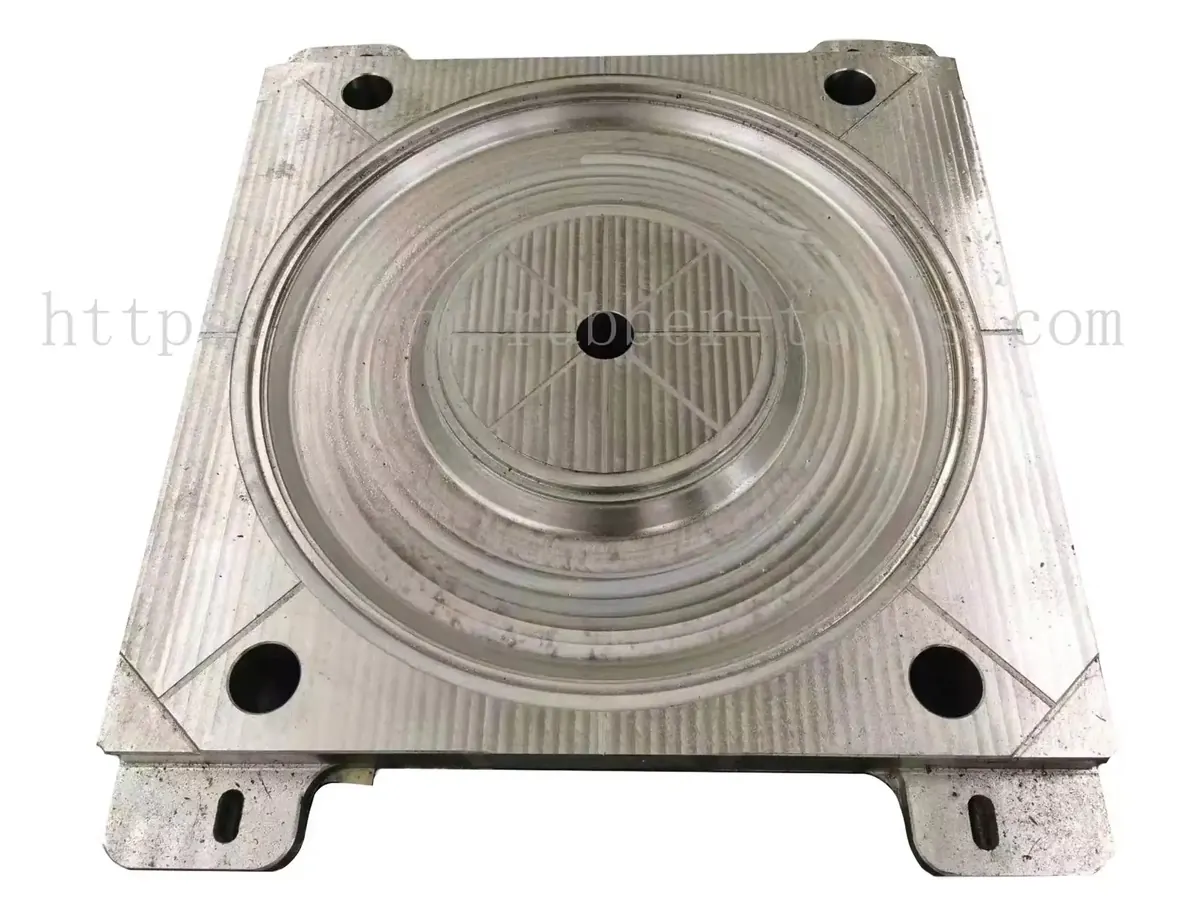
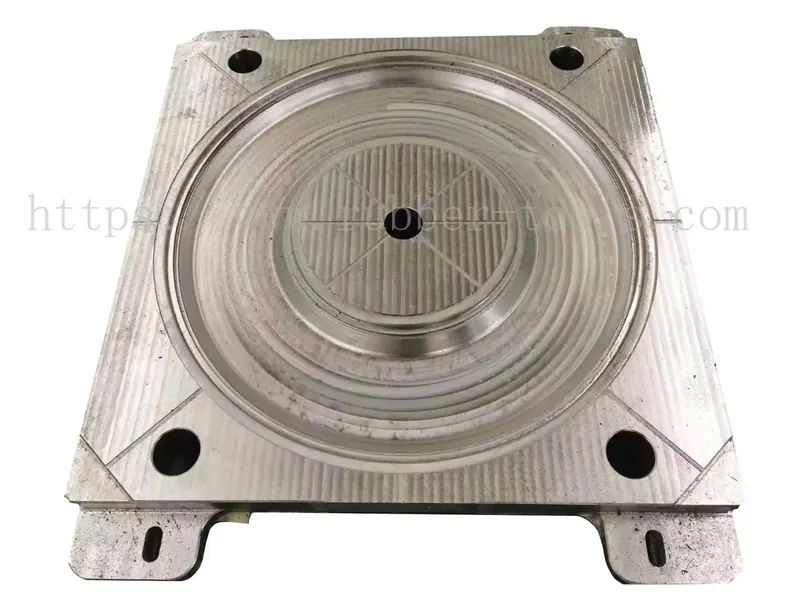
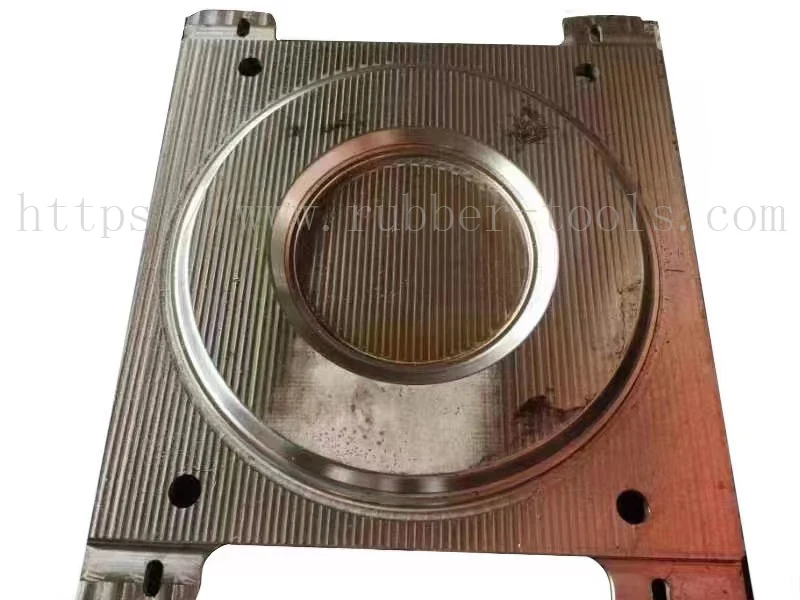
Once the compound is finalized, we proceed to Prototyping. Using CNC-machined molds or precision die-cutting, small-batch samples are produced under controlled vulcanization conditions. These prototypes undergo dimensional inspection, traction testing, and accelerated wear simulation. Clients receive physical samples along with material test reports for verification. Feedback is incorporated into mold or compound adjustments, ensuring full alignment before scale-up.

The final phase, Mass Production, leverages automated compression or injection molding lines with real-time quality monitoring. Production batches are subject to in-process checks for weight consistency, curing time, and surface finish. Each doormat is visually inspected and batch-traceable for full quality accountability. Lead times are optimized through lean inventory management of raw materials and modular mold systems.

Below is a representative specification profile for a standard industrial rubber doormat formulation.

Property Test Method Typical Value
Hardness (Shore A) ASTM D2240 65 ± 5
Tensile Strength ASTM D412 ≥12 MPa
Elongation at Break ASTM D412 ≥250%
Abrasion Loss (Taber Wheel) ASTM D1044 ≤120 mg/1000 cycles
Slip Resistance (Dry/Wet) ASTM F2913 >0.5 COF
Operating Temperature Range -30°C to +80°C
Specific Gravity ASTM D297 1.15 ± 0.05

Through this disciplined workflow, Suzhou Baoshida ensures that every custom doormat meets the functional demands of industrial, commercial, and high-traffic environments. Our integration of material expertise and precision manufacturing delivers consistent, high-performance rubber solutions tailored to client needs.


Contact Engineering Team

Contact Suzhou Baoshida for Precision Engineered Thermally Conductive Doormats

Industrial environments demand flooring solutions that transcend basic functionality. Standard rubber doormats fail under rigorous thermal management requirements, leading to accelerated degradation, compromised slip resistance in temperature-variable zones, and non-compliance with facility safety protocols. Suzhou Baoshida Trading Co., Ltd. addresses this gap through scientifically formulated thermally conductive rubber compounds engineered specifically for critical applications. Our proprietary blends integrate high-purity silica and functionalized carbon black matrices to achieve controlled heat dissipation without sacrificing mechanical integrity or chemical resistance. This precision engineering ensures consistent performance in semiconductor cleanrooms, pharmaceutical manufacturing suites, and aerospace assembly floors where thermal stability directly impacts operational safety and product yield.

Our technical team operates at the intersection of polymer chemistry and industrial application science. Every compound begins with finite element analysis to model thermal flux under simulated operational stressors—cryogenic exposure, intermittent high-heat contact, or rapid thermal cycling. This data-driven approach allows us to tailor Shore A hardness, thermal conductivity, and abrasion resistance to your exact environmental parameters. Unlike commodity mat suppliers, we control the entire formulation process from raw material sourcing to vulcanization kinetics, ensuring batch-to-batch repeatability within ±2% tolerance for critical properties. The table below illustrates how our engineered solution outperforms standard alternatives in mission-critical metrics.

Property Baoshida Precision Compound Standard Recycled Rubber Mat
Thermal Conductivity 0.35 W/m·K 0.15 W/m·K
Shore A Hardness (23°C) 65 ± 3 55 ± 8
Abrasion Loss (DIN 53516) 85 mm³ 140 mm³
Operating Temp Range -40°C to +150°C -20°C to +80°C
Chemical Resistance Full IPA, acetone, dilute acids Swelling in solvents

OEM partnerships require more than off-the-shelf products—they demand collaborative engineering. Mr. Boyce, our dedicated OEM Solutions Manager, possesses 14 years of experience in translating facility-specific thermal challenges into validated rubber formulations. He leads cross-functional teams through a structured process: material qualification testing per ASTM D2240/D5963, on-site thermal mapping of your facility, and iterative prototyping with real-world validation data. Clients leveraging this workflow achieve 30% longer service life and eliminate thermal-related downtime incidents within 12 months of implementation.

Initiate your thermal management solution by contacting Mr. Boyce directly at [email protected]. Include your facility’s thermal profile requirements, expected foot traffic density, and chemical exposure conditions to expedite compound optimization. Responses include a preliminary material recommendation matrix and schedule for virtual technical consultation within 24 business hours. Suzhou Baoshida operates ISO 9001:2015-certified production lines with 45-day rapid tooling cycles for custom profiles. For urgent OEM projects requiring accelerated validation, reference project code THERM-2024 to activate our priority engineering track. Do not settle for generic mats that compromise thermal safety margins—engineer reliability at the molecular level with China’s industrial rubber specialist.


⚖️ O-Ring Weight Calculator

Estimate rubber O-ring weight (Approx).


Cool Doormats Manufacturer | Engineering Guide

Contents of Table

Contact [email protected] Whatsapp 86 15951276160