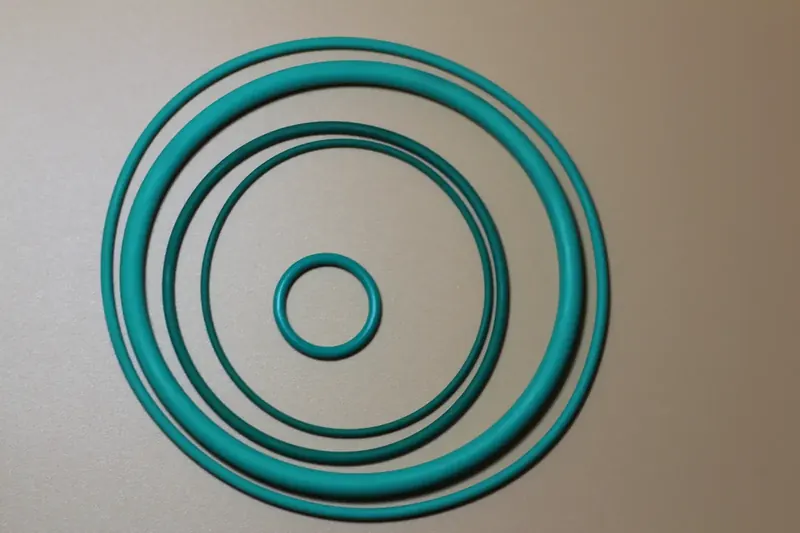
Epdm Ethylene Propylene Diene Monomer Manufacturer | Engineering Guide

Engineering Guide: Epdm Ethylene Propylene Diene Monomer

Engineering Insight: EPDM Material Selection Criticality

Ethylene Propylene Diene Monomer (EPDM) rubber is indispensable for demanding industrial applications requiring exceptional weathering, ozone, and thermal resistance. However, its performance is not inherent to the polymer family alone; it is critically dependent on precise material formulation and compound engineering. Off-the-shelf generic EPDM compounds frequently fail in real-world OEM applications due to unaddressed operational variables, leading to premature seal degradation, production inefficiencies, and costly field failures. The root cause lies in overlooking how monomer ratios, diene type, oil extension, and cure system intricacies dictate end-use behavior.

EPDM’s saturated ethylene-propylene backbone provides baseline stability, but the diene monomer type (ENB vs. DCPD) and its concentration directly govern cure kinetics, flexibility, and compression set resistance. Generic compounds often utilize suboptimal diene levels or types, resulting in slow cure rates that disrupt production cycles or inadequate crosslink density causing seal leakage under sustained compression. Similarly, uncontrolled oil extension—common in low-cost formulations—reduces polymer content, accelerating fluid swelling in hydraulic or fuel-exposed environments and compromising dimensional stability. Crucially, low-temperature flexibility (a key EPDM advantage) is severely degraded if ethylene content exceeds 65%, a parameter rarely disclosed in standard commercial grades.

The consequences of inadequate material selection manifest as chronic field issues: seals hardening after 18 months of outdoor exposure due to insufficient UV stabilizers, gaskets extruding under pressure from poor rebound properties, or O-rings cracking at -40°C because of incorrect polymer microstructure. These failures stem from treating EPDM as a commodity rather than a precision-engineered solution. OEMs must mandate compound specifications aligned with application stressors—not merely polymer type.

Suzhou Baoshida Trading Co., Ltd. addresses this through application-specific compounding, leveraging granular control over critical parameters. Below is a comparison of how key variables impact performance in automotive and industrial sealing contexts:

Parameter Critical Range for Severe Duty Performance Impact of Deviation
ENB Content 5.0–8.0 wt% <5.0%: Slow cure, high compression set; >8.0%: Reduced thermal stability
Mooney Viscosity (ML 1+4) 35–55 (at 125°C) <35: Poor green strength; >55: Difficult processing, voids
Oil Extension ≤30 phr (for low-swell apps) >30 phr: Excessive fluid absorption, loss of tensile strength
Ethylene Content 50–60 mol% >65 mol%: Crystallization below -20°C, seal fracture

Material selection must begin with a forensic analysis of operational demands: temperature extremes, fluid exposure, dynamic stress, and regulatory constraints. Suzhou Baoshida’s engineering team collaborates with OEMs to define compound architectures that preempt failure modes, utilizing accelerated aging protocols and finite element analysis to validate performance. Generic EPDM solutions ignore this nuance, treating all weather-resistant elastomers as functionally equivalent—a misconception that incurs significant lifecycle costs. Precision compounding is not a premium option; it is the only viable strategy for mission-critical reliability in industrial sealing systems. Partnering with a technical supplier ensures material properties are calibrated to application physics, transforming EPDM from a vulnerable component into a durable engineered asset.


Material Specifications

EPDM (ethylene propylene diene monomer) is a synthetic rubber known for its excellent resistance to heat, ozone, and weathering, making it a preferred material in industrial sealing, automotive, and HVAC applications. While EPDM exhibits strong performance in aqueous environments and UV exposure, its compatibility with oils and hydrocarbons is limited. For applications requiring resistance to fuels, oils, or high-temperature fluids, alternative elastomers such as Viton, Nitrile (NBR), and Silicone are often considered. Understanding the comparative material properties is essential for optimal material selection in precision engineering and industrial manufacturing.

Viton, a fluorocarbon-based rubber, offers superior chemical resistance across a broad range of aggressive media, including mineral and synthetic oils, fuels, and many acids. It maintains performance at continuous service temperatures up to 200°C, with short-term excursions beyond 250°C. This makes Viton ideal for high-performance sealing in aerospace, automotive, and chemical processing industries. However, its cost is significantly higher than other elastomers, and low-temperature flexibility is limited, typically down to -20°C.

Nitrile rubber (NBR) is one of the most widely used elastomers due to its excellent resistance to aliphatic hydrocarbons, oils, and fuels. It offers good mechanical properties and abrasion resistance, with a cost-effective profile. Nitrile is commonly used in hydraulic systems, fuel hoses, and gaskets. Its service temperature range is moderate, typically -30°C to 120°C, with performance degrading at higher temperatures or in strong oxidizing environments. While NBR outperforms EPDM in oil resistance, it lacks the same level of ozone and UV stability.

Silicone rubber is valued for its exceptional thermal stability and flexibility across a wide temperature range, from -60°C to 200°C. It exhibits good resistance to UV and ozone and is often used in medical, food-grade, and electrical insulation applications. However, silicone has relatively poor resistance to petroleum-based fluids and lower tensile strength and abrasion resistance compared to NBR or Viton. Its use in dynamic sealing applications is limited unless specially reinforced.

For industrial applications where fluid compatibility, temperature range, and mechanical durability are critical, a comparative analysis of these materials ensures optimal performance and longevity. Below is a technical comparison of key properties for Viton, Nitrile, Silicone, and EPDM.

Property Viton (FKM) Nitrile (NBR) Silicone (VMQ) EPDM
Temperature Range (°C) -20 to 200 -30 to 120 -60 to 200 -50 to 150
Tensile Strength (MPa) 15–20 10–25 5–8 7–15
Elongation at Break (%) 200–300 200–500 200–600 200–450
Hardness (Shore A) 60–90 50–90 30–80 50–80
Resistance to Oils & Fuels Excellent Good to Excellent Poor Poor
Resistance to Ozone/UV Excellent Fair Excellent Excellent
Resistance to Water/Steam Good Fair Good Excellent
Compression Set Resistance Excellent Good Fair to Good Good
Typical Applications Aerospace seals, chemical gaskets Fuel hoses, O-rings Medical devices, insulation HVAC seals, roofing membranes

Material selection must be guided by application-specific requirements, including fluid exposure, thermal cycling, mechanical stress, and regulatory compliance. Suzhou Baoshida Trading Co., Ltd. provides technical support and precision-engineered rubber solutions tailored to industrial demands.


Manufacturing Capabilities

Engineering Excellence in EPDM Compound Development and Manufacturing

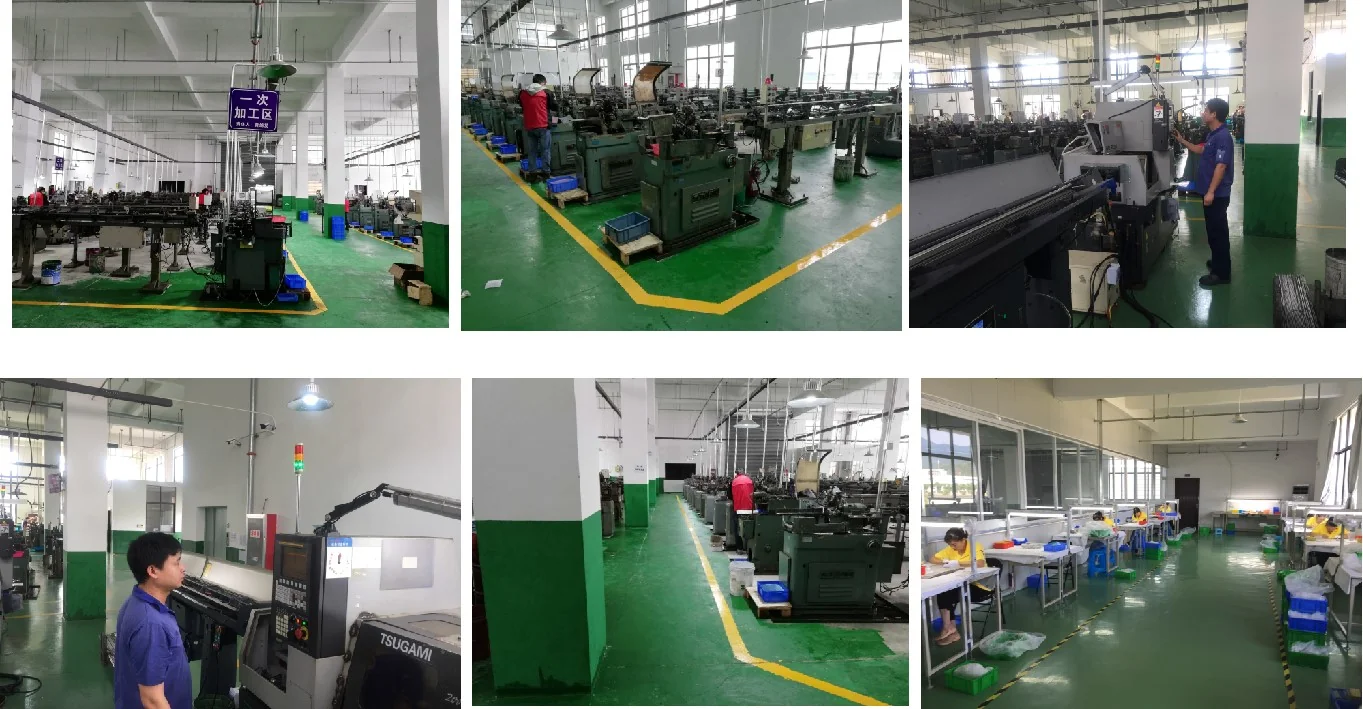
Suzhou Baoshida Trading Co., Ltd. delivers precision-engineered EPDM (Ethylene Propylene Diene Monomer) rubber solutions through a dedicated core of specialized engineering talent. Our competitive advantage stems directly from the integrated expertise of five certified Mould Engineers and two advanced Formula Engineers, forming a cohesive unit focused exclusively on industrial rubber applications. This team structure ensures seamless translation of client specifications into high-performance, manufacturable products, underpinning our robust OEM capabilities for global industrial partners.

Our Formula Engineers possess deep mastery in EPDM polymer chemistry and compounding science. They systematically develop and optimize formulations to meet exacting performance criteria across diverse operational environments, including extreme temperature fluctuations, chemical exposure, and prolonged compression set demands. This involves precise selection of base polymers, curatives, fillers, plasticizers, and protective additives, followed by rigorous laboratory validation. Every compound undergoes accelerated aging tests per ASTM D573, fluid resistance assessments per ISO 1817, and dynamic mechanical analysis to guarantee long-term reliability in critical applications such as automotive weatherseals, HVAC gaskets, and industrial hose liners. Material certifications and full traceability documentation are standard for all OEM production batches.

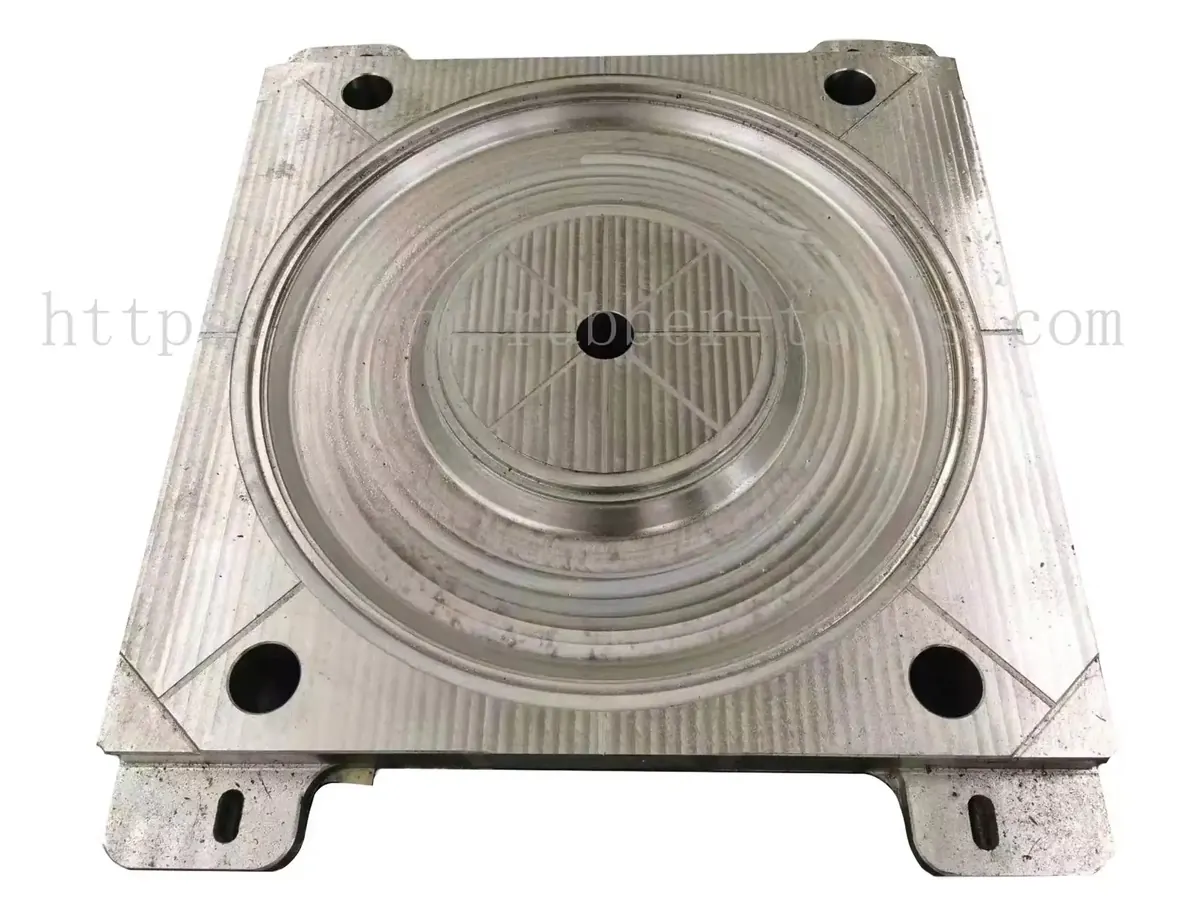
Complementing formulation expertise, our five Mould Engineers specialize in the intricate design, analysis, and optimization of precision rubber moulds. They utilize advanced CAD/CAM software and conduct detailed flow simulation to predict and eliminate potential defects like flash, incomplete filling, or knit lines. This proactive approach minimizes tooling iterations and ensures dimensional stability and surface finish consistency critical for sealing performance. Close collaboration between Formula and Mould Engineering teams occurs at every stage, from initial concept through to pilot production, ensuring the compound’s rheological properties are perfectly matched to the mould’s thermal and flow dynamics. This synergy is fundamental to achieving high first-pass yield rates and eliminating costly production delays.

Our OEM manufacturing process integrates this engineering rigor with stringent quality control protocols. We manage the entire lifecycle – from initial material selection and tooling validation through to high-volume production and final inspection – adhering strictly to ISO 9001 standards. Clients benefit from dedicated project management, transparent communication, and comprehensive technical support throughout the partnership. The table below summarizes key performance characteristics achievable with our standard and premium EPDM formulations:

Property Standard Grade Premium Grade Test Method
Temperature Range (°C) -45 to +135 -55 to +150 ASTM D2240
Tensile Strength (MPa) ≥ 10.0 ≥ 15.0 ASTM D412
Elongation at Break (%) ≥ 250 ≥ 350 ASTM D412
Compression Set (70°C, 22h) ≤ 25% ≤ 15% ASTM D395 Method B
Shore A Hardness Range 50-80 50-80 ASTM D2240
Fluid Resistance (IRM 903) Excellent Superior ISO 1817

Suzhou Baoshida’s engineering-led approach guarantees that every EPDM component manufactured under our OEM partnership meets the highest benchmarks for performance, durability, and process consistency. We transform complex material science and precision tooling into reliable, scalable industrial rubber solutions.


Customization Process

Drawing Analysis

The customization process for EPDM (ethylene propylene diene monomer) rubber components begins with meticulous drawing analysis. At Suzhou Baoshida Trading Co., Ltd., engineering teams conduct a comprehensive review of client-provided technical drawings, focusing on dimensional tolerances, surface finish requirements, and functional geometry. This stage involves validating critical features such as wall thickness, sealing interfaces, and mating surfaces to ensure manufacturability via extrusion, molding, or calendering. Geometric dimensioning and tolerancing (GD&T) are cross-referenced against ISO 3302 and ISO 2768 standards to identify potential deviations. Finite element analysis (FEA) may be applied to predict deformation under thermal and mechanical stress, particularly for dynamic sealing applications. Any discrepancies or optimization opportunities are communicated through formal engineering change proposals (ECPs), ensuring alignment before progression.

Formulation Development

Following drawing validation, the formulation phase tailors the EPDM compound to meet operational demands. Suzhou Baoshida leverages proprietary elastomer science to adjust polymer microstructure—specifically ethylene/propylene ratio and diene content (typically ENB)—to balance saturation, ozone resistance, and cure kinetics. Additive systems are engineered for performance in targeted environments: peroxide or sulfur vulcanization is selected based on temperature resistance requirements; filler loading (N330 carbon black or precipitated silica) is optimized for tensile strength and compression set; and plasticizers such as paraffinic oils are dosed to enhance processability without sacrificing resilience. Specialized modifiers may be introduced for flame retardancy (ATH fillers), low-temperature flexibility (controlled branching), or fluid resistance (high ENB content). Each formulation is documented under internal specification codes and subjected to preliminary lab-scale rheometry and cure testing.

Prototyping and Validation

Prototype tooling—either soft steel molds or 3D-printed mandrels—is deployed to produce first-article samples. These are evaluated across a battery of physical and chemical tests, including hardness (Shore A), tensile properties (ISO 37), compression set (ISO 815), and thermal aging (ISO 188). Fluid immersion testing per ASTM D471 assesses volume swell in coolants, brake fluids, or steam environments. Dimensional reports generated via coordinate measuring machines (CMM) are compared against drawing specifications. Clients receive full test dossiers and sample batches for field trials. Iterations are conducted if performance deviations occur, with formulation or tooling adjustments implemented within a 10–15 day cycle.

Mass Production Readiness

Upon approval, the project transitions to mass production. Suzhou Baoshida employs automated batching systems with gravimetric feeding to ensure formulation consistency across batches. Continuous monitoring via moving die rheometers (MDR) and online hardness gauges maintains quality control. Production runs are traceable through lot-numbered documentation, and final inspection includes 100% visual checks and statistical sampling per ANSI/ASQ Z1.4. Logistics coordination ensures just-in-time delivery to OEM assembly lines.

Property Test Method Typical Value (Custom EPDM)
Hardness (Shore A) ISO 48-4 55–80 ±5
Tensile Strength ISO 37 ≥12 MPa
Elongation at Break ISO 37 ≥300%
Compression Set (24h, 100°C) ISO 815 ≤25%
Heat Aging (70h, 125°C) ISO 188 ΔTensile ≤20%
Volume Swell (ASTM #3 Oil, 70h) ASTM D471 ≤15%

Contact Engineering Team

Contact Suzhou Baoshida for Precision EPDM Rubber Solutions

Suzhou Baoshida Trading Co., Ltd. stands at the forefront of industrial rubber innovation, specializing in high-performance EPDM (ethylene propylene diene monomer) compounds engineered for demanding OEM applications. Our decades of compound development expertise ensure formulations meet exacting global standards for durability, chemical resistance, and thermal stability. Whether your project requires automotive seals, construction gaskets, or specialized industrial components, our team delivers tailored solutions that optimize performance and reduce total cost of ownership. We prioritize seamless integration into your manufacturing process, providing consistent material quality and responsive technical support from prototyping through full-scale production.

Critical EPDM performance parameters define real-world applicability. Our rigorously tested compounds consistently achieve industry-leading specifications, validated through independent laboratory analysis per ASTM and ISO protocols. Key metrics include:

Property Test Method Typical Value Range Significance for OEMs
Temperature Resistance ASTM D1239 -50°C to +150°C Ensures functionality in extreme climates
Tensile Strength (MPa) ASTM D412 15–25 Critical for structural integrity under load
Elongation at Break (%) ASTM D412 300–500 Maintains flexibility during installation
Compression Set (70h/150°C) ASTM D395 ≤25% Guarantees long-term sealing reliability
Ozone Resistance (50pphm) ASTM D1149 No cracks (100h) Prevents premature failure in outdoor use

Partnering with Suzhou Baoshida means accessing more than raw materials—it means leveraging our engineering-driven approach to solve complex material challenges. Our OEM management framework includes collaborative formulation review, stringent batch traceability, and proactive supply chain coordination to prevent production delays. We understand that minor compound variations can cascade into costly assembly line disruptions; thus, every batch undergoes multi-stage quality verification before shipment. Our technical team works directly with your engineers to refine specifications, ensuring compatibility with your curing systems, adhesion requirements, and environmental certifications. This level of integration minimizes scrap rates and accelerates time-to-market for your end products.

Do not compromise on material reliability when precision matters. Contact Mr. Boyce, our dedicated OEM Relationship Manager, to initiate a technical consultation. He will coordinate our engineering resources to address your specific compound challenges, provide sample kits for validation testing, and develop a scalable supply agreement aligned with your production schedule. Mr. Boyce possesses direct authority to expedite formulation adjustments and resolve urgent supply chain queries, ensuring your project maintains momentum.

Reach out today to transform your EPDM specifications into optimized manufacturing outcomes. Email Mr. Boyce at [email protected] with your technical dossier or component requirements. Include details on application environment, performance targets, and volume needs for a targeted response within 24 business hours. Suzhou Baoshida commits to being your strategic partner in material science—where compound excellence meets industrial execution.


⚖️ O-Ring Weight Calculator

Estimate rubber O-ring weight (Approx).


Epdm Ethylene Propylene Diene Monomer Manufacturer | Engineering Guide

Contents of Table

Contact [email protected] Whatsapp 86 15951276160