Technical Contents
Engineering Guide: Plow Blades
Engineering Insight: Material Selection in Plow Blades for Industrial Applications
In the realm of industrial plowing equipment, plow blades serve as the primary interface between machinery and abrasive environments. Their performance directly influences operational efficiency, maintenance cycles, and total cost of ownership. While many manufacturers opt for off-the-shelf rubber compounds, these generic solutions frequently underperform in demanding conditions due to inadequate material engineering. The failure of standard plow blades often stems from a one-size-fits-all approach that neglects the mechanical and environmental variables unique to each application.
Material selection is not merely a matter of hardness or tensile strength; it involves a holistic understanding of dynamic stress, abrasion resistance, temperature stability, and chemical exposure. Off-the-shelf rubber compounds are typically formulated for broad compatibility rather than targeted performance. As a result, they lack the tailored polymer architecture needed to resist cutting, tearing, and accelerated wear in high-friction scenarios. For instance, in cold-region snow removal or quarry-based debris clearing, unmodified natural rubber or generic SBR blends degrade rapidly due to low resilience and poor low-temperature flexibility.
At Suzhou Baoshida Trading Co., Ltd., we emphasize engineered rubber formulations that align with the operational profile of the plow system. Our custom compounds integrate high-rebound synthetic elastomers such as hydrogenated nitrile (HNBR) or polyurethane hybrids, which offer superior abrasion resistance and mechanical durability. These materials maintain elasticity under repeated impact, reducing fatigue cracking and edge delamination—common failure modes in standard blades.
Additionally, the bonding interface between rubber and metal substrates is critical. Poor adhesion, often found in mass-produced blades, leads to premature separation under shear stress. Our manufacturing process employs chemically active primers and vulcanization bonding techniques that ensure cohesive strength exceeding 12 kN/m, significantly outperforming conventional adhesive methods.
The following table outlines key performance specifications comparing standard off-the-shelf rubber blades with Baoshida-engineered solutions:
| Property | Off-the-Shelf Rubber Blade | Baoshida Engineered Blade |
|---|---|---|
| Hardness (Shore A, 23°C) | 60 – 70 | 75 – 85 |
| Tensile Strength (MPa) | 12 – 15 | 22 – 26 |
| Elongation at Break (%) | 300 – 400 | 450 – 550 |
| Abrasion Loss (DIN 53516, mm³) | 180 – 220 | 80 – 100 |
| Tear Strength (kN/m) | 25 – 30 | 55 – 65 |
| Operating Temperature Range | -20°C to +80°C | -40°C to +120°C |
| Bond Strength to Steel (kN/m) | 6 – 8 | 12 – 14 |
The data illustrates a clear performance gap, particularly in abrasion resistance and structural integrity. These enhancements translate into longer service life, reduced downtime, and lower replacement frequency.
In conclusion, material selection in plow blades is a precision engineering decision, not a commodity choice. Standard solutions may offer short-term cost savings but incur higher lifecycle costs due to frequent failure. Baoshida’s application-specific rubber formulations ensure reliability, efficiency, and sustained performance in the most challenging industrial environments.
Material Specifications
Material Specifications for Industrial Plow Blades
Selecting the optimal elastomer for plow blades demands rigorous analysis of operational stressors including abrasion, extreme temperatures, chemical exposure, and mechanical fatigue. At Suzhou Baoshida Trading Co., Ltd., we prioritize material science to ensure longevity and performance in demanding environments. Plow blades endure constant contact with road surfaces, de-icing agents, and sub-zero conditions, necessitating elastomers with exceptional resilience. Viton (FKM), Nitrile (NBR), and Silicone (VMQ) represent core solutions, each with distinct chemical and physical profiles. Viton excels in chemical resistance against oils, fuels, and aggressive de-icing compounds but carries higher material costs. Nitrile offers a balanced cost-performance ratio with strong abrasion resistance and oil compatibility, making it the industry standard for most plow applications. Silicone provides unparalleled flexibility across extreme temperatures yet lacks the mechanical strength required for high-impact plowing scenarios, limiting its practicality despite thermal advantages.
Critical performance metrics must align with OEM design parameters. Shore A hardness directly influences wear resistance and deflection characteristics, while tensile strength and elongation dictate durability under cyclic loading. Temperature range compatibility is non-negotiable for cold-climate operations, and chemical resistance must account for prevalent road treatments like calcium chloride. Below is a comparative analysis of key properties per ASTM D2000 and ISO 37 standards:
| Property | Viton (FKM) | Nitrile (NBR) | Silicone (VMQ) |
|---|---|---|---|
| Shore A Hardness | 70–90 | 50–90 | 30–80 |
| Tensile Strength (MPa) | 15–20 | 10–30 | 5–12 |
| Elongation at Break (%) | 150–300 | 200–500 | 200–700 |
| Temp Range (°C) | -20 to +250 | -40 to +120 | -60 to +230 |
| Abrasion Resistance | Excellent | Very Good | Poor |
| Oil/Fuel Resistance | Exceptional | Good to Excellent | Poor |
| Ozone Resistance | Exceptional | Fair | Excellent |
Nitrile remains the predominant choice for plow blades due to its optimal balance of abrasion resistance, low-temperature flexibility down to -40°C, and cost efficiency. Its acrylonitrile content (typically 34–45%) directly correlates with oil resistance, critical for exposure to hydraulic fluids and road contaminants. Viton is reserved for severe chemical exposure scenarios, such as municipal fleets using concentrated de-icing agents, though its stiffness at sub-zero temperatures requires careful design integration. Silicone’s inferior tear strength and abrasion resistance render it unsuitable for primary plow blade construction despite its wide thermal envelope; it may serve secondary sealing roles.
Suzhou Baoshida recommends NBR compounds with 40–50 phr carbon black reinforcement for standard plow blades, achieving Shore 70A hardness and 25 MPa tensile strength. For extreme chemical duty, Viton blends with peroxide curing ensure stability against aromatic solvents. All formulations undergo ISO 1817 fluid immersion testing and DIN 53516 abrasion validation. Material selection must integrate with steel reinforcement geometry and mounting hardware to prevent premature failure. Partner with our engineering team to validate compound specifications against your operational profile—maximizing service life while minimizing total cost of ownership.
Manufacturing Capabilities
Engineering Capability
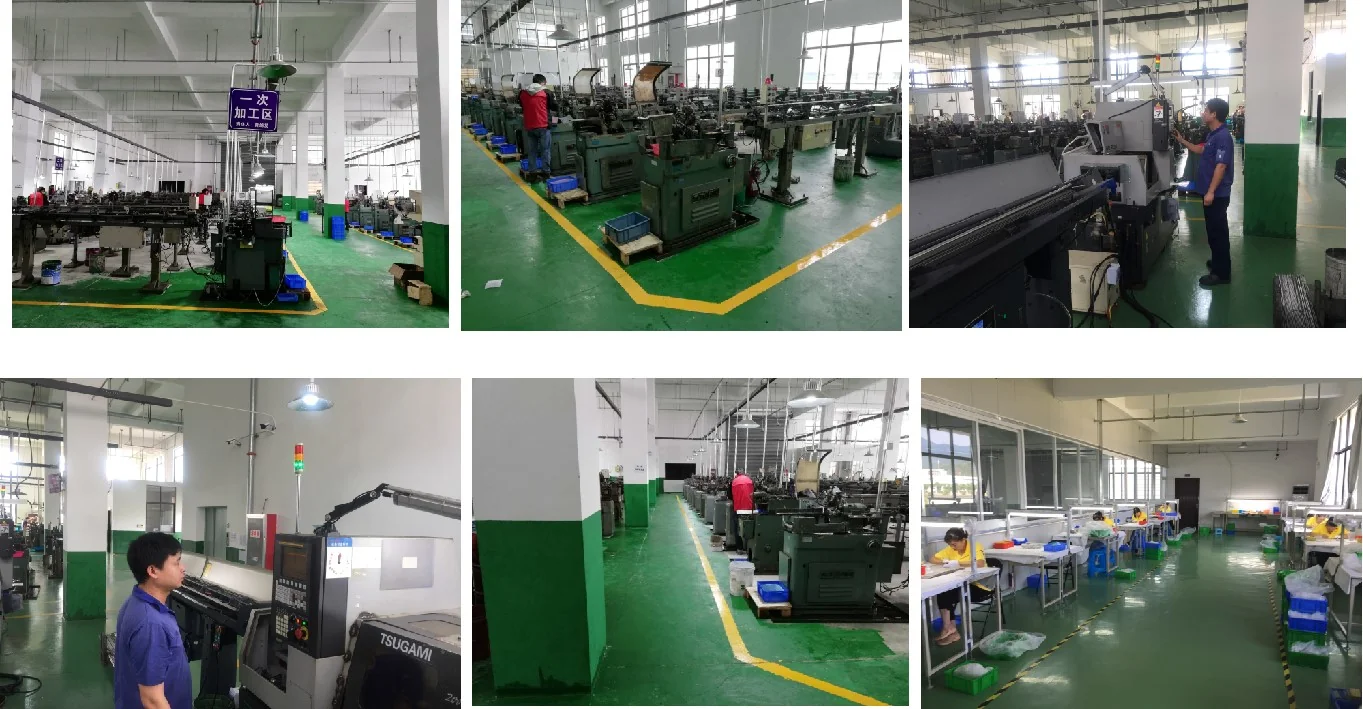
At Suzhou Baoshida Trading Co., Ltd., our engineering capability is anchored in deep technical expertise and a systematic approach to industrial rubber product development. With a dedicated team comprising five experienced mould engineers and two specialized rubber formula engineers, we deliver precision-engineered plow blades tailored to the demanding requirements of agricultural, construction, and heavy-duty industrial applications. Our integrated engineering workflow ensures that every product meets strict performance, durability, and dimensional accuracy standards.
Our mould engineers bring over 60 combined years of experience in designing high-tolerance rubber moulds using advanced CAD/CAM systems, including SolidWorks and AutoCAD. Each mould is optimized for efficient vulcanization, consistent part geometry, and extended service life under high-pressure and abrasive conditions. Finite element analysis (FEA) is routinely applied to simulate stress distribution and thermal behavior during operation, minimizing defects and ensuring optimal material flow during production. This precision in mould design directly translates into plow blades with uniform thickness, accurate edge profiles, and superior resistance to deformation.
Complementing our mould engineering strength is our in-house rubber formulation capability. Our two certified rubber formula engineers specialize in developing custom elastomer compounds tailored to specific operational environments. Whether the application demands high abrasion resistance, low-temperature flexibility, or enhanced tear strength, we formulate proprietary blends using natural rubber (NR), styrene-butadiene rubber (SBR), and nitrile rubber (NBR), often reinforced with carbon black or silica fillers. These formulations undergo rigorous laboratory testing for tensile strength, elongation at break, hardness (Shore A), and wear rate before being validated in field conditions.
We operate as a full-service OEM partner, capable of managing projects from concept to mass production. Our OEM process begins with a detailed technical consultation to understand load profiles, soil conditions, and equipment integration requirements. From there, we develop prototypes, conduct performance trials, and refine both compound and geometry until optimal functionality is achieved. Our facility supports low-volume pilot runs and high-volume manufacturing, with full traceability and ISO-compliant quality control.
The following table summarizes the key technical specifications achievable for our custom plow blade solutions:
| Parameter | Standard Range | Custom Capability |
|---|---|---|
| Hardness (Shore A) | 60–80 | Up to 90 |
| Tensile Strength | ≥18 MPa | ≥25 MPa (reinforced compounds) |
| Elongation at Break | 300–500% | Up to 600% (high-flexibility grades) |
| Abrasion Loss (DIN 53516) | ≤120 mm³ | ≤80 mm³ (premium wear-resistant grades) |
| Operating Temperature | -30°C to +80°C | -50°C to +100°C (special formulations) |
| Mould Tolerance | ±0.2 mm | ±0.1 mm (precision machining) |
With a disciplined engineering methodology and full vertical control over material science and tooling, Suzhou Baoshida delivers plow blade solutions that exceed OEM performance benchmarks.
Customization Process
Customization Process for Industrial Plow Blade Manufacturing
Suzhou Baoshida Trading Co., Ltd. implements a rigorous, science-driven customization protocol for industrial plow blades, ensuring optimal performance in demanding earthmoving and snow removal applications. Our process transforms client specifications into high-integrity rubber components through four critical, interdependent phases, leveraging advanced material science and precision manufacturing.
Drawing Analysis initiates the engagement. Our engineering team conducts a meticulous review of client-provided CAD drawings and technical documentation. This phase focuses on dimensional accuracy, interface requirements with mounting hardware, operational stress points, and environmental exposure conditions. We assess factors such as expected ground contact pressure, abrasion severity, operating temperature ranges, and chemical exposure. Critical tolerances and geometric features influencing wear distribution and structural integrity are identified. This analysis forms the foundational data set for subsequent material and process decisions, ensuring the design is manufacturable and functionally robust.
Formulation Development follows, where our rubber compounding expertise is paramount. Based on the drawing analysis, we engineer a proprietary elastomer compound. Key performance targets include exceptional abrasion resistance (critical for soil/rock contact), high tear strength to withstand impact and flexing, optimal hardness for wear life versus flexibility, and low-temperature flexibility down to -40°C for winter operations. We select base polymers (often high-abrasion NR/BR/SBR blends), reinforcing fillers (N330/N220 carbon black), protective additives, and vulcanization systems. Computational modeling predicts compound behavior under dynamic loads, minimizing trial iterations. The final formulation is validated through laboratory-scale mixing and preliminary physical property testing.
Prototyping and Validation bridges development to production. Using the approved formulation, we produce prototype plow blades via precision molding under controlled conditions replicating mass production parameters. Prototypes undergo stringent laboratory and field testing. Laboratory assessments include ASTM D2240 hardness, ASTM D412 tensile/elongation, ASTM D624 tear strength, DIN 53516 abrasion index, and low-temperature brittleness (ASTM D2137). Field trials evaluate real-world wear rates, impact resistance, and operational durability against the client’s specific use case. Data from this phase is analyzed; minor formulation or process adjustments are implemented only if necessary to meet all performance criteria.
Mass Production Execution commences upon prototype approval. Suzhou Baoshida employs statistical process control (SPC) throughout manufacturing. Raw materials undergo certified batch testing. Mixing adheres to precise time-temperature-shear profiles. Molding utilizes calibrated presses with real-time cure monitoring. Each production batch is subjected to our standard quality control protocol, including dimensional checks per drawing tolerances and sampling for critical physical properties. Full traceability from raw material lot to finished blade is maintained, ensuring consistency and compliance with ISO 9001 standards. This phase delivers consistent, high-volume output meeting the exact performance specifications validated during prototyping.
The following table summarizes critical rubber compound specifications engineered for plow blade applications:
| Property | Typical Target Range | Test Standard | Significance for Plow Blades |
|---|---|---|---|
| Shore A Hardness | 60 – 70 | ASTM D2240 | Balances wear resistance with impact absorption |
| Tensile Strength | ≥ 20 MPa | ASTM D412 | Resists structural failure under load |
| Tear Strength (Die B) | ≥ 90 kN/m | ASTM D624 | Prevents propagation of cuts and nicks |
| Abrasion Loss (DIN) | ≤ 120 mm³ | DIN 53516 | Direct measure of service life against abrasion |
| Brittleness Temperature | ≤ -45°C | ASTM D2137 | Ensures flexibility in extreme cold conditions |
| Rebound Resilience | 45% – 55% | ASTM D7121 | Indicates energy absorption and impact resistance |
Contact Engineering Team
For industrial manufacturers seeking high-performance rubber components tailored for demanding applications such as plow blades, Suzhou Baoshida Trading Co., Ltd. stands as a trusted OEM partner in the global rubber solutions sector. With years of engineering expertise and a deep understanding of material science, we specialize in developing custom rubber formulations that meet exact operational requirements—delivering durability, abrasion resistance, and optimal flexibility under extreme conditions. Our solutions are engineered not only to protect critical metal components but also to enhance operational efficiency across agricultural, construction, and municipal equipment platforms.
Plow blades operate in some of the harshest environments, facing constant exposure to abrasive soils, fluctuating temperatures, and mechanical stress. Off-the-shelf rubber components often fail to provide long-term reliability. At Suzhou Baoshida, we address these challenges through precision-engineered rubber compounds designed for extended service life and consistent performance. Our team collaborates directly with OEMs and industrial buyers to analyze application parameters, including load dynamics, surface contact, and environmental exposure, ensuring that every product we deliver is optimized for real-world conditions.
We offer full-service support from concept to production, including material testing, prototype development, and scalable manufacturing. Our production facilities adhere to international quality standards, enabling us to supply high-volume orders with consistent mechanical properties and dimensional accuracy. Whether you require custom-molded edge guards, mounting flanges, or full-length protective strips, our rubber solutions integrate seamlessly with existing blade systems while improving wear life and reducing maintenance downtime.
To ensure compatibility and performance, we have developed a proprietary rubber formulation specifically for plow blade applications. This compound has been rigorously tested under simulated field conditions and delivers superior resistance to tearing, cutting, and ozone degradation. Below are the key technical specifications of our standard plow blade rubber compound:
| Property | Test Method | Value |
|---|---|---|
| Hardness (Shore A) | ASTM D2240 | 68 ± 3 |
| Tensile Strength | ASTM D412 | ≥18 MPa |
| Elongation at Break | ASTM D412 | ≥450% |
| Tear Resistance | ASTM D624 | ≥90 kN/m |
| Abrasion Loss (DIN) | ISO 4649 | ≤100 mm³ |
| Operating Temperature Range | — | -40°C to +80°C |
| Ozone Resistance | ASTM D1149 | No cracking after 72h @ 50pphm, 25% strain |
Partnering with Suzhou Baoshida means gaining access to a technical team committed to innovation and reliability. We invite manufacturers, distributors, and engineering teams to initiate a technical consultation with Mr. Boyce, our OEM Manager and Rubber Formula Engineer. Mr. Boyce leads material development and client integration projects, ensuring that every solution is backed by data, testing, and industrial validation.
Contact Mr. Boyce directly at [email protected] to discuss your plow blade requirements, request material samples, or obtain a customized formulation proposal. Let us help you enhance product performance through advanced rubber engineering.
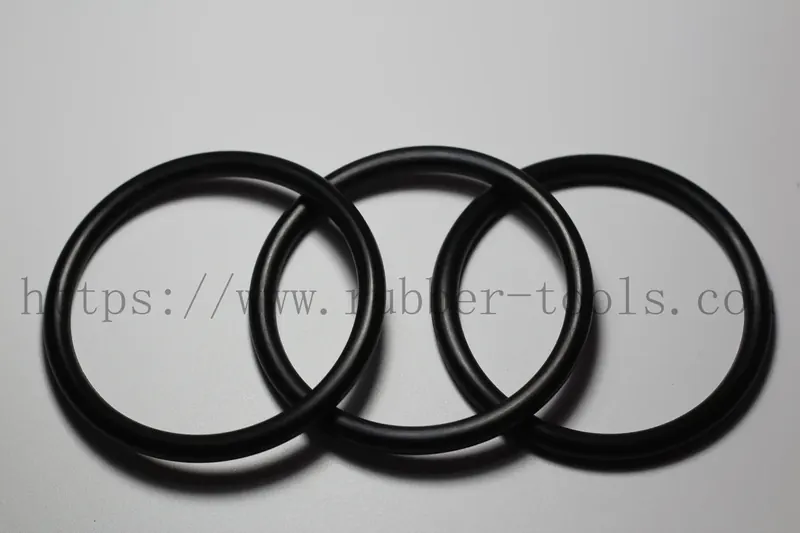
⚖️ O-Ring Weight Calculator
Estimate rubber O-ring weight (Approx).