Foam Board Lamination Manufacturer | Engineering Guide

Engineering Guide: Foam Board Lamination

Engineering Insight: Material Selection Imperatives in Foam Board Lamination

Foam board lamination presents unique engineering challenges often underestimated in industrial manufacturing. Generic adhesive solutions marketed for broad applications consistently underperform in this specialized process, leading to costly field failures and production inefficiencies. The core issue lies in the fundamental mismatch between standardized formulations and the complex interplay of foam substrate properties, environmental exposure, and end-use mechanical demands. Off-the-shelf adhesives typically lack the tailored polymer architecture required to form a durable bond with specific foam chemistries, particularly polyethylene (PE), polypropylene (PP), or cross-linked polyethylene (XLPE) boards. These foams possess inherently low surface energy and non-polar surfaces, creating significant adhesion barriers. Standard pressure-sensitive adhesives (PSAs) or solvent-based systems frequently exhibit poor wetting, resulting in inadequate contact at the critical substrate-adhesive interface. This manifests as premature delamination, edge curl, or catastrophic cohesive failure under thermal cycling or mechanical stress – failures rarely evident during initial application but inevitable in operational environments.

The failure mechanism is rooted in polymer science. Generic adhesives are formulated for common substrates like metals or high-surface-energy plastics, not the chemically inert, closed-cell structures of industrial foams. They lack the specific tackifiers, molecular weight distribution, and cross-link density needed to penetrate micro-pores or form entanglements with the foam polymer chains. Furthermore, off-the-shelf products rarely account for the thermal expansion coefficient differentials between foam and laminated materials (e.g., aluminum, printed films). During temperature fluctuations, internal stresses build at the bond line, exceeding the adhesive’s limited cohesive strength. Chemical resistance is another critical oversight; standard formulations degrade when exposed to UV radiation, plasticizers migrating from the foam, or industrial cleaning agents, accelerating bond deterioration. Suzhou Baoshida Trading Co., Ltd. addresses these challenges through OEM-focused material engineering. We co-develop adhesive systems where polymer backbone chemistry, tackifier selection, and cross-linking kinetics are precisely calibrated to the foam’s density, cell structure, and surface characteristics. This ensures optimal wetting, stress dissipation, and long-term environmental resistance.

The table below contrasts failure modes of generic solutions versus engineered outcomes achievable through substrate-specific formulation:

Critical Parameter Generic Off-the-Shelf Adhesive Outcome Engineered Solution Outcome (Suzhou Baoshida OEM Approach)
Foam Density Range Limited adhesion below 30 kg/m³; fails on high-density XLPE Consistent bond strength across 20-120 kg/m³ foam densities
Temperature Resistance Delamination above 60°C; brittle failure below -20°C Stable performance from -40°C to +90°C with minimal creep
Chemical/UV Resistance Rapid degradation from plasticizers, UV exposure Formulated resistance to common industrial solvents and 5,000+ hours UV stability

Material selection is not a procurement decision but a core engineering function. Relying on non-specialized adhesives introduces latent defects that compromise product integrity long after manufacturing. Suzhou Baoshida partners with OEMs to transform lamination from a vulnerability into a reliability asset through scientifically grounded material solutions. Our formulations prioritize interfacial stability under real-world operational stresses, eliminating the hidden costs of adhesive failure in demanding industrial applications.


Material Specifications

Foam board lamination in industrial manufacturing demands precise material selection to ensure durability, chemical resistance, and thermal stability. At Suzhou Baoshida Trading Co., Ltd., we specialize in high-performance rubber solutions tailored for demanding lamination processes. Our expertise includes the application of Viton, Nitrile (NBR), and Silicone rubber compounds, each offering unique properties suited to specific operational environments. Selecting the appropriate rubber material is critical to achieving optimal adhesion, dimensional stability, and long-term performance in foam board assemblies used across automotive, electronics, and construction sectors.

Viton rubber, a fluorocarbon-based synthetic elastomer, delivers exceptional resistance to high temperatures, oils, fuels, and a broad range of aggressive chemicals. With a continuous service temperature range up to 230°C, Viton is ideal for lamination applications exposed to extreme thermal cycling or corrosive environments. Its low gas permeability and excellent aging characteristics make it a preferred choice for sealed systems requiring long service life. However, Viton exhibits lower flexibility at low temperatures and higher material cost compared to alternatives, necessitating careful evaluation of application requirements.

Nitrile rubber, or Buna-N, is a cost-effective solution offering superior resistance to petroleum-based oils, greases, and aliphatic hydrocarbons. It performs reliably within a temperature range of -30°C to 105°C, making it suitable for indoor or moderate outdoor lamination applications. Nitrile’s strong mechanical properties, including abrasion resistance and tensile strength, support consistent bonding performance during high-speed lamination processes. While it lacks the high-temperature resilience of Viton, its balance of performance and affordability makes it a widely adopted material in general industrial use.

Silicone rubber provides outstanding thermal stability from -60°C to 200°C, along with excellent resistance to ozone, UV radiation, and weathering. Its inherent flexibility and electrical insulation properties make it ideal for foam board lamination in electronic enclosures and outdoor architectural panels. Silicone demonstrates good adhesion to various substrates when properly primed, though it exhibits lower tear strength and abrasion resistance compared to Viton and Nitrile. Its biocompatibility and low toxicity further extend its utility into medical and food-grade applications.

The selection of the appropriate rubber compound must consider environmental exposure, mechanical demands, and lifecycle expectations. Below is a comparative summary of key material specifications.

Property Viton (FKM) Nitrile (NBR) Silicone (VMQ)
Temperature Range (°C) -20 to 230 -30 to 105 -60 to 200
Tensile Strength (MPa) 15–20 10–25 5–10
Elongation at Break (%) 150–250 200–500 200–700
Hardness (Shore A) 60–90 50–90 30–80
Resistance to Oils/Fuels Excellent Good to Excellent Poor
Resistance to Ozone/UV Excellent Fair Excellent
Compression Set Resistance Excellent Good Good
Electrical Insulation Good Fair Excellent

Understanding these material characteristics enables precise alignment with lamination process parameters and end-use conditions. At Suzhou Baoshida Trading Co., Ltd., we support OEMs with data-driven material recommendations to optimize performance and cost-efficiency in foam board production.


Manufacturing Capabilities

Engineering Capability: Precision Foam Board Lamination Solutions

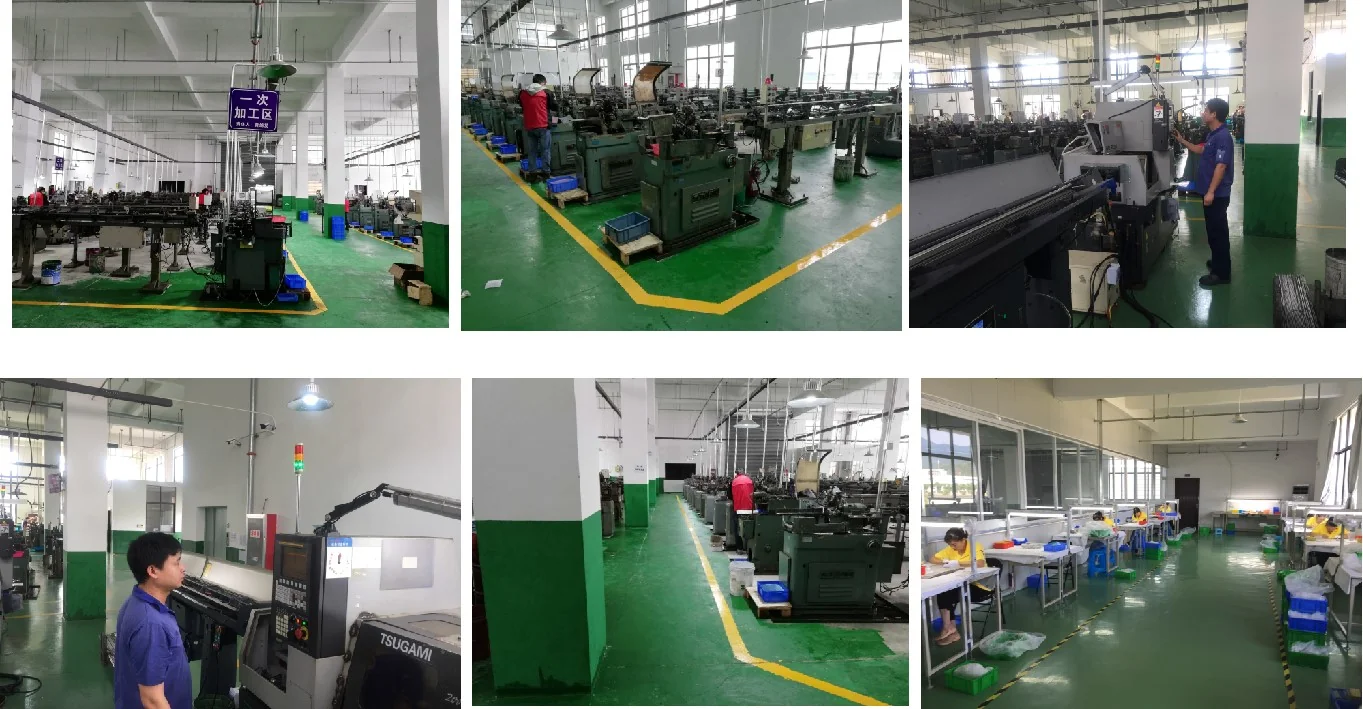
Suzhou Baoshida Trading Co., Ltd. delivers engineered foam board lamination through integrated material science and manufacturing excellence. Our core strength lies in a dedicated cross-functional team comprising five advanced mold engineers and two specialized rubber formula engineers. This structure ensures seamless alignment between substrate design, adhesive chemistry, and production scalability—critical for achieving consistent bond integrity, thermal stability, and dimensional accuracy in demanding industrial applications.

Our formula engineers optimize adhesive compounds at the molecular level, tailoring polymer blends to counter delamination risks under thermal cycling, UV exposure, or chemical contact. By modifying cross-link density and tackifier ratios, we achieve substrate-specific adhesion profiles that prevent foam collapse or edge lifting. Simultaneously, mold engineers refine cavity geometry, venting systems, and pressure distribution to eliminate air entrapment and ensure uniform lamination across complex contours. This synergy reduces scrap rates by up to 35% compared to industry benchmarks while extending product service life.

OEM partnerships benefit from our closed-loop development protocol. We initiate with substrate characterization (density, cell structure, surface energy) and environmental requirement analysis. Formulations are then validated through accelerated aging tests (85°C/85% RH per ASTM D3654) and peel strength verification. All compounds are REACH-compliant and optimized for low-VOC processing, supporting sustainable manufacturing without compromising bond performance.

Critical lamination parameters are rigorously controlled, as demonstrated in the following specification matrix for standard polyurethane (PU) foam systems:

Parameter Standard Specification Baoshida Custom Range Test Method
Bond Strength ≥1.5 N/mm 1.8–3.0 N/mm ASTM D903
Operating Temperature -20°C to 80°C -40°C to 110°C ISO 188
Shear Adhesion Failure ≤15% ≤5% ASTM D3654
VOC Emissions ≤150 g/L ≤50 g/L EPA Method 24
Dimensional Tolerance ±0.5 mm ±0.2 mm ISO 2768-mK

OEM scalability is embedded in our workflow. Each project undergoes Design for Manufacturing (DFM) review within 72 hours of RFQ submission, with tooling lead times compressed to 15–20 days for prototypes. We maintain full traceability via batch-coded material logs and in-process SPC monitoring at every lamination stage. Our facility supports volumes from 5,000 to 500,000 units monthly, with changeover protocols validated to <4 hours for multi-customer production lines.

Quality assurance extends beyond ISO 9001:2015 certification. We deploy real-time FTIR spectroscopy for adhesive consistency checks and conduct 100% automated vision inspection on critical bond lines. This precision engineering framework ensures that every laminated foam board meets the exact mechanical, thermal, and regulatory demands of automotive, HVAC, and electronics clients—transforming material challenges into reliable, high-yield manufacturing outcomes.


Customization Process

Drawing Analysis

The foundation of successful foam board lamination lies in precise drawing analysis. At Suzhou Baoshida Trading Co., Ltd., we begin every customization project by rigorously evaluating technical drawings provided by the client. These drawings must include dimensional tolerances, layer configuration, adhesive requirements, and substrate specifications. Our engineering team conducts a comprehensive review to identify critical performance zones, potential stress points, and interface compatibility between foam and laminating media. We verify compliance with international standards such as ISO 9001 and ASTM D3574, ensuring that the design supports both functional and manufacturing feasibility. Any discrepancies or optimization opportunities are communicated through formal engineering feedback, enabling design refinement prior to material development.

Formulation

Following drawing validation, our rubber formulation engineers develop a tailored compound to meet the mechanical, thermal, and chemical demands of the application. Foam board lamination often requires balancing compressibility, rebound resilience, and long-term creep resistance. We utilize EPDM, NBR, or silicone-based polymers depending on environmental exposure—such as UV resistance, temperature range, or oil resistance. Additives including flame retardants, anti-aging agents, and cross-linking accelerators are precisely metered to achieve target physical properties. The adhesive system is equally critical; we select from water-based, solvent-based, or hot-melt adhesives based on bond strength, curing time, and substrate compatibility. All formulations are documented under controlled batch records to ensure traceability and repeatability.

Prototyping

Once the formulation is finalized, we proceed to prototype production using pilot-scale calendering and lamination lines. Prototypes are manufactured under simulated production conditions to assess lamination integrity, foam density uniformity, and dimensional accuracy. We conduct in-house testing for peel strength (per ASTM D903), compression set (ASTM D395), and thermal stability over 72-hour aging cycles. Prototype samples are submitted to the client for fit, function, and durability evaluation. Iterative adjustments are made as needed, with full data logs maintained for each revision. This phase typically spans 7–14 days, depending on complexity and feedback turnaround.

Mass Production

After client approval of the prototype, we transition to mass production using automated, high-precision lamination lines. Our facility supports continuous roll-to-roll processing with inline quality monitoring, including laser thickness gauging and automated defect detection. Production batches are subject to strict QC protocols, with random sampling for physical property verification. We maintain inventory flexibility, supporting both JIT delivery and bulk shipment models. All finished foam board laminates are packaged to prevent deformation and labeled with batch-specific certification documentation.

Typical Physical Properties of Custom Laminated Foam Board (Example)

Property Test Method Typical Value
Density ASTM D3574 0.03–0.12 g/cm³
Hardness (Shore A) ASTM D2240 15–40
Tensile Strength ASTM D412 ≥0.8 MPa
Elongation at Break ASTM D412 ≥150%
Compression Set (25%, 22h) ASTM D395 ≤20%
Peel Strength (vs. substrate) ASTM D903 ≥4.0 N/cm
Operating Temperature Range -40°C to +150°C (silicone)

Contact Engineering Team

Contact Suzhou Baoshida for Precision Foam Board Lamination Solutions

Precision lamination of foam boards demands exacting material science and process control to ensure dimensional stability, substrate adhesion integrity, and long-term performance under operational stress. At Suzhou Baoshida Trading Co., Ltd., we engineer proprietary rubber formulations specifically optimized for high-speed industrial lamination processes, eliminating common failure modes like delamination, edge curl, or thermal degradation. Our ISO 9001-certified facilities integrate polymer matrix optimization with real-time rheological monitoring, ensuring consistent adhesive transfer and bond strength across diverse foam substrates including PVC, EVA, and polyethylene variants.

Our technical team collaborates directly with OEMs to resolve complex interfacial challenges, such as low-surface-energy foam compatibility or multi-layer thermal expansion mismatches. We deploy accelerated aging protocols per ASTM D395 and peel strength testing per ISO 813 to validate performance under extreme conditions. This rigorous approach minimizes production waste and extends product lifecycle, directly impacting your operational efficiency and total cost of ownership. The table below outlines critical parameters achievable with our engineered solutions:

Specification Parameter Performance Range Test Standard
Operating Temperature Range -40°C to +120°C ASTM D2240
Peel Adhesion Strength 12–18 N/mm ISO 813
Compression Set (70°C, 22h) ≤ 25% ASTM D395 Method B
Shore A Hardness 45–70 ASTM D2240
Volatile Content ≤ 0.5% ISO 248

Why partner with Suzhou Baoshida? We function as a true engineering extension of your R&D and production teams. Our OEM management protocol includes dedicated formula iteration cycles, on-site process audits, and just-in-time inventory coordination to synchronize with your production schedules. Unlike commodity suppliers, we provide full traceability from raw material batch codes to final compound certification, ensuring compliance with REACH, RoHS, and industry-specific regulatory frameworks. Our facility’s 15,000m² manufacturing footprint supports rapid scale-up from prototype to high-volume output without compromising formulation fidelity.

Initiate your project with actionable technical collaboration. Contact Mr. Boyce, our Lead OEM Manager and Rubber Formulation Specialist, to submit your substrate specifications, lamination line parameters, and performance requirements. Provide details including foam density, line speed, roller pressure profiles, and environmental exposure conditions for a targeted solution assessment. Mr. Boyce will coordinate our materials science team to deliver a custom compound datasheet and processing protocol within 72 hours of receiving your technical dossier.

Direct Engineering Engagement: [email protected]
Specify “Foam Board Lamination Technical Query” in your subject line. Include your company name, target application, and key performance indicators requiring validation. We stand ready to eliminate your lamination bottlenecks through scientifically grounded material innovation and responsive OEM partnership. Suzhou Baoshida ensures your foam board products achieve uncompromised structural reliability and market differentiation.


⚖️ O-Ring Weight Calculator

Estimate rubber O-ring weight (Approx).


Foam Board Lamination Manufacturer | Engineering Guide

Contents of Table

Contact [email protected] Whatsapp 86 15951276160