Technical Contents
Engineering Guide: High Temperature Gaskets
Engineering Insight: Material Selection Imperatives for High Temperature Gaskets
In the demanding realm of industrial sealing, high temperature gaskets represent a critical engineering challenge where material selection is not merely a specification but a fundamental determinant of system integrity and operational safety. Off-the-shelf gasket solutions, often formulated for cost efficiency and broad applicability, consistently fail under sustained elevated temperatures due to inherent material limitations. These generic compounds lack the tailored polymer architecture and specialized additives required to resist the complex degradation mechanisms activated beyond 150°C. Thermal oxidation, chain scission, and loss of elastomeric properties occur rapidly in standard nitrile rubber (NBR) or ethylene propylene diene monomer (EPDM) formulations, leading to catastrophic hardening, cracking, and seal failure. The consequence is unplanned downtime, potential safety hazards, and significantly higher total cost of ownership compared to a precisely engineered solution.
The core failure mechanism stems from insufficient thermal stability in the base polymer and inadequate protective additives. Standard elastomers undergo irreversible chemical breakdown as molecular chains fracture under thermal stress. Antioxidants and antiozonants in commodity grades deplete rapidly above their design thresholds, leaving the polymer backbone vulnerable. Simultaneously, compression set resistance—the gasket’s ability to maintain sealing force—deteriorates exponentially with temperature in non-optimized materials. A gasket appearing visually intact may have lost >50% of its recovery capability, resulting in leaks long before catastrophic physical failure. Chemical exposure, even trace contaminants in high-temperature environments, accelerates this degradation synergistically, a factor rarely accounted for in generic formulations.
Material performance under thermal stress is non-linear and highly application-specific. The table below illustrates critical property divergence between standard and engineered compounds at elevated service temperatures.
| Material Type | Max Continuous Temp (°C) | Key Degradation Mechanism Above Threshold | Typical Compression Set @ 200°C/72h | Common Failure Mode in Off-the-Shelf Applications |
|---|---|---|---|---|
| Standard NBR | 120 | Rapid oxidation, chain scission | >75% | Hardening, severe cracking, fluid leakage |
| Standard EPDM | 150 | Chain scission, loss of crosslinks | >65% | Swelling, extrusion, loss of sealing force |
| High-Temp FKM (VMQ) | 230 | Limited side-chain degradation | 35-45% | Gradual hardening (managed failure) |
| Specialty PTFE Composite | 260+ | Minimal thermal decomposition | <15% (non-elastomeric recovery) | Creep relaxation, limited resilience |
Selecting an appropriate high-temperature gasket requires rigorous analysis beyond nominal temperature ratings. Engineers must evaluate the specific peak and cyclic temperatures, duration of exposure, concurrent chemical environment (including process fluids and cleaning agents), pressure dynamics, and flange surface conditions. A compound stable in dry air may degrade rapidly in steam or amine environments at the same temperature. Suzhou Baoshida Trading Co., Ltd. leverages advanced polymer science and application-specific testing to formulate gaskets where fluorocarbon rubbers (FKM), perfluoroelastomers (FFKM), or reinforced PTFE composites are precisely engineered with synergistic additive packages. This approach ensures molecular stability, optimal compression set retention, and chemical resistance tailored to the operational envelope. The initial investment in a scientifically validated, application-engineered gasket solution prevents the far greater costs of fugitive emissions, process contamination, equipment damage, and production stoppages inherent in the use of thermally inadequate off-the-shelf products. Precision sealing under heat demands material science, not compromise.
Material Specifications
High temperature gaskets are critical components in industrial sealing applications where thermal stability, chemical resistance, and mechanical integrity under extreme conditions are paramount. At Suzhou Baoshida Trading Co., Ltd., our precision rubber seals are engineered to meet rigorous performance standards across diverse operating environments. Among the most widely specified elastomers for high-temperature service are Viton, Nitrile (NBR), and Silicone. Each material offers a distinct balance of thermal endurance, chemical compatibility, and physical properties, making material selection a pivotal factor in gasket performance and service life.
Viton, a fluorocarbon-based rubber (FKM), is renowned for its exceptional resistance to high temperatures, oxidation, and a broad spectrum of aggressive chemicals, including fuels, oils, and many acids. It maintains reliable sealing performance continuously at temperatures up to 230°C, with short-term excursions possible up to 300°C. This makes Viton the preferred choice for aerospace, automotive, and chemical processing industries where exposure to harsh media and elevated temperatures is routine. Its low gas permeability and excellent aging characteristics further enhance long-term reliability in dynamic sealing applications.
Nitrile rubber, or acrylonitrile butadiene rubber (NBR), is a cost-effective solution for applications involving petroleum-based fluids and moderate heat. With a continuous service temperature limit of approximately 120°C and peaks up to 150°C, Nitrile is widely used in hydraulic systems, fuel handling, and industrial machinery. While it offers strong resistance to oils and greases, its performance degrades in the presence of polar solvents, ozone, and strong acids. Despite its more limited thermal range, Nitrile remains a staple in general-purpose sealing due to its robust mechanical strength and abrasion resistance.
Silicone rubber (VMQ) excels in applications requiring extreme temperature flexibility. It operates reliably from -60°C to 200°C, with certain formulations enduring brief exposures up to 250°C. Silicone demonstrates excellent resistance to ozone and UV radiation, making it ideal for outdoor and high-purity environments such as food processing, pharmaceuticals, and electrical insulation. However, its relatively low tensile strength and poor resistance to petroleum-based fluids restrict its use in high-stress or oil-exposed applications.
Material selection must consider not only temperature but also media compatibility, compression set, and mechanical loading. The following table summarizes key performance characteristics of these elastomers to guide optimal gasket specification.
| Property | Viton (FKM) | Nitrile (NBR) | Silicone (VMQ) |
|---|---|---|---|
| Continuous Use Temperature | -20°C to 230°C | -30°C to 120°C | -60°C to 200°C |
| Short-Term Peak Temperature | Up to 300°C | Up to 150°C | Up to 250°C |
| Tensile Strength (MPa) | 15–25 | 10–20 | 5–8 |
| Elongation at Break (%) | 200–400 | 250–500 | 200–600 |
| Compression Set (22 hrs, 150°C) | 15–25% | 20–35% | 20–30% |
| Resistance to Oils/Fuels | Excellent | Excellent | Poor |
| Resistance to Acids/Bases | Good to Excellent | Fair | Fair |
| Resistance to Ozone/UV | Excellent | Fair | Excellent |
| Common Applications | Aerospace, chemical processing, automotive | Hydraulic systems, fuel lines, industrial machinery | Medical devices, food processing, electrical insulation |
Manufacturing Capabilities
Engineering Excellence in High-Temperature Gasket Development
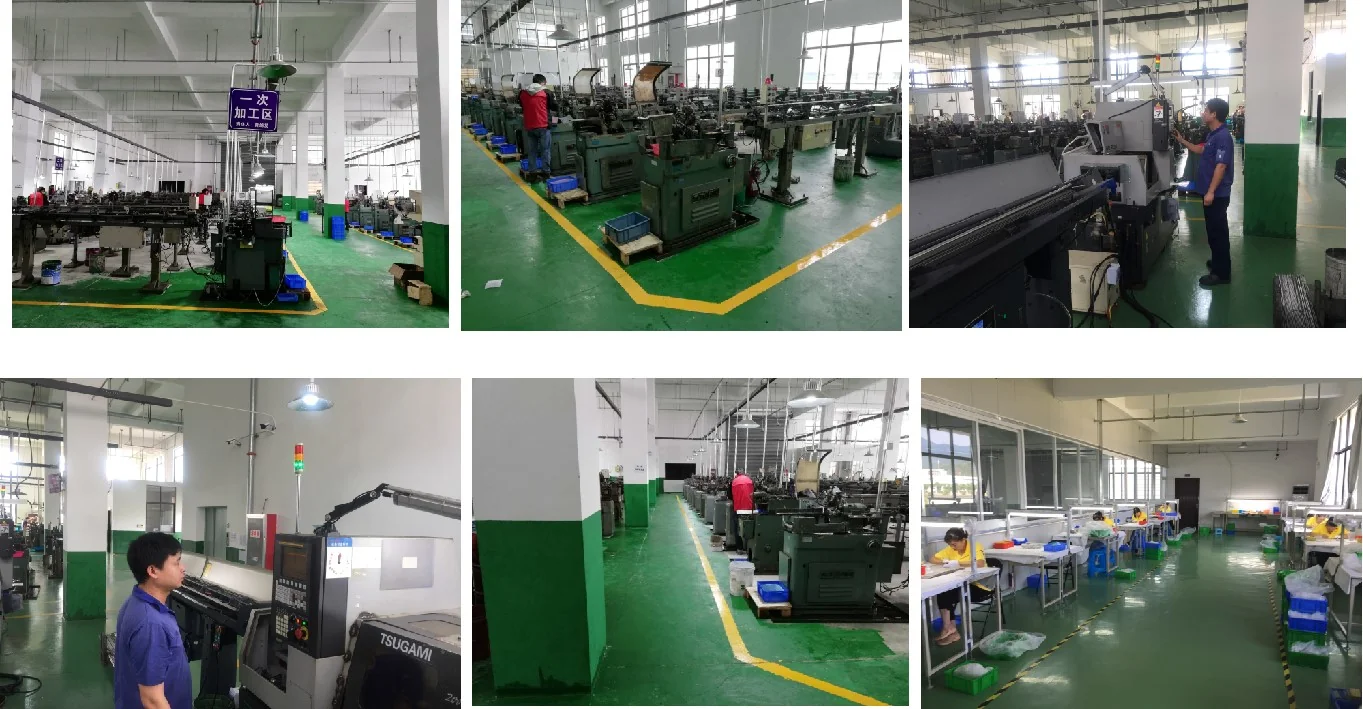
Suzhou Baoshida Trading Co., Ltd. leverages a dedicated engineering team comprising five specialized mold engineers and two advanced rubber formula engineers to deliver mission-critical high-temperature gasket solutions. This integrated expertise ensures seamless translation of complex OEM specifications into precision-engineered products capable of withstanding extreme thermal and chemical environments. Our formula engineers focus exclusively on polymer chemistry optimization, developing custom elastomer compounds that maintain structural integrity and sealing performance under continuous exposure to temperatures exceeding 300°C. Through rigorous molecular design—adjusting crosslink density, filler reinforcement, and antioxidant systems—we eliminate premature compression set, hardening, or fluid degradation common in standard materials.
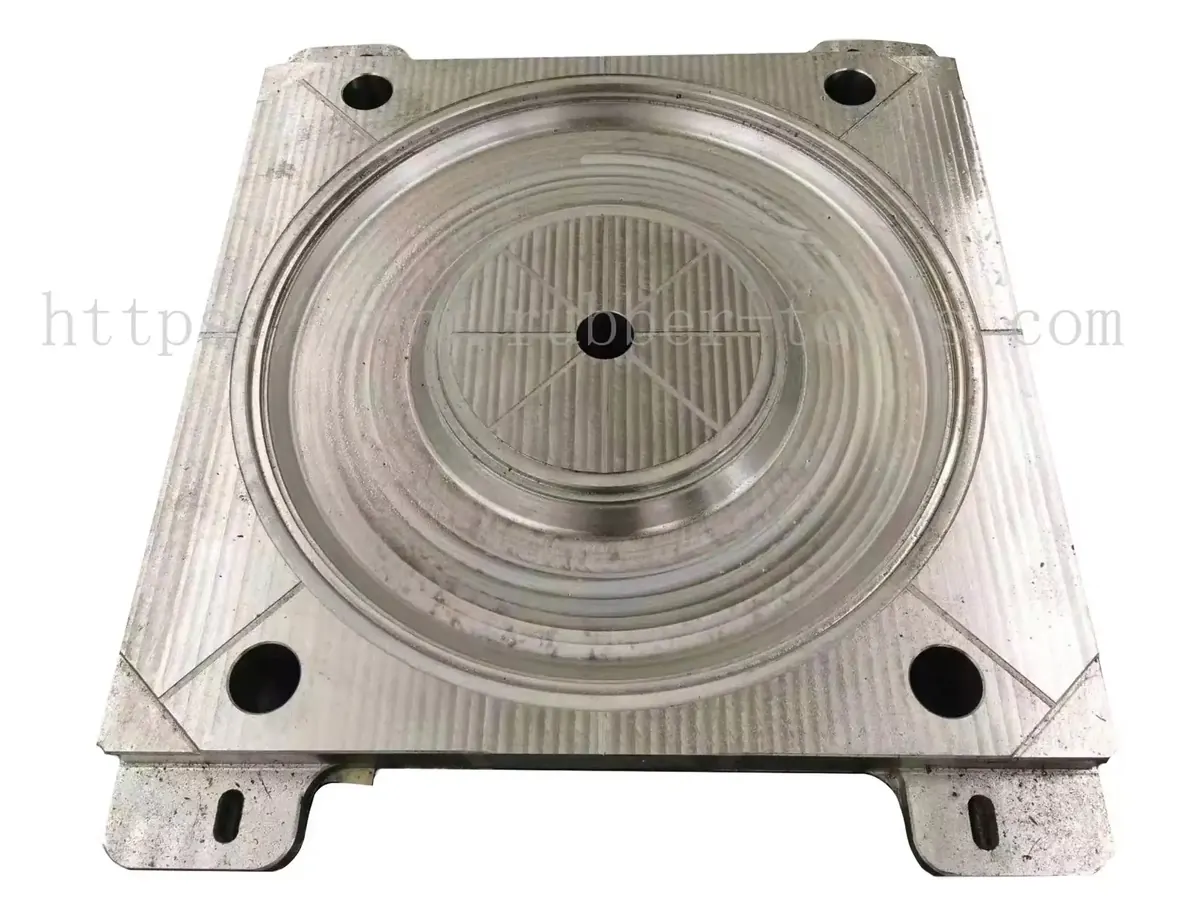
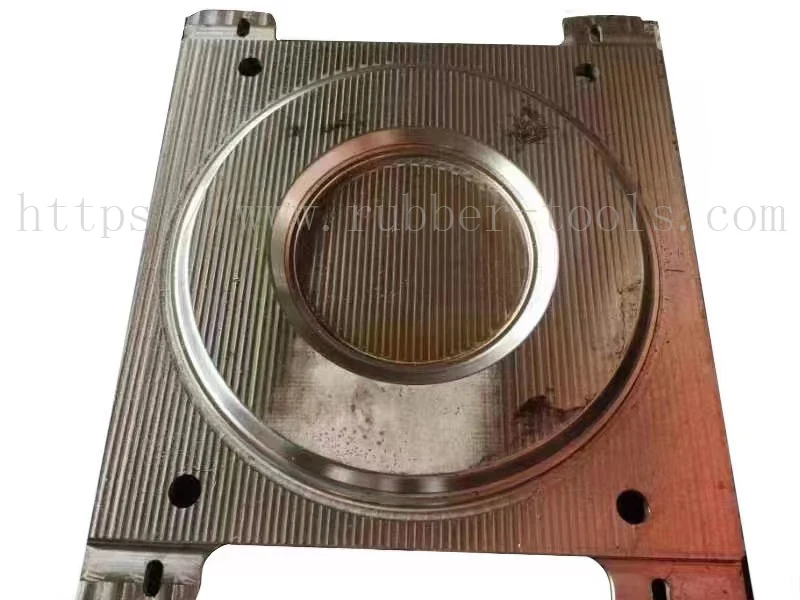
Mold engineering synergy is equally critical. Our five mold specialists utilize advanced CAD/CAM systems and finite element analysis (FEA) to simulate thermal expansion, pressure distribution, and flow dynamics during compression molding. This predictive capability minimizes flash, ensures uniform density, and optimizes part geometry for exact flange compatibility—reducing field failures by up to 40% compared to industry benchmarks. Every mold undergoes iterative validation via coordinate measuring machines (CMM) and real-time cavity pressure monitoring, guaranteeing dimensional repeatability within ±0.05 mm tolerances.
Material performance is non-negotiable in high-temperature applications. Below are key specifications for our core elastomer formulations, validated per ASTM D2000 and ISO 3601 standards:
| Material | Max Continuous Temp | Key Applications | Compression Set @200°C (22h) |
|---|---|---|---|
| Custom FKM | 250°C | Automotive turbochargers, chemical pumps | ≤15% |
| Perfluoroelastomer (FFKM) | 325°C | Semiconductor CVD chambers, aerospace | ≤8% |
| Modified EPDM | 200°C | Steam systems, industrial boilers | ≤20% |
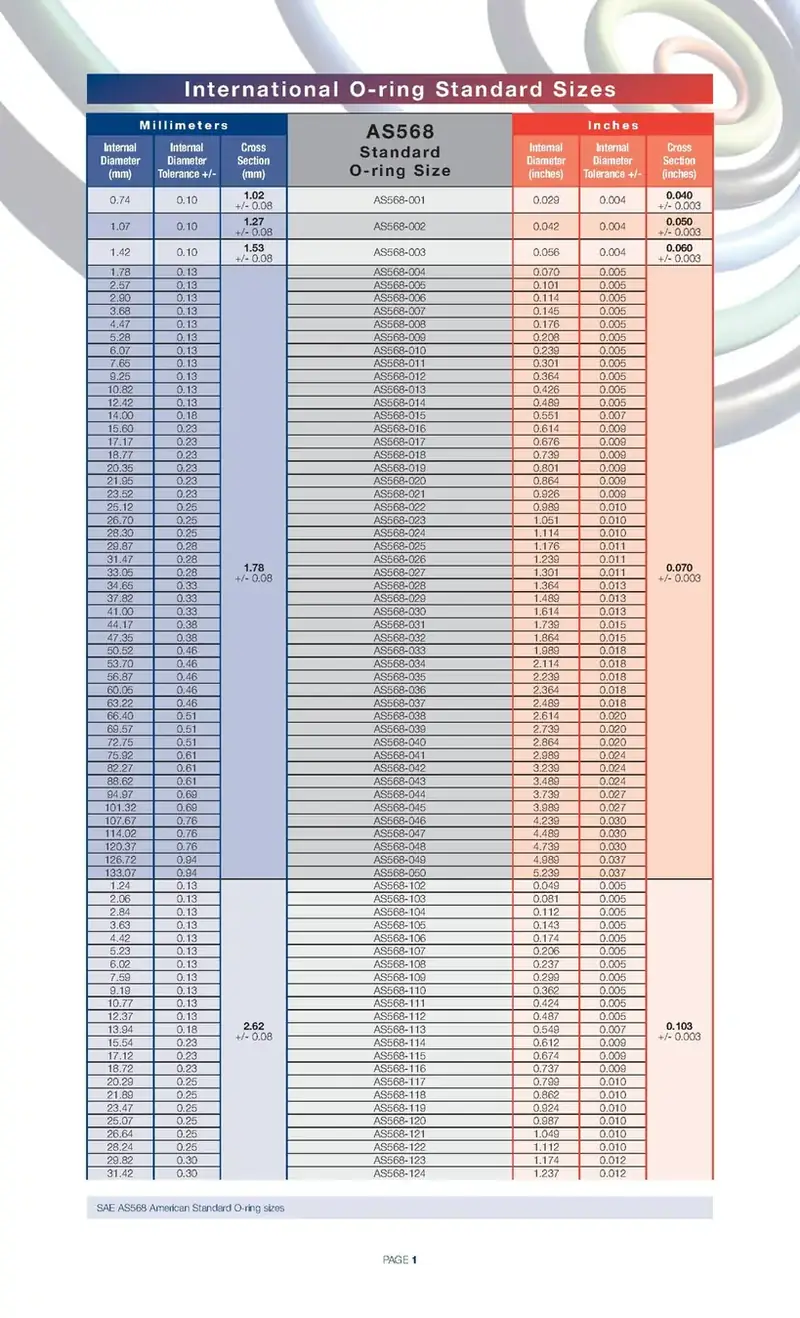
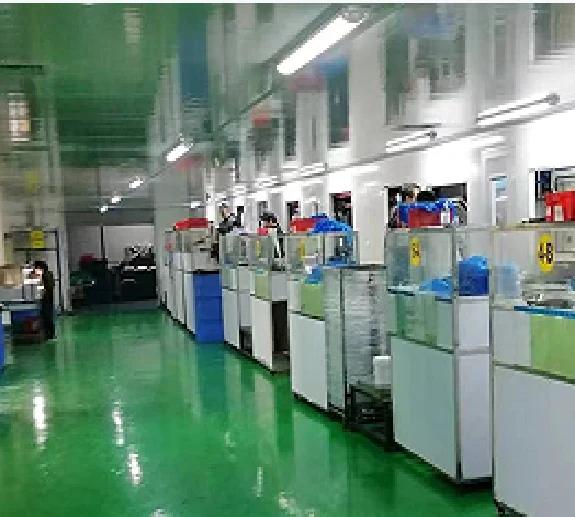
OEM collaboration defines our operational framework. We implement joint development protocols from initial concept through量产, providing full material traceability (including lot-specific rheology curves), DFM feedback within 72 hours, and accelerated lifetime testing per customer-specified duty cycles. Our cleanroom molding facilities (ISO Class 8) support rapid prototyping with 15+ in-house presses (50–500 tons), enabling clients to validate designs against SAE AS568 or custom geometries in under 10 business days. Crucially, formula engineers co-develop proprietary compounds with OEM partners—embedding unique thermal stabilizers or conductive additives—while maintaining full IP confidentiality under NDAs.
This closed-loop engineering ecosystem ensures gaskets exceed ASME PCC-1 leakage criteria even under thermal cycling from -40°C to 300°C. By unifying polymer science with precision tooling, Suzhou Baoshida transforms high-temperature sealing challenges into validated, production-ready solutions—reducing client NPI timelines by 30% while guaranteeing zero field failures in critical applications. Precision is not a target; it is our baseline.
Customization Process
Drawing Analysis: The Foundation of Precision Gasket Customization
At Suzhou Baoshida Trading Co., Ltd., the customization of high temperature gaskets begins with rigorous drawing analysis. This initial phase ensures dimensional accuracy, compatibility with mating surfaces, and adherence to OEM mechanical constraints. Our engineering team evaluates customer-provided technical drawings, focusing on critical parameters such as inner and outer diameters, cross-sectional profiles, tolerance classes per ISO 3302, and surface finish requirements. We cross-reference these specifications with application data including flange type, bolt torque, and dynamic or static loading conditions. Any ambiguity or potential for extrusion, compression set, or thermal creep is flagged and discussed with the client. This stage is not merely dimensional verification—it is a functional assessment that bridges design intent with real-world performance under extreme thermal and mechanical stress.
Material Formulation: Engineering for Thermal Stability
Once dimensional and mechanical parameters are confirmed, our rubber formula engineers develop a compound tailored to the operational environment. High temperature gaskets demand elastomers capable of sustained performance above 200°C, often exceeding 300°C in intermittent service. We prioritize formulations based on fluorocarbon (FKM), perfluoroelastomer (FFKM), silicone (VMQ), or ethylene propylene diene monomer (EPDM), selecting base polymers according to chemical exposure, temperature profile, and required compression set resistance. Additives such as ceramic fillers, thermally stable plasticizers, and specialized curing systems are incorporated to enhance thermal conductivity, reduce outgassing, and maintain sealing force over extended cycles. Each formulation is validated through accelerated aging tests per ASTM D573 and compression set analysis per ASTM D395 to ensure long-term integrity.
Prototyping and Validation: Bridging Design and Production
Prototypes are manufactured using precision compression or injection molding, replicating production tooling geometry to validate form, fit, and function. These samples undergo a battery of tests including thermal cycling from -40°C to 350°C, pressure decay leak testing, and stress relaxation measurements. Dimensional reports are generated using coordinate measuring machines (CMM) to confirm compliance with drawing tolerances. Feedback from prototype testing is used to refine both the design and formulation before release to mass production.
Mass Production: Consistency at Scale
With final approval, gaskets enter mass production under strict ISO 9001-controlled processes. Each batch is traceable, with raw material certificates, cure monitoring via rheometry, and 100% visual inspection. We maintain in-line dimensional sampling and periodic requalification testing to ensure uniformity across production runs.
| Property | FKM | FFKM | VMQ | EPDM |
|---|---|---|---|---|
| Max Continuous Temp (°C) | 250 | 327 | 200 | 150 |
| Compression Set (22 hrs, 200°C) | ≤20% | ≤15% | ≤25% | ≤30% |
| Chemical Resistance | Excellent | Exceptional | Good | Very Good |
| Hardness Range (Shore A) | 60–90 | 65–85 | 40–80 | 50–85 |
Contact Engineering Team
Contact Suzhou Baoshida for Precision High-Temperature Gasket Solutions
Selecting the correct high-temperature gasket material is not merely a procurement decision; it is a critical engineering safeguard against system failure, emissions leakage, and operational downtime. At Suzhou Baoshida Trading Co., Ltd., we engineer rubber compounds specifically formulated to withstand thermo-oxidative degradation, chemical exposure, and mechanical stress under extreme conditions. Our proprietary formulations—developed through rigorous laboratory testing and validated in real-world industrial applications—ensure dimensional stability and sealing integrity where standard elastomers fail. We do not sell generic products; we deliver engineered sealing solutions calibrated to your exact pressure, temperature, and media compatibility requirements.
Below is a representative snapshot of our core high-temperature elastomer capabilities. Each material undergoes stringent quality control per ASTM D2000 standards, with traceable lot documentation for full supply chain transparency.
| Material Type | Continuous Service Temperature | Compression Set (22h/150°C) | Key Chemical Resistance | Typical Applications |
|---|---|---|---|---|
| Silicone (VMQ) | -60°C to +230°C | ≤ 25% | Water, Steam, Ozone | Aerospace ducting, Medical autoclaves |
| Fluorosilicone (FVMQ) | -55°C to +200°C | ≤ 30% | Jet fuels, Hydraulic fluids | Aviation fuel systems |
| FKM (Standard) | -20°C to +230°C | ≤ 20% | Acids, Hydrocarbons, Brake fluid | Chemical processing, Oil refining |
| FFKM (Perfluoro) | -15°C to +327°C | ≤ 15% | Aggressive solvents, Plasma | Semiconductor CVD chambers |
| ACM (Acrylate) | -30°C to +170°C | ≤ 35% | Hot oil, Lubricants | Automotive transmission seals |
These specifications represent baseline performance; our engineering team routinely modifies polymer backbones, filler systems, and cure chemistry to address unique client challenges. Whether your application involves intermittent spikes to 350°C in geothermal steam lines or sustained exposure to aromatic solvents in petrochemical reactors, we leverage decades of OEM partnership experience to optimize compound resilience. Our Suzhou-based R&D facility utilizes advanced DSC, TGA, and dynamic mechanical analysis to predict long-term behavior, eliminating costly field trial iterations.
Do not compromise sealing performance with off-the-shelf materials that risk catastrophic joint failure. Contact Mr. Boyce, our dedicated OEM Manager, to initiate a technical consultation. Mr. Boyce possesses direct authority to mobilize our formulation engineers, production schedulers, and quality assurance teams—ensuring seamless transition from specification review to certified batch delivery. He will analyze your flange dynamics, media composition, and regulatory constraints to prescribe a gasket solution with documented service life projections. Provide your operational parameters, and we will supply material test reports, 3D sealing force simulations, and lifecycle cost analysis within 72 hours.
Reach Mr. Boyce directly at [email protected] to secure engineering-grade high-temperature gaskets backed by Suzhou Baoshida’s ISO 9001-certified manufacturing discipline. Specify your required ASTM/SAE material grade, operating temperature range, and media exposure in your initial inquiry to accelerate solution development. For urgent requirements, include “TIME-SENSITIVE: [Your Project Name]” in the subject line to prioritize engineering resource allocation. Your system integrity demands precision sealing—partner with the engineers who define the standard.
⚖️ O-Ring Weight Calculator
Estimate rubber O-ring weight (Approx).