Technical Contents
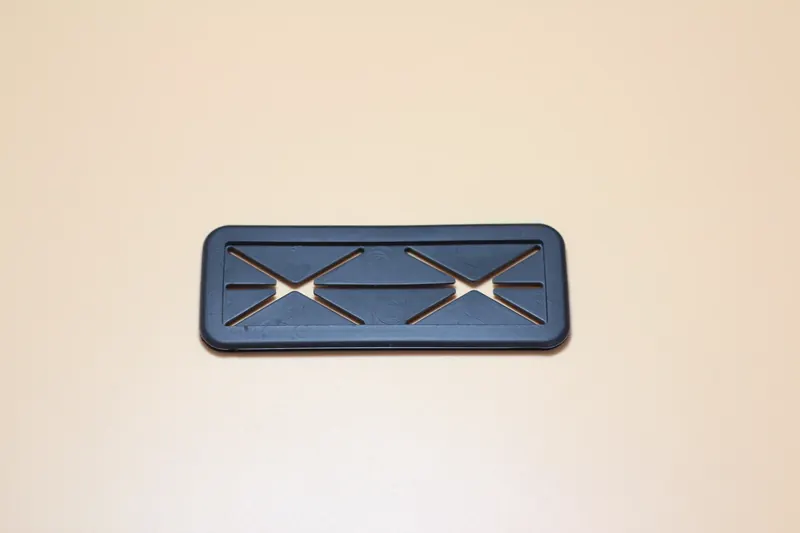
Engineering Guide: Black Silicone Phone Wallet
Engineering Insight: Material Selection in the Design of Black Silicone Phone Wallets
In the competitive landscape of consumer electronics accessories, the black silicone phone wallet represents a convergence of functionality, durability, and aesthetic precision. While many manufacturers opt for off-the-shelf silicone compounds to reduce initial costs, such shortcuts often result in premature product failure, inconsistent performance, and customer dissatisfaction. At Suzhou Baoshida Trading Co., Ltd., we emphasize that material selection is not a secondary consideration—it is the foundational element that determines the mechanical resilience, environmental resistance, and lifecycle of the final product.
Standard silicone elastomers available in mass markets typically utilize lower-grade polymers with inconsistent filler dispersion and inadequate cross-linking agents. These materials may meet basic flexibility requirements but fail under real-world stress conditions such as repeated folding, exposure to UV radiation, or contact with oils and solvents from human skin. Industrial-grade liquid silicone rubber (LSR), in contrast, offers superior tensile strength, elongation at break, and thermal stability. Our proprietary formulations are engineered with high-purity silica fillers and platinum-catalyzed curing systems, ensuring dimensional stability and minimal compression set over extended use.
One of the most frequent failure modes in generic silicone phone wallets is delamination at the seam interfaces. This occurs due to poor adhesion between layers, a direct consequence of using condensation-cure systems or non-optimized rheology in the base compound. Our LSR formulations are designed for overmolding compatibility and exhibit excellent interfacial bonding with polycarbonate or TPU substrates commonly used in wallet integration. Additionally, the inclusion of UV stabilizers and anti-hydrolysis additives enhances long-term color retention and mechanical integrity, even under prolonged sunlight exposure.
Another critical factor is hardness consistency. Off-the-shelf silicones often exhibit batch-to-batch variability in Shore A hardness, leading to inconsistent tactile feedback and fitment issues. Our quality-controlled production process ensures a tight tolerance of ±2 Shore A units across all production runs, guaranteeing uniform performance and customer experience.
The following table outlines the comparative performance specifications between standard commercial silicone and our industrial-grade LSR formulation:
| Property | Standard Commercial Silicone | Baoshida Industrial LSR |
|---|---|---|
| Hardness (Shore A) | 50 ± 5 | 50 ± 2 |
| Tensile Strength (MPa) | 6.0 | 9.5 |
| Elongation at Break (%) | 250 | 480 |
| Compression Set (22 hrs, 150°C) | 35% | 12% |
| Thermal Stability Range (°C) | -40 to 180 | -55 to 200 |
| UV Resistance (QUV, 1000 hrs) | Moderate degradation | Minimal color shift |
| Cure System | Condensation | Platinum-catalyzed |
Material selection directly dictates not only performance but also total cost of ownership. While industrial LSR carries a higher upfront material cost, its extended service life, reduced failure rate, and superior customer satisfaction yield significant long-term savings. At Suzhou Baoshida, we engineer for reliability—because in industrial rubber solutions, consistency is not an outcome, it is a specification.
Material Specifications
Material Specifications for Black Silicone Phone Wallets
Selecting the optimal elastomer for black silicone phone wallets requires rigorous evaluation of chemical composition, physical properties, and manufacturing constraints. At Suzhou Baoshida Trading Co., Ltd., we prioritize materials that balance consumer safety, durability, and cost efficiency for high-volume OEM production. The wallet’s primary function—protecting delicate electronics while maintaining tactile flexibility—demands precise Shore A hardness control (typically 40–60A), exceptional tear resistance (>25 kN/m), and long-term compression set stability (<20% at 70°C). Critical secondary requirements include resistance to skin oils, UV exposure, and incidental contact with common solvents like isopropyl alcohol. While Viton (FKM), Nitrile (NBR), and Silicone (VMQ) are technically viable, their performance profiles diverge significantly for this application.
Viton exhibits superior resistance to extreme temperatures and aggressive chemicals but introduces prohibitive costs and processing complexity for consumer accessories. Nitrile offers economical oil/fuel resistance but lacks the necessary biocompatibility and low-temperature flexibility required for daily phone handling. Silicone remains the industry-preferred solution due to its non-toxicity, thermal stability across consumer-use ranges, and compatibility with platinum-catalyzed liquid injection molding (LSR). Crucially, silicone’s inert nature prevents pigment migration—essential for maintaining deep black aesthetics using carbon black masterbatches without staining devices. Hardness consistency is achieved through controlled vinyl group content in the polymer backbone, while post-cure protocols eliminate volatile byproducts that could compromise adhesion in multi-component wallets.
The comparative analysis below details key specifications governing material selection. All values reflect standard ASTM test methods under controlled factory conditions.
| Material | Key Properties | Temperature Range (°C) | Chemical Resistance | Hardness Range (Shore A) | Critical Processing Notes |
|---|---|---|---|---|---|
| Viton (FKM) | Exceptional heat/ozone resistance; high tensile strength | -20 to 250 | Outstanding against fuels, acids, bases | 50–90 | Requires high-pressure molding; slow cure cycles increase production costs; incompatible with standard LSR equipment |
| Nitrile (NBR) | Good abrasion resistance; moderate oil resistance | -30 to 100 | Excellent against aliphatic hydrocarbons; poor against ozone, ketones | 40–90 | Prone to UV degradation; requires antioxidant additives; limited color stability for deep blacks |
| Silicone (VMQ) | High biocompatibility; excellent electrical insulation; low compression set | -50 to 230 | Good against water, oxygen, mild solvents; poor against concentrated acids | 10–80 (optimal 40–60 for wallets) | Platinum-cured LSR enables rapid cycle times; precise pigment dispersion critical for uniform black; requires dedicated cleanroom molding |
For black silicone phone wallets, VMQ’s dominance stems from its unmatched versatility in meeting consumer safety standards (ISO 10993-5) while enabling thin-wall molding (<1.0 mm) without flash defects. Nitrile’s susceptibility to oxidative cracking after 6–12 months of UV exposure makes it unsuitable for products requiring multi-year lifespan. Viton’s performance advantages are irrelevant for non-industrial use cases and inflate unit costs by 300–400% versus medical-grade silicone. Suzhou Baoshida mandates stringent lot testing for silicone raw materials, verifying volatile content (<0.5%) and extractables per USP Class VI protocols to ensure compatibility with smartphone finishes. OEM partners must optimize mold temperatures (150–170°C) and injection pressures (800–1200 bar) to prevent surface defects in pigmented compounds. This precision engineering guarantees wallets that withstand 5,000+ flex cycles without delamination—proving why silicone remains the industrial standard for premium consumer elastomer applications.
Manufacturing Capabilities
Engineering Capability: Precision-Driven Development for Industrial Rubber Applications
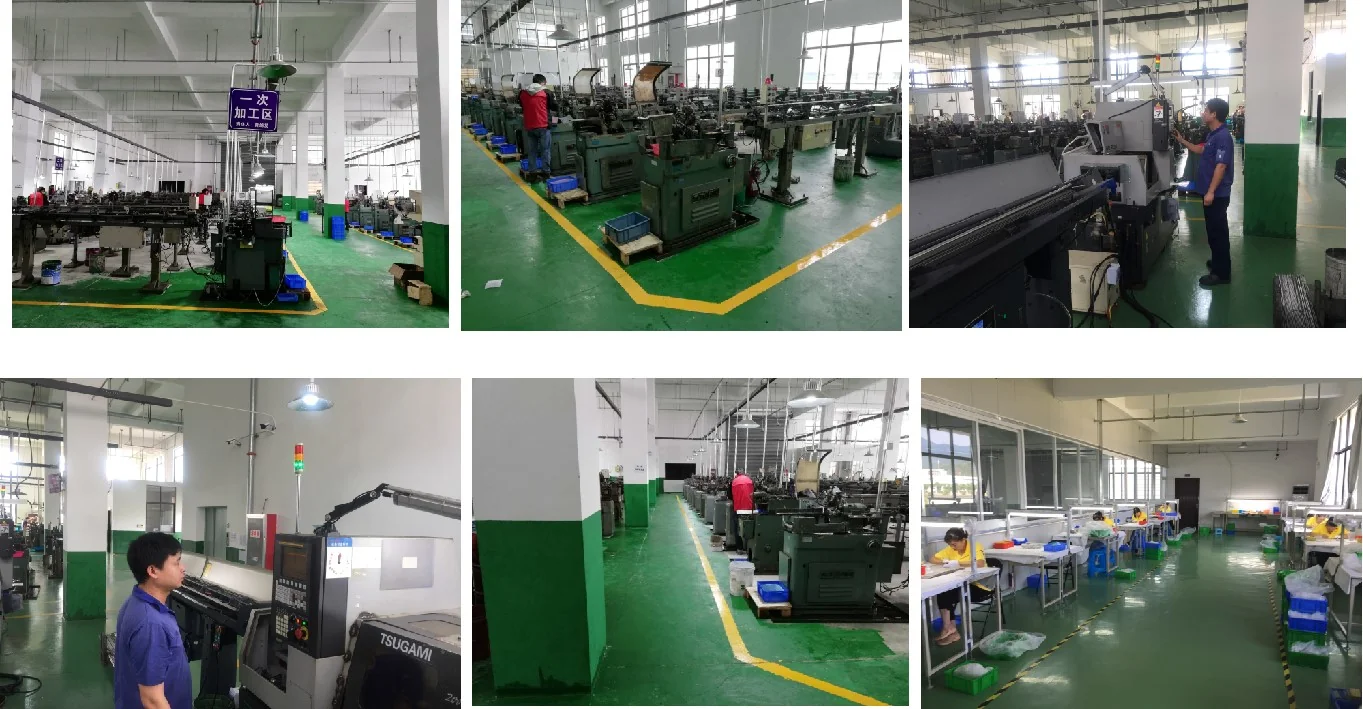
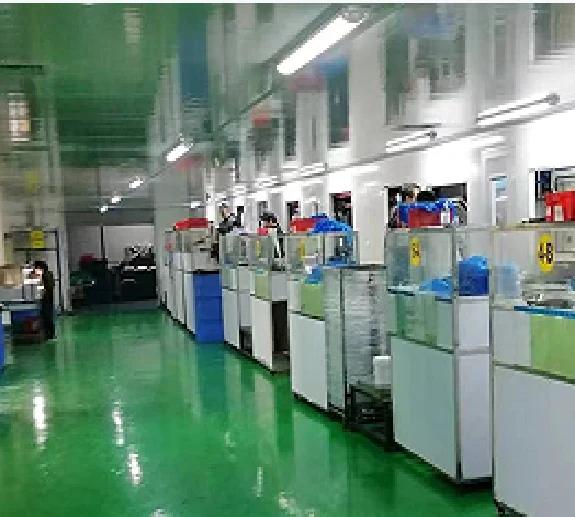
At Suzhou Baoshida Trading Co., Ltd., our core strength in industrial rubber solutions is anchored in a highly specialized engineering team dedicated to material science and mold design innovation. Our engineering division comprises five certified mold engineers and two advanced formula engineers, enabling us to deliver technically rigorous, OEM-compliant manufacturing for complex rubber components such as the black silicone phone wallet. This integrated technical team ensures seamless alignment between material performance, structural integrity, and mass production efficiency.
Our formula engineers specialize in silicone polymer chemistry, focusing on optimizing Shore hardness, thermal stability, and mechanical resilience for consumer and industrial applications. For the black silicone phone wallet, we have developed a proprietary platinum-cured silicone formulation with a Shore A hardness of 50±2, ensuring optimal tactile feedback, durability, and resistance to UV degradation and oxidation. This formulation meets RoHS and REACH compliance standards, supporting global market requirements. The material exhibits elongation at break ≥450% and tensile strength ≥8 MPa, providing excellent flexibility and long-term structural reliability.
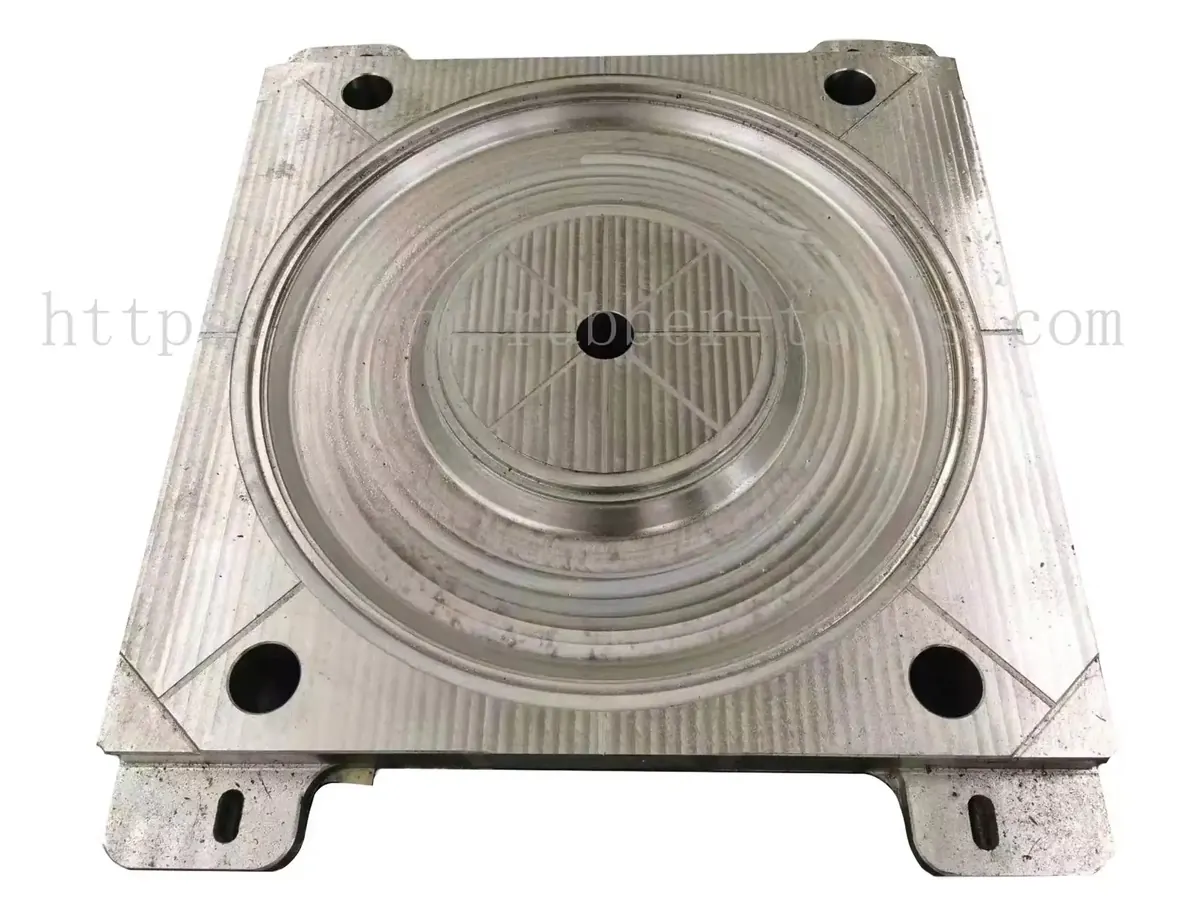
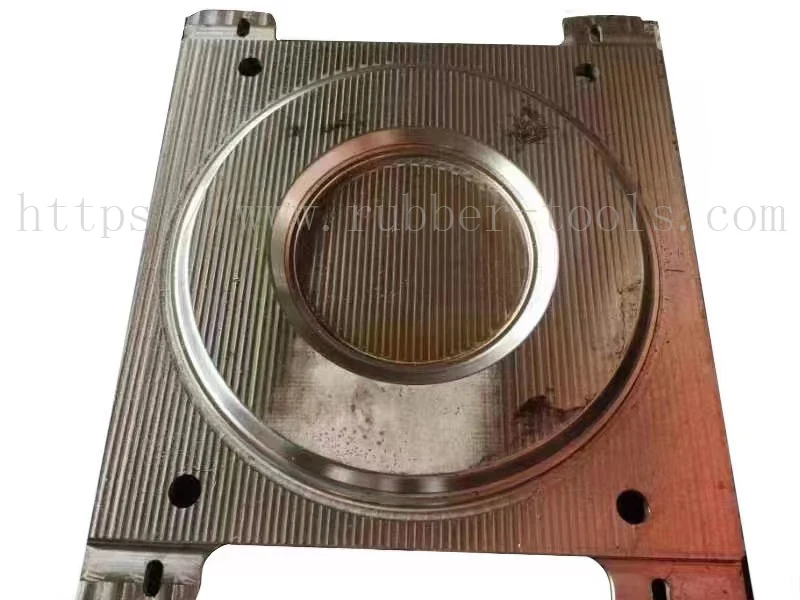
Concurrently, our mold engineering team applies precision design principles to support high-volume production with minimal defect rates. Utilizing advanced CAD/CAM software and CNC machining, we develop multi-cavity molds with tight tolerances (±0.05 mm) and optimized gating systems to ensure consistent material flow and part uniformity. Each mold undergoes rigorous validation through first-article inspection and mold flow analysis to preempt sink marks, flash, or warpage. For the silicone phone wallet, we employ a two-plate cold runner system with automated degating, enabling cycle times under 45 seconds and annual production capacity exceeding 2 million units.
Our OEM capabilities are structured to support full project lifecycle management—from concept sketch to finished product. Clients benefit from co-engineering services, where our team collaborates on DFM (Design for Manufacturing), material selection, and prototyping using 3D printing and rapid tooling. We maintain full traceability through ERP-integrated production tracking and in-house quality control, including hardness testing, dimensional inspection, and environmental aging tests.
This synergy between material formulation and mold engineering allows Suzhou Baoshida to deliver technically superior, cost-effective solutions tailored to exact OEM specifications.
| Technical Specification | Value |
|---|---|
| Material Type | Platinum-Cured Silicone (VMQ) |
| Color | Matte Black (Pantone 432C) |
| Shore Hardness | 50 ± 2 Shore A |
| Tensile Strength | ≥8 MPa |
| Elongation at Break | ≥450% |
| Operating Temperature | -50°C to +200°C |
| Mold Tolerance | ±0.05 mm |
| Production Cycle Time | <45 seconds |
| Compliance Standards | RoHS, REACH |
| Annual Production Capacity | >2,000,000 units |
Customization Process
Customization Process for Black Silicone Phone Wallets
At Suzhou Baoshida Trading Co., Ltd., our industrial-grade customization process for black silicone phone wallets begins with rigorous drawing analysis. Engineering teams dissect client CAD files to validate dimensional tolerances, structural integrity, and manufacturability. Critical focus areas include wall thickness uniformity, hinge flexibility points, and RF shielding compatibility. We identify potential stress concentrations using finite element analysis (FEA) simulations, ensuring the design aligns with silicone’s viscoelastic properties. Any geometric conflicts—such as undercuts exceeding 1.5° draft angles—are resolved collaboratively with the client before progression.
Material formulation follows strict performance criteria. Our rubber chemists engineer custom silicone compounds targeting Shore A 45±3 hardness for optimal grip and drop resistance, while maintaining 8–10 MPa tensile strength per ISO 37 standards. High-purity platinum-cured silicone ensures biocompatibility (ISO 10993-5) and UV stability for black pigmentation. Carbon black dispersion is optimized to prevent surface tackiness and achieve consistent L* 15–18 color values (CIELAB scale). Additives like nano-silica reinforce tear strength to ≥22 kN/m, critical for wallet flap durability. Formulation validation includes accelerated aging tests at 70°C for 72 hours to confirm retention of mechanical properties.
Prototyping employs aluminum rapid tooling for 10–50 pre-production units. Each prototype undergoes dimensional verification via CMM (Coordinate Measuring Machine) against GD&T callouts, with tolerances held to ±0.15 mm. Functional testing includes 500-cycle fatigue tests on closure mechanisms, 1.2m drop tests onto concrete (per MIL-STD-810H), and wireless charging compatibility checks at 15W. Client feedback triggers iterative adjustments—typically 1–2 revision cycles—before final sign-off.
Mass production leverages automated 60–100 ton hydraulic presses with temperature-controlled platens (±1.5°C stability). Real-time process monitoring tracks cure time (90–120 seconds), injection pressure (50–70 bar), and post-cure parameters. Every 500 units undergo抽样 inspection per AQL 1.0 for defects like flash, voids, or color deviation. Final packaging includes ESD-safe polybags and batch-traceable QR codes linking to material certificates. This phased approach guarantees seamless transition from concept to volume manufacturing without compromising precision.
Key Material Specifications
| Property | Test Standard | Target Value | Customizable Range |
|---|---|---|---|
| Hardness (Shore A) | ASTM D2240 | 45 ± 3 | 30–70 |
| Tensile Strength | ISO 37 | 8–10 MPa | 6–12 MPa |
| Tear Strength | ASTM D624 | ≥22 kN/m | 18–30 kN/m |
| Elongation at Break | ISO 37 | 550–650% | 400–800% |
| Color Consistency (ΔE*) | CIELAB | ≤1.5 | ≤2.0 |
| Compression Set (22h/70°C) | ASTM D395 | ≤12% | ≤15% |
Contact Engineering Team
For industrial partners seeking precision-engineered rubber components, Suzhou Baoshida Trading Co., Ltd. stands as a trusted leader in advanced elastomer solutions. Specializing in high-performance silicone compounds, we deliver custom-manufactured products tailored to exacting technical standards. Our expertise extends to the development of specialized consumer-industrial hybrids such as the black silicone phone wallet—a product engineered not only for durability and aesthetic consistency but also for long-term functional reliability under repeated thermal, mechanical, and environmental stress.
The black silicone phone wallet exemplifies our commitment to material science excellence. Constructed from platinum-cured silicone rubber, this component offers superior resistance to UV degradation, ozone exposure, and extreme temperatures ranging from -40°C to +200°C. Its formulation ensures minimal compression set, high tear strength, and excellent tensile recovery—critical attributes for applications requiring repeated flexing and long service life. Each unit is produced under ISO 9001-certified processes, with strict batch traceability and dimensional control achieved through precision liquid injection molding (LIM) techniques.
We invite OEMs, contract manufacturers, and industrial buyers to engage directly with our technical team for custom formulation, prototyping, and volume production support. Mr. Boyce, our Lead Rubber Formula Engineer and OEM Manager, oversees all client-specific development projects. With over 15 years of experience in silicone polymer systems and industrial application engineering, Mr. Boyce ensures that every product meets both functional specifications and cost-efficiency targets.
Clients benefit from our integrated approach, combining in-house compound development, mold design collaboration, and rapid sample turnaround. Whether modifying hardness (Shore A), adjusting durometer tolerance, enhancing anti-slip texture, or incorporating FDA/REACH-compliant additives, we provide full material and process documentation, including ASTM D2000 compliance reports and aging test data.
For technical inquiries, sample requests, or collaborative design reviews, contact Mr. Boyce directly at [email protected]. We respond to all qualified industrial inquiries within 6 business hours and offer virtual or on-site technical consultations upon request.
Below are the standard technical specifications for our baseline black silicone phone wallet formulation:
| Property | Test Method | Value |
|---|---|---|
| Material Type | Visual/IR | Platinum-Cured Silicone |
| Color | Visual | Jet Black (Pantone PMS 432 C) |
| Hardness (Shore A) | ASTM D2240 | 50 ±5 |
| Tensile Strength | ASTM D412 | ≥8.5 MPa |
| Elongation at Break | ASTM D412 | ≥450% |
| Tear Resistance | ASTM D624 | ≥25 kN/m |
| Compression Set (22 hrs @ 150°C) | ASTM D395 | ≤20% |
| Operating Temperature Range | — | -40°C to +200°C |
| Specific Gravity | ASTM D792 | 1.13 ±0.02 |
| Durometer Tolerance | ISO 48-4 | ±5 Shore A units |
All specifications are subject to customization based on OEM requirements. Suzhou Baoshida maintains full control over raw material sourcing, ensuring consistent batch-to-batch repeatability and absence of plasticizers or peroxide residues. Partner with us to leverage advanced silicone technology in your next product line. Contact Mr. Boyce today at [email protected] to initiate technical discussions or request a formulation datasheet.
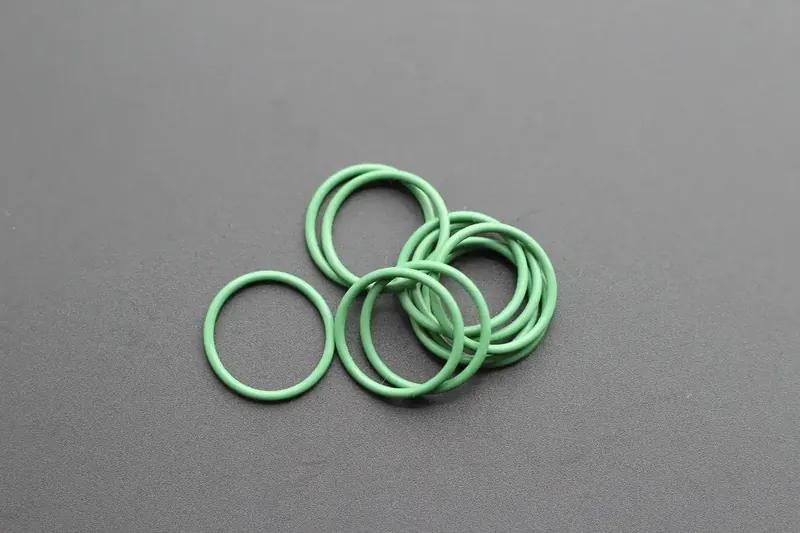
⚖️ O-Ring Weight Calculator
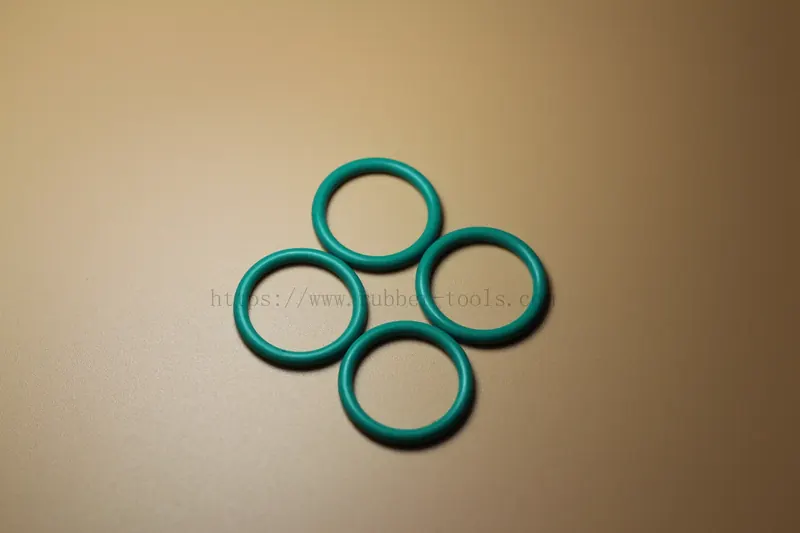
Estimate rubber O-ring weight (Approx).