Closed Cell Pe Foam Sheets Manufacturer | Engineering Guide

Engineering Guide: Closed Cell Pe Foam Sheets

Engineering Insight: Material Selection Criticality in Closed Cell PE Foam Sheets

Material selection for closed cell polyethylene (PE) foam sheets is a non-negotiable determinant of functional longevity in industrial applications. Off-the-shelf solutions frequently fail due to generic formulations that ignore application-specific stressors. Standard commercial foams prioritize cost over performance, resulting in inadequate resistance to compression set, thermal degradation, or chemical exposure. For instance, automotive sealing applications demand precise density control to maintain gasket integrity under cyclic loading; generic foams with inconsistent cell structure collapse prematurely, causing fluid leaks or vibration failures. Similarly, HVAC insulation requires exact closed-cell morphology to prevent moisture ingress—variances in cell wall thickness in commodity foams lead to thermal bridging and energy loss. These failures stem from unoptimized polymer matrices and filler systems that neglect end-use environmental variables.

The root cause lies in the absence of tailored compounding. Industrial OEMs require foams engineered for exact parameters: density gradients for multi-load scenarios, crosslink density for elastic recovery, and additive packages for UV/ozone resistance. Commodity suppliers standardize base resins and blowing agents, sacrificing performance for batch uniformity. A 0.03 g/cm³ density variance in off-the-shelf foam can induce 40% higher compression set at 70°C—catastrophic for dynamic seals. Furthermore, unmodified PE lacks flame retardancy for electronics enclosures, forcing downstream modifications that compromise mechanical properties. Without rigorous material science input, these foams accelerate wear, increase total cost of ownership, and risk compliance breaches in regulated sectors.

Critical performance differentiators are quantifiable through controlled specification metrics. The table below contrasts failure modes of generic foams against engineered solutions:

Property Off-the-Shelf Failure Mode Engineered Solution Target Test Standard
Density Range ±0.05 g/cm³ (causes inconsistent sealing) ±0.01 g/cm³ ASTM D3574
Compression Set (50%, 22h, 70°C) 25-35% (seal failure) ≤15% ASTM D395
Tensile Strength 0.8-1.2 MPa (tears under vibration) 1.8-2.2 MPa ASTM D412
Closed Cell Content 85-90% (moisture absorption >5%) ≥95% ASTM D2856
Flame Resistance (UL94) HB (fails ignition tests) V-0 UL 94

Suzhou Baoshida Trading Co., Ltd. addresses these gaps through OEM-centric formula engineering. We deploy reactor-grade PE resins with precise melt indices, proprietary crosslinking catalysts, and nano-additive dispersion to achieve target properties. Our closed cell PE foam sheets undergo application-specific validation—simulating real-world thermal cycling, fluid exposure, and mechanical stress—to eliminate field failures. Material selection is not procurement; it is the foundational engineering step where physics dictates performance. Partnering with a technical supplier ensures foam specifications align with functional requirements, transforming a commodity component into a reliability asset. Industrial success hinges on this precision—generic foams compromise systems, while engineered solutions secure them.


Material Specifications

Closed cell PE foam sheets are engineered for high-performance industrial applications where thermal insulation, moisture resistance, compressibility, and durability are critical. At Suzhou Baoshida Trading Co., Ltd., we specialize in advanced rubber formulations that enhance the functional properties of closed cell foams, particularly when integrated with high-performance elastomers such as Viton, Nitrile, and Silicone. These materials are selected based on chemical exposure, temperature range, mechanical stress, and environmental conditions of the end-use application. Our closed cell PE foam composites are designed to deliver consistent performance in sealing, gasketing, cushioning, and insulation roles across automotive, aerospace, electronics, and industrial equipment sectors.

Viton-based closed cell PE foams offer exceptional resistance to high temperatures, aggressive chemicals, oils, and fuels. This makes them ideal for under-the-hood automotive components, fuel system seals, and aerospace applications where long-term reliability under extreme conditions is mandatory. The fluoropolymer structure of Viton ensures low gas permeability and outstanding aging characteristics, even at continuous service temperatures up to 200°C. When compounded into closed cell PE matrices, Viton enhances both thermal stability and compression set resistance, maintaining seal integrity over extended cycles.

Nitrile rubber (NBR) is widely used in oil and hydrocarbon-resistant applications. Closed cell PE foam sheets incorporating Nitrile demonstrate excellent resistance to aliphatic hydrocarbons, lubricants, and hydraulic fluids, making them suitable for industrial seals, gaskets in machinery, and protective packaging for metal components exposed to oils. With a service temperature range typically between -30°C and 100°C, Nitrile-modified foams provide a cost-effective solution for environments where moderate heat and fluid exposure occur. Additionally, Nitrile offers good abrasion resistance and tensile strength, contributing to the mechanical robustness of the composite foam structure.

Silicone rubber is selected when extreme temperature flexibility and electrical insulation are required. Closed cell PE foams with Silicone components maintain elasticity from -60°C to 180°C and exhibit excellent resistance to UV, ozone, and weathering. These properties make them ideal for outdoor enclosures, electronic insulation pads, and medical or food-grade applications where purity and non-toxicity are essential. Silicone’s inherent flame retardancy and low compression set further enhance the functional lifespan of the foam in dynamic sealing environments.

The following table summarizes the key performance characteristics of closed cell PE foam sheets formulated with Viton, Nitrile, and Silicone for industrial applications.

Property Viton Nitrile (NBR) Silicone
Temperature Range (°C) -20 to 200 -30 to 100 -60 to 180
Oil & Fuel Resistance Excellent Excellent Poor to Fair
Chemical Resistance Outstanding Good Good
Compression Set Very Low Low to Moderate Low
UV/Ozone Resistance Excellent Moderate Excellent
Electrical Insulation Good Good Excellent
Flame Resistance High Moderate High
Typical Applications Aerospace seals, engine gaskets Hydraulic systems, industrial seals Electronics, outdoor enclosures, medical

Each material formulation is subject to precise compounding and cross-linking processes to ensure uniform cell structure, optimal density, and consistent physical properties across production batches. Suzhou Baoshida Trading Co., Ltd. maintains strict QC protocols to meet OEM specifications and international standards in industrial rubber solutions.


Manufacturing Capabilities

Engineering Capability: Precision Development for Closed Cell PE Foam Sheets

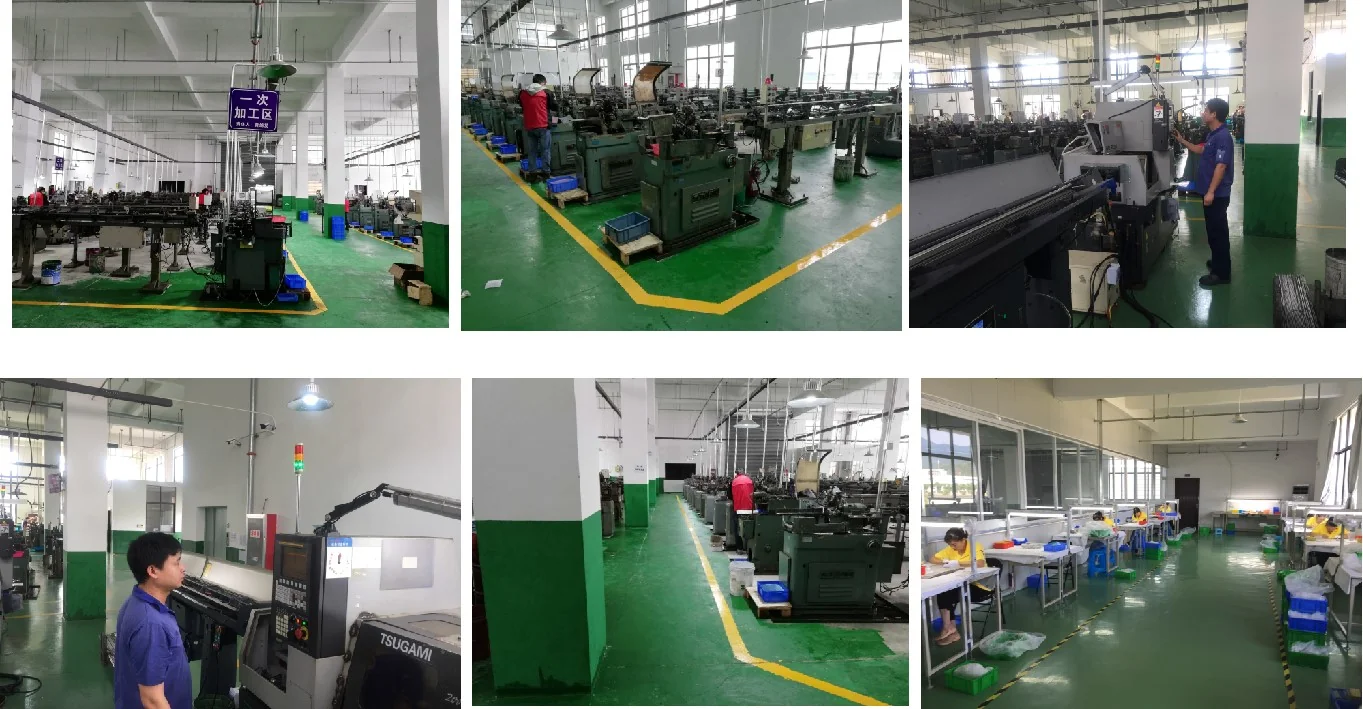
Suzhou Baoshida Trading Co., Ltd. integrates advanced material science with industrial manufacturing rigor to deliver engineered closed cell polyethylene (PE) foam solutions. Our dedicated engineering cohort—comprising five specialized mould engineers and two certified rubber formula engineers—ensures technical excellence from molecular design to final production. This multidisciplinary team operates at the intersection of polymer chemistry and mechanical engineering, optimizing foam structure for demanding industrial applications.

Our formula engineering division focuses on empirical validation of PE foam formulations. Through systematic manipulation of crosslinking density, blowing agent ratios, and additive systems (including UV stabilizers, flame retardants, and fillers), we achieve precise control over cellular morphology. Each formulation undergoes iterative rheological testing and thermal analysis to balance critical properties: density uniformity, compression set resistance, and thermal stability. This scientific approach enables customization of mechanical behavior—such as tensile strength (0.3–1.8 MPa) and elongation at break (150–450%)—while maintaining closed cell integrity (>95% closure rate) essential for moisture and gas barrier performance.

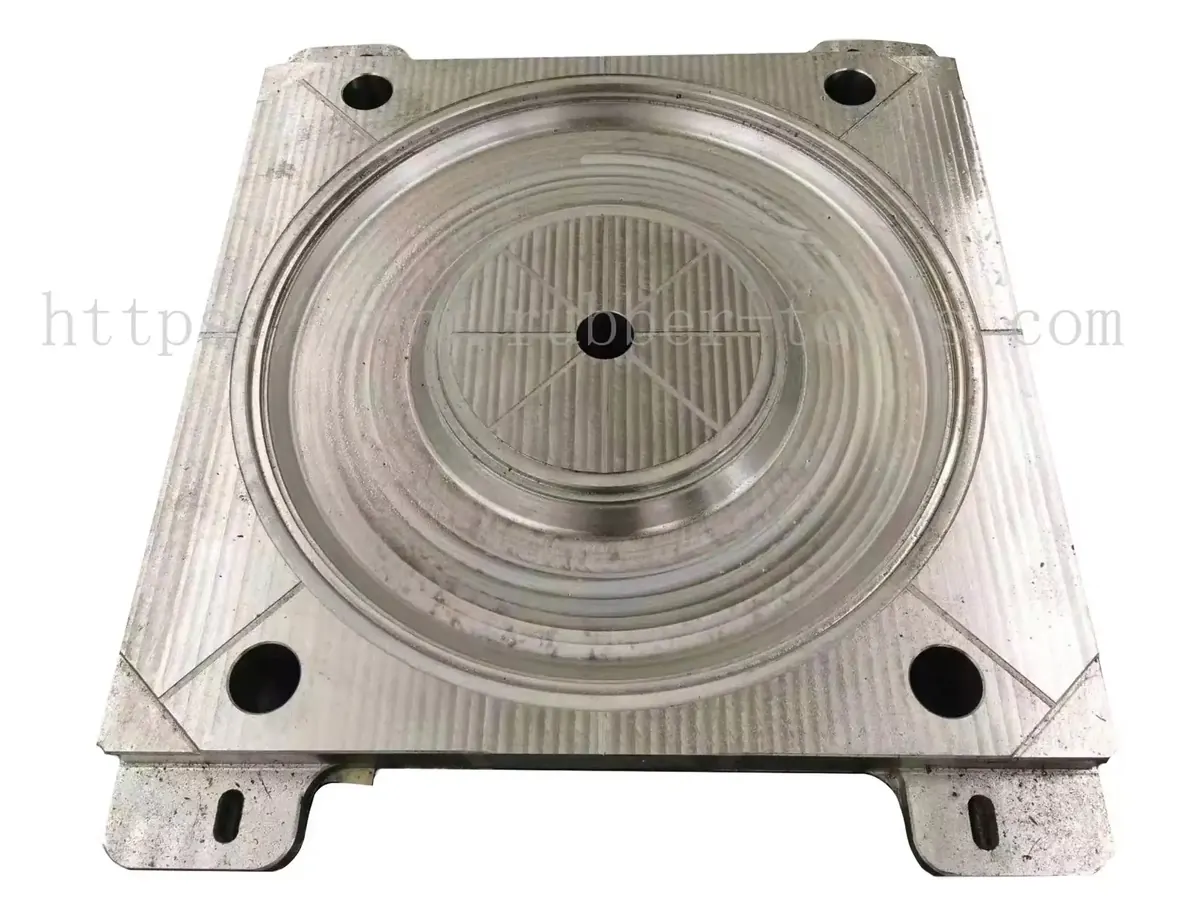
Complementing formulation expertise, our mould engineering team executes precision tooling design and process optimization. Utilizing 3D simulation software (Moldflow, ANSYS), they analyze flow dynamics, cooling efficiency, and stress distribution to eliminate defects like shrinkage or cell collapse. This ensures dimensional stability within ±0.15 mm tolerance across sheet dimensions up to 2000 mm × 4000 mm. Mould iterations undergo rigorous validation via in-line metrology and destructive testing, guaranteeing repeatability for high-volume OEM runs.

OEM collaboration begins with joint design feasibility assessment. Our engineers conduct DFM (Design for Manufacturing) analysis on client specifications, proposing material or geometry refinements to enhance performance while minimizing material waste. Full material traceability—from raw polymer batches to finished sheets—is maintained via integrated ERP systems. Prototypes undergo accelerated aging, compression cycling, and chemical exposure tests per ASTM D3574, ISO 1856, and client-specific protocols. This end-to-end ownership, from formula IP development to validated production, ensures seamless scalability from R&D to 500+ ton monthly output.

Key technical specifications for our standard closed cell PE foam sheets are summarized below:

Property Value Range
Density 20–200 kg/m³
Temperature Range -70°C to +110°C (continuous)
Compression Set (25%) <30% (ASTM D3574 Method B)
Tensile Strength 0.3–1.8 MPa
Water Absorption <0.05% (24h, ASTM D2842)

This engineering framework—anchored in formula science and precision tooling—enables Suzhou Baoshida to solve complex sealing, cushioning, and insulation challenges across automotive, construction, and renewable energy sectors. Clients benefit from reduced time-to-market through our integrated OEM model, where material innovation and manufacturing expertise converge to deliver performance-certified solutions.


Customization Process

Customization Process for Closed Cell PE Foam Sheets

At Suzhou Baoshida Trading Co., Ltd., our approach to manufacturing closed cell polyethylene (PE) foam sheets is rooted in precision engineering and industrial reliability. Each customization project follows a structured workflow: Drawing Analysis, Formulation, Prototyping, and Mass Production. This ensures that every product meets exact client specifications while maintaining material integrity and performance under real-world conditions.

The process begins with Drawing Analysis, where technical blueprints, CAD files, or dimensional schematics are reviewed by our engineering team. We assess critical parameters such as thickness tolerance, density requirements, cell structure, adhesive backing needs, and environmental resistance. This phase includes cross-referencing client applications—whether for automotive sealing, HVAC insulation, or vibration damping—with material behavior models to anticipate performance demands.

Following drawing validation, we initiate Formulation Development. Our rubber formula engineers design a proprietary blend tailored to the mechanical and thermal properties required. Variables such as cross-linking density, blowing agent type, antioxidant inclusion, and UV stabilizers are calibrated to achieve the desired closed-cell morphology. The formulation directly influences compressive strength, water absorption rate, and temperature resilience. All compounds are developed in accordance with ISO 9001 standards and undergo preliminary rheological testing to confirm processability.

Once the formulation is finalized, we proceed to Prototyping. Small-batch production runs are conducted using industrial-grade continuous foaming lines that simulate full-scale manufacturing conditions. Prototypes are subjected to rigorous quality checks, including tensile strength measurement, compression set analysis (per ASTM D395), and thermal conductivity testing. Clients receive physical samples alongside a full test report for verification. Iterations are made if deviations from specifications are detected, ensuring alignment before scale-up.

Upon client approval, the project transitions into Mass Production. Our facility operates synchronized extrusion and cross-linking systems capable of high-volume output with consistent cell uniformity. Real-time monitoring ensures thickness variation remains within ±0.1 mm, and automated cutting systems maintain dimensional accuracy. Every production lot undergoes final inspection, including peel strength (if laminated), odor emission profiling, and batch traceability logging.

The table below outlines key customizable parameters and achievable ranges:

Parameter Standard Range Customizable Options
Thickness 1 – 50 mm Up to 100 mm with lamination
Density 20 – 200 kg/m³ High-density variants up to 300 kg/m³
Hardness (Shore A) 15 – 80 Adjustable via cross-link density
Temperature Resistance -40°C to +80°C (standard) Extended range up to +110°C with additives
Water Absorption (24h) ≤ 0.3% (by volume) < 0.1% achievable with hydrophobic treatment
Cell Structure Uniform closed-cell (>95% closure) Fine-cell or micro-cell options
Surface Finish Smooth, textured, or adhesive-coated Custom coatings including PSA or foil lamination

This systematic progression from design to delivery ensures that our closed cell PE foam sheets meet the exact functional and regulatory demands of industrial clients worldwide.


Contact Engineering Team

Technical Engagement for Closed Cell PE Foam Sheet Sourcing

Industrial manufacturers face critical challenges in selecting closed cell polyethylene (PE) foam sheets that meet stringent performance, consistency, and regulatory demands. Material failures in thermal insulation, vibration damping, or sealing applications directly impact product lifecycle costs and compliance. Suzhou Baoshida Trading Co., Ltd. specializes in precision-engineered PE foam solutions where molecular structure, cell integrity, and dimensional stability are non-negotiable. Our ISO 9001-certified production process ensures batch-to-batch repeatability, validated through ASTM D3574 and ISO 844 testing protocols. We collaborate directly with OEMs to co-engineer materials that align with your mechanical, thermal, and chemical resistance requirements—eliminating costly prototyping iterations and supply chain vulnerabilities.

Below are core technical specifications for our standard closed cell PE foam sheet offerings. Custom formulations for enhanced flame retardancy (UL 94 HF-1), UV stability, or cryogenic performance are developed through our in-house R&D lab.

Property Test Method Standard Range Precision Tolerance
Density ASTM D3574 22–200 kg/m³ ±5%
Tensile Strength ASTM D412 0.15–0.80 MPa ±0.05 MPa
Elongation at Break ASTM D412 150–400% ±25%
Compression Set (50%) ASTM D3574 ≤15% (70°C, 22h) ±2%
Thermal Conductivity ASTM C518 0.033–0.042 W/m·K ±0.002 W/m·K
Temperature Range ISO 2286-2 -70°C to +100°C ±2°C
Water Absorption (24h) ASTM D2842 ≤0.05% ±0.01%

Material selection transcends catalog specifications; it requires understanding extrusion parameters, cross-linking efficiency, and long-term aging behavior under operational stressors. Our engineering team provides full technical dossiers including stress-strain curves, compression-deflection data, and compatibility matrices with oils, solvents, and environmental exposures. For mission-critical applications—such as automotive gasketing, HVAC insulation, or medical device packaging—our OEM partnership model integrates Baoshida’s material science expertise into your design phase, ensuring seamless manufacturability and end-use reliability. We maintain strategic inventory buffers to mitigate supply disruptions, with JIT delivery to global facilities.

Initiate a technical consultation with Mr. Boyce, our dedicated OEM Solutions Manager, to resolve your specific material challenges. With 12 years of experience in polymer formulation for Tier-1 industrial clients, Mr. Boyce will analyze your application requirements, environmental conditions, and performance thresholds to propose validated material solutions. Contact him directly via email at [email protected] to schedule an engineering review. Include your target specifications, volume requirements, and any failure analysis from current materials to accelerate the solution process. Do not rely on generic supplier data sheets; demand precision-engineered PE foam where every cell structure is optimized for your operational reality.

Suzhou Baoshida Trading Co., Ltd. operates at the intersection of rubber chemistry and industrial pragmatism. We transform material science into measurable operational value—reducing scrap rates, extending product service life, and ensuring regulatory compliance across global markets. Engage with our technical team to establish a supply chain partnership built on engineering rigor, not transactional procurement. Your next-generation product demands materials engineered to exacting standards; contact Mr. Boyce today to begin the co-engineering process.


⚖️ O-Ring Weight Calculator

Estimate rubber O-ring weight (Approx).


Closed Cell Pe Foam Sheets Manufacturer | Engineering Guide

Contents of Table

Contact [email protected] Whatsapp 86 15951276160