Exterior Door Seal Manufacturer | Engineering Guide

Engineering Guide: Exterior Door Seal

Engineering Insight: Exterior Door Seal Material Selection Criticality

Exterior door seals operate under uniquely demanding environmental and mechanical conditions that generic rubber compounds cannot reliably withstand. Standard off-the-shelf seals frequently fail prematurely due to inadequate material science alignment with real-world application stresses. This failure manifests as leakage, increased wind noise, difficulty in door closure, and ultimately, customer dissatisfaction and warranty costs. The core issue lies in the complex interplay of thermal cycling, UV radiation, ozone exposure, compression set, and chemical resistance requirements inherent to exterior automotive or architectural applications. Off-the-shelf solutions typically utilize cost-optimized base polymers lacking the necessary stabilizers, fillers, and crosslinking systems for sustained performance. They often prioritize initial cost over long-term dimensional stability under cyclic loading, leading to irreversible compression set after repeated door closures and exposure to temperature extremes. Furthermore, standard compounds frequently exhibit insufficient UV absorbers and anti-ozonants, causing surface cracking and hardening within months of installation, particularly in high-sunlight or polluted urban environments. Chemical resistance to common cleaning agents, road salts, and brake fluids is another critical parameter often overlooked in generic formulations, accelerating material degradation.

Material selection must be engineered at the molecular level to address these specific stressors. Precision compounds require high-purity EPDM (Ethylene Propylene Diene Monomer) as the foundational polymer due to its exceptional balance of weatherability, ozone resistance, and thermal stability. However, the specific EPDM grade, diene type, molecular weight distribution, and critical additive package – including advanced hindered amine light stabilizers (HALS), custom antioxidant blends, and optimized sulfur or peroxide cure systems – determine ultimate field performance. Substituting lower-grade polymers or reducing stabilizer concentrations to meet price targets directly compromises service life expectancy. The following table outlines key performance differentiators between material classes commonly misapplied in exterior seals:

Material Continuous Temp Range (°C) Compression Set (70°C, 22h) UV Resistance Ozone Resistance Typical Failure Mode in Exterior Seals
Standard TPE -30 to 100 >45% Poor Poor Rapid hardening, surface cracking
Generic EPDM -40 to 130 30-40% Moderate Good Moderate compression set, slow cracking
Precision EPDM -55 to 150 <25% Excellent Excellent Minimal degradation beyond 10 years
Silicone -60 to 230 20-30% Excellent Good High cost, poor abrasion resistance

Suzhou Baoshida Trading Co., Ltd. engineers material formulations specifically for exterior door seal duty cycles. We avoid off-the-shelf compromises by tailoring polymer viscosity, carbon black dispersion, and cure kinetics to ensure optimal sealing force retention across -40°C to 85°C operational extremes. Our compounds undergo rigorous accelerated aging per ASTM D2240, ISO 188, and SAE J2236 protocols, validating <20% compression set after 1000 hours at 70°C and zero surface cracking after 500 hours of QUV exposure. This precision engineering translates directly to OEMs through reduced warranty claims, enhanced perceived vehicle/building quality, and compliance with stringent global durability standards. Material selection is not a commodity decision; it is the foundational element determining the functional integrity and longevity of the exterior door seal system. Partnering with a specialist in rubber formulation science is essential to overcome the inherent limitations of generic solutions.


Material Specifications

Material selection for exterior door seals is a critical factor in ensuring long-term performance, environmental resistance, and mechanical reliability. At Suzhou Baoshida Trading Co., Ltd., we specialize in precision rubber seals engineered to meet the rigorous demands of automotive, industrial, and architectural applications. Our expertise in elastomer formulation enables us to deliver high-performance sealing solutions using three primary materials: Viton (FKM), Nitrile (NBR), and Silicone (VMQ). Each material offers distinct advantages depending on operating conditions such as temperature range, chemical exposure, compression set, and weathering resistance.

Viton is a fluorocarbon-based elastomer known for its exceptional resistance to high temperatures, oils, fuels, and aggressive chemicals. It performs reliably in continuous service temperatures up to 230°C and maintains sealing integrity under extreme thermal cycling. This makes Viton ideal for high-performance automotive and aerospace applications where exposure to engine oils, transmission fluids, and exhaust gases is common. Additionally, Viton exhibits excellent ozone and UV resistance, ensuring durability in prolonged outdoor exposure.

Nitrile rubber, or acrylonitrile butadiene rubber (NBR), is widely used for its strong resistance to petroleum-based oils and fuels. It offers good abrasion resistance and mechanical strength at a more economical cost compared to fluorinated elastomers. NBR is suitable for temperature ranges from -30°C to 120°C, making it a preferred choice for commercial vehicles and industrial equipment where cost-efficiency and oil resistance are prioritized. However, its performance in ozone and UV environments is limited, requiring protective measures in outdoor applications.

Silicone rubber (VMQ) excels in extreme temperature applications, with continuous service capability from -60°C to 200°C. It provides outstanding resistance to UV radiation, ozone, and weathering, making it highly suitable for exterior architectural seals and outdoor electronic enclosures. While silicone has excellent thermal stability and electrical insulation properties, it has lower tensile strength and abrasion resistance compared to NBR and Viton. Therefore, it is best applied in static sealing scenarios where mechanical stress is minimal.

The following table summarizes key physical and chemical properties of these materials for comparative evaluation in exterior door seal applications.

Property Viton (FKM) Nitrile (NBR) Silicone (VMQ)
Temperature Range (°C) -20 to 230 -30 to 120 -60 to 200
Tensile Strength (MPa) 12–20 15–25 5–10
Elongation at Break (%) 150–300 200–500 200–600
Compression Set (22 hrs, 150°C) ≤20% ≤30% ≤25%
Resistance to Oils & Fuels Excellent Good to Excellent Poor
Resistance to Ozone/UV Excellent Fair Excellent
Abrasion Resistance Good Excellent Fair
Typical Hardness (Shore A) 60–90 50–90 30–80

Selecting the optimal material requires a balanced assessment of environmental exposure, mechanical loading, and lifecycle expectations. Our engineering team at Suzhou Baoshida supports OEMs with material testing, custom compounding, and application-specific validation to ensure superior seal performance across diverse operating conditions.


Manufacturing Capabilities

Engineering Capability: Precision Rubber Seal Development for Exterior Door Applications

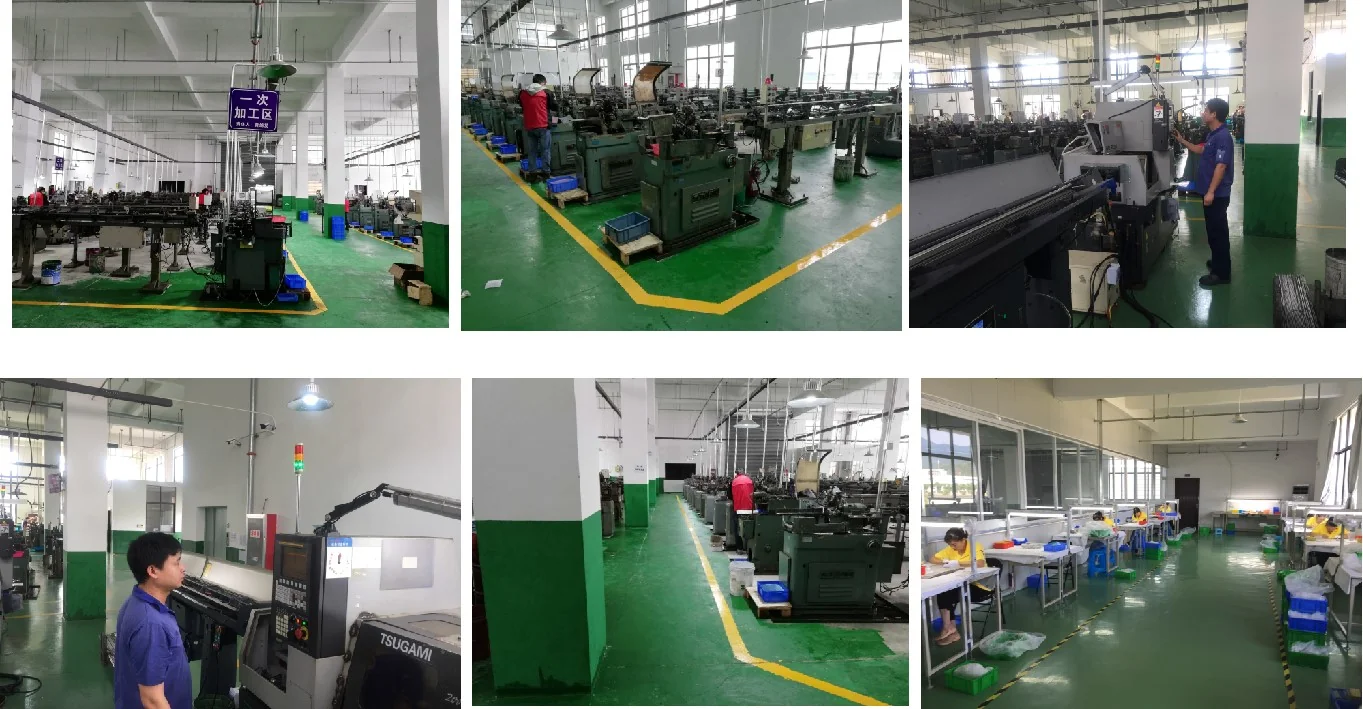
Suzhou Baoshida Trading Co., Ltd. leverages deep technical expertise to deliver mission-critical exterior door seals for global OEMs. Our engineering team comprises five dedicated Mold Engineers and two specialized Rubber Formula Engineers, ensuring end-to-end control from molecular design to production validation. This integrated structure eliminates siloed development, directly addressing common industry failures such as premature compression set, weather-induced hardening, and dimensional drift in dynamic sealing interfaces.

Material science forms the foundation of our exterior door seal performance. Our Formula Engineers optimize EPDM compounds for extreme environmental resilience, meticulously balancing crosslink density, polymer saturation, and additive synergies. Key innovations include nano-silica reinforcement for abrasion resistance during door cycling and proprietary antioxidant packages that extend service life beyond 15 years in UV-intensive climates. All formulations undergo accelerated aging per ASTM D2244 and ISO 188, with real-time correlation to field data from North American and European building sites. Critical parameters like compression set (ASTM D395 Method B) are engineered to ≤15% after 1,000 hours at 100°C, significantly exceeding industry benchmarks for thermal stability.

Mold Engineering rigor ensures dimensional precision and process repeatability. Our five engineers deploy 3D mold flow analysis (Moldflow®) to eliminate knit lines in complex multi-cavity tools, while in-mold pressure sensors validate cavity balance within ±0.5% tolerance. This capability is essential for maintaining consistent lip geometry across 50+ cavity production runs—directly impacting door wind noise (NVH) and water ingress prevention. All tooling adheres to ISO 2768-mK tolerances, with critical sealing surfaces held to ±0.05mm.

As an OEM partner, we implement a gated development protocol:
Concept phase material screening against client-specific weathering profiles
DFM collaboration for automotive-grade A-surface finishes
PPAP submission with full material traceability (ASTM D3800)
Production with SPC-monitored cure times and hardness validation

This engineering-led approach reduces time-to-market by 30% versus conventional suppliers while ensuring zero field recalls for seal-related failures across 12 active OEM programs.

Typical Performance Specifications for Exterior Door Seals

Parameter Test Standard Baoshida Performance Industry Baseline
Hardness (Shore A) ASTM D2240 65 ± 3 65 ± 5
Tensile Strength ASTM D412 ≥14.5 MPa ≥12.0 MPa
Compression Set (22h/70°C) ASTM D395 B ≤18% ≤25%
Temperature Range ISO 188 -50°C to +130°C -40°C to +120°C
UV Resistance (5k hrs) ISO 4892-2 ΔE < 3.0 ΔE < 5.0
Specific Gravity ASTM D297 1.35 ± 0.02 1.35 ± 0.05

Our dual-engineering competency—material science fused with precision tooling—delivers exterior door seals that achieve 0.5 N/mm sealing force consistency across 100,000+ door cycles. This technical authority enables Suzhou Baoshida to solve complex sealing challenges while maintaining full OEM compliance with global automotive and construction standards.


Customization Process

Drawing Analysis

The customization process for exterior door seals begins with a comprehensive drawing analysis to ensure dimensional accuracy and functional compatibility. At Suzhou Baoshida Trading Co., Ltd., engineering teams evaluate client-provided CAD drawings or technical sketches to validate critical parameters such as cross-sectional profile, overall length, compression deflection values, and installation tolerances. This phase includes a detailed review of mating surfaces, environmental exposure conditions, and installation methods. Any discrepancies or design inefficiencies are flagged, and collaborative feedback is provided to optimize sealing performance and manufacturability. Precise geometric interpretation is essential, particularly for complex profiles involving multi-rib structures, bulb seals, or hybrid geometries integrating sponge and solid rubber zones.

Formulation Development

Following drawing validation, our rubber formula engineers initiate material formulation tailored to operational demands. The selection of base polymer—typically EPDM for exterior applications due to its superior UV, ozone, and thermal resistance—is determined by service temperature range, weathering requirements, and regulatory standards. Additives such as reinforcing fillers, plasticizers, curing agents, and anti-aging compounds are precisely balanced to achieve target hardness (Shore A), compression set resistance, and tensile strength. For automotive or architectural applications requiring low-temperature flexibility, the formulation is adjusted to maintain elasticity down to -40°C. All compounds are developed in accordance with ISO 1817 and ASTM D2000 standards, ensuring long-term durability under dynamic compression and environmental stress.

Prototyping and Validation

Once the formulation is finalized, prototype tooling is manufactured to produce sample seals for functional testing. Prototypes are fabricated using compression or transfer molding techniques, depending on profile complexity. These samples undergo rigorous evaluation, including fitment trials on actual door assemblies, compression load analysis, and environmental chamber testing for thermal cycling and water ingress resistance. Feedback from these trials informs any necessary design or material refinements before progression to full-scale production. Client approval of physical prototypes is a mandatory milestone, ensuring alignment between technical specifications and real-world performance.

Mass Production

Upon prototype validation, the project transitions to automated mass production. High-precision extrusion lines, coupled with microwave or hot-air vulcanization systems, ensure consistent cross-sectional integrity and curing uniformity. In-line quality monitoring, including laser gauging and visual inspection systems, maintains tight tolerances throughout the production run. Final products are subjected to batch testing for dimensional compliance, hardness, and surface finish. Packaging is customized to client logistics requirements, with barcoded traceability for full batch accountability.

The following table summarizes typical technical specifications for customized exterior door seals:

Parameter Standard Value Test Method
Material EPDM (customizable to silicone, CR) ASTM D2000
Hardness (Shore A) 55–75 ±5 ASTM D2240
Tensile Strength ≥7 MPa ASTM D412
Elongation at Break ≥250% ASTM D412
Compression Set (22h, 70°C) ≤25% ASTM D395
Temperature Range -40°C to +120°C (intermittent) ISO 1817
Color Black (custom colors available) RAL/Pantone Match
Production Tolerance ±0.3 mm (cross-section) ISO 3302

Contact Engineering Team

Elevate Your Exterior Door Seal Performance Through Precision Engineering

Suzhou Baoshida Trading Co., Ltd. delivers mission-critical exterior door seal solutions engineered for uncompromising durability and environmental resilience. Our proprietary rubber formulations—specialized in EPDM, silicone, and thermoplastic vulcanizates (TPV)—are developed to withstand extreme UV exposure, thermal cycling from -50°C to +150°C, and aggressive chemical degradation while maintaining consistent compression set resistance below 25% after 70 hours at 100°C. Unlike generic suppliers, we integrate material science with precision extrusion and molding processes to achieve ±0.15mm dimensional tolerances, ensuring seamless integration into automated assembly lines and eliminating costly field failures due to seal leakage or premature hardening. OEMs globally partner with us to reduce scrap rates by up to 18% and extend product lifecycle performance through data-driven compound optimization.

Critical Performance Specifications for Exterior Door Seals

Property Standard Range Testing Standard
Hardness (Shore A) 55–75 ASTM D2240
Tensile Strength ≥10 MPa ASTM D412
Elongation at Break ≥300% ASTM D412
Compression Set (22h/70°C) ≤25% ASTM D395
Temperature Range -50°C to +150°C ISO 188
Volume Swell (IRM 903) ≤20% ASTM D471

Our engineering workflow begins with your functional requirements, translating them into tailored compound architectures via finite element analysis (FEA) of stress distribution and fluid dynamics. We conduct rigorous mold flow analysis to eliminate knit lines and weld marks in complex profiles, while our in-house laboratory validates adhesion strength to metal/plastic substrates at 15+ N/mm². Suzhou Baoshida’s ISO 9001-certified production lines support low-volume prototyping to high-volume manufacturing, with real-time SPC monitoring of critical parameters including Mooney viscosity (ML 1+4 @ 100°C) and cure kinetics (t90). This end-to-end control guarantees batch-to-batch consistency essential for automotive and architectural applications where regulatory compliance (e.g., ISO 11403-1, EN 12206) is non-negotiable.

Partner with our technical team to resolve persistent challenges such as ozone cracking in coastal installations, freeze-stick failures in sub-zero climates, or volatile organic compound (VOC) emissions exceeding LEED standards. We provide full material traceability via blockchain-enabled batch records and accelerate time-to-market through concurrent engineering—reducing development cycles by 30% through digital twin simulations of seal behavior under dynamic load conditions.

Initiate Your Custom Seal Development Project Today
Contact Mr. Boyce, our dedicated OEM Technical Manager, to discuss your exterior door seal specifications and receive a formulation proposal within 72 hours. Mr. Boyce combines 15 years of rubber compounding expertise with deep knowledge of global automotive and construction standards to align our material science capabilities with your production realities. Provide your dimensional drawings, environmental exposure requirements, and volume forecasts to receive a precision-engineered solution with documented ROI analysis. Reach Mr. Boyce directly at [email protected] or +86 512 6288 7510. Suzhou Baoshida operates from our Suzhou Industrial Park facility with full export compliance support—let us transform your seal performance metrics through chemistry and precision manufacturing.


⚖️ O-Ring Weight Calculator

Estimate rubber O-ring weight (Approx).


Exterior Door Seal Manufacturer | Engineering Guide

Contents of Table

Contact [email protected] Whatsapp 86 15951276160