Ldpe Foam Sheet Manufacturer | Engineering Guide

Engineering Guide: Ldpe Foam Sheet

Engineering Insight: LDPE Foam Sheet – The Critical Role of Material Selection

In industrial applications, low-density polyethylene (LDPE) foam sheet is frequently selected for its flexibility, chemical resistance, and cost-effective processing. However, the performance of LDPE foam in demanding environments hinges critically on precise material formulation and processing control. Off-the-shelf solutions, while appealing due to shorter lead times and lower initial costs, often fail to meet the mechanical, thermal, and environmental demands of specialized industrial use. This discrepancy arises from generic compounding practices that overlook application-specific stressors such as prolonged compression, UV exposure, or dynamic load cycles.

LDPE foam derives its cellular structure from a controlled foaming process using chemical blowing agents. The final properties—density, tensile strength, elongation at break, and compression set—are directly influenced by the resin grade, additive package, and extrusion parameters. Standard commercial foams typically utilize lower-cost base resins and minimal stabilizer content, resulting in inconsistent cell morphology and reduced long-term resilience. In contrast, engineered LDPE foam sheets incorporate high-purity LDPE resins with tailored melt strength, coupled with antioxidants, UV stabilizers, and cross-linking agents to enhance durability under operational stress.

One of the most common failure modes observed with generic LDPE foam is compression set degradation. In sealing or gasketing applications, repeated compression leads to permanent deformation when the foam lacks sufficient elastic recovery. This is especially problematic in automotive, construction, and industrial equipment housings where dimensional stability is critical. Additionally, unmodified LDPE foam exhibits poor resistance to prolonged UV exposure, leading to surface embrittlement and cracking in outdoor installations.

Thermal performance is another area where off-the-shelf materials fall short. While standard LDPE foam maintains integrity up to approximately 80°C, engineered variants with enhanced cross-link density can withstand intermittent exposure to 100°C without structural compromise. This difference is vital in applications involving heat-generating components or environments with high ambient temperatures.

At Suzhou Baoshida Trading Co., Ltd., we emphasize application-driven formulation. Our LDPE foam sheets are developed through rigorous testing protocols that simulate real-world conditions, ensuring optimal performance across diverse industrial sectors. Custom density profiles, adhesive lamination options, and flame-retardant modifications are integrated based on end-use requirements, eliminating the guesswork associated with generic alternatives.

The following table outlines key performance specifications comparing standard commercial LDPE foam with our engineered solution:

Property Standard LDPE Foam Engineered LDPE Foam (Baoshida)
Density (kg/m³) 30–60 40–120 (customizable)
Tensile Strength (MPa) 0.8–1.2 1.5–2.5
Elongation at Break (%) 150–200 250–400
Compression Set (25%, 24h) 25–35% ≤15%
Operating Temperature Range -40°C to +80°C -40°C to +100°C
UV Resistance Low (unstabilized) High (UV-stabilized)
Flame Retardancy (UL94) Not rated HB or V-0 (optional)

Material selection is not a commodity decision—it is an engineering imperative. The consistent underperformance of off-the-shelf LDPE foam underscores the necessity of precision formulation. For mission-critical industrial applications, engineered LDPE foam sheet offers the reliability, longevity, and performance assurance that generic alternatives cannot match.


Material Specifications

Material Specifications: LDPE Foam Sheet and Complementary Elastomer Solutions

Low-density polyethylene (LDPE) foam sheet serves as a foundational material in industrial sealing, insulation, and cushioning applications due to its closed-cell structure, chemical inertness, and resilience across moderate temperature ranges. While LDPE foam excels in cost-effective, general-purpose roles, critical environments demand advanced elastomers such as Viton, Nitrile, and Silicone. These materials address limitations in extreme thermal exposure, aggressive chemical contact, or stringent regulatory compliance. At Suzhou Baoshida Trading Co., Ltd., we prioritize precise material selection to ensure operational integrity under stress. Below, we detail key specifications for each elastomer, contextualizing their synergy with LDPE foam systems in complex assemblies.

Viton fluorocarbon rubber demonstrates superior resistance to high temperatures, oils, fuels, and ozone. Its operational range spans -20°C to 250°C, making it indispensable in aerospace, automotive fuel systems, and chemical processing equipment. Viton maintains structural stability under prolonged exposure to aromatic hydrocarbons and chlorinated solvents, though it exhibits higher compression set values compared to alternatives. Nitrile butadiene rubber (NBR) offers an optimal balance for oil and fuel resistance at economical cost, functioning reliably between -40°C and 120°C. Widely deployed in hydraulic seals, gaskets, and automotive hoses, Nitrile withstands aliphatic hydrocarbons and water-based fluids but degrades under ozone or ketone exposure. Silicone rubber provides exceptional flexibility across -60°C to 230°C and meets biocompatibility standards for medical and food-grade applications. Its inherent resistance to UV, ozone, and steam suits it for outdoor electronics encapsulation and pharmaceutical tooling, though tensile strength and abrasion resistance remain moderate versus hydrocarbon-based elastomers.

The comparative analysis below enables data-driven material selection for hybrid LDPE foam-elastomer solutions. Each parameter reflects standardized ASTM/ISO test methodologies to ensure reproducibility in industrial validation.

Property Viton (FKM) Nitrile (NBR) Silicone (VMQ)
Temperature Range (°C) -20 to 250 -40 to 120 -60 to 230
Tensile Strength (MPa) 10–18 10–20 5–10
Elongation at Break (%) 150–300 200–500 200–700
Hardness Range (Shore A) 50–90 40–90 30–80
Key Chemical Resistances Fuels, acids, oils Oils, fuels, water Ozone, UV, steam
Key Limitations Ketones, esters Ozone, polar solvents Low tear strength
Typical Density (g/cm³) 1.80–1.95 1.05–1.20 1.10–1.50

Suzhou Baoshida Trading Co., Ltd. engineers validate all material specifications against OEM performance benchmarks. LDPE foam sheets often integrate with these elastomers in multi-layer composites—where LDPE provides bulk cushioning and moisture barriers while Viton, Nitrile, or Silicone handles critical sealing interfaces. Understanding these specifications prevents premature failure in dynamic industrial systems. Consult our technical team to align material properties with your operational stressors, ensuring lifecycle durability and compliance with ISO 188, ASTM D2000, and customer-specific protocols. Precision in formulation is non-negotiable; we deliver nothing less.


Manufacturing Capabilities

Engineering Excellence in LDPE Foam Sheet Manufacturing

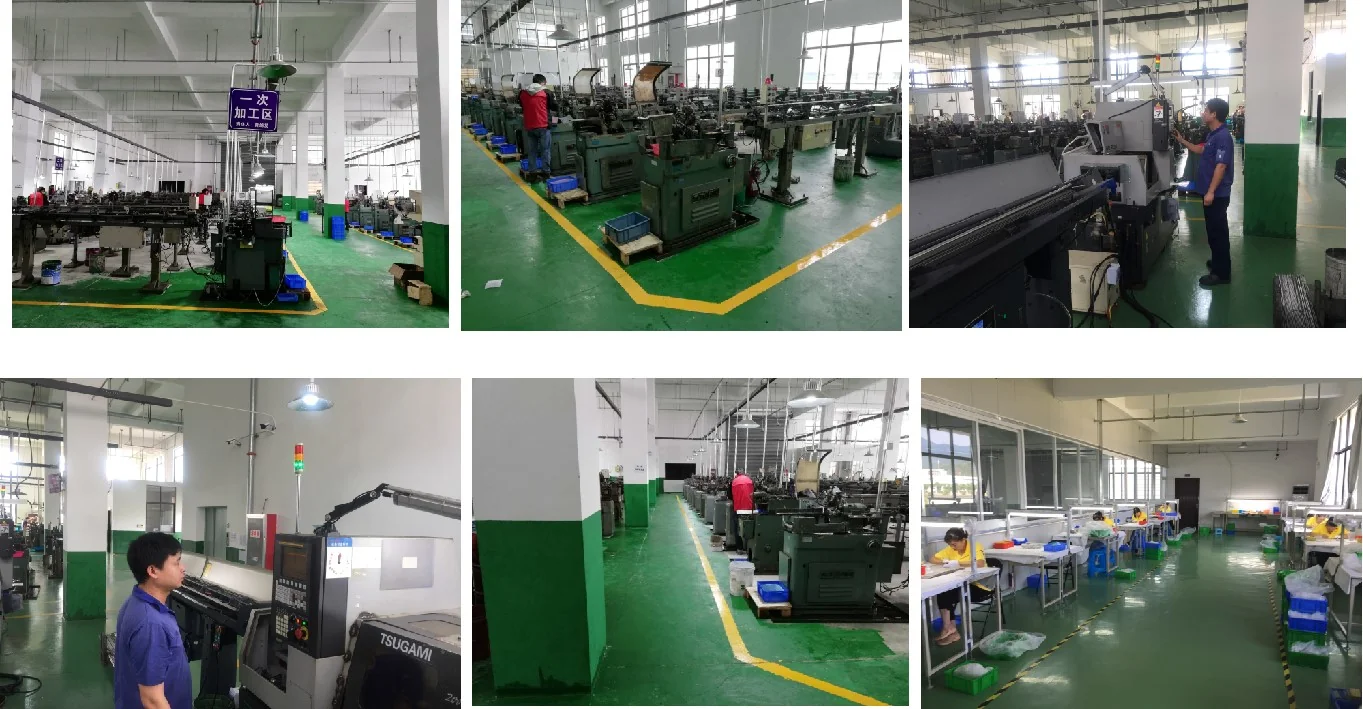
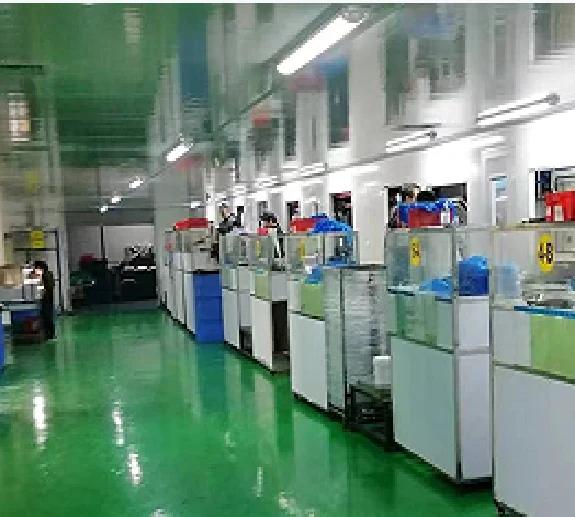
At Suzhou Baoshida Trading Co., Ltd., our engineering capability forms the backbone of our leadership in industrial rubber solutions, particularly in the development and production of high-performance LDPE (Low-Density Polyethylene) foam sheets. With a dedicated team comprising five specialized mould engineers and two advanced formula engineers, we integrate material science with precision manufacturing to deliver tailored solutions that meet the exacting demands of global OEMs.

Our formula engineers focus on the molecular architecture of LDPE compounds, optimizing cell structure, cross-linking density, and additive integration to achieve superior thermal insulation, shock absorption, and chemical resistance. By fine-tuning the foaming process parameters—such as temperature profiles, pressure gradients, and blowing agent selection—we ensure consistent density control and closed-cell integrity across production batches. This scientific approach enables us to produce LDPE foam sheets with densities ranging from 25 to 200 kg/m³, customizable for applications in automotive sealing, HVAC insulation, and protective packaging.

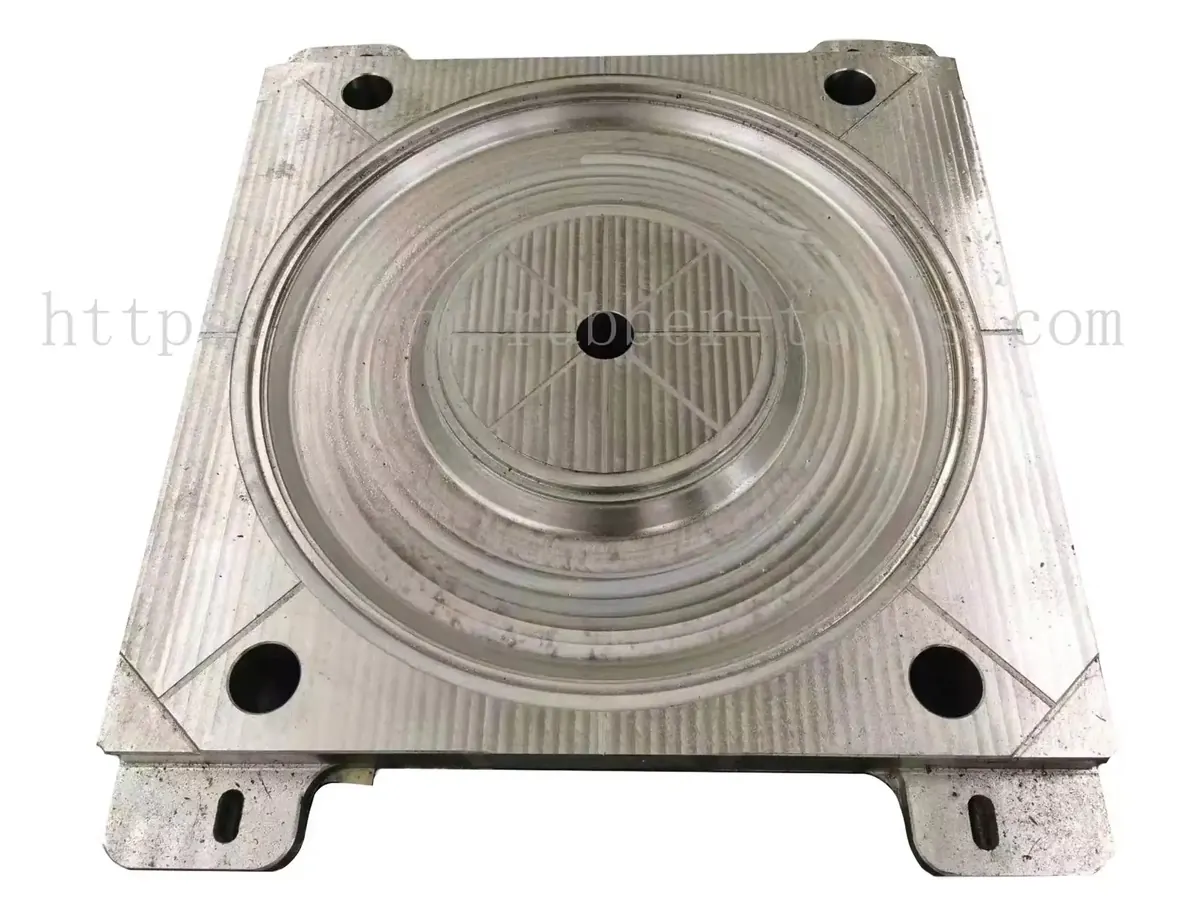
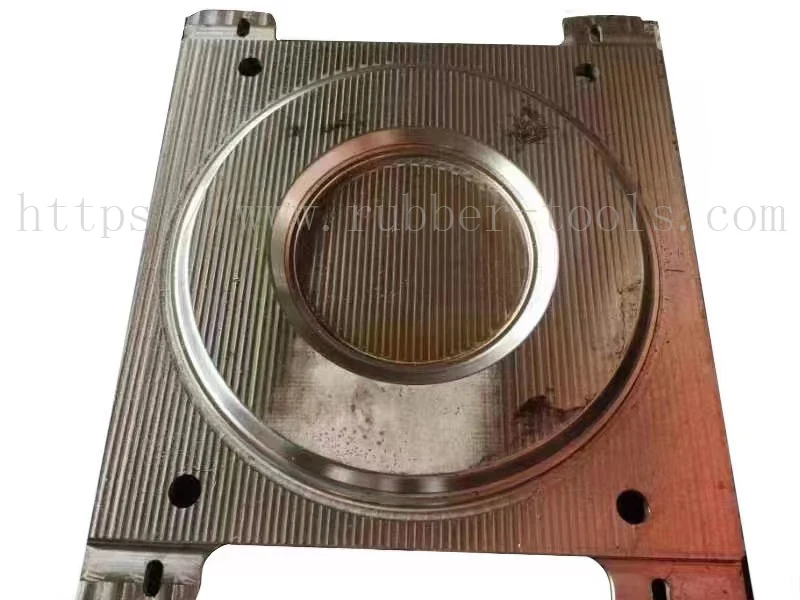
Complementing our formulation expertise, our five in-house mould engineers specialize in tooling design and process optimization for continuous extrusion and calendering systems. They are responsible for die geometry refinement, roll gap calibration, and cooling line synchronization, ensuring dimensional accuracy and surface finish consistency across sheet widths up to 1,500 mm and thicknesses from 1 mm to 20 mm. Their deep understanding of polymer rheology and thermal dynamics allows for rapid prototyping and efficient scale-up from lab trials to full-volume production.

Our OEM capabilities are built on a foundation of collaborative engineering. Clients provide performance requirements or application constraints, and our integrated team responds with co-developed formulations and process designs. Whether it’s enhancing UV resistance for outdoor applications or modifying surface tack for lamination compatibility, we maintain full traceability and documentation in accordance with ISO 9001 standards. All formulations are tested in-house using advanced analytical methods, including DSC (Differential Scanning Calorimetry), FTIR spectroscopy, and tensile testing, ensuring every product meets both functional and regulatory benchmarks.

This synergy between material formulation and precision engineering enables Suzhou Baoshida to deliver LDPE foam sheets that are not only dimensionally stable and mechanically robust but also optimized for downstream processing—such as die-cutting, thermoforming, or adhesive lamination—critical in high-speed OEM assembly lines.

Property Standard Range Test Method
Density 25–200 kg/m³ ISO 845
Tensile Strength 0.8–3.5 MPa ISO 37
Elongation at Break 150–400% ISO 37
Compression Set (25%, 23°C, 24h) ≤35% ISO 815
Thermal Conductivity 0.034–0.042 W/(m·K) ISO 8301
Closed Cell Content ≥85% ISO 4590
Temperature Range -40°C to +80°C

Through this vertically integrated engineering model, Suzhou Baoshida Trading Co., Ltd. ensures that every LDPE foam sheet produced is a product of scientific rigor, technical mastery, and OEM-centric innovation.


Customization Process

LDPE Foam Sheet Customization Process: Precision Engineering from Concept to Volume

At Suzhou Baoshida Trading Co., Ltd., our LDPE foam sheet customization follows a rigorously defined engineering workflow to ensure material properties align precisely with client application demands. This four-stage process eliminates guesswork, minimizes iteration cycles, and guarantees batch-to-batch consistency for industrial clients in automotive, packaging, and construction sectors.

Drawing Analysis: Translating Geometry into Material Science
Initial client specifications undergo dimensional and functional deconstruction. We assess critical parameters including thickness tolerance, density gradients, surface texture requirements, and environmental exposure conditions. Finite element analysis (FEA) simulates stress points under operational loads, identifying potential failure zones requiring targeted formulation adjustments. This phase determines whether standard LDPE foam grades suffice or if co-extrusion layers or additive packages are necessary to meet mechanical or regulatory constraints.

Formulation: Molecular Architecture for Performance
Based on drawing analysis, our rubber formula engineers develop a proprietary compound balancing melt flow index, crosslinking density, and cell structure control. Key variables include peroxide concentration for uniform crosslinking, nucleating agent ratios to stabilize closed-cell morphology, and additive selection for UV resistance or flame retardancy (UL94 HF-1 compliance). All formulations are validated via rheometry and DSC to confirm processing stability within ±2°C of target cure profiles. Material datasheets specify exact polymer grades (e.g., Dow LDPE 132I), additive percentages, and processing windows before prototyping commences.

Prototyping: Validating Physical Performance
Pre-production runs on pilot-scale continuous foaming lines generate 3–5 meter samples for client validation. We conduct ASTM D3574 tensile/elongation tests, compression set analysis at 50% deflection (22 hrs/70°C), and thermal aging per ISO 188. Dimensional stability is verified via CMM scanning against original CAD models, with adjustments made to die geometry or cooling rates if tolerances exceed ±0.15 mm. Client feedback on surface finish, cutability, and bonding compatibility triggers final formulation tweaks before tooling sign-off.

Mass Production: Industrial-Scale Reproducibility
Approved formulations transition to our 1,200mm-wide production lines with real-time process monitoring. Infrared thermography tracks temperature gradients across the foam sheet, while laser micrometers ensure thickness consistency within ±0.08 mm. Every 500m batch undergoes destructive testing per AQL 1.0 standards, with certificates of conformance detailing density, tensile strength, and compression set values. Our closed-loop control system maintains melt pressure variance below 3%, guaranteeing identical cell structure from batch one to batch one thousand.

Critical LDPE Foam Sheet Specifications
| Parameter | Standard Range | Precision Option | Test Method |
|————————-|———————-|———————|——————-|
| Density | 20–150 kg/m³ | ±2 kg/m³ | ASTM D3574 B |
| Thickness Tolerance | ±0.20 mm | ±0.08 mm | ISO 2286-2 |
| Tensile Strength | 0.15–0.80 MPa | ±0.05 MPa | ASTM D3574 E |
| Compression Set (50%) | ≤25% (70°C/22h) | ≤18% | ASTM D3574 B |
| Cell Diameter | 0.1–0.5 mm | 0.15±0.03 mm | Microscopy |

This engineered pathway transforms conceptual requirements into validated industrial solutions, reducing time-to-market by 30% versus conventional trial-and-error approaches while ensuring Suzhou Baoshida’s LDPE foam sheets deliver uncompromised performance in demanding applications.


Contact Engineering Team

Contact Suzhou Baoshida for Premium LDPE Foam Sheet Solutions

At Suzhou Baoshida Trading Co., Ltd., we specialize in delivering high-performance industrial rubber solutions tailored to the exacting demands of modern manufacturing. As a trusted partner in the supply of LDPE foam sheet materials, we combine material science expertise with rigorous quality control to provide products that meet international standards and specific application requirements. Whether you are in need of thermal insulation, vibration damping, or protective packaging, our LDPE foam sheets offer consistent density, excellent resilience, and superior chemical resistance.

Our LDPE foam sheet is engineered for performance across diverse industrial sectors, including automotive, construction, electronics, and HVAC. The closed-cell structure ensures low water absorption and high dimensional stability, while the non-polar polymer base delivers outstanding resistance to aging, UV exposure, and environmental stress cracking. We offer customizable thickness, color, and roll length options to align precisely with your production needs.

To ensure seamless integration into your manufacturing process, we provide comprehensive technical support—from material selection guidance to on-site consultation. Our team understands that every application presents unique challenges, and we are committed to delivering not just materials, but engineered solutions.

Below are the standard technical specifications for our LDPE foam sheet product line:

Property Value Test Method
Material Low-Density Polyethylene (LDPE) ISO 1872
Density 30–150 kg/m³ ASTM D3574
Thickness Range 1–50 mm ISO 2286-2
Tensile Strength ≥0.3 MPa ASTM D412
Elongation at Break ≥150% ASTM D412
Compression Set (25%, 24h) ≤10% ASTM D3574
Water Absorption (24h) ≤0.05% ISO 2896
Operating Temperature Range -40°C to +80°C ISO 188
Closed Cell Content ≥90% ASTM D2856
Flame Resistance UL94-HB (optional) UL 94

We invite engineering managers, procurement officers, and R&D specialists to contact Mr. Boyce, our dedicated OEM and technical liaison, to discuss your project requirements. Mr. Boyce brings over a decade of experience in industrial polymer applications and is equipped to assist with material qualification, sample provisioning, and volume production planning. His role is to ensure that your transition to our LDPE foam sheet is efficient, cost-effective, and fully supported.

For technical inquiries, sample requests, or to schedule a product evaluation, please reach out directly via email at [email protected]. We respond to all inquiries within 24 business hours and offer multilingual support to facilitate clear communication across global supply chains.

Partner with Suzhou Baoshida Trading Co., Ltd. and gain access to precision-engineered LDPE foam sheet solutions backed by technical excellence and industrial reliability. Let us help you elevate your product performance with materials you can trust.


⚖️ O-Ring Weight Calculator

Estimate rubber O-ring weight (Approx).


Ldpe Foam Sheet Manufacturer | Engineering Guide

Contents of Table

Contact [email protected] Whatsapp 86 15951276160