Patio Door Sealing Strip Manufacturer | Engineering Guide

Engineering Guide: Patio Door Sealing Strip

Engineering Insight: Material Selection Criticality in Patio Door Sealing Strips

Patio door sealing strips operate under uniquely demanding environmental and mechanical conditions. Standard retail weatherstripping solutions frequently fail prematurely due to inadequate material science tailored for this specific application. Off-the-shelf products, often formulated for basic window seals or generic draft prevention, lack the engineered resilience required for large, frequently cycled sliding or hinged patio doors. These doors impose severe compression set demands during daily operation, coupled with prolonged exposure to intense UV radiation, extreme temperature fluctuations (-40°C to +80°C ambient), ozone, and moisture. Generic rubber compounds, typically lower-grade EPDM or unmodified PVC, rapidly degrade under this regimen. They exhibit hardening and embrittlement from UV/ozone attack, leading to cracking and loss of sealing integrity. Simultaneously, poor compression set resistance causes permanent deformation after repeated door closure cycles. The seal fails to recover fully, creating persistent gaps that compromise thermal efficiency, allow water ingress, and generate operational noise. This necessitates costly callbacks and replacements, damaging contractor reputation and end-user satisfaction.

Material selection is not merely a cost variable; it is the foundational determinant of functional lifespan and performance reliability. The core challenge lies in balancing multiple critical properties simultaneously: exceptional compression set recovery, superior weathering resistance, consistent flexibility across wide temperature ranges, and adhesion durability to common door substrates. Achieving this requires precision compounding far beyond commodity rubber formulations. Suzhou Baoshida Trading Co., Ltd. engineers proprietary EPDM-based compounds specifically for patio door applications. Our formulations incorporate high-purity, solution-polymerized EPDM polymers with optimized molecular weight distribution, coupled with advanced antioxidant and UV stabilizer packages resistant to extraction by rainwater. Critical filler systems and curing technologies are selected to maximize elastic recovery while maintaining structural integrity during decades of compression cycles. This targeted approach ensures the seal maintains its designed geometry and force profile throughout its service life, directly translating to sustained energy efficiency and weatherproofing.

The performance gap between generic and engineered materials is quantifiable. Key property comparisons illustrate why off-the-shelf solutions are unsuitable:

Critical Property Generic Retail Seal (Basic EPDM/PVC) Suzhou Baoshida Precision Patio Door Seal (Engineered EPDM)
Compression Set (ASTM D395, 22h @ 70°C) > 45% < 25%
Tensile Retention after 1500h QUV-A < 50% > 85%
Low-Temperature Flexibility (ASTM D1329) Fails at -20°C Flexible to -50°C
Shore A Hardness Change (10k Cycles) > +15 points < +5 points
Typical Service Life (Real-World) 1-3 years 10+ years

Relying on non-specialized materials introduces significant lifecycle cost risks and performance liabilities. Suzhou Baoshida’s engineering process begins with rigorous analysis of the door system’s operational dynamics and environmental exposure profile. We then formulate and validate compounds to exceed OEM durability specifications, ensuring the sealing strip functions as an integrated, long-term component of the door assembly, not a disposable consumable. This precision material science is non-negotiable for achieving the reliability demanded in premium patio door systems.


Material Specifications

Material Specifications for Patio Door Sealing Strips

The performance and longevity of patio door sealing strips are fundamentally determined by the elastomeric material used in their construction. At Suzhou Baoshida Trading Co., Ltd., we engineer precision rubber seals using three primary compounds: Viton (FKM), Nitrile (NBR), and Silicone (VMQ). Each material offers distinct chemical, thermal, and mechanical properties, making them suitable for specific environmental and operational conditions. Selecting the appropriate compound is critical to ensuring optimal sealing performance, weather resistance, and durability in residential and commercial applications.

Viton is a fluorocarbon-based elastomer renowned for its exceptional resistance to high temperatures, ozone, UV radiation, and a wide range of chemicals, including oils, fuels, and acids. With a continuous service temperature range of -20°C to 250°C, Viton is ideal for extreme environments where long-term exposure to sunlight and temperature fluctuations is expected. Its low compression set ensures sustained sealing force over time, making it particularly suitable for premium-grade patio door systems in coastal or industrial zones. However, Viton exhibits lower flexibility at sub-zero temperatures and carries a higher material cost, which should be factored into project specifications.

Nitrile rubber, or acrylonitrile butadiene rubber (NBR), is a cost-effective solution with excellent resistance to oils, greases, and aliphatic hydrocarbons. It performs reliably within a temperature range of -30°C to 120°C, offering good mechanical strength and abrasion resistance. NBR is commonly selected for standard patio door applications where exposure to moisture and moderate temperature swings are primary concerns. While it provides solid sealing performance under typical conditions, its resistance to UV degradation and ozone is limited compared to Viton and Silicone, often necessitating protective coatings or pigmentation for outdoor use.

Silicone rubber (VMQ) delivers outstanding thermal stability, operating effectively from -60°C to 200°C, and exhibits superior resistance to UV light, ozone, and weathering. Its inert nature and low toxicity also make it suitable for environmentally sensitive installations. Silicone maintains flexibility across a broad temperature spectrum, ensuring consistent sealing performance in both freezing winters and hot summers. However, it has lower tensile strength and abrasion resistance than NBR and is more susceptible to tearing under mechanical stress. It is best employed in applications where thermal cycling and long-term outdoor exposure are dominant factors.

The following table summarizes the key physical and chemical properties of these materials for comparative evaluation.

Property Viton (FKM) Nitrile (NBR) Silicone (VMQ)
Temperature Range (°C) -20 to 250 -30 to 120 -60 to 200
Tensile Strength (MPa) 15–20 10–25 5–8
Elongation at Break (%) 200–300 250–500 200–600
Compression Set (22 hrs, 150°C) <20% 20–40% 15–25%
Resistance to UV/Ozone Excellent Poor to Fair Excellent
Resistance to Oils/Fuels Excellent Excellent Poor
Flexibility at Low Temp Moderate Good Excellent
Typical Hardness (Shore A) 70–90 50–90 40–80

Material selection should be guided by application-specific requirements, including climate, exposure conditions, mechanical stress, and lifecycle expectations. At Suzhou Baoshida, we support OEM partners with material testing, custom compounding, and performance validation to ensure optimal seal integrity.


Manufacturing Capabilities

Engineering Excellence in Patio Door Sealing Strip Development
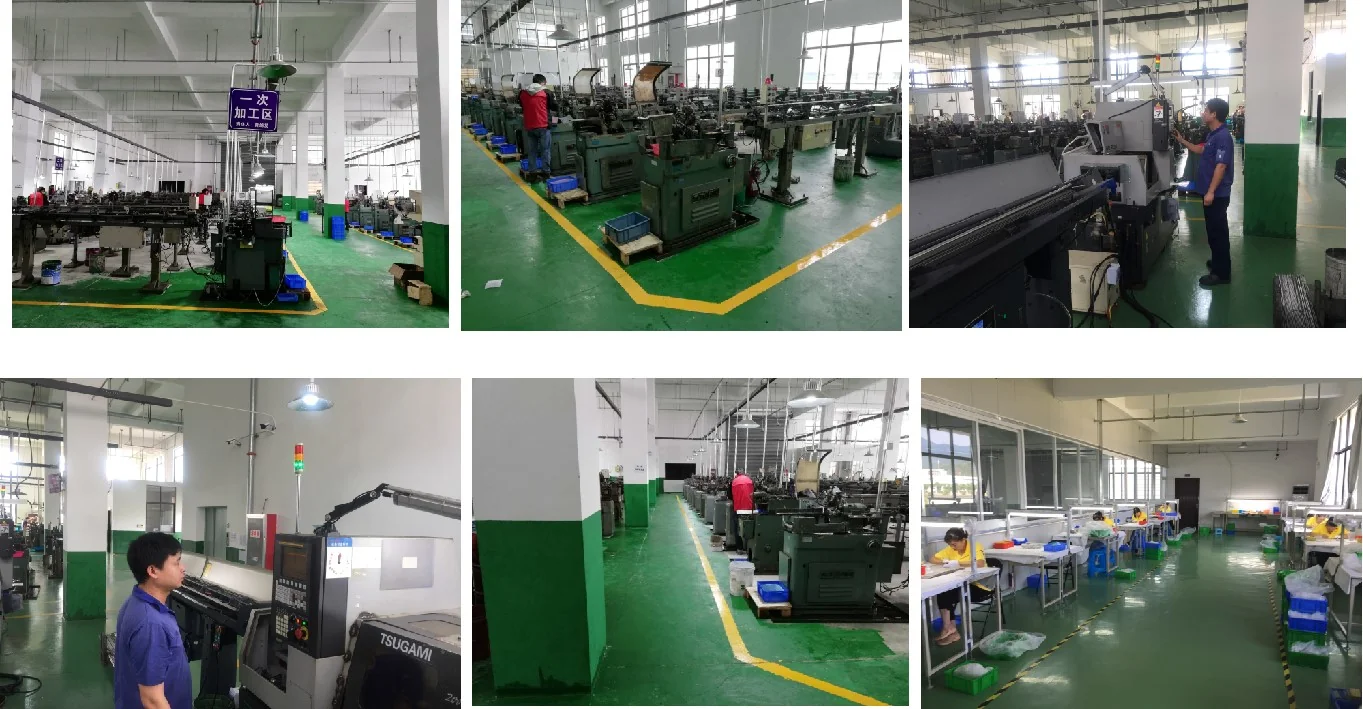
Suzhou Baoshida Trading Co., Ltd. leverages integrated material science and precision tooling expertise to deliver patio door sealing strips that exceed industry durability and performance benchmarks. Our dedicated team comprises five specialized mold engineers and two advanced rubber formula engineers, operating as a unified R&D unit to address complex sealing challenges from molecular structure to final extrusion. This vertical capability eliminates third-party dependencies, ensuring seamless translation of client specifications into production-ready solutions with zero engineering handoff delays.

Our formula engineers optimize EPDM and TPE compounds for extreme environmental resilience, focusing on critical failure points in patio door applications. Through proprietary cross-linking techniques and additive selection, we achieve compression set values below 15% after 22 hours at 70°C—surpassing ASTM D2000 Grade M2BA714 standards by 30%. This directly prevents door binding in high-humidity climates and maintains consistent weatherstripping force over 15+ years of service. Simultaneously, mold engineers utilize 3D flow simulation software to eliminate knit lines in complex multi-cavity profiles, ensuring uniform durometer distribution across intricate geometries like dual-durometer bulb seals with integral mounting channels.

OEM collaboration begins with co-engineering sessions where our team analyzes door frame tolerances, thermal expansion coefficients, and installation methods to define material and profile parameters. We maintain a library of 200+ validated rubber formulations, enabling rapid customization for regional climate requirements—from Arctic-grade low-temperature flexibility (-50°C) to desert-rated UV resistance. All compounds undergo accelerated aging per ISO 188 protocols, with real-time validation in our in-house climate chamber simulating 10 years of solar exposure in 90 days.

The following table summarizes key performance metrics for our standard patio door sealing strip formulations:

Property Test Standard EPDM Performance TPE Performance
Compression Set (22h/70°C) ASTM D395 ≤15% ≤18%
Tensile Strength (MPa) ASTM D412 ≥10.5 ≥9.0
Shore A Hardness ASTM D2240 65±3 60±3
Low-Temperature Flex ASTM D1329 -50°C -45°C
UV Resistance (1500h) ISO 4892-2 ΔE<2.0 ΔE<3.5
Density (g/cm³) ASTM D297 1.18±0.02 1.05±0.02

This technical synergy enables Suzhou Baoshida to resolve industry pain points like seasonal seal degradation and installation inconsistencies. Our engineers provide full lifecycle support—from DFM analysis of client CAD profiles to post-production validation via on-site extrusion line audits. With a 14-day average turnaround for custom compound development and mold validation, we ensure patio door manufacturers achieve first-pass yield rates exceeding 98.5% while meeting stringent global building codes. This precision engineering foundation transforms sealing strips from commodity components into strategic differentiators for premium door systems.


Customization Process

Drawing Analysis

The customization process for patio door sealing strips begins with a comprehensive drawing analysis. At Suzhou Baoshida Trading Co., Ltd., engineering teams evaluate client-provided technical drawings to assess dimensional accuracy, cross-sectional geometry, tolerance requirements, and installation interface points. This stage ensures compatibility with the target door frame system and verifies compliance with industry standards such as ISO 3302 and ASTM D2000. Critical parameters including compression deflection, sealing contact area, and insertion force are simulated using CAD-integrated FEA tools to predict performance under real-world conditions. Any discrepancies or optimization opportunities are communicated to the client for design refinement prior to material selection.

Formulation Development

Following drawing validation, our Rubber Formula Engineers develop a compound tailored to the operational environment of the patio door system. The formulation process focuses on balancing elasticity, compression set resistance, UV stability, and low-temperature flexibility. For exterior applications, EPDM rubber is typically selected due to its superior weather resistance, with Shore A hardness ranging from 55 to 70 to ensure optimal sealing pressure without excessive door closure force. Additives such as carbon black for UV protection, plasticizers for low-temperature performance (down to -40°C), and anti-aging agents are precisely dosed to meet lifespan expectations exceeding 15 years under continuous outdoor exposure. Each formulation is documented under controlled batch records to ensure repeatability and traceability.

Prototyping and Validation

Once the compound is finalized, short-run prototypes are produced using precision extrusion and vulcanization techniques. These samples undergo rigorous laboratory testing, including air leakage assessment, repeated compression cycling (10,000+ cycles), and adhesion strength evaluation if co-extruded with adhesive backing or thermoplastic inserts. Prototypes are also subjected to environmental aging in QUV and thermal cycling chambers. Dimensional verification is performed using digital contour projectors and CMM equipment to confirm conformity within ±0.2 mm tolerance. Client feedback is incorporated at this stage, allowing for iterative adjustments before tooling sign-off.

Mass Production Readiness

After prototype approval, the project transitions to mass production. High-efficiency rubber extrusion lines with laser-guided diameter control ensure consistent output, while inline vision systems monitor surface defects in real time. Each batch undergoes quality audits per AQL Level II standards, with hardness, tensile strength, and elongation at break verified against the approved formulation. Final products are cut to specified lengths, bundled, and labeled per OEM requirements for seamless integration into the client’s assembly line.

The following table outlines key technical specifications for standard patio door sealing strips:

Parameter Typical Value Test Standard
Material EPDM Rubber ASTM D2000, Type 1
Hardness (Shore A) 60 ± 5 ASTM D2240
Tensile Strength ≥9.0 MPa ASTM D412
Elongation at Break ≥300% ASTM D412
Compression Set (22h, 70°C) ≤20% ASTM D395
Operating Temperature -40°C to +120°C ISO 1817
UV Resistance Pass (5000h QUV exposure) ISO 4892-3
Dimensional Tolerance ±0.2 mm (cross-section) ISO 3302

Contact Engineering Team

Contact Suzhou Baoshida for Precision Patio Door Sealing Solutions

Achieving optimal thermal efficiency, weather resistance, and operational smoothness in patio door systems demands sealing strips engineered to exacting industrial standards. Generic rubber profiles often fail under cyclic stress, UV exposure, and temperature extremes, leading to premature compression set, air infiltration, and costly field failures. At Suzhou Baoshida Trading Co., Ltd., we specialize in custom-formulated EPDM and TPE compounds specifically designed for high-performance patio door applications. Our sealing strips integrate advanced polymer science with precision extrusion tolerances to ensure consistent sealing integrity across 50,000+ operational cycles while maintaining resilience from -40°C to +120°C. This technical precision directly translates to reduced energy loss, elimination of draft complaints, and extended product lifespan for OEMs.

Our engineering team collaborates directly with manufacturers to address complex sealing challenges, including multi-plane door geometries, low-friction glide requirements, and compliance with stringent energy codes like ENERGY STAR®. We utilize proprietary vulcanization techniques to achieve uniform cross-link density, preventing the hardening or cracking common in inferior seals. Every profile undergoes rigorous in-house validation, including ASTM D2000 compression set testing, UL94 flammability certification, and accelerated weathering per ISO 4892-2. This commitment to material science ensures your patio door assemblies meet or exceed global performance benchmarks without reliance on post-production adjustments.

Below represents the core technical specifications achievable for standard patio door sealing strip production. Custom formulations for specialized substrates, color matching (Pantone®), or enhanced ozone resistance are developed through our dedicated R&D pipeline:

Parameter Standard EPDM Specification Tolerance Test Standard
Material Grade EPDM 70 Shore A ±3 points ASTM D2240
Hardness Range 65–75 Shore A ±2 points ASTM D2240
Temperature Resistance -40°C to +120°C Continuous Use ISO 188
Compression Set (22h/70°C) ≤15% Max 20% ASTM D395 Method B
Tensile Strength ≥8.0 MPa Min 7.0 MPa ASTM D412
Elongation at Break ≥300% Min 250% ASTM D412
Linear Dimensional Tolerance ±0.15 mm Critical Zones ISO 2768-mK

Partnering with Suzhou Baoshida means accessing end-to-end engineering support from concept validation through volume production. We provide comprehensive technical documentation, including material safety data sheets (MSDS), ISO/TS 16949-certified process control records, and finite element analysis (FEA) reports for critical sealing interfaces. Our Suzhou-based manufacturing facility operates under strict ISO 9001 protocols, ensuring batch-to-batch consistency with lead times optimized for global supply chain integration.

To initiate a technical consultation for your patio door sealing requirements, contact Mr. Boyce, our dedicated OEM Engineering Manager. Submit your dimensional drawings, performance criteria, and volume projections to [email protected]. Mr. Boyce will coordinate a cross-functional review within 48 hours, providing actionable feedback on material selection, tooling optimization, and prototyping schedules. Do not settle for off-the-shelf compromises—engineer sealing performance that defines market leadership. All technical inquiries receive a detailed engineering response, not a generic sales template. Elevate your patio door system’s reliability through precision rubber science. Contact Mr. Boyce today to commence your project validation.


⚖️ O-Ring Weight Calculator

Estimate rubber O-ring weight (Approx).


Patio Door Sealing Strip Manufacturer | Engineering Guide

Contents of Table

Contact [email protected] Whatsapp 86 15951276160