Technical Contents
Engineering Guide: Polyurethane Silicone
Engineering Insight: The Critical Role of Material Selection in polyurethane silicone Applications
In industrial rubber solutions, the convergence of performance demands and environmental stressors necessitates a precise approach to material selection. polyurethane silicone—a hybrid elastomeric system engineered to merge the resilience of polyurethane with the thermal and chemical stability of silicone—represents a class of advanced materials designed for extreme service conditions. However, despite its promising attributes, the failure of off-the-shelf polyurethane silicone products in critical applications remains a persistent issue across sectors such as automotive sealing, aerospace components, and high-temperature industrial gaskets.
The root cause of these failures lies in the misalignment between standardized material formulations and the unique operational parameters of specific applications. Off-the-shelf polyurethane silicone compounds are typically optimized for broad market appeal rather than targeted performance. They often exhibit compromised mechanical strength, inadequate resistance to dynamic loading, or insufficient stability under prolonged exposure to ozone, UV radiation, or aggressive chemicals. These shortcomings become evident in high-cycle fatigue environments or where dimensional stability under thermal fluctuation is paramount.
At Suzhou Baoshida Trading Co., Ltd., we emphasize that true material optimization requires a systems-level understanding of application conditions. Factors such as compression set under continuous load, coefficient of friction in dynamic seals, and long-term elastomeric recovery must be evaluated alongside chemical exposure profiles and temperature ranges. For instance, a polyurethane silicone formulation suitable for static sealing in a chemical processing plant may fail prematurely in a reciprocating shaft seal due to inadequate tear resistance or hysteresis-induced heat buildup.
Custom formulation allows for the precise tuning of crosslink density, filler dispersion, and polymer architecture to meet exact performance thresholds. This level of engineering control ensures compatibility with mating surfaces, resistance to extrusion under pressure, and sustained elasticity over the product lifecycle. Moreover, accelerated aging studies and finite element analysis (FEA) of stress distribution further validate the suitability of a given compound, reducing field failure risks and total cost of ownership.
The following table outlines key performance characteristics of a high-grade, application-specific polyurethane silicone compound developed by our engineering team, compared to a typical off-the-shelf alternative:
| Property | Custom polyurethane silicone | Off-the-Shelf Equivalent |
|---|---|---|
| Tensile Strength (MPa) | 18.5 | 12.0 |
| Elongation at Break (%) | 420 | 300 |
| Hardness (Shore A) | 75 | 70 |
| Heat Resistance (°C, continuous) | 200 | 150 |
| Compression Set (22 hrs, 150°C) | 18% | 35% |
| Tear Resistance (kN/m) | 45 | 28 |
| Dielectric Strength (kV/mm) | 22 | 18 |
The data illustrates a significant performance gap, particularly in thermal resilience and mechanical durability—attributes that directly influence service life and reliability.
In conclusion, the selection of polyurethane silicone must transcend catalog specifications. It demands collaboration between material scientists and application engineers to develop purpose-built solutions. At Suzhou Baoshida Trading Co., Ltd., we prioritize engineered performance over generic availability, ensuring that every rubber component we deliver meets the exacting standards of industrial excellence.
Material Specifications
Material Specifications for Industrial Elastomer Selection
Suzhou Baoshida Trading Co., Ltd. provides precision-engineered elastomer solutions for demanding industrial applications. Clarification is essential: polyurethane silicone is not a recognized material category. Polyurethane (PU) and silicone (VMQ) are distinct polymer families. This section details specifications for three critical fluoroelastomer and rubber materials supplied through our OEM partnerships: Viton (FKM), Nitrile (NBR), and Silicone (VMQ). Each material exhibits unique chemical, thermal, and mechanical properties dictating suitability for specific operational environments. Precise material selection directly impacts seal longevity, safety compliance, and system efficiency in automotive, aerospace, chemical processing, and medical device manufacturing.
Viton (FKM) represents the premium fluoroelastomer standard for extreme chemical and thermal resistance. Its saturated fluorocarbon backbone provides exceptional stability against aggressive fuels, oils, acids, and solvents at continuous service temperatures up to 230°C (446°F). Viton formulations maintain integrity under high-pressure conditions where lesser elastomers degrade rapidly. Standard hardness ranges from 60 to 90 Shore A, with tensile strengths typically 10–15 MPa. Critical applications include O-rings in jet engine fuel systems, chemical valve seals, and semiconductor manufacturing components requiring ultra-purity.
Nitrile (NBR) remains the most cost-effective solution for general-purpose oil and fuel resistance. Comprising acrylonitrile and butadiene monomers, NBR performance scales directly with acrylonitrile content (typically 18–50%). Higher acrylonitrile yields superior resistance to aliphatic hydrocarbons but reduces low-temperature flexibility. Standard NBR operates reliably from -40°C to 120°C (-40°F to 248°F), with specialized grades extending to 150°C. Hardness spans 40–90 Shore A, tensile strength 10–20 MPa. It is the default choice for hydraulic seals, automotive fuel hoses, and gaskets in machinery exposed to petroleum derivatives.
Silicone (VMQ) excels in extreme temperature flexibility and biocompatibility. Its inorganic silicon-oxygen backbone enables continuous service from -60°C to 200°C (-76°F to 392°F), with brief excursions to 300°C. VMQ offers excellent resistance to ozone, UV radiation, and physiological fluids but limited resistance to petroleum-based oils and fuels. Standard hardness is 30–80 Shore A, tensile strength 5–10 MPa. Key applications encompass medical tubing, food-grade seals, high-temperature insulation, and outdoor electrical connectors requiring weathering resistance.
Comparative Material Specifications
| Property | Viton (FKM) | Nitrile (NBR) | Silicone (VMQ) |
|---|---|---|---|
| Temperature Range (°C) | -20 to +230 | -40 to +120 (+150*) | -60 to +200 (+300*) |
| Base Fuel/Oil Resistance | Excellent | Good to Excellent | Poor |
| Acid Resistance | Excellent | Poor | Moderate |
| Ozone/Weather Resistance | Excellent | Good | Excellent |
| Typical Hardness (Shore A) | 60–90 | 40–90 | 30–80 |
| Tensile Strength (MPa) | 10–15 | 10–20 | 5–10 |
| Primary Applications | Aerospace seals, chemical processing | Automotive hoses, hydraulic systems | Medical devices, food processing, high-temp insulation |
*Specialized formulations may extend upper limits. All values represent standard commercial grades; exact performance requires validation per ASTM D2000 or ISO 3601 standards under application-specific conditions. Suzhou Baoshida Trading Co., Ltd. collaborates with certified manufacturers to ensure material traceability and compliance with OEM technical requirements. Final material validation must occur through application-specific testing protocols.
Manufacturing Capabilities
Engineering Capability
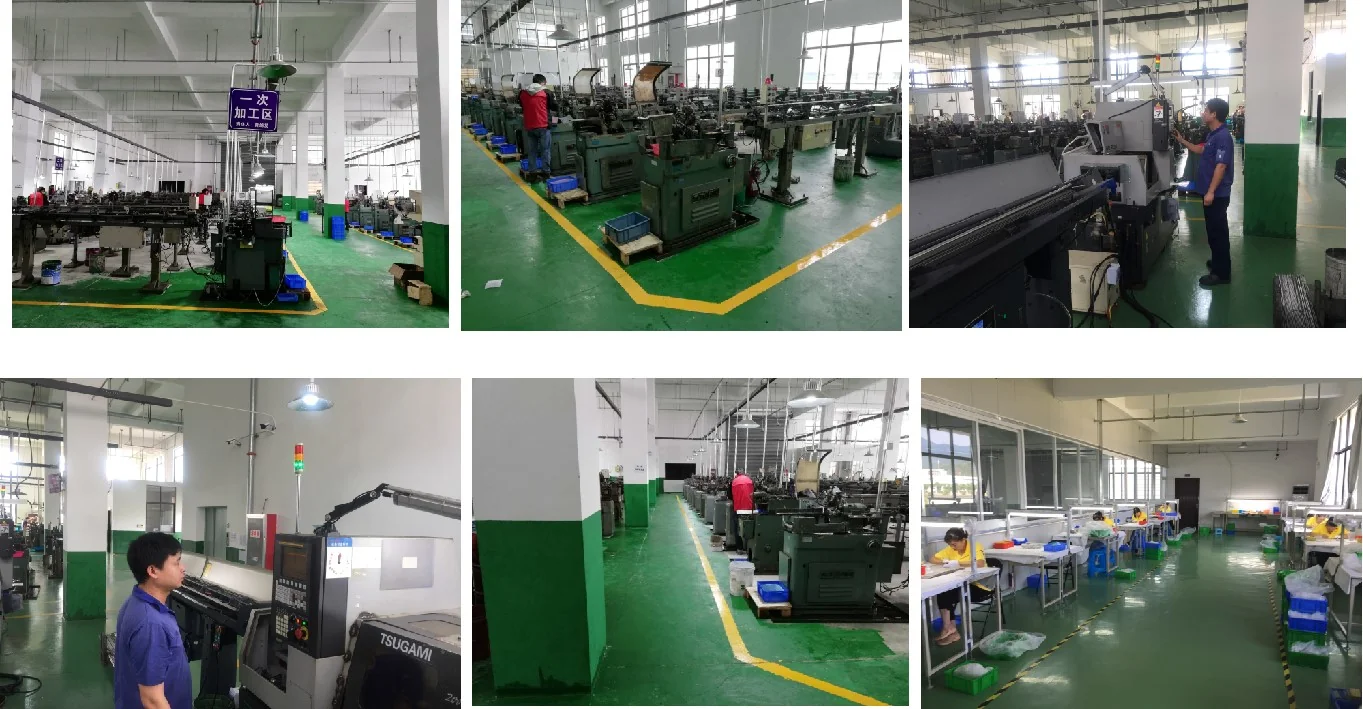
At Suzhou Baoshida Trading Co., Ltd., our engineering capability forms the backbone of our industrial rubber solutions, enabling precision-driven development and scalable manufacturing for global OEM clients. Our in-house technical team comprises five dedicated mould engineers and two specialized formula engineers, creating a synergistic environment where material science and precision tooling converge to deliver high-performance polyurethane silicone components.
Our formula engineers possess deep expertise in polymer chemistry, with a focused understanding of polyurethane silicone systems. They are responsible for designing custom formulations that meet exact mechanical, thermal, and environmental performance criteria. Whether the application demands high tensile strength, exceptional elongation, resistance to UV and ozone, or low compression set, our engineers tailor material compositions to ensure optimal functionality under real-world operating conditions. This scientific approach allows us to support clients across industries such as automotive, medical devices, industrial automation, and renewable energy, where reliability and repeatability are non-negotiable.
Complementing our formulation expertise, our five mould engineers bring extensive experience in precision tool design, tolerance optimization, and manufacturability analysis. They utilize advanced CAD/CAM software and conduct mold flow simulations to anticipate and resolve potential production challenges before tooling fabrication begins. This proactive engineering methodology reduces time-to-market, minimizes material waste, and ensures consistent part quality across production runs. Our team supports both prototype development and high-volume manufacturing, with the ability to design multi-cavity molds and automated demolding systems for cost-effective scaling.
Our OEM capabilities are built on a foundation of technical ownership and vertical integration. From initial concept and material selection to tooling, testing, and full production, we manage every stage internally. This allows for tight control over quality, faster iteration cycles, and full confidentiality—critical advantages for OEM partners developing proprietary systems. We adhere to international quality standards and support documentation including material certifications, process validation reports, and first-article inspection (FAI) data.
The integration of formula development and precision mould engineering enables us to solve complex sealing, damping, and insulation challenges with engineered polyurethane silicone solutions. Our team collaborates directly with client engineering departments to translate functional requirements into manufacturable designs, ensuring performance, durability, and cost-efficiency in every component.
Below is a summary of our core technical capabilities and material performance range:
| Parameter | Typical Range for Polyurethane Silicone | Testing Standard |
|---|---|---|
| Hardness (Shore A) | 30–90 | ASTM D2240 |
| Tensile Strength | 8–25 MPa | ASTM D412 |
| Elongation at Break | 200–600% | ASTM D412 |
| Operating Temperature Range | -50°C to +200°C | ASTM D1329 / ISO 188 |
| Compression Set (22 hrs, 150°C) | ≤25% | ASTM D395 |
| Tear Resistance | 25–60 kN/m | ASTM D624 |
| Electrical Resistivity | >1×10¹⁴ Ω·cm | ASTM D257 |
This technical depth, combined with our OEM-focused service model, positions Suzhou Baoshida as a trusted engineering partner for advanced polyurethane silicone applications.
Customization Process
Polyurethane Silicone Customization Process for Industrial Applications
At Suzhou Baoshida Trading Co., Ltd., our polyurethane elastomer customization process adheres to stringent industrial protocols to ensure optimal performance in demanding environments. This methodology eliminates material failure risks while aligning with OEM production timelines. The process initiates with comprehensive Drawing Analysis, where our engineering team deconstructs client CAD files and GD&T specifications. Critical dimensions, tolerance stacks, and functional interfaces are evaluated against polyurethane’s inherent flow characteristics and cure shrinkage rates. We identify potential molding challenges such as undercuts, thin-wall sections, or ejection stresses, providing actionable feedback within 72 hours to prevent downstream tooling revisions.
Formulation follows, leveraging our proprietary additive database and 15 years of compound development expertise. Material selection prioritizes application-specific requirements: hydrolysis resistance for hydraulic seals, abrasion endurance for mining conveyor belts, or biocompatibility for medical device components. Each formulation undergoes computational modeling to predict crosslink density, thermal stability, and dynamic mechanical behavior. Our ISO 17025-accredited lab validates base polymer selection—ether-based for flexibility or ester-based for oil resistance—while fine-tuning catalyst ratios to achieve target durometer without compromising elongation.
Prototyping employs rapid tooling with aluminum molds, producing 20–50 validation units for functional testing. Units undergo ASTM D2240 hardness verification, ISO 37 tensile trials, and application-specific stress tests such as 1,000-hour compression set analysis at 100°C. Client feedback integrates into iterative adjustments; for instance, modifying filler content to reduce hysteresis in high-cycle pneumatic seals. This phase concludes only when all performance metrics meet or exceed OEM specifications, with full traceability of material batches and process parameters.
Mass Production transitions to hardened steel molds in our IATF 16949-certified facility. In-line monitoring tracks injection pressure, cure temperature gradients, and post-cure oven dwell times via IoT sensors. Every production lot undergoes first-article inspection against the approved prototype, with statistical process control (SPC) charts ensuring Cpk ≥1.33 for critical dimensions. Final validation includes third-party certification for industry standards such as FDA 21 CFR 177.2600 or UL 94 HB flammability ratings.
Critical Polyurethane Elastomer Specifications for Industrial Validation
| Property | Test Standard | Typical Range | Industrial Relevance |
|---|---|---|---|
| Hardness (Shore A/D) | ASTM D2240 | A10–A95 / D30–D80 | Determines seal compression force and wear resistance |
| Tensile Strength (MPa) | ISO 37 | 25–65 | Critical for dynamic load-bearing components |
| Temperature Range (°C) | ISO 188 | -50 to +120 (continuous) | Defines operational limits in extreme environments |
| Compression Set (%) | ASTM D395 | <20 (70h/100°C) | Predicts long-term sealing integrity |
| Tear Strength (kN/m) | ASTM D624 | 60–150 | Resists crack propagation in high-flex applications |
This end-to-end workflow guarantees that each polyurethane component delivers precision performance, reducing client time-to-market by 30% through preemptive engineering validation. Suzhou Baoshida’s OEM partnership model ensures seamless scalability from prototype to high-volume production without requalification delays.
Contact Engineering Team
For industrial manufacturers seeking high-performance elastomeric solutions, Suzhou Baoshida Trading Co., Ltd. stands at the forefront of advanced rubber material supply and technical support. Specializing in precision-engineered polyurethane silicone compounds, we deliver tailored material formulations that meet the rigorous demands of automotive, aerospace, electronics, and heavy machinery sectors. Our commitment to quality, consistency, and innovation ensures that every product shipped meets exact OEM specifications and international performance standards.
Polyurethane silicone is a hybrid elastomer engineered to combine the best attributes of both polyurethane and silicone rubbers. It exhibits superior tensile strength, excellent thermal stability, enhanced abrasion resistance, and reliable flexibility across a broad temperature range. These characteristics make it ideal for dynamic sealing applications, vibration damping components, and electrical insulation systems operating under extreme conditions. At Suzhou Baoshida, we provide fully customizable formulations—adjusting hardness, elongation at break, compression set resistance, and chemical compatibility—based on your operational requirements.
We understand that material selection directly impacts product lifecycle, maintenance frequency, and system efficiency. That is why our team of rubber formula engineers works closely with clients during the development phase to optimize compound design for manufacturability, cost-efficiency, and long-term durability. Whether you are replacing traditional NBR or EPDM seals, or developing next-generation gaskets for high-temperature environments, our technical expertise ensures a seamless transition to high-performance polyurethane silicone.
To facilitate accurate decision-making, below are key physical and mechanical properties of our standard polyurethane silicone formulation:
| Property | Test Method | Value |
|---|---|---|
| Hardness (Shore A) | ASTM D2240 | 70 ± 5 |
| Tensile Strength | ASTM D412 | ≥12 MPa |
| Elongation at Break | ASTM D412 | ≥350% |
| Compression Set (22 hrs at 150°C) | ASTM D395 | ≤25% |
| Operating Temperature Range | — | -50°C to +200°C |
| Specific Gravity | ASTM D297 | 1.15 |
| Tear Resistance | ASTM D624 | ≥40 kN/m |
| Volume Resistivity | ASTM D257 | >1×10¹⁴ Ω·cm |
All materials undergo stringent quality control protocols, including batch traceability, rheometric testing, and accelerated aging simulations. Our supply chain is optimized for reliability, with stable inventory levels and global logistics partnerships ensuring timely delivery to clients across North America, Europe, and Southeast Asia.
If your manufacturing operation demands a durable, chemically resistant, and thermally stable elastomer solution, we invite you to contact Mr. Boyce, OEM Manager at Suzhou Baoshida Trading Co., Ltd. With over 15 years of experience in industrial rubber applications, Mr. Boyce provides direct technical consultation, sample coordination, and volume pricing strategies tailored to your production scale.
For immediate assistance, email Mr. Boyce at [email protected]. Include your material requirements, application environment, and expected annual volume to receive a comprehensive technical datasheet and quotation within 24 business hours. Partner with Suzhou Baoshida to elevate your product performance through scientifically advanced rubber solutions.
⚖️ O-Ring Weight Calculator
Estimate rubber O-ring weight (Approx).