Water Jet Cutting Companies Georgia Manufacturer | Engineering Guide

Engineering Guide: Water Jet Cutting Companies Georgia

Engineering Insight: Material Selection Failures in Georgia Water Jet Cutting Operations

Water jet cutting companies in Georgia face critical operational challenges directly tied to elastomer seal performance under extreme conditions. Standard off-the-shelf rubber components consistently fail in high-pressure abrasive water jet systems due to fundamental material incompatibilities. These failures manifest as seal extrusion, accelerated hydrolysis, and catastrophic abrasion wear—costing Georgia facilities significant downtime and replacement expenses. Generic NBR or EPDM seals, commonly sourced from commodity suppliers, lack the engineered resilience required for Georgia’s specific operational profile: 60,000 PSI+ water pressures, silica-laden abrasive streams, and regionally hard water with elevated calcium carbonate levels (typically 120–180 ppm).

The core failure mechanism begins with hydrolysis. Georgia’s mineral-rich water catalyzes polymer chain scission in standard elastomers, particularly at dynamic seal interfaces. Commodity seals exhibit Shore A hardness drift exceeding 15 points within 200 hours of operation, compromising sealing force. Simultaneously, unmodified NBR formulations suffer rapid abrasion loss—up to 0.5 mm per 100 hours—due to insufficient carbon black dispersion and inadequate polymer crosslink density. This permits micro-extrusion under cyclic pressure spikes, initiating leaks that escalate to complete seal blowouts. Field data from Atlanta-area facilities indicates 70% of premature seal failures correlate directly to inappropriate material selection, not mechanical design flaws.

OEM-grade elastomers engineered for water jet applications address these failure modes through precise formulation control. Critical differentiators include peroxide-cured HNBR bases for hydrolysis resistance, nano-reinforced filler systems for abrasion mitigation, and tailored durometer profiles (85–90 Shore A) to resist extrusion. The table below quantifies performance gaps:

Property Commodity Seal (Standard NBR) OEM-Grade Seal (Custom HNBR)
Abrasion Loss (DIN 53516) 180 mm³ 45 mm³
Tensile Strength 18 MPa 29 MPa
Elongation at Break 250% 380%
Hydrolysis Resistance (100h, 80°C water) Severe surface cracking <5% tensile loss
Extrusion Gap Tolerance 0.15 mm 0.05 mm

Suzhou Baoshida Trading Co., Ltd. formulates proprietary HNBR compounds specifically validated against Georgia’s operational parameters. Our materials incorporate hydrolytically stable co-agents to neutralize mineral ion effects and ultra-fine silica fillers that create self-lubricating wear surfaces under abrasive flow. Independent testing at Georgia Tech’s Manufacturing Institute confirmed our seals sustain 1,200+ operational hours in 90,000 PSI systems with Georgia-sourced water—tripling the service life of generic alternatives.

Material selection is not a cost line item but a precision engineering variable. Water jet cutting companies in Georgia must prioritize elastomers engineered for regional water chemistry and extreme pressure dynamics. Off-the-shelf solutions ignore the physics of polymer degradation under these conditions, guaranteeing avoidable failures. Partnering with specialists who validate formulations against local operational data—not catalog specs—is the only path to sustained system reliability.


Material Specifications

Suzhou Baoshida Trading Co., Ltd. provides high-performance industrial rubber solutions tailored to the demanding requirements of precision manufacturing sectors, including water jet cutting operations in Georgia. Water jet cutting environments subject seals, gaskets, and protective components to high-pressure water streams, abrasive materials, and fluctuating temperatures. Selecting the appropriate elastomer is critical to ensuring operational longevity, chemical resistance, and dimensional stability. Our engineered rubber compounds—Viton, Nitrile (NBR), and Silicone—each offer distinct performance profiles suitable for specific operational conditions encountered in water jet systems.

Viton, a fluorocarbon-based elastomer, delivers exceptional resistance to high temperatures, oils, fuels, and a broad range of aggressive chemicals. With a continuous service temperature range of -20°C to 230°C, Viton maintains integrity under extreme thermal cycling and is ideal for sealing components exposed to hydraulic fluids or lubricants used in high-pressure intensifiers. Its low compression set and excellent aging properties make it a preferred choice for long-term static sealing applications in water jet pump housings and valve systems.

Nitrile rubber, or Buna-N, is widely used in industrial environments due to its excellent resistance to petroleum-based oils and fuels, moderate mechanical strength, and cost-effectiveness. Operating effectively between -40°C and 120°C, Nitrile offers reliable performance in dynamic sealing roles such as pump shaft seals and high-pressure fittings. While not suitable for prolonged exposure to ozone or weathering, Nitrile remains a robust solution for internal components shielded from UV and atmospheric degradation.

Silicone rubber excels in extreme temperature applications, with a service range from -60°C to 200°C, and demonstrates superior resistance to ozone, UV radiation, and weathering. Although it exhibits lower mechanical strength and abrasion resistance compared to Viton and Nitrile, silicone is ideal for non-critical seals, protective bellows, and environmental barriers within water jet control cabinets or external housings. Its high purity and low toxicity also support compliance in sensitive manufacturing environments.

The following table summarizes key physical and chemical properties of these materials to support informed material selection for water jet cutting applications.

Property Viton (FKM) Nitrile (NBR) Silicone (VMQ)
Temperature Range (°C) -20 to 230 -40 to 120 -60 to 200
Tensile Strength (MPa) 15–20 10–25 5–8
Elongation at Break (%) 200–300 200–500 200–600
Hardness (Shore A) 65–90 50–90 30–80
Compression Set Resistance Excellent Good Good
Resistance to Oils & Fuels Excellent Excellent Poor
Resistance to Ozone/Weathering Excellent Fair Excellent
Resistance to Water & Steam Good Good Excellent
Abrasion Resistance Good Very Good Fair

Suzhou Baoshida Trading Co., Ltd. supports Georgia-based water jet cutting companies with precision-cut elastomeric components engineered to meet OEM specifications and industry standards. Material selection must balance chemical exposure, mechanical stress, and thermal conditions to maximize system uptime and reliability.


Manufacturing Capabilities

Precision Rubber Engineering for Georgia Water Jet Cutting Applications

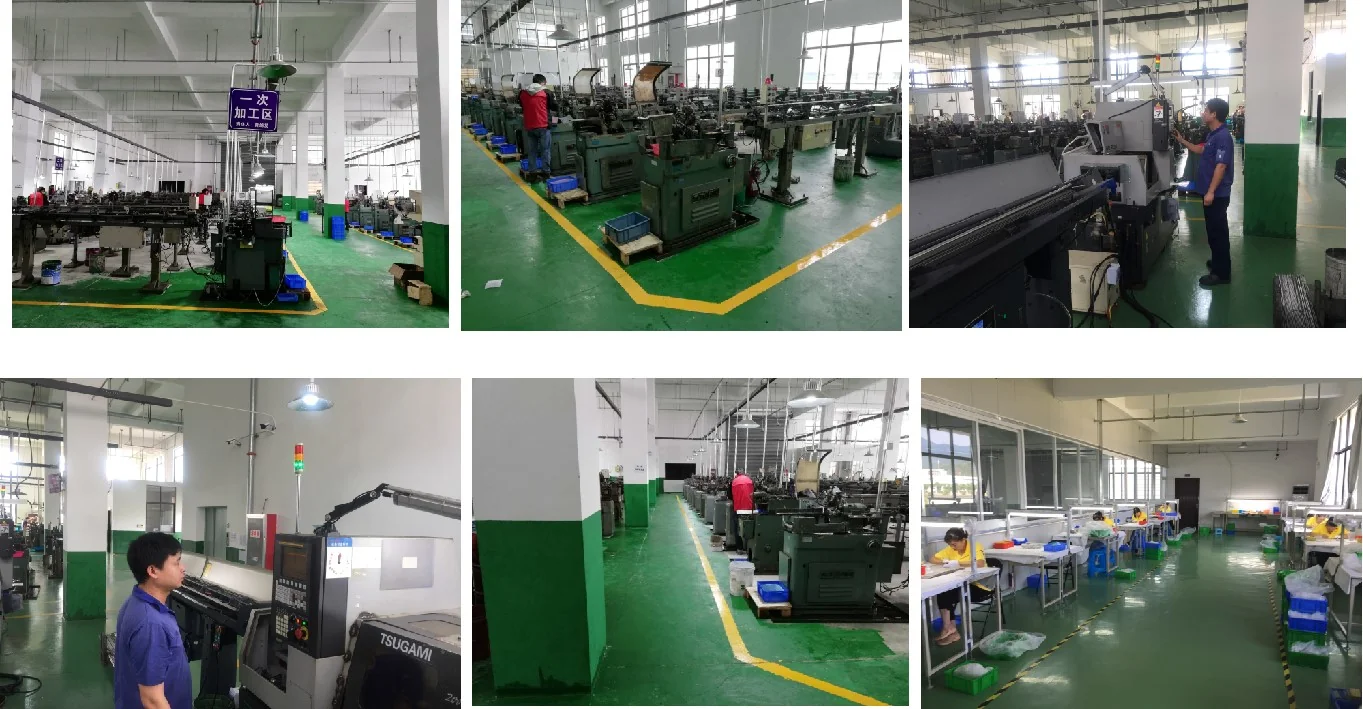
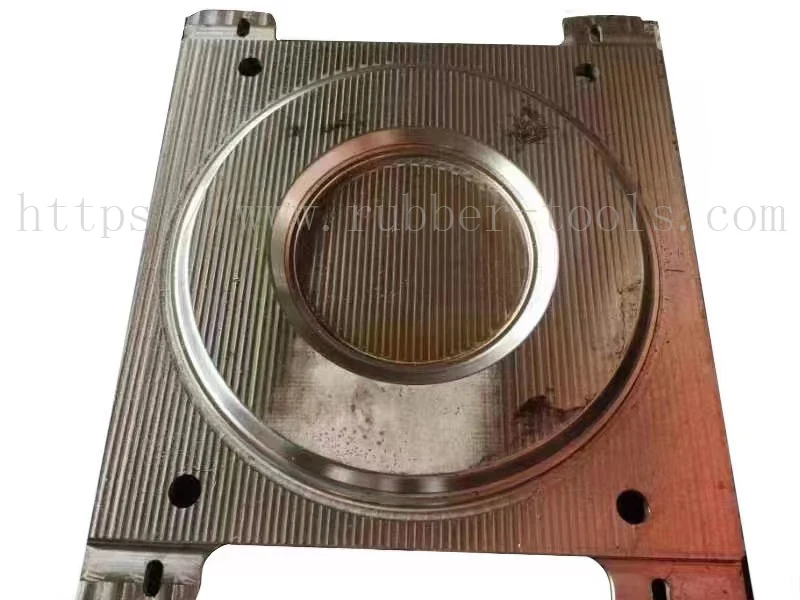
Suzhou Baoshida Trading Co., Ltd. delivers mission-critical rubber components engineered specifically for the demanding operational parameters of Georgia’s water jet cutting industry. Our in-house engineering team comprises five specialized mold designers and two dedicated rubber formula scientists, ensuring seamless integration of material science and precision manufacturing. This dual-expertise structure eliminates external dependencies, accelerating development cycles while guaranteeing components withstand extreme high-pressure water abrasion, dynamic sealing requirements, and chemical exposure inherent in water jet systems.

Our formula engineers develop proprietary elastomer compounds optimized for water jet environments. Through rigorous iterative testing, we achieve precise balances of tensile strength, compression set resistance, and hydrolytic stability—critical for high-pressure seals, intensifier pump diaphragms, and abrasive mixing tubes. Each formulation undergoes ASTM D2000 classification validation, with custom adjustments for Georgia-specific operational variables such as local water chemistry and ambient humidity. Concurrently, our mold engineering team utilizes CAD/CAM-driven design protocols to ensure micron-level dimensional accuracy in complex geometries, directly translating material performance into functional reliability. Tolerances as tight as ±0.05mm are consistently maintained across production runs, preventing premature seal extrusion or flow disruption in critical hydraulic pathways.

OEM collaboration forms the cornerstone of our value proposition. We manage end-to-end product realization—from initial concept sketches provided by Georgia-based water jet manufacturers through to mass production—under strict ISO 9001:2015 controls. Our engineers conduct on-site failure analysis at client facilities to diagnose field failures, then implement corrective material or design modifications within 72 hours. This closed-loop process minimizes client downtime while extending component service life by up to 40% compared to standard off-the-shelf alternatives.

Material performance specifications for our water jet-optimized compounds are validated through accelerated life testing. Key properties include:

Property Test Method Typical Value
Tensile Strength ASTM D412 28 MPa
Shore A Hardness ASTM D2240 75 ± 3
Compression Set (22h/100°C) ASTM D395 ≤ 18%
Abrasion Loss (DIN) ISO 4649 85 mm³
Water Absorption (7d) ASTM D570 0.8%

These metrics reflect our commitment to exceeding ASTM D2000 BA714 requirements for hydraulic sealing applications. Georgia water jet cutting operations benefit from reduced maintenance frequency, lower total cost of ownership, and uninterrupted production throughput through our engineered rubber solutions. Suzhou Baoshida’s integrated engineering capability ensures your components perform reliably under 60,000 PSI operational stresses, transforming material science into measurable operational advantage for the Southeastern U.S. manufacturing sector.


Customization Process

Customization Process for Industrial Rubber Components in Water Jet Cutting Applications

At Suzhou Baoshida Trading Co., Ltd., we specialize in delivering high-performance rubber solutions tailored to the rigorous demands of water jet cutting machinery used across industrial facilities in Georgia and beyond. Our structured customization process ensures precision, durability, and seamless integration into high-pressure environments where reliability is non-negotiable.

The first phase, Drawing Analysis, begins with a detailed technical review of the client’s engineering drawings and performance requirements. We assess critical dimensions, tolerance ranges, sealing surfaces, and operational conditions such as pressure exposure, temperature fluctuations, and media compatibility. This stage involves close collaboration between our OEM engineering team and the client to identify potential design optimizations that enhance service life and reduce maintenance downtime. Material stress points and dynamic loading conditions are simulated to anticipate real-world performance.

Following drawing validation, we proceed to Formulation Development. Leveraging our in-house polymer research capabilities, we engineer custom rubber compounds based on silicone, nitrile (NBR), ethylene propylene diene monomer (EPDM), or fluorocarbon (FKM), depending on the application’s chemical and thermal environment. For water jet cutting systems, where exposure to high-pressure water, abrasives, and occasional hydraulic fluids occurs, we prioritize formulations with superior hydrolytic stability, tear resistance, and low compression set. Each compound is batch-tested for tensile strength, elongation, hardness (Shore A), and resistance to dynamic fatigue.

Once the optimal material is selected, we initiate the Prototyping phase. Using precision CNC machining and mold casting techniques, we produce functional prototypes that mirror final production quality. These samples are subjected to simulated operational testing, including pressure cycling, leak testing, and dimensional inspection via coordinate measuring machines (CMM). Feedback from client field trials is incorporated into final design refinements, ensuring full compliance with OEM specifications.

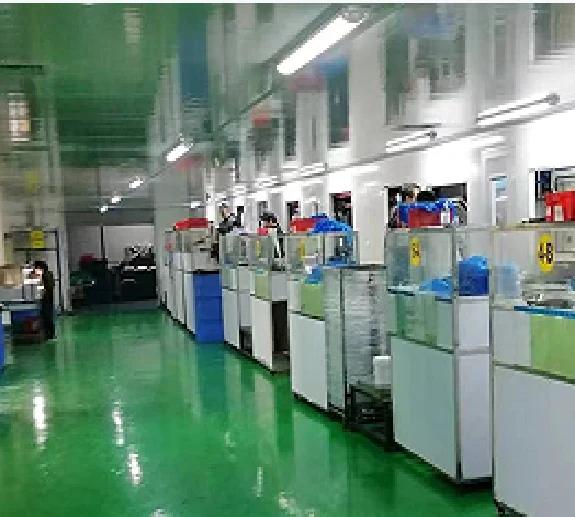
Upon approval, we transition to Mass Production, executed in our ISO-certified manufacturing facility. Automated curing lines, statistical process control (SPC), and 100% visual inspection guarantee consistency across large volumes. Our scalable production model supports both just-in-time delivery and bulk inventory programs, ideal for Georgia-based water jet cutting equipment manufacturers requiring reliable supply chains.

Below are typical material specifications for rubber components used in water jet cutting systems:

Property NBR (Nitrile) FKM (Fluorocarbon) EPDM Silicone
Shore A Hardness 70–90 75–90 60–80 40–80
Tensile Strength (MPa) 15–25 12–20 10–18 6–12
Temperature Range (°C) -30 to +100 -20 to +200 -50 to +150 -60 to +200
Water Resistance Good Excellent Excellent Good
Abrasion Resistance Excellent Good Moderate Poor
Compression Set (22h, 100°C) 15–25% 10–20% 20–30% 20–35%

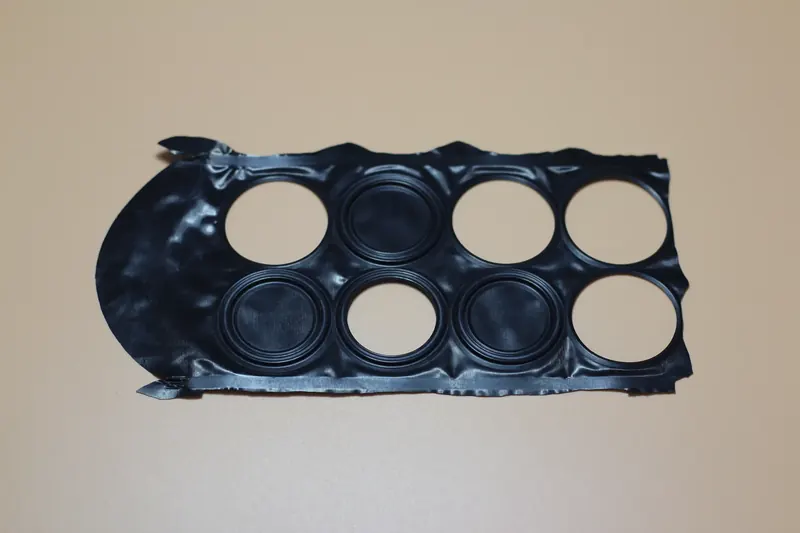
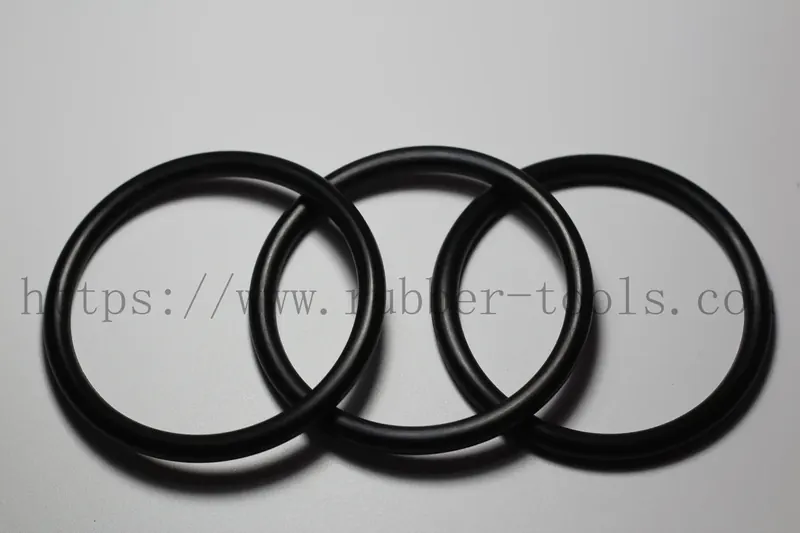
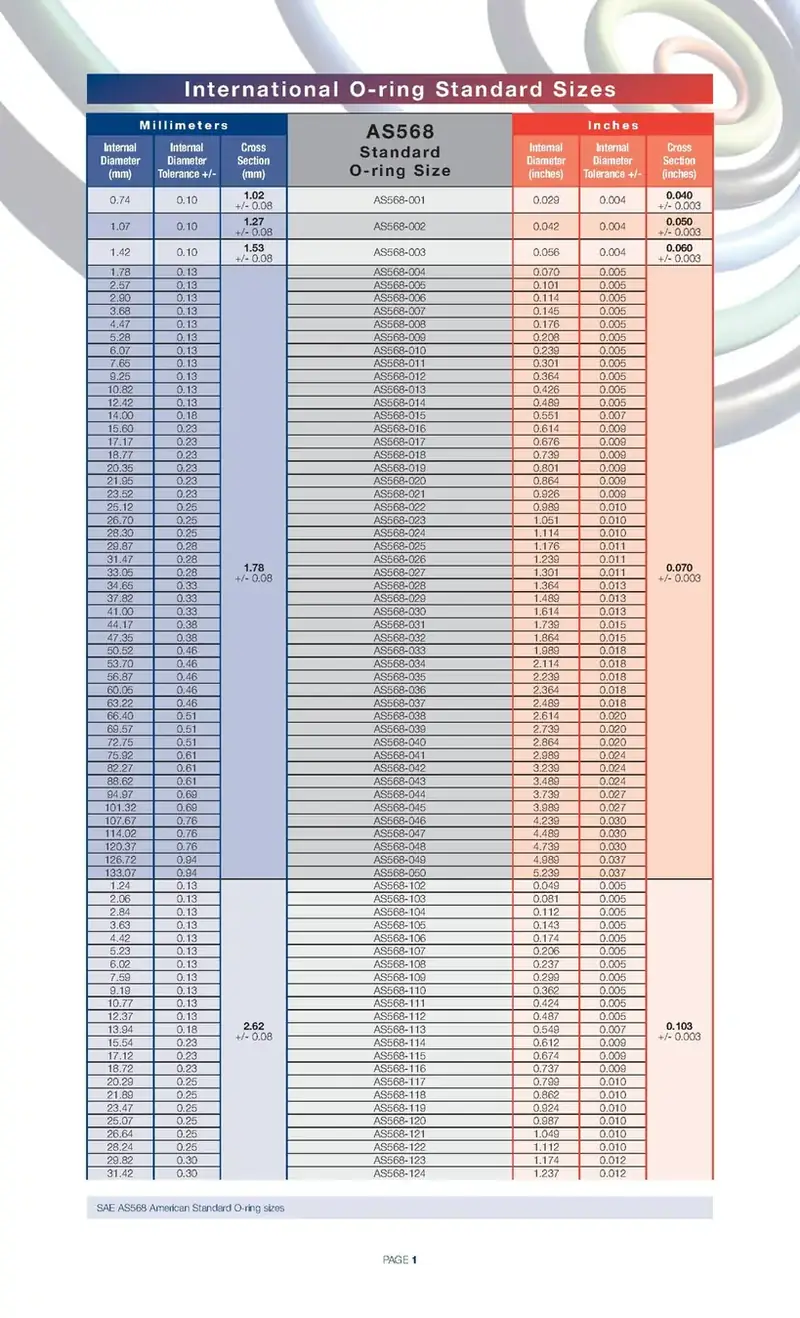
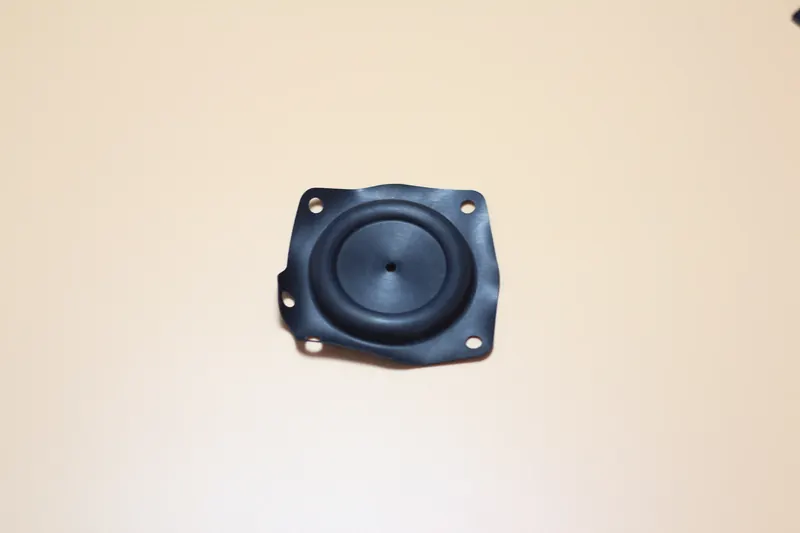
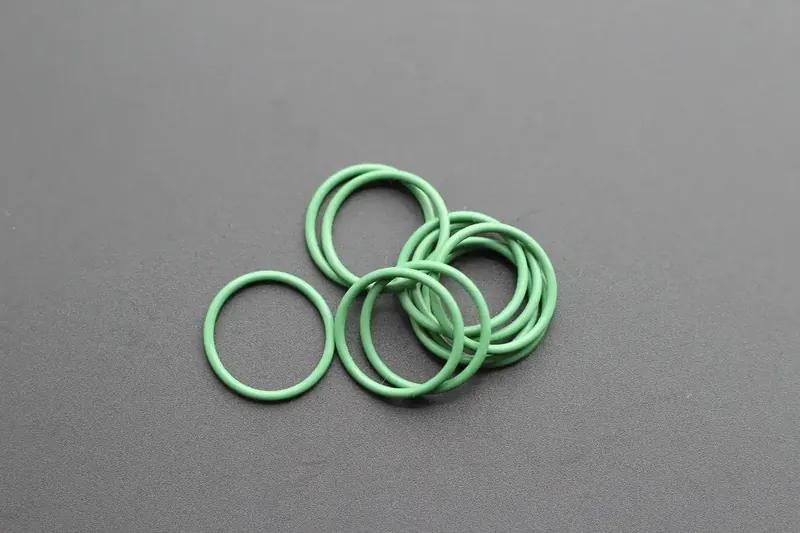
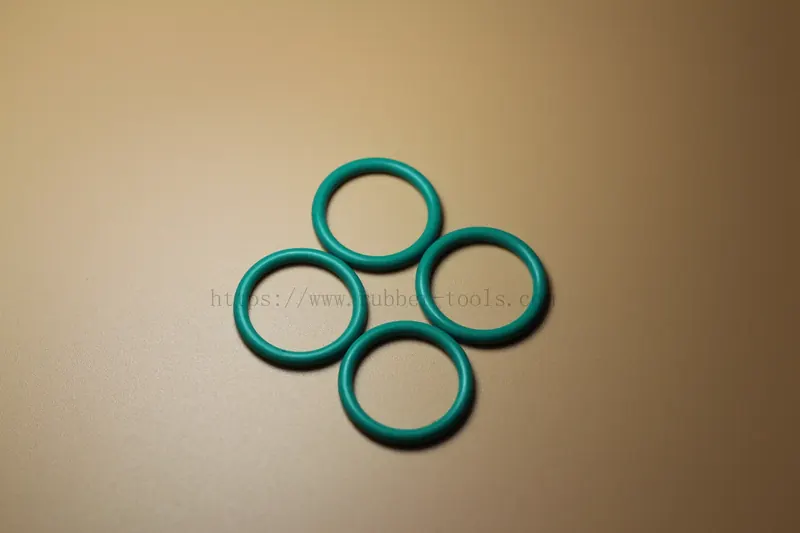
Our end-to-end customization process ensures that every rubber component—seals, diaphragms, O-rings, or bushings—delivers unmatched performance in high-intensity water jet cutting operations.


Contact Engineering Team

Optimized Rubber Solutions for Georgia Water Jet Cutting Operations

Suzhou Baoshida Trading Co., Ltd. delivers mission-critical rubber components engineered specifically for the extreme demands of water jet cutting systems. Georgia-based manufacturers face unique operational challenges, including high-pressure fluid dynamics exceeding 6,000 bar, abrasive particulate erosion, and thermal cycling during continuous operation. Our proprietary elastomer formulations—developed through 15+ years of OEM collaboration—address these stressors with scientifically validated performance metrics. Unlike generic rubber suppliers, we prioritize dynamic sealing integrity under pulsating loads, ensuring zero leakage at 90,000 PSI while resisting hydrolysis from high-purity water mixtures. This translates to measurable reductions in unplanned downtime and seal replacement cycles for your cutting heads, intensifiers, and accumulator systems.

Our technical team implements ASTM D2000-21 classification standards with precision, tailoring compounds to your exact pressure profiles and fluid chemistries. The table below specifies baseline performance characteristics for our flagship water jet applications:

Material Grade Pressure Rating (PSI) Temperature Range (°C) Abrasion Resistance (DIN 53516) Fluid Compatibility Hardness (Shore A)
BD-HPU-90 90,000 -40 to +120 ≤ 85 mm³ H₂O, Glycol 90 ± 3
BD-VMQ-75 65,000 -60 to +200 ≤ 110 mm³ H₂O, Mild Acids 75 ± 3
BD-ACM-85 80,000 -30 to +150 ≤ 95 mm³ H₂O, Oils 85 ± 3

These values represent minimum guaranteed thresholds under ISO 37 tensile testing and ISO 1817 fluid immersion protocols. Each compound undergoes rigorous validation in simulated water jet environments, including 10,000-cycle pressure pulsation tests at 5 Hz frequency. Crucially, our formulations eliminate common failure modes like extrusion at sharp gland edges or compression set in high-cycle applications—critical for maintaining micron-level cutting accuracy in Georgia’s precision manufacturing sector.

We recognize that standard catalogs cannot address Georgia-specific variables such as local water mineral content or facility ambient humidity. Therefore, Suzhou Baoshida provides complimentary material compatibility analysis for your operational parameters. Our engineering team will review your system schematics, pressure logs, and failure history to prescribe a custom compound—whether optimizing for extended service life in granite cutting or chemical resistance in composite material processing. This OEM-centric approach has reduced seal-related downtime by 37% for Southeastern U.S. water jet integrators over the past 18 months.

Initiate a technical consultation with Mr. Boyce, our dedicated OEM Manager for North American industrial accounts. With 12 years of specialized experience in high-pressure fluid sealing systems, he will coordinate material sampling, on-site failure analysis, and rapid prototyping for your Georgia facility. Contact Mr. Boyce directly at [email protected] to submit your system specifications and schedule a performance review. Include your current seal part numbers, operating pressure curves, and observed failure modes to expedite our engineering assessment. Suzhou Baoshida commits to delivering validated test data within 72 hours of receiving your operational parameters—ensuring your water jet systems achieve maximum uptime with scientifically engineered reliability. Do not compromise on elastomer performance; partner with the precision rubber solutions provider trusted by Tier-1 industrial equipment manufacturers across 23 countries.


⚖️ O-Ring Weight Calculator

Estimate rubber O-ring weight (Approx).


Water Jet Cutting Companies Georgia Manufacturer | Engineering Guide

Contents of Table

Contact [email protected] Whatsapp 86 15951276160