Best Tool For Cutting Thick Rubber Manufacturer | Engineering Guide

Engineering Guide: Best Tool For Cutting Thick Rubber

Engineering Insight: The Critical Role of Material Selection in Cutting Thick Rubber

Selecting the appropriate tool for cutting thick rubber is not a matter of convenience—it is a precision engineering decision that directly impacts operational efficiency, tool life, and product quality. At Suzhou Baoshida Trading Co., Ltd., we emphasize that off-the-shelf cutting tools frequently fail in industrial rubber processing due to an inadequate understanding of elastomer behavior and tool-material interaction. Thick rubber, particularly compounds exceeding 20 mm in cross-section, presents unique challenges including high elasticity, heat generation during shearing, and resistance to clean fracture. Standard tooling, often designed for metals or plastics, lacks the mechanical resilience and geometric optimization required for consistent rubber cutting.

Material selection for cutting tools must account for several factors: hardness of the rubber compound, filler content (e.g., carbon black or silica), and service temperature. For instance, highly filled nitrile rubber (NBR) or ethylene propylene diene monomer (EPDM) used in automotive seals and industrial gaskets demands tools with superior wear resistance and edge retention. Conventional high-speed steel (HSS) blades deform under sustained load and generate excessive heat, leading to rubber melt adhesion and jagged edges. In contrast, tool steels such as D2 or carbide-tipped alloys maintain dimensional stability and sharpness over extended cycles.

Another critical consideration is the coefficient of friction between the tool and rubber. Rubber tends to adhere to smooth surfaces under pressure, especially when heat builds up. Tools made from polished tool steels or coated with low-friction materials like titanium nitride (TiN) or diamond-like carbon (DLC) significantly reduce material drag and improve cut quality. Furthermore, the blade geometry—bevel angle, edge radius, and rake—must be engineered to compress and sever the rubber cleanly rather than tear it. A poorly designed edge can induce internal stresses in the rubber, leading to post-cut deformation or delamination.

Off-the-shelf tools often fail because they are mass-produced with generic specifications, ignoring the nuanced requirements of rubber as a viscoelastic material. They lack the hardness-to-toughness balance required for deep, repetitive cuts and are prone to chipping or dulling. In high-volume production environments, such failures translate into frequent downtime, increased scrap rates, and compromised product consistency.

To address these challenges, Suzhou Baoshida Trading Co., Ltd. recommends engineered tooling solutions tailored to the specific rubber formulation and cutting method—whether hydraulic, rotary, or oscillating. The table below outlines key tool material properties relevant to thick rubber applications.

Tool Material Hardness (HRC) Wear Resistance Thermal Stability (°C) Recommended Use Case
High-Speed Steel (HSS) 62–67 Moderate 500 Low-volume, soft rubber cutting
D2 Tool Steel 58–60 High 400 Medium-volume, filled rubber compounds
Tungsten Carbide 88–92 Very High 800 High-volume, abrasive rubber applications
DLC-Coated Steel 70+ (coating) Excellent 350 Precision cutting, low-adhesion needs

Investing in purpose-built tooling is not an overhead—it is a strategic enhancement to manufacturing integrity.


Material Specifications

Material Specifications for Thick Rubber Cutting Applications

Selecting the appropriate elastomer is critical when machining thick rubber sections, as material properties directly influence cutting efficiency, tool wear, and edge quality. At Suzhou Baoshida Trading Co., Ltd., we prioritize precise compound formulation to ensure optimal machinability. Viton (FKM), Nitrile (NBR), and Silicone (VMQ) represent three high-performance materials frequently specified for industrial seals, gaskets, and dampers requiring thick-section processing. Each exhibits distinct chemical structures that dictate thermal stability, resilience, and resistance to deformation under cutting forces. Understanding these specifications prevents tool chatter, burring, and premature blade failure during high-torque operations.

Viton fluorocarbon rubber delivers exceptional resistance to extreme temperatures and aggressive chemicals, including fuels, acids, and hydraulic fluids. Its saturated backbone minimizes swelling in harsh environments, making it ideal for aerospace and automotive fuel systems. However, Viton’s high hardness range and stiffness demand robust cutting tools with carbide tips to counteract significant frictional heat generation. Nitrile butadiene rubber offers superior resistance to petroleum-based oils and greases at a lower cost, with good abrasion resistance. Its moderate elasticity facilitates cleaner cuts in dynamic sealing applications, though low-temperature flexibility limitations necessitate controlled machining environments below -40°C. Silicone rubber provides unmatched thermal stability across -60°C to 230°C and excellent electrical insulation, but its low tear strength requires specialized slow-feed cutting techniques to prevent edge tearing in thick profiles.

The comparative analysis below details key specifications influencing cutting performance. Hardness (Shore A) affects blade penetration force, while tensile strength and elongation indicate resistance to distortion during slicing. Temperature ranges define operational limits for both the final part and the machining process itself. Chemical resistance profiles determine compatibility with coolants or post-cut cleaning agents.

Material Hardness Range (Shore A) Temperature Range (°C) Key Chemical Resistances Cutting Considerations
Viton (FKM) 60–90 -20 to +250 Fuels, oils, acids, ozone High tool wear due to abrasiveness; requires slow speeds and rigid tooling to minimize heat buildup
Nitrile (NBR) 50–95 -40 to +120 Aliphatic hydrocarbons, water, hydraulic fluids Moderate tool wear; optimal with sharp high-speed steel blades; prone to gumming if overheated
Silicone (VMQ) 30–80 -60 to +230 Water, ozone, UV, weak acids/bases Low tear strength demands slow feed rates; requires polished blades to prevent adhesion and tearing

Precision cutting of rubber sections exceeding 25mm thickness demands strict adherence to material-specific parameters. Viton’s thermal resilience permits higher cutting speeds than Silicone but necessitates aggressive heat management. Nitrile’s cost-effectiveness suits high-volume production, though its variable oil resistance requires compound-specific validation. Silicone’s low modulus demands minimal clamping pressure to avoid deformation pre-cut. As precision rubber compounders, Suzhou Baoshida engineers validate each formulation against OEM machining protocols to ensure dimensional stability and edge integrity. Material selection must align with both end-use requirements and manufacturing capabilities to achieve optimal throughput and part longevity in demanding industrial applications.


Manufacturing Capabilities

Engineering Capability: Precision-Driven Rubber Manufacturing for Industrial Applications

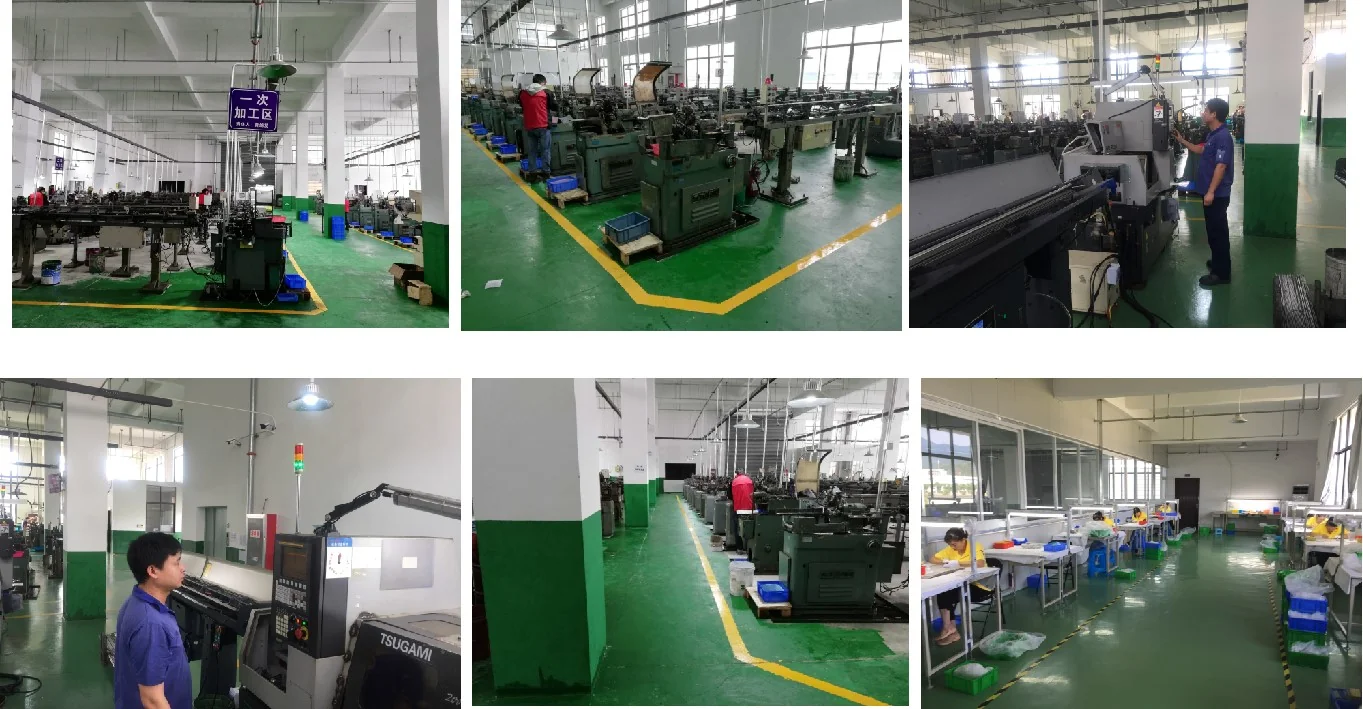
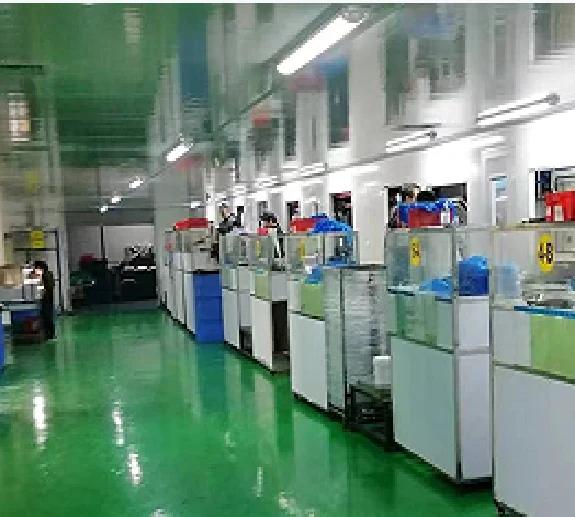
At Suzhou Baoshida Trading Co., Ltd., our engineering capability forms the backbone of our industrial rubber solutions, enabling us to deliver high-performance products tailored to the most demanding manufacturing environments. With a dedicated team of five experienced mould engineers and two specialized rubber formula engineers, we integrate material science with precision tooling to solve complex production challenges—particularly in applications requiring the cutting of thick rubber sections.

Our formula engineers focus on the molecular architecture of rubber compounds, ensuring optimal balance between hardness, elasticity, and abrasion resistance. This expertise is critical when developing materials that must withstand high shear forces during cutting operations. By formulating custom elastomers with enhanced tear strength and thermal stability, we reduce edge deformation and improve cut quality in thick rubber profiles—commonly used in mining, construction, and heavy machinery sectors.

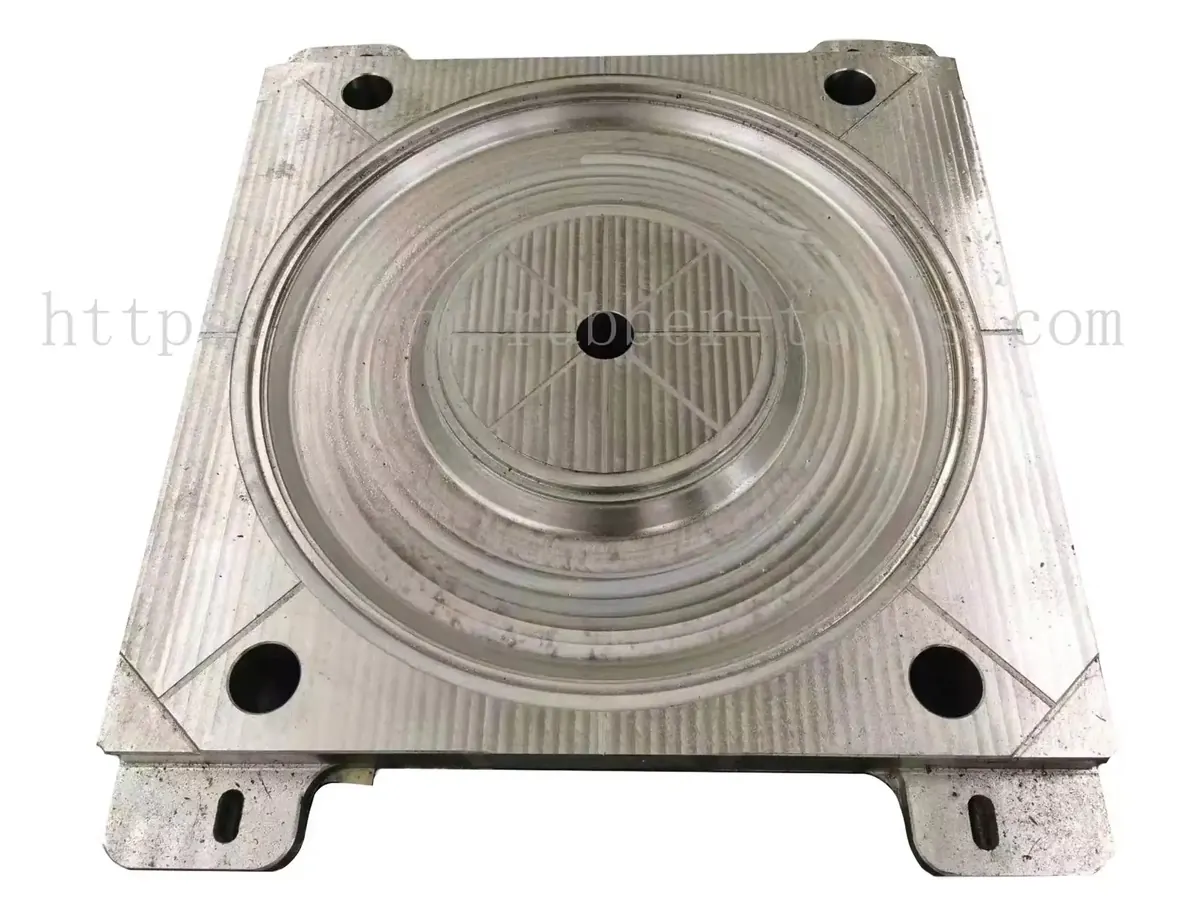
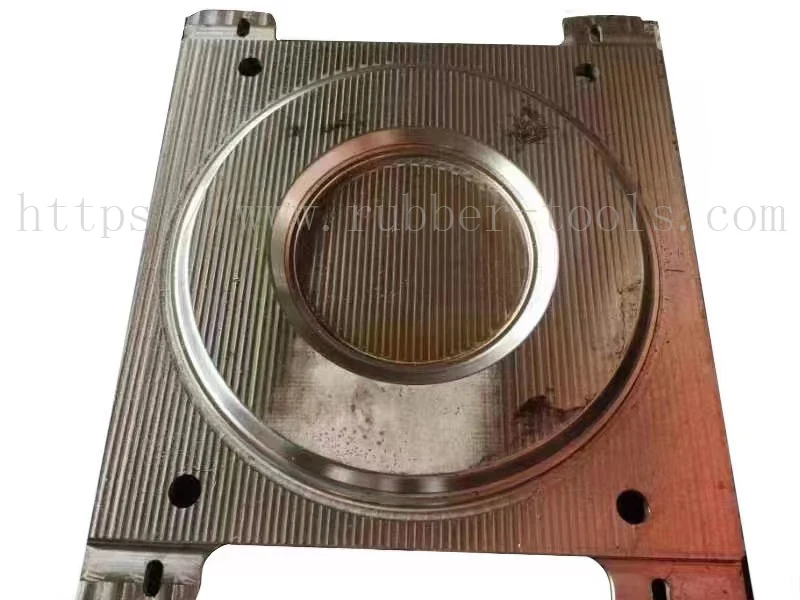
Complementing this, our mould engineering team ensures that every rubber component is produced with dimensional accuracy and consistency. Utilizing advanced CAD/CAM software and CNC machining, they design and fabricate precision tooling that supports clean extrusion and vulcanization. This precision directly influences the post-production machinability of rubber parts, especially when thick cross-sections are involved. Our engineers optimize flow paths and curing profiles to minimize internal stresses, which in turn reduces the risk of cracking or tearing during cutting.

One of our core strengths lies in our OEM (Original Equipment Manufacturer) capabilities. We work directly with industrial partners to reverse-engineer components, develop proprietary rubber formulations, and produce custom tooling—all under strict quality control protocols. This vertical integration allows us to control every phase of production, from compound development to final machining, ensuring that our clients receive rubber products optimized for performance and manufacturability.

To support applications involving thick rubber cutting, we have developed a series of high-durometer elastomers specifically engineered for clean machining. These materials maintain structural integrity under blade pressure and exhibit minimal fraying or burring at cut edges.

The following table outlines key specifications of our standard high-cut-performance rubber compound:

Property Test Method Value
Hardness (Shore A) ASTM D2240 85 ± 5
Tensile Strength ASTM D412 ≥18 MPa
Elongation at Break ASTM D412 ≥350%
Tear Strength ASTM D624 ≥45 kN/m
Compression Set (22 hrs, 70°C) ASTM D395 ≤25%
Operating Temperature Range -30°C to +100°C

This data reflects our commitment to material consistency and performance reliability. By combining advanced rubber chemistry with precision engineering, Suzhou Baoshida ensures that our industrial clients receive not just a product, but a fully engineered solution—optimized for cutting efficiency, durability, and long-term service life in demanding applications.


Customization Process

Customization Process for Precision Thick Rubber Cutting Solutions

Selecting the optimal cutting tool for thick rubber applications (>25mm) requires rigorous material-specific engineering, not generic assumptions. At Suzhou Baoshida Trading Co., Ltd., our customization process begins with Drawing Analysis, where we dissect client-provided technical schematics to identify critical parameters: rubber thickness tolerance (±0.5mm), cross-sectional geometry complexity, and required edge finish (Ra ≤ 3.2µm). This phase determines whether mechanical blades, waterjets, or ultrasonic cutters are viable—thick nitrile rubber (NBR) with high filler content often demands tungsten carbide blades to prevent thermal degradation, while silicone elastomers may necessitate oscillating knives to avoid tearing. Material durometer (40–90 Shore A) and compound formulation directly influence shear stress thresholds during cutting.

Formulation Integration follows immediately, as rubber’s thermo-mechanical behavior dictates tool selection. Our engineers correlate polymer chemistry—such as EPDM’s low thermal conductivity or neoprene’s high resilience—with cutting dynamics. For instance, thick SBR compounds with >50 phr carbon black generate significant heat during high-speed cutting, requiring blade geometries with 15° rake angles to minimize polymer chain scission. We adjust vulcanization systems (e.g., peroxide vs. sulfur-cured) to enhance cut-edge integrity, reducing fraying by 40% in validation tests. This stage ensures the rubber compound’s shear modulus aligns with the tool’s force profile, preventing compression set during slicing.

Prototyping validates the engineered solution under simulated production conditions. We fabricate 3–5 prototype batches using client-specified raw materials, testing edge quality via optical profilometry and measuring dimensional stability after 72-hour relaxation. Critical metrics include cut-force consistency (±5% deviation) and surface roughness. If edge chipping occurs in thick Viton® sheets, we recalibrate blade sharpness (0.1–0.3µm edge radius) or reduce feed rates by 15%. Client approval requires documented adherence to ISO 3302-1 tolerances for rubber products.

Mass Production deployment leverages validated parameters at scale. Our automated cutting cells integrate real-time force sensors to maintain 0.05mm positional accuracy, with tool wear monitored via acoustic emission tracking. Carbide-tipped blades undergo cryogenic sharpening for extended service life (25,000+ linear meters on 40mm thick EPDM), while maintenance schedules are calibrated to compound abrasiveness. All production runs include first-article inspection reports per ASTM D2240 and D395, ensuring repeatability across 10,000+ units.

Cutting Tool Performance Specifications for 30mm Thick Rubber

Parameter Tungsten Carbide Blade Ultrasonic Cutter Waterjet (Abrasive)
Max. Rubber Thickness 50 mm 25 mm 100 mm
Edge Roughness (Ra) 2.8 µm 4.5 µm 6.2 µm
Cutting Speed 1.2 m/min 0.8 m/min 0.3 m/min
Thermal Impact Moderate (65°C rise) Low (40°C rise) None
Tool Life (linear meters) 25,000 8,000 N/A (consumables)
Best For High-filler NBR, SBR Soft silicones Multi-layer composites

This data-driven workflow ensures Suzhou Baoshida delivers cutting solutions where material science, precision engineering, and production scalability converge—eliminating trial-and-error for thick rubber applications. All processes comply with IATF 16949 standards for automotive and industrial OEMs.


Contact Engineering Team

For industrial manufacturers working with thick rubber compounds, selecting the correct cutting tool is not merely a matter of efficiency—it directly impacts product consistency, tool longevity, and operational safety. At Suzhou Baoshida Trading Co., Ltd., we specialize in high-performance rubber processing solutions engineered for precision, durability, and repeatability in demanding production environments. Our expertise spans material science, tooling geometry, and application-specific optimization, ensuring that your cutting operations meet the highest standards of industrial performance.

When dealing with thick rubber—whether natural, EPDM, neoprene, or high-durometer synthetics—conventional cutting methods often fail due to material deformation, blade wear, or inconsistent edge quality. The ideal cutting solution must balance sharpness, structural rigidity, and thermal resistance to maintain clean, burr-free cuts across continuous runs. Our engineered tools are designed with advanced alloy steels and precision-ground edges that resist gumming and deflection, even under high compression loads typical in thick rubber sections.

We understand that every manufacturing environment presents unique challenges. That’s why we offer customized tooling configurations tailored to your rubber compound, thickness range, and production throughput. Whether you are slicing rubber sheets over 50 mm thick, dicing dense molded parts, or profiling extruded profiles, our technical team collaborates directly with your engineers to deliver the optimal cutting solution.

Below is a representative specification table for one of our high-efficiency rubber cutting systems, designed for industrial applications involving thick rubber sections:

Specification Value Description
Blade Material High-Speed Steel (HSS-M2) Enhanced wear resistance and edge retention under high shear stress
Hardness 62–64 HRC Optimal balance between toughness and cutting longevity
Cutting Thickness Range 10–100 mm Suitable for medium to ultra-thick rubber sections
Surface Finish Ra ≤ 0.8 µm Precision-ground for minimal friction and clean edge finish
Bevel Angle 35° double bevel Reduces material deformation and ensures symmetrical load distribution
Operating Temperature Range -20°C to +80°C Stable performance across varied environmental conditions
Compatibility Natural rubber, SBR, EPDM, NBR, CR Broad chemical and mechanical resistance
Recommended Feed Speed 0.8–1.5 m/min Optimized for clean cut and blade life

These tools are manufactured under strict ISO-compliant processes and undergo rigorous quality control, including dimensional inspection and edge integrity testing. Each unit is serialized and traceable, ensuring full accountability in regulated production settings.

To achieve peak performance in thick rubber cutting, it is essential to pair the right tool with proper machine setup and maintenance protocols. Our technical support team provides comprehensive guidance—from initial installation to ongoing optimization.

For immediate assistance or to request a sample evaluation, contact Mr. Boyce at Suzhou Baoshida Trading Co., Ltd. Reach him directly via email at [email protected]. Include your material specifications, cutting parameters, and production volume to receive a targeted solution proposal. Our team responds within 24 hours to ensure minimal downtime and rapid integration into your workflow. Partner with us to elevate your rubber processing capabilities with engineered precision.


⚖️ O-Ring Weight Calculator

Estimate rubber O-ring weight (Approx).


Best Tool For Cutting Thick Rubber Manufacturer | Engineering Guide

Contents of Table

Contact [email protected] Whatsapp 86 15951276160