Foamed Plastic Manufacturer | Engineering Guide

Engineering Guide: Foamed Plastic

Engineering Insight: Material Selection Imperatives for Foamed Elastomer Applications

Material selection for foamed elastomers represents a non-negotiable engineering decision point in industrial manufacturing. Off-the-shelf foamed plastic solutions frequently fail in demanding OEM environments due to fundamental mismatches between generic material properties and application-specific stressors. These failures manifest as premature compression set, chemical degradation, thermal instability, or loss of sealing integrity—directly impacting product lifespan, safety compliance, and total cost of ownership. Generic foams prioritize broad market appeal over precision performance, often sacrificing critical attributes like cell structure uniformity, crosslink density, or additive stability to reduce base material costs. Consequently, they lack the tailored resilience required for dynamic sealing, vibration damping, or environmental barrier functions in automotive, aerospace, or industrial machinery contexts.

The core failure mechanism lies in unaddressed property trade-offs. A foam optimized for low density may exhibit poor tear strength under cyclic loading. One formulated for chemical resistance might suffer accelerated aging at elevated temperatures. Standard formulations rarely account for synergistic stressors—such as simultaneous exposure to ozone, hydraulic fluids, and mechanical compression—common in real-world operations. Suzhou Baoshida Trading Co., Ltd. emphasizes that successful elastomeric foam engineering requires deep analysis of: operational temperature extremes, fluid compatibility spectra, compression-deflection requirements, and long-term creep behavior. Without this rigor, OEMs face costly field failures, warranty liabilities, and production line stoppages that negate any initial procurement savings.

Critical material properties must align with application physics. The table below contrasts common off-the-shelf foam limitations against engineered elastomeric solutions:

Property Off-the-Shelf Foam Typical Range Engineered Elastomeric Foam Target Failure Consequence in Demanding Applications
Compression Set (ASTM D395, 22h/70°C) 40-60% <15% Seal leakage after 500 hours of service
Continuous Use Temp -20°C to +80°C -55°C to +200°C Hardening/degradation in automotive underhood
Fluid Resistance (ISO 1817) Moderate (swell >25% in oils) High (swell <10% in ISO Group 1-3) Swelling-induced seal extrusion
Tear Strength (ASTM D624) 1.5-2.5 kN/m 4.0-8.0 kN/m Gasket fragmentation during assembly
Closed-Cell Content 60-75% >90% Moisture ingress in marine electronics housings

Suzhou Baoshida Trading Co., Ltd. implements a structured material qualification protocol that begins with OEM application mapping and stressor quantification. We reject one-size-fits-all approaches, instead formulating custom nitrile (NBR), ethylene propylene (EPDM), or silicone-based foams with controlled cell morphology, optimized polymer backbone saturation, and purpose-driven additive packages. This precision engineering ensures consistent performance under specified loads, extending service life by 300-500% compared to generic alternatives. Material selection is not a procurement exercise—it is the foundational engineering act determining system reliability. Partnering with a specialist who treats foam as a functional engineered component, not a commodity, transforms failure risk into competitive advantage.


Material Specifications

Foamed plastics are engineered materials widely used in industrial sealing, insulation, and vibration damping applications due to their compressibility, resilience, and chemical resistance. At Suzhou Baoshida Trading Co., Ltd., we specialize in high-performance foamed elastomers tailored for demanding environments. Among the most critical materials in our portfolio are Viton (FKM), Nitrile (NBR), and Silicone (VMQ) foams. Each material offers distinct advantages depending on temperature range, chemical exposure, and mechanical requirements. Understanding their material specifications is essential for optimal performance in automotive, aerospace, electronics, and industrial equipment sectors.

Viton foamed plastic is recognized for its exceptional resistance to high temperatures and aggressive chemicals, including oils, fuels, and acids. It maintains structural integrity and sealing capability in continuous service up to 200°C, with short-term exposure tolerance up to 250°C. This makes Viton ideal for under-the-hood automotive components, fuel system gaskets, and chemical processing equipment. Its closed-cell structure provides low permeability and excellent compression set resistance, ensuring long-term reliability in dynamic sealing applications.

Nitrile foamed rubber is a cost-effective solution for applications involving petroleum-based fluids and moderate temperatures. With a continuous operating range of -30°C to 100°C, NBR foam delivers strong abrasion resistance and mechanical stability. It is commonly used in HVAC systems, automotive seals, and industrial gasketing where oil resistance is required but extreme heat is not a factor. The material’s open or semi-closed cell variants offer tunable compression and recovery characteristics, making it suitable for both static and dynamic sealing roles.

Silicone foamed plastic excels in extreme temperature environments, functioning reliably from -60°C to 200°C. Its inert nature, UV resistance, and biocompatibility make it suitable for outdoor, medical, and food-contact applications. Silicone foam also demonstrates excellent resistance to ozone and weathering, maintaining flexibility over prolonged exposure to harsh climates. While it has lower tensile strength compared to Viton and Nitrile, its thermal stability and electrical insulation properties are superior, supporting use in electronics enclosures and fire-resistant insulation.

The following table provides a comparative overview of key physical and chemical properties for these foamed materials.

Property Viton (FKM) Foam Nitrile (NBR) Foam Silicone (VMQ) Foam
Temperature Range (°C) -20 to 200 (250 peak) -30 to 100 -60 to 200
Density Range (kg/m³) 300–600 200–500 250–450
Compression Set (22h, 150°C) ≤30% ≤40% ≤25%
Tensile Strength (MPa) 2.5–5.0 1.8–4.0 1.5–3.5
Elongation at Break (%) 150–300 100–250 100–200
Fluid Resistance Excellent (oils, fuels) Good (oils, water) Fair (water, ozone)
Flame Resistance High Moderate High
Typical Applications Aerospace seals, chemical gaskets Automotive gaskets, HVAC Electronics, medical devices

Selecting the appropriate foamed plastic requires a detailed assessment of operational conditions. Suzhou Baoshida Trading Co., Ltd. supports OEMs with material testing, custom formulation, and precision fabrication to meet exacting industrial standards.


Manufacturing Capabilities

Engineering Capability: Precision Development for Foamed Plastic Applications

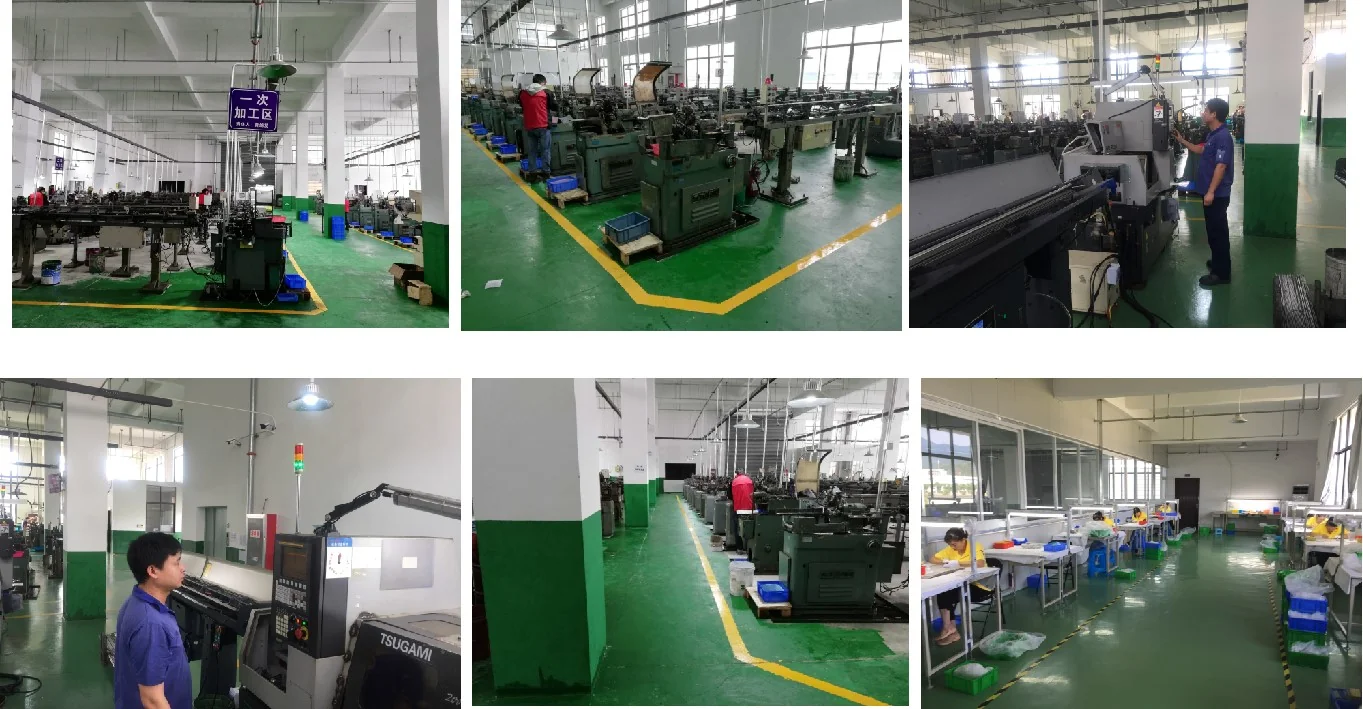
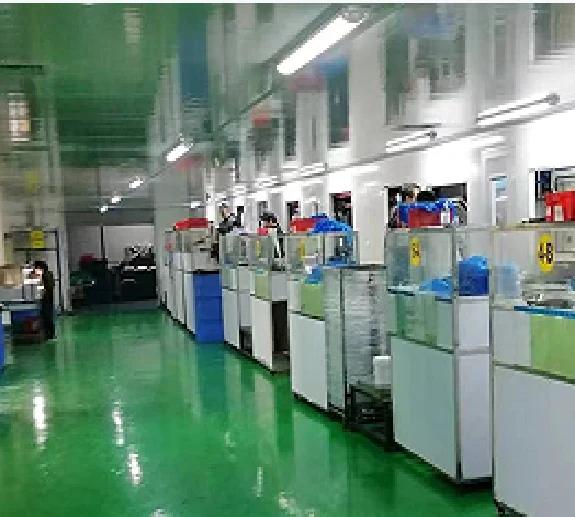
Suzhou Baoshida Trading Co., Ltd. leverages a dedicated engineering cohort to deliver rigorously validated foamed plastic solutions for demanding industrial environments. Our team comprises five specialized mold engineers and two advanced formula engineers, operating within an integrated R&D framework that bridges material science and precision manufacturing. This structure ensures seamless transition from conceptual design to high-fidelity production, eliminating cross-departmental friction common in outsourced manufacturing.

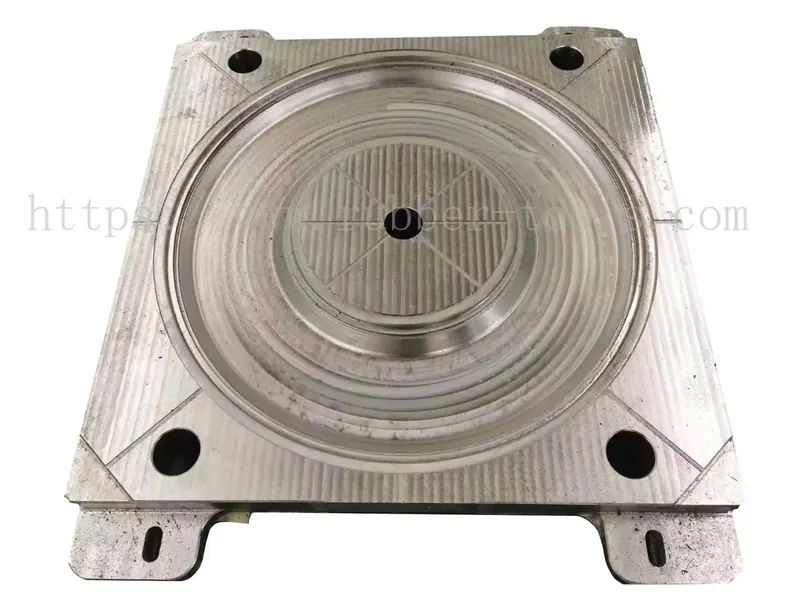
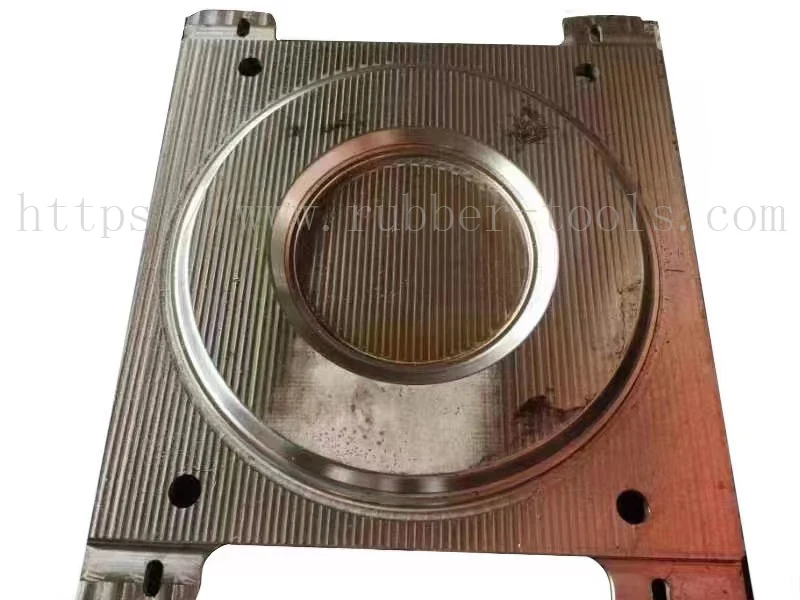
Mold engineers utilize Siemens NX and Moldflow simulation to optimize cavity geometry, venting, and thermal management for complex foamed structures. We focus on mitigating knit lines, sink marks, and density gradients inherent in low-pressure molding processes. All tooling undergoes metrology-grade validation using Zeiss coordinate measuring machines, guaranteeing dimensional repeatability within ±0.05mm for critical sealing surfaces. Our in-house EDM and CNC capabilities support rapid iteration cycles, reducing time-to-prototype by 30% compared to industry benchmarks.

Formula engineers specialize in tailoring elastomeric and thermoplastic foam matrices to exact performance thresholds. We manipulate cross-linking kinetics, blowing agent decomposition profiles, and filler dispersion to achieve target properties: compression set resistance below 25% after 70 hours at 70°C, thermal stability from -50°C to 150°C, and closed-cell densities ranging from 0.25 to 0.85 g/cm³. Proprietary antioxidant packages extend service life in ozone-rich or UV-exposed applications without sacrificing expansion efficiency. Every formulation undergoes ASTM D3574 and ISO 1856 accelerated aging protocols prior to release.

Our OEM capabilities encompass full intellectual property protection, from initial concept sketch to serialized production. We manage tooling ownership, material batch traceability, and first-article inspection reports per AS9102 standards. Clients retain exclusive rights to custom formulations and geometries, with non-disclosure agreements enforced across all operational tiers. This closed-loop validation system ensures compliance with automotive (IATF 16949), medical (ISO 13485), and aerospace specifications.

Key material performance attributes are summarized below for standard versus custom-engineered foamed plastics:

Property Standard Foam Range Custom Formulation Capability
Density (g/cm³) 0.30–0.60 0.25–0.85 (precision-tuned)
Compression Set (70°C/22h) ≤ 35% ≤ 22% (specialty elastomers)
Tensile Strength (MPa) 0.8–2.5 0.5–4.0 (reinforced grades)
Thermal Range (°C) -40 to 120 -50 to 150 (stabilized)
Cell Structure Semi-closed Fully closed (≤5% open cells)

This engineering synergy enables Baoshida to solve previously unmet challenges in vibration damping, fluid sealing, and thermal insulation. By controlling both molecular architecture and mold physics, we eliminate the performance compromises typical in off-the-shelf foamed products. Clients receive certified material data sheets, process FMEAs, and lifetime validation dossiers—ensuring reliability in mission-critical assemblies.


Customization Process

Customization Process for Foamed Plastic Components at Suzhou Baoshida Trading Co., Ltd.

At Suzhou Baoshida Trading Co., Ltd., our approach to manufacturing custom foamed plastic components is rooted in precision engineering and material science. As an OEM manager specializing in industrial rubber solutions, we follow a structured four-phase customization process: Drawing Analysis, Formulation Development, Prototyping, and Mass Production. This ensures that every product meets exact functional, environmental, and dimensional requirements.

The process begins with Drawing Analysis, where our technical team evaluates customer-provided CAD models or engineering drawings. We assess critical parameters such as wall thickness, tolerance zones, sealing surfaces, and assembly interfaces. Special attention is given to features that may affect foaming behavior—such as sharp corners or inconsistent cross-sections—which can lead to density variation or cell structure collapse during expansion. Our engineers conduct a Design for Manufacturing (DFM) review to recommend modifications that enhance moldability without compromising performance.

Next, Formulation Development is carried out in our materials laboratory. Based on the application environment—temperature range, chemical exposure, compression set requirements, and mechanical loading—we select the base polymer (e.g., EPDM, NBR, or silicone) and design a proprietary compound. The foaming agent type, concentration, and activation temperature are precisely calibrated to achieve target density reduction while maintaining structural integrity. Additives such as flame retardants, UV stabilizers, or conductive fillers are incorporated when specified. Each formulation undergoes rheological and thermal analysis to predict flow and expansion behavior during curing.

Once the compound is finalized, we proceed to Prototyping. Using pre-production molds or CNC-machined sample dies, small batches of parts are manufactured under simulated production conditions. These prototypes are subjected to physical testing, including compression deflection, tensile strength, elongation, and environmental aging. Dimensional inspection is performed using coordinate measuring machines (CMM) to verify conformity to geometric tolerances. Customer feedback is integrated at this stage, and iterative adjustments are made if necessary.

Upon approval, the project transitions into Mass Production. We deploy automated mixing, extrusion, or molding lines depending on part geometry and volume requirements. In-line quality control systems monitor density consistency, cell uniformity, and surface finish in real time. Every batch is traceable through our ERP system, ensuring full documentation of raw materials, process parameters, and inspection records.

This systematic workflow enables Suzhou Baoshida to deliver high-performance foamed plastic components tailored to demanding industrial applications.

Property Typical Range Test Method
Density 0.3 – 0.8 g/cm³ ASTM D3574
Hardness (Shore A) 15 – 60 ASTM D2240
Compression Set (22h, 70°C) ≤ 30% ASTM D395
Tensile Strength 0.8 – 2.5 MPa ASTM D412
Operating Temperature -40°C to +150°C (varies by polymer)

Contact Engineering Team

Precision Engineering in Cellular Rubber: Your Technical Partnership Awaits

Suzhou Baoshida Trading Co., Ltd. operates at the forefront of industrial rubber innovation, specializing in engineered cellular rubber solutions—not generic foamed plastics. Mischaracterizing these materials as “plastic” overlooks critical thermoset elastomer properties essential for demanding industrial applications. Our formulations leverage vulcanized nitrile (NBR), ethylene propylene diene monomer (EPDM), and silicone compounds to deliver closed-cell structures with superior resilience, chemical resistance, and thermal stability. Unlike thermoplastic foams, our cellular rubbers maintain integrity under compression set, extreme temperatures, and prolonged exposure to oils, fuels, and ozone. This distinction is non-negotiable for aerospace seals, automotive gaskets, or medical device components where failure is not an option.

Our technical team rigorously optimizes cellular morphology through controlled foaming kinetics and crosslink density management. The resulting materials exhibit predictable compression-deflection curves and minimal outgassing—critical for vacuum environments or cleanroom applications. Below are baseline specifications for our standard cellular rubber grades, reflecting ISO 1856 and ASTM D3574 compliance:

Property NBR-Based Cellular Rubber EPDM-Based Cellular Rubber Silicone Cellular Rubber
Density Range (kg/m³) 120–220 150–250 180–300
Hardness (Shore A) 25–50 30–55 35–60
Temp. Resistance (°C) -40 to +120 -50 to +150 -60 to +230
Compression Set (22h) ≤25% ≤30% ≤20%

These values represent starting points for customization. Real-world performance hinges on application-specific adjustments to cell size distribution, filler loading, and polymer backbone chemistry. For instance, aerospace flange gaskets require <15% compression set at -55°C, while semiconductor handling components demand ultra-low particle generation (<0.01 mg/cm²). Our OEM engineering process begins with your operational stressors—not catalog numbers.

Contacting Suzhou Baoshida initiates a technical dialogue grounded in material science, not transactional procurement. Mr. Boyce, our dedicated OEM Manager and Rubber Formulation Engineer, possesses 14 years of cross-industry experience translating field failures into robust cellular structures. He will collaborate with your R&D team to:
Analyze environmental stressors including dynamic load cycles, fluid immersion, and regulatory constraints
Develop prototype batches with tailored cell nucleation for optimal sealing force distribution
Validate performance through accelerated aging per ASTM D2000 or customer-specific test protocols

Do not compromise on cellular integrity for applications where leakage, thermal degradation, or compression fatigue jeopardize system reliability. Generic foam suppliers lack the polymer chemistry expertise to solve nuanced challenges like hydrogen embrittlement in fuel cells or dielectric stability in high-voltage insulation. Suzhou Baoshida’s ISO 9001-certified process ensures traceability from raw material spectroscopy to final part dimensional certification.

Initiate your technical consultation today. Email Mr. Boyce directly at [email protected] with your application parameters, failure mode history, and performance targets. Include cross-section diagrams or stress-strain requirements where applicable. Our team responds within 4 business hours with a preliminary formulation strategy—not a generic brochure. For time-sensitive projects, reference your target validation timeline in the subject line. Suzhou Baoshida transforms cellular rubber from a component into a certified engineering solution. Your next-generation seal, gasket, or vibration damper begins with precise chemistry. Contact us to engineer the difference.


⚖️ O-Ring Weight Calculator

Estimate rubber O-ring weight (Approx).


Foamed Plastic Manufacturer | Engineering Guide

Contents of Table

Contact [email protected] Whatsapp 86 15951276160