Technical Contents
Engineering Guide: Rubber Sheet Metal Plugs
Engineering Insight: The Critical Role of Material Selection in Rubber Sheet Metal Plugs
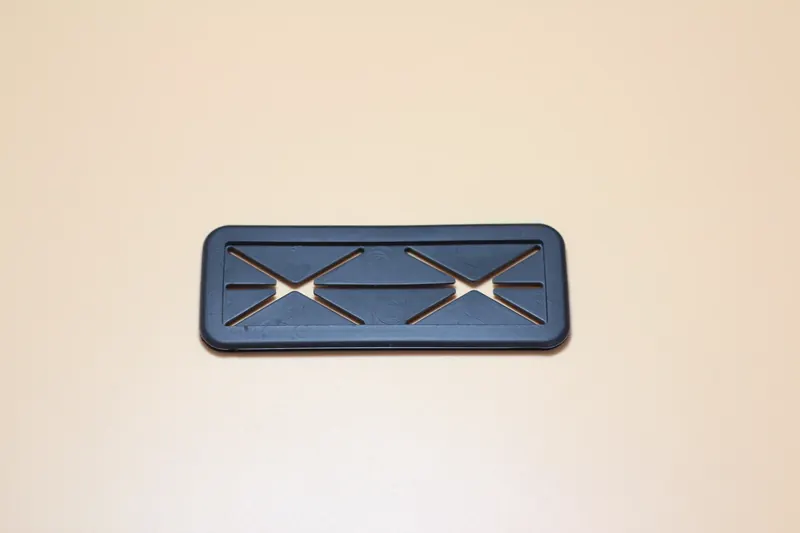
In industrial sealing applications, rubber sheet metal plugs serve as vital components for protecting threaded ports, hydraulic lines, and machined surfaces during assembly, transport, and storage. While they may appear to be simple, low-cost components, their performance is deeply influenced by precise material selection. Off-the-shelf solutions often fail because they prioritize cost and availability over engineered compatibility with operational environments. This mismatch leads to premature degradation, leakage, system contamination, and costly downtime.
The failure of generic rubber plugs typically stems from inadequate resistance to environmental stressors such as temperature extremes, chemical exposure, UV radiation, and compression set. For instance, a plug made from standard nitrile rubber (NBR) may perform adequately in oil-resistant applications at moderate temperatures, but will rapidly degrade when exposed to ozone or elevated heat. Similarly, silicone-based plugs, while excellent for high-temperature resilience, lack the tensile strength and abrasion resistance required in rugged industrial handling.
Material selection must align with the specific performance demands of the application. At Suzhou Baoshida Trading Co., Ltd., we emphasize a physics-of-failure approach—analyzing stressors such as fluid compatibility, compression force, insertion cycles, and long-term sealing integrity. This enables us to recommend or engineer custom formulations that extend service life and ensure reliability.
A critical factor often overlooked is compression set resistance. In dynamic or long-term sealing scenarios, rubber that cannot recover its original shape after compression will lose sealing force, leading to gaps and potential contamination. Materials such as ethylene propylene diene monomer (EPDM) or fluorocarbon rubber (FKM) offer superior resilience in such conditions, particularly in automotive, aerospace, and heavy machinery sectors.
Additionally, regulatory compliance and material traceability are essential in industries like pharmaceuticals or food processing, where direct or indirect contact with consumables demands FDA or USP Class VI certification. Off-the-shelf plugs rarely provide documented compliance, increasing risk during audits or quality inspections.
To illustrate the performance variance across materials, consider the following comparative specifications:
| Material | Temperature Range (°C) | Fluid Resistance | Compression Set Resistance | Typical Applications |
|---|---|---|---|---|
| Nitrile (NBR) | -40 to +105 | Good (oils, fuels) | Moderate | Automotive, hydraulics |
| EPDM | -50 to +150 | Excellent (water, steam, alkalis) | High | HVAC, industrial machinery |
| Silicone (VMQ) | -60 to +200 | Poor (hydrocarbons) | Low to Moderate | High-temp environments |
| Fluorocarbon (FKM) | -20 to +200 | Excellent (acids, oils, solvents) | Very High | Aerospace, chemical processing |
In conclusion, the reliability of rubber sheet metal plugs is not inherent—it is engineered. Selecting the appropriate elastomer requires a detailed understanding of the operational environment and long-term performance goals. Suzhou Baoshida Trading Co., Ltd. specializes in providing application-specific rubber solutions, ensuring that every plug meets the exacting standards of modern industrial systems.
Material Specifications
Material Specifications for Industrial Rubber Sheet Metal Plugs
Selection of elastomer compounds for sheet metal plugs directly impacts performance in demanding industrial environments. At Suzhou Baoshida Trading Co., Ltd., we prioritize material science precision to ensure optimal sealing integrity, chemical resistance, and longevity under operational stress. Our engineered solutions for Viton (FKM), Nitrile (NBR), and Silicone (VMQ) formulations undergo rigorous ASTM D2000 and ISO 37 testing protocols. Key parameters include temperature stability, fluid compatibility, compression set resistance, and Shore A hardness. Each material exhibits distinct molecular properties dictating suitability for specific OEM applications, from automotive hydraulic systems to semiconductor manufacturing enclosures.
Viton fluorocarbon rubber delivers exceptional resistance to aggressive chemicals, including oils, acids, and jet fuels, while maintaining structural integrity at continuous service temperatures up to 250°C. Its low gas permeability and superior ozone resistance make it ideal for aerospace and chemical processing plugs requiring zero leakage under high-pressure differentials. Standard hardness ranges from 60 to 90 Shore A, with specialized peroxide-cured variants achieving 1% compression set after 70 hours at 200°C.
Nitrile butadiene rubber provides cost-effective resilience against petroleum-based fluids, hydraulic brake fluids, and aliphatic hydrocarbons. Operating effectively from -40°C to 120°C, NBR formulations balance abrasion resistance with moderate flexibility. Standard grades achieve 55–90 Shore A hardness, while hydrogenated NBR (HNBR) variants extend temperature tolerance to 150°C. This material is prevalent in automotive fuel system plugs and industrial machinery gaskets requiring dynamic sealing under vibration.
Silicone rubber excels in extreme temperature applications, functioning reliably from -60°C to 230°C without embrittlement. Its inert composition ensures biocompatibility and resistance to steam sterilization, making it essential for medical device and food processing plugs. Silicone maintains flexibility at cryogenic temperatures while resisting UV and ozone degradation. Standard hardness spans 30–80 Shore A, with platinum-cured grades meeting USP Class VI and FDA 21 CFR 177.2600 requirements for critical fluid contact.
The comparative specifications below detail critical performance metrics for informed material selection:
| Material | Temperature Range (°C) | Key Chemical Resistances | Typical Hardness (Shore A) | Primary Industrial Applications |
|---|---|---|---|---|
| Viton (FKM) | -20 to +250 | Fuels, oils, acids, solvents | 60–90 | Aerospace fuel systems, chemical valves, semiconductor tooling |
| Nitrile (NBR) | -40 to +120 | Petroleum oils, hydraulic fluids, water | 55–90 | Automotive transmissions, hydraulic machinery, general industrial gaskets |
| Silicone (VMQ) | -60 to +230 | Steam, water, ozone, mild acids | 30–80 | Medical devices, food processing, high-temp electrical insulation |
Suzhou Baoshida Trading Co., Ltd. customizes compound formulations to meet exact OEM specifications, including tailored durometer tolerances (±3 Shore A), low-temperature flexibility to -75°C (ASTM D1329), and NSF/ANSI 61 certification for potable water applications. Our quality control integrates real-time rheometry and FTIR spectroscopy to guarantee batch consistency, ensuring every rubber sheet metal plug adheres to ISO 9001:2015 standards. Material selection must align with fluid exposure, thermal cycling demands, and regulatory requirements to prevent premature failure in critical assemblies.
Manufacturing Capabilities
Engineering Capability
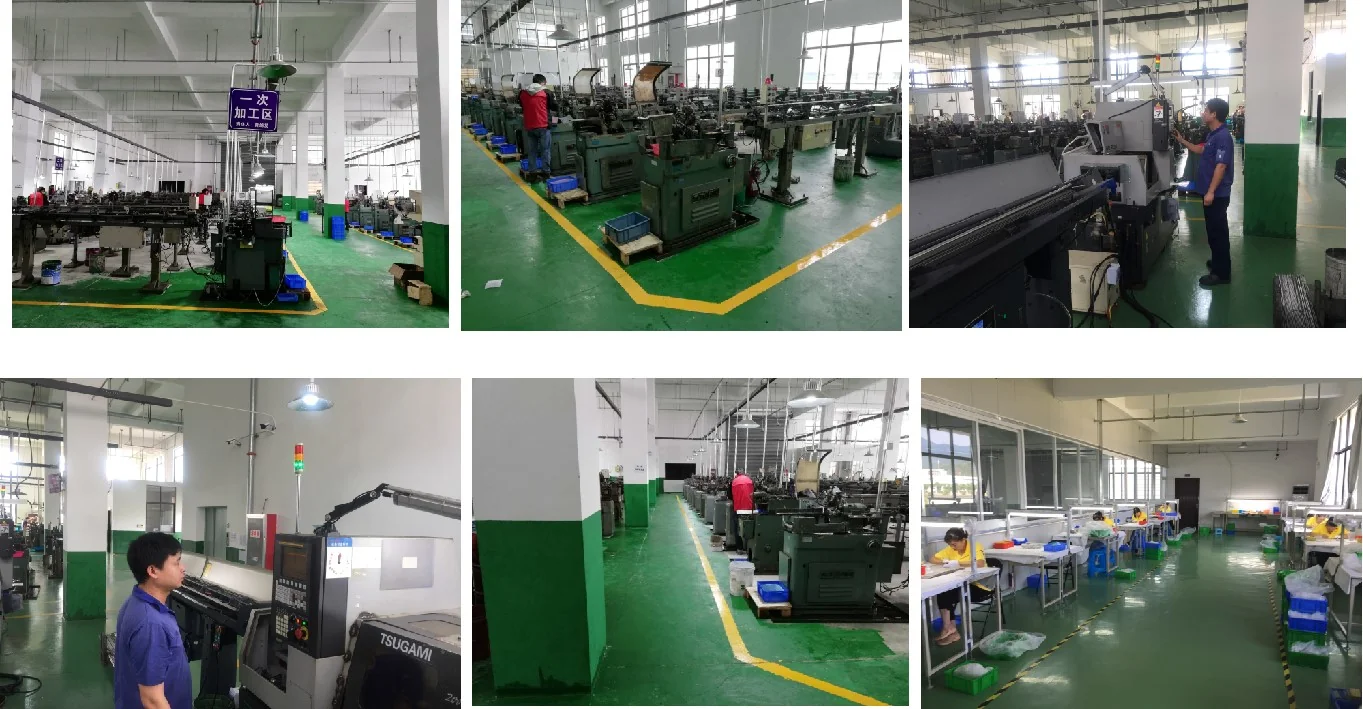
At Suzhou Baoshida Trading Co., Ltd., our engineering capability forms the backbone of our industrial rubber solutions, enabling us to deliver precision-engineered rubber sheet metal plugs tailored to the exacting demands of global OEMs. Our in-house technical team comprises five dedicated mould engineers and two specialized rubber formula engineers, creating a synergistic development environment where material science meets precision manufacturing. This integrated approach ensures that every component we produce is optimized for performance, durability, and compatibility with the end application environment.
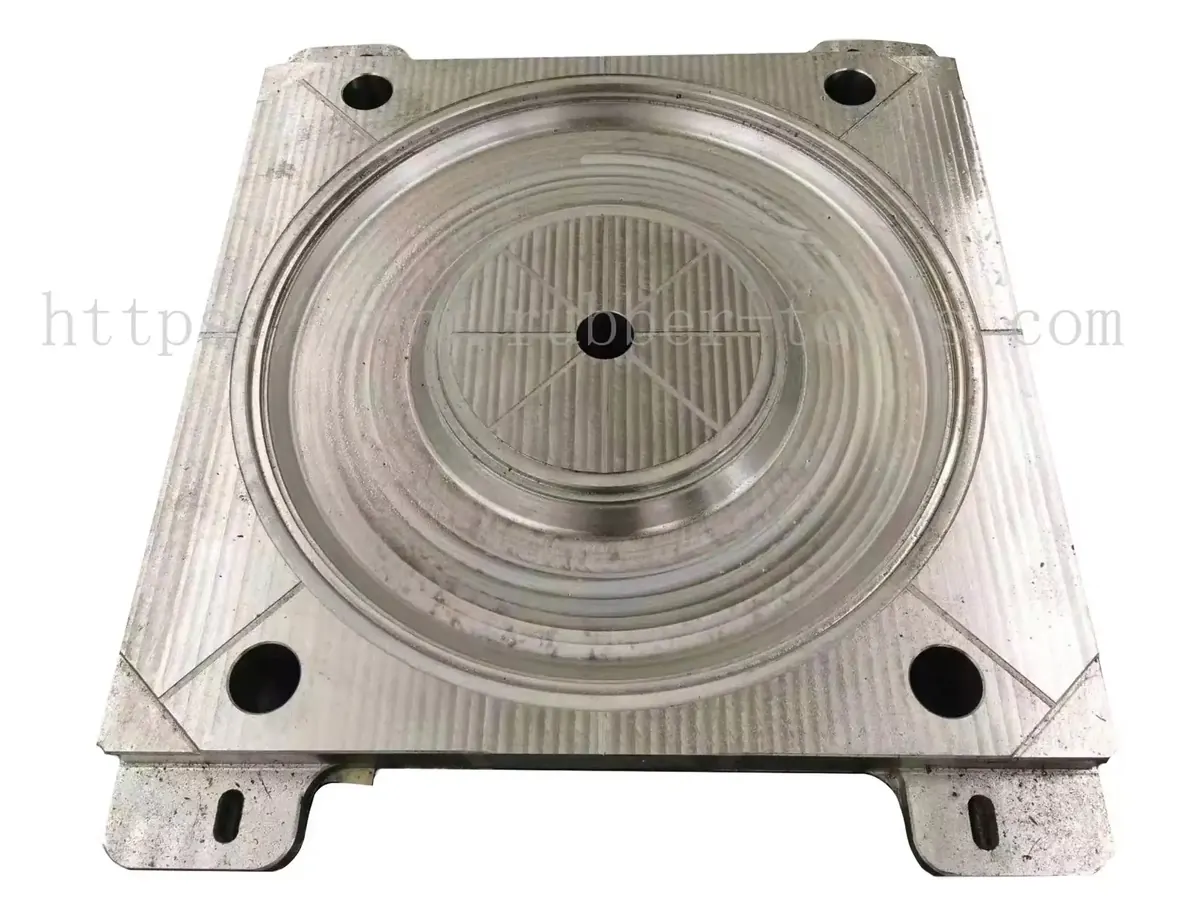
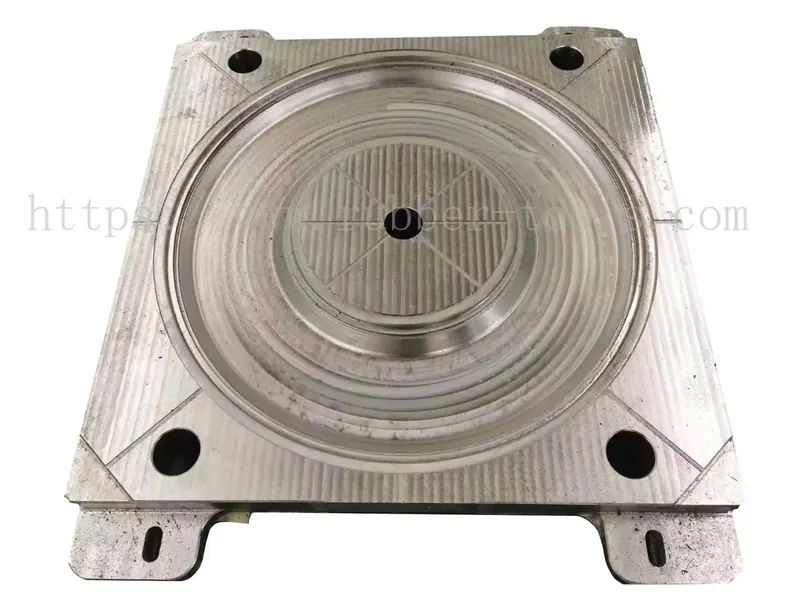
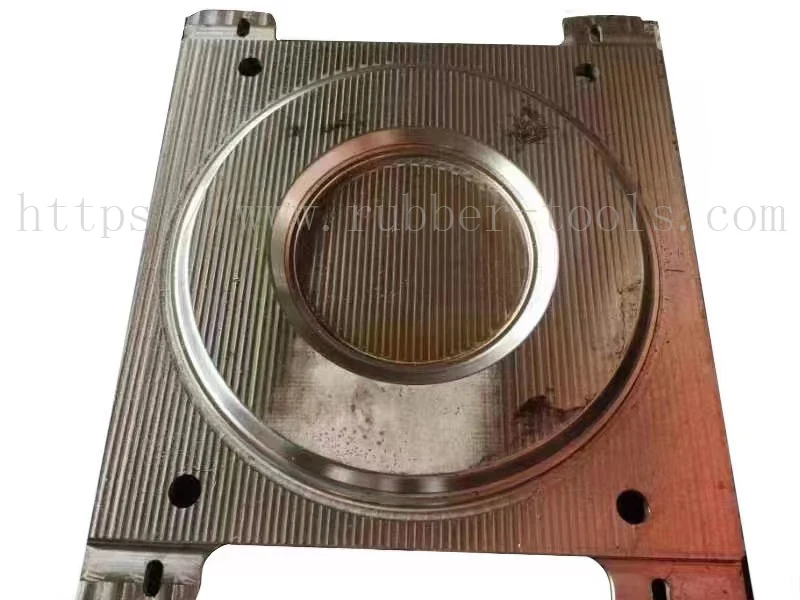
Our mould engineers bring extensive experience in designing and refining tooling for complex rubber-to-metal bonding processes. They utilize advanced CAD/CAM software and finite element analysis (FEA) to simulate stress distribution, compression set, and sealing performance under real-world conditions. This enables rapid prototyping and iterative design improvements, significantly reducing time-to-market for new products. All moulds are manufactured to tight tolerances, ensuring consistent part geometry and dimensional stability across high-volume production runs.
Complementing our mould design expertise, our two rubber formula engineers specialize in developing custom elastomer compounds tailored to specific thermal, chemical, and mechanical requirements. Whether the application demands resistance to automotive fluids, high-temperature stability, or low-compression set for long-term sealing integrity, our formulation team selects and optimizes raw materials—including NBR, EPDM, FKM, and silicone—to meet exact OEM specifications. Each compound is rigorously tested for hardness, tensile strength, elongation, and aging characteristics prior to production release.
Our OEM capabilities are built on a foundation of traceability, scalability, and technical collaboration. We work directly with client engineering teams to co-develop solutions, offering full documentation including material certifications, process FMEAs, and PPAP submissions. Our production lines support both low-volume pilot runs and high-volume automated manufacturing, with 100% in-line visual inspection and periodic mechanical testing to ensure compliance with ISO 9001 standards.
The following table outlines typical technical specifications for our rubber sheet metal plugs, reflecting our standard engineering benchmarks. All parameters are adjustable based on customer requirements.
| Parameter | Typical Value / Range | Test Standard |
|---|---|---|
| Hardness (Shore A) | 50–80 | ASTM D2240 |
| Tensile Strength | ≥8 MPa | ASTM D412 |
| Elongation at Break | ≥200% | ASTM D412 |
| Compression Set (24h, 70°C) | ≤20% | ASTM D395 |
| Operating Temperature Range | -40°C to +150°C (FKM: up to +200°C) | Material Dependent |
| Bond Strength (Rubber-to-Metal) | ≥5.0 kN/m | Internal Test Method |
| Material Options | NBR, EPDM, FKM, Silicone | ASTM D1418 |
| Metal Substrate | SPCC, SUS304, Aluminum | Customizable |
Through the combined strength of our engineering team and our agile OEM development process, Suzhou Baoshida delivers rubber sheet metal plugs that meet the highest standards of industrial performance and reliability.
Customization Process
Customization Process for Rubber Sheet Metal Plugs at Suzhou Baoshida Trading Co., Ltd.
Precision-engineered rubber sheet metal plugs require a rigorously controlled customization pathway to ensure seamless integration into demanding industrial applications. At Suzhou Baoshida Trading Co., Ltd., our OEM-driven process eliminates guesswork through four sequential engineering phases, transforming client specifications into validated production components.
Drawing Analysis initiates the workflow. Our engineering team conducts a granular review of client-provided technical drawings, focusing on geometric tolerances per ISO 2768-mK, critical sealing surfaces, and metal substrate interaction points. We verify dimensional callouts against ASME Y14.5 standards, identifying potential molding challenges such as undercuts or thin-wall sections. Concurrently, environmental exposure parameters—operating temperature range, fluid contact, and compression load—are cross-referenced with material compatibility databases to pre-qualify viable polymer families. This phase concludes with a formal Design for Manufacturability (DFM) report, highlighting any required drawing adjustments to optimize tooling longevity and part consistency.
Formulation leverages Suzhou Baoshida’s proprietary compound library and accelerated aging protocols. Based on the DFM output, our rubber chemists select base polymers and engineer custom recipes targeting specific performance thresholds. Key variables include durometer (Shore A 40–90), compression set resistance (<25% per ASTM D395), and fluid swell characteristics. The table below outlines typical compound options for common industrial scenarios.
| Compound Type | Hardness Range (Shore A) | Temp Range (°C) | Key Resistance Properties | Common Applications |
|---|---|---|---|---|
| EPDM | 50–80 | -50 to +150 | Steam, Ozone, Brake Fluid | Automotive HVAC, Plumbing |
| NBR | 40–70 | -30 to +120 | Fuels, Oils, Hydraulic Fluid | Engine Compartments, Machinery |
| Silicone | 30–80 | -60 to +230 | Extreme Temp, UV, Water | Aerospace, Medical Devices |
| FKM | 60–90 | -20 to +250 | Aggressive Chemicals, Jet Fuel | Petrochemical, Defense |
Prototyping validates both material performance and manufacturability. We fabricate initial samples using precision steel cavity molds under controlled press parameters (time, temperature, pressure). Each prototype undergoes rigorous in-house testing: dimensional verification via CMM, compression force-deflection analysis, and accelerated environmental exposure per client-specified conditions. Client feedback on fit/function is integrated within 72 hours, with iterative refinements to the compound or mold design until all KPIs are met.
Mass Production commences only after formal client sign-off on PPAP Level 3 documentation. Our ISO 9001-certified facility deploys automated rubber injection molding lines with real-time rheometer monitoring to ensure cure consistency. Every production batch undergoes 100% visual inspection and statistical process control (SPC) on critical dimensions. Traceability is maintained via batch-coded material logs and finished goods testing per ASTM D2000 standards. Suzhou Baoshida guarantees ±0.15mm dimensional repeatability and <0.5% defect rates through this closed-loop engineering methodology, ensuring plug integrity across 500,000+ cycle lifespans in operational environments.
Contact Engineering Team
For industrial manufacturers seeking high-performance rubber sheet metal plugs, Suzhou Baoshida Trading Co., Ltd. stands as a trusted partner in precision rubber engineering and OEM solutions. Our expertise lies in delivering custom-engineered rubber components designed to meet the rigorous demands of automotive, aerospace, electrical, and heavy machinery sectors. As a leading supplier in the industrial rubber solutions domain, we combine advanced material science with exacting manufacturing standards to ensure every product exceeds functional and durability expectations.
Our rubber sheet metal plugs are engineered for optimal sealing, vibration dampening, and environmental protection in critical applications. Whether you require resistance to extreme temperatures, chemical exposure, or mechanical stress, our formulations are tailored to your operational environment. We utilize a range of elastomers including NBR, EPDM, silicone, and fluororubber (FKM), each selected and compounded for specific performance criteria. Every plug undergoes stringent quality control, including dimensional inspection, compression set testing, and aging resistance validation, ensuring consistency across production batches.
We understand that industrial clients demand not only product reliability but also responsive technical support and seamless integration into existing supply chains. At Suzhou Baoshida, our engineering team collaborates directly with clients to refine specifications, validate prototypes, and scale production efficiently. Our manufacturing infrastructure supports both low-volume custom runs and high-volume OEM supply, with full traceability and compliance documentation available upon request.
To ensure compatibility and performance, we provide detailed material certification packages, including hardness (Shore A), tensile strength, elongation at break, and temperature resistance profiles. Below is a representative specification table for a standard rubber sheet metal plug configuration. Custom dimensions, durometers, and material blends are available on request.
| Parameter | Value |
|---|---|
| Material | EPDM or NBR (custom options) |
| Hardness (Shore A) | 50 ±5 to 80 ±5 |
| Tensile Strength | ≥10 MPa |
| Elongation at Break | ≥200% |
| Compression Set (24h, 70°C) | ≤25% |
| Operating Temperature | -40°C to +120°C (up to +150°C intermittent) |
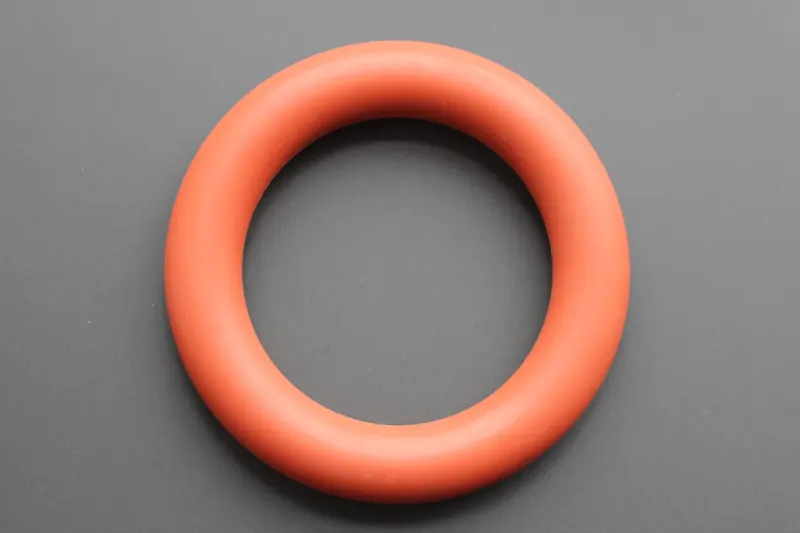
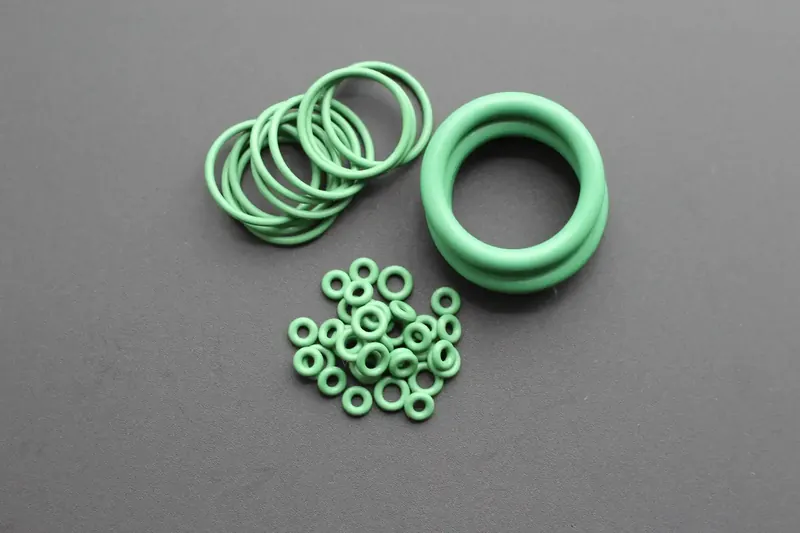
| Color | Black, red, green, or custom |
| Standard Tolerances | ±0.2 mm (custom to ±0.05 mm) |
| Certifications | RoHS, REACH compliant |
For technical inquiries, material selection guidance, or to initiate a custom development project, we invite you to contact Mr. Boyce, Rubber Formula Engineer and OEM Manager at Suzhou Baoshida Trading Co., Ltd. Mr. Boyce brings over a decade of experience in rubber formulation and industrial component design, ensuring your application requirements are met with scientific precision and manufacturing practicality.
Reach out via email at [email protected] to discuss your project specifications, request samples, or obtain a detailed quotation. Our team responds to all technical inquiries within 24 business hours and supports clients through every stage—from concept and prototyping to full-scale production. Partner with Suzhou Baoshida for engineered rubber solutions that deliver performance, reliability, and long-term cost efficiency.
⚖️ O-Ring Weight Calculator
Estimate rubber O-ring weight (Approx).