Technical Contents
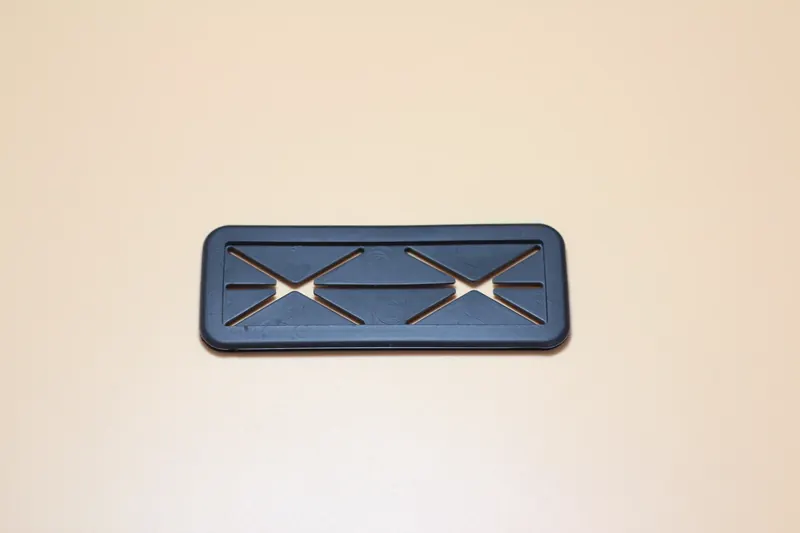
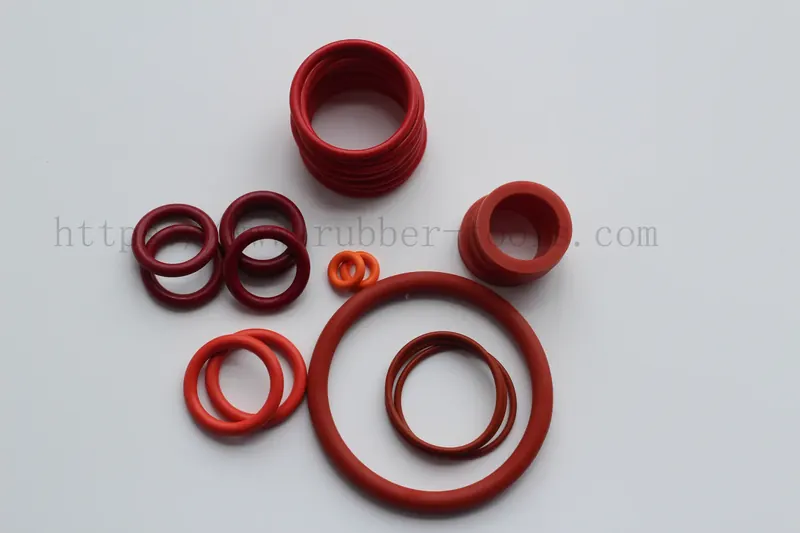
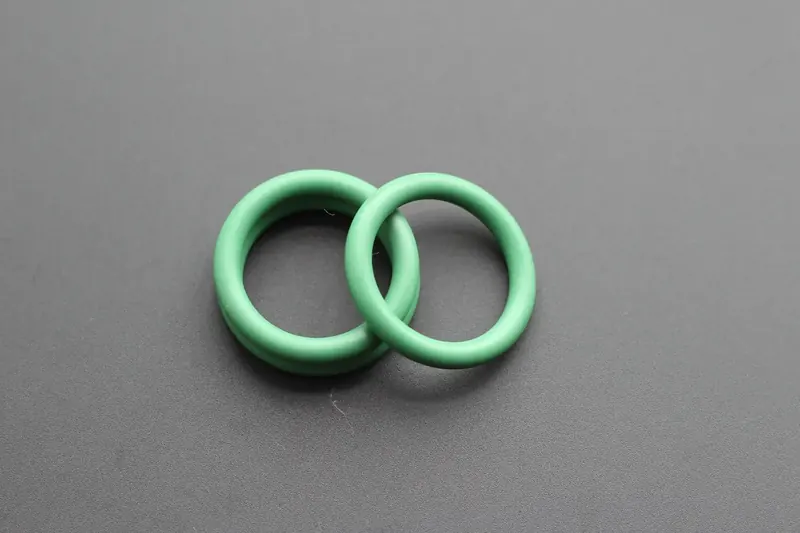
Engineering Guide: Blender Seal Ring
Engineering Insight: The Critical Role of Material Selection in Blender Seal Rings
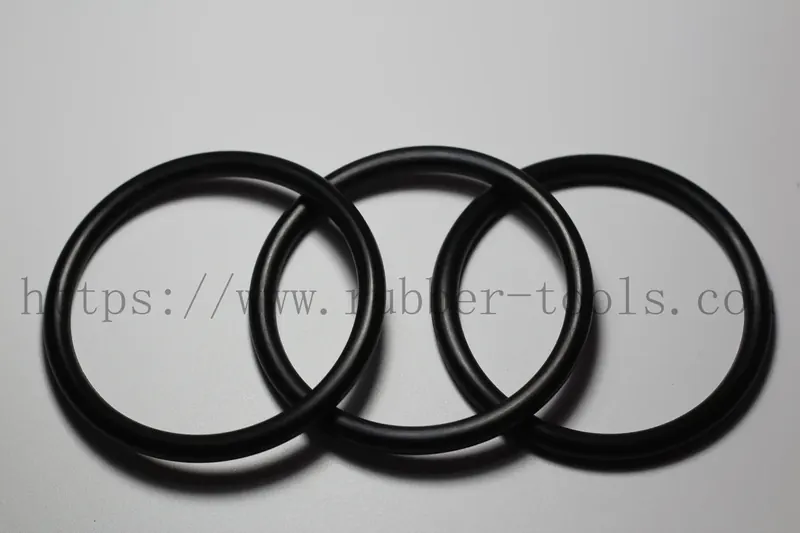
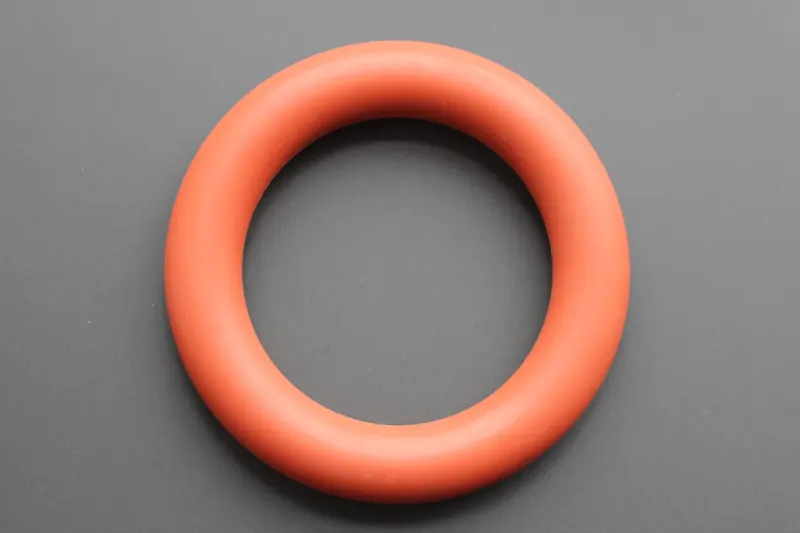
In the high-demand environment of industrial mixing and blending equipment, the seal ring serves as a critical barrier between rotating components and the process chamber. Its primary function is to prevent leakage of media, maintain pressure integrity, and exclude contaminants. While seemingly a minor component, the performance and longevity of a blender seal ring are directly tied to the precision of its material selection. Off-the-shelf solutions, often marketed as universal replacements, frequently fail to meet the rigorous demands of continuous operation, chemical exposure, and thermal cycling inherent in industrial applications.
The root cause of premature failure in generic seal rings lies in the mismatch between base elastomer properties and operational parameters. Standard compounds such as generic NBR (nitrile) or low-grade silicone may offer acceptable performance under mild conditions but degrade rapidly when exposed to aggressive solvents, elevated temperatures, or abrasive particulates. For example, in pharmaceutical or food-grade blending systems, exposure to cleaning agents like sodium hypochlorite or ethanol at elevated temperatures can cause swelling, hardening, or cracking in non-resistant materials. Similarly, in chemical processing, aromatic hydrocarbons can rapidly deteriorate standard FKM (fluoroelastomer) grades if the fluorine content and polymer structure are not optimized.
At Suzhou Baoshida Trading Co., Ltd., we approach blender seal ring design through application-specific material engineering. Each formulation is evaluated against the full spectrum of service conditions, including media compatibility, temperature range, mechanical stress, and regulatory compliance. This methodology ensures that the selected elastomer not only survives but performs reliably over thousands of operational cycles.
The following table outlines key elastomer options and their performance characteristics relevant to industrial blender applications:
| Material | Temperature Range (°C) | Chemical Resistance | Compression Set | FDA Compliant Options | Typical Use Case |
|---|---|---|---|---|---|
| HNBR (Hydrogenated Nitrile) | -40 to +150 | Excellent for oils, water-based fluids | Very Good | Yes | High-pressure mixers with moderate chemical exposure |
| FKM (Fluoroelastomer) | -20 to +200 | Outstanding for hydrocarbons, acids, solvents | Excellent | Yes | Chemical reactors, aggressive cleaning environments |
| EPDM (Ethylene Propylene) | -50 to +150 | Good for water, steam, alkalis; poor for oils | Good | Yes | Steam-sterilized blending systems |
| Silicone (VMQ) | -60 to +180 | Limited chemical resistance; excellent thermal stability | Fair | Yes | High-temperature food processing |
| PTFE-Encapsulated Silicone | -60 to +200 | Superior chemical inertness | Excellent | Yes | Ultra-pure pharmaceutical blending |
Material selection must also consider physical design factors such as durometer, cross-sectional geometry, and reinforcement methods. A 70 Shore A silicone may seal adequately at room temperature but collapse under sustained load, whereas a reinforced FKM with fabric insert maintains resilience under dynamic stress.
In conclusion, the failure of off-the-shelf seal rings is not a flaw of design but of assumption—that one material fits all. True reliability emerges from engineered specificity. At Baoshida, we prioritize material science as the foundation of sealing performance, ensuring every blender seal ring is optimized for its intended duty cycle and environment.
Material Specifications
Material Specifications for Blender Seal Rings
Precision selection of elastomer compounds is critical for blender seal ring performance in demanding industrial mixing environments. These components endure cyclic compression, chemical exposure, and thermal fluctuations, necessitating rigorous material characterization. At Suzhou Baoshida Trading Co., Ltd., we prioritize formulations meeting ASTM D2000 standards for dimensional stability, resilience, and longevity. The three primary materials—Viton, Nitrile, and Silicone—each offer distinct advantages based on operational parameters. Understanding their intrinsic properties ensures optimal seal integrity and minimizes unplanned downtime in pharmaceutical, food processing, and chemical manufacturing applications.
Viton fluorocarbon rubber (FKM) delivers exceptional resistance to aggressive chemicals, including concentrated acids, aromatic hydrocarbons, and high-temperature steam. Its operational range spans -20°C to 230°C, making it ideal for sterilization cycles and solvent-rich environments. Viton maintains low compression set (≤20% per ASTM D395) even after prolonged exposure to 200°C, ensuring consistent sealing force. However, its high fluorine content increases cost and reduces flexibility at sub-zero temperatures compared to alternatives.
Nitrile rubber (NBR) provides optimal balance for general-purpose blender applications involving oils, fats, and aliphatic hydrocarbons. With a service temperature range of -40°C to 120°C, it excels in food processing where cost efficiency and fuel resistance are paramount. Standard NBR compounds achieve tensile strengths of 15–20 MPa and exhibit minimal swelling in vegetable oils. Limitations include poor ozone resistance and degradation above 125°C, necessitating careful evaluation for high-heat processes.
Silicone rubber (VMQ) is engineered for extreme temperature stability (-60°C to 200°C) and biocompatibility, meeting FDA 21 CFR 177.2600 for direct food contact. Its inert composition resists microbial growth and withstands repeated autoclaving, though mechanical strength (tensile: 6–9 MPa) is lower than NBR or Viton. Silicone demonstrates excellent resistance to water and oxygen but swells significantly in non-polar solvents like toluene, restricting use in chemical blending.
The comparative analysis below details key specifications for informed material selection:
| Property | Viton (FKM) | Nitrile (NBR) | Silicone (VMQ) |
|---|---|---|---|
| Temperature Range | -20°C to 230°C | -40°C to 120°C | -60°C to 200°C |
| Tensile Strength (MPa) | 12–18 | 15–20 | 6–9 |
| Compression Set (22h/150°C) | ≤20% | ≤25% | ≤20% |
| Key Chemical Resistance | Acids, fuels, steam | Oils, fats, water | Water, steam |
| Key Limitations | Poor low-temp flexibility, high cost | Limited heat/ozone resistance | Low tensile strength, solvent swelling |
| Typical Blender Applications | Chemical reactors, high-temp sterilization | Food emulsification, edible oil processing | Pharmaceutical mixing, medical-grade equipment |
Material choice must align with specific process chemistry, thermal profiles, and regulatory requirements. Suzhou Baoshida Trading Co., Ltd. validates all compounds through accelerated aging tests per ISO 188 and fluid immersion protocols per ASTM D471. Our OEM engineering team collaborates with clients to simulate real-world stress conditions, ensuring seal rings maintain integrity across 10,000+ operational cycles. Consult our technical dossier for compound-specific certificates and application case studies.
Manufacturing Capabilities
Engineering Capability
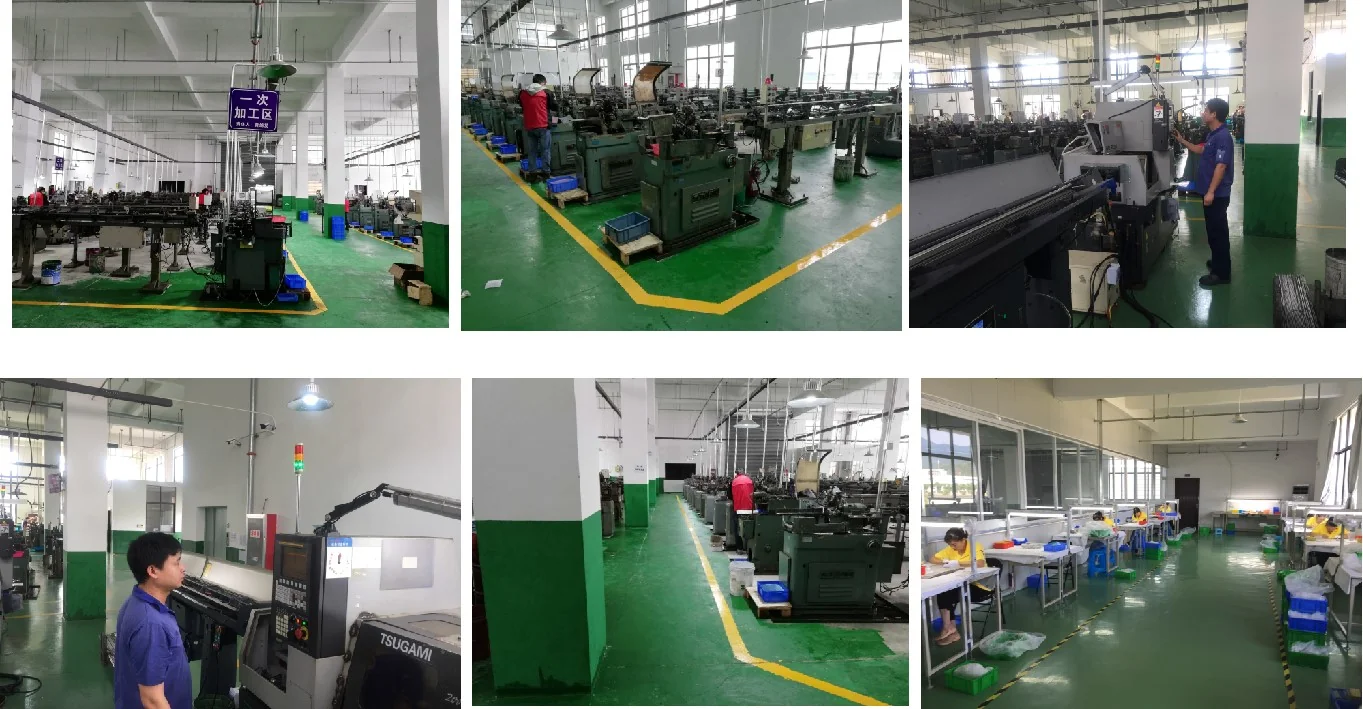
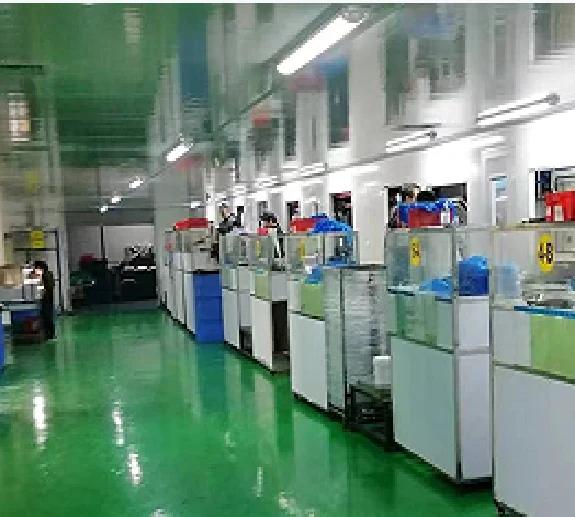
At Suzhou Baoshida Trading Co., Ltd., our engineering capability in precision rubber seals is anchored in a dedicated team of technical specialists focused on material science and mold design innovation. We employ five certified mold engineers and two advanced rubber formula engineers, enabling full in-house control from concept to production. This integrated engineering structure ensures that every blender seal ring we manufacture meets exacting performance standards for durability, chemical resistance, and dimensional accuracy under dynamic operating conditions.
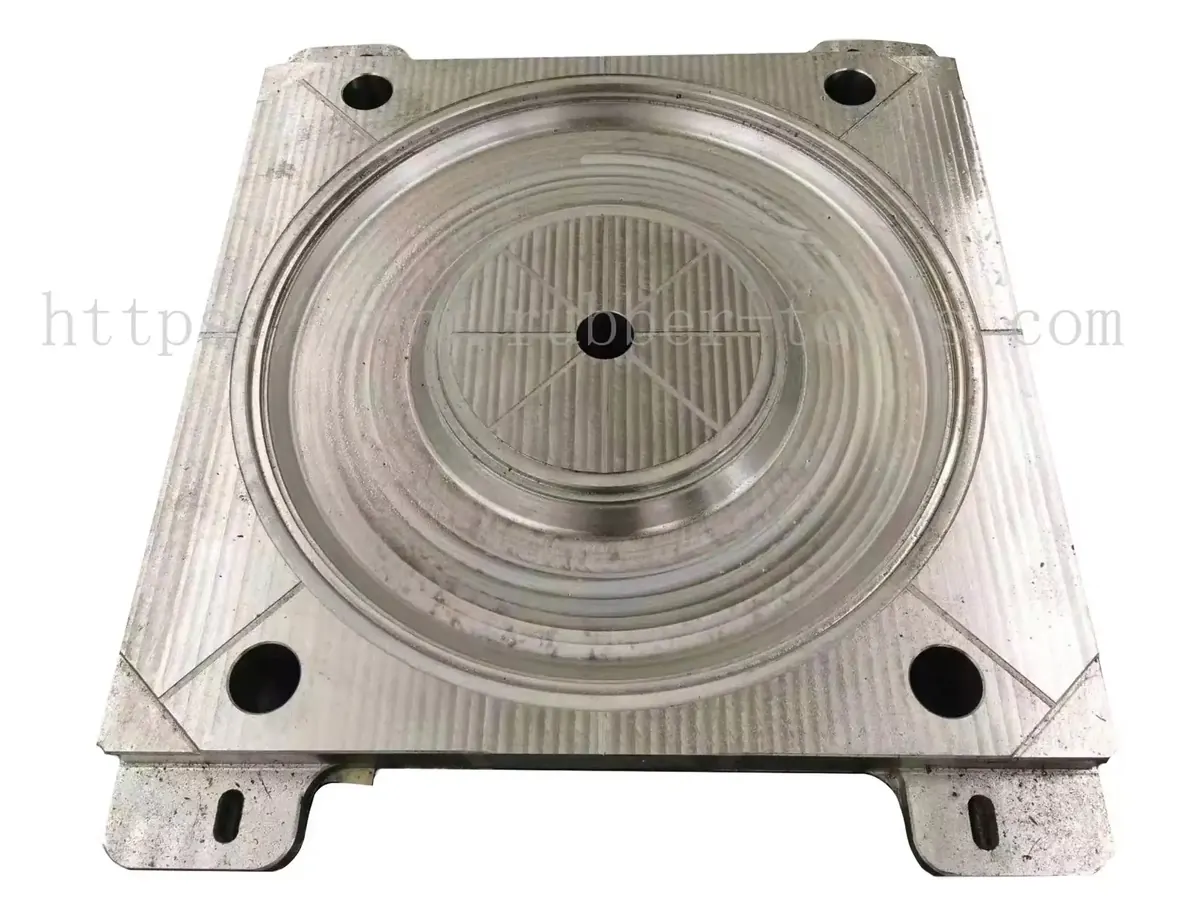
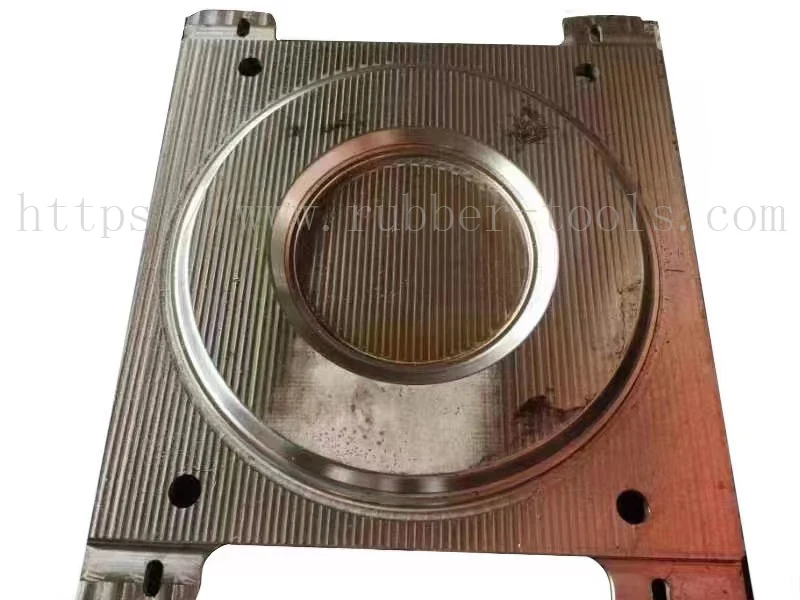
Our mold engineers utilize advanced CAD/CAM software, including SolidWorks and AutoCAD, to design precision molds that support tight tolerances down to ±0.05 mm. Each mold is subjected to rigorous simulation testing to predict material flow, shrinkage, and parting line integrity, minimizing trial iterations and accelerating time-to-market. The team specializes in multi-cavity and family mold configurations, optimizing production efficiency for high-volume OEM programs without compromising part consistency.
Complementing mold design is our proprietary rubber compounding expertise. The two formula engineers on staff hold advanced degrees in polymer chemistry and have over 15 combined years of experience in elastomer development. They formulate custom rubber compounds tailored to specific application demands such as temperature extremes (-40°C to +150°C), exposure to oils, ozone, or household chemicals, and long-term compression set resistance. Our lab conducts accelerated aging tests, Shore hardness validation, and tensile strength analysis to verify formulation performance before scale-up.
We maintain a comprehensive library of base polymers, including NBR, EPDM, silicone, and FKM, allowing rapid prototyping and material optimization. This dual capability—mold engineering and rubber formulation—enables true vertical integration, a critical advantage for OEM partners requiring certified, repeatable seal performance.
Our OEM services extend beyond manufacturing to include collaborative design review, DFM analysis, and full documentation packages (including material certifications and PPAP submissions). We support global clients in home appliance, medical device, and industrial equipment sectors, where blender seal ring integrity directly impacts product safety and lifecycle.
Through continuous investment in engineering talent and testing infrastructure, Suzhou Baoshida ensures that every seal ring delivers precision performance, batch after batch.
| Specification | Detail |
|---|---|
| Mold Tolerance | ±0.05 mm |
| Operating Temperature Range | -40°C to +150°C (material-dependent) |
| Standard Elastomers | NBR, EPDM, Silicone, FKM |
| Hardness Range (Shore A) | 40–90 ±5 |
| Compression Set Testing | ASTM D395 Method B, 22 hrs at 100°C |
| Lead Time (Prototype) | 15–20 days |
| OEM Documentation | Full PPAP, IMDS, ROHS, FDA (upon request) |
Customization Process
Customization Process for Precision Blender Seal Rings
At Suzhou Baoshida Trading Co., Ltd., our customization process for blender seal rings integrates material science with precision engineering to deliver failure-resistant components for high-torque industrial applications. This structured workflow ensures compliance with OEM specifications while mitigating risks associated with chemical exposure, thermal cycling, and mechanical stress.
Drawing Analysis
Initial engagement begins with rigorous dimensional and functional validation of client-provided CAD drawings. We cross-reference ISO 3601 tolerance standards against critical parameters including inner/outer diameter tolerances (±0.05 mm), cross-section consistency, and groove geometry compatibility. Finite element analysis (FEA) simulates compression set behavior under dynamic rotational loads, identifying potential extrusion gaps or stress concentration zones. This phase includes cross-functional validation with the client to resolve ambiguities in surface finish requirements (Ra ≤ 0.8 µm) or chamfer specifications, preventing downstream tooling conflicts.
Formulation
Material selection is driven by application-specific fluid resistance and operational temperature profiles. Our rubber compounding laboratory develops proprietary formulations using NBR, FKM, or HNBR polymer backbones, reinforced with nano-silica or carbon black for abrasion resistance. Each compound undergoes accelerated aging tests per ASTM D573 to validate performance against blender media (e.g., acidic fruit pulps, alkaline cleaners). Critical additives include peroxide curing systems for low compression set (<15% at 100°C/70h) and proprietary anti-degradation packages to prevent swelling in ethanol-based solutions. Below are baseline specifications for common formulations:
| Material Type | Hardness (Shore A) | Temp Range (°C) | Fluid Resistance (70h @ 80°C) | Compression Set (%) |
|---|---|---|---|---|
| Hydrogenated NBR | 75 ± 3 | -30 to +150 | Tolerant to oils, mild acids | ≤ 18 |
| FKM 70 Fluoroelastomer | 70 ± 3 | -20 to +200 | Resistant to strong acids, solvents | ≤ 12 |
| Peroxide-Cured EPDM | 80 ± 3 | -40 to +135 | Excellent water/steam resistance | ≤ 20 |
Prototyping
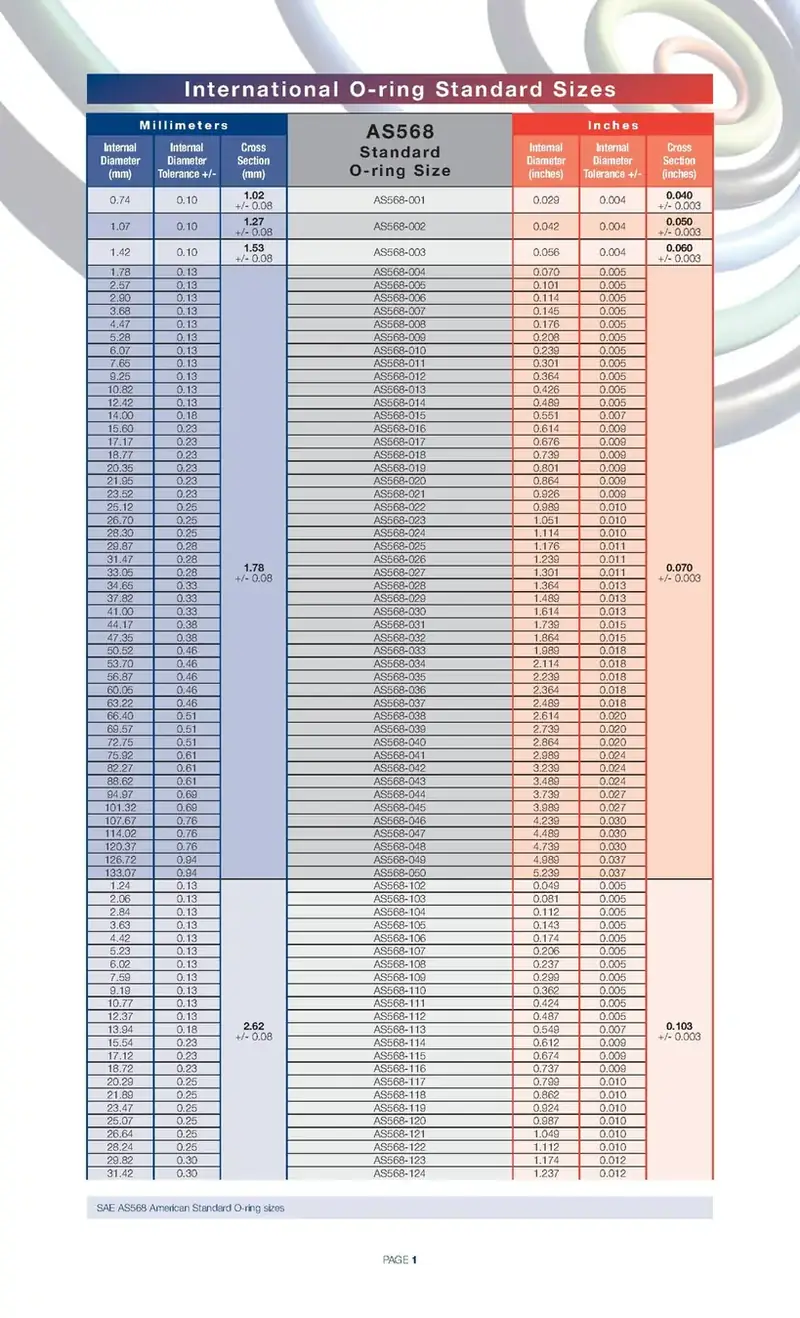
Mold tooling is manufactured to ISO 2768-mK precision standards using hardened P20 steel with mirror-polished cavities. Initial prototypes undergo three-tier validation: dimensional inspection via CMM (compliance to ±0.03 mm tolerances), dynamic torque testing on simulated blender shafts (5,000 cycles at 10,000 RPM), and fluid immersion trials per SAE AS568 standards. Seal integrity is quantified through helium leak testing (<1×10⁻⁶ atm·cc/sec). Client feedback on prototype performance triggers iterative compound adjustments before final sign-off.
Mass Production
Full-scale manufacturing leverages automated injection molding presses with closed-loop temperature control (±1°C stability). Every production batch includes in-process checks: Mooney viscosity (ML 1+4 @ 100°C), cure kinetics via moving die rheometer (MDR), and 100% visual inspection for flash or voids. Final validation requires third-party certification to ISO 1817 for fluid resistance and ISO 3384 for compression set. Traceability is maintained through laser-etched batch codes linked to raw material certificates and process parameters, ensuring seamless requalification for automotive or food-grade OEMs.
This end-to-end protocol guarantees blender seal rings achieve 50,000+ operational cycles with zero leakage, directly addressing the torque-induced wear and chemical aggression inherent in industrial blending systems. All stages adhere to IATF 16949 quality management frameworks, providing clients with auditable quality assurance from concept to container.
Contact Engineering Team
For industrial manufacturers seeking precision-engineered rubber components, Suzhou Baoshida Trading Co., Ltd. stands as a trusted partner in the development and supply of high-performance sealing solutions. Specializing in custom rubber formulations and OEM-manufactured parts, we deliver consistent quality and technical reliability across demanding applications. Our expertise in rubber compounding, mold design, and material testing ensures that every blender seal ring we produce meets exacting performance standards for durability, chemical resistance, and dimensional accuracy.
The blender seal ring is a critical component in food processing, pharmaceutical, and industrial mixing equipment, where failure can lead to contamination, downtime, or safety hazards. At Suzhou Baoshida, we understand the operational demands placed on these seals. Our engineering team works closely with clients to analyze application parameters—including temperature range, media exposure, compression set, and dynamic stress—to formulate compounds that extend service life and reduce maintenance frequency. Whether you require FDA-compliant materials for food-grade applications or high-temperature nitrile (NBR), silicone (VMQ), or fluorocarbon (FKM) compounds, our formulations are tailored to your operational environment.
We support global OEMs and aftermarket suppliers with scalable production capabilities, strict quality control protocols, and rapid prototyping services. Our manufacturing partners adhere to ISO 9001 standards, and all critical dimensions are verified using precision metrology equipment to ensure repeatability and fit-for-function performance. From initial design consultation through final validation, Suzhou Baoshida provides full technical documentation, including material certifications, hardness reports, and aging test data.
To ensure seamless integration into your supply chain, we offer flexible packaging, labeling, and logistics solutions tailored to your production schedule. Our commitment to transparency and technical excellence has made us a preferred supplier for leading equipment manufacturers across Asia, Europe, and North America.
Below is a representative specification table for a standard blender seal ring manufactured to common OEM requirements:
| Parameter | Value / Specification |
|---|---|
| Material | Nitrile Rubber (NBR), 70 Shore A |
| Hardness | 68–72 Shore A (ASTM D2240) |
| Temperature Range | -30°C to +120°C (short peaks to +150°C) |
| Tensile Strength | ≥15 MPa (ASTM D412) |
| Elongation at Break | ≥300% |
| Compression Set (22h, 100°C) | ≤25% (ASTM D395) |
| Fluid Resistance | Water, oils, aliphatic hydrocarbons |
| FDA Compliance | Yes (21 CFR 177.2600) |
| Inner Diameter (ID) | 60.0 ± 0.3 mm |
| Outer Diameter (OD) | 75.0 ± 0.3 mm |
| Cross Section | 7.5 ± 0.2 mm |
| Standard | Custom OEM Specification / ISO 3601 |
For technical collaboration, sample requests, or volume quotation, contact Mr. Boyce, Rubber Formula Engineer & OEM Manager, directly at [email protected]. We respond to all inquiries within 12 business hours and support communication in English, Mandarin, and technical German. Partner with Suzhou Baoshida to elevate your sealing performance with scientifically validated rubber solutions.
⚖️ O-Ring Weight Calculator
Estimate rubber O-ring weight (Approx).