Technical Contents
Engineering Guide: Metallic Plastic

Engineering Insight: Metallic Plastic Material Selection Imperatives
The term metallic plastic commonly misrepresents metal-filled polymer composites critical in demanding industrial applications. These engineered materials—rubber matrices infused with conductive metals like silver, nickel, or copper—deliver essential electromagnetic interference (EMI) shielding, thermal management, or structural conductivity. Yet off-the-shelf variants frequently fail in operational environments due to unaddressed material-property mismatches. Generic formulations prioritize cost over precision, ignoring the thermodynamic and chemical realities of complex systems.
Thermal expansion differentials between metal fillers and elastomer bases induce microcracking during thermal cycling. A standard silicone compound with 40% nickel filler may exhibit a coefficient of thermal expansion (CTE) of 120 ppm/°C, while adjacent aluminum components operate at 23 ppm/°C. This 420% mismatch generates interfacial stress, accelerating seal degradation in aerospace actuators or automotive sensors. Similarly, volume resistivity requirements are often oversimplified. Off-the-shelf conductive rubber may achieve 0.1 Ω·cm bulk resistivity but fail under compression set, where contact resistance spikes by 300% after 72 hours at 70°C—rendering EMI gaskets ineffective in 5G infrastructure. Chemical resistance is equally compromised; generic nitrile-based metallic plastics swell >25% in phosphate-ester hydraulic fluids, whereas aerospace specifications demand <5% swell per AMS-7256.
Material selection must align with application-specific failure thresholds. The following table quantifies critical performance gaps:
| Failure Mode | Off-the-Shelf Solution | Engineered Requirement | Consequence of Non-Compliance |
|---|---|---|---|
| Thermal Cycling (100 cycles, -55°C to 150°C) | CTE mismatch >400% | CTE mismatch <150% | Seal extrusion, fluid leakage |
| Volume Resistivity Stability (Post 10% compression, 168h/85°C) | ΔR > 250% | ΔR < 50% | EMI shielding loss >20 dB |
| Chemical Resistance (Skydrol LD-4, 70°C, 72h) | Swell >20% | Swell <8% | Seal hardening, loss of compression |
Suzhou Baoshida Trading Co., Ltd. rejects one-size-fits-all approaches. Our OEM partnership model begins with dynamic mechanical analysis (DMA) to map client-specific stress-strain profiles against operational extremes. We optimize filler aspect ratios and surface treatments—such as silane-coupled nickel flakes—to harmonize CTE with mating substrates. For chemical resistance, we select fluorosilicone or perfluoroelastomer bases with tailored crosslink densities, validated via ASTM D471 immersion testing. Electrical performance is engineered through percolation threshold modeling, ensuring stable conductivity under compression via 3D conductive networks.
Generic metallic plastics sacrifice longevity for immediacy. In industrial systems where failure incurs $200,000+ hourly downtime costs, precision material science is non-negotiable. Baoshida’s co-engineering process—from finite element analysis to accelerated life testing—delivers composites that survive where others fracture. Partner with us to transform material constraints into competitive advantage.
Material Specifications

Suzhou Baoshida Trading Co., Ltd. provides engineered rubber solutions for advanced industrial applications, including environments requiring compatibility with metallic plastics—hybrid materials combining polymer matrices with metallic fillers. These environments demand elastomers with exceptional thermal stability, chemical resistance, and mechanical integrity. Our core materials—Viton, Nitrile (NBR), and Silicone—each offer distinct performance profiles tailored to specific operational conditions. Understanding their material specifications is critical for optimal sealing, gasketing, and component integration in systems involving metallic plastics.
Viton, a fluorocarbon-based elastomer (FKM), exhibits superior resistance to high temperatures, ozone, and aggressive chemicals such as oils, fuels, and many acids. With a continuous service temperature range of -20°C to +200°C (with short-term resistance up to +250°C), Viton is ideal for high-performance applications in automotive, aerospace, and chemical processing industries. Its low gas permeability and excellent aging characteristics ensure long-term reliability under extreme thermal cycling and exposure to aromatic and chlorinated hydrocarbons commonly found in metallic plastic manufacturing environments.
Nitrile rubber (NBR) is a cost-effective solution for applications requiring strong resistance to aliphatic hydrocarbons, oils, and fuels. Operating effectively between -30°C and +100°C (with some grades reaching +125°C), NBR offers good abrasion resistance and mechanical strength. While it lacks the thermal and chemical resilience of Viton, NBR remains a preferred choice for dynamic sealing applications in hydraulic and pneumatic systems where exposure to metallic plastic processing fluids is moderate. Its compatibility with plasticizers and polar solvents makes it suitable for secondary operations involving coated or filled polymers.
Silicone rubber (VMQ) delivers outstanding performance in extreme temperature environments, functioning reliably from -60°C to +200°C. It exhibits excellent electrical insulation properties and high resistance to UV and ozone degradation. However, silicone has relatively low mechanical strength and poor resistance to hydrocarbon fuels and oils. Its primary advantage lies in applications where thermal stability and flexibility at low temperatures are critical, such as in molds, fixtures, and handling systems for metallic plastic extrusion or injection molding. Additionally, its inert nature supports compliance with food and medical standards when required.
The following table summarizes key technical specifications for Viton, Nitrile, and Silicone to facilitate material selection in industrial rubber solutions involving metallic plastics.
| Property | Viton (FKM) | Nitrile (NBR) | Silicone (VMQ) |
|---|---|---|---|
| Base Polymer | Fluorocarbon | Acrylonitrile-Butadiene | Polysiloxane |
| Hardness Range (Shore A) | 50–90 | 40–95 | 30–80 |
| Tensile Strength (MPa) | 10–20 | 10–30 | 5–10 |
| Elongation at Break (%) | 150–300 | 200–500 | 200–700 |
| Continuous Temp. Range (°C) | -20 to +200 | -30 to +100 | -60 to +200 |
| Short-Term Max Temp. (°C) | +250 | +125 | +230 |
| Resistance to Oils/Fuels | Excellent | Good to Excellent | Poor |
| Resistance to Acids | Excellent | Fair | Good |
| Resistance to Ozone/UV | Excellent | Good | Excellent |
| Gas Permeability | Low | Moderate | High |
Material selection must consider not only chemical and thermal exposure but also mechanical loading, compression set, and interaction with metallic plastic additives such as aluminum, copper, or steel powders. Suzhou Baoshida Trading Co., Ltd. supports OEMs with precision-formulated rubber compounds engineered for integration into next-generation hybrid material systems.
Manufacturing Capabilities

Engineering Capabilities for Advanced Metallic-Filled Rubber Compounds
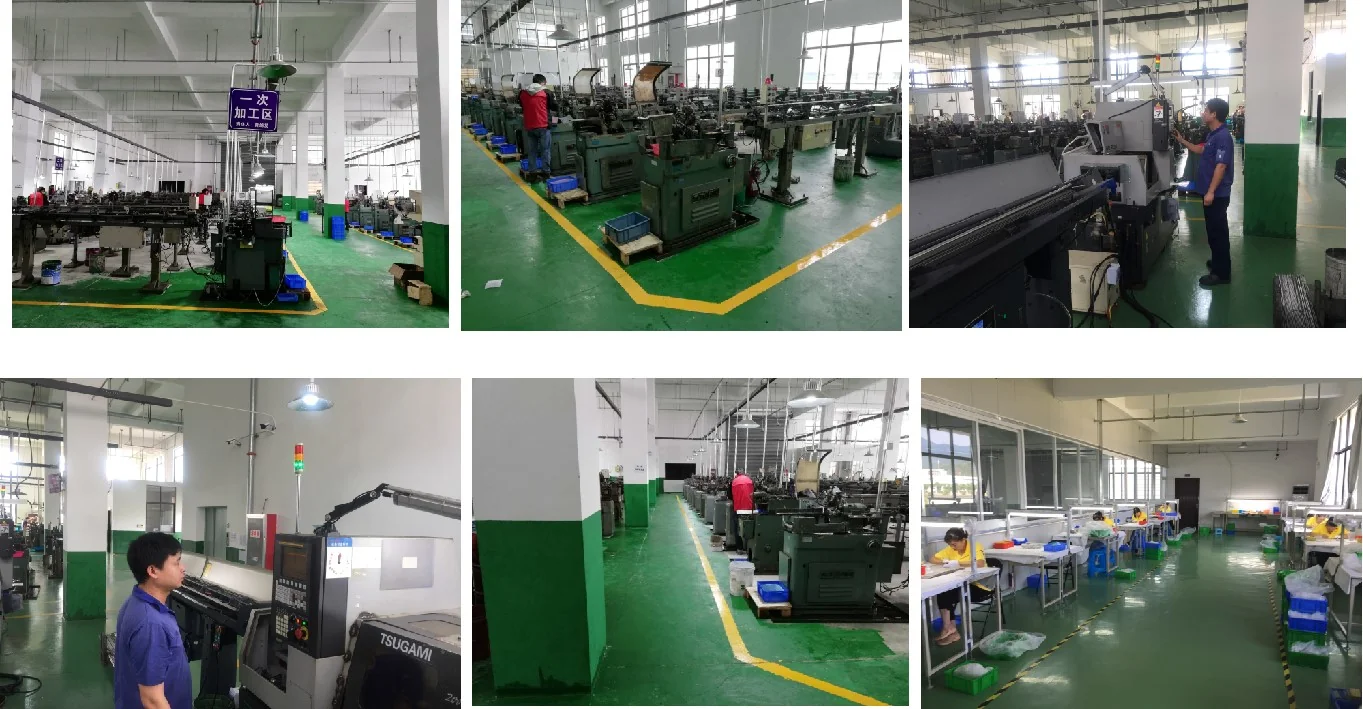
Suzhou Baoshida Trading Co., Ltd. specializes in the development and manufacturing of precision-engineered metallic-filled rubber compounds, often referenced in industrial contexts as “metallic plastic.” This terminology denotes elastomeric materials incorporating controlled dispersions of metallic particles (e.g., copper, aluminum, or stainless steel) to achieve unique electrical, thermal, and mechanical properties unattainable with standard polymers. Our technical team comprises five dedicated mould engineers and two advanced formula engineers, operating under a unified OEM framework to deliver solutions from molecular design to finished component. This integrated structure ensures seamless translation of material science into production-ready parts, critical for applications demanding EMI shielding, thermal management, or conductive sealing.
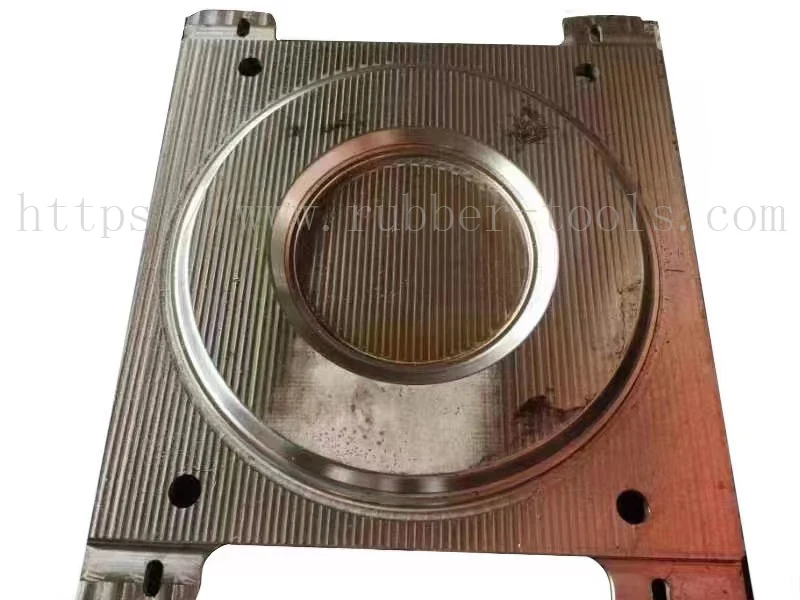
Our formula engineers focus on optimizing particle-matrix interactions to prevent agglomeration, maintain elastomeric flexibility, and achieve target performance metrics. Concurrently, mould engineers refine cavity design, gating systems, and curing parameters to accommodate the higher density and abrasiveness of metallic compounds, minimizing flash and ensuring dimensional stability. This dual-engineer collaboration eliminates traditional handoff delays, reducing time-to-market by up to 30% for complex OEM projects. We manage the entire lifecycle—from raw material sourcing (ISO 9001-certified suppliers) to final validation testing—under one roof, guaranteeing traceability and compliance with ASTM D2000, MIL-STD-883, or client-specific standards.
OEM clients benefit from our end-to-end control, including finite element analysis (FEA) for stress prediction, DOE-driven compound iteration, and in-house tooling modification capabilities. For instance, when a medical device manufacturer required a copper-filled silicone gasket with 10⁻⁴ ohm-cm resistivity and 20 Shore A durometer, our team adjusted particle size distribution and crosslink density while recalibrating mould venting to avoid porosity. The result was a production-ready solution validated in 12 weeks, versus the industry average of 18+ weeks.
Key performance advantages of our metallic-filled compounds are quantified below against standard rubber formulations:
| Property | Standard Rubber | Baoshida Metallic Compound | Improvement |
|---|---|---|---|
| Electrical Conductivity | Insulative (>10¹² Ω·cm) | 10⁻³–10⁻⁵ Ω·cm | 10¹⁵× increase |
| Density (g/cm³) | 1.1–1.3 | 1.8–3.2 | +55–145% |
| Thermal Conductivity | 0.15–0.3 W/m·K | 1.5–5.0 W/m·K | 5–16× increase |
| Abrasion Resistance | Moderate | High (via metal reinforcement) | 40% reduction in wear |
| Compression Set (ASTM D395) | 20–30% | 12–18% | 40% improvement |
This data reflects typical outcomes for copper-filled silicone formulations at 40–60% filler loading; exact values are tailored per OEM specifications. Our facility maintains NIST-traceable metrology for conductivity, thermal imaging, and mechanical testing, ensuring every batch meets stringent aerospace, automotive, or electronics requirements. By anchoring innovation in empirical validation and cross-functional engineering rigor, Suzhou Baoshida transforms the challenges of metallic elastomer processing into reliable, high-value manufacturing outcomes for global OEMs. Partnering with us mitigates material-related production risks while accelerating the deployment of next-generation conductive rubber components.
Customization Process

Customization Process for Metallic Plastic in Industrial Rubber Applications
At Suzhou Baoshida Trading Co., Ltd., our approach to delivering high-performance metallic plastic solutions is rooted in a structured, science-driven customization process. Designed for precision and repeatability, this four-phase workflow ensures optimal material performance under demanding industrial conditions. The process begins with Drawing Analysis, followed by targeted Rubber Formulation, controlled Prototyping, and culminates in scalable Mass Production.
The first phase, Drawing Analysis, involves a detailed technical review of customer-provided engineering drawings and performance specifications. Our engineering team evaluates critical dimensions, tolerance requirements, environmental exposure (e.g., temperature, chemical contact), and mechanical load conditions. This step ensures that the final product will meet exact functional and dimensional criteria. Finite element analysis (FEA) tools may be employed to simulate stress distribution and deformation behavior under operational loads.
Following drawing validation, we proceed to Rubber Formulation. Here, our rubber chemists design a proprietary elastomer compound that incorporates metallic fillers—typically aluminum, copper, or stainless steel powders—into a polymer matrix such as silicone, EPDM, or fluorocarbon rubber (FKM). The selection of base polymer and filler ratio is determined by required thermal conductivity, EMI shielding efficiency, compression set resistance, and mechanical integrity. Each formulation is documented for full traceability and batch consistency.
Once the compound is finalized, the Prototyping phase begins. Using precision molding techniques—such as compression, transfer, or injection molding—we produce small-batch samples for customer evaluation. These prototypes undergo rigorous in-house testing, including hardness measurement, thermal cycling, electrical conductivity assessment, and fluid resistance checks. Feedback from the customer is integrated to refine geometry or material properties before final approval.
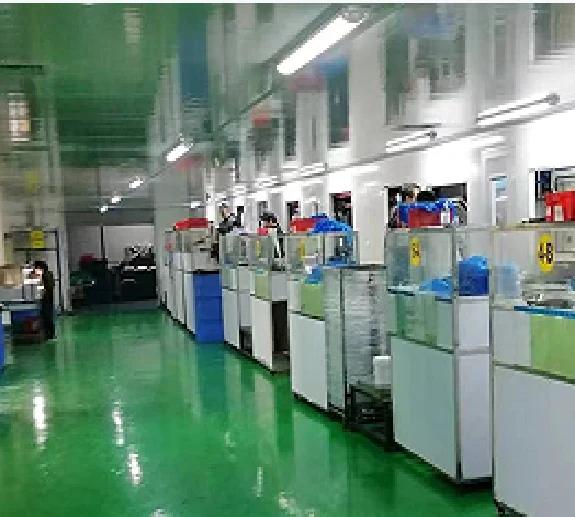
Upon prototype validation, the project transitions to Mass Production. Our ISO-certified manufacturing facilities utilize automated molding lines and real-time quality monitoring systems to ensure dimensional accuracy and material uniformity across large volumes. Every production batch is subjected to statistical process control (SPC) and third-party certification when required. Logistics coordination ensures on-time delivery to global OEMs and Tier-1 suppliers.
The following table outlines typical performance specifications achievable with our metallic plastic rubber formulations:
| Property | Test Method | Typical Value Range |
|---|---|---|
| Hardness (Shore A) | ASTM D2240 | 40 – 90 |
| Tensile Strength | ASTM D412 | 6 – 15 MPa |
| Elongation at Break | ASTM D412 | 150% – 400% |
| Thermal Conductivity | ASTM D5470 | 1.5 – 5.0 W/m·K |
| Electrical Resistivity | ASTM D257 | 10⁻³ – 10² Ω·cm |
| Operating Temperature | — | -60°C to +250°C |
| Compression Set (22h, 150°C) | ASTM D395 | ≤ 25% |
This systematic customization process enables Suzhou Baoshida to deliver engineered metallic plastic components that meet the evolving demands of aerospace, automotive, and electronics industries.
Contact Engineering Team

Contact Suzhou Baoshida for Precision Metal-Filled Rubber Solutions
Suzhou Baoshida Trading Co., Ltd. specializes in advanced elastomeric formulations where metallic integration meets industrial-grade performance. Our engineered compounds—technically classified as metal-filled rubber composites, not “metallic plastics”—deliver critical electrical conductivity, EMI shielding, and thermal management within demanding mechanical systems. These materials bridge the gap between traditional insulating rubbers and rigid conductive metals, enabling applications in aerospace seals, automotive sensors, medical device housings, and industrial gaskets requiring static dissipation. We rigorously define performance through ASTM D2000 and ISO 1817 standards, ensuring dimensional stability under thermal cycling and chemical exposure where conventional conductive plastics fail.
Our formulation expertise leverages precise metal particulate dispersion—aluminum, copper, nickel, or custom alloys—within silicone, EPDM, or NBR matrices. Unlike commodity conductive rubbers, we optimize particle size distribution and surface treatment to prevent agglomeration, maintaining Shore A hardness consistency while achieving target volume resistivity. Each compound undergoes empirical validation for compression set, tensile strength, and long-term fatigue resistance in operational environments. Below summarizes key technical parameters for our standard conductive rubber series:
| Metal Type | Loading Range (phr) | Volume Resistivity (Ω·cm) | Hardness Range (Shore A) | Primary Applications |
|---|---|---|---|---|
| Aluminum | 80-120 | 10⁻² – 10⁰ | 40-70 | EMI gaskets, low-voltage seals |
| Copper | 60-100 | 10⁻³ – 10⁻¹ | 50-80 | High-frequency shielding, grounding pads |
| Nickel | 70-110 | 10⁻¹ – 10¹ | 30-60 | Aerospace static dissipation, fuel system components |
| Custom Alloy | 50-150 | 10⁻⁴ – 10² | 20-90 | OEM-specified thermal/electrical profiles |
As your OEM partner, we control the entire value chain from raw material sourcing to molded part validation. Our Suzhou facility operates under ISO 9001-certified processes, with in-house rheometry, FTIR spectroscopy, and environmental aging chambers to simulate 10,000+ hour service life. We collaborate with clients during DFM (Design for Manufacturability) stages to mitigate flow lines in complex geometries and ensure uniform conductivity across critical contact surfaces. All formulations are developed with REACH/ROHS compliance as baseline, with optional USP Class VI or FDA 21 CFR 177.2600 certification for medical-grade variants.
Initiate your project with Suzhou Baoshida’s engineering team to transform conductivity requirements into validated rubber solutions. Mr. Boyce, our dedicated OEM Manager, will coordinate material selection, prototype sampling, and volume production scheduling within 72 hours of inquiry. Contact him directly at [email protected] with your application’s temperature range, chemical exposure profile, and target resistivity specifications. Include cross-sectional drawings for expedited DFM feedback. We enforce strict IP confidentiality through mutual NDAs and maintain zero-tolerance protocols for material traceability. For time-sensitive RFQs, reference Project Code MET-RUB-2024 to prioritize technical resource allocation. Partner with us to eliminate conductivity compromises in your next-generation sealing or shielding system.
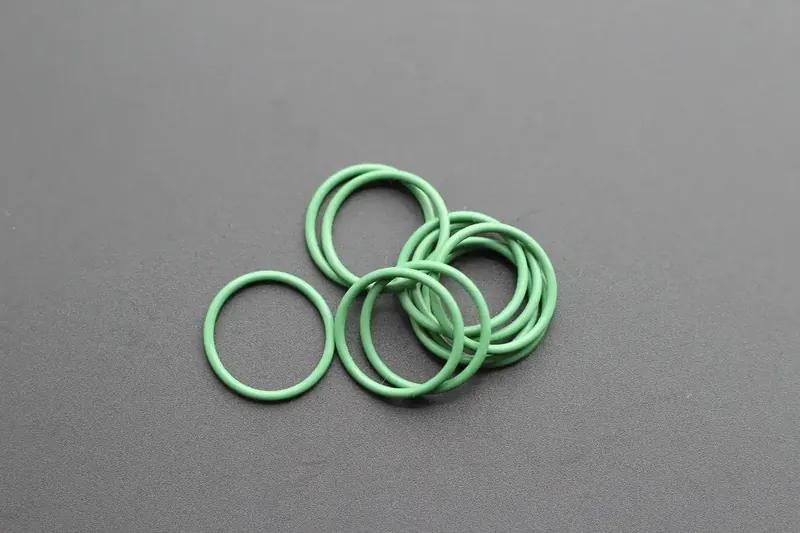
⚖️ O-Ring Weight Calculator
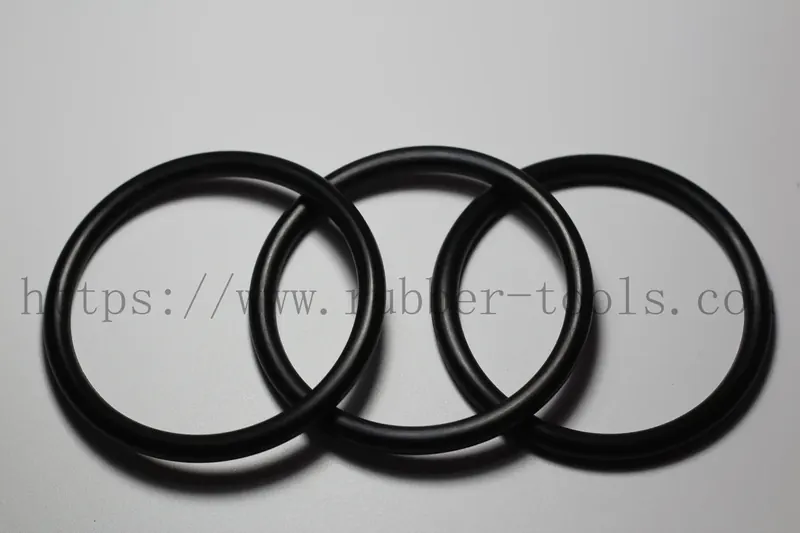
Estimate rubber O-ring weight (Approx).