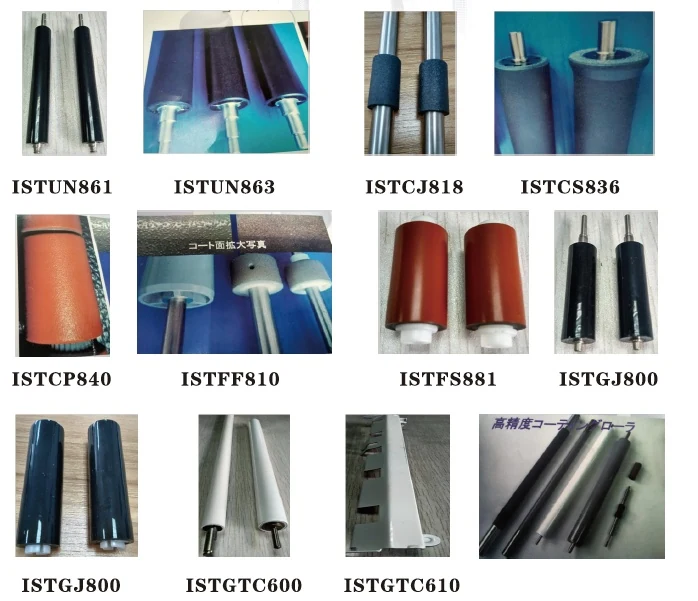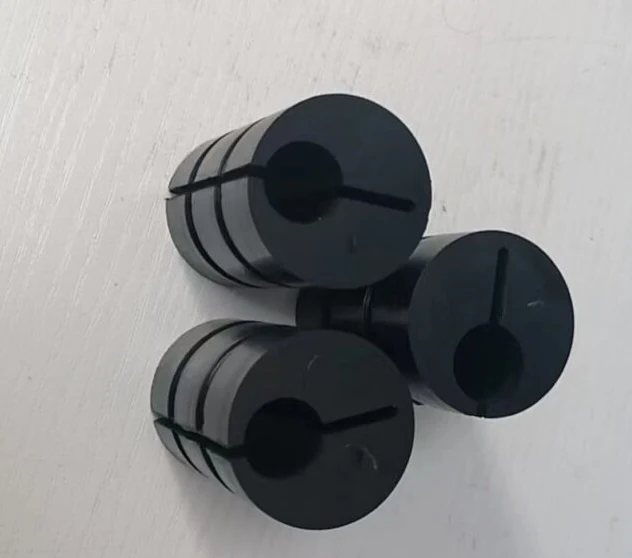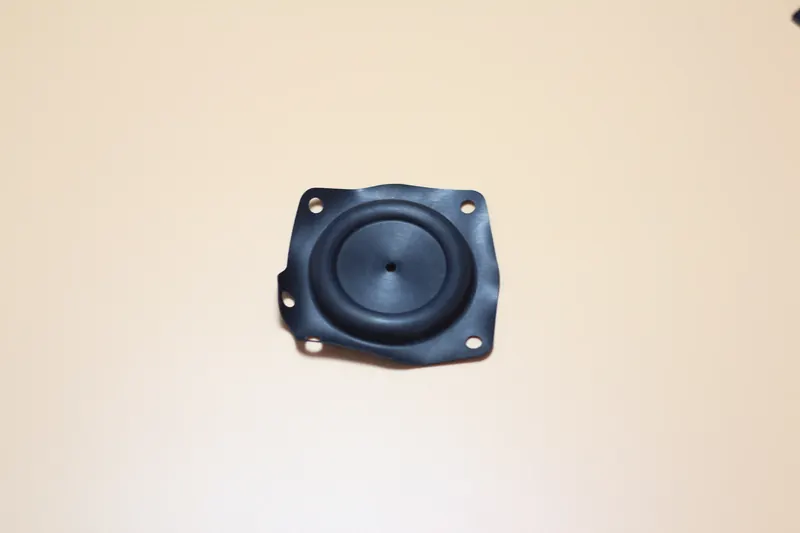
Technical Contents
Engineering Guide: Coin Nitro Rolls

Engineering Insight: The Critical Role of Material Selection in coin nitro rolls
In the precise domain of industrial rubber manufacturing, the performance of coin nitro rolls is fundamentally determined by material composition. These rolls, widely deployed in applications requiring controlled friction, surface embossing, and consistent release characteristics, demand a tailored approach to polymer formulation. Off-the-shelf rubber compounds often fail to meet the rigorous operational demands of modern production lines, leading to premature wear, inconsistent output, and unplanned downtime.
Standardized rubber blends are typically engineered for broad compatibility rather than application-specific performance. In coin nitro rolls, where surface integrity and dimensional stability are paramount, generic materials lack the necessary balance of hardness, resilience, and chemical resistance. For instance, exposure to industrial oils, ozone, and fluctuating temperatures can rapidly degrade non-optimized elastomers, resulting in surface cracking, hardening, or softening—each compromising roll functionality.
At Suzhou Baoshida Trading Co., Ltd., we emphasize engineered material selection based on operational parameters. Our formulations integrate high-purity nitrocellulose-modified nitrile rubber (NBR), offering superior tensile strength, abrasion resistance, and oil stability. The coin pattern fidelity—critical for applications in currency processing, label embossing, or anti-counterfeiting systems—depends on a compound that maintains micro-geometric precision under repeated compression cycles. Only a purpose-built formulation ensures long-term retention of surface detail and functional consistency.
Furthermore, the cross-linking density and filler dispersion within the rubber matrix directly influence thermal conductivity and dynamic fatigue resistance. Off-the-shelf rolls often utilize inconsistent filler loading or suboptimal curing systems, leading to uneven heat distribution and localized degradation. Our proprietary compounding process ensures homogeneous dispersion of reinforcing agents and controlled vulcanization kinetics, resulting in rolls with uniform performance across the entire surface.
It is not merely the base polymer that defines success, but the holistic integration of plasticizers, stabilizers, and curing agents calibrated to the end-use environment. For high-speed operations, low hysteresis compounds reduce internal heat build-up, extending service life. In humid or corrosive environments, we incorporate specialized antioxidants and surface passivation treatments to prevent oxidative aging.
Material selection is not a cost-driven compromise—it is a performance mandate. The failure of generic solutions underscores the necessity of application-specific engineering. At Baoshida, every coin nitro roll is formulated with precision, ensuring reliability, repeatability, and ROI for our industrial partners.
Typical Physical Properties of Baoshida-Engineered coin nitro Rolls
| Property | Test Method | Value |
|---|---|---|
| Hardness (Shore A) | ASTM D2240 | 70 ± 5 |
| Tensile Strength | ASTM D412 | ≥ 20 MPa |
| Elongation at Break | ASTM D412 | ≥ 350% |
| Compression Set (22h at 70°C) | ASTM D395 | ≤ 15% |
| Oil Swell (IRM 903, 70h at 100°C) | ASTM D471 | ≤ 25% |
| Abrasion Loss (DIN 53516) | ISO 4649 | ≤ 80 mm³ |
| Operating Temperature Range | — | -30°C to +100°C |
Material Specifications

Material Specifications for Industrial Nitrile Rolls
Material selection is a critical engineering determinant for nitrile roll performance in demanding industrial environments. Suzhou Baoshida Trading Co., Ltd. prioritizes precision in elastomer formulation to ensure optimal chemical resistance, mechanical stability, and service life. Nitrile rolls operate under continuous stress from abrasion, hydraulic fluids, and temperature fluctuations, necessitating rigorous material validation. Our OEM-managed production adheres to ASTM D2000 and ISO 37 standards, with each compound engineered for specific operational parameters. Below we detail the three primary elastomers deployed in our nitrile roll solutions: Viton (FKM), Nitrile (NBR), and Silicone (VMQ).
Viton fluorocarbon rubber delivers exceptional resistance to high-temperature petroleum derivatives, synthetic lubricants, and aggressive chemicals. Its molecular structure maintains integrity between -20°C and +230°C, making it ideal for aerospace hydraulic systems and semiconductor manufacturing where exposure to fuels or acids occurs. However, its high cost and limited flexibility below -15°C restrict use to extreme-condition applications. Nitrile butadiene rubber (NBR) remains the industry standard for general-purpose nitrile rolls due to its balanced cost-performance profile. With an operational range of -40°C to +120°C, NBR excels in resisting mineral oils, greases, and water-based fluids. Its acrylonitrile content (33–50%) is precisely tuned to optimize oil resistance versus low-temperature flexibility, commonly deployed in automotive transmission seals and printing press rolls. Silicone rubber (VMQ) provides superior thermal stability from -60°C to +200°C and excellent electrical insulation properties. While vulnerable to petroleum oils, it is indispensable in food-grade processing and medical equipment rolls requiring biocompatibility and steam sterilization resistance.
The comparative analysis below summarizes key technical parameters for informed material selection:
| Material | Temperature Range (°C) | Key Chemical Resistances | Typical Hardness (Shore A) | Critical Limitations |
|---|---|---|---|---|
| Viton (FKM) | -20 to +230 | Jet fuels, acids, hydraulic fluids | 60–90 | Poor ketone resistance; high compression set above 200°C |
| Nitrile (NBR) | -40 to +120 | Mineral oils, greases, water | 50–95 | Degrades in ozone; limited aromatic hydrocarbon resistance |
| Silicone (VMQ) | -60 to +200 | Water, alcohols, steam | 30–80 | Low tensile strength; poor fuel/oil resistance |
Suzhou Baoshida’s OEM management integrates these material specifications into certified production workflows. Each nitrile roll compound undergoes batch-specific rheometer testing for cure kinetics and post-cure validation of compression set per ASTM D395. Our quality control lab verifies dimensional tolerances within ±0.05mm and surface finish consistency to Ra ≤0.8μm, ensuring seamless integration into client assembly lines. Material datasheets include lot-traceable certificates of conformance, with custom formulations available for specialized fluid exposure scenarios. This scientific rigor guarantees that every roll meets the exacting demands of industrial automation, converting, and precision machinery applications.
Manufacturing Capabilities

Engineering Capability: Precision-Driven Development for Industrial Rubber Components
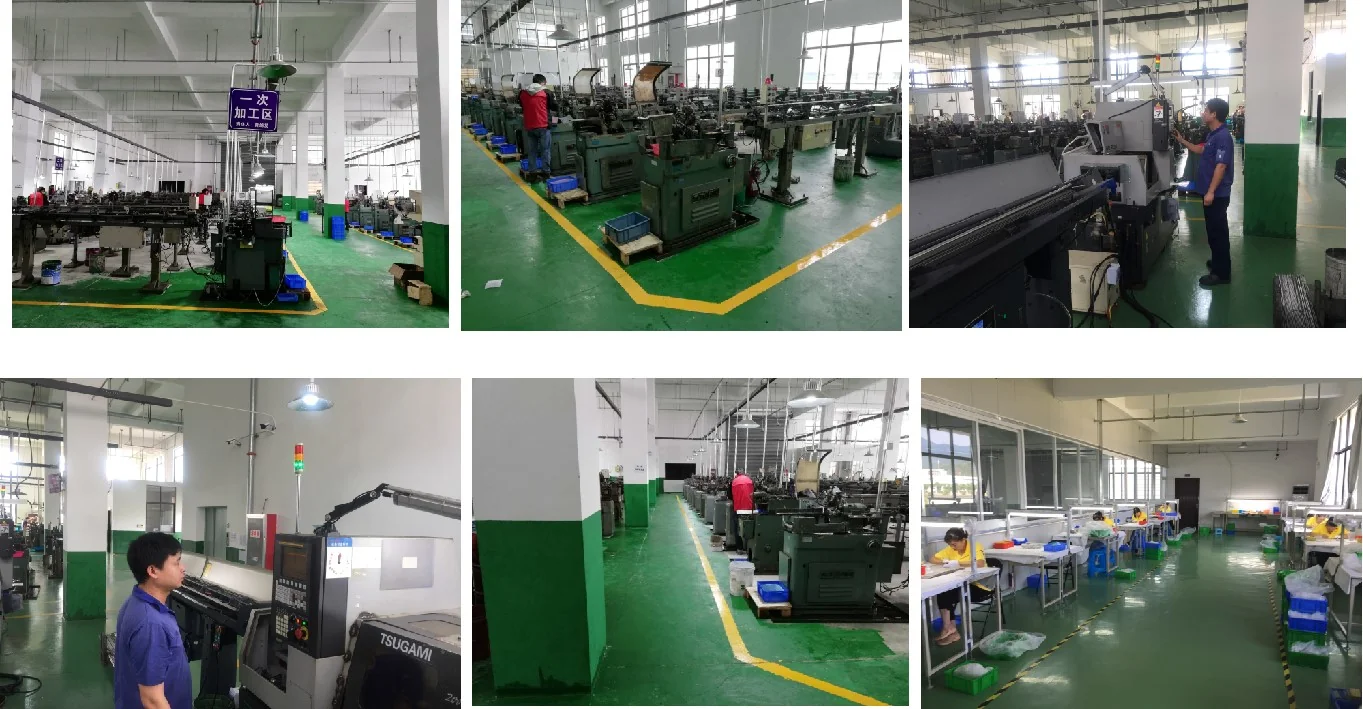
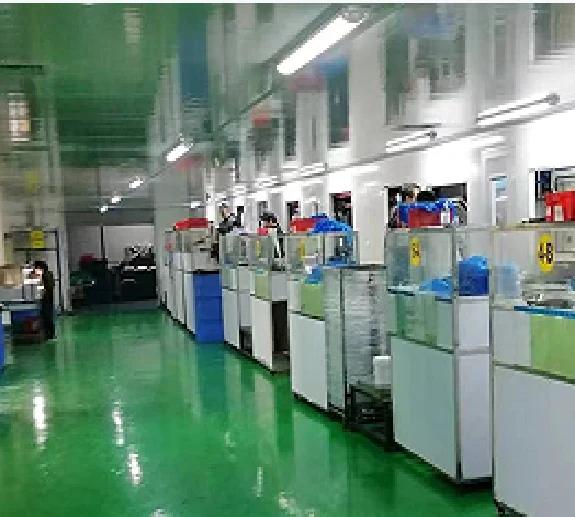
At Suzhou Baoshida Trading Co., Ltd., our engineering capability forms the backbone of our industrial rubber solutions, enabling us to deliver high-performance coin nitro rolls tailored to exacting OEM specifications. With a dedicated team of five experienced mould engineers and two specialized rubber formulation engineers, we integrate material science with precision tooling to ensure optimal product functionality, durability, and consistency across production cycles.
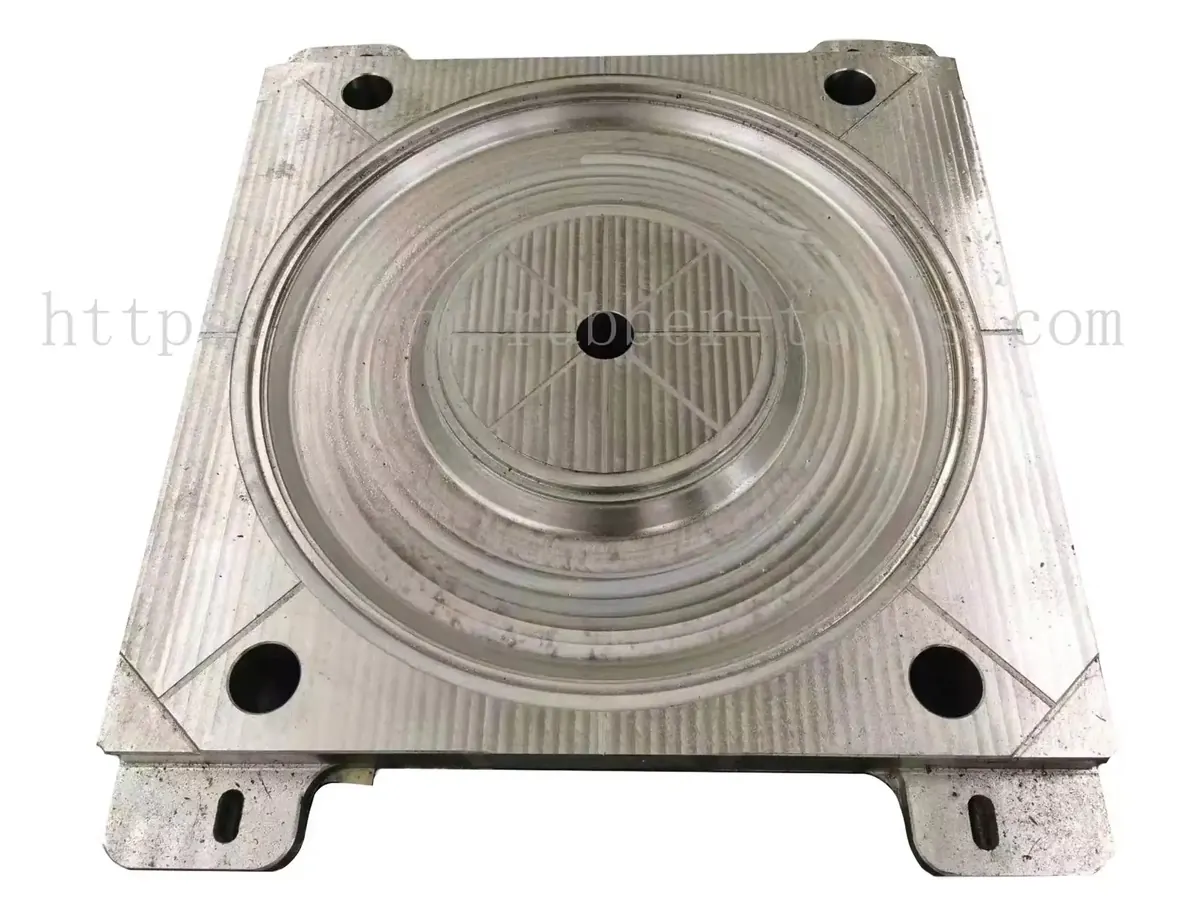
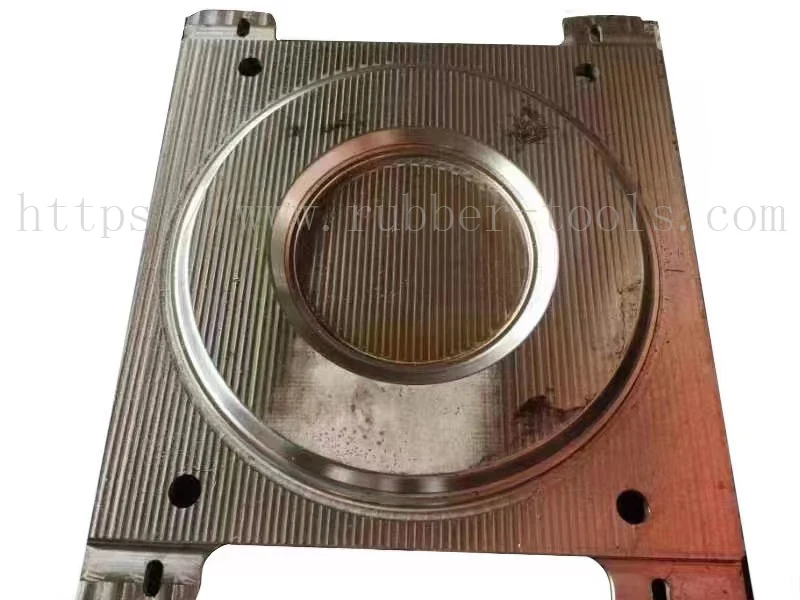
Our mould engineers possess extensive expertise in designing and refining tooling systems for complex rubber roll geometries. Utilizing advanced CAD/CAM software and precision CNC machining, they develop custom moulds that account for material shrinkage, dimensional tolerances, and operational stress conditions. This proactive design approach minimizes post-production adjustments and ensures seamless scalability from prototype to mass production. Each mould undergoes rigorous validation testing to confirm repeatability and alignment with client performance benchmarks.
Complementing our tooling expertise, our two in-house rubber formula engineers specialize in nitrocellulose-modified elastomer systems, commonly used in high-speed coin handling and currency processing rolls. These engineers formulate custom rubber compounds that balance friction coefficient, wear resistance, compressive set, and surface tack—critical parameters for reliable coin feeding, stacking, and counting. By controlling the formulation process internally, we eliminate dependency on third-party material suppliers and maintain full traceability of raw ingredients, curing agents, and reinforcing fillers.
Our integrated engineering workflow allows simultaneous development of compound and mould, significantly reducing time-to-market. This concurrent engineering model ensures that the rubber’s flow behavior during vulcanization is accounted for in the mould design, minimizing defects such as voids, flash, or incomplete curing. Furthermore, our team conducts dynamic performance testing under simulated operational loads to validate roll behavior in real-world conditions.
OEM collaboration is central to our engineering philosophy. We work directly with equipment manufacturers to reverse-engineer legacy rolls, improve service life, or develop next-generation components with enhanced functional properties. Whether modifying durometer, adjusting surface texture, or reformulating for temperature stability, our engineers provide data-driven recommendations supported by material test reports and performance analytics.
The following table outlines key engineering specifications we routinely achieve for coin nitro rolls:
| Parameter | Standard Capability | Precision Option |
|---|---|---|
| Durometer Range (Shore A) | 50–90 | ±2 tolerance |
| Linear Dimension Tolerance | ±0.1 mm | ±0.05 mm (precision grinding) |
| Roundness | < 0.1 mm | < 0.03 mm |
| Surface Roughness (Ra) | 0.8–3.2 µm | Custom textures available |
| Operating Temperature Range | -20°C to +80°C | Up to +120°C (special formulation) |
| Friction Coefficient (vs. Cu) | 0.4–0.7 (adjustable) | Tunable within range |
| Production Batch Consistency | < 5% property variation | < 2% with SPC monitoring |
Through rigorous material control, advanced tooling, and deep application knowledge, Suzhou Baoshida delivers engineered rubber solutions that meet the exact functional demands of automated coin handling systems. Our in-house technical team ensures every roll performs reliably under high-cycle industrial use.
Customization Process

Customization Process for Coin Nitro Rolls: Precision Engineering from Concept to Volume Production
Suzhou Baoshida Trading Co., Ltd. executes a rigorously defined customization workflow for coin nitro rolls, ensuring alignment with OEM mechanical specifications and operational environments. This four-phase methodology eliminates design ambiguities, optimizes material performance, and guarantees production scalability while adhering to ISO 9001 quality management protocols.
The process initiates with Drawing Analysis, where our engineering team dissects client-provided CAD models and technical schematics. Critical dimensions, tolerances (typically ±0.05 mm for roll diameter and concentricity), surface finish requirements (Ra ≤ 0.8 µm), and interface geometries undergo GD&T validation. We identify potential stress concentration points, rotational speed constraints, and environmental exposure factors—such as coin alloy composition or cleaning solvent contact—that dictate material selection. Any ambiguities in callouts or functional intent are resolved via direct OEM consultation before progression.
Subsequent Formulation leverages Suzhou Baoshida’s proprietary rubber compound database and accelerated aging simulations. Based on the drawing analysis, we select base polymers (e.g., hydrogenated nitrile rubber for oil resistance or polyurethane for abrasion tolerance), reinforcing fillers, and curatives to achieve target properties. Key parameters include Shore A hardness, thermal stability, and dynamic fatigue life. Lab-scale mixing validates cure kinetics and compound homogeneity, ensuring the formulation withstands coin handling stresses without deformation or adhesion.
Prototyping follows compound approval, producing 3–5 sample rolls via precision molding under controlled vulcanization conditions. Each prototype undergoes rigorous in-house testing against OEM-specified metrics:
Dimensional verification via CMM
Surface friction coefficient measurement (ASTM D1894)
100-hour accelerated wear testing with simulated coin throughput
Thermal cycling between -20°C and 80°C
Client validation of prototypes occurs within 15 business days, with iterative adjustments if performance deviations exceed ±5% of agreed tolerances.
Upon prototype sign-off, Mass Production commences in our Suzhou facility with full statistical process control. Rolls are manufactured in batches of 50–200 units, with real-time monitoring of cure temperature, pressure, and cycle time. Each lot includes traceable material certificates and undergoes 100% visual inspection plus抽样 testing per AQL 1.0. Final packaging includes anti-static wrapping and humidity-controlled containers for global logistics.
The following table summarizes critical performance specifications achievable through this workflow:
| Property | Standard Range | Test Method | Application Relevance |
|---|---|---|---|
| Shore A Hardness | 60–75 | ASTM D2240 | Coin release consistency |
| Operating Temperature | -20°C to +80°C | ISO 188 | Facility environmental stability |
| Abrasion Resistance | ≤ 120 mm³ loss | ISO 4649 | Longevity under high-volume coin handling |
| Tensile Strength | ≥ 20 MPa | ASTM D412 | Structural integrity during rotation |
This structured approach minimizes time-to-market while guaranteeing coin nitro rolls deliver 500,000+ operational cycles without performance degradation. Suzhou Baoshida’s integration of materials science, precision manufacturing, and OEM collaboration ensures every roll meets the exacting demands of automated coin processing systems.
Contact Engineering Team

For industrial manufacturers seeking precision-engineered rubber components, Suzhou Baoshida Trading Co., Ltd. stands as a trusted partner in the development and supply of high-performance industrial rubber solutions. Our expertise in rubber compounding, material science, and OEM manufacturing enables us to deliver tailored products that meet the rigorous demands of modern production environments. Among our specialized offerings is the coin nitro roll—a critical component in applications requiring controlled friction, consistent surface texture, and long-term durability under dynamic mechanical stress.
Coin nitro rolls are widely used in printing, laminating, embossing, and material handling systems where surface patterning and grip efficiency are paramount. At Suzhou Baoshida, we design each roll to exacting specifications, ensuring optimal performance in high-speed and high-load operations. Our engineering team works closely with clients to select the appropriate rubber hardness, durometer profile, and bonding method, ensuring compatibility with existing machinery and process conditions.
We utilize advanced nitrocellulose-based rubber formulations enhanced with reinforcing fillers and stabilizers to deliver superior abrasion resistance, oil resistance, and thermal stability. Each roll undergoes stringent quality control protocols, including dimensional inspection, adhesion testing, and dynamic balance verification, to guarantee reliability and repeatability in industrial use.
To support global OEMs and system integrators, we offer full customization—from core diameter and face width to groove pattern and Shore A hardness. Whether you require a single prototype or a full production run, our manufacturing infrastructure ensures consistent quality and on-time delivery.
For technical inquiries, quoting requests, or material selection guidance, we invite you to contact Mr. Boyce, our dedicated OEM Manager and Rubber Formula Engineer. With over 15 years of experience in industrial elastomer applications, Mr. Boyce provides expert consultation on rubber formulation optimization, performance validation, and integration support. Reach out directly via email at [email protected] to discuss your specific requirements and receive a tailored solution.
Below are representative technical specifications for our standard coin nitro roll configurations. Custom parameters are available upon request.
| Parameter | Standard Range | Custom Options Available |
|---|---|---|
| Core Material | Steel, Aluminum, or Composite | Yes |
| Core Diameter | 25 mm – 300 mm | Up to 500 mm |
| Face Width | 50 mm – 1200 mm | Beyond 1200 mm |
| Rubber Hardness (Shore A) | 50° – 90° | 40° – 95° |
| Temperature Resistance | -20°C to +80°C (standard) | Up to +120°C |
| Surface Pattern | Coin, Diamond, Liner, Custom | CNC-machined molds |
| Bonding Method | Cold Bond, Hot Vulcanization | Metal priming options |
| Tolerance (diameter) | ±0.05 mm | ±0.02 mm (precision) |
| Balance Grade | G6.3 (standard) | G2.5 (high-speed) |
Partner with Suzhou Baoshida Trading Co., Ltd. to integrate engineered rubber components that enhance system efficiency and reduce downtime. Contact Mr. Boyce today at [email protected] to initiate a technical discussion and receive sample specifications for your application.
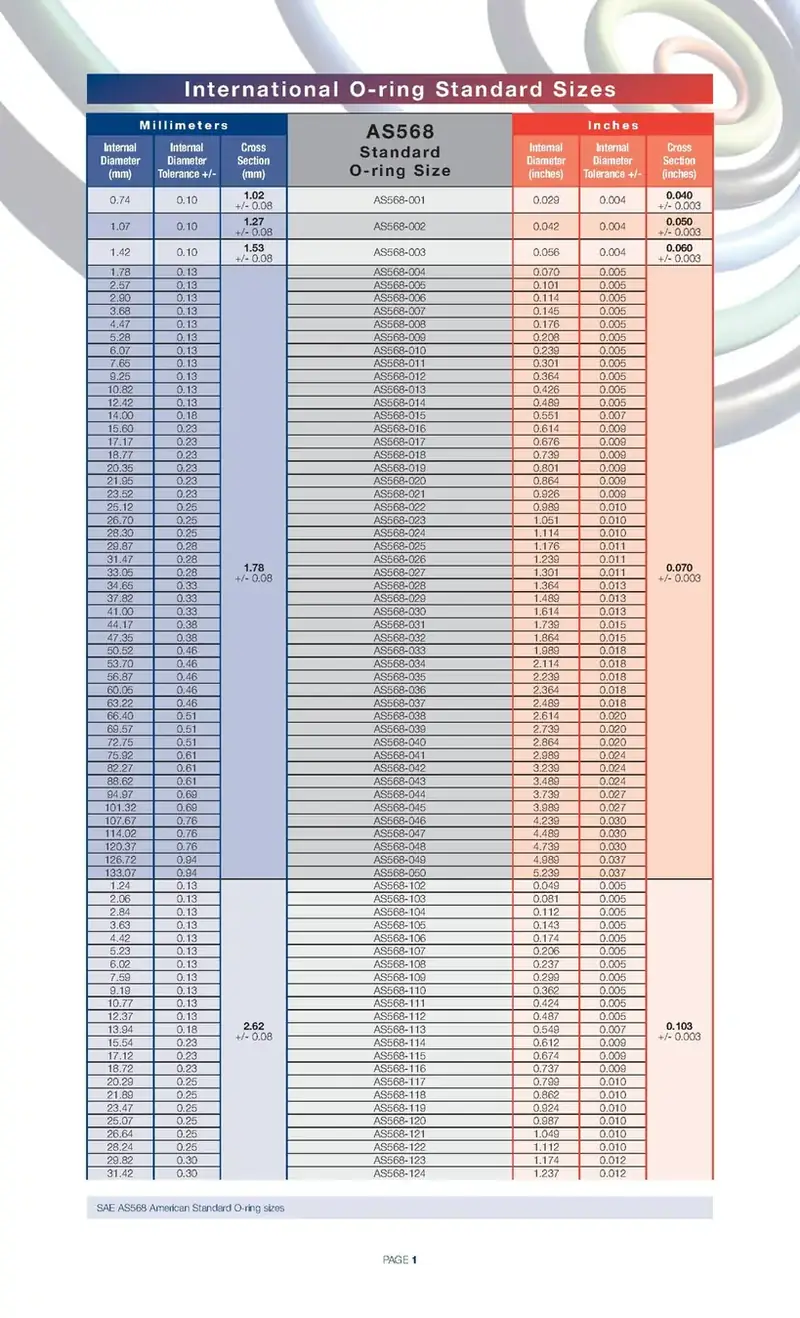
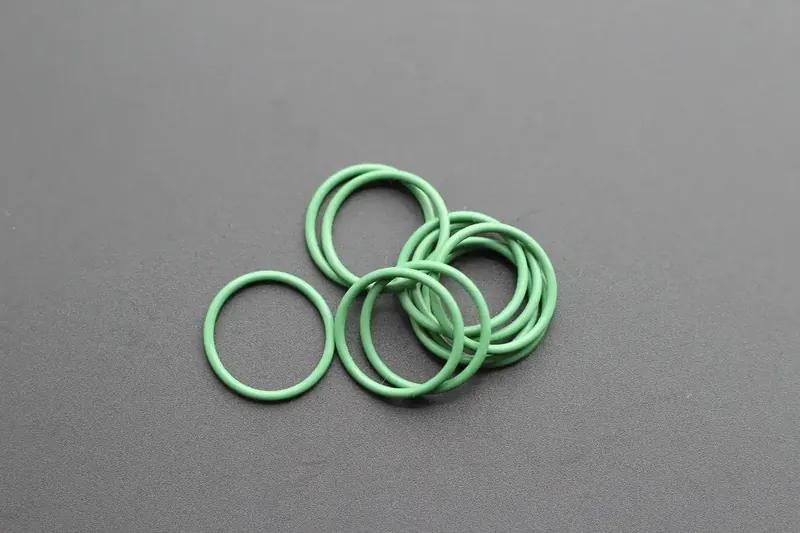
⚖️ O-Ring Weight Calculator
Estimate rubber O-ring weight (Approx).