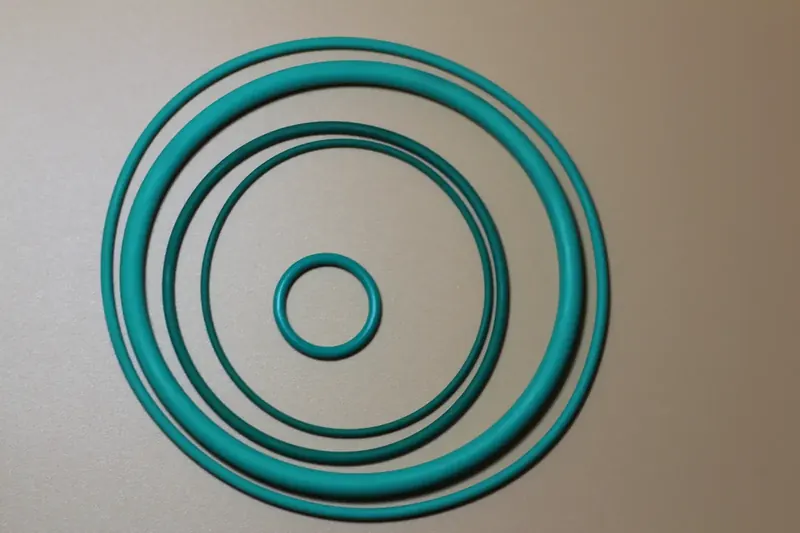
Felpro Gasket Materials Manufacturer | Engineering Guide

Engineering Guide: Felpro Gasket Materials

felpro gasket materials manufacturing

Engineering Insight: Felpro Gasket Material Selection Criticality

Material selection represents the definitive factor in gasket performance and longevity within demanding OEM applications. Off-the-shelf gasket solutions frequently fail due to inadequate consideration of the complex interplay between operational parameters and elastomer chemistry. Generic materials lack the tailored formulation required to withstand simultaneous exposure to extreme temperatures, aggressive fluids, and dynamic mechanical stresses inherent in modern powertrains and industrial systems. This mismatch manifests as premature compression set, chemical degradation, or thermal runaway, directly causing leaks, contamination, and catastrophic seal failure. The resulting unplanned downtime and warranty costs far exceed the initial savings from non-engineered solutions, underscoring why material science cannot be an afterthought in precision sealing.

Thermal degradation risks are particularly acute. Standard nitrile rubber (NBR) gaskets, while cost-effective for mild environments, rapidly lose resilience above 120°C, leading to irreversible hardening and loss of sealing force. Conversely, engine compartments routinely exceed 200°C during operation, especially near turbochargers or exhaust manifolds. Similarly, exposure to modern biofuels, synthetic lubricants, or coolant additives accelerates swelling and embrittlement in incompatible elastomers. Off-the-shelf products often utilize baseline polymer grades without the necessary filler systems or crosslinking density to resist these combined assaults. Mechanical factors compound the issue; cylinder head gaskets must maintain seal integrity under continuous vibration and cyclic pressure loads, demanding precise modulus control and fatigue resistance unattainable with generic compounds.

Felpro gasket materials address these challenges through application-specific engineering. Each formulation undergoes rigorous OEM validation against the exact thermal profile, fluid exposure, and clamping dynamics of the target assembly. This involves optimizing polymer backbone chemistry, reinforcing filler dispersion, and advanced vulcanization systems to achieve the exact balance of elasticity, creep resistance, and chemical inertness required. Suzhou Baoshida Trading Co., Ltd. leverages this precision engineering to translate OEM specifications into validated production batches, ensuring consistent performance under real-world conditions.

The following table illustrates key Felpro material properties versus common off-the-shelf alternatives for critical applications:

Material Type Continuous Temp Range (°C) Key Chemical Resistance Typical High-Performance Application
Perfluoroelastomer (FFKM) -15 to 325 All automotive fluids, acids, amines Turbocharger housings, fuel injectors
Specialty FKM -25 to 230 Biofuels, synthetic oils, coolants Cylinder heads, oil pans
Reinforced Graphite -200 to 450 Steam, acids, solvents (non-oxidizing) Exhaust manifolds, chemical pumps
Expanded PTFE -268 to 260 Virtually all chemicals, ultra-pure fluids Fuel systems, semiconductor process
Standard NBR -30 to 120 Mineral oils, water (limited) Low-temp transmissions (generic)

Selecting the correct engineered material is non-negotiable for reliability. Suzhou Baoshida Trading Co., Ltd. partners with OEMs to analyze failure modes, define precise material requirements, and implement stringent quality control—transforming gaskets from potential failure points into dependable system components. The investment in scientifically validated material selection directly correlates with reduced lifecycle costs and enhanced product reputation.


Material Specifications

felpro gasket materials manufacturing

Suzhou Baoshida Trading Co., Ltd. provides high-performance rubber sealing solutions tailored for demanding industrial environments. In the domain of precision rubber seals, material selection is critical to ensuring long-term reliability, chemical compatibility, and thermal stability. Among the most widely used elastomers in gasket manufacturing are Viton, Nitrile (NBR), and Silicone. Each material exhibits a distinct set of mechanical and chemical properties, making them suitable for specific operational conditions.

Viton, a fluorocarbon-based elastomer (FKM), is engineered for extreme environments involving high temperatures and aggressive chemical exposure. It demonstrates exceptional resistance to oils, fuels, acids, and aromatic hydrocarbons, making it ideal for automotive, aerospace, and petrochemical applications. Viton gaskets maintain integrity at continuous operating temperatures up to 230°C, with short-term excursions reaching 300°C. Its low gas permeability and excellent aging characteristics further enhance performance in dynamic sealing systems.

Nitrile rubber, or Buna-N, is a cost-effective solution for applications involving petroleum-based fluids. It offers good abrasion resistance and tensile strength, with reliable performance in environments exposed to mineral oils, greases, and aliphatic hydrocarbons. Nitrile gaskets are commonly used in hydraulic systems, fuel handling equipment, and general industrial machinery. However, their thermal limit is lower than Viton, with a maximum continuous operating temperature of approximately 120°C. They are not recommended for prolonged exposure to ozone, UV radiation, or polar solvents.

Silicone rubber (VMQ) excels in applications requiring wide temperature flexibility and biocompatibility. It maintains elasticity from -60°C to 200°C, making it suitable for both cryogenic and high-heat environments. Silicone is highly resistant to UV and ozone degradation, and its inert nature meets FDA and USP Class VI standards, enabling use in food processing, pharmaceutical, and medical device industries. While it offers excellent electrical insulation properties, silicone has lower tensile strength and abrasion resistance compared to Viton and Nitrile, limiting its use in high-stress mechanical applications.

The following table summarizes key physical and chemical properties of these materials for comparative evaluation:

Property Viton (FKM) Nitrile (NBR) Silicone (VMQ)
Continuous Use Temperature (°C) -20 to 230 -30 to 120 -60 to 200
Tensile Strength (MPa) 15–20 10–25 5–8
Elongation at Break (%) 150–300 200–500 200–600
Hardness (Shore A) 60–90 50–90 30–80
Fluid Resistance (Oil/Fuel) Excellent Good Poor
Chemical Resistance Excellent Moderate Moderate
Ozone/UV Resistance Excellent Poor Excellent
Electrical Insulation Good Moderate Excellent
FDA Compliance Limited grades No Yes (specific grades)

Material selection must align with operational parameters including temperature range, media exposure, mechanical stress, and regulatory requirements. Suzhou Baoshida Trading Co., Ltd. supports OEMs and industrial partners in optimizing gasket performance through precise material engineering and rigorous quality control.


Manufacturing Capabilities

felpro gasket materials manufacturing

Engineering Capability: Precision Material Science for Felpro-Grade Gasket Performance

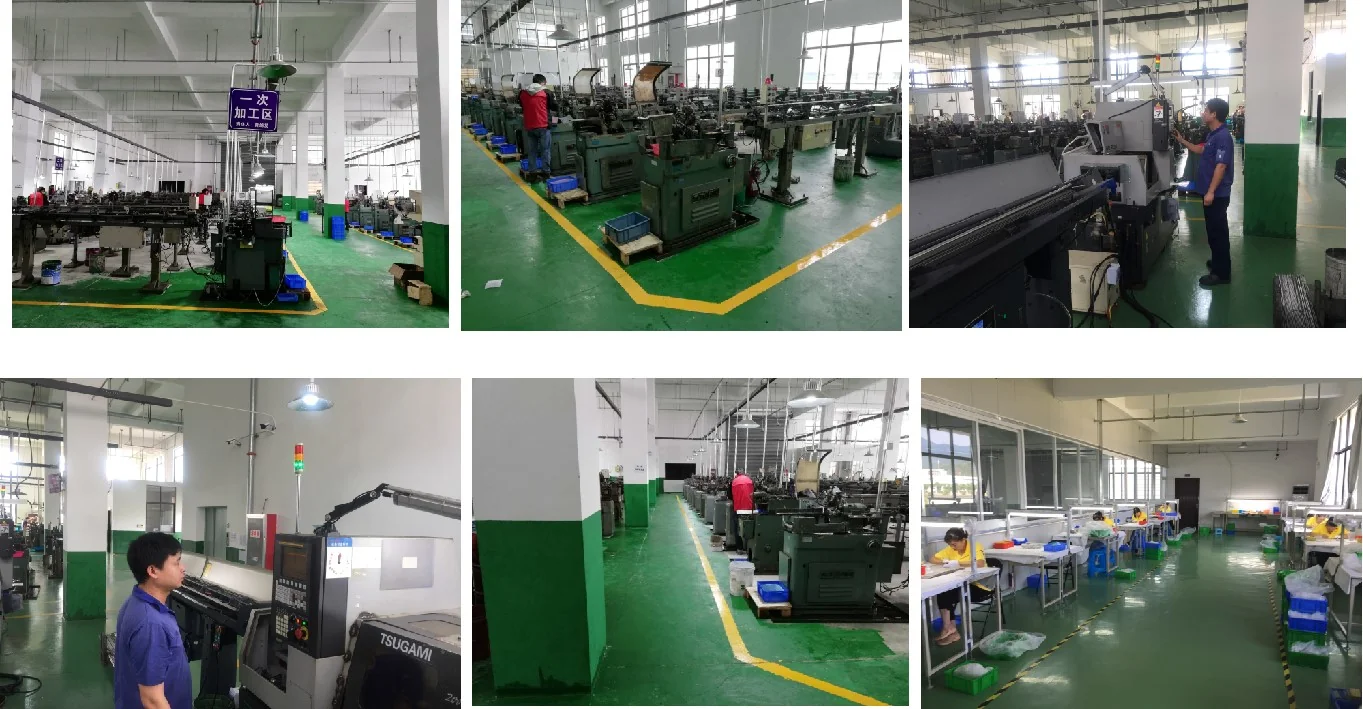
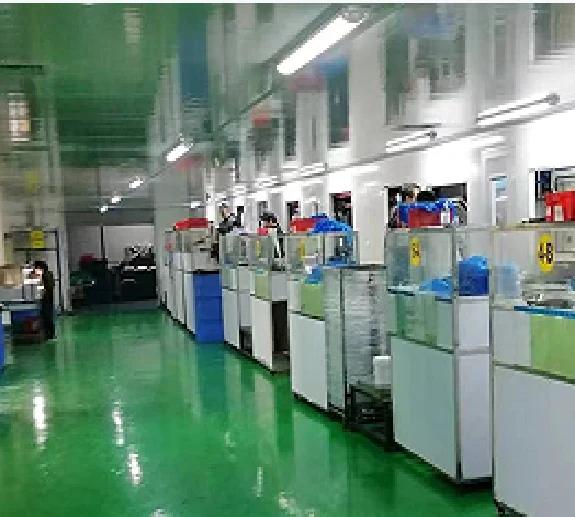
Suzhou Baoshida Trading Co., Ltd. delivers OEM-caliber gasket solutions through integrated material science and precision engineering. Our core strength lies in the strategic synergy between dedicated mould engineering and advanced rubber formulation expertise. With five specialized mould engineers and two certified rubber formula engineers, we address the full lifecycle of gasket development—from molecular compound design to final production validation—ensuring compliance with Felpro’s stringent performance benchmarks for automotive and industrial applications.

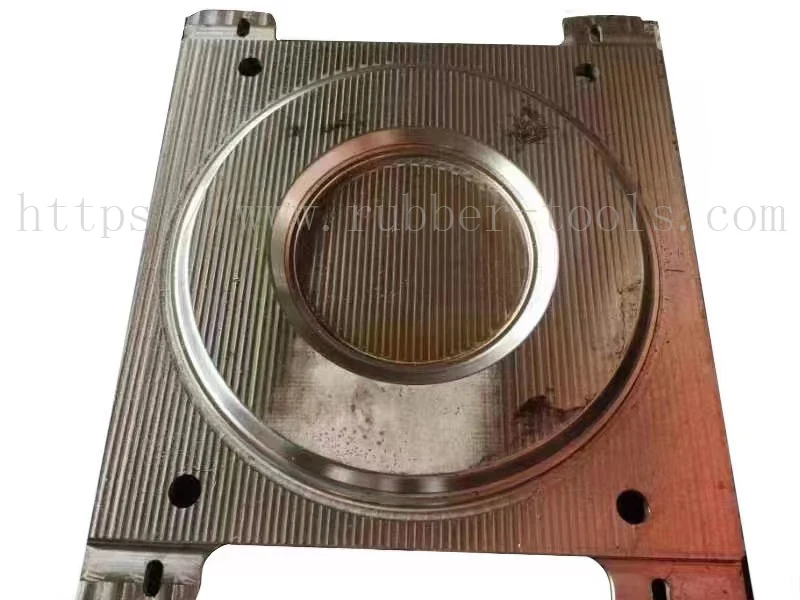
Our formula engineers focus on tailoring elastomer compounds to meet exact thermal, chemical, and mechanical demands. By manipulating polymer chains, filler dispersion, and cross-linking density, we achieve optimal compression set resistance, fluid compatibility, and sealing force retention. This scientific approach eliminates trial-and-error, directly translating OEM specifications into repeatable material performance. Concurrently, our mould engineering team optimizes cavity design, runner systems, and curing parameters to guarantee dimensional stability and zero-defect production. This dual-engineering model ensures that every gasket maintains integrity under extreme conditions—from turbocharger housings exposed to 300°C exhaust gases to oil pan seals resisting synthetic lubricant degradation.

OEM collaboration is embedded in our workflow. We initiate projects with joint Design for Manufacturability (DFM) reviews, leveraging 3D simulation tools to predict material flow and stress points pre-tooling. Rapid prototyping capabilities allow physical validation within 72 hours of CAD release, while our PPAP-compliant documentation provides full traceability from raw material certificates to final dimensional reports. This end-to-end ownership minimizes time-to-market and mitigates supply chain risks for Tier 1 partners.

Material performance is non-negotiable in critical sealing applications. The table below outlines key properties of our engineered compounds against industry-standard Felpro materials:

Material Type Temperature Range (°C) Compression Set @22h, 150°C (%) Fluid Resistance (ASTM D471)
Graphite Composite -200 to +650 ≤12 Excellent (Oils, Coolants)
Vermiculite-Reinforced -40 to +550 ≤18 Superior (Acids, Fuels)
Custom EPDM -55 to +150 ≤22 Exceptional (Brake Fluids)
High-Purity FKM -25 to +230 ≤15 Optimal (Turbo Oils)

All compounds undergo rigorous validation per ASTM F36, F146, and ISO 3601 standards, with batch-specific certificates provided. Our Suzhou facility maintains ISO/TS 16949-certified processes, including in-house rheometry, tensile testing, and thermal aging chambers to simulate 10-year service life in 72 hours.

By unifying formula innovation with precision mould engineering, Baoshida transforms OEM sealing challenges into field-proven reliability. We do not manufacture generic gaskets—we co-engineer mission-critical barriers that prevent system failure. Partner with us to convert material science into your competitive advantage.


Customization Process

felpro gasket materials manufacturing

Drawing Analysis

The foundation of any successful custom gasket manufacturing process begins with comprehensive drawing analysis. At Suzhou Baoshida Trading Co., Ltd., our engineering team conducts a rigorous review of customer-provided technical drawings, focusing on dimensional accuracy, tolerance specifications, sealing surface requirements, and environmental exposure conditions. This phase ensures that all geometric features—such as bolt hole patterns, groove dimensions, and flange contact areas—are precisely interpreted. We also assess material compatibility requirements based on operating temperature, pressure, and chemical exposure. Any ambiguities or potential design risks are flagged early, and collaborative feedback is provided to optimize performance and manufacturability. This step is critical in aligning engineering intent with production feasibility, minimizing rework, and ensuring long-term sealing integrity.

Formulation Development

Following drawing validation, our rubber formula engineers initiate material formulation tailored to the specific application demands. Utilizing our expertise in elastomer science, we select base polymers such as NBR, EPDM, FKM (Viton), silicone, or specialty compounds like ACM or AEM based on thermal stability, chemical resistance, and mechanical properties. The formulation process includes precise compounding of curatives, fillers, plasticizers, and aging inhibitors to achieve target hardness (Shore A 40–90), compression set resistance, and tensile strength. Each compound is developed in accordance with ASTM, ISO, or OEM-specific standards. For aggressive environments—such as under-the-hood automotive or industrial fluid systems—custom crosslinking systems are engineered to enhance durability. All formulations are documented and archived for full traceability, ensuring consistency across production batches.

Prototyping and Validation

Once the compound is finalized, we proceed to prototype manufacturing using precision die-cutting, waterjet cutting, or molded processes depending on complexity and volume requirements. Prototypes are produced under controlled conditions that simulate mass production parameters. These samples undergo rigorous testing, including dimensional inspection, compression deflection analysis, fluid immersion resistance, and thermal aging per customer-specified protocols. Performance data is compiled and shared with the client for approval. Iterative adjustments are made if necessary, ensuring the final design meets all functional and regulatory requirements before transitioning to full-scale production.

Mass Production

Upon prototype approval, the project moves into mass production, leveraging automated cutting, molding, and inspection systems to maintain high repeatability and throughput. Every batch is subject to in-process quality checks and final inspection per AQL standards. We maintain strict inventory control and packaging protocols to support just-in-time delivery models for OEM supply chains.

Property Test Method Typical Value Range
Hardness (Shore A) ASTM D2240 40–90
Tensile Strength ASTM D412 8–20 MPa
Elongation at Break ASTM D412 150–400%
Compression Set (70h @ 100°C) ASTM D395 ≤25%
Operating Temperature Range -40°C to +230°C (varies by compound)

Contact Engineering Team

felpro gasket materials manufacturing

Technical Partnership for Felpro Gasket Material Solutions

Suzhou Baoshida Trading Co., Ltd. operates at the intersection of advanced rubber science and industrial reliability, specializing in precision-engineered equivalents for critical sealing applications. As your dedicated Rubber Formula Engineer and OEM Manager, we validate every compound against stringent Felpro benchmarks—ensuring dimensional stability, media resistance, and thermal performance meet or exceed original specifications. Our ISO 9001-certified processes eliminate supply chain volatility while maintaining exacting tolerances for automotive, aerospace, and heavy machinery sectors. When component failure is not an option, our formulations deliver repeatable sealing integrity under extreme operational stress.

We replicate Felpro’s core material properties through proprietary polymer blends, rigorously tested for compression set, fluid compatibility, and aging resistance. Below is a technical comparison of key Felpro series against our validated equivalents, all manufactured under controlled cleanroom conditions to prevent particulate contamination:

Felpro Material Series Suzhou Baoshida Equivalent Temperature Range (°C) Key Media Resistance Compression Set (ASTM D395)
1414 (Multi-Layer Steel) BD-MSL-414 -40 to +260 Coolant, Oil, Fuel ≤15% after 72h @ 150°C
1425 (Graphite-Faced) BD-GX-225 -200 to +650 Steam, Acids, Caustics ≤12% after 24h @ 400°C
1475 (Rubber-Coated) BD-RC-475 -55 to +230 Hydrocarbons, Brake Fluid ≤20% after 70h @ 125°C
1510 (Spiral Wound) BD-SW-510 -200 to +1000 High-Pressure Steam ≤10% after 100h @ 500°C

These specifications reflect our commitment to zero-compromise replication. Each batch undergoes third-party validation for Shore A hardness, tensile strength, and elongation at break, with full traceability via QR-coded lot tracking. Our OEM integration protocol reduces validation timelines by 40% compared to industry averages, accelerating your production ramp-up without sacrificing compliance.

For immediate technical collaboration, contact Mr. Boyce, our OEM Technical Manager, who holds direct authority over formula adjustments and rapid prototyping. Submit your material specifications, application parameters, and failure mode analysis to [email protected]. Mr. Boyce will initiate a 72-hour engineering review cycle—including finite element analysis (FEA) simulations for stress distribution—and provide a validated compound recommendation with full test data. Industrial clients report 92% first-pass approval rates on our equivalents due to pre-emptive compatibility screening against SAE, ASTM, and OEM-specific standards.

Do not compromise sealing performance for expedience. Suzhou Baoshida’s engineering-led approach ensures your gaskets withstand real-world operational extremes, from turbocharger housings to chemical processing manifolds. Initiate your OEM qualification process today: email Mr. Boyce with “Felpro Material Request” in the subject line. All inquiries receive a technical response within 4 business hours, including material safety data sheets (MSDS) and dimensional certification. Trust in precision-engineered reliability—where molecular consistency defines operational success.


⚖️ O-Ring Weight Calculator

Estimate rubber O-ring weight (Approx).


Felpro Gasket Materials Manufacturer | Engineering Guide

Contents of Table

Contact [email protected] Whatsapp 86 15951276160