Technical Contents
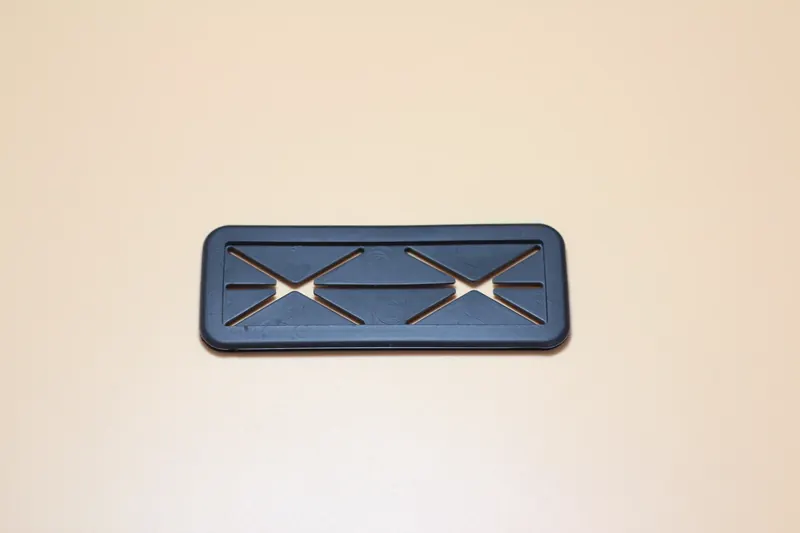
Engineering Guide: Rubber Pad Feet

Engineering Insight: Material Selection Imperatives for Rubber Pad Feet
The functional integrity of rubber pad feet in industrial applications hinges entirely on precise material science. Off-the-shelf solutions frequently fail because they employ generic elastomer formulations optimized for cost, not operational demands. Standard pads ignore critical variables such as dynamic load profiles, chemical exposure, thermal cycling, and environmental degradation. Consequently, premature compression set, ozone cracking, or solvent swelling occurs—transforming intended vibration isolators into rigid anchors or disintegrated debris. This compromises equipment stability, accelerates wear on connected machinery, and incurs unplanned downtime costs far exceeding initial pad expenses.
Material selection must address the triad of mechanical stress, environmental exposure, and longevity. For instance, a pad under constant 500 psi load in a pharmaceutical cleanroom requires radically different chemistry than one supporting outdoor HVAC units exposed to UV and -40°C temperatures. Generic pads typically utilize low-cost SBR or unmodified natural rubber with narrow operational windows. Engineered compounds, however, integrate polymer backbone modifications, specialized fillers, and antioxidant packages tailored to the application’s stress spectrum. A pad for oil-handling equipment demands nitrile (NBR) with >70% acrylonitrile content for fuel resistance, while semiconductor manufacturing requires ultra-pure silicone with platinum curing to prevent ionic contamination.
Critical material failure modes in off-the-shelf pads include:
Compression set exceeding 30% within 6 months under moderate loads due to insufficient crosslink density.
Surface crazing from ozone exposure when using non-saturated rubbers like standard EPDM in unventilated generator enclosures.
Swelling-induced detachment when standard neoprene pads contact hydraulic fluids with ester-based additives.
Suzhou Baoshida Trading Co., Ltd. mitigates these risks through OEM-driven compound design. We characterize each application’s load-temperature-chemical matrix and deploy proprietary blends with validated performance thresholds. Below is a comparative analysis of standard versus engineered solutions:
| Property | Standard Off-the-Shelf Pad | Suzhou Baoshida Engineered Pad |
|---|---|---|
| Hardness Range (Shore A) | Fixed (e.g., 60±5) | Customizable (30–90) |
| Compression Set (70°C/22h) | 25–40% | <15% |
| Temperature Range | -20°C to +70°C | -60°C to +250°C (silicone) |
| Chemical Resistance | Limited (oils, ozone) | Formulated for specific agents |
| Ozone Resistance | Poor (cracking at 50 pphm) | Excellent (no cracks at 100 pphm) |
| Service Life (Industrial) | 6–18 months | 5+ years |
The data underscores why material selection is non-negotiable. Generic pads represent a false economy where initial savings evaporate through equipment damage and maintenance. At Suzhou Baoshida, we engineer rubber pad feet as integrated system components—not disposable accessories. Our OEM process begins with application diagnostics, followed by compound simulation in accelerated aging chambers replicating 10-year field exposure. This precision eliminates guesswork, ensuring pads maintain elastic recovery, adhesion, and damping characteristics across the operational lifecycle. Partnering for engineered solutions transforms rubber feet from failure points into reliability assets.
Material Specifications

Material selection is a critical factor in the performance and longevity of rubber pad feet used in industrial and commercial applications. At Suzhou Baoshida Trading Co., Ltd., we specialize in precision-engineered rubber components tailored to meet stringent operational demands. Our rubber pad feet are manufactured using high-performance elastomers including Viton (FKM), Nitrile (NBR), and Silicone (VMQ), each offering distinct advantages depending on environmental exposure, chemical contact, temperature range, and mechanical stress.
Viton is a fluorocarbon-based synthetic rubber known for its exceptional resistance to high temperatures, oils, fuels, and a broad range of aggressive chemicals. This makes Viton ideal for rubber pad feet deployed in aerospace, automotive, and chemical processing environments where reliability under extreme conditions is non-negotiable. With continuous service capability up to 230°C and short-term resistance reaching 300°C, Viton outperforms most elastomers in thermal stability. Its low gas permeability and excellent aging characteristics further enhance its suitability for critical sealing and damping applications.
Nitrile rubber, or Buna-N, is a copolymer of acrylonitrile and butadiene, widely utilized for its outstanding resistance to petroleum-based oils, greases, and hydraulic fluids. It offers good abrasion resistance and tensile strength, making it a cost-effective solution for machinery mounts, industrial equipment feet, and automotive applications where exposure to lubricants and fuels is common. Nitrile maintains functional integrity within a temperature range of -30°C to 100°C, with some formulations extending to 120°C for limited durations. Its balanced mechanical properties and chemical resistance make it one of the most widely specified elastomers in industrial settings.
Silicone rubber is prized for its extreme temperature resilience, operating effectively from -60°C to 200°C, with short-term exposure tolerance up to 250°C. While not as mechanically robust as Viton or Nitrile, silicone excels in applications requiring flexibility, electrical insulation, and resistance to ozone and UV radiation. It is frequently selected for cleanroom environments, medical equipment, food processing machinery, and outdoor installations where weatherability is essential. Silicone’s inert nature and compliance with FDA and USP Class VI standards further support its use in sensitive applications.
The following table provides a comparative overview of key physical and chemical properties for each material to guide optimal selection based on application requirements.
| Property | Viton (FKM) | Nitrile (NBR) | Silicone (VMQ) |
|---|---|---|---|
| Temperature Range (°C) | -20 to 230 (up to 300 short-term) | -30 to 100 (up to 120 short-term) | -60 to 200 (up to 250 short-term) |
| Tensile Strength (MPa) | 15–20 | 10–25 | 5–8 |
| Elongation at Break (%) | 200–300 | 200–500 | 200–600 |
| Hardness (Shore A) | 60–90 | 50–90 | 30–80 |
| Resistance to Oils & Fuels | Excellent | Excellent | Poor to Fair |
| Resistance to Ozone/UV | Excellent | Good | Excellent |
| Compression Set Resistance | Very Good | Good | Good |
| Electrical Insulation | Fair | Fair | Excellent |
| FDA Compliant Grades Available | Limited | No | Yes |
Selecting the appropriate elastomer ensures optimal performance, durability, and safety of rubber pad feet across diverse operational environments. Suzhou Baoshida Trading Co., Ltd. supports OEMs and industrial clients with material testing, custom formulations, and precision molding to meet exact specifications.
Manufacturing Capabilities

Precision Engineering Capabilities for Industrial Rubber Pad Feet
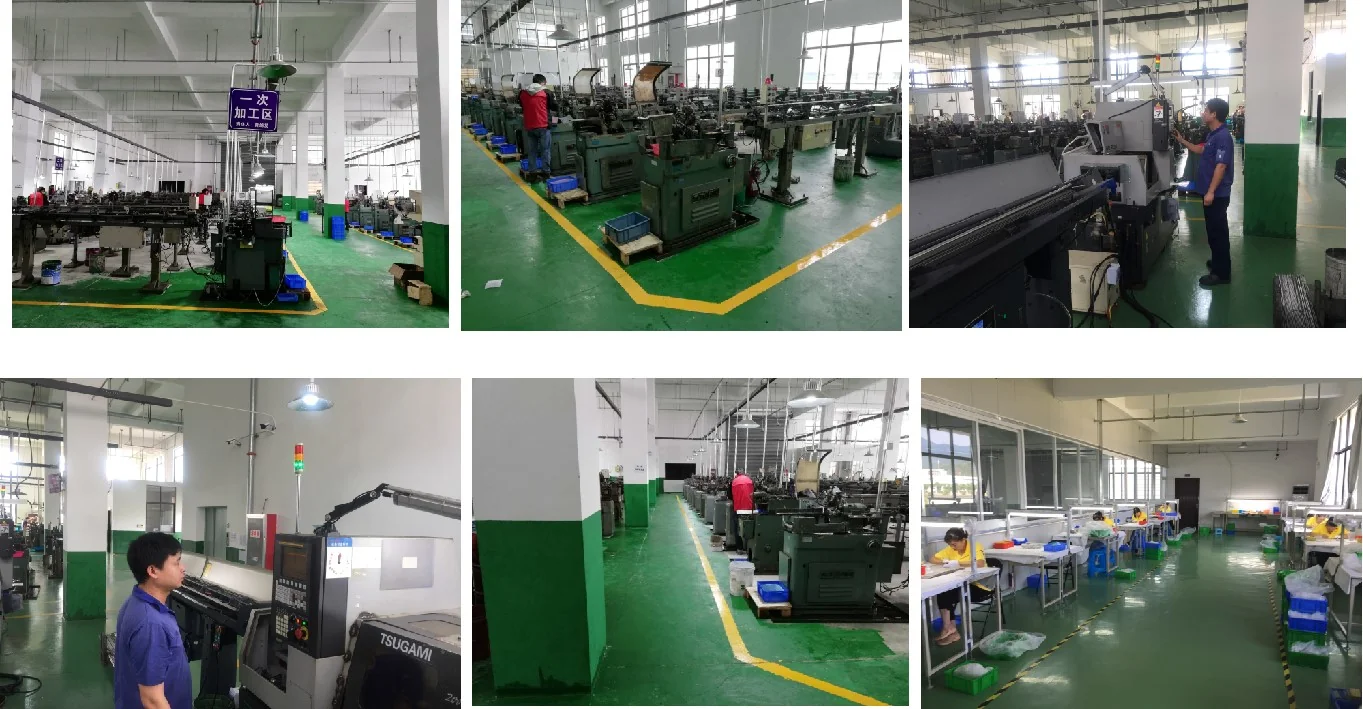
Suzhou Baoshida Trading Co., Ltd. leverages deep materials science and advanced tooling expertise to deliver engineered rubber pad feet solutions for demanding industrial applications. Our integrated engineering team—comprising five specialized mould engineers and two dedicated rubber formula engineers—ensures every component meets exacting performance, durability, and regulatory standards. This cross-functional collaboration eliminates silos between material development and manufacturing, translating client specifications into optimized physical products with minimal iteration.
Our formula engineers focus on compound design at the molecular level, tailoring elastomer blends to achieve precise mechanical properties. Through rigorous testing of fillers, curatives, and polymer matrices, we develop proprietary formulations resistant to specific industrial stressors: ozone degradation, hydraulic fluid exposure, extreme temperature cycling, or persistent vibration. Each compound undergoes accelerated aging and dynamic fatigue analysis to guarantee durometer stability and resilience over the product lifecycle. This scientific approach ensures consistent performance where generic rubber solutions fail, particularly in sectors like precision machinery, medical equipment, and heavy automation.
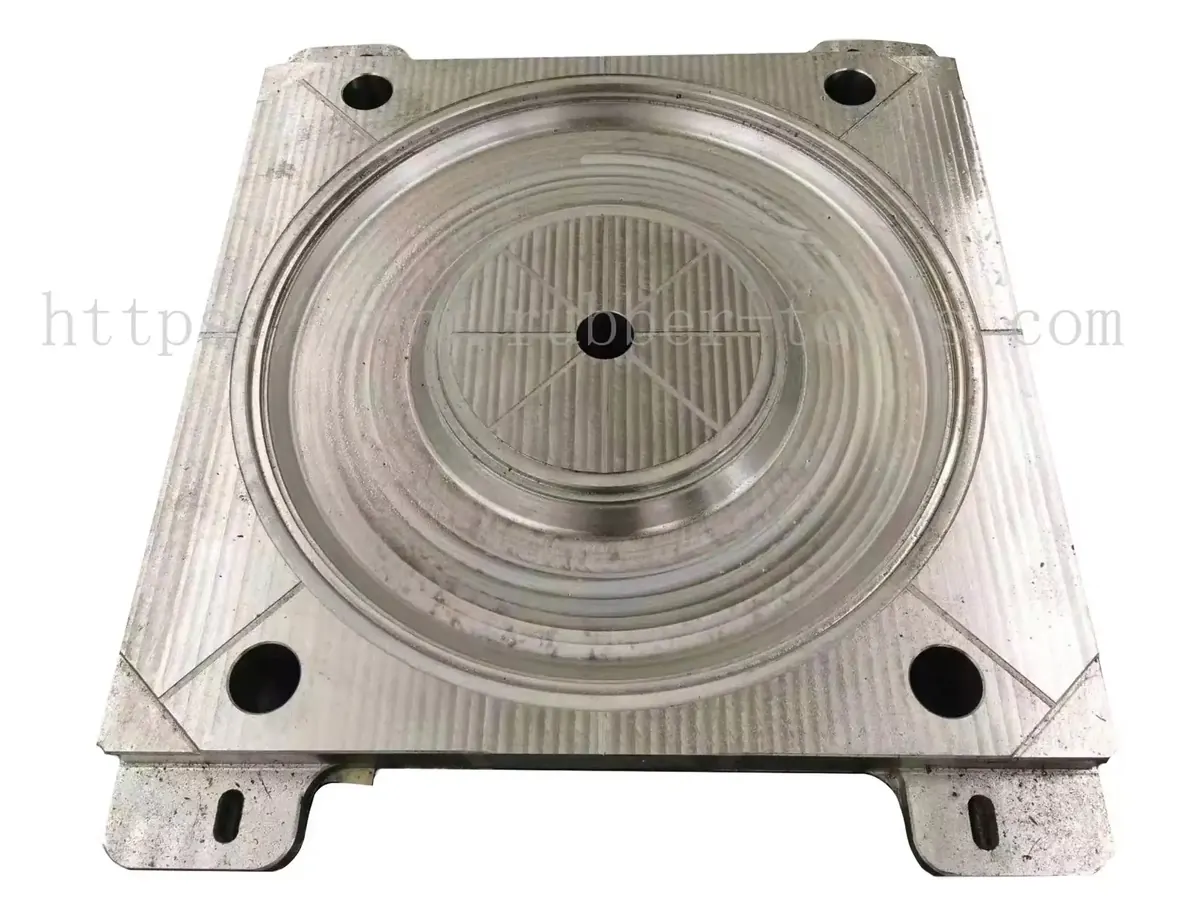
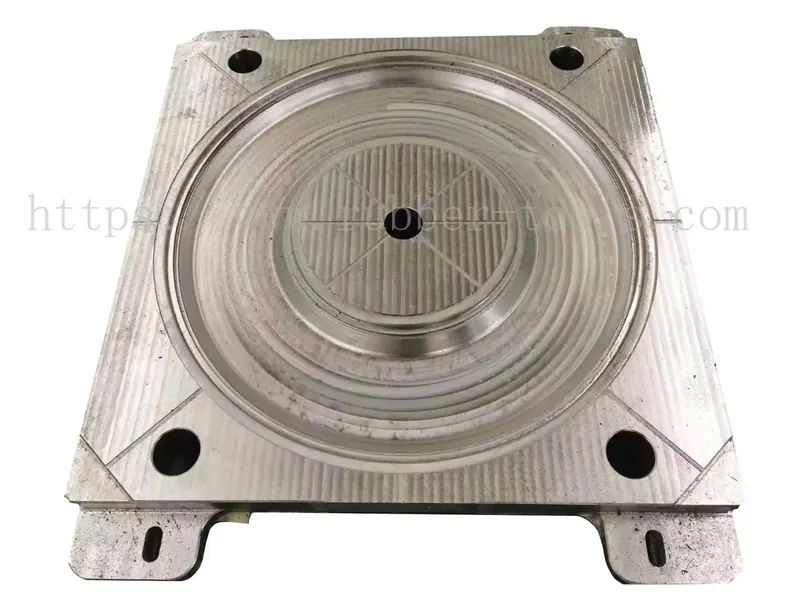
Concurrently, our mould engineering team applies precision cavity design and thermal management principles to transform formulations into dimensionally stable components. Utilizing 3D simulation software, we model flow dynamics, shrinkage behavior, and ejection forces to eliminate defects like flash, sink marks, or inconsistent compression set. All tooling incorporates hardened steel construction with micron-level tolerances (±0.05 mm) and integrated cooling channels for cycle time optimization. We validate tooling through rigorous cavity pressure mapping and first-article inspection against ISO 3302-1 geometric standards, ensuring repeatability across high-volume production runs.
This synergy between material science and tooling excellence enables robust OEM partnership frameworks. Clients receive full technical ownership of designs, with our engineers managing every phase from CAD validation and DFM analysis to PPAP documentation and batch traceability. Our OEM process includes co-engineering sessions to refine application-specific requirements, reducing time-to-market by up to 30% while maintaining zero-defect tooling validation.
Key performance parameters for our standard industrial rubber pad feet are summarized below:
| Material Type | Hardness Range (Shore A) | Temperature Range (°C) | Compression Set (22h, 70°C) | Typical Applications |
|---|---|---|---|---|
| Nitrile (NBR) | 40–90 | -30 to +100 | ≤25% | Hydraulic systems, machinery bases |
| Silicone (VMQ) | 30–80 | -60 to +200 | ≤20% | Medical devices, food processing |
| EPDM | 50–85 | -50 to +150 | ≤30% | Outdoor equipment, automotive |
| Polyurethane (PU) | 60–95 | -40 to +90 | ≤15% | High-load robotics, conveyors |
Suzhou Baoshida’s engineering infrastructure delivers more than components—it provides certified performance assurance. By embedding material intelligence into every mould cavity and production parameter, we mitigate field failure risks while offering scalable OEM manufacturing under stringent IATF 16949 protocols. Partner with us to convert complex operational requirements into rubber pad feet solutions engineered for uncompromised reliability.
Customization Process

Customization Process for Industrial Rubber Pad Feet at Suzhou Baoshida Trading Co., Ltd.
At Suzhou Baoshida Trading Co., Ltd., our engineering-driven approach to rubber pad feet customization ensures precise performance alignment with client applications across industrial, automotive, and machinery sectors. Our four-stage process—Drawing Analysis, Formulation, Prototyping, and Mass Production—integrates material science with precision manufacturing to deliver rubber components that meet exact functional, environmental, and dimensional requirements.
The process begins with Drawing Analysis, where our technical team evaluates customer-provided CAD drawings or technical sketches. We assess critical parameters including footprint geometry, height tolerance, load-bearing zones, and surface contact requirements. Special attention is given to application conditions such as dynamic vs. static loading, exposure to oils or UV radiation, and operating temperature ranges. This phase ensures dimensional accuracy and identifies potential design optimizations to enhance durability and performance.
Following drawing validation, our Rubber Formula Engineers develop a custom elastomer formulation tailored to the operational environment. We select base polymers such as NBR (nitrile butadiene rubber) for oil resistance, EPDM for thermal and ozone stability, or natural rubber for high resilience and damping. Additives including reinforcing fillers, antioxidants, and vulcanizing agents are precisely balanced to achieve target hardness (Shore A), compression set, and tensile strength. Each compound is documented under strict quality control protocols to ensure batch-to-batch consistency.
The Prototyping stage employs precision molding techniques—compression, transfer, or injection molding—based on part complexity and volume requirements. Prototypes are produced using production-intent tooling to simulate real-world conditions. Every sample undergoes rigorous physical testing, including hardness measurement, compression deflection analysis, and adhesion strength evaluation (if bonded to metal inserts). Clients receive test reports and physical samples for field validation, with iterative refinements made as needed.
Upon approval, we transition to Mass Production, leveraging automated molding lines and in-line quality monitoring systems. Our facility supports high-volume output with tight tolerances, supported by ISO-compliant process controls and 100% visual inspection protocols. We maintain raw material traceability and conduct periodic batch testing to ensure long-term reliability.
The following table outlines typical technical specifications achievable through our customization process:
| Parameter | Range / Value |
|---|---|
| Hardness (Shore A) | 40–90 ±5 |
| Temperature Resistance | -40°C to +120°C (up to +150°C with specialty compounds) |
| Tensile Strength | 8–20 MPa |
| Elongation at Break | 200–500% |
| Compression Set (70h, 70°C) | ≤25% (ASTM D395) |
| Available Polymers | NBR, EPDM, NR, SBR, Silicone (on request) |
| Bonding Options | Metal inserts with adhesive bonding (e.g., Chemlok) |
| Production Lead Time | 3–5 days (prototype), 15–25 days (mass production) |
This structured methodology enables Suzhou Baoshida to deliver high-performance rubber pad feet optimized for load distribution, vibration damping, and environmental resistance—ensuring long-term reliability in demanding industrial applications.
Contact Engineering Team

Initiate Your Precision Rubber Pad Foot Integration with Suzhou Baoshida
Suzhou Baoshida Trading Co., Ltd. operates at the intersection of advanced polymer science and industrial manufacturing excellence, specializing in engineered rubber solutions for demanding global OEM applications. Our rubber pad feet are not merely components but critical system elements designed to mitigate vibration, absorb shock, and ensure operational stability under extreme mechanical and environmental conditions. Leveraging decades of compound formulation expertise and ISO 9001-certified production processes, we deliver solutions where failure is not an option. When standard catalog offerings fall short of your specific load distribution, chemical resistance, or thermal cycling requirements, our engineering team initiates a collaborative development protocol to refine material composition, geometry, and performance thresholds. This methodology ensures seamless integration into your machinery, robotics, medical equipment, or heavy industrial platforms while extending service life and reducing total cost of ownership.
The following table summarizes core technical parameters achievable through our customization framework, reflecting our capacity to exceed industry baseline specifications:
| Parameter | Standard Range | Customization Capability |
|---|---|---|
| Hardness (Shore A) | 30–90 | ±2 durometer precision |
| Temperature Range | -50°C to +150°C | Extended to -70°C/+200°C |
| Tensile Strength | 8–25 MPa | Up to 35 MPa with reinforcement |
| Compression Set (70h) | ≤25% @ 70°C | ≤15% achievable |
| Chemical Resistance | Oils, water, ozone | Customized for acids/solvents |
Our value proposition extends beyond material science. As your strategic OEM partner, we manage end-to-end production logistics, including mold design validation, batch traceability via integrated ERP systems, and just-in-time delivery to your assembly lines. We understand that dimensional tolerances in the ±0.1mm range or compound formulations resisting hydraulic fluid degradation directly impact your product’s market reliability. Suzhou Baoshida’s quality assurance protocols include real-time in-process testing and final validation against ASTM D2000 or client-specific standards, ensuring every rubber pad foot meets the exact functional criteria defined in your engineering schematics.
For applications requiring non-standard geometries, conductive properties, or FDA/USP Class VI compliance, our R&D division executes rapid prototyping using FEA-optimized designs. We eliminate the guesswork in material selection by providing comprehensive test data packages—including dynamic modulus curves and fatigue life projections—before tooling commitment. This reduces your time-to-market while guaranteeing performance consistency across production volumes from 1,000 to 1,000,000 units annually.
To resolve vibration transmission issues, enhance equipment longevity, or specify next-generation elastomeric interfaces, engage directly with our technical leadership. Contact Mr. Boyce, OEM Technical Manager, via email at [email protected] to initiate a confidential consultation. Include your application’s operational environment, load specifications, and target performance metrics for a tailored engineering response within 24 business hours. Suzhou Baoshida does not supply commodities—we engineer mission-critical rubber solutions that become invisible assets in your product’s success. Partner with us to transform material limitations into competitive advantages through precision elastomer science.
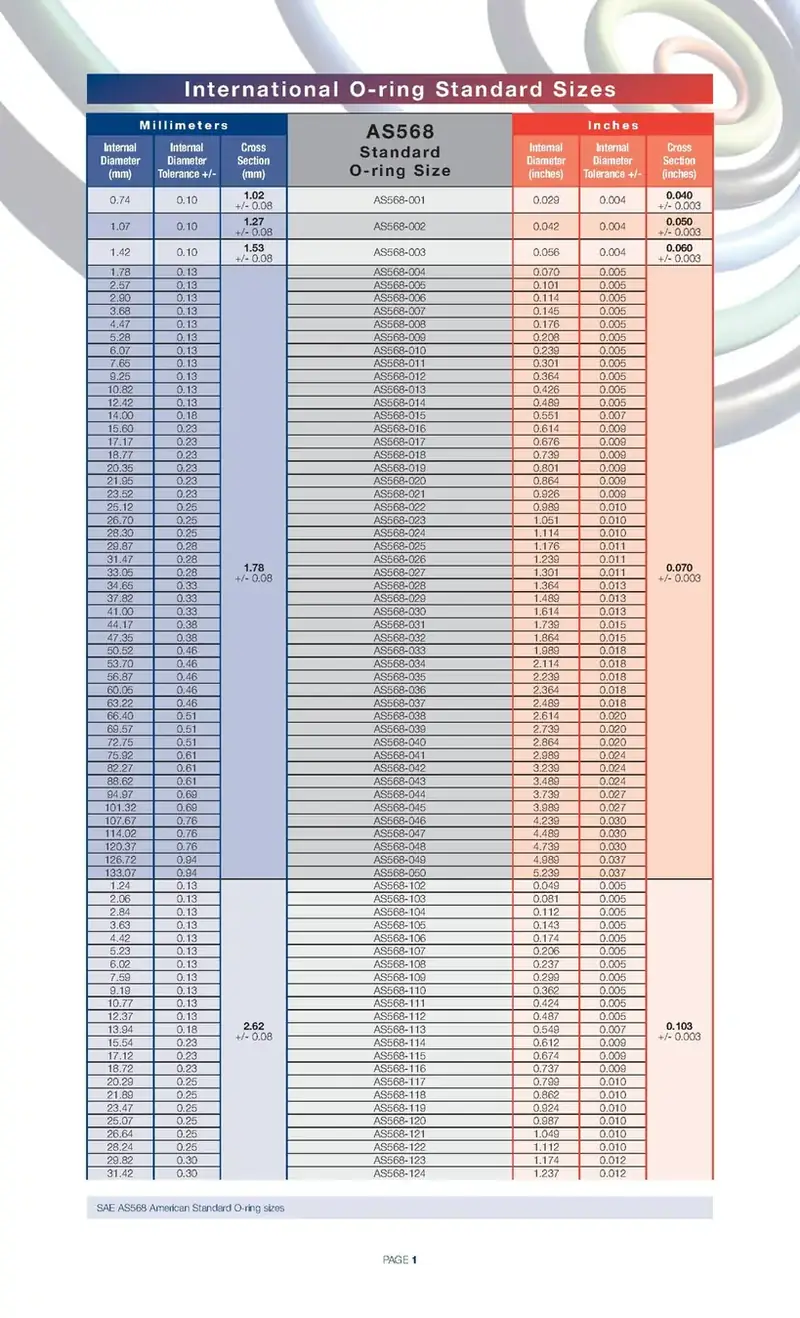
⚖️ O-Ring Weight Calculator
Estimate rubber O-ring weight (Approx).