Technical Contents
Engineering Guide: Stick Down Stair Treads

Engineering Insight: Material Selection as the Foundation of Stick Down Stair Tread Performance
The functional integrity and long-term safety of stick down stair treads are fundamentally determined by precise material science, not merely form factor. Off-the-shelf rubber solutions frequently fail in demanding stairwell environments due to inadequate polymer formulation and insufficient consideration of dynamic mechanical stresses. These failures manifest as adhesive delamination, rapid surface wear, or catastrophic tread separation, directly compromising user safety and creating significant liability exposure for building owners and contractors. Generic products often utilize low-cost, high-fill recycled rubber compounds with inconsistent polymer chains and insufficient crosslink density. Such materials lack the necessary resilience to withstand the complex interplay of vertical impact loads, lateral shear forces during egress, and continuous environmental exposure inherent to stair applications. The critical error lies in treating stair treads as simple adhesive-backed strips rather than engineered safety components requiring holistic material design.
Adhesive failure is the most common symptom of poor material selection. Standard pressure-sensitive adhesives (PSAs) applied to generic rubber backing often cannot maintain bond integrity when the substrate flexes underfoot or experiences thermal cycling. The rubber compound itself must possess optimal surface energy and minimal outgassing to ensure permanent adhesion; softer, poorly cured off-the-shelf materials readily deform, creating micro-gaps that propagate into full delamination. Simultaneously, insufficient abrasion resistance leads to rapid loss of the critical anti-slip surface profile. Generic treads frequently employ overly soft compounds (below 60 Shore A) that wear smooth within months, eliminating traction. Conversely, overly rigid compounds (above 85 Shore A) lack the necessary conformability to maintain consistent contact with uneven stair nosings, accelerating edge lifting. Ultraviolet (UV) degradation is another critical factor overlooked in standard solutions; unmodified natural rubber or low-grade SBR compounds undergo polymer chain scission when exposed to sunlight near stairwells, becoming brittle and prone to cracking.
The engineered solution requires a balanced compound formulation addressing all failure modes simultaneously. Below is a comparison of key material properties distinguishing generic offerings from performance-optimized stair tread compounds.
| Property | Typical Off-the-Shelf Solution | Engineered Stair Tread Solution |
|---|---|---|
| Durometer (Shore A) | 55-65 (Too Soft) or 85-95 (Too Hard) | 70-80 (Optimized Balance) |
| Tensile Strength (MPa) | 8-12 | 15-18 |
| Elongation at Break (%) | 250-350 | 300-400 |
| Abrasion Loss (mm³) ASTM D5963 | 120-180 | ≤ 85 |
| UV Resistance (ASTM G154) | Poor (Rapid Cracking/Yellowing) | Excellent (Stable > 2000 hrs) |
| Adhesion Compatibility | Low (High Outgassing) | High (Controlled Surface Energy) |
Suzhou Baoshida Trading Co., Ltd. develops proprietary rubber formulations specifically for stair safety applications. Our compounds utilize high-purity synthetic polymers with controlled filler dispersion and advanced antioxidant/UV stabilizer packages. This ensures consistent durometer within the optimal 70-80 Shore A range, maximizing both tread conformability to the stair edge and resistance to abrasive wear. The critical crosslink density is precisely calibrated to resist permanent deformation under point loads while maintaining flexibility for adhesive bond longevity. Rigorous validation against ASTM F1637 (Standard Practice for Safe Walking Surfaces) and ISO 13287 (Footwear Slip Resistance) confirms performance under real-world conditions. Material selection is not a cost line item; it is the primary engineering control for mitigating slip-and-fall risk and ensuring the decades-long service life expected from a professionally installed stair safety system. Generic solutions sacrifice this foundational integrity for initial price reduction, inevitably incurring higher lifecycle costs through premature replacement and potential incident liability.
Material Specifications

Material Specifications for Industrial-Grade Stick Down Stair Treads
Suzhou Baoshida Trading Co., Ltd. provides high-performance rubber compounds engineered specifically for industrial stick down stair treads, where durability, chemical resistance, and slip resistance under extreme conditions are critical. Our formulations leverage advanced elastomer technologies to meet stringent safety and longevity requirements in commercial, industrial, and high-traffic environments. The primary materials utilized in our stair tread solutions are Viton (FKM), Nitrile (NBR), and Silicone (VMQ), each selected based on operational demands such as temperature exposure, chemical contact, mechanical stress, and environmental aging.
Viton, a fluorocarbon-based rubber, offers superior resistance to high temperatures, oils, fuels, and aggressive chemicals. This makes it ideal for industrial environments where exposure to hydraulic fluids, solvents, or elevated operating temperatures is common. Viton-based stair treads maintain structural integrity from -20°C to +200°C, with short-term resistance up to +250°C. Its low compression set and excellent aging characteristics ensure long-term performance in demanding applications, though it carries a higher material cost compared to other elastomers.
Nitrile rubber, or Buna-N, is widely used for its excellent resistance to aliphatic hydrocarbons, oils, and greases. It performs reliably in temperature ranges from -30°C to +100°C, making it suitable for manufacturing facilities, mechanical rooms, and transportation infrastructure. Nitrile offers good abrasion resistance and tensile strength, contributing to extended service life under repeated foot traffic. While less effective than Viton in high-temperature or highly oxidative environments, NBR provides a cost-effective balance of performance and durability for general industrial use.
Silicone rubber excels in extreme temperature applications, functioning effectively from -60°C to +230°C. It demonstrates outstanding resistance to UV radiation, ozone, and weathering, making it ideal for outdoor or intermittently exposed interior stair systems. Silicone has excellent electrical insulation properties and low toxicity, supporting use in cleanrooms or public facilities. However, it exhibits lower mechanical strength and abrasion resistance compared to Viton and Nitrile, necessitating design considerations for high-wear zones.
The following table summarizes key physical and chemical properties of these materials as applied in stick down stair tread manufacturing:
| Property | Viton (FKM) | Nitrile (NBR) | Silicone (VMQ) |
|---|---|---|---|
| Temperature Range (°C) | -20 to +200 (up to +250 short-term) | -30 to +100 | -60 to +230 |
| Tensile Strength (MPa) | 15–20 | 10–25 | 5–10 |
| Elongation at Break (%) | 200–300 | 250–500 | 200–600 |
| Hardness (Shore A) | 60–90 | 50–90 | 30–80 |
| Resistance to Oils/Fuels | Excellent | Good to Excellent | Poor |
| Resistance to Ozone/UV | Excellent | Fair | Excellent |
| Abrasion Resistance | Good | Very Good | Moderate |
| Compression Set | Low | Moderate | Low to Moderate |
Material selection must align with the operational environment, lifecycle expectations, and regulatory standards. Suzhou Baoshida Trading Co., Ltd. supports OEM partners with custom compounding, performance testing, and technical validation to ensure optimal material performance in every stair tread application.
Manufacturing Capabilities

Engineering Capabilities for Precision Rubber Stair Tread Manufacturing
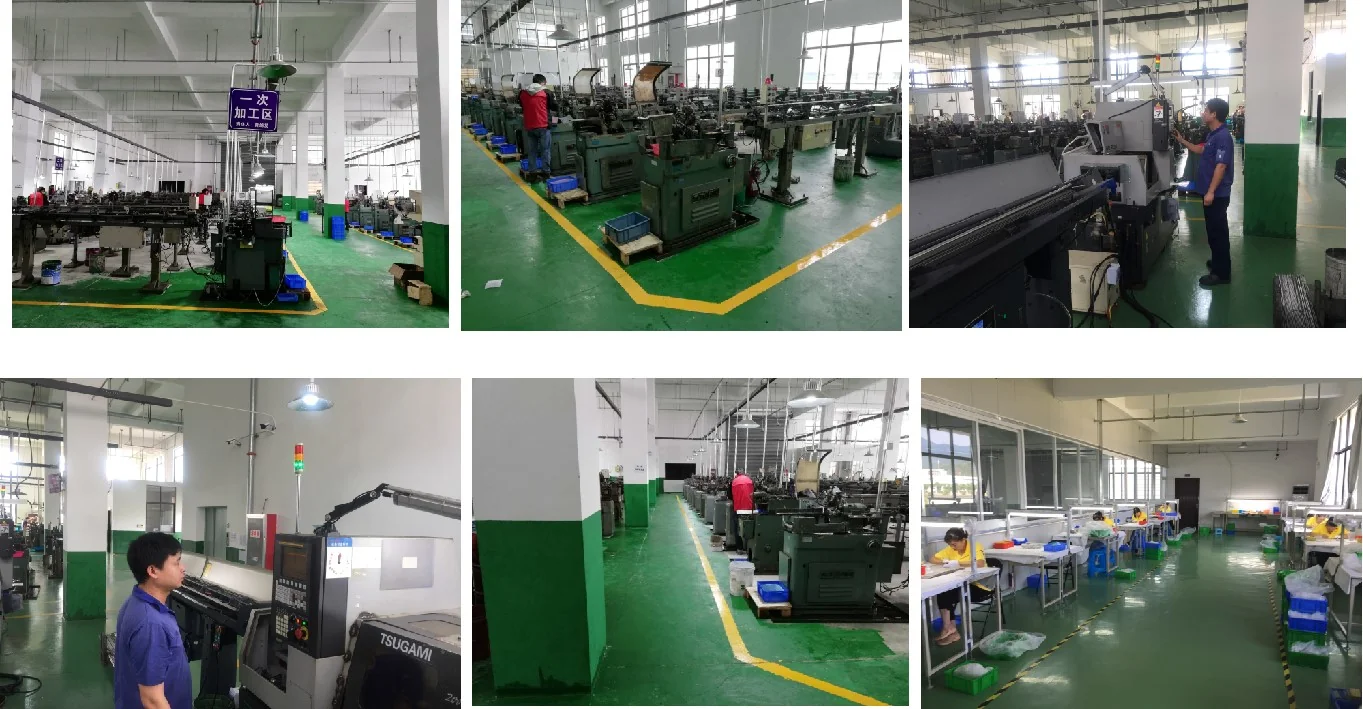
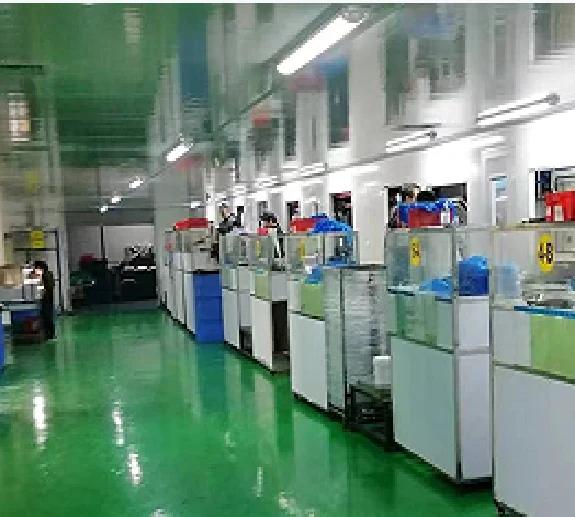
Suzhou Baoshida Trading Co., Ltd. leverages deep technical expertise to deliver engineered rubber solutions for critical applications like stick-down stair treads. Our dedicated team comprises five specialized Mold Engineers and two advanced Formula Engineers, ensuring end-to-end control from molecular design to final production. This integrated approach guarantees products meeting stringent industrial safety, durability, and performance standards demanded by global infrastructure projects.
Our Formula Engineers focus on optimizing rubber compound chemistry for stair tread applications. Through rigorous empirical validation, we develop proprietary formulations balancing Shore hardness, tensile strength, and abrasion resistance while ensuring optimal adhesion to substrate materials. Key innovations include nano-silica reinforcement for enhanced slip resistance under wet conditions and thermo-oxidative stabilizers extending service life in UV-exposed environments. Each compound undergoes accelerated aging tests per ASTM D573 and ISO 188 protocols, validating performance across -40°C to +100°C operational ranges. Crucially, our formulations eliminate plasticizers that migrate and compromise bond integrity—a common failure point in inferior stair treads.
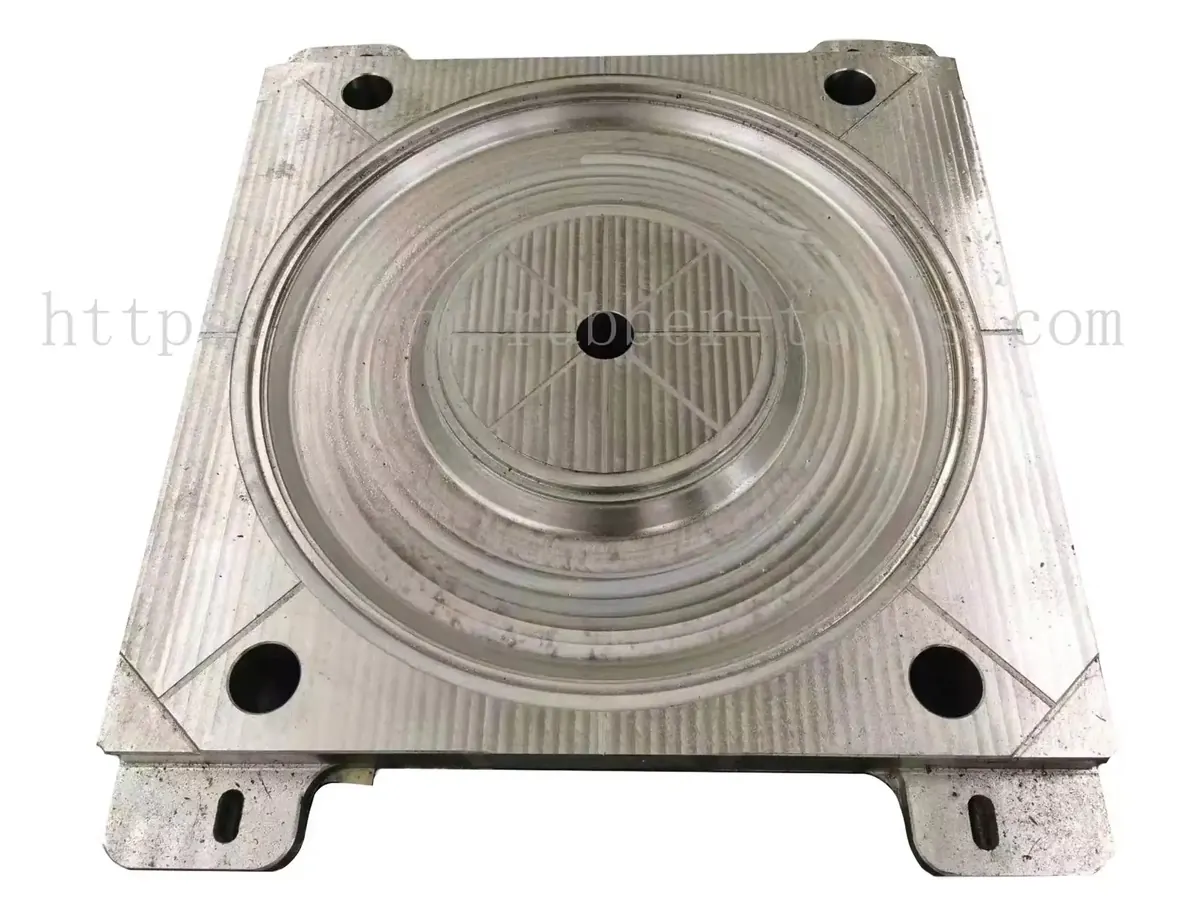
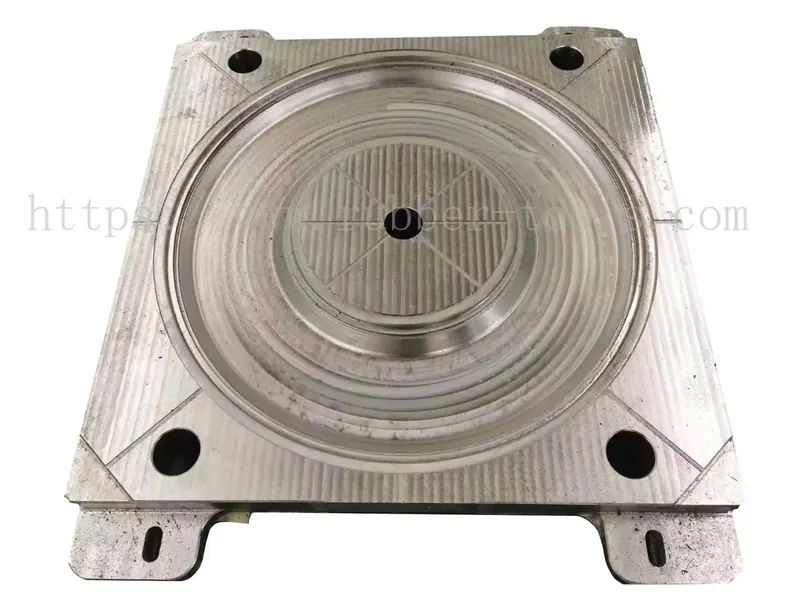
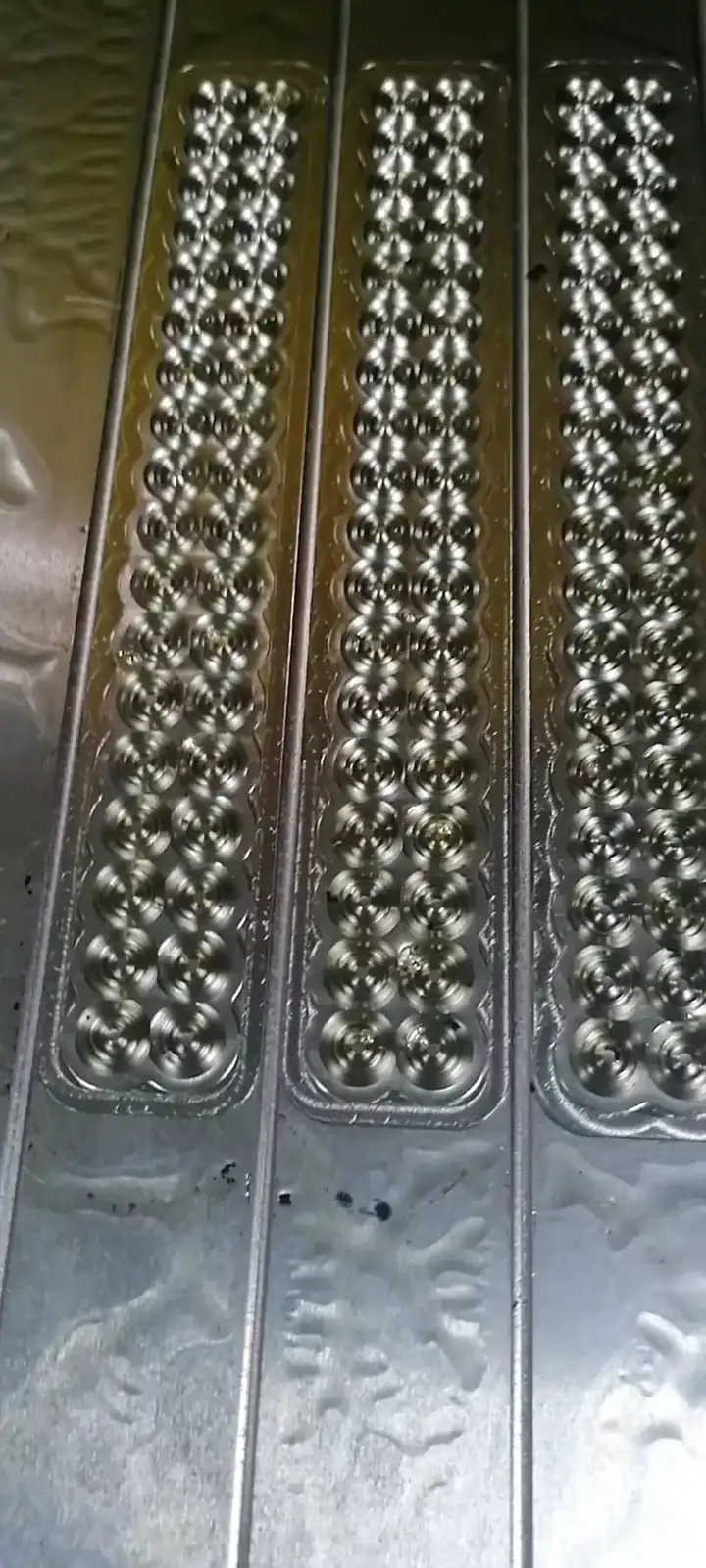
The Mold Engineering team translates these compounds into precision tooling. Utilizing CAD/CAM-driven cavity design and finite element analysis (FEA), we optimize flow dynamics to eliminate knit lines and ensure uniform density in complex tread geometries. All molds feature hardened P20 steel with mirror-polished cavities (Ra ≤ 0.8 µm) to prevent surface defects that reduce slip coefficients. We maintain strict process control via in-mold pressure sensors and closed-loop temperature regulation, achieving dimensional tolerances of ±0.15 mm—critical for seamless installation and consistent load distribution.
As an OEM partner, we implement a structured engineering workflow: clients provide tread profiles and performance requirements; our team conducts feasibility analysis within 72 hours; we then co-develop prototypes with 3D-printed molds for rapid validation. Full production utilizes 200–1200T hydraulic presses with micro-injection capabilities for adhesive backing layers, ensuring void-free lamination. Every batch undergoes 100% visual inspection and statistical sampling for Shore A hardness, peel strength (ASTM D903), and DIN 51130 ramp test compliance.
Critical Rubber Compound Specifications for Stair Treads
| Property | Standard Compound | High-Wear Compound | Cold-Weather Compound | Chemical-Resistant Compound |
|---|---|---|---|---|
| Shore A Hardness | 65 ± 3 | 75 ± 3 | 60 ± 3 | 70 ± 3 |
| Tensile Strength (MPa) | 12.5 | 18.0 | 11.0 | 15.0 |
| Elongation at Break (%) | 350 | 280 | 400 | 320 |
| Abrasion Loss (mm³) | 120 | 85 | 135 | 100 |
| Operating Temp Range (°C) | -30 to +90 | -20 to +100 | -45 to +80 | -25 to +110 |
| DIN 51130 R Rating | R11 | R12 | R11 | R10 |
This engineering rigor ensures stair treads exceed ISO 13036-1 slip resistance requirements while withstanding 500,000+ foot cycles in independent wear testing. Our OEM framework supports custom branding, packaging, and documentation per regional safety certifications (e.g., CE, ANSI A1264.2), providing clients with market-ready solutions backed by full material traceability and PPAP documentation. Partnering with Baoshida means investing in stair treads where material science and precision manufacturing converge for uncompromised safety.
Customization Process

Customization Process for Industrial Rubber Stick Down Stair Treads
At Suzhou Baoshida Trading Co., Ltd., our approach to manufacturing custom stick down stair treads is rooted in precision engineering and material science. We specialize in industrial rubber solutions designed for high-traffic, safety-critical environments such as commercial buildings, public transit systems, and manufacturing facilities. Our four-phase customization process—Drawing Analysis, Formulation, Prototyping, and Mass Production—ensures each product meets exact client specifications while adhering to international safety and durability standards.
The process begins with Drawing Analysis, where our engineering team reviews technical blueprints, CAD files, or site measurements provided by the client. This stage is critical for determining tread dimensions, edge profiles, anti-slip patterns, and installation requirements. We assess substrate compatibility, expected foot traffic load, environmental exposure (e.g., moisture, oil, UV), and regulatory compliance needs such as ADA or ISO 13287. Our engineers annotate and validate drawings for manufacturability, ensuring dimensional accuracy down to ±0.5 mm.
Next, we proceed to Formulation, where our rubber chemists develop a proprietary elastomer blend tailored to the application. Using SBR (Styrene-Butadiene Rubber), EPDM, or recycled rubber compounds, we adjust hardness (Shore A 50–75), tensile strength, elongation at break, and slip resistance. Additives are introduced to enhance flame retardancy, ozone resistance, or low-temperature flexibility depending on operational conditions. The formulation is validated through accelerated aging and dynamic mechanical analysis (DMA) to predict long-term performance.
Once the compound is finalized, we enter the Prototyping phase. Using precision die-cutting or injection molding, we produce a small batch of stair treads for client evaluation. Prototypes undergo rigorous in-house testing, including slip resistance (pendulum test, coefficient of friction ≥ 0.6), abrasion resistance (DIN 53516), and adhesion strength (peel test ≥ 4.0 kN/m). Clients receive physical samples along with test reports for approval. Feedback is incorporated into final design or material adjustments.
Upon prototype validation, we initiate Mass Production in our ISO 9001-certified facility. Automated cutting lines and vulcanization presses ensure batch consistency, with real-time quality monitoring at each stage. All finished treads are 100% inspected for dimensional accuracy, surface defects, and marking compliance. We support large-volume orders with lead times as short as 15 days, backed by container-load packaging and global logistics coordination.
The following table outlines key technical specifications achievable through our customization process:
| Property | Standard Range | Test Method |
|---|---|---|
| Hardness (Shore A) | 50 – 75 | ASTM D2240 |
| Tensile Strength | ≥ 7.0 MPa | ASTM D412 |
| Elongation at Break | ≥ 250% | ASTM D412 |
| Slip Resistance (Dry/Wet) | ≥ 0.6 PTV | BS 7976-2 |
| Abrasion Loss | ≤ 120 mm³ | DIN 53516 |
| Operating Temperature | -30°C to +80°C | Internal QA |
| Adhesion Strength | ≥ 4.0 kN/m | ASTM D903 |
Our structured workflow ensures that every stick down stair tread delivers optimal safety, longevity, and performance in demanding industrial environments.
Contact Engineering Team

Contact Suzhou Baoshida for Precision Rubber Stair Tread Solutions
Suzhou Baoshida Trading Co., Ltd. stands as your definitive industrial partner for engineered rubber stair tread compounds, delivering uncompromising performance for high-traffic commercial and industrial environments. Our expertise lies in formulating bespoke rubber polymers that meet stringent safety, durability, and adhesion requirements inherent to stick-down stair tread applications. Unlike generic suppliers, we leverage advanced material science to optimize crosslink density, filler dispersion, and polymer matrix composition—ensuring consistent slip resistance, impact absorption, and long-term dimensional stability under dynamic load conditions. Our ISO 9001-certified manufacturing processes guarantee batch-to-batch repeatability, critical for OEMs scaling production without compromising quality.
The technical superiority of our stair tread compounds is quantifiable through rigorous in-house and third-party validation. Key performance metrics are systematically controlled to exceed industry benchmarks, as demonstrated in the specifications table below. Each formulation undergoes accelerated aging, abrasion cycling per ASTM D5963, and adhesion testing under wet/dry conditions to simulate real-world degradation pathways. This data-driven approach eliminates guesswork, providing manufacturers with validated material performance profiles for seamless integration into your production workflow.
| Property | Test Method | Performance Range | Relevance to Stair Tread Application |
|---|---|---|---|
| Shore A Hardness | ASTM D2240 | 65 ± 5 | Optimal balance of tread flexibility and surface durability |
| Tensile Strength | ASTM D412 | ≥ 18 MPa | Resists tearing during installation and service |
| Elongation at Break | ASTM D412 | ≥ 450% | Accommodates substrate movement without cracking |
| Abrasion Loss (Taber) | ASTM D5963 | ≤ 85 mg/1000 cycles | Ensures long-term wear resistance in high-traffic zones |
| Adhesion to Substrate | ASTM D429 B | ≥ 4.5 kN/m | Critical for permanent, bubble-free installation |
| Operating Temperature | ISO 188 | -40°C to +100°C | Maintains integrity in extreme indoor/outdoor environments |
Beyond material supply, Suzhou Baoshida operates as a true engineering extension of your R&D team. We provide comprehensive technical documentation including full material safety data sheets (MSDS), processing guidelines for extrusion or calendering, and substrate compatibility matrices. Our OEM support encompasses on-site troubleshooting for adhesion failures, custom durometer adjustments for specialized substrates, and rapid prototyping of tread profiles using your CAD specifications. This collaborative framework minimizes your time-to-market while mitigating production risks associated with substandard rubber compounds.
Initiate a technical partnership that elevates your stair tread product line. Contact Mr. Boyce, our dedicated OEM Manager and Rubber Formulation Specialist, for an engineer-to-engineer consultation. Mr. Boyce will analyze your specific performance requirements, substrate materials, and volume needs to prescribe a compound solution with documented test data—not generic sales proposals. Reach him directly via email at [email protected] to schedule a technical review. Include your target application environment, current material challenges, and desired certification standards (e.g., ADA, ISO 13036-1) to expedite the solutioning process. Suzhou Baoshida commits to responding within 24 business hours with actionable data, reinforcing our role as the strategic rubber solutions provider for discerning industrial manufacturers. Partner with us to transform stair safety through precision polymer engineering.
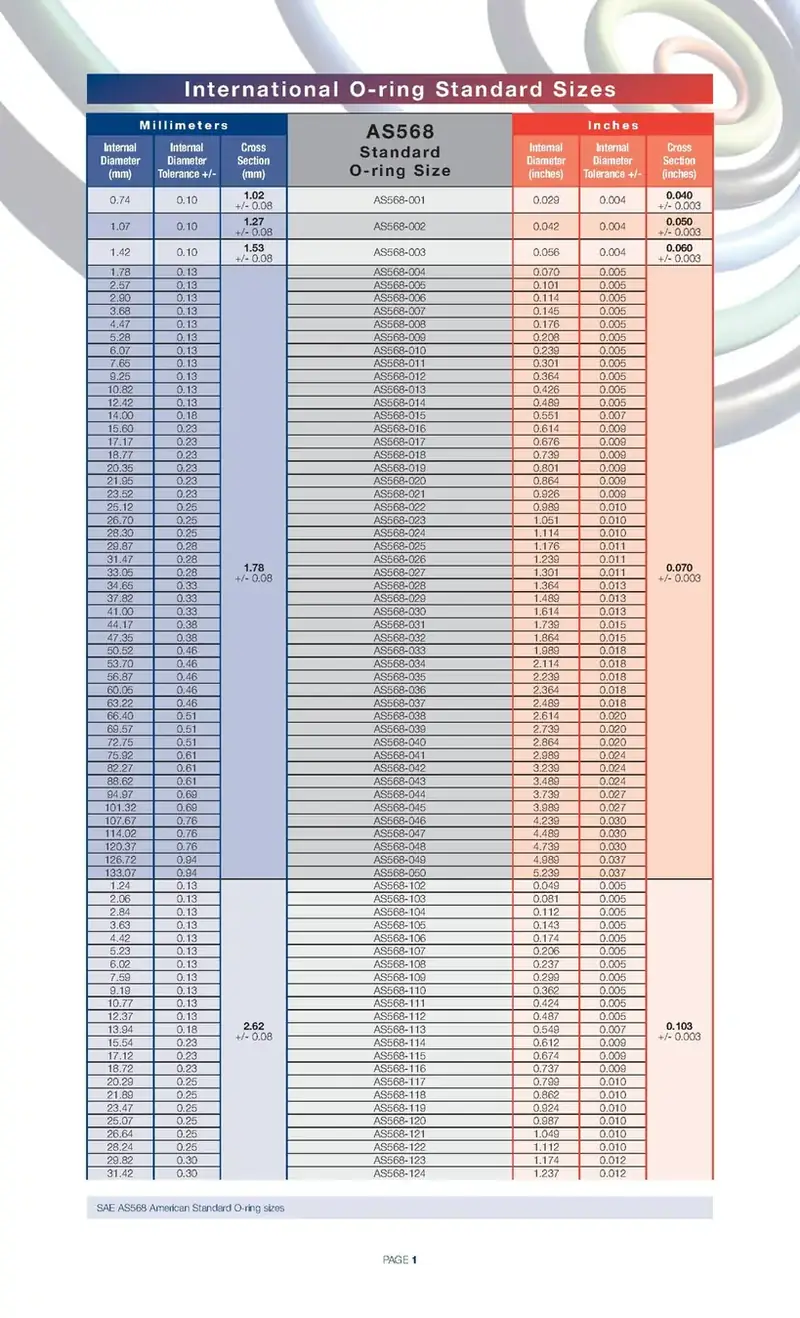
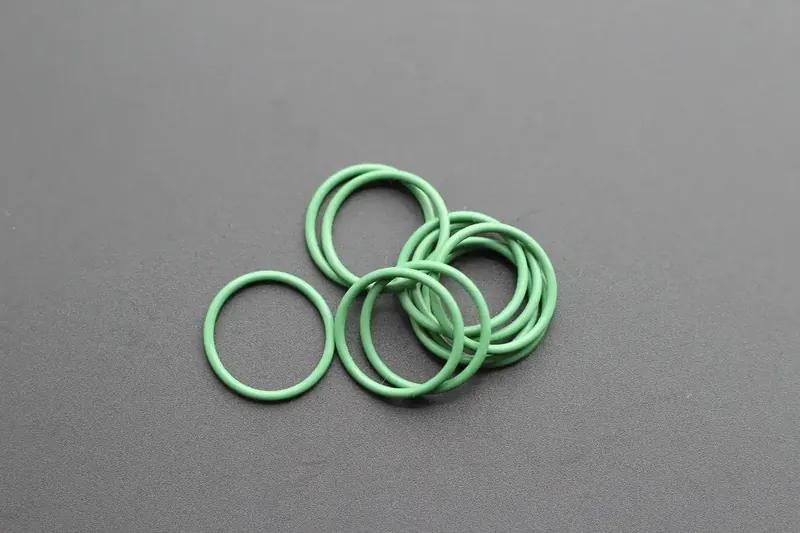
⚖️ O-Ring Weight Calculator
Estimate rubber O-ring weight (Approx).