Neopreen Fabric Manufacturer | Engineering Guide

Engineering Guide: Neopreen Fabric

neopreen fabric manufacturing

Engineering Insight: neopreen fabric

In industrial rubber applications, material selection is not merely a design consideration—it is a determinant of system integrity, longevity, and operational safety. Among the specialized materials used in demanding environments, neoprene fabric—commonly referred to as neoprene-coated fabric or chloroprene rubber laminate—stands out for its balanced performance in mechanical resilience, chemical resistance, and thermal stability. However, despite its widespread availability, off-the-shelf neoprene fabric solutions frequently underperform in mission-critical applications. This discrepancy arises from a fundamental misunderstanding: neoprene is not a single, standardized material, but a family of formulations tailored to specific service conditions.

Generic neoprene fabrics sourced from mass-market suppliers often prioritize cost efficiency over performance consistency. These formulations may lack the precise polymer cross-linking, reinforcement architecture, or coating uniformity required in industrial settings. As a result, premature degradation—manifested as cracking, delamination, or loss of tensile strength—becomes inevitable when exposed to dynamic stress, ozone, or temperature extremes. In contrast, engineered neoprene fabrics developed through application-specific compounding deliver predictable behavior under load, maintaining elasticity and barrier properties across thousands of cycles.

At Suzhou Baoshida Trading Co., Ltd., we emphasize precision formulation and substrate integration. Our neoprene fabrics utilize high-purity chloroprene rubber compounded with antioxidants, reinforcing fillers, and adhesion promoters, ensuring compatibility with both the textile backing and end-use environment. The base fabric—typically polyester, nylon, or fiberglass—is selected based on required tear resistance, dimensional stability, and thermal expansion characteristics. This holistic approach ensures that the final product performs as an integrated system, not just a coated textile.

Below is a comparative specification table highlighting the performance parameters of a standard off-the-shelf neoprene fabric versus an engineered solution tailored for industrial use.

Property Off-the-Shelf Neoprene Fabric Engineered Neoprene Fabric (Baoshida)
Tensile Strength 8–10 MPa 14–18 MPa
Elongation at Break 200–250% 300–350%
Temperature Range -20°C to +80°C -40°C to +120°C
Ozone Resistance Moderate (cracking after 72 hrs) Excellent (no cracking after 168 hrs)
Adhesion Strength (fabric-rubber) 2–3 kN/m ≥5 kN/m
Hardness (Shore A) 50–60 65–75
Chemical Resistance Limited to mild solvents Resistant to oils, aliphatic hydrocarbons, UV

The data underscores a critical point: performance gaps are not marginal—they are operationally significant. In applications such as conveyor belting, expansion joints, or protective enclosures, these differences translate directly into mean time between failures and total cost of ownership.

Material selection must be driven by engineering intent, not procurement convenience. At Baoshida, we collaborate with OEMs to define performance envelopes and develop neoprene fabric solutions that meet exact mechanical and environmental demands—ensuring reliability where standard products fail.


Material Specifications

Material Specifications for Industrial Neoprene Fabric Applications

Suzhou Baoshida Trading Co., Ltd. provides precision-engineered neoprene fabric solutions for critical industrial sealing, gasketing, and protective applications. Our formulations leverage high-purity elastomers to ensure consistent performance under extreme thermal, chemical, and mechanical stress. Below we detail key specifications for three primary elastomer variants: Viton® (FKM), Nitrile (NBR), and Silicone (VMQ). Each material is compounded for optimal adhesion to textile substrates while maintaining intrinsic polymer properties. All compounds comply with ASTM D2000 and ISO 37 standards for physical testing, with traceable batch documentation per ISO 9001:2015 manufacturing protocols.

Material selection directly impacts service life in demanding environments. Viton excels in aerospace and chemical processing due to exceptional resistance to aggressive fluids. Nitrile remains the cost-effective standard for automotive and hydraulic systems requiring fuel and oil resilience. Silicone delivers unmatched biocompatibility and extreme-temperature stability for medical and semiconductor applications. Critical parameters include continuous service temperature, chemical compatibility, tensile strength, hardness, and compression set—each rigorously validated through accelerated aging tests per ASTM D573 and D1329.

The comparative table below summarizes essential properties for engineering validation. Values represent typical ranges for standard grades; custom formulations are available to meet OEM-specific requirements.

Property Viton (FKM) Nitrile (NBR) Silicone (VMQ)
Continuous Temp Range (°C) -20 to +230 -40 to +120 -60 to +230
Key Chemical Resistance Aromatics, acids, jet fuels Aliphatic hydrocarbons, oils, water Ozone, UV, steam, weak acids
Tensile Strength (MPa) 12–18 15–25 5–10
Hardness Range (Shore A) 60–90 50–90 30–80
Compression Set (70h @100°C) ≤20% ≤30% ≤25%

Viton demonstrates superior resistance to swelling in aromatic solvents and synthetic hydraulic fluids, maintaining integrity at temperatures where NBR degrades rapidly. Its high fluorine content (66–68%) ensures stability in chlorinated environments but increases cost sensitivity. Nitrile balances affordability with robust performance in mineral oil-based systems, though acrylonitrile content must be optimized (34–50%) to balance low-temperature flexibility and fuel resistance. Silicone’s inert molecular structure provides critical advantages in high-purity applications, with minimal extractables and resilience to thermal cycling, though lower tensile strength necessitates design adjustments for high-load scenarios.

All compounds undergo 100% lot testing for density, durometer, and elongation at break. Suzhou Baoshida’s OEM partnership model includes application-specific validation, including fluid immersion testing per customer-specified media and duration. Consult our engineering team to align material properties with your operational demands, ensuring optimal lifecycle performance and regulatory compliance. Precision formulation is non-negotiable in industrial sealing—our data-driven approach eliminates field failure risks through material science rigor.


Manufacturing Capabilities

neopreen fabric manufacturing

Engineering Excellence in Neoprene Fabric Manufacturing

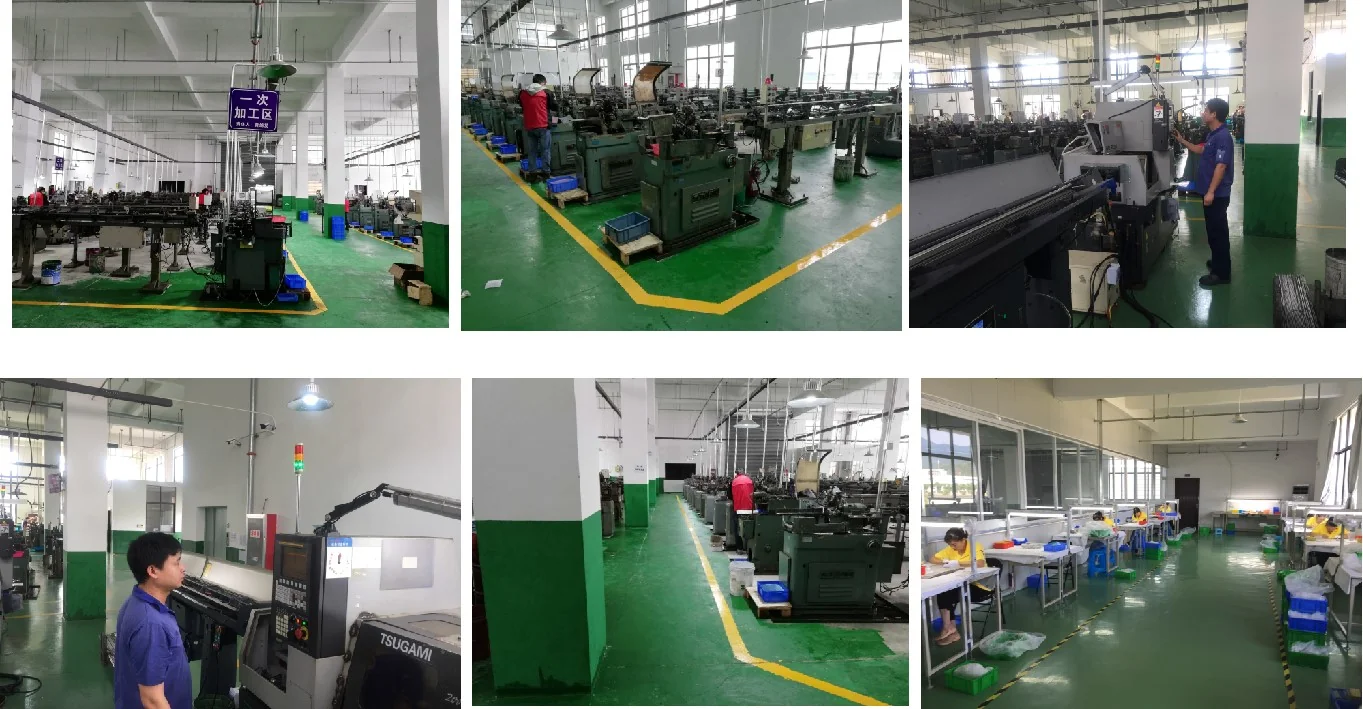
At Suzhou Baoshida Trading Co., Ltd., our engineering capabilities form the backbone of our industrial rubber solutions, particularly in the development and production of high-performance neoprene fabric. With a dedicated team comprising five specialized mould engineers and two advanced formula engineers, we maintain rigorous control over material science and manufacturing precision. This integrated technical team ensures that every product meets exacting performance standards while supporting full OEM customization for global industrial clients.

Our formula engineers focus on polymer chemistry optimization, tailoring neoprene (polychloroprene) compounds to meet specific mechanical, thermal, and environmental requirements. By adjusting cross-linking systems, filler loadings, plasticizers, and aging inhibitors, we engineer fabrics with enhanced resistance to oil, ozone, UV radiation, and extreme temperatures ranging from -40°C to +120°C. These formulations are validated through accelerated aging tests, tensile strength analysis, and dynamic flex testing to ensure long-term reliability in demanding applications such as automotive seals, industrial hoses, and protective apparel.

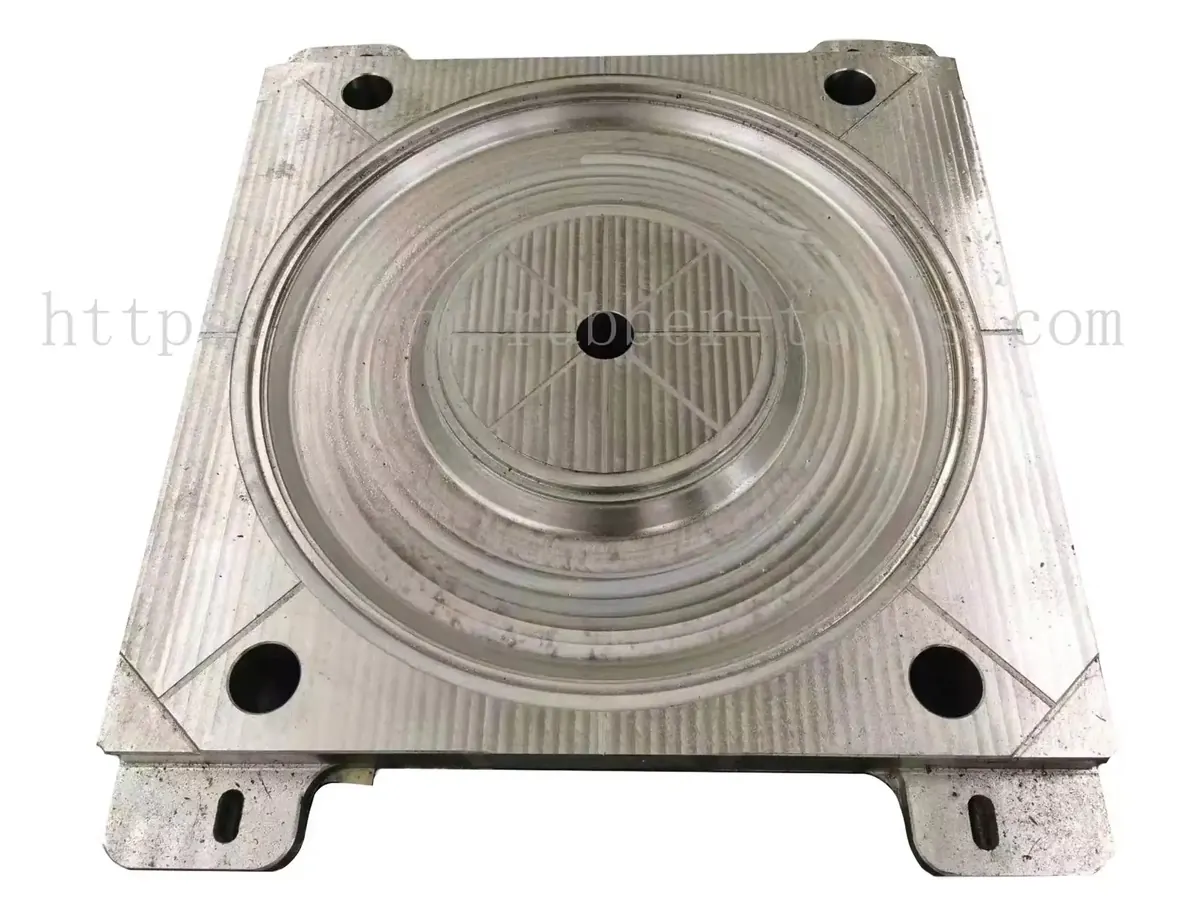
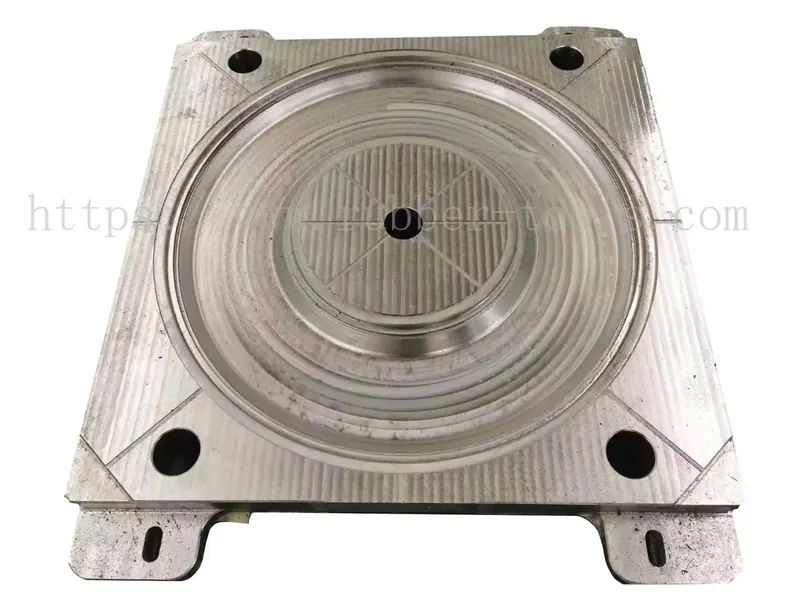
Complementing material development, our five mould engineers specialize in precision tooling design and process optimization for calendering, coating, and lamination systems. They ensure uniform thickness control, optimal adhesion between fabric substrates and rubber layers, and dimensional accuracy across production batches. Their expertise extends to 3D modelling, tolerance analysis, and rapid prototyping, enabling fast turnaround from concept to pilot production. This synergy between formulation and mould engineering allows us to deliver neoprene fabrics with consistent physical properties and surface finish, critical for downstream fabrication and end-use performance.

We offer comprehensive OEM services, supporting clients from initial specification and sample development through to mass production and quality assurance. Our facility is equipped with state-of-the-art mixing, calendaring, and curing lines, capable of producing neoprene-coated fabrics in widths up to 1.5 meters and thicknesses from 0.5 mm to 5.0 mm. Whether the requirement is for flame-retardant, anti-static, or high-abrasion-resistant variants, our team delivers tailored solutions compliant with international standards including ASTM D412, ISO 37, and UL 94.

The following table outlines typical technical specifications for our standard neoprene fabric offerings:

Property Test Method Typical Value
Tensile Strength ASTM D412 ≥14 MPa
Elongation at Break ASTM D412 ≥300%
Hardness (Shore A) ASTM D2240 50–70
Temperature Range -40°C to +120°C
Adhesion Strength (Fabric-Rubber) ASTM D413 ≥80 N/cm
Flame Resistance UL 94 HB Rated

All formulations and constructions are subject to customization based on OEM requirements. Our engineering team works directly with client technical departments to align material performance with application demands, ensuring seamless integration into final products. This end-to-end engineering control positions Suzhou Baoshida as a trusted partner in advanced neoprene fabric manufacturing.


Customization Process

neopreen fabric manufacturing

Neoprene Fabric Customization Process: Precision Engineering for Industrial Applications

Neoprene fabric performance in demanding industrial environments hinges on rigorous customization, not off-the-shelf solutions. At Suzhou Baoshida Trading Co., Ltd., our OEM process transforms client specifications into mission-critical components through four disciplined phases. This methodology ensures material properties align precisely with operational stresses, chemical exposures, and lifecycle requirements.

Drawing Analysis initiates the workflow. Our engineering team conducts granular scrutiny of client technical drawings, focusing on geometric tolerances per ISO 2768, material thickness variances, and interface points. Critical dimensions undergo GD&T validation to preempt assembly failures. Concurrently, we assess environmental factors specified in the drawing notes—such as continuous oil immersion at 120°C or UV exposure—to define formulation boundaries. This phase identifies potential manufacturability conflicts early, reducing downstream revisions by 70% based on historical project data.

Formulation leverages Suzhou Baoshida’s proprietary compound database. Our rubber chemists adjust chloroprene monomer ratios, sulfur vulcanizing systems, and specialty additives (e.g., antidegradants for ozone resistance) to meet the validated requirements. Key parameters like cross-link density are optimized via Mooney Viscometer and RPA testing. For instance, a request for hydraulic seal fabric necessitates elevated acrylonitrile content to resist petroleum-based fluids, while maintaining flexibility at -40°C. Every formulation undergoes predictive modeling for compression set and heat aging per ASTM D573 before prototyping.

Prototyping employs precision die-cutting or waterjet machining of formulated sheets. Three functional prototypes undergo accelerated life testing: 72-hour immersion in specified fluids per ASTM D471, dynamic flex testing to 500,000 cycles, and peel strength validation. We document dimensional stability via CMM scans post-testing, comparing results against the original drawing. Client feedback on prototype performance directly refines the compound—such as adding silica reinforcement if abrasion resistance falls short.

Mass Production commences only after formal client sign-off. Continuous inline monitoring tracks compound viscosity, cure state (via dielectric sensors), and fabric adhesion strength. Every production batch undergoes third-party certification against the agreed specifications, with full traceability from raw material lot numbers to final inspection reports. Our ISO 9001-certified facility ensures batch-to-batch consistency within ±3% tolerance for critical properties.

The table below summarizes key neoprene fabric specifications achievable through this process:

Property Target Range Test Standard
Hardness (Shore A) 50–80 ASTM D2240
Tensile Strength 15–28 MPa ASTM D412
Elongation at Break 300–600% ASTM D412
Temperature Range -45°C to +120°C ISO 188
Compression Set (22h/70°C) ≤25% ASTM D395
Flame Resistance UL 94 HF-1 UL 94

This structured approach eliminates guesswork, delivering neoprene fabric solutions engineered for zero-failure operation in automotive, aerospace, and heavy machinery applications. Suzhou Baoshida’s integration of material science and manufacturing control guarantees performance that meets your exact operational mandate.


Contact Engineering Team

neopreen fabric manufacturing

Contact Suzhou Baoshida for Premium Neoprene Fabric Solutions

At Suzhou Baoshida Trading Co., Ltd., we specialize in delivering high-performance industrial rubber solutions tailored to the rigorous demands of modern manufacturing. As a trusted partner in the supply of engineered elastomeric materials, we offer premium-grade neoprene fabric designed for durability, chemical resistance, thermal stability, and mechanical resilience. Whether your application involves protective coatings, industrial linings, gasketing, or specialty textiles, our neoprene fabric meets exacting standards for performance and consistency.

Neoprene fabric, also known as polychloroprene-coated textile, combines the tensile strength of high-quality base cloths with the protective properties of chloroprene rubber. This composite structure provides superior resistance to oils, ozone, UV radiation, and moderate heat—making it ideal for automotive, aerospace, marine, and industrial equipment sectors. Our production process ensures uniform coating thickness, excellent adhesion between rubber and fabric, and tight control over physical properties to meet OEM specifications.

We understand that industrial buyers require more than just raw materials—they demand technical support, supply chain reliability, and customization capability. That’s why our team at Suzhou Baoshida provides end-to-end service, from material selection and sample testing to volume production and global logistics. With years of experience in international trade and deep expertise in rubber compounding and fabric lamination, we are equipped to support your project at every stage.

For immediate assistance with neoprene fabric specifications, sample requests, or custom formulation development, contact Mr. Boyce, our dedicated OEM Manager. Mr. Boyce brings technical precision and commercial insight to every client engagement, ensuring your material requirements are met with accuracy and efficiency. He is available to discuss your application parameters, environmental exposure conditions, and performance benchmarks to recommend the optimal neoprene fabric configuration.

Below are key technical specifications of our standard neoprene fabric offerings:

Property Test Method Typical Value
Base Fabric Polyester or Nylon Woven
Coating Type Polychloroprene (Neoprene)
Total Thickness ASTM D374 0.8 – 2.5 mm
Tensile Strength ASTM D412 ≥ 10 MPa
Elongation at Break ASTM D412 ≥ 250%
Adhesion Strength ASTM D413 ≥ 4.0 kN/m
Temperature Range -30°C to +100°C
Hardness (Shore A) ASTM D2240 50 – 70
Resistance Properties Oil, Ozone, UV, Water

Our neoprene fabric is available in rolls of various widths and lengths, with options for anti-static, flame-retardant, or high-abrasion-resistant formulations upon request. All materials are produced under strict quality control protocols and can be certified to meet ISO and ROHS standards as required.

To initiate a technical consultation or request a sample batch, reach out directly to Mr. Boyce at [email protected]. Include your application details, performance requirements, and preferred specifications for a prompt and targeted response. At Suzhou Baoshida, we are committed to advancing industrial performance through precision rubber engineering—connect with us to experience the difference in material excellence.


⚖️ O-Ring Weight Calculator

Estimate rubber O-ring weight (Approx).


Neopreen Fabric Manufacturer | Engineering Guide

Contents of Table

Contact [email protected] Whatsapp 86 15951276160