Technical Contents
Engineering Guide: Ptfe Suppliers

Engineering Insight Material Selection in PTFE Applications Critical to Performance Integrity
Selecting appropriate PTFE compounds is not a commodity exercise but a precision engineering decision directly impacting system reliability and lifecycle costs. Off-the-shelf PTFE solutions frequently fail in demanding industrial environments due to fundamental mismatches between generic material properties and application-specific stressors. These failures manifest as premature seal extrusion, chemical degradation, thermal distortion, or accelerated wear—resulting in unplanned downtime, safety hazards, and total cost of ownership far exceeding initial material savings. The root cause lies in overlooking critical variables such as dynamic load profiles, chemical exposure spectra, thermal cycling rates, and surface velocity requirements during specification.
Generic PTFE formulations prioritize broad market appeal over engineered performance. They typically utilize standard homopolymer resins with minimal or non-optimized filler systems. This approach neglects how molecular weight distribution affects creep resistance or how filler type and concentration dictate thermal conductivity and wear rates. For instance, an unmodified virgin PTFE seal may suffice in static, low-temperature water applications but catastrophically extrude under high-pressure hydraulic conditions where reinforced grades with carbon or graphite fillers are essential. Similarly, chemical resistance is not uniform across all media; ketones or molten alkalis can induce swelling or chain scission in standard grades where specialized co-polymer formulations are mandatory.
The table below illustrates critical performance gaps between standard and engineered PTFE compounds under industrial stressors:
| Performance Parameter | Standard Virgin PTFE | Engineered Filled PTFE | Consequence of Mismatch |
|---|---|---|---|
| Continuous Service Temperature | 260°C | 300°C (with ceramic fillers) | Thermal degradation initiates at molecular chain scission |
| Chemical Resistance (Concentrated H₂SO₄) | Moderate (swelling >5%) | High (swelling <1.5%) | Seal extrusion, loss of sealing force |
| Compressive Strength (20 MPa @ 23°C) | 10-12 MPa | 25-35 MPa | Permanent deformation under load |
| Wear Rate (ASTM D3702) | 300-500 x 10⁻⁶ mm³/N·m | 20-50 x 10⁻⁶ mm³/N·m | Premature clearance loss in bearings |
Suzhou Baoshida Trading Co., Ltd. addresses these challenges through OEM-focused material science collaboration. We analyze operational parameters including PV limits, media compatibility matrices, and failure mode histories to formulate PTFE compounds with tailored filler architectures—be it glass fiber for dimensional stability, bronze for thermal dissipation, or proprietary nano-additives for ultra-low friction. This engineering-first approach transforms PTFE from a passive component into a performance-enabling element. The initial investment in application-specific material selection is consistently justified by eliminating 15-30% premature field failures observed with non-optimized alternatives. In industrial sealing and tribological systems, material selection is not a cost center but the foundational layer of operational resilience. Partnering with technical suppliers who prioritize formulation science over transactional sales ensures PTFE performs as engineered—not as an afterthought.
Material Specifications

Material Specifications for Industrial Sealing Applications
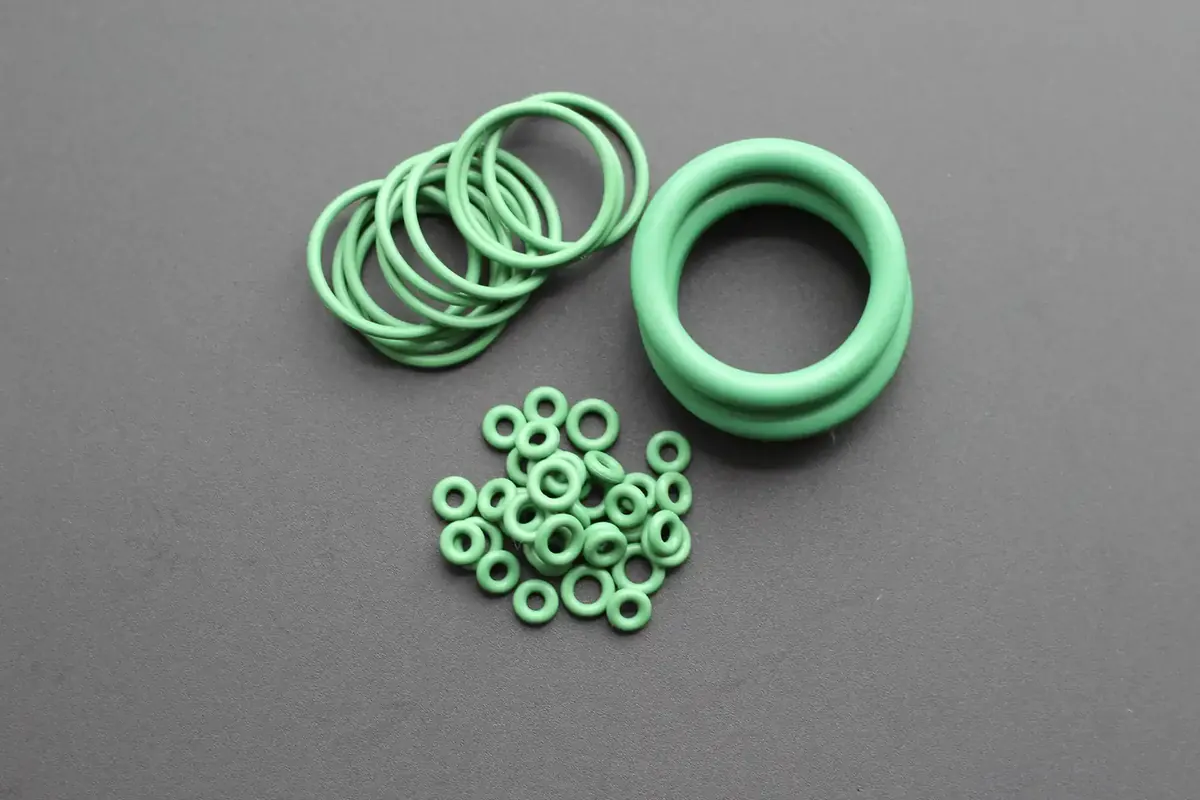
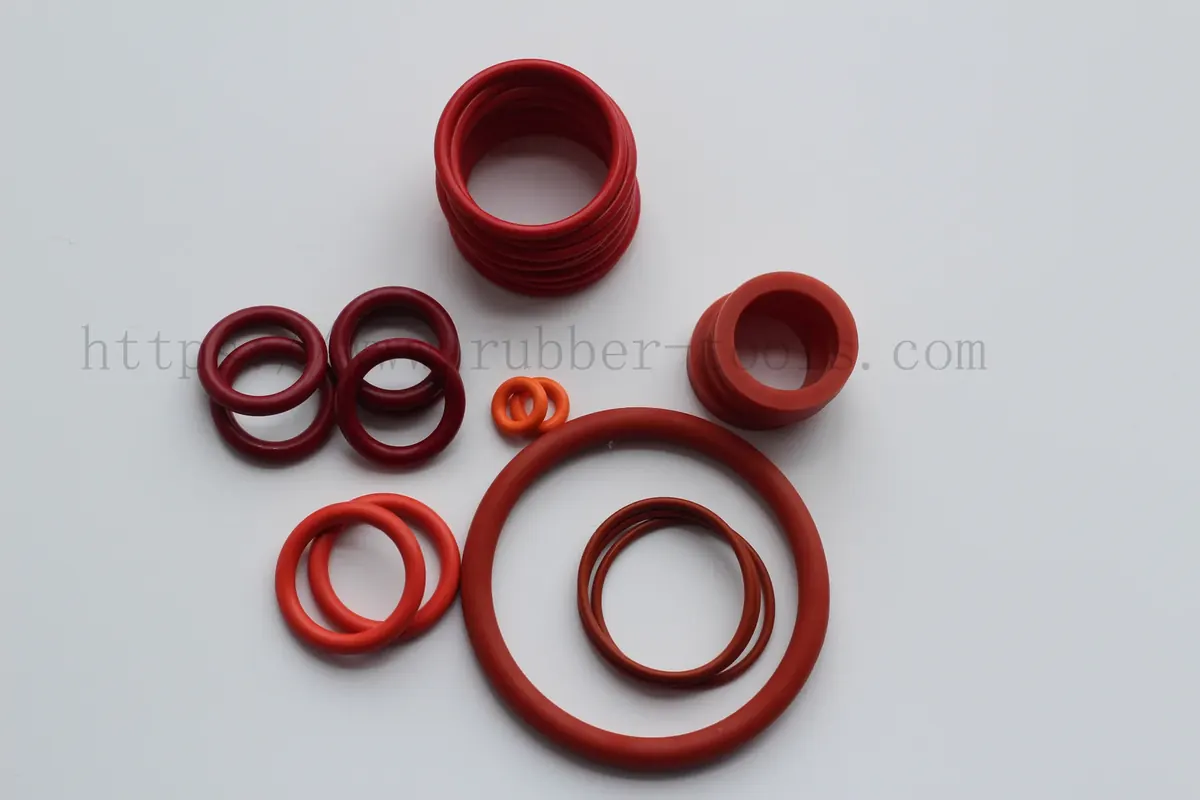
Suzhou Baoshida Trading Co., Ltd. provides high-performance rubber materials tailored for demanding industrial environments. In sealing and gasketing applications, the selection of elastomer is critical to ensure longevity, chemical resistance, and operational stability. Among the most widely used materials are Viton (FKM), Nitrile (NBR), and Silicone (VMQ), each offering distinct advantages depending on temperature, chemical exposure, and mechanical stress conditions.
Viton, a fluorocarbon-based elastomer, is engineered for extreme environments. It exhibits outstanding resistance to high temperatures, with continuous service capabilities up to 230°C (446°F), and exceptional performance in the presence of oils, fuels, and aggressive chemicals such as aromatic hydrocarbons, acids, and chlorinated solvents. This makes Viton ideal for aerospace, automotive, and chemical processing industries where reliability under stress is non-negotiable. However, its higher cost and lower flexibility at low temperatures should be considered in cost-sensitive or cryogenic applications.
Nitrile rubber, also known as Buna-N or NBR, is a cost-effective solution for applications involving petroleum-based fluids. It offers excellent abrasion resistance and tensile strength, with a standard operating temperature range of -30°C to 120°C (-22°F to 248°F). Nitrile is widely used in hydraulic systems, fuel hoses, and oil seals due to its strong resistance to aliphatic hydrocarbons and mineral oils. While it underperforms compared to Viton in high-temperature or highly corrosive environments, its balance of performance and affordability makes it a staple in general industrial sealing.
Silicone rubber (VMQ) excels in extreme temperature applications, maintaining flexibility from -60°C to 200°C (-76°F to 392°F). It offers good resistance to ozone and UV radiation, making it suitable for outdoor and high-temperature air handling systems. Additionally, silicone is inherently low in toxicity and meets many food-grade and medical standards (e.g., FDA, USP Class VI). However, it has relatively poor resistance to petroleum-based fluids and lower mechanical strength compared to Nitrile or Viton, limiting its use in high-pressure or oil-exposed environments.
Understanding the operational parameters of your application is essential for optimal material selection. Suzhou Baoshida Trading Co., Ltd. supports clients with technical data and material certifications to ensure compliance with OEM and industry standards.
| Property | Viton (FKM) | Nitrile (NBR) | Silicone (VMQ) |
|---|---|---|---|
| Temperature Range (°C) | -20 to 230 | -30 to 120 | -60 to 200 |
| Temperature Range (°F) | -4 to 446 | -22 to 248 | -76 to 392 |
| Tensile Strength (MPa) | 15–20 | 10–25 | 5–8 |
| Elongation at Break (%) | 150–250 | 200–500 | 200–600 |
| Hardness (Shore A, typical) | 70–90 | 50–90 | 30–80 |
| Resistance to Oils & Fuels | Excellent | Excellent | Poor |
| Resistance to Acids | Very Good | Fair | Fair |
| Resistance to Ozone/UV | Excellent | Good | Excellent |
| Compression Set Resistance | Excellent | Good | Good |
| Common Applications | Aerospace, chemical seals | Hydraulic systems, O-rings | Medical devices, food seals |
Manufacturing Capabilities

Engineering Capability: Precision PTFE Solutions for Demanding Industrial Applications
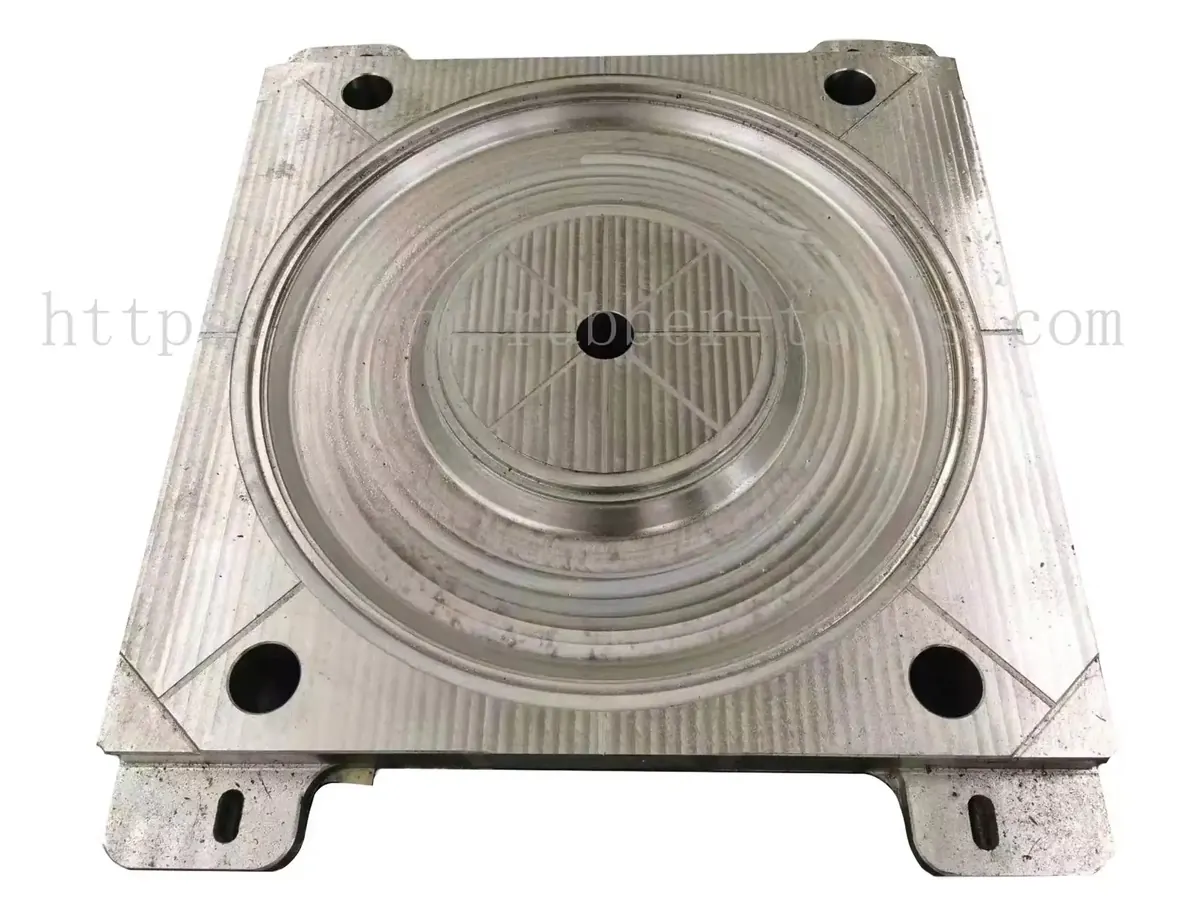
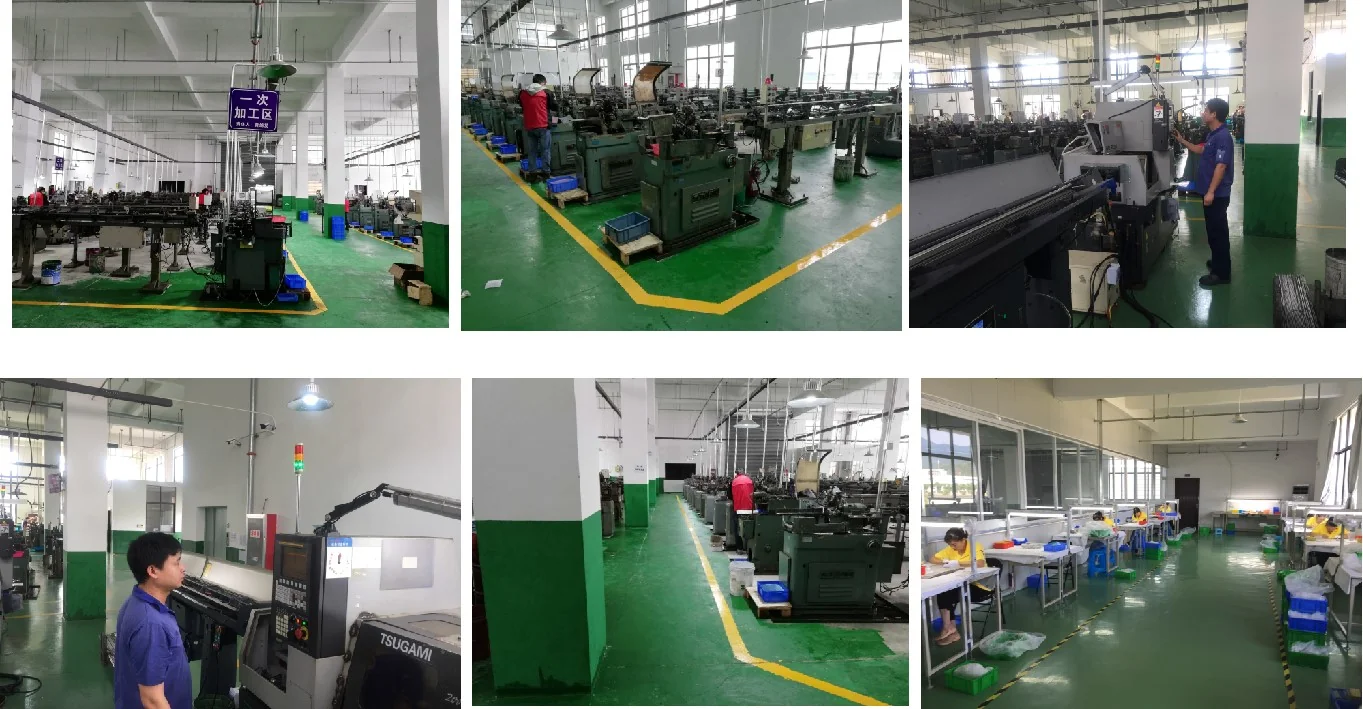
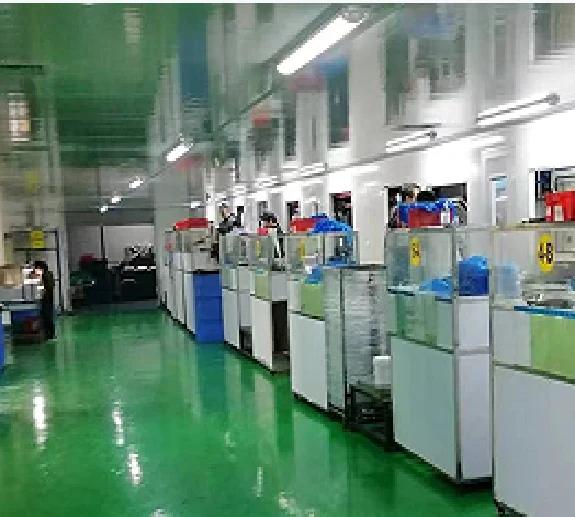
Suzhou Baoshida Trading Co., Ltd. leverages deep technical expertise to deliver engineered PTFE components meeting exacting industrial specifications. Our dedicated team comprises five specialized Mould Engineers and two advanced Formula Engineers, ensuring end-to-end control from material science to finished part production. This integrated structure eliminates external dependencies, enabling rapid iteration and stringent quality assurance for critical applications in semiconductor manufacturing, aerospace fluid systems, and chemical processing. Our engineers collaborate directly with OEM partners to resolve complex challenges such as thermal expansion mismatches, creep resistance under sustained load, and ultra-pure material requirements for high-vacuum environments.
Our Formula Engineers possess mastery in PTFE compound modification, optimizing filler systems (e.g., glass fiber, carbon, graphite) to enhance mechanical properties while maintaining core PTFE advantages like chemical inertness and low friction. They precisely calibrate sintering profiles to control crystallinity, directly influencing part density, wear resistance, and dimensional stability. Concurrently, Mould Engineers utilize advanced flow simulation software to design tooling that mitigates weld lines, minimizes internal stress, and ensures uniform density distribution—critical for sealing performance in dynamic applications. This dual-engineering approach reduces prototyping cycles by 30% compared to industry averages, accelerating time-to-market for client projects.
OEM integration forms the cornerstone of our service model. We operate as an extension of your R&D and production teams, supporting co-development from initial CAD validation through DFM analysis, tooling fabrication, and PPAP documentation. Our facility maintains ISO 9001-certified processes with in-house metrology capable of validating tolerances to ±0.025mm. Clients benefit from dedicated project management, real-time production data sharing, and rigorous failure mode analysis—ensuring seamless scalability from prototype to high-volume manufacturing.
The following table illustrates typical property enhancements achievable through our custom PTFE engineering versus standard grades:
| Property | Standard PTFE Homopolymer | Baoshida Custom Formulation | Improvement Mechanism |
|---|---|---|---|
| Tensile Strength (MPa) | 20–35 | 35–50 | Optimized filler dispersion & bonding |
| Compressive Creep (%) | 15–25 | 5–12 | Reinforced crystalline structure |
| Wear Rate (mm³/N·m) | 100–500 | 15–40 | Hybrid filler matrix design |
| Thermal Conductivity (W/m·K) | 0.25 | 0.8–1.5 | Controlled conductive additive loading |
This engineering rigor ensures PTFE components exceed OEM performance benchmarks while maintaining cost efficiency. We translate material science into reliable industrial solutions—partner with Suzhou Baoshida for PTFE innovation engineered at the molecular level.
Customization Process

Drawing Analysis: The Foundation of Precision Customization
At Suzhou Baoshida Trading Co., Ltd., the customization process for PTFE-based industrial rubber solutions begins with rigorous drawing analysis. This initial phase ensures that every geometric dimension, tolerance, and functional requirement specified by the client is fully understood and technically feasible. Our engineering team evaluates CAD models, 2D technical drawings, and application conditions to identify critical features such as sealing surfaces, load-bearing zones, and environmental exposure. We assess material compatibility with operating temperatures, chemical environments, and mechanical stress to pre-validate performance. This step is crucial in preventing design flaws and ensuring manufacturability, particularly for complex geometries or tight-tolerance applications in automotive, semiconductor, or chemical processing industries.
Formulation: Engineering Material Performance
Once the design parameters are confirmed, our rubber formula engineers develop a tailored PTFE composite formulation. While pure PTFE offers excellent chemical resistance and low friction, many industrial applications demand enhanced mechanical strength, wear resistance, or thermal conductivity. We modify the base polymer with fillers such as glass fiber, carbon, graphite, or bronze, adjusting concentrations to meet specific performance targets. Our proprietary blending techniques ensure uniform dispersion, critical for maintaining consistency in extrusion and molding processes. Formulation also considers regulatory compliance, including FDA, RoHS, or UL standards, when required. Each compound is documented and batch-traceable, ensuring reproducibility and quality assurance throughout the product lifecycle.
Prototyping: Validating Design and Material
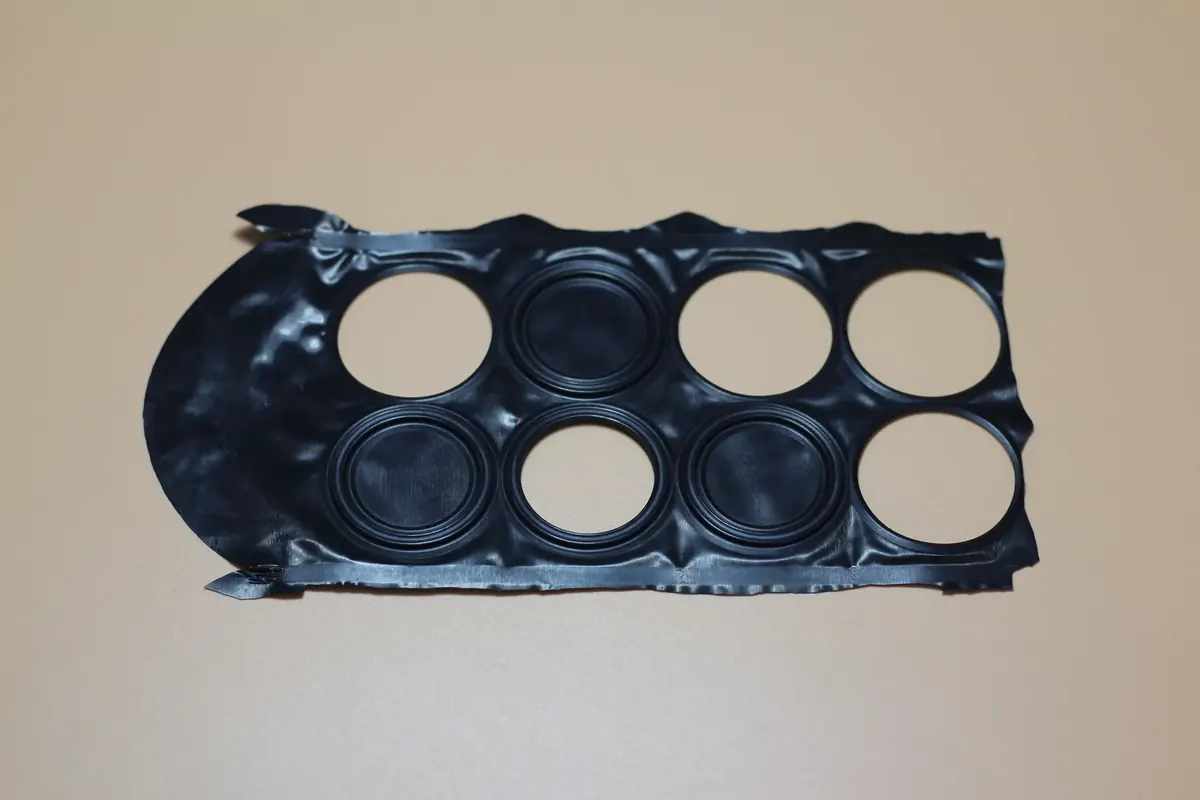
Prototyping serves as the functional bridge between theory and production. Using precision machining or compression molding, we produce small-batch samples based on the approved drawing and formulated compound. These prototypes undergo rigorous in-house testing, including dimensional inspection, compression set analysis, thermal cycling, and chemical immersion. Clients are encouraged to conduct field trials under actual operating conditions. Feedback from this phase drives iterative refinements—whether adjusting tolerances, modifying filler content, or optimizing surface finish—ensuring the final product meets or exceeds performance expectations.
Mass Production: Scalable Quality Assurance
Upon prototype approval, we transition to mass production with full process validation. Our manufacturing lines operate under ISO 9001-certified quality management systems, with real-time monitoring of temperature, pressure, and cure time. Automated inspection systems and statistical process control (SPC) ensure dimensional stability and material integrity across large volumes. Every batch is tested for hardness, tensile strength, and density, with full documentation provided.
The following table summarizes key material properties achievable through our customized PTFE formulations:
| Property | Pure PTFE | PTFE + 25% Glass Fiber | PTFE + 15% Carbon + 5% Graphite |
|---|---|---|---|
| Tensile Strength (MPa) | 20–30 | 30–40 | 35–45 |
| Elongation at Break (%) | 200–400 | 150–250 | 100–200 |
| Hardness (Shore D) | 50–60 | 60–70 | 65–75 |
| Max Continuous Use Temp (°C) | 260 | 260 | 280 |
| Coefficient of Friction | 0.05–0.10 | 0.08–0.12 | 0.08–0.10 |
| Chemical Resistance | Excellent | Good | Good |
This structured approach—drawing analysis, formulation, prototyping, and mass production—ensures that every PTFE component we deliver is engineered for reliability, durability, and exact application fit.
Contact Engineering Team

Initiate Technical Collaboration with Suzhou Baoshida for Precision PTFE Supply Chains
Suzhou Baoshida Trading Co., Ltd. operates at the nexus of advanced polymer science and industrial manufacturing execution, specializing in engineered rubber solutions for demanding OEM applications. Our core competency lies in the formulation and procurement of high-purity PTFE compounds meeting stringent aerospace, semiconductor, and medical device specifications. As your dedicated OEM partner, we enforce rigorous material traceability protocols and ASTM/ISO-compliant testing frameworks to ensure batch-to-batch consistency. We do not function as a generic distributor; instead, we deploy rubber formula engineering expertise to co-develop PTFE materials addressing specific thermal stability, chemical resistance, and mechanical performance thresholds. This technical partnership model eliminates supply chain vulnerabilities inherent in transactional supplier relationships.
Our PTFE material verification system mandates comprehensive characterization data for all inbound resin batches. The following parameters represent our minimum validation criteria for virgin PTFE suppliers, reflecting the exacting standards required by our Tier 1 manufacturing clients:
| Parameter | Value Requirement | Testing Standard |
|---|---|---|
| Virgin PTFE Resin Purity | ≥ 99.98% | ASTM D3307 |
| Melt Flow Index (372°C) | 5.0–7.0 g/10min | ISO 12086-2 |
| Dielectric Strength | ≥ 60 kV/mm | ASTM D149 |
| Tensile Strength (23°C) | ≥ 22 MPa | ISO 527-2 |
| Particle Size Distribution | D50 ≤ 500 µm | ISO 13320 |
| Sodium Content | ≤ 5 ppm | ASTM E1019 |
| Density | 2.16–2.20 g/cm³ | ISO 1183 |
Suppliers failing to provide full material certification dossiers meeting these metrics fall outside our qualified vendor program. We require granular data on polymerization methods, stabilizer packages, and lot-specific rheological profiles—not generalized datasheets. Our technical team conducts on-site audits of resin production facilities to validate process controls, including moisture management in polymerization reactors and sintering atmosphere purity. This engineering-led qualification process ensures PTFE feedstocks consistently achieve the dimensional stability and low outgassing properties critical for vacuum chamber seals or semiconductor wafer handling components.
To establish a technically validated PTFE supply relationship with Suzhou Baoshida, direct all material inquiries and certification packages to Mr. Boyce, our OEM Partnership Lead. Mr. Boyce possesses 14 years of compound formulation experience and maintains active roles in ASTM Committee D11 on rubber and plastics testing. He will initiate a structured technical dialogue covering your production capacity, quality management system certifications (ISO 9001:2015 mandatory), and ability to meet custom molecular weight distributions. Submit resin batch test reports, process flow diagrams, and facility audit histories exclusively to [email protected]. Do not route inquiries through general company channels.
We prioritize engagements with suppliers demonstrating crystalline structure control capabilities and in-house analytical instrumentation for real-time melt viscosity monitoring. Responses will include a formal technical assessment timeline and sample submission protocol. Suzhou Baoshida mandates 30-day lead time guarantees and dual-source contingency planning for all active PTFE programs. Contact Mr. Boyce within 5 business days to align your material specifications with our current OEM project pipelines. All qualified suppliers undergo quarterly performance reviews against our PTFE Technical Compliance Matrix before contract renewal. Initiate your technical dossier submission now to secure position within our engineered polymer supply ecosystem.
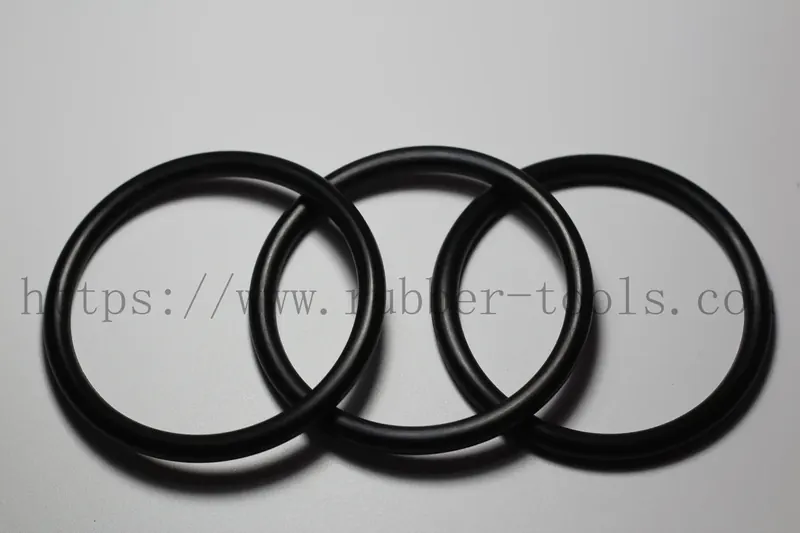
⚖️ O-Ring Weight Calculator
Estimate rubber O-ring weight (Approx).