Technical Contents
Engineering Guide: Boat Windshield Gasket

Engineering Insight: The Critical Role of Material Selection in Boat Windshield Gaskets
In marine environments, the performance and longevity of a boat windshield gasket are directly tied to the precision of its material selection. Off-the-shelf rubber gaskets, while cost-attractive, frequently fail under real-world marine conditions due to inadequate resistance to UV radiation, ozone exposure, temperature extremes, and prolonged immersion in saltwater. These failures manifest as cracking, hardening, compression set, and loss of sealing integrity—compromising both safety and comfort.
At Suzhou Baoshida Trading Co., Ltd., we emphasize engineered elastomer solutions tailored to the dynamic stresses encountered in marine applications. Standard gaskets often utilize generic EPDM or low-grade silicone compounds that lack the molecular stability required for long-term outdoor exposure. In contrast, precision-formulated materials such as high-saturation nitrile (HNBR), fluorosilicone (FVMQ), or marine-grade EPDM with enhanced stabilizers deliver superior performance. These compounds maintain elasticity across a broad temperature range (–50°C to +150°C), resist UV degradation, and exhibit minimal water absorption—critical for maintaining consistent sealing force.
Another overlooked factor is compression set resistance. Boat windshields undergo constant vibration and cyclic loading from wave impact and engine operation. A gasket that cannot recover its original shape after compression will develop gaps, leading to water ingress and wind noise. Premium elastomers with optimized cross-link density and curing systems ensure minimal permanent deformation, even after years of service.
Chemical compatibility is equally vital. Marine environments expose gaskets to fuel vapors, cleaning agents, and salt spray. Off-the-shelf materials may swell or degrade upon contact with these substances, resulting in dimensional instability. Our formulations are tested against ASTM D471 standards for fluid resistance, ensuring compatibility with common marine chemicals without compromising mechanical properties.
The following table outlines key performance specifications of recommended elastomers for boat windshield gaskets:
| Material | Hardness (Shore A) | Tensile Strength (MPa) | Elongation at Break (%) | Operating Temp Range (°C) | Key Advantages |
|---|---|---|---|---|---|
| Marine-Grade EPDM | 60–75 | 12–18 | 300–450 | –50 to +135 | Excellent UV and ozone resistance, low water absorption |
| Fluorosilicone (FVMQ) | 55–70 | 8–12 | 250–350 | –60 to +175 | Superior fuel and solvent resistance, wide temp range |
| High-Saturation Nitrile (HNBR) | 65–80 | 15–20 | 280–400 | –40 to +150 | High mechanical strength, excellent compression set resistance |
Selecting the correct material is not a one-size-fits-all proposition. It requires a detailed understanding of the operational environment, regulatory standards (e.g., ISO 8666 for boat construction), and OEM design specifications. At Baoshida, we collaborate with marine OEMs to develop custom gasket solutions that outperform generic alternatives through rigorous material science and application-specific engineering. The result is a windshield seal that ensures durability, safety, and long-term performance—proving that in marine sealing, precision is not optional; it is essential.
Material Specifications
Material Specifications for Marine Windshield Gasket Applications
Precision material selection is non-negotiable for boat windshield gaskets, where failure compromises structural integrity, safety, and operational longevity. Marine environments impose extreme demands: continuous saltwater exposure, ultraviolet degradation, thermal cycling, and dynamic mechanical stress. Suzhou Baoshida Trading Co., Ltd. engineers rubber compounds to exceed OEM marine specifications, focusing on Viton, Nitrile, and Silicone elastomers. Each material offers distinct performance profiles validated per ASTM D2000 classification standards. Viton fluorocarbon rubber delivers exceptional resistance to fuels, oils, and ozone, critical for vessels with inboard engines. Its molecular stability ensures minimal swelling in hydrocarbon-rich environments while maintaining seal integrity from -20°C to 230°C. Nitrile butadiene rubber (NBR) provides optimal cost-performance balance for general marine use, featuring robust abrasion resistance and tensile strength. Standard NBR compounds withstand temperatures from -40°C to 120°C but require specialized formulations for prolonged saltwater immersion to mitigate hydrolysis. Silicone excels in extreme-temperature flexibility, operating reliably from -60°C to 200°C, with superior UV and ozone resistance. However, its lower tear strength necessitates reinforced formulations for high-vibration deck installations. Shore A hardness must be precisely calibrated between 50–70 for windshield applications; values below 50 risk extrusion under pressure, while exceeding 70 reduces conformability to curved glass substrates. Compression set resistance below 25% after 70 hours at 100°C is mandatory to prevent permanent deformation and leakage. All compounds undergo 1,000-hour salt-fog testing per ASTM B117 and 500-hour xenon-arc UV exposure to simulate 5+ years of marine service.
Material Performance Comparison for Marine Windshield Gaskets
| Material Type | Key Properties | Temperature Range (°C) | Fluid Resistance | Shore Hardness Range (A) | Marine Suitability |
|---|---|---|---|---|---|
| Viton (FKM) | Exceptional chemical/fuel resistance, low gas permeability | -20 to 230 | Excellent against fuels, oils, acids | 60–80 | Premium choice for engine compartments and high-performance vessels |
| Nitrile (NBR) | High abrasion resistance, cost-effective, good tensile strength | -40 to 120 | Good against water, hydraulic fluids; moderate against oils | 50–70 | Standard for recreational boats with freshwater/saltwater exposure (requires marine-grade additives) |
| Silicone (VMQ) | Superior flexibility at low temperatures, excellent UV/ozone resistance | -60 to 200 | Poor against fuels/oils; excellent against water, steam | 45–65 | Ideal for cabin windows in cold climates; requires reinforcement for hull-mounted windshields |
Suzhou Baoshida’s OEM-managed production integrates these material sciences with precision extrusion tolerances of ±0.15mm. We prioritize dynamic sealing performance under ISO 11402-1 cyclic pressure testing, ensuring gaskets maintain >95% recovery after 10,000 compression cycles. Custom formulations address regional challenges—e.g., enhanced biocide resistance for tropical deployments or low-temperature flexibility for Arctic expeditions. Partner with our engineering team to validate material selection against your vessel’s operational profile, avoiding costly field failures through data-driven compound optimization.
Manufacturing Capabilities

Engineering Capability: Precision Development for Boat Windshield Gaskets
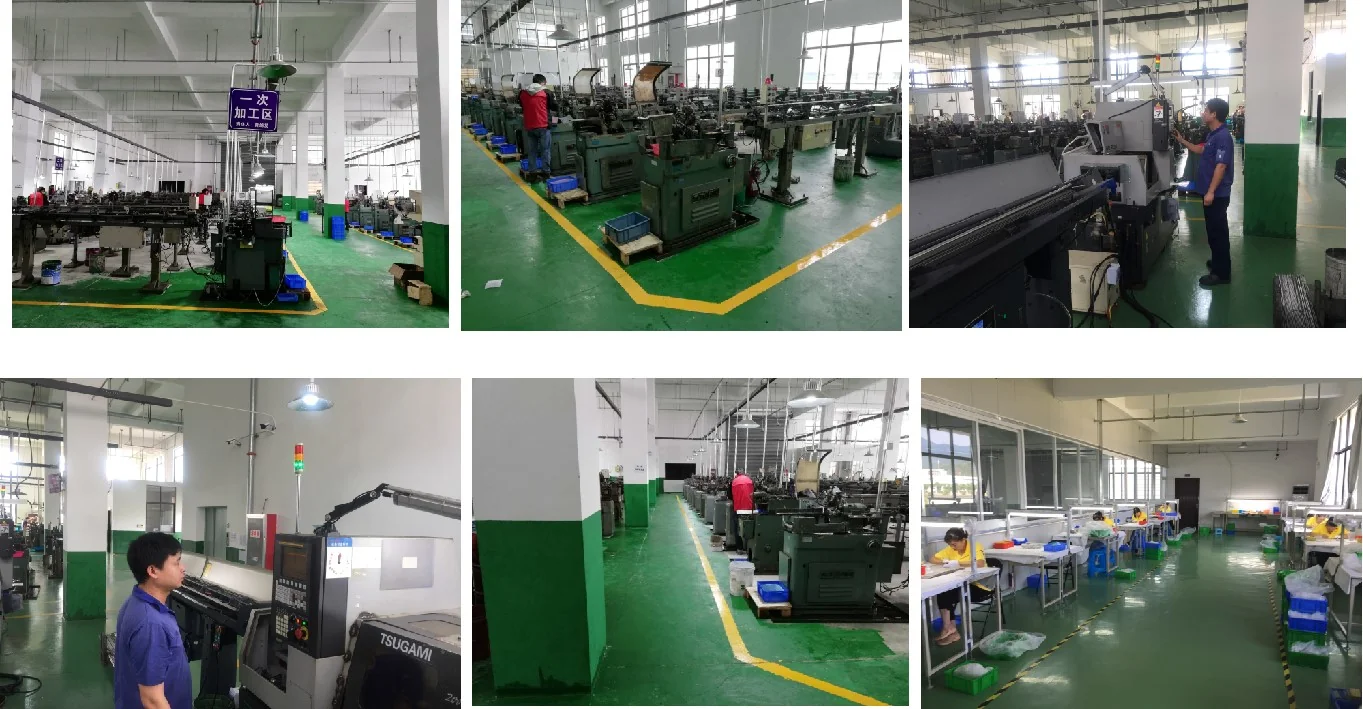
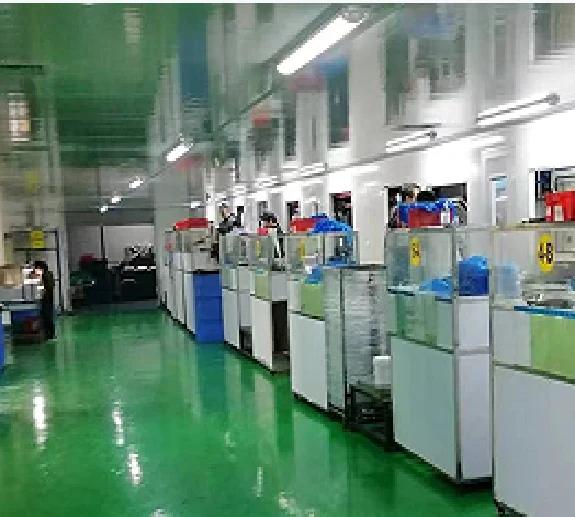
At Suzhou Baoshida Trading Co., Ltd., our engineering capability forms the backbone of our service in delivering high-performance rubber seals for marine applications, particularly boat windshield gaskets. Our team integrates deep material science expertise with advanced mold design to ensure every component meets stringent OEM standards for durability, sealing integrity, and environmental resistance.
Our engineering department is staffed with five dedicated mold design engineers and two specialized rubber formulation engineers, enabling a vertically integrated development process that bridges material selection and precision manufacturing. This cross-functional structure allows us to control every stage of product realization—from initial concept and compound development to tooling design and final validation.
The two rubber formula engineers on staff possess advanced knowledge in elastomer chemistry, with a focus on EPDM, silicone, and thermoplastic vulcanizates (TPVs) commonly used in marine environments. They formulate custom rubber compounds tailored to resist UV degradation, saltwater exposure, ozone, and extreme temperature fluctuations—all critical factors for boat windshield gasket performance. Each formulation is optimized for compression set resistance, Shore hardness, and elongation at break, ensuring long-term sealing reliability under dynamic stress conditions.
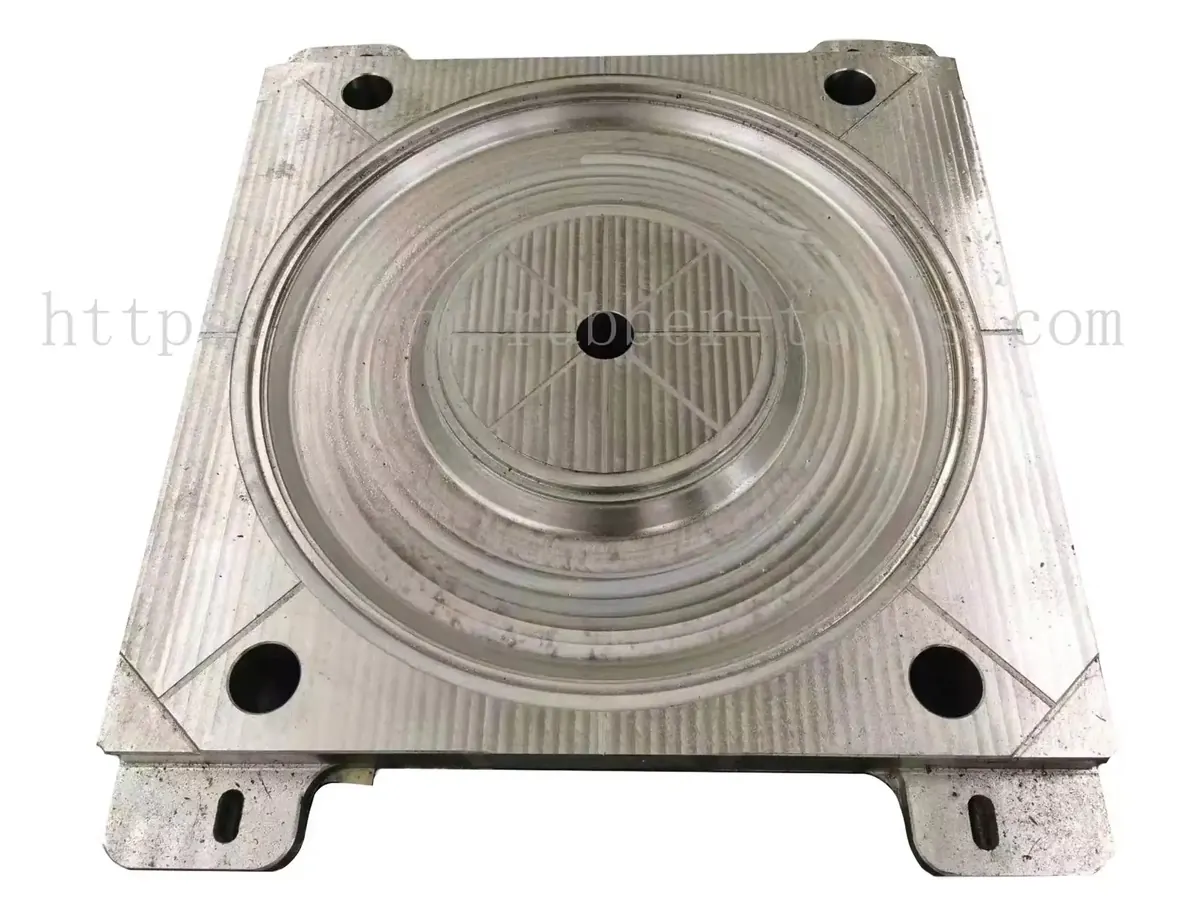
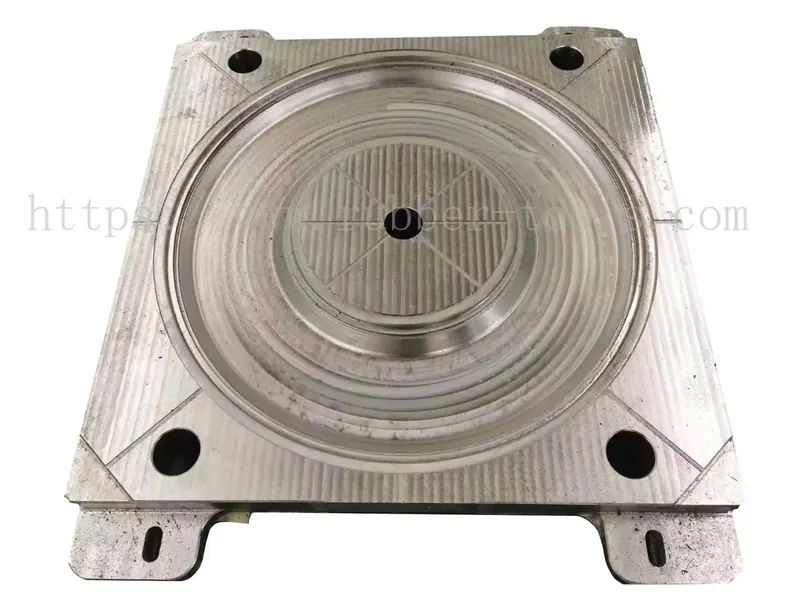
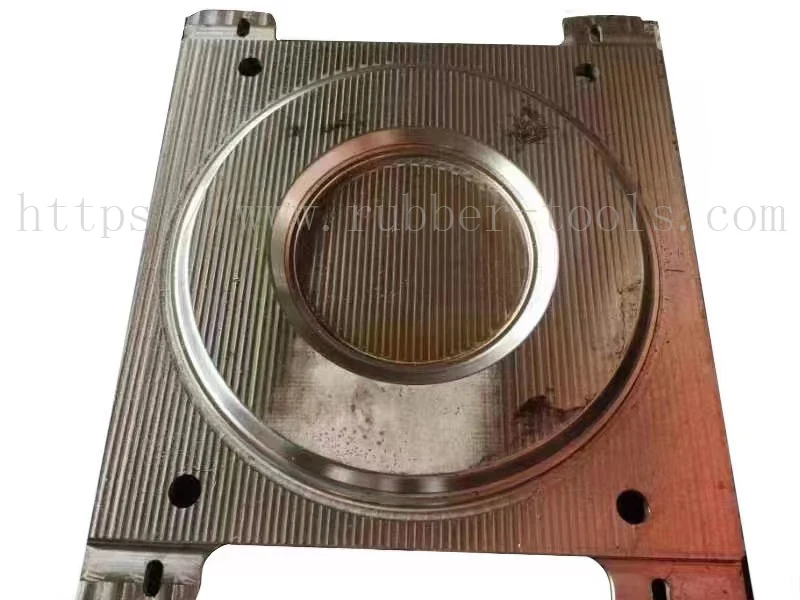
Complementing material development, our five mold engineers employ 3D CAD software (SolidWorks, AutoCAD, and UG/NX) to design precision molds with tight tolerances, typically held within ±0.1 mm. We specialize in multi-cavity and family molds to support scalable production while maintaining consistency. Mold flow analysis and tolerance stack-up simulations are routinely performed to anticipate and resolve potential manufacturing variances before tooling fabrication begins.
Our OEM capabilities are built on a foundation of collaborative engineering. We work directly with clients to reverse-engineer legacy parts, improve sealing performance, or develop new profiles from technical drawings or physical samples. This includes full documentation packages, material traceability reports, and first article inspection (FAI) reports compliant with ISO 9001 standards.
All gaskets are engineered to meet or exceed original equipment specifications, with emphasis on dimensional accuracy, adhesion to bonding substrates (when applicable), and consistent durometer across production batches. Prototypes are produced in-house within 10–15 working days, allowing rapid validation and design iteration.
The following table summarizes typical engineering specifications for our boat windshield gasket production:
| Parameter | Standard Range | Testing Method |
|---|---|---|
| Material Types | EPDM, Silicone, TPV | ASTM D1418 |
| Hardness (Shore A) | 50–80 ±5 | ASTM D2240 |
| Tensile Strength | ≥8 MPa | ASTM D412 |
| Elongation at Break | ≥250% | ASTM D412 |
| Compression Set (22h, 70°C) | ≤25% | ASTM D395 |
| Operating Temperature | -40°C to +120°C | ISO 188 |
| Tolerance | ±0.1 mm (critical dimensions) | ISO 2768 |
| UV/Ozone Resistance | Excellent (per ASTM D1149) | ASTM D1149 |
Through rigorous engineering discipline and material innovation, Suzhou Baoshida delivers boat windshield gaskets that perform reliably in demanding marine environments, supporting OEMs with scalable, certified, and technically optimized sealing solutions.
Customization Process

Customization Process for Marine Windshield Gasket Manufacturing
At Suzhou Baoshida Trading Co., Ltd., precision customization of boat windshield gaskets begins with rigorous technical validation to ensure seamless integration with OEM marine assembly lines. Our four-phase process eliminates field failure risks through material science and dimensional control, directly addressing marine environmental stressors including UV degradation, saltwater immersion, and thermal cycling from -40°C to +120°C.
Drawing Analysis
Initial assessment focuses on groove geometry, compression requirements, and substrate compatibility per ISO 3601 standards. We validate critical tolerances such as groove width (±0.05mm), gland depth, and surface finish Ra ≤ 0.8µm to prevent extrusion under hydrostatic pressure. Cross-sectional analysis identifies stress concentration points, while 3D CAD comparisons ensure compatibility with curved polycarbonate or laminated glass substrates. This phase includes thermal expansion coefficient mapping between rubber and mounting frames to avoid gap formation during temperature swings.
Formulation Development
Material selection targets EPDM compounds for superior ozone resistance (>5000 hours per ASTM D1149) and saltwater stability. Our proprietary formulations incorporate high-purity carbon black for UV shielding and peroxide curing systems to achieve compression set ≤25% after 70 hours at 100°C (ASTM D395 Method B). Shore A hardness is precisely tuned to 65–75 to balance sealing force against installation stress, while elongation at break exceeds 400% to accommodate hull flexure. All compounds undergo ISO 1817 fuel/oil resistance testing for marine fuel compatibility.
Prototyping & Validation
Tooling prototypes are produced via precision injection molding with cavity pressure monitoring. Each sample undergoes:
Dynamic compression testing (100,000 cycles at 25% deflection)
Adhesion verification per ASTM C717 (peel strength >5 kN/m)
Salt fog exposure (1000 hours, ASTM B117)
Accelerated aging in QUV weatherometer (2000 hours)
Dimensional reports include CMM scans against original CAD with GD&T callouts. Typical lead time for validated prototypes is 4–6 weeks with full material traceability documentation.
Mass Production Control
Serial production implements SPC with real-time monitoring of 12 critical parameters including cure time (±3 seconds), shot weight (±0.1g), and post-mold shrinkage. Every batch undergoes:
Hardness verification (3 locations per part)
Visual inspection under 10x magnification for surface defects
Batch compression set sampling (n=5 per 500 units)
Final packaging includes humidity-controlled VCI bags and serialized traceability tags for full lifecycle tracking. Our zero-defect shipment protocol ensures gaskets maintain ±0.15mm dimensional stability after 6 months storage.
Critical Material Specifications
| Parameter | Test Standard | Requirement | Measurement Tolerance |
|---|---|---|---|
| Shore A Hardness | ASTM D2240 | 70 ± 5 | ±1.5 units |
| Tensile Strength | ASTM D412 | ≥12 MPa | ±0.5 MPa |
| Compression Set | ASTM D395 B | ≤25% @ 100°C/70h | ±2% |
| Operating Temperature | ISO 188 | -40°C to +120°C | ±2°C |
| Groove Fit Tolerance | ISO 3601 | +0.05/-0.10 mm | ±0.02 mm |
This structured approach guarantees gaskets achieve 15+ year service life in marine environments while meeting OEM assembly speed requirements. Suzhou Baoshida’s integrated engineering-manufacturing workflow reduces customization lead times by 30% versus industry averages through concurrent material and tooling development.
Contact Engineering Team

For manufacturers and OEMs seeking high-performance rubber components, Suzhou Baoshida Trading Co., Ltd. stands as a trusted partner in the precision rubber seals industry. Specializing in engineered elastomeric solutions, we deliver mission-critical sealing products tailored to marine, automotive, industrial, and transportation applications. Among our core offerings is the boat windshield gasket—a component where dimensional accuracy, material resilience, and long-term environmental resistance are non-negotiable.
Our boat windshield gaskets are designed to meet stringent OEM specifications, ensuring optimal fit, weatherproof integrity, and durability under continuous exposure to UV radiation, saltwater, temperature fluctuations, and mechanical stress. At Suzhou Baoshida, we combine advanced rubber formulation science with precision extrusion and molding technologies to produce gaskets that exceed performance expectations. Each product is manufactured under ISO-compliant quality control protocols, guaranteeing consistency across production batches and full traceability for regulated industries.
We offer customization across key parameters including durometer hardness, cross-sectional profile, length tolerance, and material compound selection. Whether your application demands EPDM for superior ozone and weather resistance, silicone for extreme temperature stability, or custom-blended thermoset rubber for enhanced sealing force, our engineering team collaborates directly with clients to develop a solution that aligns with functional and regulatory requirements.
The following table outlines typical technical specifications for our standard boat windshield gasket offerings. All values are subject to customization based on OEM drawings, 3D models, or physical samples.
| Parameter | Standard Value | Customization Range |
|---|---|---|
| Material | EPDM, Silicone, Nitrile, CR | Compound-specific formulation |
| Hardness (Shore A) | 60 ± 5 | 40 – 80 |
| Operating Temperature | -40°C to +120°C (EPDM) | Up to +200°C (Silicone) |
| Tensile Strength | ≥ 8 MPa | Up to 15 MPa |
| Elongation at Break | ≥ 250% | Up to 450% |
| Compression Set (24h, 70°C) | ≤ 20% | ≤ 15% (optimized compounds) |
| UV and Ozone Resistance | Excellent (per ASTM D1149/D1171) | Enhanced with stabilizer packages |
| Production Tolerance | ±0.3 mm (cross-section) | ±0.1 mm (precision-molded) |
Partnering with Suzhou Baoshida means gaining access to end-to-end technical support—from initial material selection and prototype development to full-scale production and logistics management. Our global supply network ensures reliable delivery timelines, while our engineering team remains engaged throughout the product lifecycle to support quality audits, failure analysis, and continuous improvement initiatives.
For immediate technical consultation or quotation requests, contact Mr. Boyce, OEM Account Manager, at [email protected]. Please include detailed specifications, intended application environment, annual volume requirements, and any relevant design files to expedite the evaluation process. We respond to all inquiries within 12 business hours and offer sample production within 7–10 working days upon design confirmation.
Elevate your sealing performance with a partner committed to precision, reliability, and engineered excellence. Contact Suzhou Baoshida Trading Co., Ltd. today.
⚖️ O-Ring Weight Calculator
Estimate rubber O-ring weight (Approx).