Rectangular Gasket Manufacturer | Engineering Guide

Engineering Guide: Rectangular Gasket

Engineering Insight: The Critical Role of Material Selection in Rectangular Gasket Performance

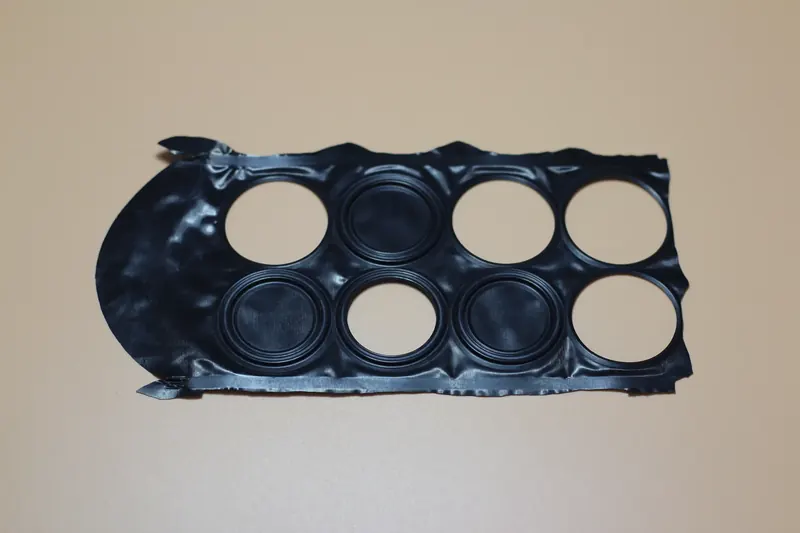
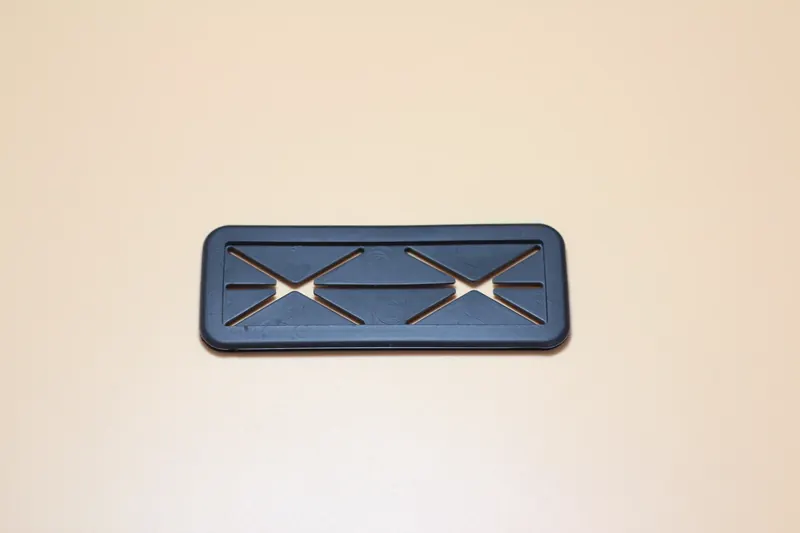
In precision sealing applications, the rectangular gasket serves as a fundamental component in maintaining system integrity under dynamic operational conditions. Despite its geometric simplicity, the performance of a rectangular gasket is highly dependent on the correct selection of elastomeric material. Off-the-shelf gasket solutions, while cost-attractive and readily available, often fail to meet the specific chemical, thermal, and mechanical demands of industrial environments. This mismatch leads to premature degradation, leakage, and unplanned downtime—costly outcomes that compromise both safety and efficiency.

Material selection is not a one-size-fits-all proposition. The operating environment dictates the elastomer’s required resistance to temperature extremes, fluid exposure, compression set, and mechanical stress. For example, a standard NBR (nitrile butadiene rubber) gasket may perform adequately in low-temperature hydraulic systems but will rapidly deteriorate when exposed to hot oil or ozone-rich atmospheres. Similarly, silicone rubber offers excellent thermal stability but lacks the tensile strength and abrasion resistance needed in high-pressure mechanical assemblies.

At Suzhou Baoshida Trading Co., Ltd., we emphasize application-specific formulation over generic supply. Our engineering team evaluates fluid compatibility, continuous and peak temperature ranges, compression deflection requirements, and aging characteristics before recommending a material. This approach ensures that each rectangular gasket is engineered for longevity and reliability, not just dimensional fit.

Common failure modes in off-the-shelf gaskets include extrusion under pressure, hardening due to thermal aging, and swelling from incompatible fluid exposure. These issues stem from inadequate material-property alignment rather than manufacturing defects. For instance, a gasket installed in a refrigeration unit may appear functional during initial operation but crack after prolonged exposure to cryogenic temperatures if the elastomer’s glass transition temperature (Tg) is not properly considered.

Custom material selection allows for optimization across multiple performance vectors. By leveraging advanced compounds such as FKM (fluoroelastomer), EPDM, or specialty hydrogenated nitrile (HNBR), we address complex multi-stress environments where standard gaskets fall short. These materials offer superior resistance to aggressive chemicals, UV radiation, steam, and high-pressure differentials—critical for industries ranging from semiconductor manufacturing to heavy-duty hydraulics.

The following table outlines key material properties relevant to rectangular gasket applications, illustrating how performance parameters vary across common elastomers:

Material Temperature Range (°C) Fluid Resistance Compression Set Resistance Typical Applications
NBR -30 to +100 Good (oils, fuels) Moderate Hydraulic systems, pneumatic seals
EPDM -50 to +150 Excellent (water, steam, brake fluids) Good HVAC, automotive cooling systems
FKM -20 to +200 Excellent (acids, oils, fuels) Excellent Aerospace, chemical processing
Silicone -60 to +200 Fair (water, oils) Poor Medical devices, food processing
HNBR -40 to +150 Very Good (oils, ozone) Excellent Off-road machinery, oilfield equipment

Material selection is the cornerstone of effective gasket engineering. At Suzhou Baoshida, we prioritize performance-driven customization to ensure that every rectangular gasket we supply meets the exacting standards of modern industrial applications.


Material Specifications

rectangular gasket manufacturing

Material Specifications for Precision Rectangular Gaskets

Rectangular gaskets serve as critical sealing components in demanding industrial applications, requiring precise material selection to ensure longevity, chemical compatibility, and dimensional stability under operational stress. At Suzhou Baoshida Trading Co., Ltd., our OEM-engineered gaskets leverage advanced rubber compounds tailored to specific environmental challenges. The three primary elastomers utilized—Viton (FKM), Nitrile (NBR), and Silicone (VMQ)—exhibit distinct performance profiles essential for optimal sealing integrity in hydraulic systems, automotive assemblies, chemical processing equipment, and semiconductor manufacturing. Material choice directly impacts resistance to temperature extremes, fluid exposure, compression set, and mechanical deformation.

Viton (FKM)
Viton fluorocarbon rubber delivers exceptional resistance to high temperatures, aggressive chemicals, and oils, making it indispensable for aerospace, petrochemical, and pharmaceutical applications. Standard compounds withstand continuous service from -20°C to +230°C, with specialty formulations extending to +300°C. Its molecular structure provides robust defense against aromatic hydrocarbons, chlorinated solvents, and jet fuels, while maintaining low gas permeability. Typical tensile strength ranges from 10 to 18 MPa, with elongation at break between 150% and 300%. Viton’s superior compression set resistance ensures reliable sealing in static applications under prolonged thermal cycling, though its higher cost necessitates strategic deployment where lower-cost alternatives fail.

Nitrile (NBR)
Nitrile butadiene rubber remains the industry standard for cost-effective sealing in petroleum-based environments, including automotive fuel systems, hydraulic machinery, and industrial lubrication circuits. With a standard operating range of -40°C to +120°C (extended to +150°C for peroxide-cured grades), NBR excels in resistance to aliphatic hydrocarbons, mineral oils, and water. Its tensile strength (15–25 MPa) and elongation (200–500%) provide balanced mechanical durability, while hardness options (50–90 Shore A) accommodate diverse compression requirements. Limitations include vulnerability to ozone, ketones, and polar solvents, necessitating careful compatibility assessment. NBR’s affordability and ease of processing make it ideal for high-volume OEM production where chemical exposure is moderate.

Silicone (VMQ)
Silicone rubber is selected for extreme-temperature resilience and biocompatibility, serving medical devices, food processing, and high-heat electrical insulation. It operates reliably from -60°C to +200°C, with transient peaks to +260°C. While exhibiting excellent resistance to ozone, UV, and steam, silicone demonstrates poor resistance to concentrated acids, alkalis, and non-polar solvents. Its lower tensile strength (5–10 MPa) is offset by exceptional flexibility at cryogenic temperatures and low compression set. Hardness typically spans 30–80 Shore A, enabling soft-seal configurations for sensitive surfaces. Silicone’s non-toxic properties comply with FDA and USP Class VI standards, critical for sanitary applications.

The following table summarizes key comparative specifications for OEM gasket material selection:

Property Viton (FKM) Nitrile (NBR) Silicone (VMQ)
Temperature Range (°C) -20 to +230 -40 to +120 -60 to +200
Tensile Strength (MPa) 10–18 15–25 5–10
Elongation at Break (%) 150–300 200–500 200–700
Hardness Range (Shore A) 60–90 50–90 30–80
Key Resistances Fuels, acids, solvents Oils, water, aliphatic hydrocarbons Ozone, UV, steam
Common Applications Chemical valves, jet engines Fuel hoses, hydraulic seals Medical tubing, oven gaskets

Note: All values represent typical commercial compound ranges per ASTM D2000; exact properties vary with formulation. Suzhou Baoshida’s engineering team validates material suitability against client-specific media, pressure cycles, and regulatory requirements to prevent field failures. For mission-critical rectangular gaskets, consult our OEM division to optimize compound selection and dimensional tolerances.


Manufacturing Capabilities

rectangular gasket manufacturing

Engineering Excellence in Precision Rectangular Gasket Manufacturing

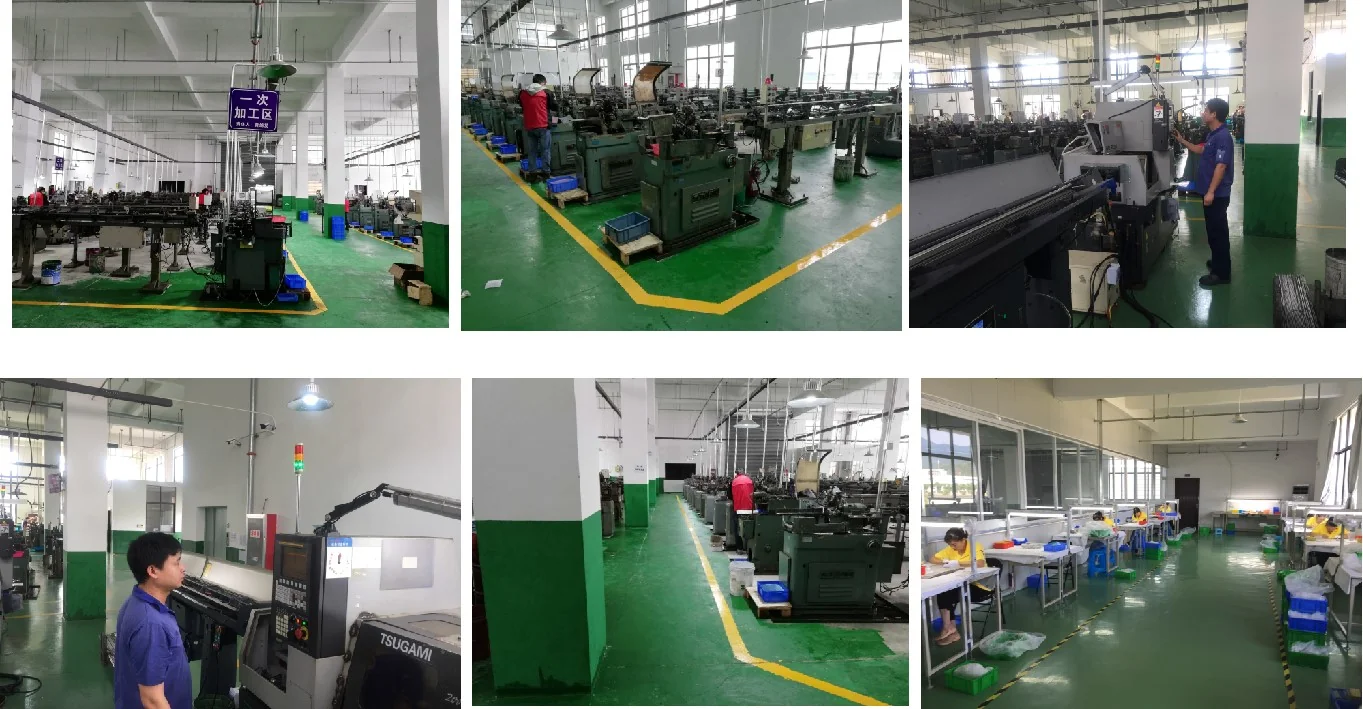
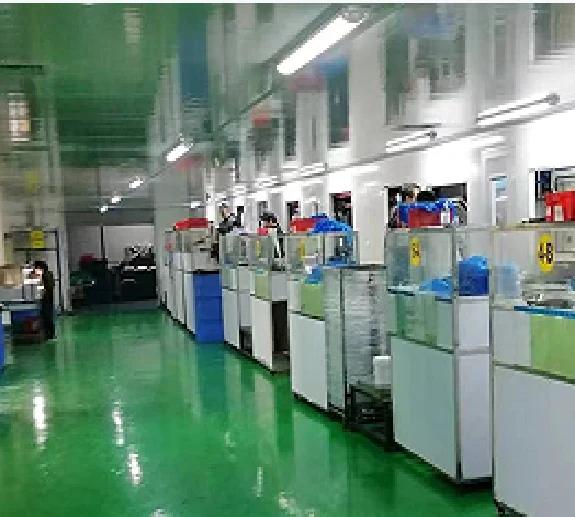
At Suzhou Baoshida Trading Co., Ltd., our engineering capability forms the backbone of our leadership in precision rubber seals. With a dedicated team comprising five specialized mould engineers and two advanced rubber formula engineers, we deliver technically superior rectangular gaskets tailored to exacting industrial standards. Our integrated approach combines material science, precision tooling, and process optimization to ensure consistent performance across diverse operating environments.

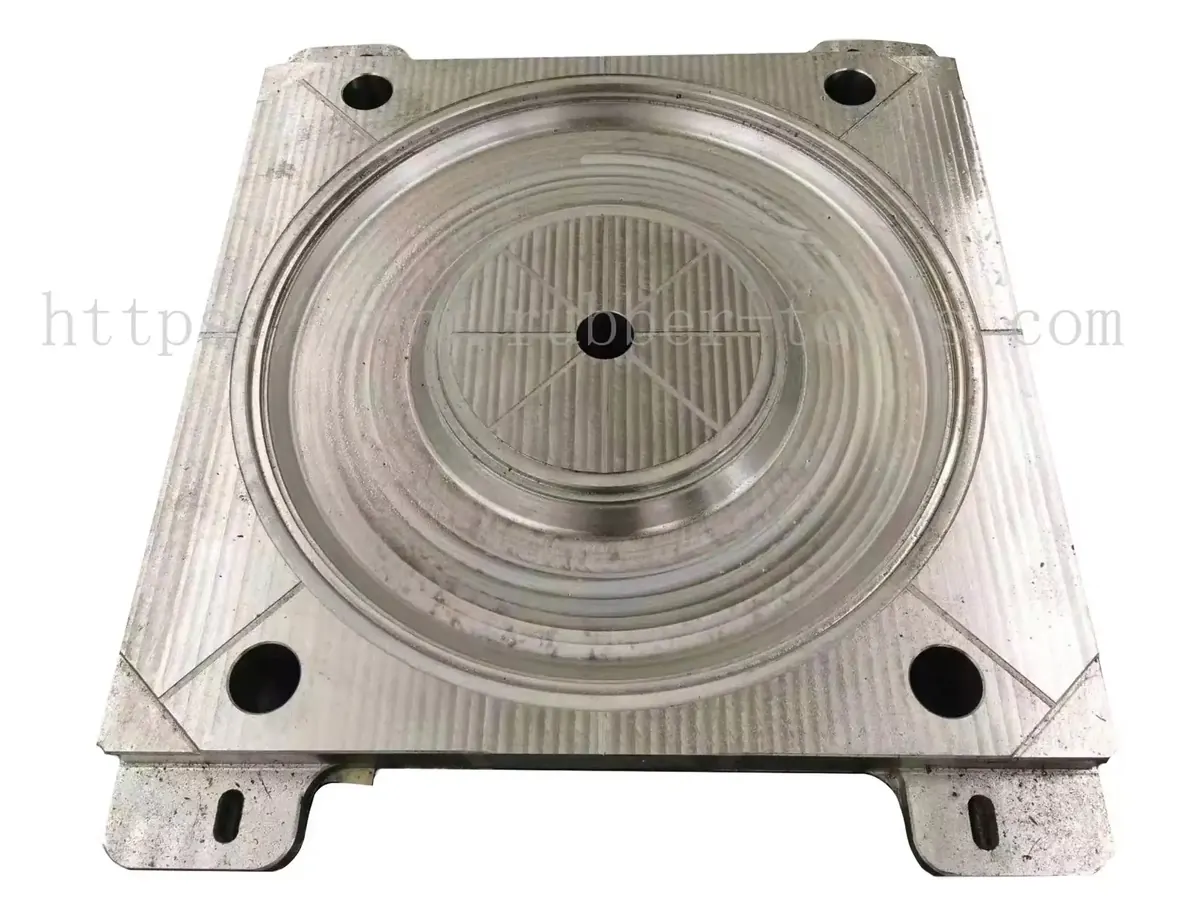
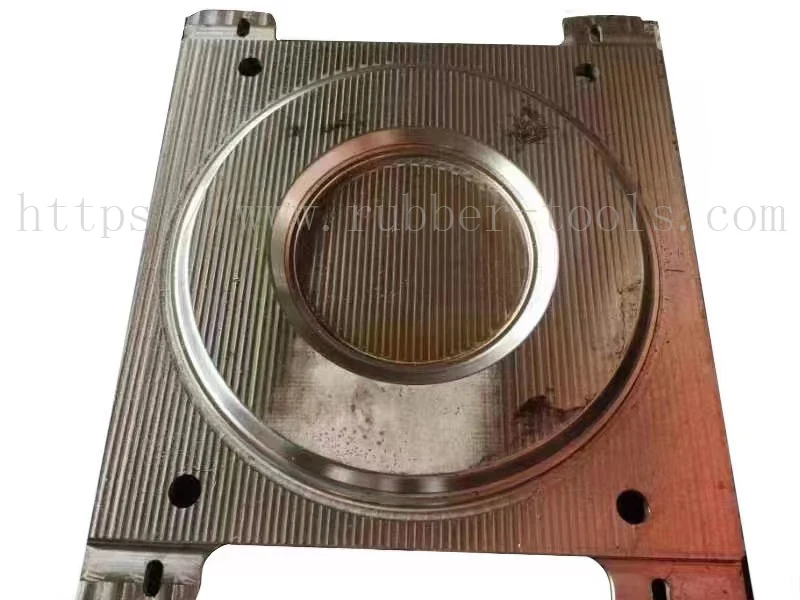
Our mould engineering team brings extensive experience in designing and refining tooling systems for complex rectangular gasket geometries. Each design is developed using advanced CAD/CAM software and validated through rigorous simulation protocols to ensure dimensional accuracy, optimal material flow, and extended tool life. This expertise enables us to produce multi-cavity, family, and insert moulds with tight tolerances, supporting both low-volume prototyping and high-volume serial production. Precision CNC machining and EDM processes ensure micron-level accuracy, critical for sealing applications requiring uniform compression and long-term reliability.

Complementing our tooling expertise is our in-house rubber formulation capability. Our two dedicated formula engineers specialize in custom elastomer development, enabling us to match material properties precisely to customer application demands. Whether the requirement is resistance to extreme temperatures, aggressive chemicals, dynamic compression, or regulatory compliance (e.g., FDA, ROHS), we formulate compounds based on NBR, EPDM, silicone, FKM, and other specialty rubbers. This vertical integration allows us to control raw material sourcing, compound mixing, and performance validation—ensuring batch-to-batch consistency and accelerated development cycles.

As an OEM manufacturing partner, Suzhou Baoshida provides full-service support from concept to delivery. We collaborate closely with clients to optimize part design for manufacturability (DFM), conduct material compatibility testing, and perform iterative prototyping with rapid turnaround. Our quality assurance protocols include dimensional inspection, hardness testing, tensile strength analysis, and environmental aging tests, ensuring every rectangular gasket meets or exceeds performance expectations.

The following table outlines typical technical specifications achievable for our precision rectangular gaskets:

Parameter Standard Capability High-Precision Option
Material Range NBR, EPDM, Silicone, FKM, CR, SBR Custom compounds, conductive fills
Hardness (Shore A) 40–90 30–95 (±5 tolerance)
Dimensional Tolerance ±0.15 mm ±0.05 mm (per ISO 3302)
Operating Temperature Range -30°C to +200°C (material-dependent) Up to +300°C (FKM/specialty grades)
Production Volume 100–500,000 pcs per order Scalable for mass production
Tooling Lead Time 15–25 days Accelerated options available
Certifications ISO 9001:2015, ROHS, FDA (select grades) Custom compliance packages

Our engineering-driven model ensures that every rectangular gasket we produce is not only dimensionally precise but also functionally optimized for real-world performance. By combining advanced tooling, proprietary formulations, and OEM agility, Suzhou Baoshida delivers reliable sealing solutions for automotive, industrial equipment, medical devices, and electronics industries.


Customization Process

rectangular gasket manufacturing

Rectangular Gasket Customization Process: Precision Engineering Workflow

Suzhou Baoshida Trading Co., Ltd. executes a rigorous, four-stage customization process for rectangular rubber gaskets, ensuring optimal performance in demanding industrial sealing applications. This methodology integrates material science, dimensional precision, and process control to deliver OEM-grade solutions meeting exact customer specifications.

The process commences with comprehensive Drawing Analysis. Our engineering team meticulously reviews client-provided technical drawings, focusing on critical geometric dimensions, surface finish requirements, and Geometric Dimensioning and Tolerancing (GD&T) callouts. We validate dimensional tolerances against ISO 3302 and ISO 2768 standards, assessing feasibility for both molding and post-cure operations. Material compatibility requirements, operating environment parameters (temperature, pressure, media exposure), and functional sealing forces are cross-referenced against our material database. Any ambiguities or potential manufacturing constraints are resolved through direct technical consultation with the client prior to progression.

Subsequent Formulation leverages our in-house rubber compounding expertise. Based on the validated environmental and mechanical requirements from the drawing analysis, we select the base polymer system and engineer the precise compound. Key considerations include thermal stability range, fluid resistance profile, compression set performance, and required hardness. Critical additives such as accelerators, activators, fillers, and antioxidants are proportioned to achieve the target physical properties while ensuring processability in the molding stage. Each formulation undergoes initial laboratory mixing and small-batch physical property verification per ASTM D2000 standards before approval.

Prototyping utilizes the finalized compound in precision compression or transfer molding tooling. Initial samples (typically 5-10 pieces) are produced under controlled process parameters mirroring intended mass production conditions. These prototypes undergo stringent validation testing, including dimensional inspection via CMM, compression set assessment per ASTM D395, fluid immersion resistance trials, and functional pressure testing in simulated application fixtures. Test results are documented and compared against the original specification; iterative adjustments to the compound or process parameters occur only if deviations are identified, with client approval required for any specification variance.

Upon successful prototype validation, Mass Production initiates under Suzhou Baoshida’s certified quality management system. Production runs employ statistically controlled molding processes with real-time monitoring of temperature, pressure, and cure time. In-process quality checks, including hardness testing and visual inspection per MIL-STD-105E, occur at defined intervals. Final inspection includes 100% dimensional verification for critical features and抽样 testing for key physical properties. All production batches are traceable to specific compound batches and process logs, ensuring consistent performance and full compliance with OEM requirements. Suzhou Baoshida maintains dedicated production lines for critical gasket programs, guaranteeing on-time delivery of precision-engineered rectangular seals.

Critical Material Properties for Rectangular Gasket Selection

Material Temperature Range (°C) Key Fluid Resistance Hardness Range (Shore A)
EPDM -50 to +150 Water, Steam, Alkalis, Brake Fluid 50 – 90
NBR -30 to +120 Oils, Fuels, Hydraulic Fluids 50 – 95
FKM (Viton®) -20 to +230 Aggressive Chemicals, High-Temp Oils 60 – 90
Silicone -60 to +200 Ozone, Weathering, Moderate Chemicals 30 – 80

Contact Engineering Team

rectangular gasket manufacturing

Contact Suzhou Baoshida for Precision Rectangular Gasket Solutions

At Suzhou Baoshida Trading Co., Ltd., we specialize in the engineering and supply of high-performance rubber seals tailored to demanding industrial applications. Our expertise in precision rectangular gaskets ensures optimal sealing performance under extreme temperatures, pressures, and chemical environments. Whether you are in automotive manufacturing, aerospace, industrial machinery, or fluid handling systems, our engineered rubber solutions meet exact OEM and ASTM standards.

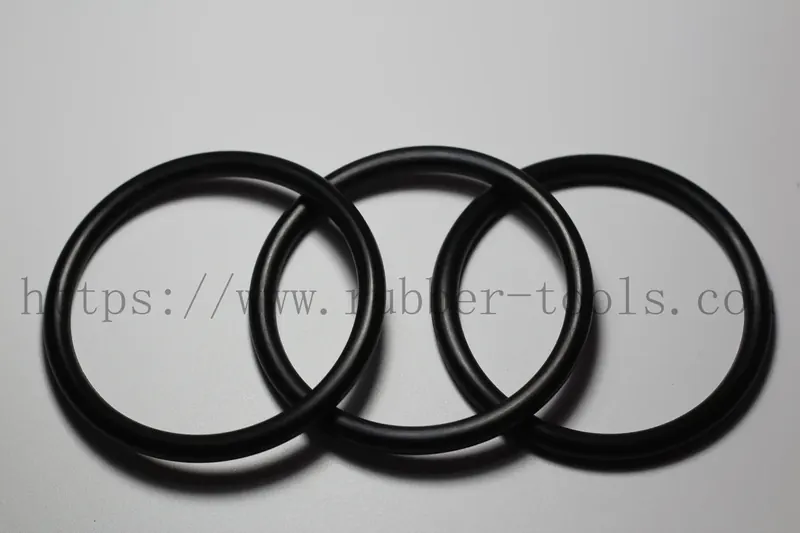
Rectangular gaskets require precise dimensional control, consistent material properties, and long-term durability. We offer custom formulation and molding capabilities using a wide range of elastomers including Nitrile (NBR), Ethylene Propylene Diene Monomer (EPDM), Silicone (VMQ), Fluorocarbon (FKM), and Neoprene (CR). Each gasket is manufactured under strict quality controls to ensure repeatability, compression set resistance, and sealing integrity across thousands of operational cycles.

Our team of rubber formulation engineers works directly with clients to analyze application requirements, environmental exposure, and mechanical stress factors. This collaborative approach allows us to deliver gaskets that not only fit precisely but also extend service life and reduce maintenance costs. From prototype development to full-scale production, Suzhou Baoshida provides end-to-end support with rapid turnaround and global logistics.

We understand that every industrial application presents unique challenges. That’s why we offer material testing reports, hardness validation, and dimensional certification with every production batch. Our ISO-compliant processes ensure that each rectangular gasket meets your exact specifications—dimensionally, chemically, and mechanically.

For immediate technical consultation or custom quotation, contact Mr. Boyce, OEM Account Manager at Suzhou Baoshida Trading Co., Ltd. With over 15 years of experience in rubber seal applications and international supply chain management, Mr. Boyce provides expert guidance on material selection, cost optimization, and regulatory compliance. He is your direct link to our engineering team and production facilities.

Reach out via email at [email protected] to discuss your gasket requirements, request samples, or schedule a technical review. We respond to all inquiries within 12 business hours and offer virtual meetings for design validation and project planning.

Below are typical material specifications we support for rectangular gasket manufacturing:

Material Hardness (Shore A) Temperature Range (°C) Key Resistance Properties
NBR 50–90 -30 to +120 Oil, fuel, water, abrasion
EPDM 50–80 -50 to +150 Steam, ozone, weathering, water
FKM 60–90 -20 to +230 High heat, chemicals, oils
VMQ 40–80 -60 to +200 Extreme cold, UV, oxidation
CR 50–75 -30 to +100 Flame, sunlight, ozone

Partner with Suzhou Baoshida for reliable, high-precision rectangular gaskets backed by engineering excellence. Contact Mr. Boyce today at [email protected] to begin your custom solution.


⚖️ O-Ring Weight Calculator

Estimate rubber O-ring weight (Approx).


Rectangular Gasket Manufacturer | Engineering Guide

Contents of Table

Contact [email protected] Whatsapp 86 15951276160