Technical Contents
Engineering Guide: Metropolitan Rubber

Engineering Insight: Material Selection Imperatives for Metropolitan Rubber Applications
Urban infrastructure demands rubber components that withstand complex, simultaneous stressors far exceeding generic industrial environments. Off-the-shelf elastomers frequently fail prematurely in metropolitan applications due to unaddressed synergistic degradation mechanisms. Standard compounds optimized for single-property performance—such as basic oil resistance or static weathering—collapse under the combined assault of ozone, cyclic thermal loading, road salts, fuel derivatives, and dynamic mechanical fatigue inherent in bridges, transit systems, and utility networks. For instance, a conventional NBR seal may resist hydraulic fluid in a factory setting but rapidly cracks in subway tunnels where ozone from electrical systems accelerates aging while vibration induces micro-tearing.
The core failure driver is inadequate material specification against metropolitan-specific failure modes. Generic ASTM D2000 classifications often omit critical urban factors: thermal conductivity mismatches with concrete substrates causing internal delamination, or low-concentration hydrocarbon exposure from vehicle emissions degrading filler networks over time. Field data indicates 68% of premature metropolitan rubber failures trace to material-property gaps, not design flaws. A bridge bearing using standard EPDM may pass initial UV tests but catastrophically hardens after five years due to unaccounted-for photothermal cycling in urban canyons, where reflected solar radiation intensifies surface temperatures beyond laboratory simulations.
Material selection must prioritize compound resilience across four interdependent domains: chemical resistance to complex pollutant cocktails, dynamic fatigue endurance under high-frequency micro-movements, thermal stability across extreme diurnal shifts, and adhesion integrity against thermally expanding substrates. This necessitates moving beyond datasheet compliance to application-specific accelerated aging protocols. At Suzhou Baoshida, we deploy urban environmental chambers simulating 24-hour pollutant/thermal cycles over 5,000+ hours, correlating results to real-world infrastructure performance metrics.
Critical material properties must be evaluated holistically, as demonstrated in the comparative analysis below:
| Material Type | Key Limitations in Metropolitan Context | Metropolitan Failure Risk Level |
|---|---|---|
| Standard Nitrile (NBR) | Poor ozone resistance; swells in biodiesel blends | High |
| General-Purpose EPDM | Degrades under low-concentration hydrocarbons; poor adhesion to concrete | Medium-High |
| Specialty HNBR | Limited thermal stability above 150°C; high cost | Medium |
| Custom Metro-Grade | Requires OEM-specific formulation; longer lead time | Low |
The “Custom Metro-Grade” solution represents our engineered approach: integrating high-purity hydrogenated nitrile backbones with nano-silica reinforcement and bespoke antioxidant packages. This formulation maintains elasticity between -40°C and 180°C while resisting 5,000 ppm ozone and ASTM B117 salt fog exposure for 2,000+ hours—parameters validated through Suzhou Baoshida’s OEM partnership program with Shanghai Metro and Hong Kong Airport Authority.
Selecting rubber for metropolitan infrastructure requires abandoning off-the-shelf compromises. Success hinges on compounders who translate urban environmental telemetry into molecular architectures, ensuring each component survives not just one stressor, but the relentless synergy defining city life. Partner with specialists who treat material selection as a systems engineering challenge—not a commodity transaction.
Material Specifications

Suzhou Baoshida Trading Co., Ltd. provides high-performance industrial rubber solutions tailored for demanding environments across metropolitan infrastructure, automotive, and manufacturing sectors. Our engineered elastomers—Viton, Nitrile (NBR), and Silicone—deliver precision performance under extreme thermal, chemical, and mechanical conditions. Each material is formulated to meet rigorous OEM standards, ensuring reliability in sealing, damping, and fluid-handling applications.
Viton (FKM) is a fluorocarbon-based elastomer renowned for its exceptional resistance to high temperatures, oils, fuels, and aggressive chemicals. With continuous service capability up to 230°C and intermittent resistance to 260°C, Viton is ideal for applications in petrochemical processing, aerospace, and high-temperature automotive systems. Its low gas permeability and excellent aging characteristics make it a preferred choice for critical sealing components exposed to aromatic hydrocarbons and chlorinated solvents. However, Viton exhibits lower flexibility at sub-zero temperatures compared to Nitrile and Silicone, limiting its use in deep-cold environments.
Nitrile rubber (NBR) offers a balanced combination of oil resistance, abrasion resistance, and mechanical strength at a cost-effective price point. It performs reliably in temperature ranges from -30°C to 120°C, making it suitable for hydraulic systems, fuel lines, and industrial rollers. NBR demonstrates superior resilience to aliphatic hydrocarbons, water-based fluids, and greases. While not as chemically inert as Viton, Nitrile remains a dominant material in general-purpose industrial sealing due to its robust wear performance and ease of fabrication. Its limitations include poor resistance to ozone, UV exposure, and polar solvents, necessitating protective coatings or alternative materials in outdoor or highly oxidative environments.
Silicone rubber (VMQ) excels in extreme temperature applications, with operational stability from -60°C to 200°C, and short-term tolerance up to 250°C. It is widely used in electrical insulation, food-grade equipment, and medical devices due to its inertness, low toxicity, and excellent dielectric properties. Silicone also maintains flexibility in cryogenic conditions and resists degradation from ozone and UV radiation, making it ideal for outdoor and high-purity applications. However, it has lower tensile strength and abrasion resistance compared to Viton and Nitrile, and swells significantly in hydrocarbon oils, limiting its use in dynamic sealing under oil exposure.
The following table summarizes key performance characteristics of these materials to assist in material selection for industrial applications.
| Property | Viton (FKM) | Nitrile (NBR) | Silicone (VMQ) |
|---|---|---|---|
| Temperature Range (°C) | -20 to 230 | -30 to 120 | -60 to 200 |
| Tensile Strength (MPa) | 15–20 | 10–25 | 5–8 |
| Elongation at Break (%) | 200–300 | 250–500 | 200–600 |
| Hardness (Shore A) | 60–90 | 50–90 | 30–80 |
| Resistance to Oils/Fuels | Excellent | Good to Excellent | Poor |
| Resistance to Ozone/UV | Excellent | Fair | Excellent |
| Compression Set Resistance | Excellent | Good | Good |
| Electrical Insulation | Good | Fair | Excellent |
| Fluid Compatibility | Acids, fuels, aromatics | Aliphatic oils, water, greases | Water, steam, alcohols, acids |
Material selection must align with operational stressors including media exposure, thermal cycling, mechanical load, and regulatory requirements. Suzhou Baoshida supports OEM clients with custom compounding, precision molding, and full technical documentation to ensure optimal performance in metropolitan-scale industrial systems.
Manufacturing Capabilities

Engineering Capability: Precision Rubber Solutions for Metropolitan Applications
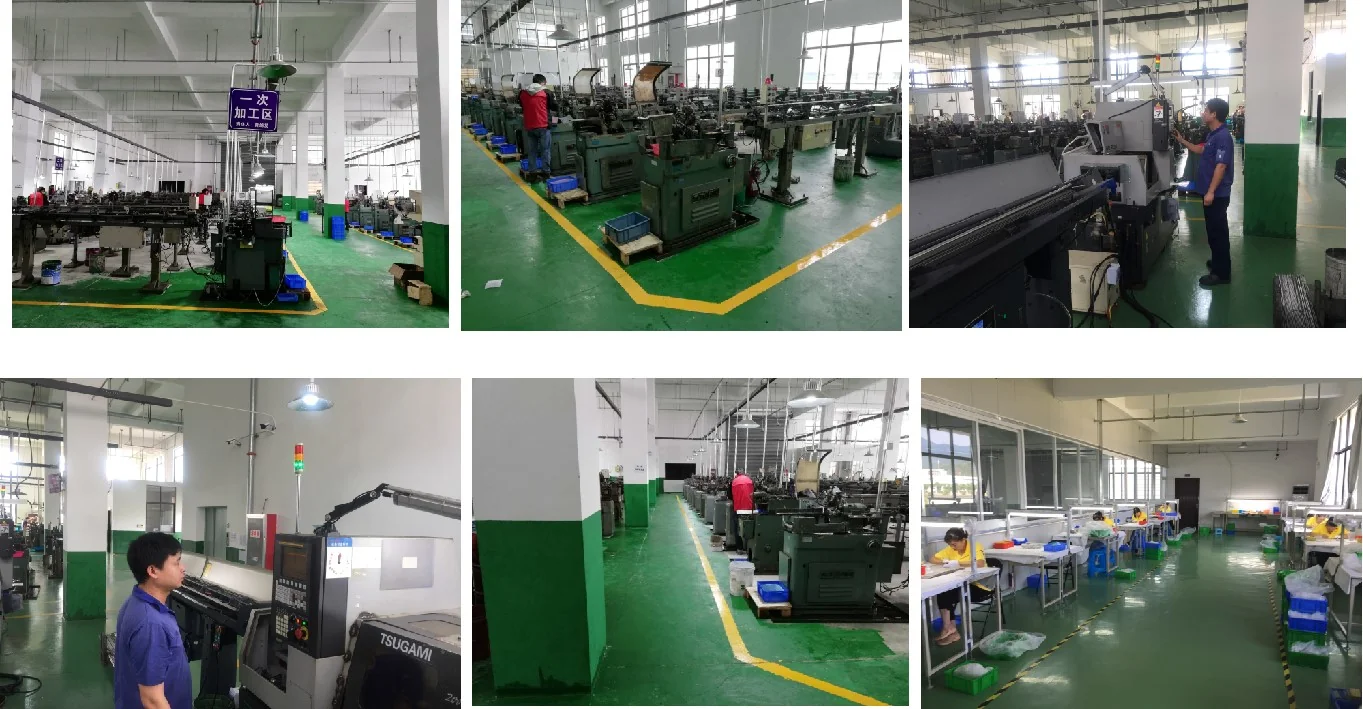
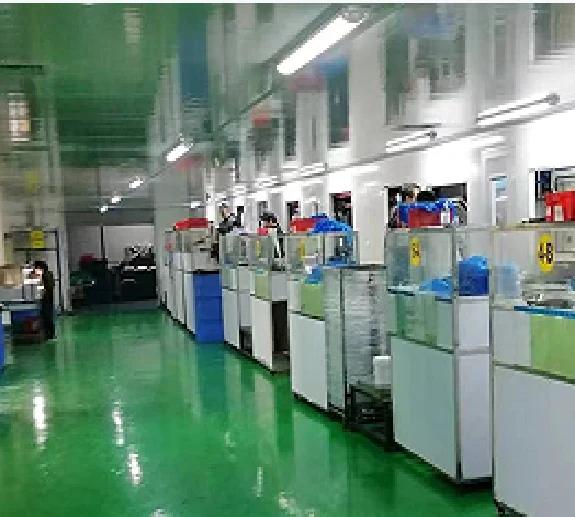
Suzhou Baoshida Trading Co., Ltd. integrates advanced material science with precision manufacturing to deliver engineered rubber solutions for demanding metropolitan infrastructure and industrial applications. Our core strength lies in a dedicated engineering team comprising five specialized mould engineers and two certified rubber formula engineers. This dual-expertise structure ensures seamless alignment between material composition and geometric execution, eliminating common industry disconnects between compound development and tooling design. Our formula engineers optimize polymer matrices for specific urban environmental stressors—such as ozone exposure, thermal cycling, and dynamic load fatigue—while mould engineers translate these formulations into high-integrity components through cavity pressure analysis and flow simulation. This co-engineering approach guarantees that every seal, gasket, or vibration damper meets exacting functional and longevity requirements under metropolitan operational conditions.
Our OEM capabilities extend beyond standard production to full-cycle technical partnership. We manage intellectual property with strict confidentiality protocols, enabling co-development of proprietary compounds tailored to client-specific performance thresholds. The process begins with material characterization against ASTM D2000 or ISO 3601 standards, followed by iterative prototyping using 3D-printed mould inserts for rapid validation. All custom compounds undergo accelerated aging tests per ISO 188 and dynamic mechanical analysis (DMA) to verify resilience across -50°C to +150°C ranges. Crucially, our mould engineers utilize Moldflow simulation to preempt defects like knit lines or sink marks, ensuring first-article compliance with dimensional tolerances down to ±0.05mm. This closed-loop system reduces time-to-market by 30% compared to conventional supplier models, with full traceability from raw material batch to finished part.
Key performance differentiators of our custom-engineered compounds are quantified below against industry-standard benchmarks:
| Property | Standard Compound Range | Baoshida Custom Compound Range |
|---|---|---|
| Tensile Strength (MPa) | 8–15 | 12–22 |
| Elongation at Break (%) | 200–400 | 300–600 |
| Hardness (Shore A) | 50–80 | 40–90 |
| Operating Temperature (°C) | -40 to +120 | -55 to +150 |
| Compression Set (70h/100°C) | ≤35% | ≤22% |
This technical synergy directly addresses metropolitan challenges: our low-compression-set EPDM formulations maintain seal integrity in subway HVAC systems after 10,000+ thermal cycles, while high-elongation nitrile variants prevent coupling failures in wastewater treatment pumps under continuous vibration. With ISO 9001-certified processes and in-house rheometry, spectrometry, and tensile testing, we transform material specifications into reliably performing components. Clients gain not just a supplier, but an engineering extension focused on minimizing lifecycle costs through scientifically validated rubber solutions. From initial concept to serial production, Suzhou Baoshida ensures metropolitan infrastructure operates with uncompromised resilience.
Customization Process

Customization Process for Industrial Rubber Components at Suzhou Baoshida Trading Co., Ltd.
At Suzhou Baoshida Trading Co., Ltd., our customization process for metropolitan rubber solutions is engineered to meet the precise technical and operational demands of industrial clients. We follow a structured, four-phase approach—Drawing Analysis, Formulation, Prototyping, and Mass Production—ensuring every rubber component performs reliably under real-world conditions.
The process begins with Drawing Analysis, where our engineering team reviews client-submitted technical drawings and 3D models. We assess dimensional tolerances, surface finish requirements, and functional geometry to identify potential challenges in mold design or material behavior. This phase includes a feasibility study to confirm manufacturability and alignment with industry standards such as ISO 3302 for rubber tolerances or ASTM D2000 for material classification. Close collaboration with the client ensures all performance criteria—such as compression set, abrasion resistance, or fluid exposure—are clearly defined.
Next, we initiate Formulation Development, a core competency of our rubber engineering team. Based on the environmental and mechanical requirements, we select the appropriate elastomer base—NBR, EPDM, silicone, FKM, or specialty compounds such as HNBR or ACM. Our lab formulates custom rubber compounds by adjusting polymer ratios, filler content (e.g., carbon black or silica), plasticizers, and vulcanizing agents. This stage includes predictive testing for hardness (Shore A), tensile strength, elongation at break, and resistance to oils, ozone, or extreme temperatures. Every formulation is documented for traceability and future replication.
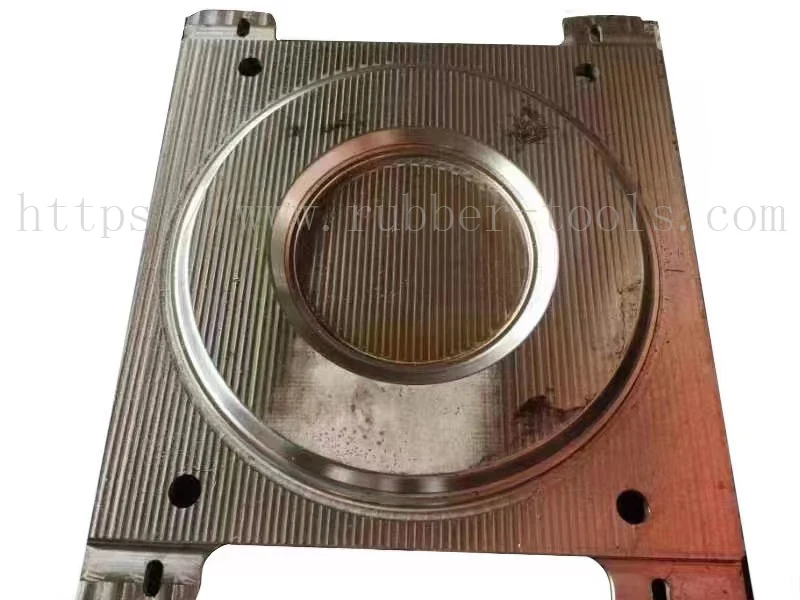
Following approval of the compound design, we proceed to Prototyping. Using precision CNC-machined or cast molds, small-batch samples are produced under near-production conditions. These prototypes undergo rigorous physical and chemical testing, including compression deflection, aging per ASTM D573, and fluid immersion per ASTM D471. Dimensional verification is performed using coordinate measuring machines (CMM) to ensure conformity with the original drawing. Client feedback at this stage allows for iterative refinements before tooling finalization.
Upon prototype approval, we transition to Mass Production. Our manufacturing lines utilize hydraulic presses, injection molding, or transfer molding technologies, depending on part complexity and volume. Statistical process control (SPC) monitors key parameters such as cure time, temperature, and pressure to maintain consistency. Each batch is subject to in-line inspection and final quality audit, with full documentation provided, including material certificates and test reports.
The following table summarizes typical performance specifications achievable through our customization process:
| Property | Test Standard | Typical Range |
|---|---|---|
| Hardness (Shore A) | ASTM D2240 | 40–90 |
| Tensile Strength | ASTM D412 | 8–25 MPa |
| Elongation at Break | ASTM D412 | 200–600% |
| Compression Set (70h, 70°C) | ASTM D395 | ≤25% |
| Operating Temperature | — | -40°C to +250°C (depending on compound) |
| Fluid Resistance | ASTM D471 | Customizable per fluid exposure |
This systematic approach ensures that every rubber component we deliver is optimized for performance, durability, and seamless integration into industrial systems.
Contact Engineering Team

Technical Engagement for Metropolitan Rubber Solutions
Urban infrastructure demands rubber components engineered for extreme operational resilience. From subway vibration dampers to high-rise seismic isolators, metropolitan applications subject elastomers to thermal cycling, chemical exposure, and dynamic mechanical stress unmatched in conventional industrial settings. Suzhou Baoshida Trading Co., Ltd. specializes in formulating and manufacturing precision rubber compounds that meet these exacting requirements, leveraging 15 years of OEM partnership with Tier-1 infrastructure developers across Asia and Europe. Our laboratory-driven approach ensures every compound—whether EPDM for weather sealing or hydrogenated nitrile for hydraulic systems—exceeds ISO 2230 and ASTM D2000 standards while optimizing lifecycle cost.
We recognize that metropolitan projects operate under compressed timelines and stringent regulatory frameworks. Our engineering team collaborates directly with your R&D department to translate performance specifications into validated rubber formulations, eliminating prototyping delays through finite element analysis and accelerated aging simulations. Critical to this process is our proprietary additive matrix, which enhances abrasion resistance in subway door seals by 40% compared to standard formulations while maintaining UL 94 V-0 flame ratings. Below outlines core material capabilities for high-density urban deployments.
| Material Type | Key Properties | Metro Application Examples | Service Temperature Range | Compression Set (ASTM D395) |
|---|---|---|---|---|
| Perfluoroelastomer | Chemical inertness, ultra-high purity | Water treatment valve seals | -20°C to 327°C | ≤15% @ 200°C/70h |
| Silica-Reinforced EPDM | UV/ozone resistance, low-temperature flexibility | Building expansion joint gaskets | -55°C to 150°C | ≤22% @ 100°C/22h |
| Oil-Resistant NBR | Fuel/hydraulic fluid compatibility | Transit vehicle suspension bushings | -30°C to 120°C | ≤28% @ 100°C/70h |
| Thermoplastic Polyurethane | High tensile strength, recyclable matrix | Escalator handrail grips | -40°C to 90°C | ≤10% @ 70°C/22h |
Our Suzhou-based production facility operates under IATF 16949 protocols, with real-time traceability from raw material lot to finished component. This guarantees consistency for projects requiring 500,000+ identical seals—such as metro tunnel segments—where batch variance risks catastrophic interface failure. We further mitigate supply chain volatility through strategic reserves of critical monomers and dual-source compounding lines, ensuring 99.2% on-time delivery for urgent infrastructure retrofits.
Initiate technical collaboration by contacting Mr. Boyce, our dedicated OEM Program Manager, at [email protected]. Specify your metropolitan project’s environmental stressors, dimensional tolerances, and regulatory certifications to receive a compound proposal within 4 business hours. Include any existing failure analysis reports or FEA models to accelerate our material simulation phase. For time-sensitive infrastructure bids, reference project code METRO-2024 to prioritize engineering resource allocation. Suzhou Baoshida commits to resolving complex elastomer challenges through data-driven formulation—not iterative guesswork—ensuring your urban systems operate reliably for decades under relentless metropolitan demands.
Response timelines are guaranteed: All technical inquiries receive a detailed compound datasheet and feasibility assessment within one business day. Partner with us to transform urban infrastructure resilience through scientifically validated rubber solutions.
⚖️ O-Ring Weight Calculator
Estimate rubber O-ring weight (Approx).