Large Rubber Suction Cup Manufacturer | Engineering Guide

Engineering Guide: Large Rubber Suction Cup

large rubber suction cup manufacturing

Engineering Insight: Material Selection in Large Rubber Suction Cups

The performance and reliability of large rubber suction cups in industrial automation, material handling, and vacuum lifting systems are fundamentally determined by material selection. While off-the-shelf suction cups are often marketed as universal solutions, they frequently fail under demanding operational conditions due to inadequate material properties. At Suzhou Baoshida Trading Co., Ltd., we emphasize that material choice is not a secondary consideration—it is the cornerstone of functional durability, sealing integrity, and resistance to environmental stressors.

Standard rubber compounds such as generic NBR or soft silicone are commonly used in mass-produced suction cups. However, these materials lack the tailored resilience required for high-cycle operations, extreme temperatures, or contact with oils, solvents, and abrasive surfaces. For example, a standard NBR cup may degrade rapidly when exposed to hydraulic fluids in automotive assembly lines, leading to cracking, loss of elasticity, and vacuum failure. Similarly, silicone cups, while excellent for high-temperature applications, exhibit poor tear strength and abrasion resistance, making them unsuitable for handling rough or sharp-edged substrates like sheet metal or glass with micro-edges.

In contrast, engineered elastomers such as HNBR (Hydrogenated Nitrile Butadiene Rubber), EPDM (Ethylene Propylene Diene Monomer), or specialized polyurethanes offer superior performance under specific conditions. HNBR provides exceptional resistance to oils, ozone, and elevated temperatures (up to 150°C), making it ideal for harsh industrial environments. EPDM excels in outdoor applications due to its UV and weather resistance, while polyurethane delivers unmatched mechanical strength and wear resistance—critical for high-friction handling tasks.

The geometric scale of large suction cups further amplifies the importance of material behavior. Larger surface areas generate higher peeling forces during release, requiring materials with high tensile strength and elastic recovery. A poorly selected compound may deform permanently after repeated compression cycles, compromising the seal and reducing vacuum hold force over time.

Custom formulation allows precise tuning of hardness, elongation at break, and compression set—parameters that directly influence service life and operational safety. At Baoshida, we collaborate with OEMs to analyze application-specific stress factors and develop rubber compounds that meet exact performance thresholds.

The following table outlines key material properties for common elastomers used in large rubber suction cups:

Material Hardness (Shore A) Temperature Range (°C) Oil Resistance Tear Strength Typical Application
NBR 50–70 -30 to +100 Moderate Medium General handling, dry environments
HNBR 60–80 -40 to +150 Excellent High Automotive, oily environments
EPDM 50–80 -50 to +130 Poor Medium Outdoor, weather-exposed systems
Silicone 40–70 -60 to +200 Poor Low High-temperature food processing
Polyurethane 70–95 -30 to +90 Good Very High Heavy-duty handling, abrasive surfaces

Relying on generic suction cups risks unplanned downtime, safety hazards, and increased total cost of ownership. Precision material engineering is not an added cost—it is a strategic investment in operational continuity.


Material Specifications

large rubber suction cup manufacturing

Material Specifications for Large Rubber Suction Cups: Engineering Performance Criteria

Material selection is the critical determinant of functional reliability and service life in large rubber suction cup applications. At Suzhou Baoshida Trading Co., Ltd., we engineer solutions based on precise environmental and operational demands. Generic elastomers fail under industrial stress; therefore, Viton, Nitrile, and Silicone represent our core formulations for demanding suction cup deployment. Each compound offers distinct molecular properties governing thermal stability, chemical compatibility, and mechanical resilience. Understanding these parameters prevents premature seal failure, vacuum loss, and production downtime. Below we detail the scientific specifications governing optimal material choice.

Viton fluoroelastomers (FKM) provide the highest performance tier for extreme environments. These compounds exhibit exceptional resistance to high temperatures, aromatic hydrocarbons, acids, and jet fuels. Standard Viton formulations maintain integrity from -20°C to +230°C continuous service, with short-term peaks to 300°C. Their dense molecular structure delivers superior vacuum retention and minimal outgassing, crucial for semiconductor handling or aerospace applications. Shore A hardness typically ranges 70-90, providing necessary structural rigidity for large diameters while maintaining adequate sealing conformity. Viton requires careful compounding for low-temperature flexibility below -40°C.

Nitrile rubber (NBR) remains the cost-effective standard for general industrial suction cups encountering oils, greases, and aliphatic hydrocarbons. Its acrylonitrile content directly correlates with oil resistance; high-ACN grades (45-50%) withstand hydraulic fluids and mineral oils effectively. Service temperature limits are more constrained, spanning -30°C to +120°C continuous. NBR offers excellent abrasion resistance and tensile strength, vital for repetitive cycling in packaging or material handling systems. Hardness ranges from 50 to 90 Shore A, allowing customization for soft seal conformity or rigid cup stability. Limitations include poor ozone resistance and degradation by ketones, esters, and brake fluids.

Silicone rubber (VMQ) excels where extreme temperature range and biocompatibility are paramount. It operates reliably from -60°C to +200°C, with specialty grades reaching +230°C. Silicone demonstrates outstanding resistance to oxygen, ozone, and weathering, alongside low toxicity meeting FDA and USP Class VI standards. This makes it indispensable for food processing, pharmaceutical, and medical device handling. Its inherent flexibility at low temperatures ensures reliable seal formation in cold storage environments. However, silicone exhibits lower tensile strength and tear resistance than NBR or Viton, and poor resistance to concentrated acids, alkalis, and steam. Hardness typically falls between 30 and 80 Shore A.

The following comparative table details essential technical specifications per ASTM D2000 classification standards for industrial suction cup applications.

Property Viton (FKM) Nitrile (NBR) Silicone (VMQ)
Continuous Temp Range -20°C to +230°C -30°C to +120°C -60°C to +200°C
Peak Short-Term Temp +300°C +150°C +230°C
Typical Shore A Hardness 70-90 50-90 30-80
Key Chemical Resistance Acids, Fuels, Aromatics Oils, Greases, Aliphatics Oxygen, Ozone, Weathering
Key Chemical Weaknesses Ketones, Amines Ozone, Brake Fluids, Esters Acids, Alkalis, Steam
Vacuum Outgassing Very Low Moderate Low
Primary Industrial Use Aerospace, Chemical Processing Automotive, Packaging Food, Pharma, Medical

Material selection requires rigorous analysis of the specific operational envelope. Suzhou Baoshida Trading Co., Ltd. provides certified compound data sheets and application engineering support to ensure the chosen elastomer meets the mechanical, thermal, and chemical demands of your large suction cup implementation. Never compromise on material specification for critical vacuum handling systems.


Manufacturing Capabilities

large rubber suction cup manufacturing

Engineering Capability

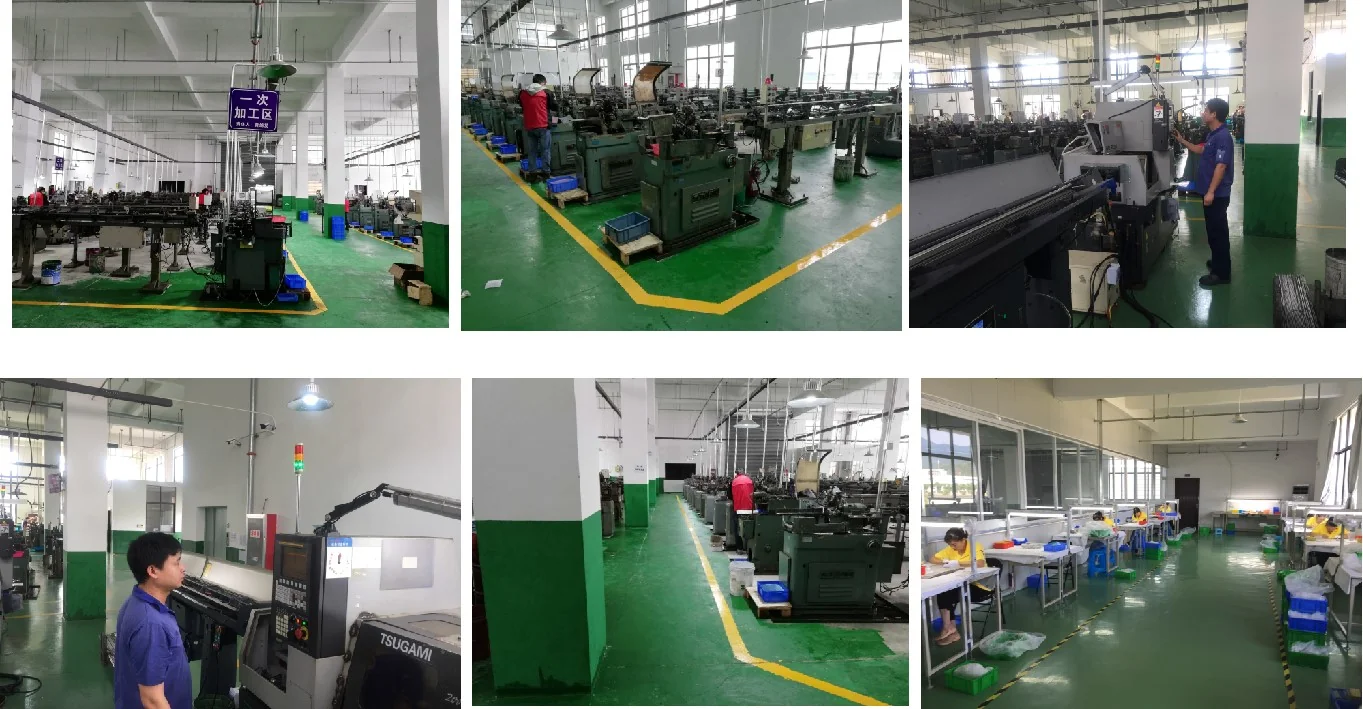
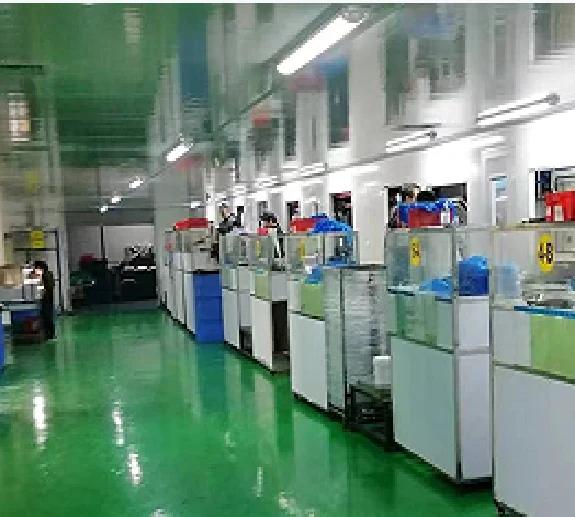
At Suzhou Baoshida Trading Co., Ltd., our engineering capability forms the backbone of our industrial rubber solutions, particularly in the design and production of large rubber suction cups for demanding automation and material handling applications. Our team comprises five dedicated mould engineers and two specialized rubber formula engineers, enabling end-to-end control over product development from concept to final validation. This integrated technical team ensures that every suction cup is engineered for optimal performance, durability, and compatibility with specific operational environments.

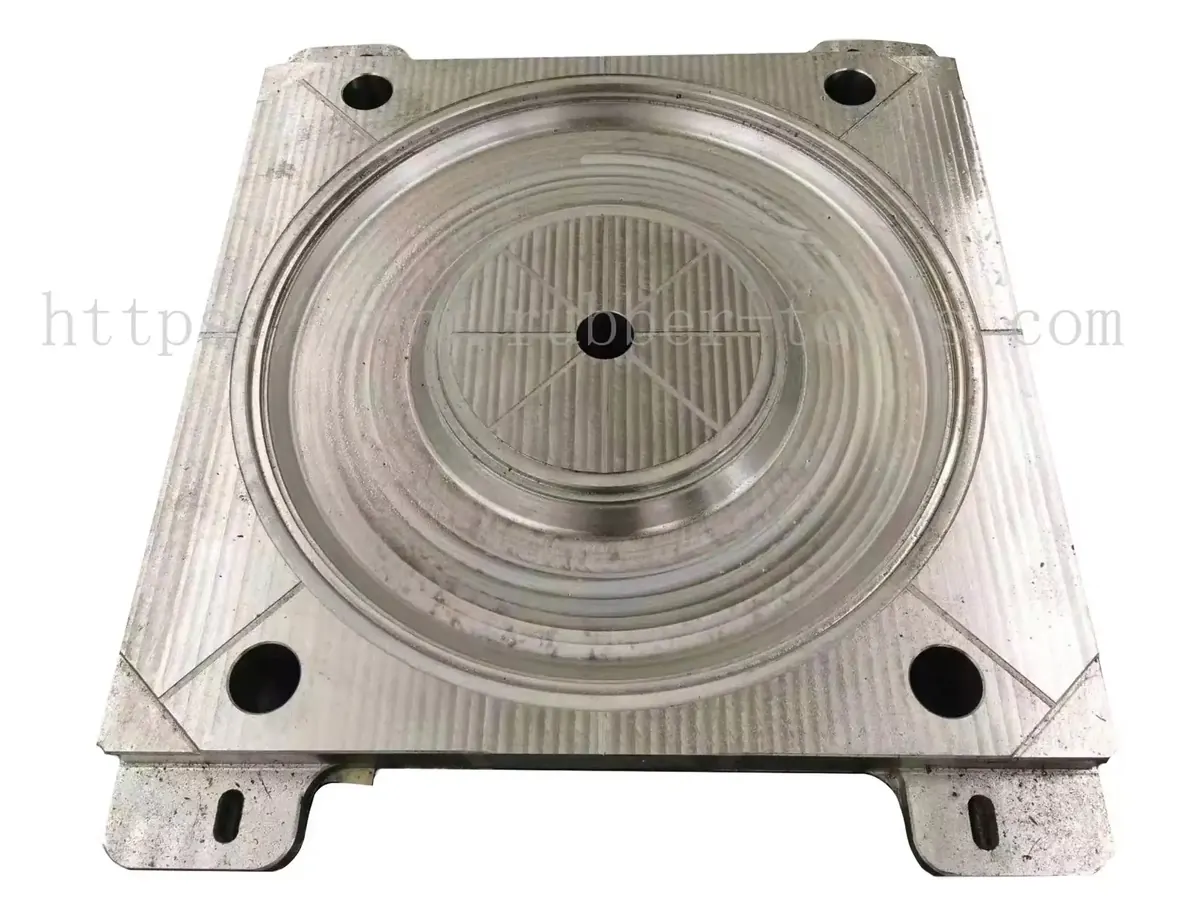
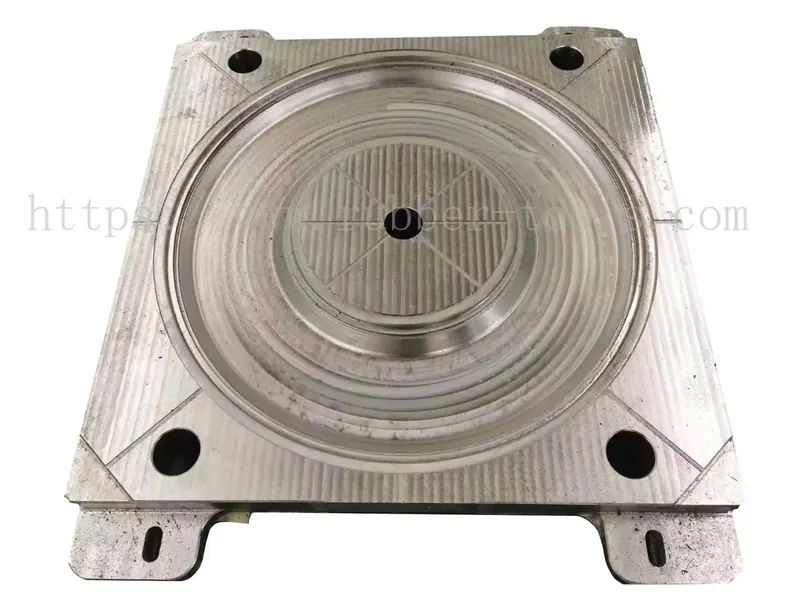
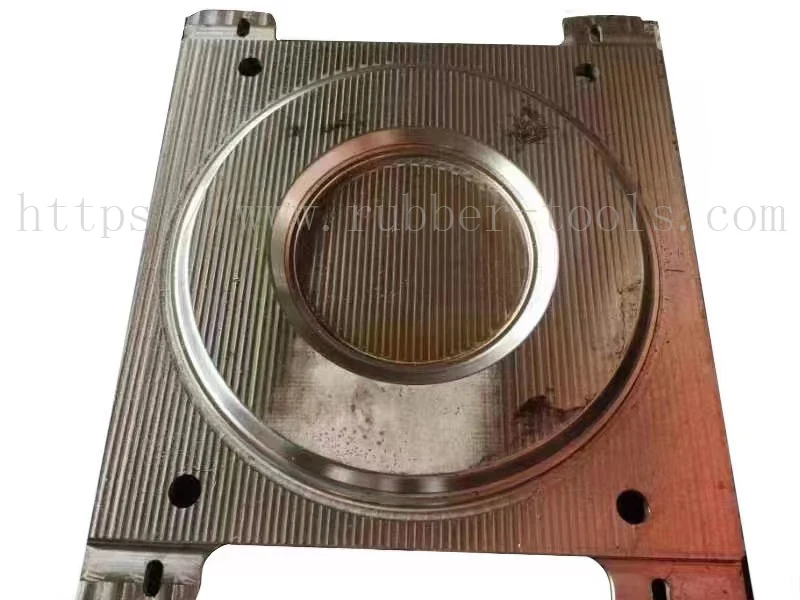
Our mould engineers bring extensive experience in precision tooling design, utilizing advanced CAD/CAM software to develop robust, high-tolerance moulds tailored to complex geometries and large-scale profiles. With deep expertise in multi-cavity configurations and venting optimization, they ensure uniform material flow, minimal flash, and consistent part replication—critical factors in maintaining the sealing integrity and operational reliability of large suction cups. Finite element analysis (FEA) is routinely applied during the design phase to simulate stress distribution and deformation under load, allowing for proactive design refinement.

Complementing this is our in-house rubber formulation capability. Our two formula engineers specialize in custom compounding for silicone, nitrile (NBR), ethylene propylene diene monomer (EPDM), and fluoroelastomer (FKM) materials. They develop proprietary formulations that balance hardness, tensile strength, elongation, and resistance to temperature, oils, ozone, and abrasion. This level of material science control allows us to tailor compounds specifically for the functional requirements of large suction cups—such as high flexibility at low temperatures, resistance to compression set, and long-term resilience under cyclic loading.

Our OEM capabilities are built on this dual strength in tooling and material engineering. We work directly with clients to reverse-engineer existing components, optimize designs for manufacturability, and develop new solutions aligned with application-specific demands. Whether the requirement is for a vacuum cup handling heavy glass panels or one operating in high-temperature automotive paint lines, our team delivers engineered-to-order products with full documentation, including material certifications, dimensional reports, and performance test data.

The following table outlines typical engineering specifications achievable for our large rubber suction cups:

Parameter Typical Range / Value
Outer Diameter 100 mm – 500 mm
Material Options NBR, EPDM, Silicone, FKM
Hardness (Shore A) 40 – 80
Operating Temperature -40°C to +250°C (depending on compound)
Tensile Strength 8 – 18 MPa
Elongation at Break 250% – 600%
Compression Set (70h, 70°C) ≤ 25%
Mould Tolerance ±0.15 mm
Lead Time (New Mould) 15 – 25 days

This technical depth ensures Suzhou Baoshida delivers not just components, but engineered solutions that enhance system efficiency, reduce downtime, and meet the rigorous standards of global industrial OEMs.


Customization Process

large rubber suction cup manufacturing

Customization Process for Industrial Large Rubber Suction Cups

At Suzhou Baoshida Trading Co., Ltd., our customization process for large rubber suction cups integrates rigorous engineering protocols to ensure optimal performance in demanding industrial applications. This structured workflow guarantees material suitability, dimensional accuracy, and operational reliability from concept to volume production.

The process initiates with Drawing Analysis, where our engineering team dissects client-provided technical schematics. Critical parameters include cup diameter (typically 100–500 mm), lip geometry, mounting interface specifications, and application-specific requirements such as vacuum pressure tolerance (e.g., 60–95 kPa) and environmental exposure. We assess stress concentration points, flexural fatigue zones, and sealing surface continuity using CAD-based finite element analysis. This phase identifies potential manufacturing constraints early, such as demolding angles for complex contours or material flow limitations in large-section molding.

Formulation Development follows, translating functional requirements into precise elastomer chemistry. For large suction cups, material resilience under repeated compression-set cycles is paramount. We select base polymers—typically NBR for oil resistance, EPDM for ozone/weathering stability, or silicone for extreme temperatures—then engineer custom compounds. Key adjustments include optimizing filler dispersion to prevent shrinkage in thick sections, modulating crosslink density for balanced hardness and recovery, and incorporating anti-reversion agents for extended cure cycles. Critical properties are validated against the following specifications:

Property Standard Grade High-Performance Grade Extreme-Duty Grade
Shore A Hardness 60±5 70±5 55±5
Tensile Strength (MPa) ≥12.0 ≥15.0 ≥10.0
Elongation at Break (%) ≥350 ≥300 ≥400
Compression Set (70°C, 22h) ≤25% ≤20% ≤30%
Operating Temperature -30°C to +100°C -40°C to +120°C -60°C to +200°C

Prototyping employs precision steel molds with controlled thermal gradients to mitigate warpage in large geometries. Each prototype undergoes iterative validation: vacuum decay testing per ISO 3521, cycle-life assessment under dynamic load (≥50,000 repetitions), and dimensional verification via CMM at critical sealing zones. Material homogeneity is confirmed through micro-durometer mapping across the lip profile. Client feedback on real-world adhesion performance triggers micro-adjustments to compound tackifiers or surface texture.

Mass Production leverages our automated compression molding lines with closed-loop process control. Real-time monitoring of cavity pressure, cure temperature (±1.5°C tolerance), and post-cure aging ensures batch consistency. Every lot undergoes 100% visual inspection for surface defects and抽样 testing for hardness, tensile properties, and vacuum retention. Traceability is maintained via laser-etched batch codes, with full material certifications (including RoHS/REACH compliance) provided. This end-to-end methodology guarantees suction cups that deliver consistent grip force, longevity, and safety in automated handling systems across automotive, logistics, and glass manufacturing sectors.


Contact Engineering Team

large rubber suction cup manufacturing

For industrial manufacturers seeking high-performance rubber suction cups, Suzhou Baoshida Trading Co., Ltd. delivers engineered solutions built for durability, precision, and consistent operational reliability. Our large rubber suction cups are designed to meet the rigorous demands of material handling, automation, packaging, and assembly line applications across diverse sectors including automotive, electronics, glass processing, and logistics. Constructed from premium-grade elastomers such as Nitrile (NBR), Silicone (VMQ), and Ethylene Propylene Diene Monomer (EPDM), each suction cup is optimized for specific environmental conditions—resisting oil, ozone, UV exposure, temperature extremes, and mechanical wear.

At Suzhou Baoshida, we understand that successful integration of suction technology depends not only on material selection but also on geometric design, sealing efficiency, and compatibility with pneumatic systems. Our engineering team works closely with clients to evaluate load requirements, surface characteristics, cycle frequency, and vacuum performance parameters to ensure optimal cup geometry, skirt configuration, and mounting interface. Whether you require bellows-style cups for angled lifts, flat diaphragm designs for smooth surfaces, or custom-molded variants for irregular substrates, we provide application-specific solutions backed by rigorous quality control and dimensional consistency.

All large rubber suction cups manufactured and distributed by Suzcho Baoshida comply with international industrial standards for tensile strength, elongation, hardness, and vacuum integrity. Each product batch undergoes systematic testing for adhesion force, compression set, and fatigue resistance to guarantee long service life under continuous operation. We support both standard and OEM configurations, with fast prototyping, tooling development, and scalable production capacity to meet volume demands without compromising lead times.

To assist engineers and procurement managers in selecting the right suction cup for their application, we provide comprehensive technical documentation, CAD models, and performance data upon request. Our global logistics network ensures timely delivery to North America, Europe, Southeast Asia, and beyond, supported by responsive after-sales service and technical troubleshooting.

For immediate assistance or to discuss a custom project, contact Mr. Boyce, OEM Account Manager at Suzhou Baoshida Trading Co., Ltd. He specializes in industrial rubber component integration and has over 12 years of experience supporting Tier-1 manufacturers with tailored elastomeric solutions. Reach him directly via email at [email protected] for technical consultations, sample requests, or quotation submissions. Please include details such as operating environment, required lifting force, material surface type, temperature range, and expected cycle duration to expedite the evaluation process.

Below are representative specifications for our standard large rubber suction cup series:

Parameter NBR Standard EPDM High Temp Silicone Extreme
Material Nitrile Rubber (NBR) EPDM Silicone (VMQ)
Hardness (Shore A) 60 ±5 65 ±5 55 ±5
Temperature Range -10°C to +80°C -40°C to +120°C -60°C to +200°C
Tensile Strength ≥12 MPa ≥10 MPa ≥8 MPa
Elongation at Break ≥300% ≥250% ≥200%
Oil Resistance Excellent Poor Poor
Vacuum Seal Efficiency High High Medium-High

Partner with Suzhou Baoshida for technically advanced rubber suction systems engineered for industrial excellence. Contact Mr. Boyce today to optimize your material handling performance.


⚖️ O-Ring Weight Calculator

Estimate rubber O-ring weight (Approx).


Large Rubber Suction Cup Manufacturer | Engineering Guide

Contents of Table

Contact [email protected] Whatsapp 86 15951276160