Coir Outdoor Doormats Manufacturer | Engineering Guide

Engineering Guide: Coir Outdoor Doormats

coir outdoor doormats manufacturing

Engineering Insight: Material Selection Criticality in Coir Outdoor Doormats

The perceived durability of coir outdoor doormats hinges not solely on the natural fiber itself, but on the engineered integrity of the entire composite system. Off-the-shelf solutions frequently fail due to inadequate material science applied to the rubber binding and backing components, not inherent coir limitations. Coir fiber—sourced from coconut husks—possesses excellent abrasion resistance and soil-scraping capability. However, its performance is catastrophically compromised when paired with substandard rubber compounds unable to withstand prolonged outdoor stressors. Budget manufacturers prioritize low-cost coir content percentages while neglecting the rubber matrix’s role as the structural backbone. This results in premature delamination, backing disintegration, and fiber shedding within 6–12 months of installation, directly contradicting OEM durability claims.

The core failure mechanism lies in rubber compound degradation. Standard SBR (Styrene-Butadiene Rubber) or unvulcanized recycled rubber binders lack critical resistance to UV radiation, ozone, and thermal cycling. These compounds undergo rapid chain scission when exposed to sunlight, losing >50% tensile strength within 500 hours of accelerated weathering. Concurrently, poor adhesion promoters fail to maintain coir-rubber interfacial bonding under moisture ingress, causing fiber pull-out. Industrial environments exacerbate this: de-icing salts accelerate rubber swelling, while foot traffic induces cyclic fatigue in brittle binders. Crucially, OEMs often specify coir fiber weight percentages without defining rubber compound specifications, enabling suppliers to cut corners on the most vulnerable component.

Suzhou Baoshida’s engineering approach mandates rigorous rubber formulation aligned with ASTM D2000 material grades. We utilize EPDM (Ethylene Propylene Diene Monomer) rubber with proprietary antioxidant packages and silane-based coupling agents. This ensures covalent bonding between hydrophobic rubber and hydrophilic coir fibers, resisting hydrolysis. The table below quantifies performance differentials:

Property Premium EPDM Compound (Baoshida Spec) Budget SBR/Recycled Rubber Test Standard
Tensile Strength (MPa) ≥18.0 ≤10.5 ASTM D412
Elongation at Break (%) ≥450 ≤250 ASTM D412
Ozone Resistance (25pphm, 40°C) No cracks (100h) Severe cracking (24h) ASTM D1149
Adhesion to Coir (N/mm) ≥8.5 ≤3.2 Internal Peel Test
UV Retention (500h) >85% <45% ASTM G154

This data underscores why material selection transcends cost-per-kilogram metrics. A 12% higher compound cost prevents 90% of field failures by addressing the true failure point: the rubber interface. Suzhou Baoshida collaborates with OEMs to define rubber compound technical data sheets (TDS) with enforceable performance thresholds—not fiber content alone. Our engineered solutions achieve 5+ year service life in Zone 4 climate conditions by treating the coir-rubber assembly as an integrated material system. Partner with us to convert material science into measurable product resilience.


Material Specifications

coir outdoor doormats manufacturing

Material Specifications for Rubber Components in Coir Outdoor Doormat Manufacturing

In the production of coir outdoor doormats, the integration of rubber components is critical for structural integrity, weather resistance, and long-term durability. At Suzhou Baoshida Trading Co., Ltd., we specialize in industrial rubber solutions tailored to high-performance outdoor applications. The selection of rubber material directly influences the mat’s resistance to environmental stressors such as UV exposure, temperature fluctuations, moisture, and mechanical wear. For coir doormats, rubber is primarily used in backing layers or binding elements to secure the natural fiber and prevent slipping. Our engineering team evaluates three primary elastomers—Viton, Nitrile (NBR), and Silicone—based on their chemical composition, physical properties, and suitability for outdoor service conditions.

Viton, a fluorocarbon-based rubber, offers exceptional resistance to high temperatures, ozone, and a broad range of chemicals, including oils and acids. This makes it ideal for doormats deployed in industrial or commercial environments where exposure to pollutants is likely. With continuous service temperatures up to 230°C and excellent UV stability, Viton ensures long-term performance in harsh climates. However, its higher cost is a consideration for budget-sensitive applications.

Nitrile rubber, or Buna-N, is a cost-effective solution with strong resistance to oils, greases, and water. It performs reliably in temperature ranges from -30°C to 108°C, making it suitable for temperate outdoor environments. Nitrile exhibits good abrasion resistance and tensile strength, contributing to the mechanical durability of the doormat’s rubber backing. While it lacks the extreme temperature tolerance of Viton, its balance of performance and affordability makes it a preferred choice for residential and light commercial use.

Silicone rubber stands out for its flexibility across a wide temperature range (-60°C to 200°C) and superior resistance to UV radiation and ozone degradation. It is inherently non-toxic and maintains elasticity over time, reducing the risk of cracking or embrittlement in fluctuating weather. Although silicone has lower abrasion resistance compared to Nitrile and Viton, its excellent weatherability and consistent performance in extreme climates make it a strategic option for premium outdoor doormats.

The following table summarizes key technical specifications for each material:

Property Viton (FKM) Nitrile (NBR) Silicone (VMQ)
Temperature Range (°C) -20 to 230 -30 to 108 -60 to 200
Tensile Strength (MPa) 15–20 10–25 5–10
Elongation at Break (%) 200–300 250–450 200–600
Hardness (Shore A) 60–90 50–90 30–80
UV Resistance Excellent Moderate Excellent
Ozone Resistance Excellent Good Excellent
Water Resistance Excellent Good Excellent
Oil/Fuel Resistance Outstanding Excellent Poor
Abrasion Resistance Good Excellent Moderate

Selection of the appropriate rubber material must align with the intended application environment, performance requirements, and cost parameters. Suzhou Baoshida Trading Co., Ltd. provides customized rubber formulation and OEM services to ensure optimal integration with coir fiber substrates, delivering durable, high-performance outdoor doormats for global markets.


Manufacturing Capabilities

coir outdoor doormats manufacturing

Engineering Capability: Precision Rubber Integration for Coir Outdoor Doormats

The functional integrity and longevity of coir outdoor doormats fundamentally depend on the engineered rubber backing system. At Suzhou Baoshida Trading Co., Ltd., our Industrial Rubber Solutions division applies rigorous polymer science and precision manufacturing to transform natural coir fibers into high-performance, weather-resistant products. We specialize in the critical interface between coarse coir tufts and durable rubber substrates, ensuring optimal grip, structural stability, and environmental resilience under demanding outdoor conditions.

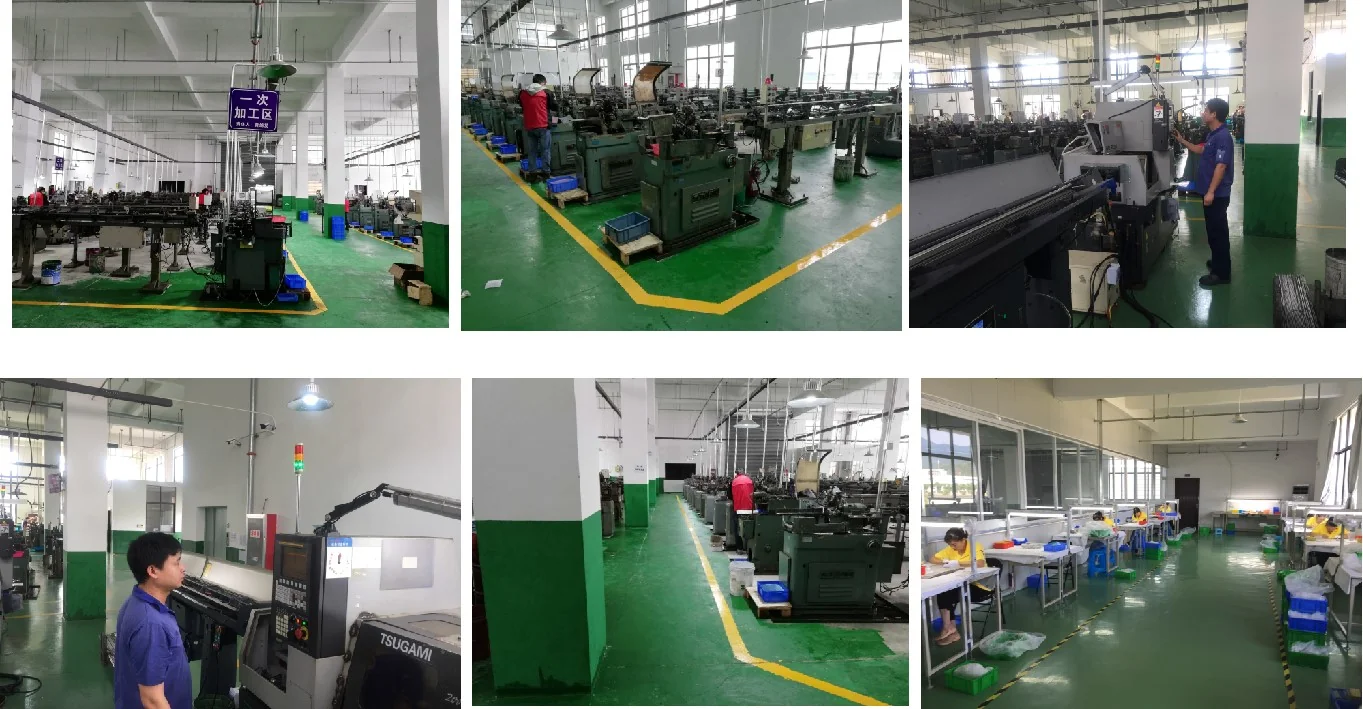
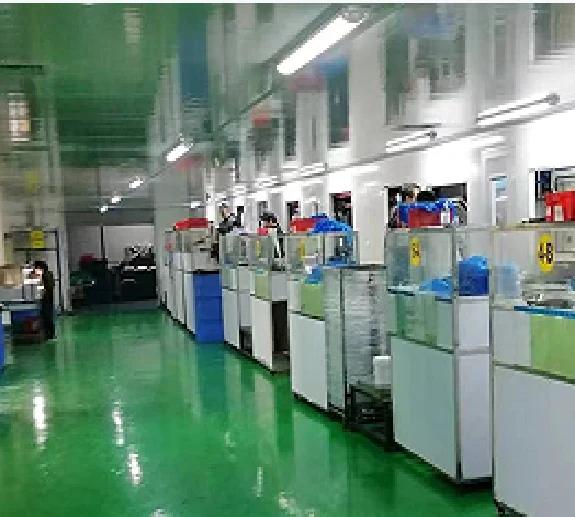
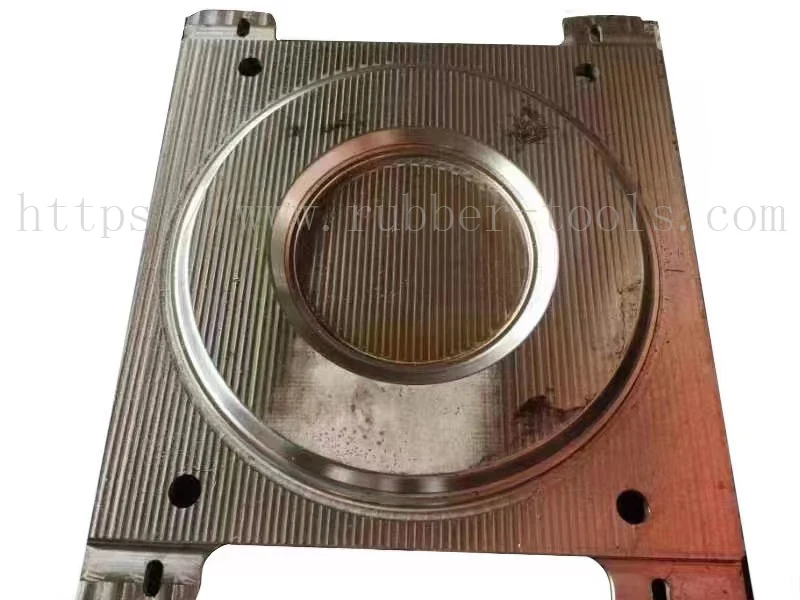
Our core strength lies in a dedicated team of seven specialized engineers: five Mould Engineers and two Rubber Formula Engineers. Mould Engineers leverage advanced CAD/CAM systems to design and validate multi-cavity rubber injection moulds with micron-level tolerances. This precision guarantees consistent backing geometry, uniform coir anchoring points, and seamless edge sealing—critical factors preventing delamination and moisture ingress. Concurrently, our Formula Engineers optimize proprietary rubber compounds through iterative laboratory testing. We systematically adjust polymer matrices (primarily SBR and EPDM blends), filler systems, vulcanizing agents, and UV stabilizers to achieve target properties: Shore A hardness for flexibility versus abrasion resistance, adhesion strength to coir fibers, and thermal stability across -30°C to +80°C operational ranges. This dual-engineering approach ensures the rubber component actively enhances the mat’s overall performance, not merely serving as a passive substrate.

As a certified OEM partner, we deliver end-to-end engineering control from concept to量产. Clients provide coir density, thickness, and aesthetic requirements; our team then develops the complementary rubber solution. This includes finite element analysis (FEA) for stress distribution modeling, accelerated aging tests per ISO 188, and on-site process validation using in-line rheometers and hardness testers. Our ISO 9001-certified facility integrates client-specific tooling with real-time process monitoring, enabling rapid prototyping and seamless scale-up to 500,000 units monthly.

Key rubber backing specifications achievable through our engineering pipeline are summarized below:

Property Standard Spec Customizable Range Test Method
Shore A Hardness 55 ± 5 40–70 ISO 7619-1
Adhesion to Coir ≥ 8 kN/m 5–12 kN/m ASTM D903
Tensile Strength ≥ 12 MPa 8–18 MPa ISO 37
Elongation at Break ≥ 300% 200–450% ISO 37
Operating Temperature -30°C to +80°C -40°C to +100°C ISO 188
Abrasion Loss (Taber) ≤ 120 mg ≤ 80–150 mg ISO 4649

This technical rigor directly translates to client value: reduced field failures, extended product lifespan in monsoons or freezing climates, and compliance with global safety standards (e.g., DIN 51130 for slip resistance). By embedding material science and precision engineering into every coir mat’s foundation, Suzhou Baoshida ensures your brand delivers uncompromised quality—turning a simple doormat into a durable, high-return outdoor solution. Partner with us to leverage engineering as your competitive differentiator.


Customization Process

coir outdoor doormats manufacturing

Customization Process for Coir Outdoor Doormats with Rubber Backing

At Suzhou Baoshida Trading Co., Ltd., our industrial rubber solutions are engineered to meet exacting performance standards in outdoor applications. When customizing coir outdoor doormats with rubber backing, we follow a rigorous four-phase process: Drawing Analysis, Formulation, Prototyping, and Mass Production. This structured workflow ensures dimensional accuracy, material durability, and compliance with OEM specifications.

The process begins with Drawing Analysis, where our technical team evaluates customer-provided CAD drawings or technical sketches. We assess critical parameters such as mat dimensions, coir fiber density, rubber layer thickness, edge profiles, and non-slip patterns. Tolerance analysis is performed to ensure compatibility with automated installation systems or specific doorway thresholds. Any design ambiguities are clarified through direct engineering consultation to prevent downstream deviations.

Following drawing validation, we proceed to Rubber Formulation. Based on application environment—whether residential, commercial, or industrial—we select the appropriate elastomer compound. For outdoor doormats, our standard formulation utilizes SBR (Styrene-Butadiene Rubber) with enhanced UV stabilizers, ozone resistance, and anti-aging additives. The Shore A hardness is tuned between 55–65 to balance flexibility and abrasion resistance. If required, we integrate flame-retardant agents or antimicrobial additives to meet regional safety standards. All formulations are documented and archived for batch traceability.

The Prototyping phase employs precision steel molds and hydraulic curing presses to produce 3–5 sample units. These prototypes undergo a battery of in-house tests, including peel strength (rubber-to-coir adhesion), water immersion resistance (72 hours at 40°C), and slip resistance on both dry and wet ceramic surfaces (measured per DIN 51130). Samples are shipped to the client for field evaluation, with feedback loops closed within 72 hours to enable rapid iteration.

Upon approval, we initiate Mass Production at our ISO-certified facility. The process uses synchronized extrusion and compression molding lines, ensuring consistent rubber layer thickness and bonding integrity. Each mat is visually inspected and dimensionally verified via calibrated gauges. Production batches are coded with lot numbers and accompanied by a Certificate of Conformance (CoC) detailing raw material traceability and test results.

Below are key technical specifications for our standard coir doormat rubber backing:

Parameter Specification
Rubber Type SBR + UV Stabilizers
Shore A Hardness 60 ± 5
Thickness (rubber layer) 1.8 mm – 2.5 mm
Adhesion Strength ≥ 8 N/cm (peel test, 90°)
Operating Temperature -30°C to +70°C
Slip Resistance (wet) R9 Rating (DIN 51130)
Aging Resistance (7 days) ΔHardness ≤ +8 Shore A (100°C air oven)
Mold Tolerances ±0.3 mm (length/width), ±0.2 mm (thickness)

This end-to-end customization process ensures that every coir doormat delivers long-term performance, aesthetic consistency, and environmental resilience in demanding outdoor conditions.


Contact Engineering Team

coir outdoor doormats manufacturing

Initiate Technical Partnership for Industrial-Grade Coir Doormat Production

Suzhou Baoshida Trading Co., Ltd. stands as your definitive engineering partner for the manufacturing of high-performance coir outdoor doormats, specifically engineered for demanding commercial and industrial applications. Our core competency lies in the precise formulation and application of specialized rubber backing systems that transform natural coir fiber into durable, weather-resistant, and structurally stable entrance flooring solutions. We do not merely supply mats; we deliver engineered composite products where the critical interface between natural fiber and synthetic polymer is optimized through rigorous material science and controlled vulcanization processes. This technical approach ensures consistent product integrity under heavy foot traffic, extreme temperature fluctuations, and prolonged moisture exposure – parameters non-negotiable for facility managers and specification writers.

Our engineering team possesses deep expertise in tailoring rubber compound formulations to meet exacting performance criteria. We control critical variables including polymer base selection (SBR, natural rubber blends), filler systems for abrasion resistance, vulcanization accelerators for curing efficiency, and adhesion promoters specifically designed for coir fiber bonding. This granular control over the rubber backing directly dictates the mat’s lifespan, dimensional stability, and resistance to edge curling or delamination – common failure points in inferior products. Understanding the precise interplay between coir density, fiber length, and the underlying rubber matrix is fundamental to our design philosophy. The table below illustrates key performance differentiators achievable through our engineered solutions compared to standard market offerings.

Performance Parameter Standard Coir Mat (Typical) Suzhou Baoshida Engineered Mat Measurement Standard
Rubber Backing Thickness 1.0 – 1.5 mm 1.8 – 2.5 mm (Precisely Controlled) ISO 2286-2
Coir Fiber Density 1800 – 2200 g/m² 2400 – 2800 g/m² (Optimized) ASTM D5117
Tensile Strength (Backing) 5.0 – 7.0 MPa 9.5 – 12.0 MPa ISO 37 Type 4
Adhesion Strength (Coir/Rub) 0.8 – 1.2 kN/m ≥ 1.8 kN/m Internal Peel Test Method
Expected Service Life (HVAC) 12 – 18 months 36 – 48+ months Field Performance Data

Beyond material formulation, Suzhou Baoshida operates as a full-spectrum OEM solutions provider. We manage the entire technical lifecycle from initial concept validation and prototype development through to high-volume, cost-optimized production under stringent ISO 9001 quality management protocols. Our facility integrates advanced calendaring and vulcanization lines capable of precise thickness control and consistent cross-linking, ensuring batch-to-batch uniformity essential for large-scale commercial contracts. We welcome complex technical challenges, including custom sizing, specialized color matching for corporate branding, integration of anti-microbial additives, and development of mats meeting specific fire retardancy standards (e.g., ASTM E648, EN 13501-1).

For procurement managers, technical directors, and sourcing professionals requiring coir doormats that deliver measurable performance advantages and lifecycle cost savings, direct engagement with our engineering team is imperative. Do not settle for generic commodity specifications. Contact Mr. Boyce, our dedicated OEM Manager, to initiate a technical consultation. He possesses the authority and expertise to translate your specific performance requirements and volume needs into a viable manufacturing solution. Provide your target specifications, volume projections, and key performance indicators for immediate engineering assessment. Partner with Suzhou Baoshida to transform your coir doormat sourcing from a routine purchase into a strategic advantage for your facility’s entrance management system. Reach Mr. Boyce directly at [email protected] to commence the engineering dialogue. Response time for technical inquiries is typically within 4 business hours.


⚖️ O-Ring Weight Calculator

Estimate rubber O-ring weight (Approx).


Coir Outdoor Doormats Manufacturer | Engineering Guide

Contents of Table

Contact [email protected] Whatsapp 86 15951276160