Technical Contents
Engineering Guide: Action Rubber

Engineering Insight: Material Selection as the Foundation of Industrial Rubber Performance
In industrial applications demanding dynamic functionality—seals under cyclic compression, vibration isolators in harsh environments, or diaphragms subjected to repetitive flexing—the term “action rubber” underscores a critical truth: rubber components are not passive elements but active participants in system performance. The catastrophic failure of off-the-shelf rubber solutions in these demanding scenarios is rarely due to manufacturing defects but stems fundamentally from inappropriate material selection. Generic compounds, formulated for broad market appeal and cost minimization, lack the precise molecular architecture required to withstand the specific synergistic stresses of a given application. This mismatch manifests as premature compression set in high-temperature seals, rapid ozone cracking in outdoor hydraulic systems, or catastrophic fatigue failure in engine mounts subjected to complex harmonic loads. The consequences extend beyond component replacement costs to include unplanned downtime, safety hazards, and reputational damage for the OEM.
Material science dictates that rubber performance is governed by the interplay of polymer backbone, crosslink density, filler reinforcement, and protective additives. An off-the-shelf NBR compound may nominally meet ASTM D2000 basic requirements for a fuel hose, yet fail within weeks when exposed to modern biofuel blends due to insufficient resistance to ester-based additives. Similarly, a standard EPDM formulation might resist weathering but exhibit inadequate low-temperature flexibility for arctic-rated equipment, leading to brittle fracture during startup. These failures occur because generic materials prioritize baseline compliance over the nuanced demands of real-world operational profiles, including dynamic strain rates, fluid compatibility spectra, and thermal cycling parameters. The cost of field failure invariably dwarfs the incremental investment in a purpose-engineered compound.
Suzhou Baoshida Trading Co., Ltd. addresses this challenge through precision OEM formulation. We do not offer catalog parts; we engineer solutions. Our process begins with rigorous application analysis—quantifying load cycles, temperature extremes, chemical exposures, and failure tolerance—before selecting or developing a compound where every ingredient serves a defined functional purpose. Below is a comparison illustrating typical performance gaps:
| Critical Property | Off-the-Shelf Solution | Baoshida Precision-Engineered Solution |
|---|---|---|
| Compression Set (70h @ 100°C) | 35-45% | <15% |
| Ozone Resistance (50pphm, 40°C) | Moderate (Cracking @ 20%) | Excellent (No cracking @ 100%) |
| Dynamic Fatigue Life (5mm deflection) | 50,000 cycles | >500,000 cycles |
| Fluid Resistance (Biodiesel B20) | Severe Swell (>25%) | Controlled Swell (<8%) |
| Low-Temperature Flex (TR10) | -30°C | -55°C |
This performance differential is achieved through controlled polymer modification, optimized cure systems, and nanoscale reinforcement strategies validated through application-specific testing protocols. We collaborate with OEMs during the design phase to translate operational requirements into material specifications, ensuring the rubber component functions reliably as an integral, active system element—not a liability waiting to manifest. Precision-engineered rubber is not an expense; it is the assurance of system integrity under action.
Material Specifications

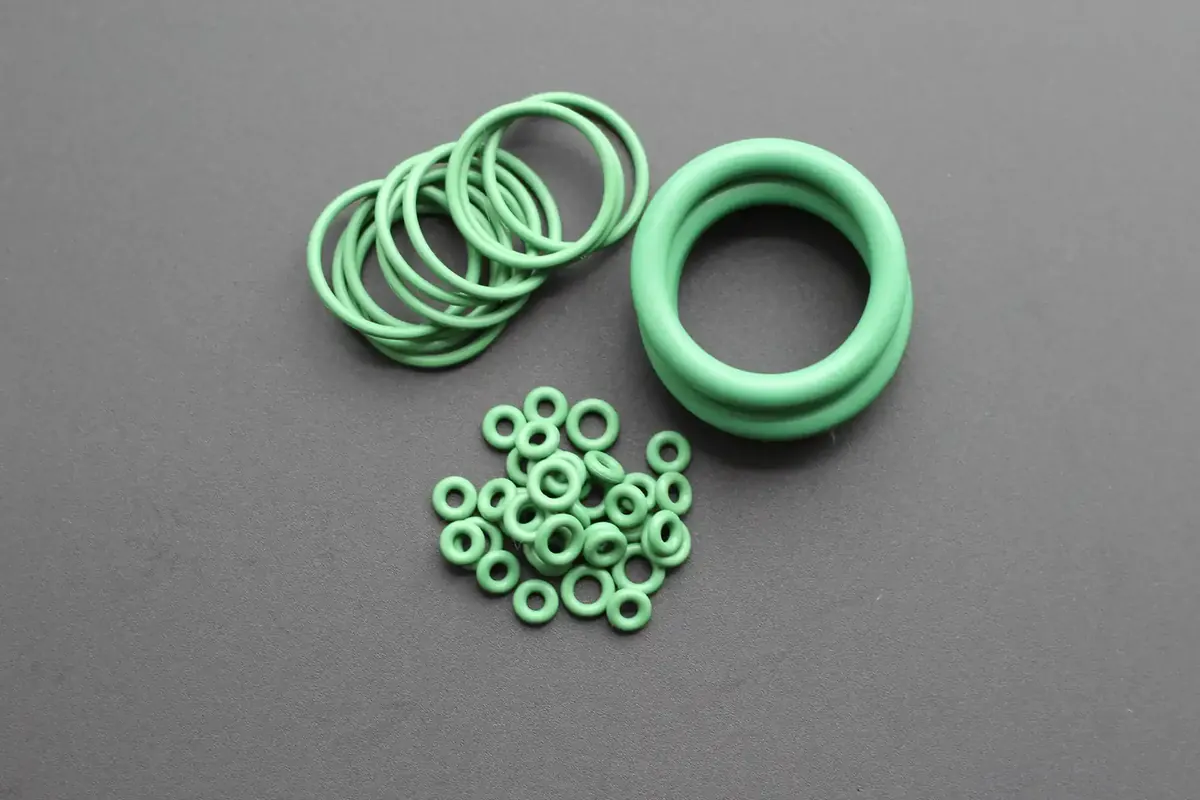
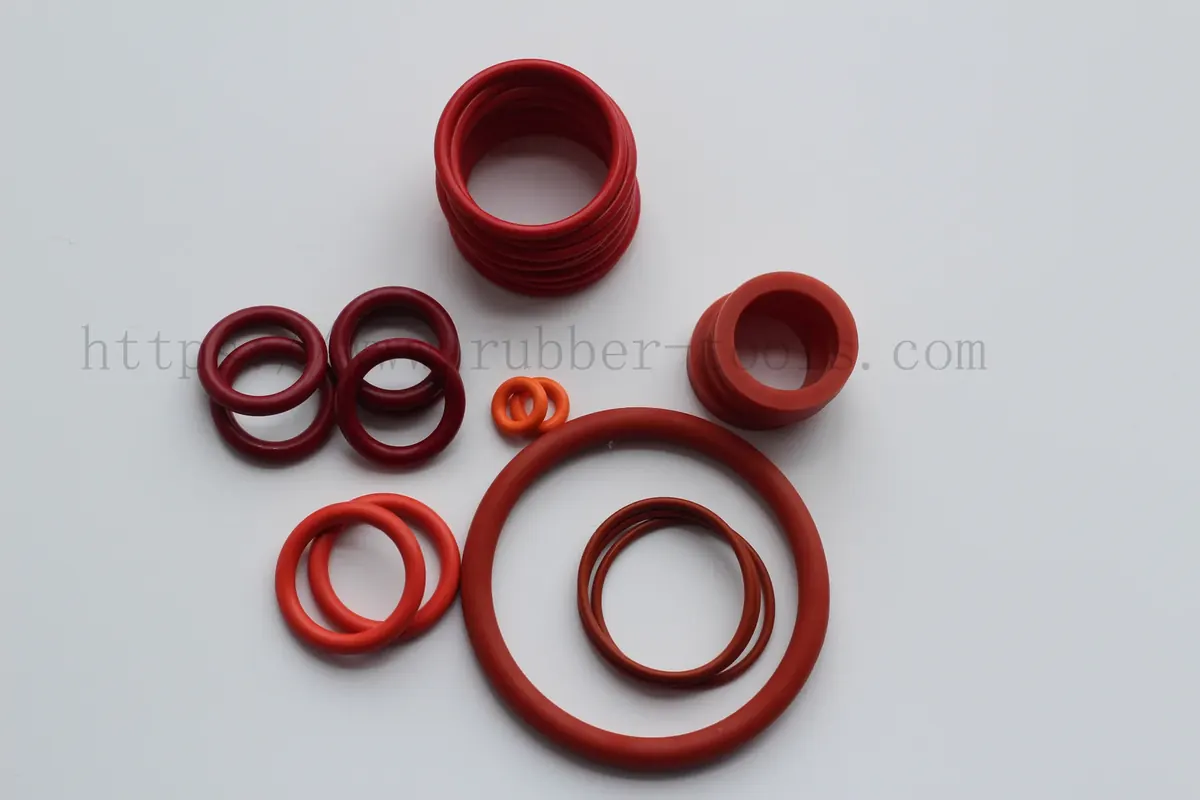
Suzhou Baoshida Trading Co., Ltd. provides high-performance industrial rubber solutions engineered for reliability, durability, and precision in demanding operational environments. Our action rubber formulations are designed to meet rigorous industrial standards, with material selection playing a critical role in performance outcomes. Among the most widely used elastomers in our product portfolio are Viton, Nitrile (NBR), and Silicone. Each material offers a distinct set of physical and chemical properties that make it suitable for specific applications across automotive, aerospace, oil and gas, and manufacturing sectors.
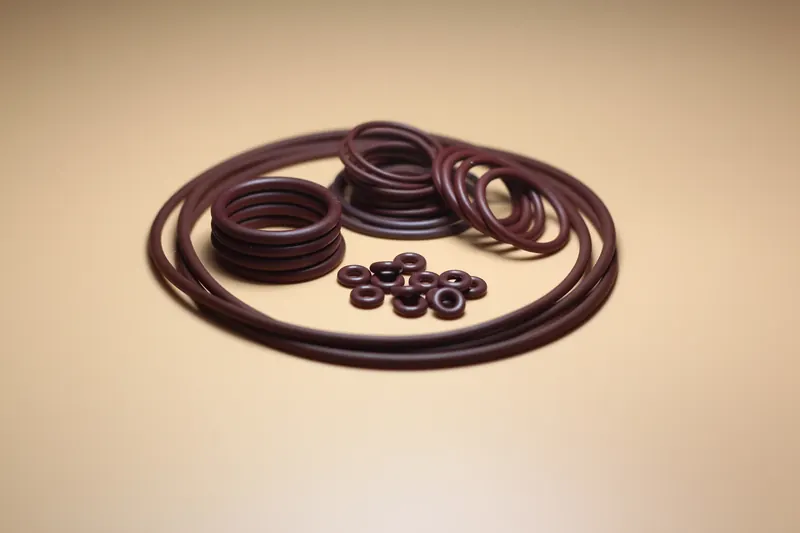
Viton, a fluorocarbon-based rubber (FKM), is renowned for its exceptional resistance to high temperatures, aggressive chemicals, and hydrocarbons. It maintains structural integrity in continuous service temperatures up to 230°C (446°F), making it ideal for extreme environments such as engine seals, fuel system components, and chemical processing equipment. Its low gas permeability and outstanding resistance to oxidation and UV degradation further enhance its longevity in critical sealing applications.
Nitrile rubber, or Buna-N, is a synthetic copolymer of acrylonitrile and butadiene. It is particularly valued for its excellent resistance to oils, fuels, and aliphatic hydrocarbons. With a typical operating temperature range of -40°C to 120°C (-40°F to 248°F), Nitrile offers a balanced performance profile for dynamic and static sealing applications in hydraulic systems, fuel pumps, and industrial machinery. Its abrasion resistance and cost-effectiveness make it a preferred choice for general-purpose industrial use.
Silicone rubber (VMQ) delivers superior thermal stability and flexibility across a wide temperature spectrum, from -60°C to 200°C (-76°F to 392°F). While it exhibits lower mechanical strength compared to Viton or Nitrile, its exceptional resistance to ozone, UV radiation, and extreme cold makes it ideal for outdoor applications, electrical insulation, and food-grade or medical environments. Silicone also meets stringent regulatory requirements for biocompatibility and low toxicity.
The following table summarizes key material properties to assist in the selection of the appropriate elastomer for your application:
| Property | Viton (FKM) | Nitrile (NBR) | Silicone (VMQ) |
|---|---|---|---|
| Temperature Range (°C) | -20 to 230 | -40 to 120 | -60 to 200 |
| Temperature Range (°F) | -4 to 446 | -40 to 248 | -76 to 392 |
| Tensile Strength (MPa) | 15–20 | 10–25 | 5–8 |
| Elongation at Break (%) | 200–300 | 200–500 | 200–700 |
| Hardness (Shore A) | 60–90 | 50–90 | 30–80 |
| Resistance to Oils/Fuels | Excellent | Excellent | Poor |
| Resistance to Ozone/UV | Excellent | Good | Excellent |
| Compression Set | Excellent | Good | Fair to Good |
At Suzhou Baoshida Trading Co., Ltd., we ensure precise formulation, consistent quality control, and OEM-level customization to meet the exacting demands of industrial clients worldwide.
Manufacturing Capabilities

Engineering Capability: Precision Rubber Formulation and OEM Excellence
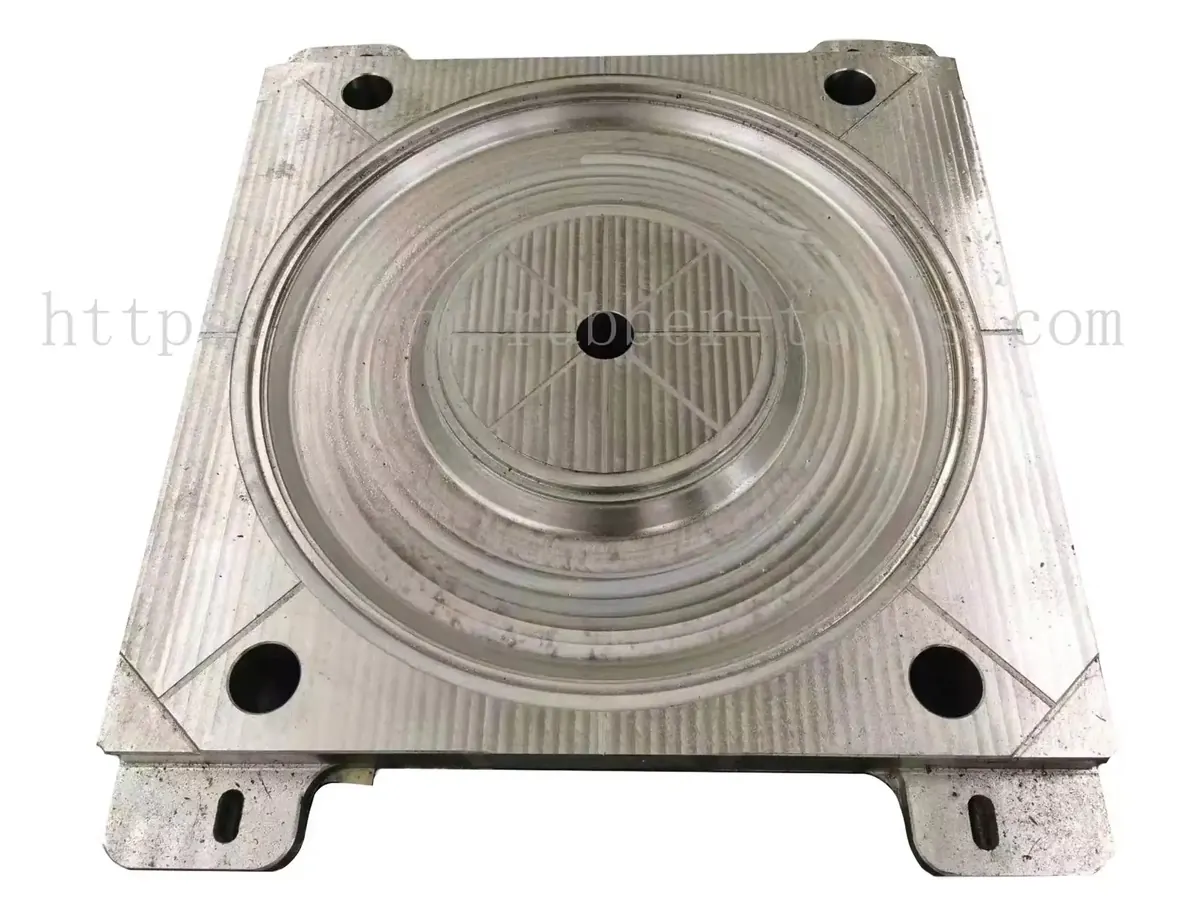
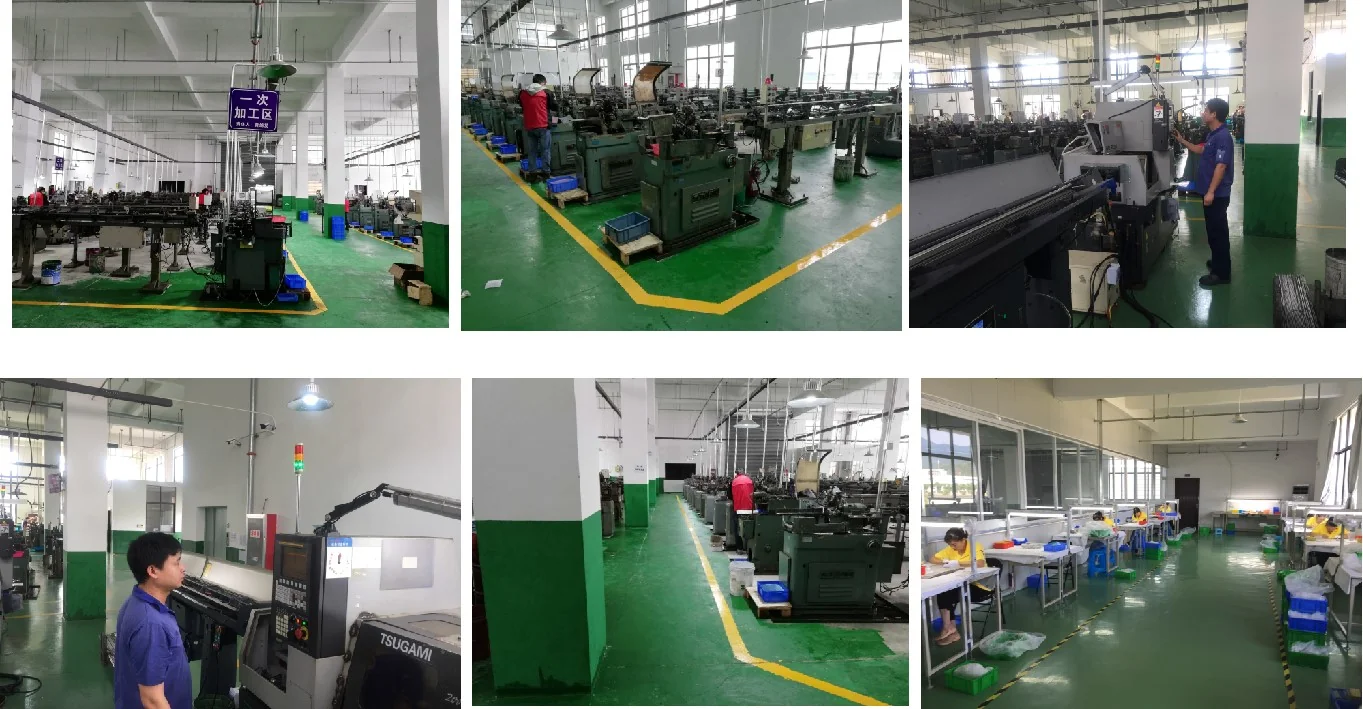
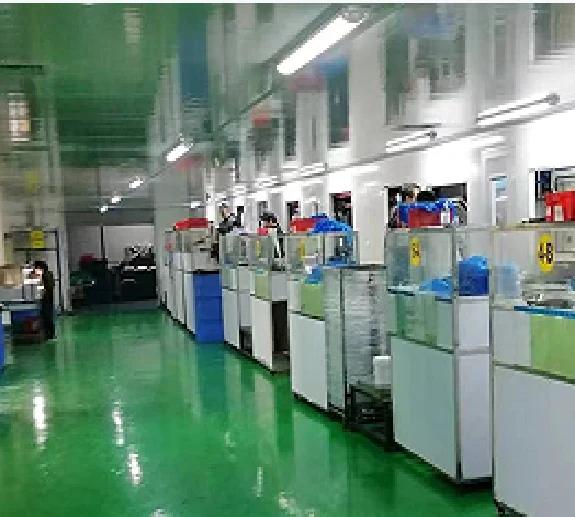
Suzhou Baoshida Trading Co., Ltd. leverages a dedicated engineering team of five Mould Design Engineers and two specialized Rubber Formula Engineers to deliver mission-critical rubber solutions for industrial applications. This integrated structure ensures seamless synergy between material science and manufacturing execution, directly addressing the demanding requirements of “action rubber” components subjected to dynamic stress, extreme temperatures, and chemical exposure. Our Formula Engineers possess deep expertise in elastomer chemistry, focusing on optimizing polymer selection, filler dispersion, curing kinetics, and additive systems to achieve precise performance targets. Concurrently, our Mould Engineering team applies advanced simulation tools (Moldflow analysis) and DFM principles to translate complex formulations into defect-free, high-yield production tooling. This dual-engineering approach eliminates traditional handoff gaps, accelerating time-to-market while guaranteeing dimensional stability and functional reliability in end-use environments.
Material science drives our competitive advantage. We systematically engineer compounds to exceed industry benchmarks for tear resistance, compression set, and fatigue life—critical for seals, dampers, and dynamic gaskets. Our formulation process begins with rigorous client application analysis, followed by iterative lab-scale compounding and accelerated aging validation. This methodology ensures molecular architecture aligns with operational demands, whether requiring low-temperature flexibility down to -50°C or resistance to aggressive hydraulic fluids and ozone. Crucially, our OEM framework embeds this precision into scalable production. We manage full lifecycle ownership—from prototype tooling and PPAP documentation to serial production in dedicated cells with real-time SPC monitoring. All client IP remains strictly confidential under formal NDAs, with traceability maintained via batch-specific formulation logs and material certifications.
The table below exemplifies performance differentiators achievable through our engineered compounds versus generic alternatives:
| Property | Generic Compound | Baoshida Specialty Compound | Performance Impact |
|---|---|---|---|
| Tensile Strength (MPa) | 12–15 | 18–22 | 30% higher load capacity |
| Elongation at Break (%) | 250–300 | 400–480 | Enhanced resistance to shock loads |
| Compression Set (70h/70°C) | 28–35% | 12–18% | 50% longer seal life |
| Hardness Range (Shore A) | 50–80 | 60–70 (tightly controlled) | Consistent sealing force |
| Fluid Resistance (ASTM 3) | Moderate | Excellent | Zero swelling in synthetic oils |
Our OEM capabilities extend beyond manufacturing to collaborative problem-solving. We partner with clients during NPI phases to refine geometries for optimal material flow and cure uniformity, preventing knit lines or vulcanization inconsistencies. For high-volume programs, we implement automated inspection systems (vision scanning, force-deflection testing) to maintain sub-0.5% defect rates. This end-to-end control—from raw material sourcing through final packaging—ensures every component meets the exacting standards demanded by automotive, aerospace, and industrial machinery sectors. By unifying formula science with precision mould engineering, Suzhou Baoshida delivers rubber solutions where failure is not an option.
Customization Process

Drawing Analysis: The Foundation of Precision Engineering
At Suzhou Baoshida Trading Co., Ltd., every custom rubber solution begins with rigorous drawing analysis. This critical first step ensures dimensional accuracy, material compatibility, and functional performance. Our engineering team evaluates technical blueprints provided by OEM partners, focusing on critical tolerances, part geometry, sealing requirements, and environmental exposure conditions. We assess features such as wall thickness, groove dimensions, and mating component interfaces to identify potential manufacturing challenges early. Advanced CAD software is used to validate 2D and 3D models, ensuring compliance with international standards including ISO 3302 for tolerances and ISO 2768 for general geometric specifications. This phase also includes a feasibility review to determine optimal molding methods—compression, transfer, or injection—based on part complexity and volume requirements.
Formulation: Tailoring Material Properties to Application Demands
Once design parameters are confirmed, our rubber formulation specialists develop a compound engineered to meet the operational demands of the end-use environment. We select base polymers—such as NBR, EPDM, FKM, silicone, or neoprene—based on factors like temperature range, chemical exposure, compression set resistance, and mechanical stress. Additives including reinforcing fillers, antioxidants, plasticizers, and curing agents are precisely blended to achieve target hardness (Shore A), tensile strength, elongation, and aging characteristics. Each formulation is documented under controlled batch records and subjected to preliminary testing in our laboratory. This scientific approach ensures repeatability and long-term performance under real-world conditions.
Prototyping: Validating Design and Material Synergy
Prototyping allows us to bridge the gap between theoretical design and industrial reality. Using the approved drawing and custom-formulated compound, we produce small-batch samples via precision molding. These prototypes undergo comprehensive physical and chemical testing, including hardness measurement, tensile testing, volume swell in fluids, and thermal aging per ASTM and ISO methods. Functional trials are conducted in simulated operating environments to validate sealing efficiency, durability, and fit. Feedback from this stage informs any necessary design or material refinements, ensuring optimal performance prior to scale-up.
Mass Production: Consistency at Scale
With prototype approval, we transition to high-volume manufacturing under strict quality management systems (ISO 9001 certified). Automated mixing, molding, and curing processes ensure batch-to-batch consistency. In-process inspections and final QA checks—including dimensional verification and visual defect screening—guarantee compliance with customer specifications. All production lots are traceable, with full material certifications provided.
Below are typical performance specifications achievable through our customization process:
| Property | Test Method | Typical Range |
|---|---|---|
| Hardness (Shore A) | ASTM D2240 | 30–90 ±5 |
| Tensile Strength | ASTM D412 | 8–20 MPa |
| Elongation at Break | ASTM D412 | 200–600% |
| Compression Set (70 hrs, 70°C) | ASTM D395 | ≤20% (FKM), ≤30% (NBR) |
| Operating Temperature | — | -40°C to +230°C (FKM), -50°C to +150°C (EPDM) |
| Fluid Resistance | ASTM D471 | Custom formulation per exposure |
Contact Engineering Team

Contact Suzhou Baoshida for Precision Industrial Rubber Solutions
Suzhou Baoshida Trading Co., Ltd. stands at the forefront of advanced rubber compounding and OEM manufacturing, delivering mission-critical elastomer solutions for demanding industrial applications. With over 15 years of specialized expertise in action rubber formulations—including dynamic sealing, vibration damping, and high-wear resistance components—we resolve complex material science challenges that standard compounds cannot address. Our engineering team leverages proprietary polymer matrix optimization and rigorous ASTM/ISO-compliant validation protocols to ensure every product meets exacting performance thresholds under extreme thermal, chemical, and mechanical stress. For global OEMs and Tier-1 suppliers, this translates to reduced field failures, extended service life, and accelerated time-to-market for next-generation industrial systems.
Partnering with Suzhou Baoshida means direct access to end-to-end technical stewardship—from initial feasibility analysis through prototyping, scale-up, and full production. We specialize in customizing formulations for niche requirements, such as low-temperature flexibility down to -60°C, resistance to aggressive hydraulic fluids, or ultra-low compression set for critical sealing interfaces. Our Suzhou-based R&D facility integrates state-of-the-art dynamic mechanical analysis (DMA), fatigue testing, and accelerated aging chambers to simulate real-world operational conditions, eliminating guesswork in material selection. Below are key performance parameters achievable through our action rubber compounds:
| Parameter | Specification Range | Testing Standard |
|---|---|---|
| Tensile Strength | 15–35 MPa | ASTM D412 |
| Elongation at Break | 250–650% | ASTM D412 |
| Hardness (Shore A) | 50–90 | ASTM D2240 |
| Compression Set (70h/70°C) | ≤15% | ASTM D395 |
| Abrasion Resistance | ≤100 mm³ loss | ASTM D5963 |
| Fluid Resistance (IRM 903) | Volume swell ≤15% | ASTM D471 |
Initiate your project with Suzhou Baoshida’s engineering team to transform material limitations into competitive advantages. Mr. Boyce, our dedicated OEM Manager, possesses comprehensive authority to align technical resources, production capacity, and supply chain logistics with your program timelines. He will facilitate a structured consultation to define your performance criteria, review existing failure modes, and establish quantifiable success metrics for your application. Whether you require NBR for oilfield equipment, FKM for aerospace hydraulics, or custom EPDM blends for renewable energy systems, our collaborative approach ensures formulations are engineered for manufacturability and long-term reliability.
Do not compromise on elastomer performance when precision engineering is non-negotiable. Contact Mr. Boyce directly at [email protected] to schedule a technical briefing. Include your material specifications, application environment details, and target volume requirements to enable our team to prepare a tailored solution proposal within 48 business hours. Suzhou Baoshida operates under IATF 16949 and ISO 9001 frameworks, guaranteeing traceable quality control from raw material sourcing to final shipment. For industrial manufacturers where rubber failure equates to operational downtime, our commitment to scientific rigor and responsive partnership delivers measurable risk reduction and performance assurance. Reach out today to engineer resilience.
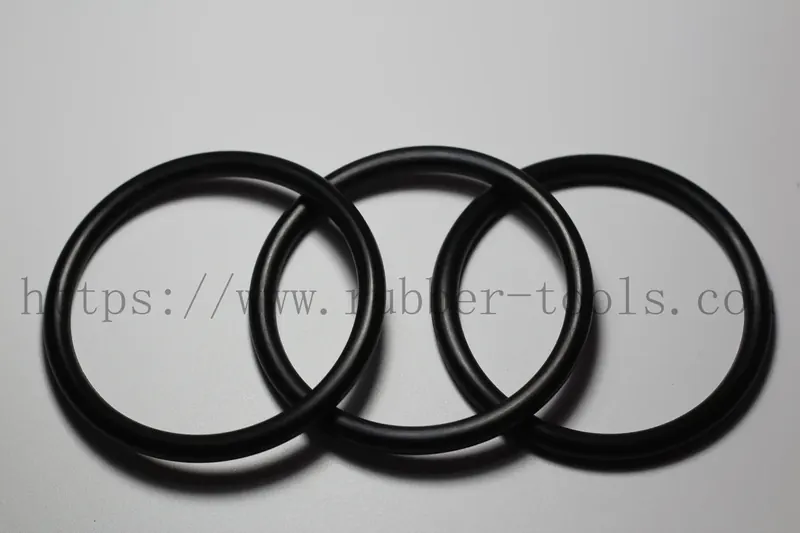
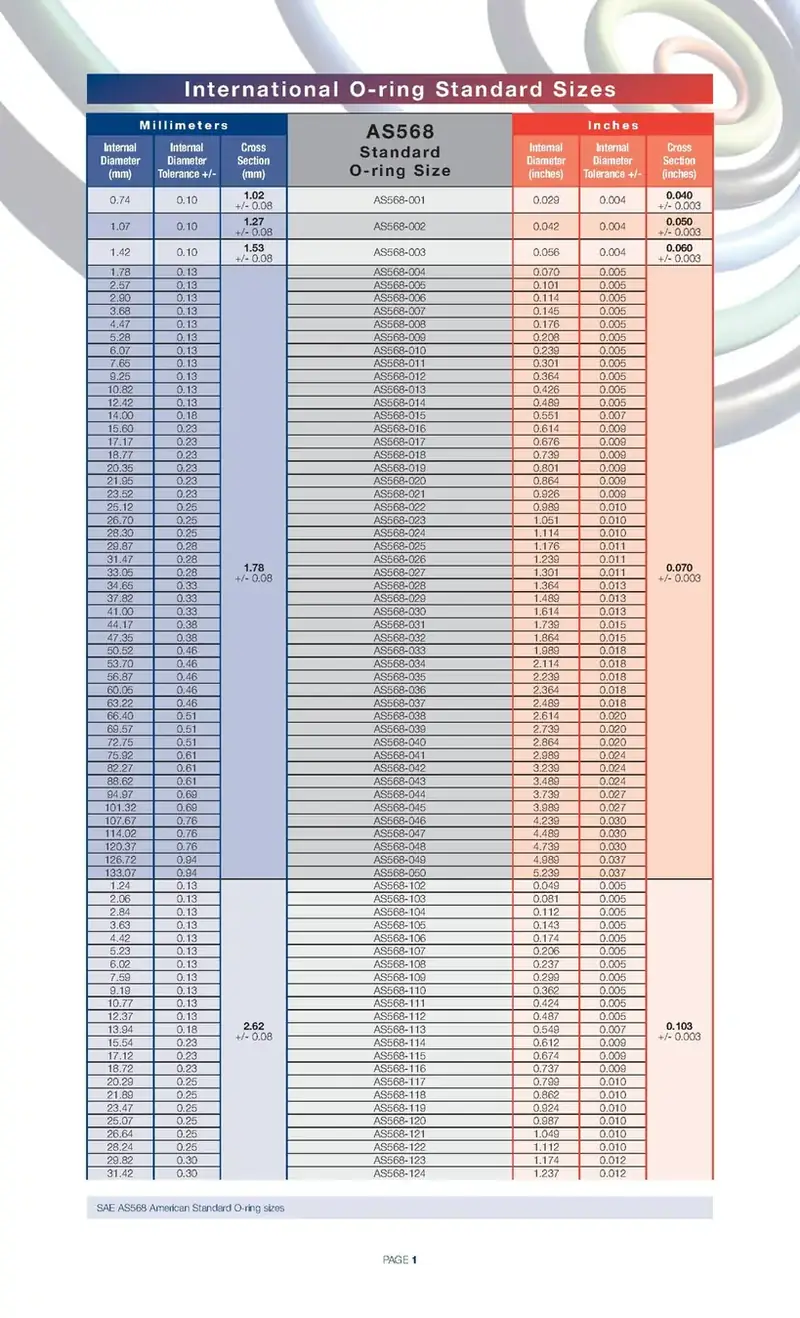
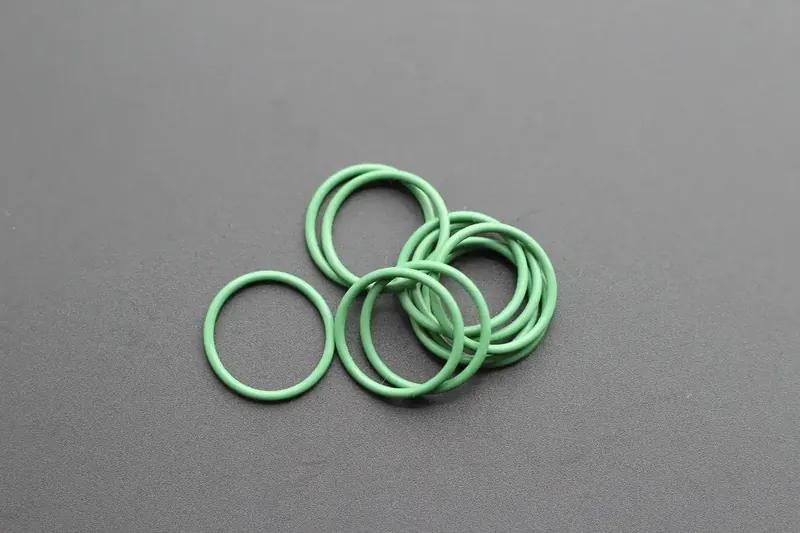
⚖️ O-Ring Weight Calculator
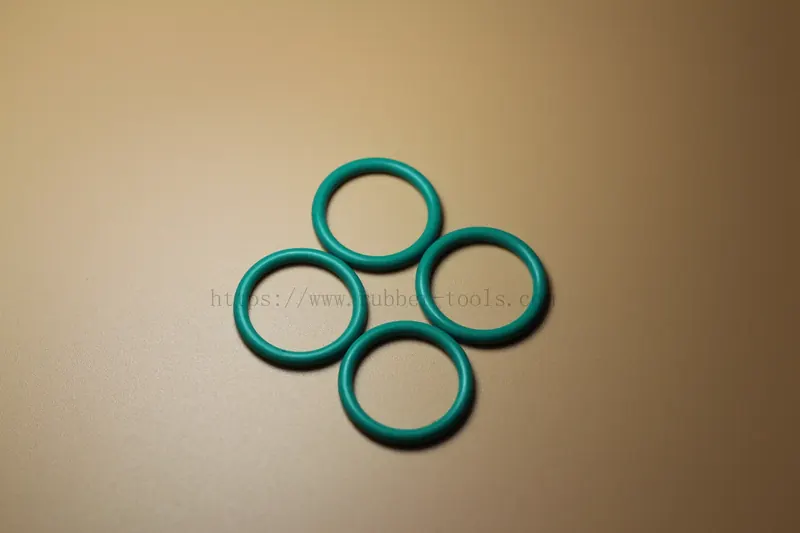
Estimate rubber O-ring weight (Approx).