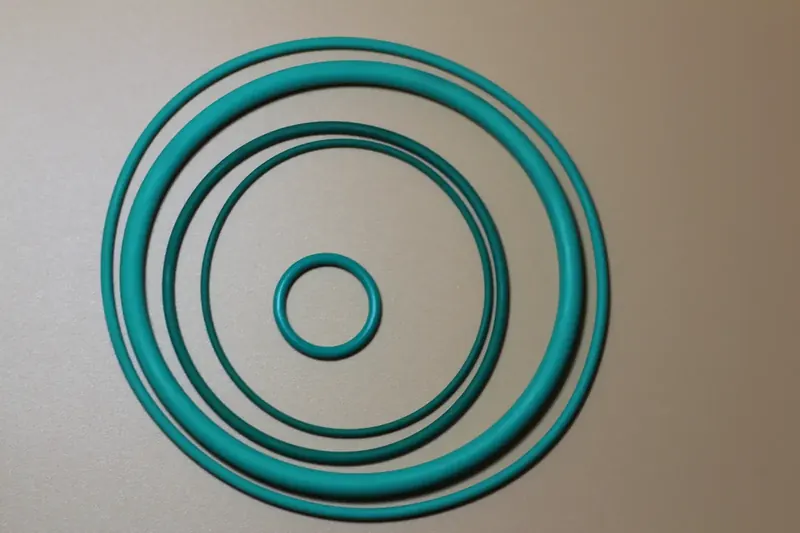
Vortex Ta Reducer Belt Guard Manufacturer | Engineering Guide

Engineering Guide: Vortex Ta Reducer Belt Guard

Material Selection in the Engineering of Vortex TA Reducer Belt Guards

The performance and longevity of a Vortex TA reducer belt guard are fundamentally determined by the precision of material selection during the engineering phase. In industrial environments characterized by high mechanical stress, thermal fluctuations, and exposure to oils, ozone, and abrasives, generic or off-the-shelf rubber components frequently fail to meet operational demands. These failures manifest as premature cracking, loss of tensile strength, or dimensional instability—issues that compromise both safety and uptime. At Suzhou Baoshida Trading Co., Ltd., we emphasize that material compatibility is not a secondary consideration but a core engineering parameter.

Standard rubber compounds, such as natural rubber or low-grade SBR (styrene-butadiene rubber), often used in mass-produced belt guards, exhibit poor resistance to ozone and UV degradation. They also tend to harden or soften under temperature extremes common in industrial gearboxes. In contrast, engineered elastomers like EPDM (ethylene propylene diene monomer), neoprene, and hydrogenated nitrile (HNBR) offer superior resilience under such conditions. EPDM, for instance, provides exceptional thermal stability up to 150°C and outstanding resistance to weathering, making it ideal for outdoor or high-heat applications. Neoprene balances flame resistance with good mechanical properties, while HNBR delivers high tensile strength and oil resistance—critical when the belt guard is exposed to lubricants from adjacent gearbox components.

Another critical factor is dynamic mechanical loading. The Vortex TA reducer operates under continuous vibration and rotational forces, which induce cyclic stress on the belt guard. Off-the-shelf guards often use homogeneous rubber sheets without fiber reinforcement, leading to fatigue failure. Our engineered solutions incorporate fabric-reinforced rubber composites, where layers of polyester or aramid fabric are vulcanized within the rubber matrix. This hybrid construction enhances tear resistance and dimensional stability, significantly extending service life.

Furthermore, chemical exposure in industrial plants varies widely. A one-size-fits-all material approach cannot address the spectrum of solvents, greases, and cleaning agents present in modern facilities. Our approach involves conducting a site-specific chemical compatibility analysis before finalizing the elastomer formulation. This ensures that the final product maintains integrity in its intended environment.

Below is a comparison of commonly used rubber materials in belt guard applications, highlighting key performance characteristics.

Material Temperature Range (°C) Ozone Resistance Oil Resistance Tensile Strength (MPa) Typical Use Case
Natural Rubber -40 to +80 Poor Poor 18–25 Indoor, low-stress environments
SBR -40 to +100 Poor Poor 15–22 General purpose, non-critical
Neoprene -40 to +120 Good Moderate 17–25 Industrial, moderate oil exposure
EPDM -50 to +150 Excellent Poor 16–24 High heat, outdoor applications
HNBR -40 to +170 Good Excellent 25–35 High-performance, oil-rich environments

Material selection is not a compromise between cost and performance—it is a strategic engineering decision that defines system reliability. At Suzhou Baoshida, we reject generic solutions in favor of tailored elastomer systems designed for the exact operational profile of the Vortex TA reducer. This precision ensures lasting protection, reduced maintenance cycles, and enhanced safety in demanding industrial applications.


Material Specifications

vortex ta reducer belt guard manufacturing

Material Specifications for Vortex TA Reducer Belt Guards

Selection of the optimal elastomeric compound is paramount for the performance, safety, and service life of Vortex TA reducer belt guards in demanding industrial drive systems. These guards must consistently withstand mechanical stress, environmental exposure, and potential contact with lubricants or process fluids while maintaining structural integrity to contain belt fragments during failure events. Suzhou Baoshida Trading Co., Ltd. leverages advanced rubber formulation expertise to provide guards engineered with Viton (FKM), Nitrile (NBR), and Silicone (VMQ) compounds, each offering distinct performance profiles tailored to specific operational challenges. Understanding the precise material characteristics is essential for OEM integration and end-user reliability.

Viton (FKM) fluorocarbon rubber represents the pinnacle of chemical and thermal resistance for the most severe applications. Its molecular structure provides exceptional stability against a broad spectrum of aggressive oils, fuels, acids, and solvents commonly encountered in heavy industrial and chemical processing environments. Viton guards reliably operate within a continuous service temperature range of -20°C to +250°C, making them indispensable for high-heat machinery compartments or processes involving thermal cycling. The inherent strength and resilience of Viton ensure long-term dimensional stability under constant stress, critical for maintaining the precise guard geometry required for effective fragment containment. While representing a higher initial material investment, Viton delivers unmatched longevity and safety assurance where chemical exposure or extreme temperatures are primary concerns.

Nitrile (NBR) butadiene-acrylonitrile rubber offers an optimal balance of performance and cost-effectiveness for the majority of industrial drive applications. Its primary strength lies in outstanding resistance to petroleum-based oils, greases, and hydraulic fluids, which are ubiquitous in mechanical power transmission systems. Standard NBR formulations provide reliable service from -30°C to +120°C, with specialized high-acrylonitrile grades extending low-temperature flexibility slightly and improving oil resistance. NBR guards exhibit excellent abrasion resistance and tensile strength, crucial for withstanding incidental impacts and maintaining guard rigidity during operation. This material is the workhorse solution for general industrial, automotive, and agricultural machinery where exposure is primarily to lubricants within moderate temperature ranges.

Silicone (VMQ) rubber is selected for applications requiring extreme temperature flexibility and resistance to oxidation. Silicone guards excel in environments subject to very low temperatures down to -60°C or intermittent high temperatures up to +230°C, alongside excellent resistance to ozone and weathering. While possessing good electrical insulation properties, standard Silicone exhibits lower tensile strength and abrasion resistance compared to Viton or NBR, and moderate resistance to petroleum oils. Its primary industrial guard applications involve outdoor installations with wide ambient temperature swings, food processing environments requiring high-temperature washdown compatibility, or scenarios where flexibility at cryogenic temperatures is necessary. Silicone formulations can be optimized for specific fluid resistance requirements.

The following table provides a comparative overview of key material specifications relevant to Vortex TA reducer belt guard performance:

Material Temperature Range (°C) Key Chemical Resistances Tensile Strength (MPa) Hardness Range (Shore A) Primary Application Focus
Viton (FKM) -20 to +250 Excellent: Mineral oils, fuels, acids, solvents, steam 10-18 60-90 Extreme heat, aggressive chemicals, critical safety zones
Nitrile (NBR) -30 to +120 Excellent: Petroleum oils, greases; Good: Water, alcohols 15-25 50-90 General industrial drives, cost-effective oil resistance
Silicone (VMQ) -60 to +230 Excellent: Ozone, weathering, water steam; Good: Oxygen, weak acids/bases 5-12 30-80 Wide temperature extremes, outdoor exposure, food processing

Suzhou Baoshida Trading Co., Ltd. emphasizes that material selection must be driven by the specific operational parameters of the reducer assembly. Our engineering team collaborates closely with OEM partners to analyze fluid exposure, temperature profiles, mechanical loads, and regulatory requirements, ensuring the chosen elastomer formulation delivers optimal safety, durability, and total cost of ownership for the Vortex TA belt guard system. Custom compound adjustments within each material family are available to meet precise application demands.


Manufacturing Capabilities

vortex ta reducer belt guard manufacturing

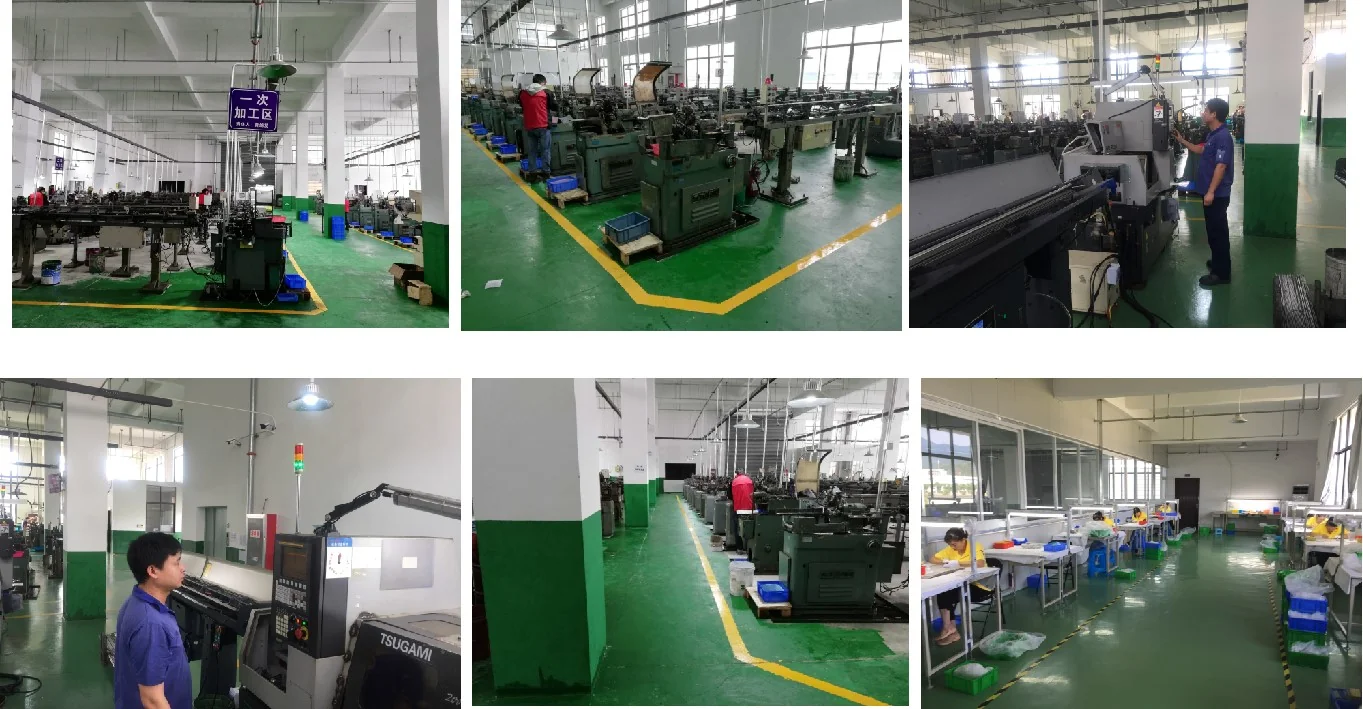
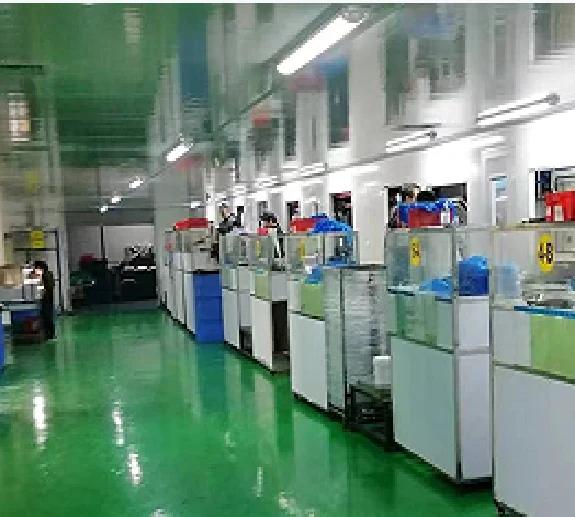
Suzhou Baoshida Trading Co., Ltd. maintains a robust engineering framework tailored to the precise demands of industrial rubber component manufacturing, particularly in specialized applications such as the vortex TA reducer belt guard. Our in-house engineering team comprises five dedicated mould engineers and two advanced rubber formulation specialists, enabling full vertical control from concept to final production. This integrated capability ensures that every component meets stringent performance, durability, and dimensional accuracy standards required in heavy-duty industrial environments.

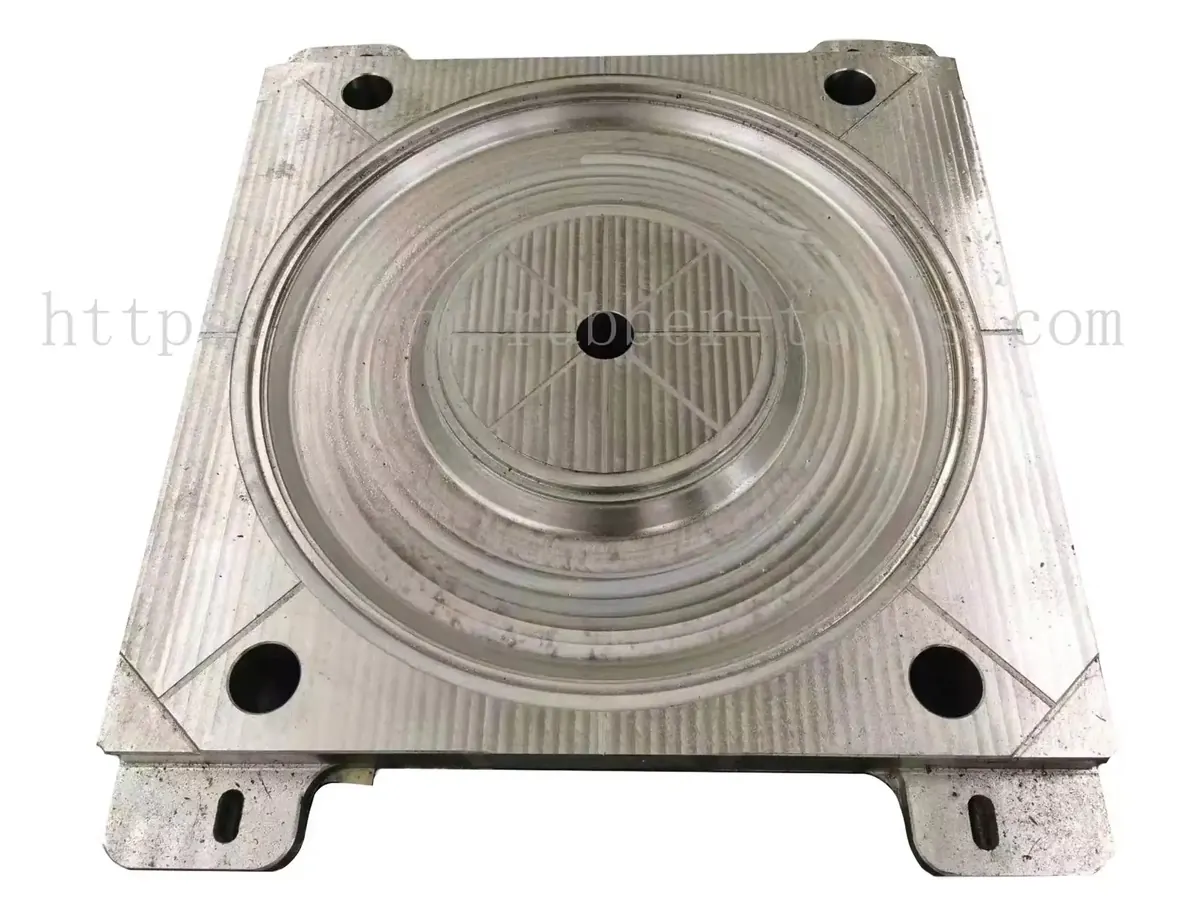
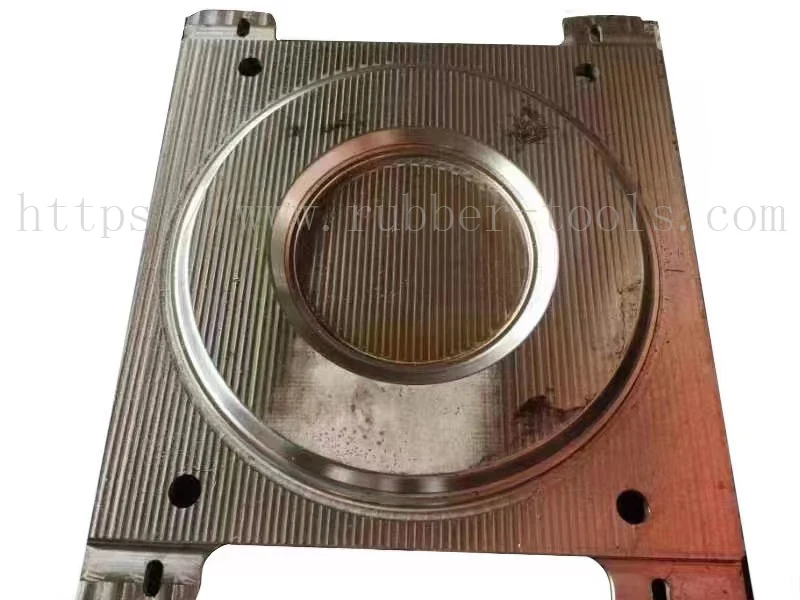
The mould engineering team specializes in precision tooling design for complex rubber-to-metal bonded components. Utilizing advanced CAD/CAM systems and finite element analysis (FEA), our engineers optimize mould flow, curing dynamics, and part ejection mechanisms to minimize defects and maximize production efficiency. Each mould is rigorously tested for thermal stability and wear resistance, ensuring long service life under continuous operation. For the vortex TA reducer belt guard, this translates into consistent part geometry, tight tolerance control (±0.1 mm), and repeatable sealing performance across production batches.

Complementing the mould design expertise are our two certified rubber formula engineers, who develop proprietary elastomer compounds tailored to specific operational conditions. These include resistance to oil, ozone, heat aging (up to 150°C), and dynamic mechanical stress—critical factors for belt guards exposed to high-speed rotating equipment and industrial contaminants. By controlling the formulation process in-house, we eliminate reliance on third-party rubber suppliers, allowing for rapid prototyping, customized hardness (Shore A 60–80), and accelerated validation cycles. Our formulations are tested per ASTM D412, D573, and ISO 1817 standards to verify tensile strength, elongation, and fluid resistance.

OEM collaboration is a core pillar of our engineering service model. We support global machinery manufacturers through confidential design partnerships, reverse engineering of legacy parts, and full documentation packages including 2D/3D drawings, material certifications, and process FMEAs. Our facility is equipped for low-volume prototyping and high-volume production, with an annual capacity exceeding 500,000 units for standard configurations. All processes are ISO 9001:2015 certified, with traceability maintained at the batch and tooling level.

The following table outlines key technical specifications for the vortex TA reducer belt guard manufactured under our engineering oversight:

Parameter Specification
Material Custom Nitrile Butadiene Rubber (NBR) or EPDM
Hardness Range (Shore A) 65 ± 5
Operating Temperature -30°C to +150°C
Tensile Strength ≥18 MPa
Elongation at Break ≥300%
Compression Set (70 hrs, 100°C) ≤25%
Mould Tolerance ±0.1 mm
Bond Strength (Rubber-to-Metal) ≥8 kN/m
Production Lead Time (Series) 25–35 days after sample approval

Through the synergy of advanced rubber science and precision tooling engineering, Suzhou Baoshida delivers technically superior, application-specific solutions that enhance equipment reliability and service life in demanding industrial settings.


Customization Process

Customization Process for Vortex TA Reducer Belt Guards

At Suzhou Baoshida Trading Co., Ltd., our customization process for Vortex TA reducer belt guards integrates rigorous material science with precision manufacturing to deliver solutions that meet exact OEM specifications. This structured workflow ensures optimal performance in demanding industrial environments while adhering to global safety and durability standards.

The process initiates with Drawing Analysis, where our engineering team conducts a comprehensive review of client-provided technical schematics. We validate geometric dimensions, tolerance stacks per ISO 2768, and critical interface points using CAD-based GD&T verification. Finite element analysis (FEA) simulates operational stresses, thermal expansion, and vibration profiles to preempt design vulnerabilities. This phase identifies material thickness requirements, mounting constraints, and environmental exposure zones, forming the foundation for subsequent formulation.

Next, Formulation Engineering leverages our proprietary rubber compounding expertise. Based on the drawing analysis, we select base polymers—typically EPDM for ozone resistance or NBR for oil exposure—and optimize the compound with reinforcing fillers, curatives, and protective agents. Each formulation targets specific performance thresholds: tensile strength ≥18 MPa, elongation at break ≥350%, and heat resistance up to 150°C. Critical additives like aramid fibers enhance tear resistance, while custom pigment systems ensure compatibility with facility color-coding protocols. All compounds undergo accelerated aging tests per ASTM D573 and fluid resistance validation against ISO 1817.

Prototyping follows compound finalization, utilizing CNC-machined molds to produce functional samples. Each prototype undergoes dimensional inspection via CMM (Coordinate Measuring Machine) to verify conformity within ±0.15 mm tolerances. Physical testing includes dynamic fatigue cycles on belt guard test rigs, impact resistance per ISO 6603-2, and thermal cycling between -40°C to +120°C. Client feedback on fitment, noise reduction, and thermal management drives iterative refinements, typically completed within 15 business days.

Upon prototype approval, Mass Production commences under ISO 9001-certified protocols. We deploy automated rubber injection molding with real-time cavity pressure monitoring to ensure uniform density and eliminate voids. In-process quality checks include 100% visual inspection for surface defects and statistical sampling for hardness (Shore A 65±5) and compression set (≤25% per ASTM D395). Final products receive traceability codes linking to batch-specific material certifications and third-party test reports. Production scalability supports volumes from 500 to 50,000 units monthly, with lead times of 25–35 days.

Key performance specifications for standard Vortex TA belt guards are summarized below:

Property Test Standard Target Value Application Relevance
Tensile Strength ASTM D412 ≥18 MPa Resists operational tearing
Heat Resistance ISO 188 150°C × 72h, no cracking Sustains high-temp environments
Oil Resistance (IRMOG) ISO 1817 Volume swell ≤15% Prevents degradation in oil-lubricated systems
Flame Resistance UL 94 HB rating Meets industrial fire safety
Shore Hardness ASTM D2240 65 ± 5 A Balances flexibility and rigidity

This end-to-end customization framework ensures every Vortex TA reducer belt guard exceeds OEM expectations for safety, longevity, and operational efficiency. Suzhou Baoshida’s commitment to material innovation and process control delivers precision-engineered rubber components that minimize downtime and maximize ROI in critical drive systems.


Contact Engineering Team

For industrial manufacturers seeking precision-engineered rubber components, Suzhou Baoshida Trading Co., Ltd. stands as a trusted leader in advanced industrial rubber solutions. Our expertise spans the design, formulation, and production of high-performance rubber parts tailored to demanding mechanical environments. One such innovation is the vortex TA reducer belt guard, a critical protective component engineered to ensure operational safety, reduce maintenance downtime, and extend the service life of drive systems in heavy-duty applications.

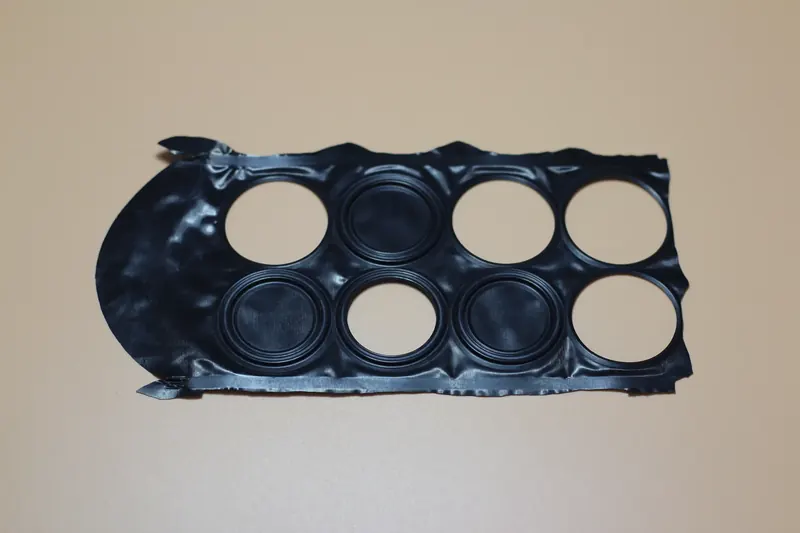
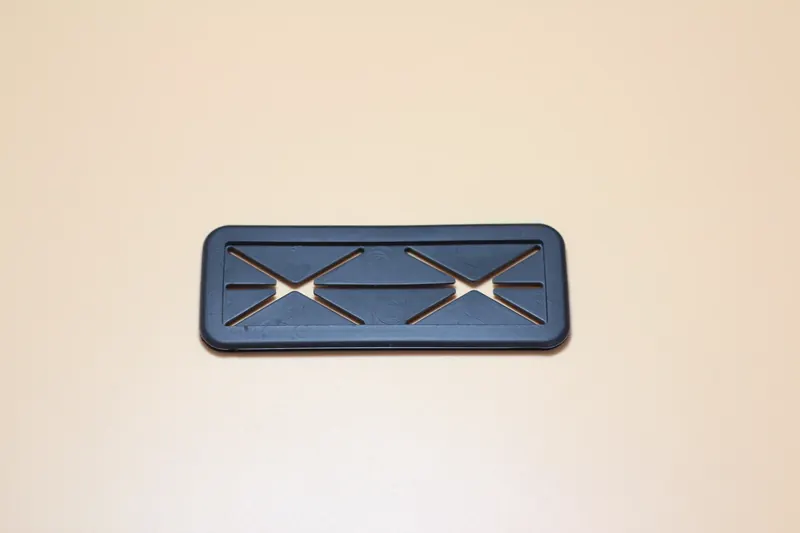
The vortex TA reducer belt guard is constructed using vulcanized rubber composites with reinforced polymer backing, delivering superior resistance to abrasion, ozone, and mechanical stress. Its aerodynamic profile minimizes air turbulence while maximizing heat dissipation, contributing to cooler, more efficient reducer operation. The integrated sealing flange prevents ingress of dust, moisture, and particulate contaminants—common failure points in industrial gearboxes. Each unit is manufactured under strict ISO 9001-compliant processes, ensuring dimensional accuracy and long-term reliability across diverse operating conditions.

We invite OEMs, system integrators, and maintenance procurement managers to contact Mr. Boyce, our dedicated Technical OEM Manager, for direct technical consultation and customized quoting. Whether you are sourcing for new equipment builds or replacement components, Mr. Boyce provides expert guidance on material selection, performance optimization, and volume supply logistics. His role ensures seamless coordination between engineering requirements and production capabilities, enabling fast turnaround and consistent quality.

Reaching out is the first step toward integrating a higher standard of durability and safety into your mechanical systems. Mr. Boyce is available to provide technical data sheets, CAD model support, sample units, and lifecycle cost analysis upon request. As a partner, Suzhou Baoshida emphasizes transparency, responsiveness, and technical depth—qualities that have made us a preferred supplier across Southeast Asia, Europe, and North America.

To discuss your specific application requirements, request product specifications, or initiate a formal quotation, please contact Mr. Boyce directly via email at [email protected]. We respond to all inquiries within 12 business hours and offer virtual technical meetings for international clients.

Below are the standard technical specifications for the vortex TA reducer belt guard. Custom dimensions and material grades are available upon request.

Parameter Specification
Material Nitrile Butadiene Rubber (NBR) + Polyester Cord Reinforcement
Hardness (Shore A) 70 ± 5
Temperature Range -30°C to +100°C (short-term up to +120°C)
Tensile Strength ≥18 MPa
Elongation at Break ≥350%
Ozone Resistance Excellent (IEC 60811-2-1 compliant)
Flammability Rating UL 94 HB
Standard Fitment TA Series Reducers (Models TA30–TA150)
Mounting Type Clamp-band with stainless steel fasteners
Color Black with high-visibility yellow warning strip

Partner with Suzhou Baoshida to enhance the reliability and safety of your industrial drive systems. Contact Mr. Boyce today at [email protected] to begin the conversation.


⚖️ O-Ring Weight Calculator

Estimate rubber O-ring weight (Approx).


Vortex Ta Reducer Belt Guard Manufacturer | Engineering Guide

Contents of Table

Contact [email protected] Whatsapp 86 15951276160