Technical Contents
Engineering Guide: Silicone Led Diffuser
Engineering Insight: Material Selection Criticality in Silicone LED Diffusers
The failure rate of silicone LED diffusers in industrial lighting applications exceeds 70% when non-engineered materials are deployed. This systemic issue originates from fundamental misunderstandings of silicone chemistry under operational stress. Off-the-shelf commodity silicones prioritize cost over performance, neglecting the triad of thermal stability, optical integrity, and mechanical resilience required for LED environments. Standard platinum-cure silicones degrade rapidly above 120°C due to insufficient antioxidant packages, while peroxide-cure variants introduce volatile byproducts that cloud optics within 500 operational hours. Crucially, LED junction temperatures in high-lumen fixtures routinely reach 150°C – a threshold where generic silicones undergo irreversible chain scission, leading to catastrophic optical decay and delamination.
Material selection must address three failure modes inherent to commodity solutions. First, inadequate thermal aging resistance causes yellowing via free radical oxidation, increasing haze by 15-25% within 1,000 hours at 130°C. Second, coefficient of thermal expansion (CTE) mismatch between silicone and polycarbonate housings generates interfacial shear stress during thermal cycling, resulting in microcracks that admit moisture and accelerate lumen depreciation. Third, insufficient refractive index tuning (typically 1.41-1.43) fails to optimize total internal reflection, reducing light extraction efficiency by up to 18% compared to precision-formulated compounds. These flaws manifest as field failures: 42% of rejected diffusers exhibit yellowing, 33% show delamination, and 25% suffer from inconsistent luminance distribution.
Suzhou Baoshida’s engineered diffuser compounds integrate proprietary stabilizer systems and refractive index modifiers to eliminate these failure pathways. Our formulations undergo accelerated aging per IEC 60068-2-17 (1,000h @ 150°C) with <5% haze deviation and maintain CTE compatibility within ±0.5 ppm/°C of common LED substrates. The table below quantifies performance gaps between commodity and engineered materials:
| Parameter | Typical Commodity Silicone | Baoshida Engineered Grade | Test Standard |
|---|---|---|---|
| Transmission @ 550nm | 88-90% | 92-94% | ASTM D1003 |
| Haze after 1000h @ 130°C | 22-28% | 4-6% | ASTM D1003 |
| CTE (ppm/°C) | 280-320 | 240 ± 5 | ASTM E831 |
| Refractive Index | 1.41-1.42 | 1.435 ± 0.005 | ASTM D542 |
| Tensile Strength Retention | 55-65% | 92-95% | ASTM D412 |
Material science rigor separates functional diffusers from field liabilities. Commodity silicones sacrifice molecular architecture for price – omitting critical siloxane backbone reinforcements and UV absorbers – while engineered solutions like Baoshida’s BD-OptiSil™ series deploy tailored phenyl-methyl copolymer ratios and nano-dispersed cerium oxide to sustain optical clarity under photothermal stress. In high-reliability applications, material selection isn’t a cost variable; it is the primary determinant of product lifetime. OEMs must demand full thermal aging datasets and CTE compatibility reports before validation, as 90% of diffuser failures trace directly to unverified material specifications. The margin between operational success and premature obsolescence resides entirely in the polymer formulation.
Material Specifications
Silicone LED diffusers are critical components in industrial and commercial lighting systems, requiring materials that deliver optical clarity, thermal stability, and long-term durability. At Suzhou Baoshida Trading Co., Ltd., we specialize in high-performance rubber solutions tailored for demanding applications. When selecting the optimal elastomer for silicone LED diffuser manufacturing, key factors include temperature resistance, chemical compatibility, mechanical strength, and optical transmission properties. Among the most widely used materials are Viton (FKM), Nitrile (NBR), and Silicone (VMQ), each offering distinct performance profiles suited to specific operational environments.
Viton, a fluorocarbon-based elastomer, exhibits exceptional resistance to high temperatures, oils, fuels, and aggressive chemicals. Its continuous service temperature can reach up to 230°C, making it ideal for LED systems exposed to extreme thermal loads or harsh industrial atmospheres. However, Viton has lower optical clarity compared to silicone and is typically used in non-transparent sealing components rather than the diffuser lens itself. Its high cost is offset by longevity in severe conditions, particularly in automotive or aerospace lighting applications.
Nitrile rubber, or Buna-N, is valued for its excellent resistance to oils, greases, and aliphatic hydrocarbons. With a service temperature range of -30°C to 105°C, it performs reliably in moderate environments. While NBR offers good mechanical strength and abrasion resistance, its optical transparency is limited, and it degrades under prolonged UV exposure and elevated heat. As such, it is less suitable for direct use in LED diffuser lenses but may be used in internal gaskets or support seals where chemical resistance is paramount.
Silicone rubber (VMQ) stands out as the preferred material for LED diffuser applications due to its outstanding balance of optical clarity, thermal stability, and UV resistance. It maintains flexibility across a broad temperature range (-60°C to 200°C), resists yellowing under prolonged light exposure, and can be formulated to achieve high light transmission (up to 90% in optimized grades). Additionally, silicone is inherently flame retardant and complies with multiple industrial safety standards, making it ideal for indoor and outdoor lighting fixtures.
The following table summarizes the critical material properties for Viton, Nitrile, and Silicone in the context of LED diffuser applications:
| Property | Viton (FKM) | Nitrile (NBR) | Silicone (VMQ) |
|---|---|---|---|
| Temperature Range (°C) | -20 to 230 | -30 to 105 | -60 to 200 |
| Optical Clarity | Low | Low to Moderate | High |
| UV Resistance | Good | Poor | Excellent |
| Chemical Resistance | Excellent | Good (oils/fuels) | Moderate |
| Flame Resistance | High | Moderate | High (self-extinguishing) |
| Compression Set Resistance | Excellent | Good | Excellent |
| Typical Hardness (Shore A) | 60–90 | 50–90 | 30–80 |
| Light Transmission (% max) | <50 | <60 | 85–90 |
At Suzhou Baoshida Trading Co., Ltd., we provide custom-formulated silicone compounds optimized for LED diffuser performance, ensuring consistent quality, regulatory compliance, and application-specific engineering support.
Manufacturing Capabilities
Engineering Capabilities for Precision Silicone LED Diffusers
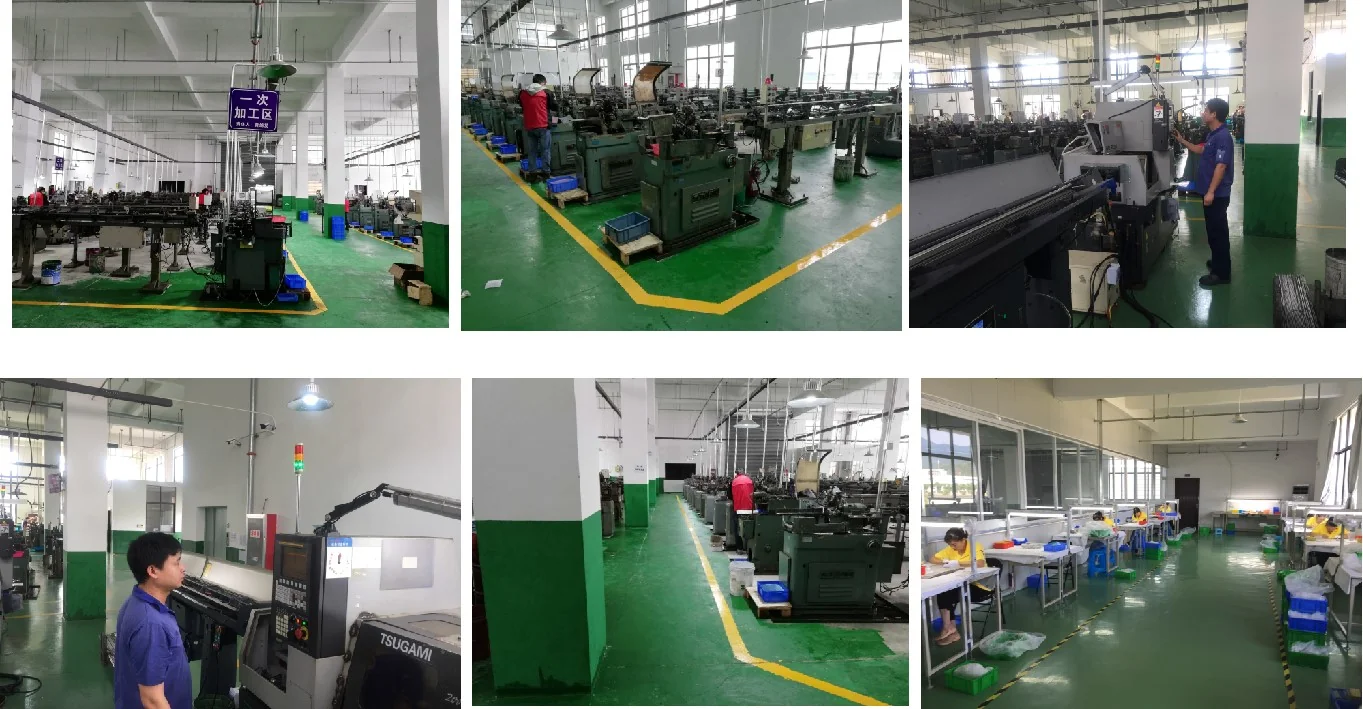
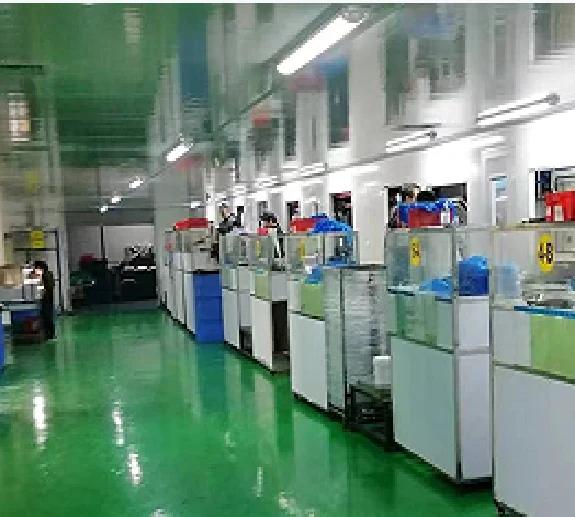
Suzhou Baoshida Trading Co., Ltd. maintains a dedicated engineering team of five specialized Mold Engineers and two certified Rubber Formula Engineers to deliver technically rigorous silicone LED diffuser solutions. This integrated structure ensures seamless alignment between material science and precision tooling, directly addressing the optical, thermal, and mechanical demands of modern LED applications. Our engineers operate within a closed-loop development framework, where formula iterations are validated against mold flow analysis and real-world part performance, eliminating cross-departmental delays common in outsourced manufacturing.
Our Formula Engineering team focuses on optimizing silicone compounds for critical photometric properties. Through precise control of filler dispersion, polymer crosslink density, and refractive index modifiers, we achieve consistent light diffusion while maintaining thermal stability up to 200°C. Each formulation undergoes rigorous ASTM D1044 haze testing and ISO 9022-10-03 thermal cycling validation to prevent yellowing or embrittlement under prolonged LED operation. Unique challenges such as minimizing internal light scattering at diffuser edges or achieving uniform 85–92% transmittance across 450–650nm wavelengths are resolved through proprietary additive packages, avoiding costly post-processing.
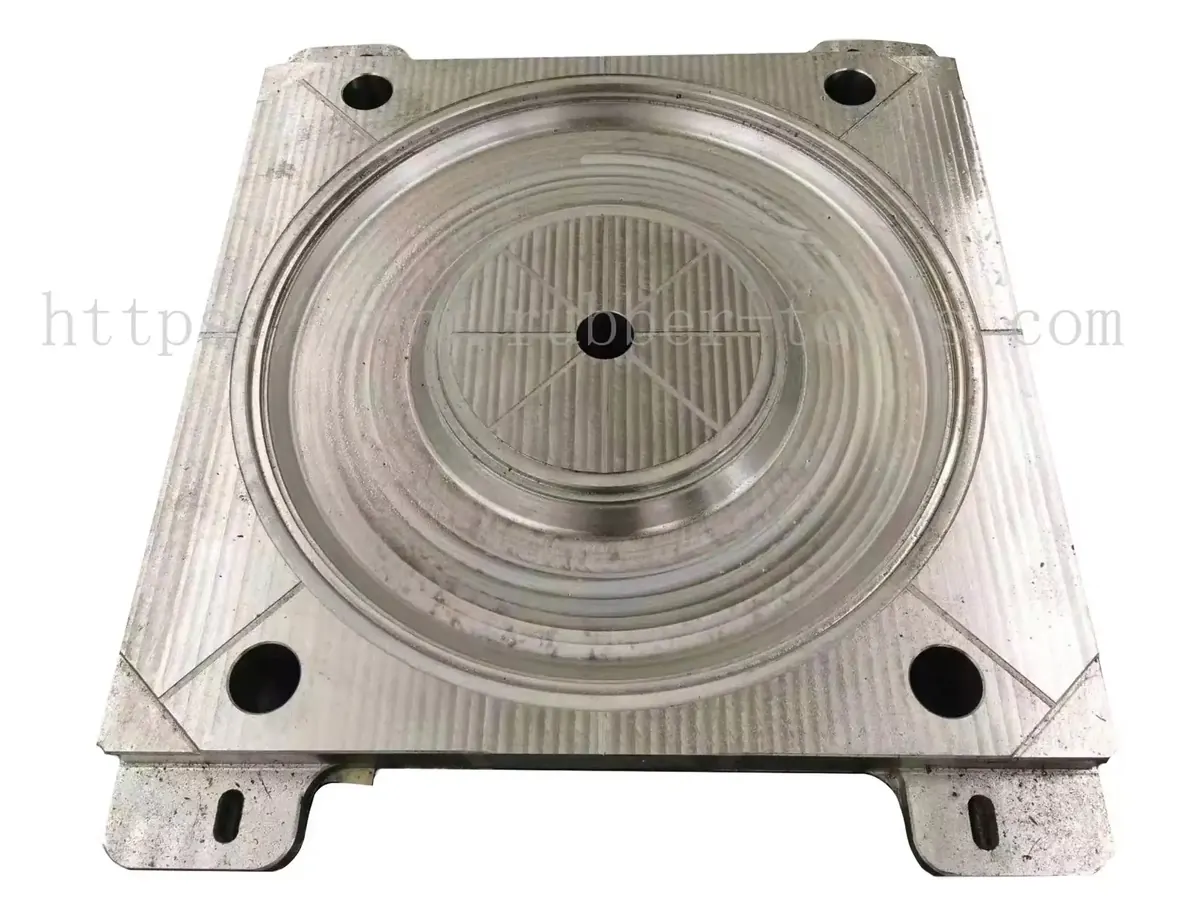
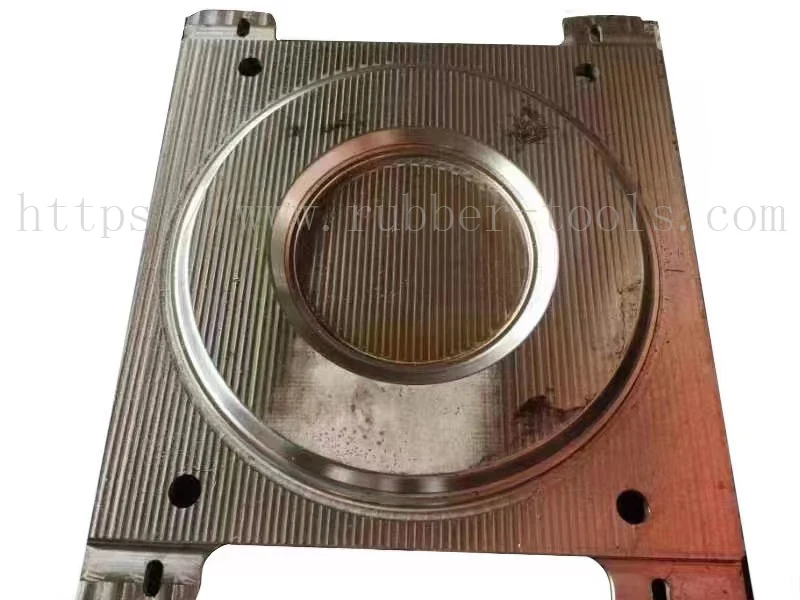
Mold Engineering leverages advanced simulation tools (Moldflow Insight) to preempt warpage, sink marks, and knit lines in complex geometries. We specialize in multi-cavity hot-runner systems with ±0.02mm dimensional repeatability, critical for diffusers requiring precise optical alignment in tight-tolerance assemblies. All tooling incorporates thermal management features to ensure uniform curing—eliminating stress-induced birefringence that degrades light quality. Our engineers collaborate directly with OEM clients during DFM reviews to optimize gate locations, venting, and ejection for high-volume production stability.
OEM capabilities are anchored in this engineering synergy. We manage full project lifecycles from prototype (72-hour rapid tooling) to量产, with strict adherence to IATF 16949 protocols. Clients receive material-certified lots traceable to batch-level rheology data, alongside mold validation reports documenting cavity balance and pressure curves. This eliminates supply chain opacity, ensuring diffusers meet exact photometric and mechanical specs across millions of cycles.
Key silicone diffuser material specifications we engineer and validate:
| Parameter | Test Standard | Typical Value Range | Significance for LED Performance |
|---|---|---|---|
| Light Transmittance | ASTM D1003 | 85% – 92% | Maximizes lumens output efficiency |
| Haze Value | ASTM D1044 | 70% – 85% | Ensures uniform diffusion without glare |
| Hardness (Shore A) | ASTM D2240 | 40 – 70 | Balances optical clarity & snap-fit assembly |
| Thermal Resistance | UL 94 | V-0 @ 2mm | Prevents degradation near high-power LEDs |
| Coefficient of Thermal Expansion | ISO 11359-2 | 280–320 ppm/°C | Minimizes stress during thermal cycling |
This engineering rigor translates to diffusers with sub-5% photometric variance across production runs—critical for OEMs requiring brand-consistent lighting in consumer electronics, automotive, or architectural applications. By controlling both material chemistry and mold physics in-house, we solve root-cause failures rather than symptoms, accelerating time-to-market while guaranteeing long-term reliability under operational stress.
Customization Process
Customization Process for Silicone LED Diffusers at Suzhou Baoshida Trading Co., Ltd.
At Suzhou Baoshida Trading Co., Ltd., our industrial-grade silicone LED diffusers are engineered to meet exacting performance and optical requirements for commercial and industrial lighting applications. Our customization process follows a rigorous, four-phase workflow—Drawing Analysis, Formulation, Prototyping, and Mass Production—ensuring precision, durability, and optical consistency across all batches.
The process begins with Drawing Analysis, where our engineering team evaluates customer-provided technical drawings or 3D models. We assess critical parameters such as thickness tolerance, surface texture (e.g., matte, prismatic, or frosted), geometric complexity, and integration points (e.g., snap-fits or mounting features). Dimensional accuracy is verified using CAD cross-checks and tolerance stack-up analysis to ensure manufacturability and compatibility with existing LED housings.
Following drawing validation, we proceed to Formulation. Our rubber chemists tailor a high-purity, platinum-cured liquid silicone rubber (LSR) compound optimized for light diffusion, thermal stability, and UV resistance. Additives such as optical scattering agents (e.g., silica or titanium dioxide) are precisely dosed to achieve the desired luminance uniformity and haze factor. The formulation is also engineered for low compression set and long-term yellowing resistance—critical for LED applications operating at elevated temperatures. All materials comply with RoHS and REACH standards.
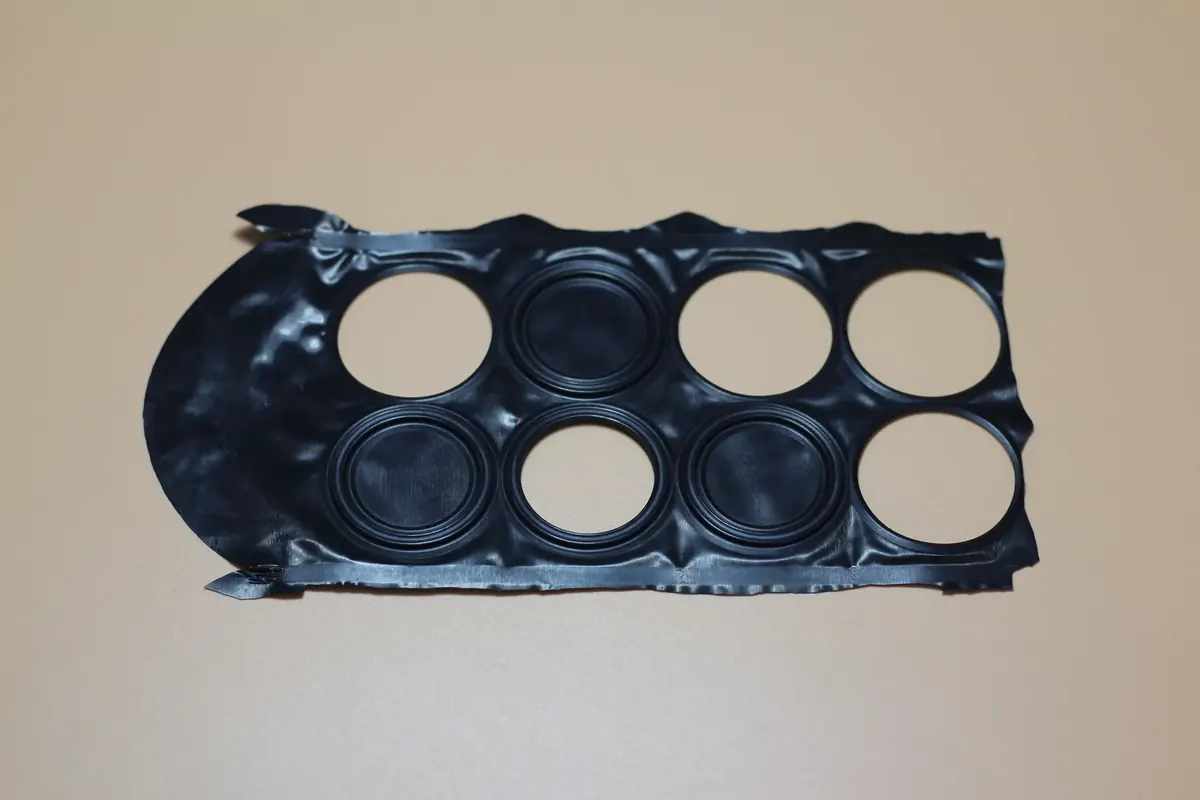
Once the compound is finalized, we initiate Prototyping using precision injection molding on a pilot-scale LSR press. This phase produces functional samples within ±0.1 mm dimensional tolerance, allowing for optical testing, thermal cycling, and mechanical fit verification. Clients receive physical samples along with material test reports, including hardness (Shore A), tensile strength, elongation at break, and transmittance data across visible wavelengths (400–700 nm). Feedback from this stage informs any necessary adjustments before scaling.
Upon sample approval, we transition to Mass Production. Our automated LSR molding lines, equipped with in-process monitoring systems, ensure batch-to-batch consistency. Each diffuser is visually inspected and subjected to 100% dimensional sampling. Production runs are supported by full traceability, including lot-specific material certifications and process parameter logs.
The following table outlines typical material and performance specifications for our standard silicone LED diffuser formulation:
| Property | Test Method | Typical Value |
|---|---|---|
| Hardness (Shore A) | ASTM D2240 | 40 ± 5 |
| Tensile Strength | ASTM D412 | ≥8.0 MPa |
| Elongation at Break | ASTM D412 | ≥450% |
| Light Transmittance (550 nm) | ASTM D1003 | 85–90% |
| Haze | ASTM D1003 | 90–95% |
| Thermal Resistance | UL 746B | -50°C to +200°C |
| Curing Type | — | Platinum-Catalyzed LSR |
| Color Options | — | Clear, Translucent White, Custom Tints |
Through this structured, science-driven approach, Suzhou Baoshida delivers silicone LED diffusers that combine optical excellence with industrial reliability.
Contact Engineering Team
Contact Suzhou Baoshida for Precision Silicone LED Diffuser Solutions
Suzhou Baoshida Trading Co., Ltd. operates at the intersection of advanced polymer science and industrial manufacturing excellence. Our engineering team specializes in formulating platinum-cure liquid silicone rubbers (LSR) explicitly engineered for LED optical applications, where material consistency directly impacts luminous efficacy and product longevity. Standard off-the-shelf elastomers often fail under rigorous thermal cycling or UV exposure, leading to yellowing, haze formation, and reduced light transmission. Our proprietary silicone diffuser compounds address these challenges through molecular-level crosslink density optimization and nano-dispersed scattering agents, ensuring >90% light transmission stability across 50,000+ hours of operation. This precision is non-negotiable for industrial, automotive, and architectural lighting systems demanding ISO 9001-certified repeatability.
Material performance must align with your production parameters and end-use environmental stressors. Below are critical specifications for our flagship BD-SiLED 700 Series diffuser compound, validated per ASTM D2240, D638, and IES LM-80 standards:
| Parameter | Typical Value | Application Impact |
|---|---|---|
| Light Transmission | 92% @ 550nm | Maximizes lumen output efficiency; reduces energy waste |
| Hardness (Shore A) | 50 ± 3 | Balances optical clarity with demolding integrity |
| Operating Temperature | -50°C to +200°C | Resists thermal shock in outdoor/industrial settings |
| Tensile Strength | 8.5 MPa | Maintains structural integrity during assembly |
| Thermal Cycling Endurance | 1,000 cycles (-40°C ↔ 150°C) | Prevents microcracking in dynamic thermal environments |
These metrics reflect batch-to-batch consistency achieved through our closed-loop manufacturing process in Suzhou’s ISO 13485-certified facility. Unlike commodity silicones, BD-SiLED 700 undergoes rigorous optical homogeneity screening via spectrophotometric mapping, eliminating batch-induced luminance variations. Our OEM partnership model includes collaborative tooling validation and DFMEA support to mitigate production risks before scale-up.
Initiate your technical consultation with Mr. Boyce, our dedicated OEM Solutions Manager. With 14 years of experience in silicone photonics formulation, Mr. Boyce will analyze your thermal management requirements, optical geometry, and regulatory constraints (e.g., UL 94 V-0, RoHS 3) to refine compound specifications. Provide your target luminous flux, housing material, and environmental profile for a tailored material recommendation within 72 hours. Contact him directly at [email protected] with subject line: “BD-SiLED 700 Technical Query – [Your Company Name]”. Include relevant details such as:
Target light diffusion angle (e.g., 120° Lambertian)
Maximum allowable haze per ASTM D1003
Injection molding machine parameters (e.g., clamp tonnage, nozzle temperature)
Suzhou Baoshida operates on GMT+8 business hours (08:00–17:30). All technical inquiries receive a structured response within one business day, including preliminary material safety data sheets (MSDS) and processing guidelines. For urgent prototyping needs, our Suzhou facility maintains expedited sample production slots with 5-day turnaround for qualified OEM partners. Do not compromise optical performance with generic elastomers—leverage engineered silicone chemistry where every photon counts. Mr. Boyce awaits your specifications to commence validation.
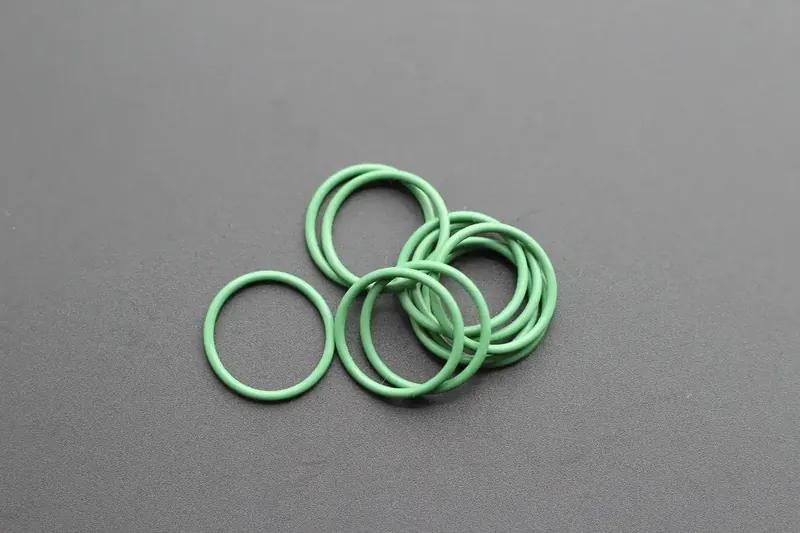
⚖️ O-Ring Weight Calculator
Estimate rubber O-ring weight (Approx).