Technical Contents
Engineering Guide: Ww Grainger Amarillo

Engineering Insight: The Critical Role of Material Selection in Industrial Rubber Applications
In industrial environments, rubber components are subjected to extreme mechanical stress, chemical exposure, temperature fluctuations, and dynamic operational conditions. When sourcing through general industrial suppliers such as WW Grainger Amarillo, engineers often default to off-the-shelf rubber products due to availability and perceived cost efficiency. However, these standardized solutions frequently fail to meet the specific performance demands of critical applications, leading to premature degradation, unplanned downtime, and increased total cost of ownership.
The root cause of such failures lies in inadequate material selection. Off-the-shelf rubber components are typically manufactured using generic elastomers such as standard nitrile (NBR) or natural rubber (NR), which may not be optimized for the unique chemical, thermal, or mechanical requirements of a given system. For instance, exposure to ozone, hydraulic fluids, or elevated temperatures can rapidly deteriorate materials not specifically formulated to resist these conditions. In dynamic sealing or vibration isolation applications, even minor deviations in hardness, tensile strength, or compression set can result in functional failure.
At Suzhou Baoshida Trading Co., Ltd., we emphasize engineered material selection as a foundational step in rubber component design. Our approach begins with a comprehensive analysis of the operating environment—considering fluid compatibility, temperature range, load dynamics, and service life expectations. This enables the precise formulation of elastomers such as hydrogenated nitrile (HNBR), fluorocarbon (FKM), ethylene propylene diene monomer (EPDM), or specialty silicone compounds tailored to the application.
Custom-formulated rubber compounds offer superior resistance to aging, swelling, and mechanical fatigue. For example, in high-temperature hydraulic systems, FKM provides exceptional resilience above 200°C, whereas standard NBR begins to degrade at 120°C. Similarly, EPDM exhibits outstanding resistance to steam and polar fluids, making it ideal for industrial washing and sanitation equipment where off-the-shelf NBR seals often fail.
The following table illustrates key performance characteristics of commonly used industrial elastomers:
| Material | Temperature Range (°C) | Tensile Strength (MPa) | Fluid Resistance | Typical Applications |
|---|---|---|---|---|
| NBR | -30 to 120 | 15–20 | Oil, fuel, water | Hydraulic seals, O-rings |
| HNBR | -40 to 150 | 25–30 | High oil, heat | Automotive, industrial pumps |
| FKM | -20 to 230 | 10–18 | Acids, oils, steam | Chemical processing, aerospace |
| EPDM | -50 to 150 | 12–16 | Water, steam, alkalis | HVAC, washdown systems |
| Silicone | -60 to 200 | 6–10 | Heat, ozone | Medical, food-grade seals |
Material selection is not a commodity decision—it is an engineering imperative. Relying on generic rubber components from broad-line distributors risks system integrity and long-term reliability. At Suzhou Baoshida, we deliver precision-engineered rubber solutions that align with OEM specifications and field demands, ensuring durability, compliance, and performance under real-world conditions.
Material Specifications

Industrial Rubber Material Specifications: Viton, Nitrile, and Silicone
Suzhou Baoshida Trading Co., Ltd. provides engineered rubber solutions meeting stringent OEM requirements for industrial applications. Material selection is critical for seal longevity, chemical compatibility, and operational safety. This section details the core specifications of Viton (FKM), Nitrile (NBR), and Silicone (VMQ) elastomers, emphasizing performance boundaries under industrial stressors. Each material exhibits distinct molecular properties dictating its suitability for specific environments, from hydrocarbon exposure to extreme thermal cycling. Understanding these parameters prevents premature failure in critical machinery.
Viton fluorocarbon rubber delivers exceptional resistance to aggressive chemicals, including fuels, acids, and aromatic hydrocarbons. Its fluorine content enables continuous service from -20°C to +230°C, with intermittent peaks at 300°C. Viton maintains integrity in oil and gas applications involving H2S or amine-based compounds, where standard elastomers degrade. However, it exhibits poor resistance to ketones, esters, and organic acids. Tensile strength typically ranges 10–20 MPa (ASTM D412), with hardness options from 60 to 90 Shore A. This material is optimal for aerospace seals, chemical processing gaskets, and downhole drilling components requiring ISO 2230 compliance.
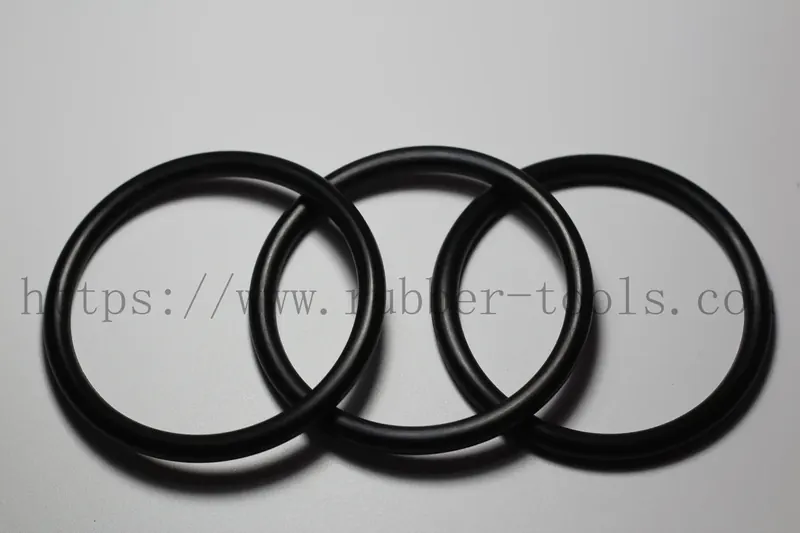
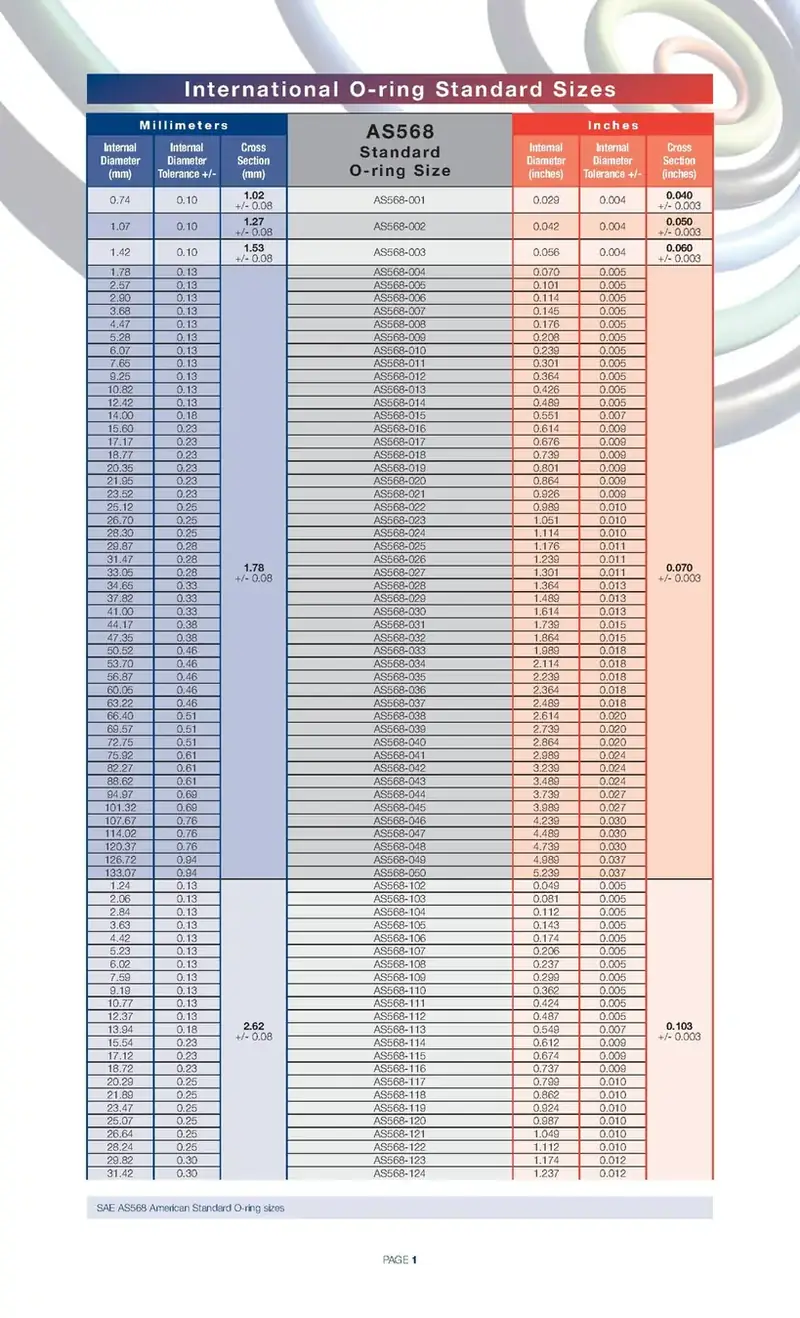
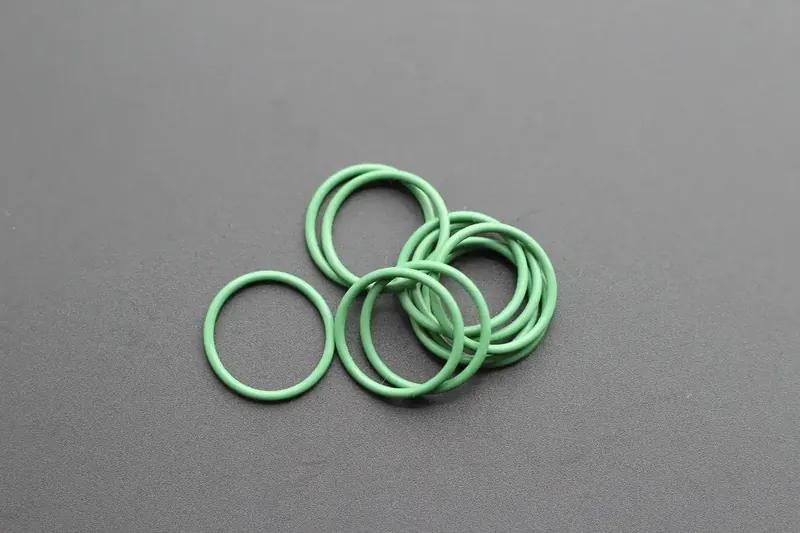
Nitrile butadiene rubber (NBR) offers cost-effective resilience against petroleum-based oils, hydraulic fluids, and aliphatic hydrocarbons. Operating effectively between -40°C and +120°C (extended to 150°C for short durations), NBR balances abrasion resistance and compression set performance. Its acrylonitrile content directly correlates with oil resistance; higher percentages (45–50%) enhance fuel compatibility but reduce low-temperature flexibility. Standard NBR achieves 15–25 MPa tensile strength and 50–90 Shore A hardness. Limitations include vulnerability to ozone, UV exposure, and polar solvents like acetone. NBR remains the standard for automotive fuel systems, hydraulic O-rings, and industrial pump seals per SAE AS568 specifications.
Silicone rubber excels in extreme temperature stability (-60°C to +200°C continuous, +230°C intermittent) and maintains flexibility across this range. Its silicon-oxygen backbone provides inherent resistance to ozone, UV radiation, and weathering, though it lacks robustness against petroleum derivatives. Silicone demonstrates excellent electrical insulation properties and biocompatibility (meeting USP Class VI). Typical tensile strength is 6–12 MPa, with hardness from 30 to 80 Shore A. Key weaknesses include low tear strength and susceptibility to compression set under prolonged load. Applications span medical device seals, food-grade diaphragms (FDA 21 CFR 177.2600), and high-temperature gaskets in semiconductor manufacturing.
The following table compares critical performance metrics for rapid OEM evaluation:
| Property | Viton (FKM) | Nitrile (NBR) | Silicone (VMQ) |
|---|---|---|---|
| Temperature Range (°C) | -20 to +230 | -40 to +120 | -60 to +200 |
| Tensile Strength (MPa) | 10–20 | 15–25 | 6–12 |
| Hardness Range (Shore A) | 60–90 | 50–90 | 30–80 |
| Key Chemical Resistance | Fuels, Acids, H2S | Petroleum Oils | Ozone, UV, Steam |
| Key Weaknesses | Ketones, Amines | Ozone, Polar Solvents | Petroleum, Tear |
| Typical Failure Modes | Swelling in esters | Cracking (ozone) | Compression set |
| ASTM Standard | D2000 EE | D2000 BG | D2000 GD |
Suzhou Baoshida ensures all compounds undergo rigorous batch testing per ISO 9001 protocols, with traceable certifications for aerospace (AS9100) and automotive (IATF 16949) sectors. Material selection must align with fluid compatibility charts and dynamic stress analysis; our engineering team provides OEM-specific validation data to mitigate field failures. Contact our technical department for application-specific formulation support.
Manufacturing Capabilities

Engineering Capability
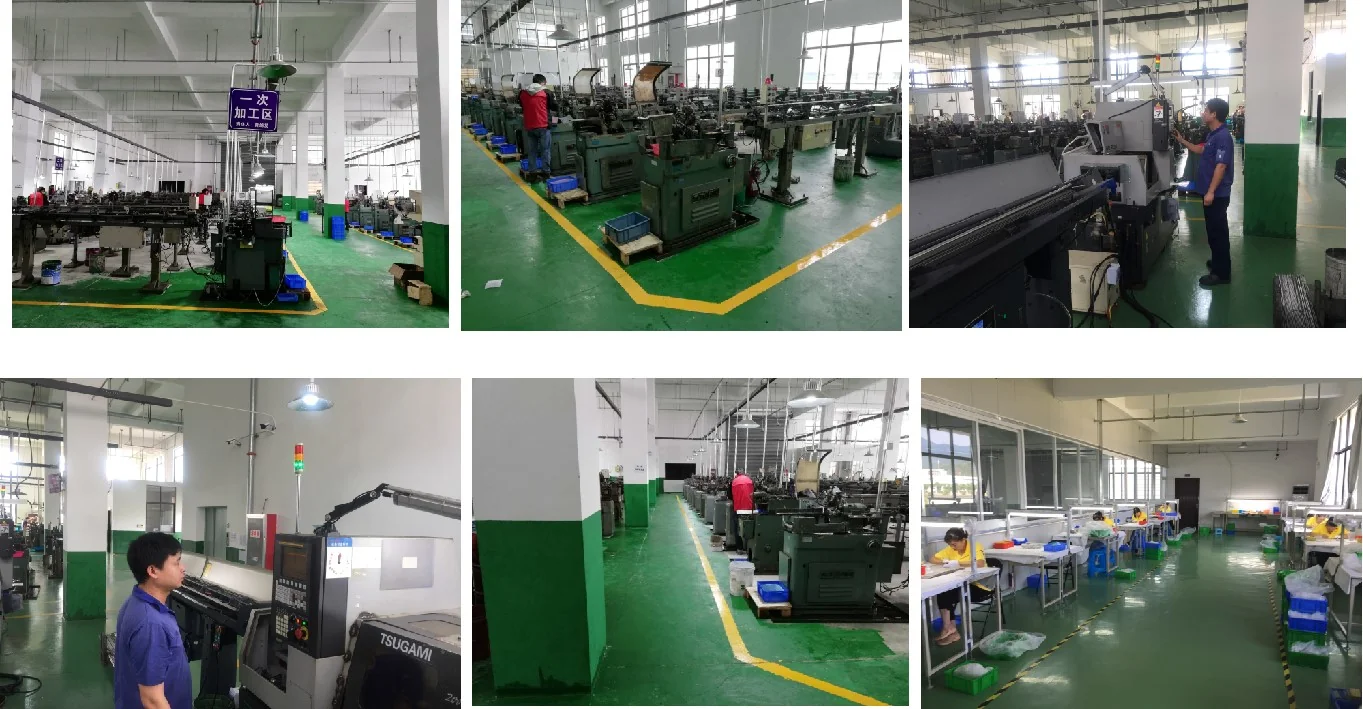
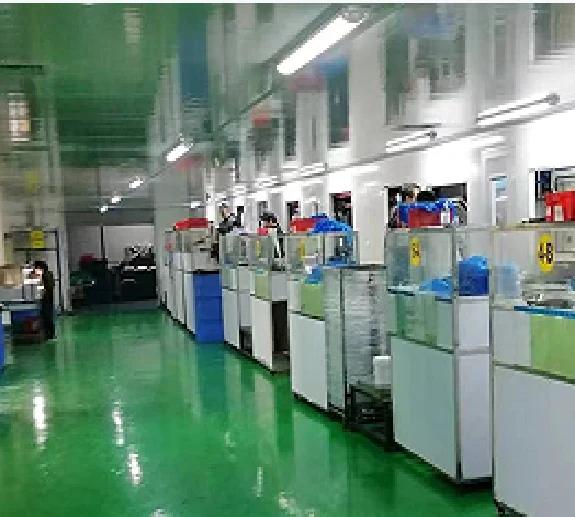
At Suzhou Baoshida Trading Co., Ltd., our engineering division forms the technical backbone of our industrial rubber manufacturing operations. With a dedicated team of five certified mould engineers and two specialized rubber formulation engineers, we maintain full in-house control over product development, material science, and precision tooling. This integrated engineering capability enables us to deliver high-performance rubber components tailored to the exacting standards of industrial OEMs, including key partners such as WW Grainger in Amarillo.
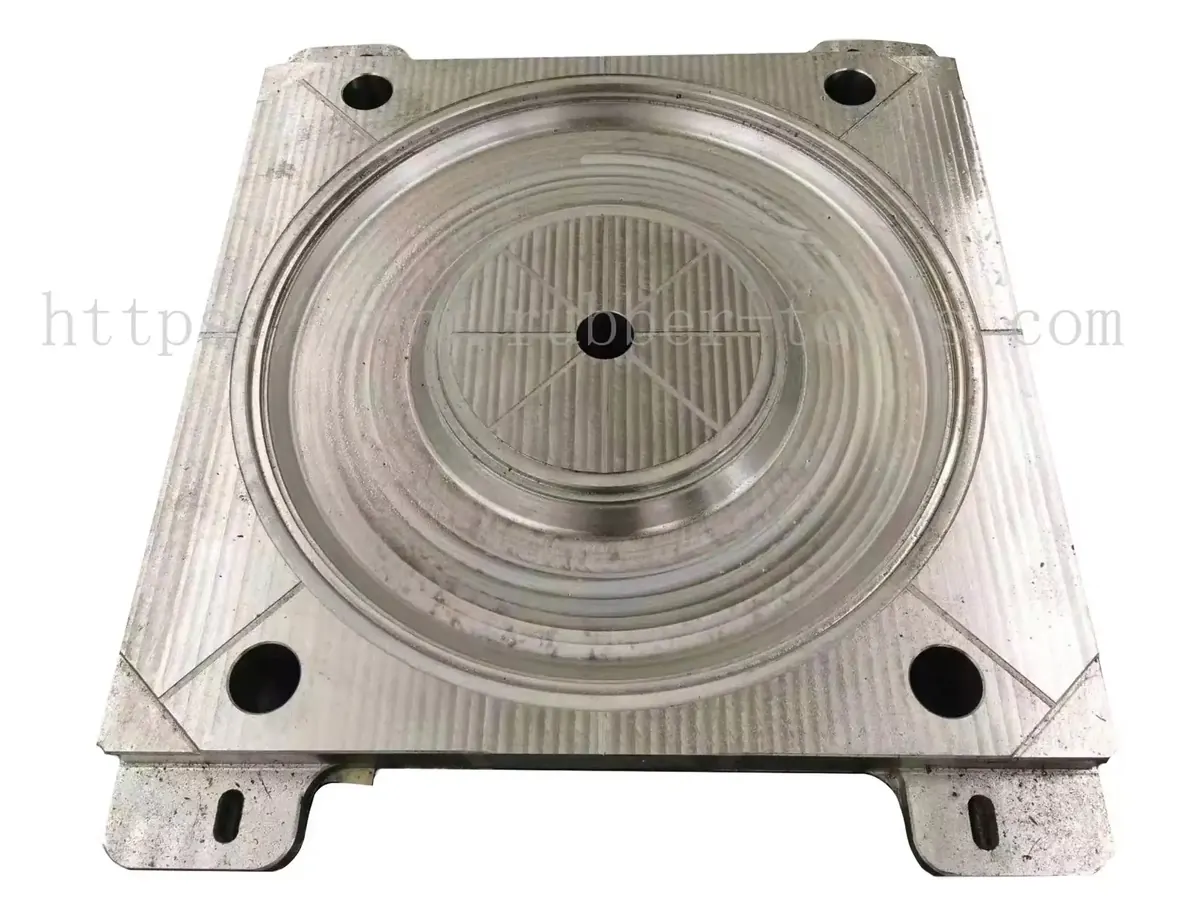
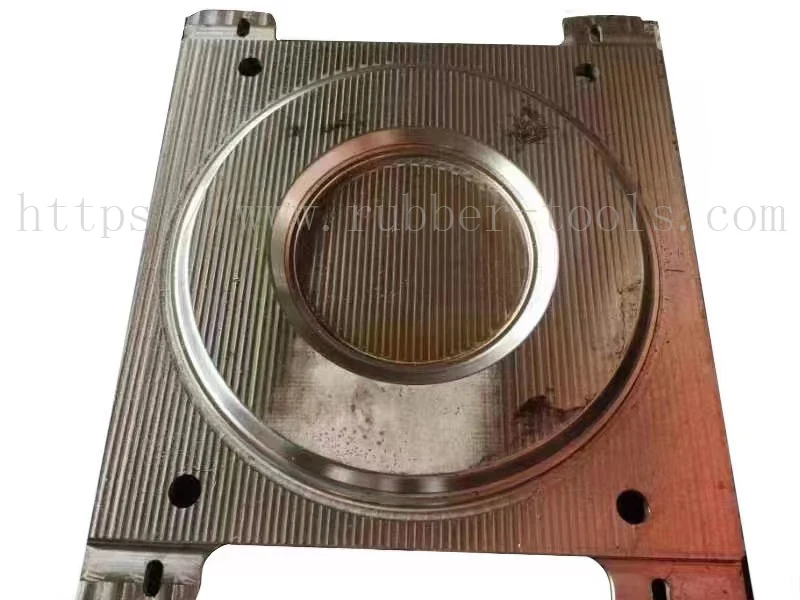
Our mould engineers possess extensive experience in the design, simulation, and optimization of rubber compression, transfer, and injection moulds. Utilizing advanced CAD/CAM software—including SolidWorks, AutoCAD, and Moldflow—they develop precision tooling that ensures dimensional accuracy, repeatability, and extended service life. Each design undergoes rigorous finite element analysis (FEA) to predict material flow, curing behavior, and potential stress points, minimizing trial iterations and accelerating time-to-market. All tooling is fabricated using hardened steel or stainless steel alloys, with surface treatments applied as needed for abrasion resistance or corrosion protection.
Complementing our tooling expertise, our two rubber formulation engineers lead material development efforts focused on performance, durability, and environmental compliance. They formulate custom elastomer compounds based on NBR, EPDM, silicone, FKM, and CR, adjusting polymer ratios, filler types, vulcanizing agents, and additives to meet specific application demands such as temperature resistance, oil immersion, ozone exposure, or dynamic loading. Every compound is tested in-house for tensile strength, elongation, hardness (Shore A), compression set, and fluid resistance according to ASTM and ISO standards.
We operate as a certified OEM supplier, providing end-to-end development from prototype to mass production. Our clients benefit from design for manufacturability (DFM) reviews, rapid prototyping via 3D-printed mould inserts, and full documentation packages including material certifications, PPAP, and FAI reports. This vertical integration of mould design, compound engineering, and production ensures consistency, traceability, and compliance with industrial quality systems.
The following table outlines key technical specifications supported by our engineering team:
| Parameter | Capability Range | Testing Standard |
|---|---|---|
| Hardness (Shore A) | 30–90 ±5 | ASTM D2240 |
| Tensile Strength | Up to 25 MPa | ASTM D412 |
| Elongation at Break | Up to 600% | ASTM D412 |
| Compression Set (70h, 70°C) | ≤25% | ASTM D395 |
| Temperature Range | -40°C to +250°C (FKM) | ASTM D1329 |
| Mould Tolerances | ±0.05 mm (critical dimensions) | ISO 2768 |
| Lead Time (Prototype) | 15–25 days | — |
Through this robust engineering framework, Suzhou Baoshida delivers technically advanced, application-specific rubber solutions that meet the operational demands of industrial supply chains. Our collaboration with distribution leaders like WW Grainger in Amarillo underscores our capacity to maintain quality, scalability, and technical responsiveness in global OEM partnerships.
Customization Process

Customization Process for Industrial Rubber Components
Suzhou Baoshida Trading Co., Ltd. executes a rigorously defined customization pathway for industrial rubber solutions, ensuring precision alignment with WW Grainger Amarillo’s operational demands. Our four-phase methodology eliminates design-to-production ambiguities while adhering to ASTM, ISO, and OEM-specific standards.
Phase 1: Drawing Analysis
Engineering teams conduct granular dimensional and functional scrutiny of client technical drawings. Critical parameters—including tolerance stack-ups, sealing interfaces, and dynamic stress points—are cross-referenced against material science databases. We identify latent risks such as compression set vulnerabilities in high-temperature zones or extrusion gaps under pressure. This phase concludes with a formal Design for Manufacturability (DFM) report, detailing geometric optimizations to enhance part longevity without compromising functional intent.
Phase 2: Formulation Development
Leveraging Suzhou Baoshida’s proprietary compound library, we initiate polymer backbone selection based on the DFM output. Fluid resistance requirements dictate base polymer choice (e.g., FKM for hydrocarbon exposure), while temperature extremes guide cure system engineering. Peroxide curing is mandated for -40°C to 200°C stability, whereas sulfur systems are reserved for static applications below 120°C. Fillers, plasticizers, and anti-degradants are precisely dosed to achieve target hardness (Shore A), tensile strength, and compression set—all validated via Mooney viscosity and cure rheometry pre-prototyping.
Phase 3: Prototyping & Validation
Low-volume prototypes are produced using production-intent tooling and molding parameters. Each component undergoes accelerated life testing per ASTM D2000 standards, including:
Fluid immersion at 150°C for 72 hours
Dynamic compression set cycling (100,000 cycles)
Tensile retention after thermal aging
Failure modes are traced to molecular-level formulation gaps, triggering iterative adjustments. Only upon achieving ≤15% compression set at maximum service temperature and zero fluid-induced swelling does the compound advance.
Phase 4: Mass Production
Validated formulations transition to ISO 9001:2015-certified production lines with embedded Statistical Process Control (SPC). Real-time monitoring of barrel temperature, injection pressure, and cure time ensures batch-to-batch consistency. Every shipment includes material traceability logs and first-article inspection reports against the approved drawing.
Critical Rubber Compound Specifications for Oil & Gas Applications
| Material Type | Key Properties | Typical Applications | Critical Performance Metrics |
|---|---|---|---|
| Hydrogenated Nitrile (HNBR) | Excellent heat/ozone resistance; Low-temperature flexibility | Rotary shaft seals, Downhole tool O-rings | -40°C to 150°C continuous service; ≤20% fluid swell in AR 4057 oil; Compression set ≤25% @ 125°C/70h |
| Fluorocarbon (FKM) | Superior chemical resistance; High thermal stability | Valve stem seals, Fuel system gaskets | -20°C to 200°C continuous service; ≤10% swell in sour gas environments; Tensile retention >80% after 168h @ 200°C |
| Ethylene Propylene (EPDM) | Outstanding steam/weather resistance; Low compression set | Pump diaphragms, Cooling system hoses | -50°C to 135°C service; Compression set ≤15% @ 125°C/22h; Volume resistivity >10¹⁴ Ω·cm |
This structured workflow guarantees that every rubber component shipped to WW Grainger Amarillo meets stringent field performance criteria while minimizing time-to-deployment. Suzhou Baoshida’s closed-loop engineering process transforms technical drawings into mission-critical assets with zero compromise on reliability.
Contact Engineering Team

Contact Suzhou Baoshida Trading Co., Ltd. for Advanced Industrial Rubber Solutions
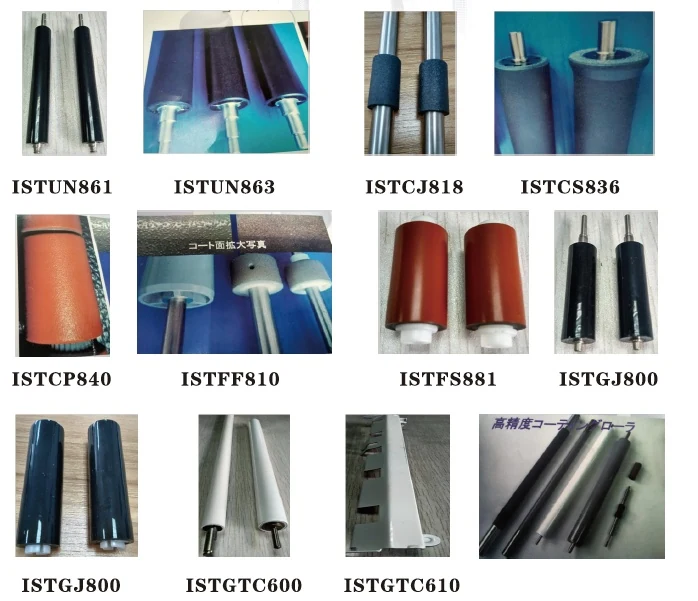
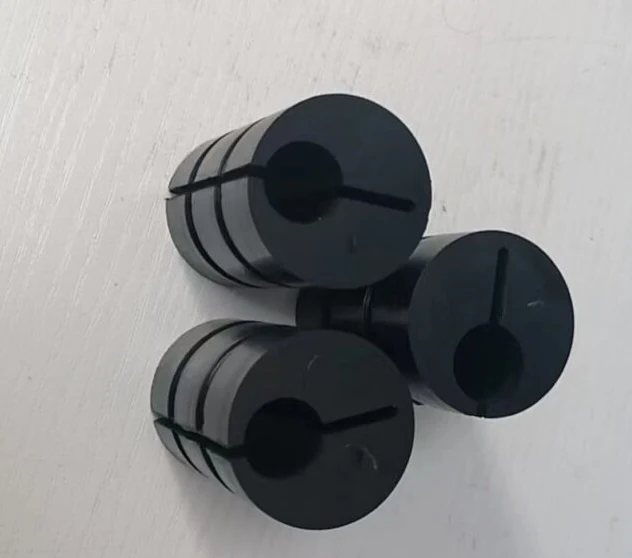
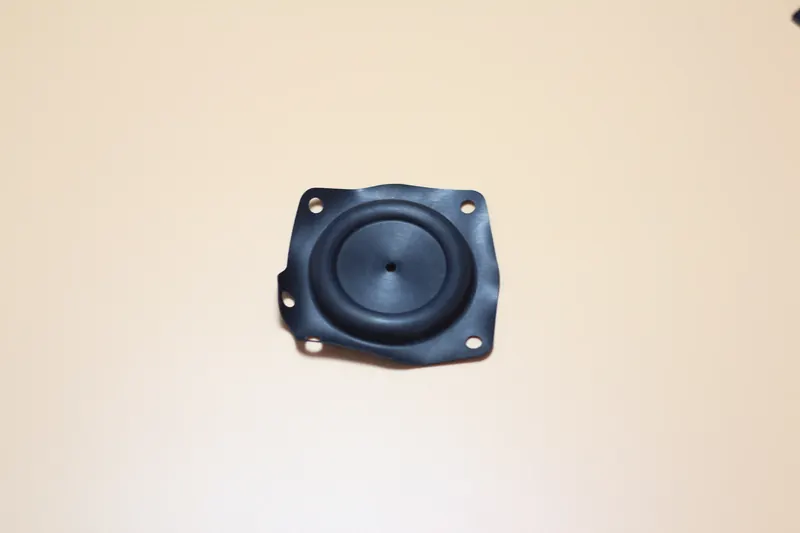
Suzhou Baoshida Trading Co., Ltd. stands at the forefront of industrial rubber manufacturing, delivering high-performance elastomeric components tailored to the rigorous demands of global OEMs and industrial supply chains. As a trusted partner to leading distributors such as WW Grainger in Amarillo and beyond, we specialize in engineered rubber products that meet exacting standards for durability, chemical resistance, temperature tolerance, and mechanical performance. Our portfolio includes custom-molded seals, gaskets, diaphragms, rollers, and anti-vibration components designed for sectors including oil & gas, petrochemical processing, heavy equipment, and industrial automation.
When sourcing from Suzhou Baoshida, clients benefit from vertically integrated production processes, ISO 9001-certified quality control, and a deep understanding of North American industrial specifications. We support bulk procurement with consistent batch-to-batch repeatability, full material traceability, and compliance with ASTM, SAE, and MIL standards. Whether you require standard formulations or advanced compound development—such as fluorocarbon (FKM), ethylene propylene diene monomer (EPDM), nitrile (NBR), or silicone (VMQ)—our technical team ensures optimal material selection for your application environment.
Our collaboration with industrial supply leaders like WW Grainger underscores our commitment to reliability, on-time delivery, and responsive technical service. For procurement managers and engineering teams seeking a long-term rubber solutions partner, direct engagement with our OEM division accelerates project timelines and reduces total cost of ownership.
To initiate technical discussions, request samples, or submit a quotation for custom or catalog rubber components, contact Mr. Boyce, OEM Account Manager at Suzhou Baoshida Trading Co., Ltd. Mr. Boyce brings over 15 years of experience in international rubber supply chain management and serves as the primary liaison for North American distribution networks. He is available to provide detailed product specifications, lead time schedules, and compliance documentation tailored to your operational requirements.
For fastest response, email [email protected] with your application details, performance criteria, and volume needs. We respond to all technical inquiries within 4 business hours and offer virtual engineering consultations to align our manufacturing capabilities with your design intent.
Below is an overview of our core material capabilities and performance ranges:
| Material Type | Hardness Range (Shore A) | Temperature Range (°C) | Key Resistance Properties |
|---|---|---|---|
| Nitrile (NBR) | 50–90 | -30 to +120 | Oil, fuel, abrasion |
| EPDM | 50–85 | -50 to +150 | Ozone, steam, weathering |
| FKM (Viton®) | 60–90 | -20 to +230 | High heat, chemicals, oil |
| Silicone (VMQ) | 40–80 | -60 to +200 | Extreme cold, UV, biocompatibility |
| Neoprene | 50–80 | -40 to +100 | Flame, sunlight, moderate oils |
Partner with Suzhou Baoshida for precision rubber components backed by science, engineered for performance, and delivered with industrial reliability. Contact Mr. Boyce today at [email protected] to strengthen your supply chain with proven elastomeric solutions.
⚖️ O-Ring Weight Calculator
Estimate rubber O-ring weight (Approx).