Advantages And Disadvantages Of Rubber Manufacturer | Engineering Guide

Engineering Guide: Advantages And Disadvantages Of Rubber

advantages and disadvantages of rubber manufacturing

Engineering Insight: Advantages and Disadvantages of Rubber in Critical Applications

Material selection constitutes a foundational engineering decision with direct consequences for product longevity, safety, and operational cost. Industrial rubber compounds offer unique properties unmatched by rigid polymers or metals, yet their inherent limitations demand precise formulation. Generic off-the-shelf solutions frequently fail because they ignore application-specific stressors such as dynamic loading, chemical exposure, or temperature cycling. Understanding the nuanced balance between rubber’s advantages and disadvantages is non-negotiable for reliable component design.

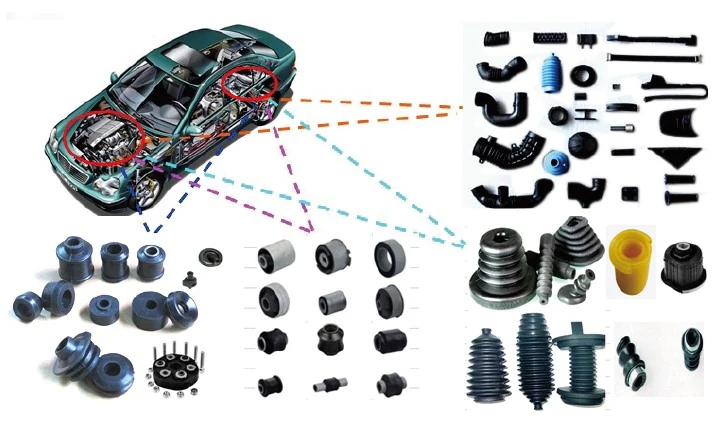
Rubber’s primary engineering advantages stem from its viscoelastic nature. Exceptional elasticity enables sustained compression set resistance in seals and gaskets, maintaining integrity under prolonged deformation. Superior damping characteristics absorb vibration and impact energy, protecting sensitive machinery. Furthermore, rubber provides inherent electrical insulation and effective fluid sealing across fluctuating pressures. These properties make it indispensable for dynamic interfaces where metal-to-metal contact would cause failure. However, these benefits are highly formulation-dependent; a compound optimized for static sealing may catastrophically degrade under oscillation.

Critical disadvantages arise from rubber’s organic composition. All elastomers undergo thermo-oxidative degradation, accelerating at elevated temperatures and leading to hardening, cracking, or loss of tensile strength. Susceptibility to specific chemicals—oils, solvents, acids—varies drastically by polymer type; an NBR seal may swell in hydraulic fluid while an FKM variant remains stable. Environmental factors like ozone, UV radiation, and humidity induce surface cracking, particularly in unsaturated rubbers. Additionally, rubber exhibits nonlinear stress-strain behavior and permanent set after deformation, complicating precise mechanical modeling. Off-the-shelf compounds rarely account for synergistic stressors, such as simultaneous heat, oil immersion, and cyclic strain, resulting in premature field failures.

The following table summarizes key performance parameters for common industrial rubbers, illustrating why standardized solutions fail under complex duty cycles:

Material Temperature Range (°C) Key Strength Critical Limitation
EPDM -50 to +150 Excellent ozone/weather resistance Poor oil/fuel resistance
NBR -30 to +100 High oil/fuel resistance Limited heat resistance; ozone vulnerable
Silicone -60 to +230 Exceptional thermal stability Low tensile strength; poor abrasion resistance
FKM -20 to +200 Superior chemical/heat resistance High cost; poor low-temperature flexibility

Material selection must transcend basic property charts. A seal in offshore hydraulic systems requires simultaneous resistance to seawater, biodiesel, and pressure spikes—conditions where generic NBR fails within months. At Suzhou Baoshida Trading Co., Ltd., we engineer compounds by deconstructing the operational environment: fluid chemistry, dynamic loads, and failure mode analysis precede formulation. Standard compounds ignore these variables, leading to leakage, contamination, or unplanned downtime. Precision-tailored rubber solutions mitigate these risks by aligning molecular structure with real-world physics, transforming a vulnerable component into a mission-critical asset. The cost of customization pales against the lifecycle expenses of repeated field failures.


Material Specifications

advantages and disadvantages of rubber manufacturing

When selecting elastomeric materials for industrial applications, understanding the technical specifications and performance characteristics of rubber compounds is critical. At Suzhou Baoshida Trading Co., Ltd., we specialize in providing high-performance industrial rubber solutions tailored to demanding environments. Among the most widely used synthetic rubbers in precision manufacturing are Viton (FKM), Nitrile (NBR), and Silicone (VMQ). Each material offers a distinct balance of chemical resistance, thermal stability, mechanical strength, and cost-efficiency, making them suitable for specific operational conditions.

Viton, a fluorocarbon-based elastomer, is renowned for its exceptional resistance to high temperatures, oils, fuels, and aggressive chemicals. With a continuous service temperature range up to 230°C, Viton is ideal for aerospace, automotive, and chemical processing industries where reliability under extreme conditions is non-negotiable. Its low gas permeability and excellent aging characteristics further enhance its suitability for sealing applications in harsh environments. However, Viton is relatively expensive compared to other elastomers and exhibits limited flexibility at low temperatures.

Nitrile rubber, or Buna-N, is one of the most commonly used elastomers in industrial sealing due to its outstanding resistance to petroleum-based oils and fuels. It offers good abrasion resistance and mechanical strength, with a typical operating temperature range of -30°C to 120°C. Nitrile is cost-effective and widely available, making it a preferred choice for hydraulic systems, gaskets, and O-rings in automotive and machinery applications. The primary limitation of NBR is its poor resistance to ozone, UV exposure, and polar solvents, which can lead to degradation in outdoor or chemically aggressive environments.

Silicone rubber excels in applications requiring extreme temperature resilience, with a service range from -60°C to 200°C. It demonstrates excellent electrical insulation properties and high biocompatibility, making it suitable for medical devices, food processing equipment, and electronic insulation. Silicone also maintains flexibility over a wide temperature spectrum and resists aging from ozone and UV radiation. However, it has relatively low tensile strength and poor resistance to petroleum-based fluids, limiting its use in high-stress mechanical or oil-exposed environments.

The following table presents a comparative analysis of key material properties to assist in informed selection:

Property Viton (FKM) Nitrile (NBR) Silicone (VMQ)
Temperature Range (°C) -20 to 230 -30 to 120 -60 to 200
Tensile Strength (MPa) 15–25 10–20 5–8
Elongation at Break (%) 200–300 250–500 200–700
Hardness (Shore A) 60–90 50–90 30–80
Resistance to Oils/Fuels Excellent Excellent Poor
Resistance to Ozone/UV Excellent Fair Excellent
Electrical Insulation Good Fair Excellent
Compression Set Resistance Excellent Good Good
Cost Level High Low to Medium Medium

Selecting the appropriate rubber material requires a thorough evaluation of operational parameters, including temperature extremes, chemical exposure, mechanical stress, and lifecycle requirements. At Suzhou Baoshida Trading Co., Ltd., we support OEMs and industrial clients with data-driven material recommendations and precision-engineered rubber components that meet exacting performance standards.


Manufacturing Capabilities

advantages and disadvantages of rubber manufacturing

Engineering Capability: Precision Rubber Solutions Through Advanced Material Science

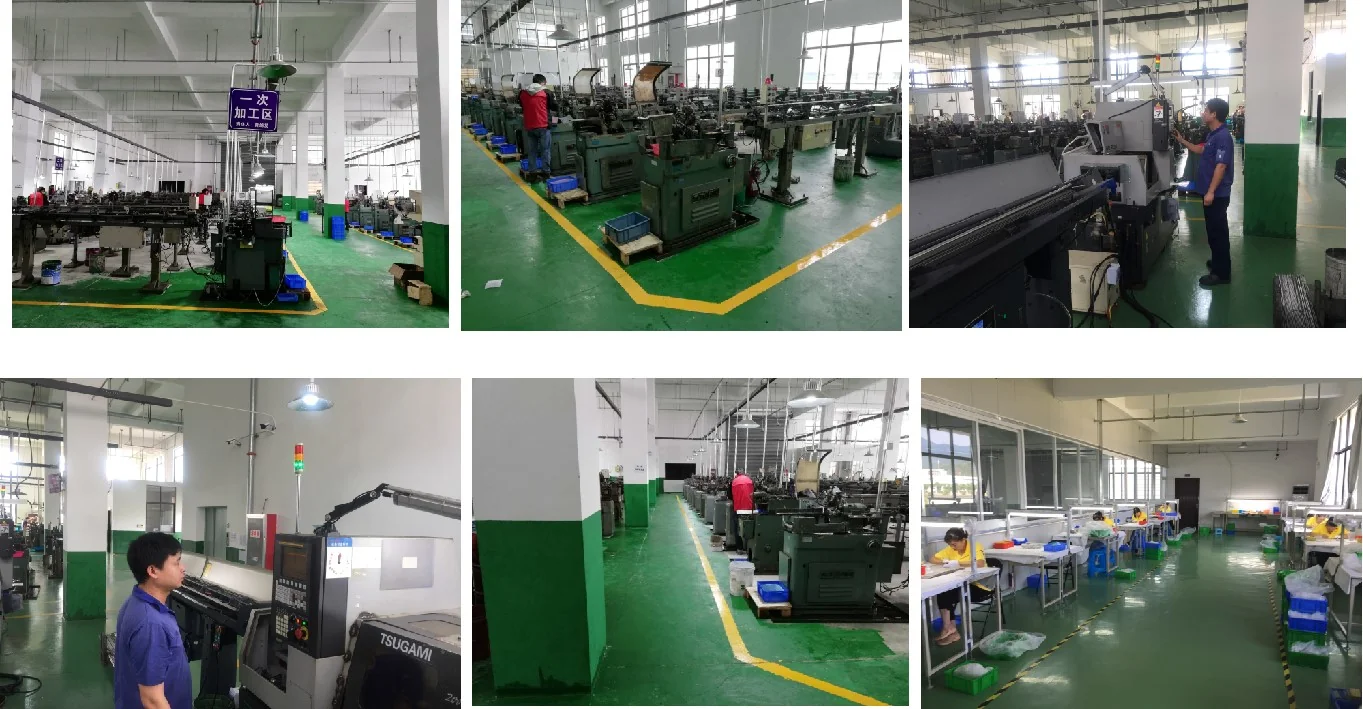
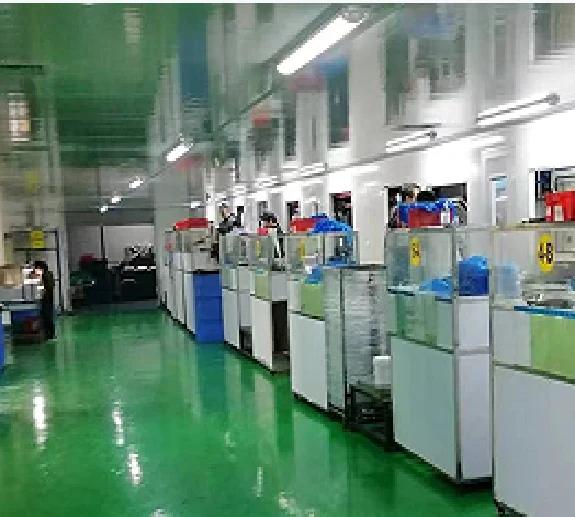
Suzhou Baoshida Trading Co., Ltd. leverages deep expertise in rubber formulation and mold engineering to transform inherent material limitations into competitive advantages for industrial clients. Our dedicated team—comprising five specialized mold engineers and two advanced formula engineers—addresses critical rubber challenges through data-driven customization, ensuring optimal performance in demanding applications. While rubber offers unparalleled elasticity, sealing, and vibration damping, its susceptibility to environmental degradation, compression set, and temperature sensitivity requires rigorous scientific intervention. Our engineers systematically mitigate these disadvantages via proprietary compound design and precision tooling, converting theoretical weaknesses into application-specific strengths.

Key rubber properties and our engineered solutions are quantified below, reflecting ASTM D2000 and ISO 37 compliance standards:

Property Standard Range (Generic) Baoshida-Optimized Range Engineering Intervention Method
Tensile Strength (MPa) 5–20 18–32 Nano-silica reinforcement + Peroxide curing
Compression Set (70°C, 22h) 20–50% 8–15% High-purity EPDM + Controlled crosslink density
Temperature Range (°C) -30 to +100 -55 to +150 FKM/HNBR hybrid formulations + Stabilizer packages
Abrasion Loss (mm³) 80–200 45–75 Carbon-black dispersion optimization
Fluid Resistance (Oil) Moderate Exceptional Custom NBR/ACM blends with 30%+ acrylonitrile

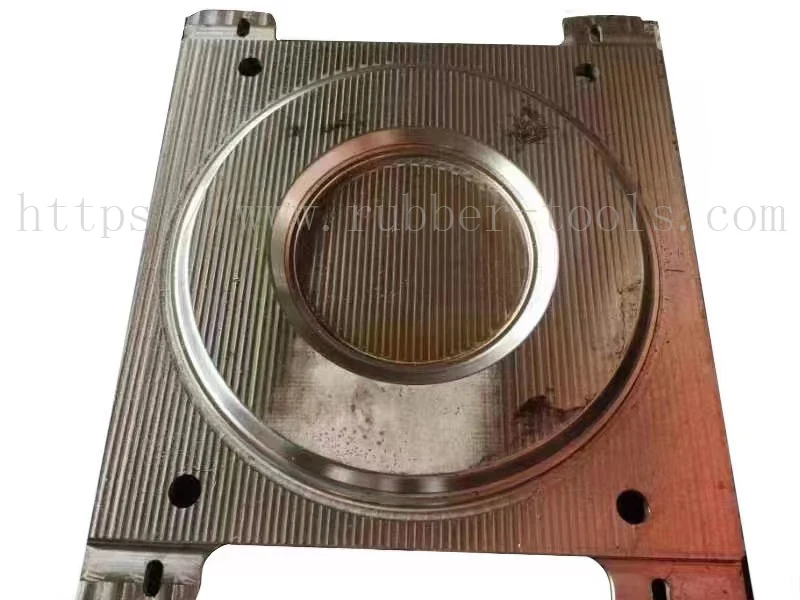
Our formula engineers develop compounds targeting specific failure modes. For instance, ozone cracking in outdoor seals is eliminated through saturated backbone polymers (e.g., EPDM) coupled with sacrificial antiozonants, validated via 500-hour ASTM D1149 testing. Similarly, compression set—the critical weakness in dynamic seals—is reduced to ≤12% through precise peroxide curing systems that maintain elasticity under sustained load. Mold engineers then translate these formulations into production reality via finite element analysis (FEA)-driven tool design, optimizing gate placement and cooling channels to prevent knit lines and sink marks that compromise structural integrity.

As an OEM partner, we integrate engineering resources across the product lifecycle. From initial CAD-based feasibility studies to PPAP documentation, our team ensures manufacturability while exceeding performance targets. Clients benefit from accelerated NPI timelines—reduced by 22% through concurrent engineering—and zero-escape quality via in-house rheometry, DMA, and accelerated aging labs. Unlike commodity suppliers, we treat rubber not as a generic material but as a tunable engineering system. Whether enhancing fuel hose resistance to biofuels or developing conductive silicone for EMI shielding, our dual-engineer model (formula + mold) guarantees that material science and production physics are harmonized from molecule to finished part. This precision-driven approach transforms rubber’s theoretical disadvantages into field-proven reliability, directly supporting client sustainability and operational cost goals.


Customization Process

advantages and disadvantages of rubber manufacturing

Drawing Analysis: The Foundation of Precision Rubber Solutions

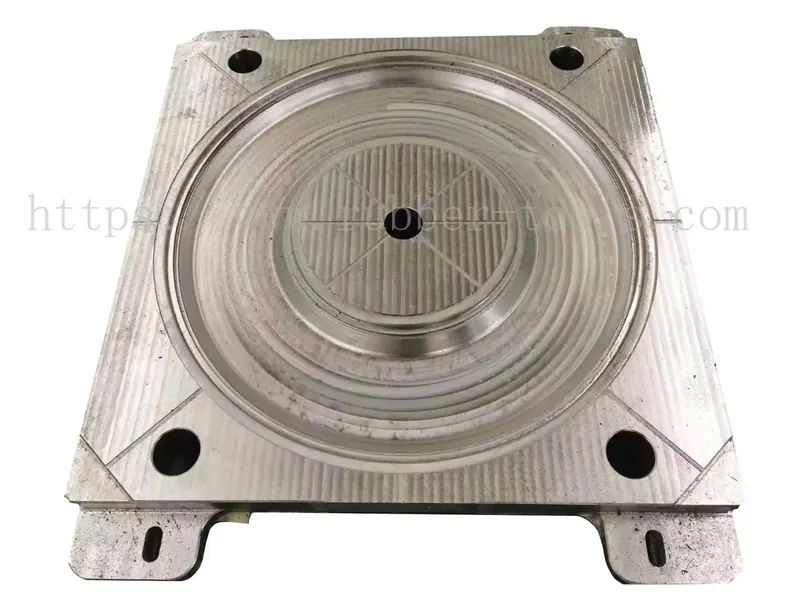
At Suzhou Baoshida Trading Co., Ltd., the customization process begins with rigorous drawing analysis. This initial step ensures that every dimension, tolerance, and functional requirement is fully understood before material selection begins. Our engineering team evaluates CAD files, technical schematics, and OEM specifications to identify critical features such as sealing surfaces, load-bearing zones, and environmental exposure conditions. We assess draft angles, wall thickness, and parting lines to anticipate molding challenges. This phase is critical in preventing dimensional inaccuracies and ensuring long-term performance under operational stress. Our software-integrated review process allows for early detection of design flaws, reducing time-to-prototype and minimizing costly revisions.

Formulation: Engineering Performance at the Molecular Level

Once design parameters are validated, we proceed to rubber formulation—a core competency that defines the functional lifespan of the final product. Based on the application environment, we select base polymers such as Nitrile (NBR), EPDM, Silicone (VMQ), or Fluorocarbon (FKM), each offering distinct advantages in temperature resistance, chemical stability, and mechanical strength. Our in-house compounding laboratory tailors formulations by adjusting sulfur content, filler ratios (e.g., carbon black, silica), plasticizers, and anti-oxidants to meet exact Shore A hardness, compression set, and elongation requirements. For example, oil-resistant seals for automotive transmissions require high-acrylonitrile NBR with reinforced cross-linking, while medical-grade components demand platinum-cured silicone with USP Class VI compliance. Every formulation is documented and archived for batch traceability and regulatory adherence.

Prototyping: Validating Design and Material Synergy

Prototyping transforms theoretical design and chemistry into physical performance. Using precision CNC-machined molds or 3D-printed tooling, we produce small-batch samples for functional testing. These prototypes undergo rigorous evaluation, including tensile strength analysis, thermal cycling, fluid immersion, and dynamic compression testing. Feedback from this stage informs iterative adjustments to both geometry and compound composition. Our rapid prototyping capabilities enable turnaround within 7–10 days, accelerating client validation cycles without compromising data integrity. Clients receive detailed test reports, including dimensional inspection sheets and material certificates, ensuring full transparency before scale-up.

Mass Production: Consistency Through Controlled Processes

Upon approval, we transition to mass production using fully automated rubber injection or compression molding lines. Each batch is produced under ISO 9001-certified conditions with real-time monitoring of temperature, cure time, and pressure. In-process quality checks ensure lot-to-lot consistency, while final inspection includes visual grading, dimensional verification, and random sampling for physical property testing.

Typical Rubber Material Properties at Suzhou Baoshida

Material Temperature Range (°C) Hardness Range (Shore A) Key Advantages Common Applications
NBR -30 to +120 50–90 Excellent oil and fuel resistance Seals, O-rings, gaskets
EPDM -50 to +150 50–85 Superior ozone and UV resistance Automotive weatherstripping, HVAC seals
Silicone (VMQ) -60 to +230 30–80 High thermal stability, biocompatible Medical devices, food-grade components
FKM -20 to +250 60–90 Outstanding chemical and heat resistance Aerospace seals, chemical processing

Through this structured, science-driven approach, Suzhou Baoshida delivers rubber components that meet the exact functional, regulatory, and durability demands of industrial OEMs.


Contact Engineering Team

advantages and disadvantages of rubber manufacturing

Contact Suzhou Baoshida for Precision Rubber Solutions Engineering

Understanding the inherent trade-offs in rubber material selection—elasticity versus compression set, chemical resistance versus cost, temperature stability versus processing complexity—is critical for optimizing industrial component performance and lifecycle costs. At Suzhou Baoshida Trading Co., Ltd., we transform these complexities into engineered advantages through rigorous formula development and OEM-centric manufacturing. Our technical team specializes in mitigating rubber’s traditional disadvantages—such as thermal degradation in high-heat environments or swelling in aggressive chemical exposures—by leveraging proprietary compounding techniques and advanced polymer science. We do not merely supply rubber; we deliver validated material solutions calibrated to your exact operational parameters, ensuring dimensional stability, extended service life, and reduced total cost of ownership.

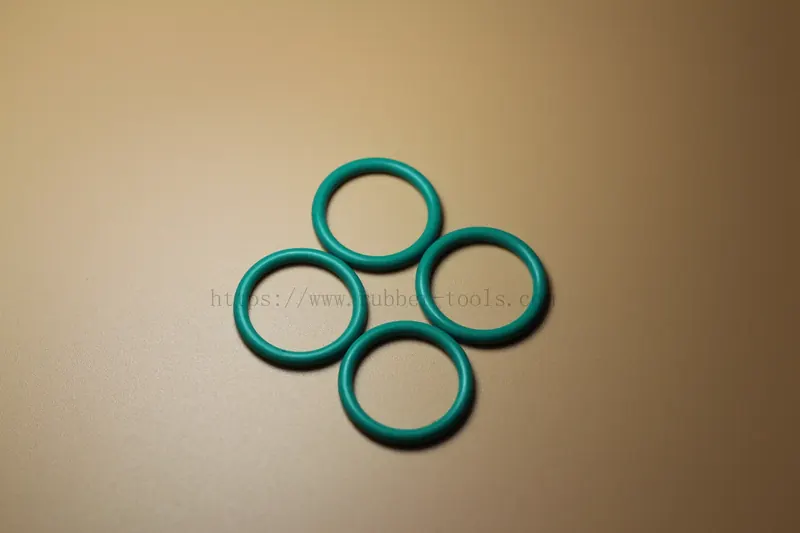
Our core competency lies in tailoring formulations to neutralize application-specific weaknesses while amplifying inherent strengths. For instance, where standard nitrile rubber (NBR) may exhibit poor ozone resistance, our modified NBR variants integrate synergistic stabilizers to achieve ASTM D2000 Grade HK performance without sacrificing fuel resistance. Below is a representative snapshot of our engineered material capabilities addressing common rubber limitations:

Material Type Temperature Range (°C) Key Advantage Over Standard Rubber Typical Application Mitigation Target
Perfluoroelastomer (FFKM) -15 to 327 99.8% reduction in acid swelling vs. FKM Semiconductor wet etch components
Hydrogenated NBR (HNBR) -40 to 160 40% lower compression set at 150°C vs. NBR Automotive turbocharger hoses
Peroxide-Cured EPDM -55 to 180 Zero reversion after 1,000h @ 150°C Medical device sterilization seals

These formulations exemplify our systematic approach: we isolate failure modes identified in your rubber component analysis—whether extrusion in dynamic seals or loss of tensile strength after UV exposure—and deploy targeted molecular modifications. Our ISO 9001-certified production lines utilize closed-mixing systems with real-time rheometry monitoring, ensuring batch-to-batch durometer stability within ±1.5 Shore A. This precision directly counteracts rubber’s reputation for inconsistent performance, turning material variability into a controlled engineering parameter. Partnering with us means accessing decades of compound development data across 12 industrial sectors, from aerospace fluid systems to mining conveyor lagging.

To initiate a technical consultation, contact Mr. Boyce, our dedicated OEM Solutions Manager, who will coordinate immediate material testing against your specifications. Mr. Boyce holds a Master’s in Polymer Engineering and directs our application engineering team to provide actionable data—not generic catalogs—within 72 hours of sample receipt. Forward your ASTM D2000 line callouts, fluid exposure matrices, or failure analysis reports to [email protected]. Specify your project timeline and performance thresholds; we will respond with a validated formulation proposal, including accelerated aging test protocols and cost-impact analysis. Do not compromise on rubber’s critical role in your product integrity—Suzhou Baoshida delivers engineered certainty where standard suppliers offer only commodities. Engage our technical team today to convert rubber’s theoretical disadvantages into your competitive advantage.


⚖️ O-Ring Weight Calculator

Estimate rubber O-ring weight (Approx).


Advantages And Disadvantages Of Rubber Manufacturer | Engineering Guide

Contents of Table

Contact [email protected] Whatsapp 86 15951276160