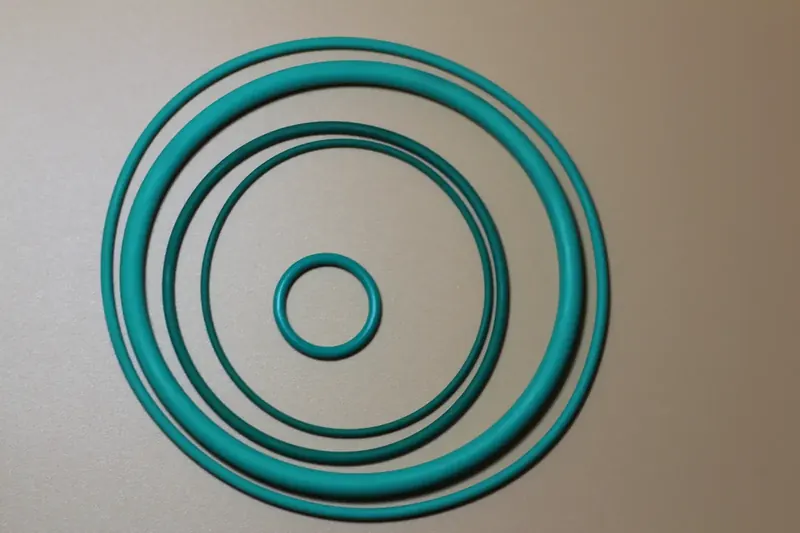
Metric Rubber Grommets Manufacturer | Engineering Guide

Engineering Guide: Metric Rubber Grommets

metric rubber grommets manufacturing

Engineering Insight: The Critical Role of Material Selection in Metric Rubber Grommets

In industrial applications, metric rubber grommets serve as essential components for protecting cables, wires, and tubing as they pass through metal or plastic panels. While they may appear to be simple, passive elements in an assembly, their performance is fundamentally tied to the precision of material selection. Off-the-shelf grommets, though convenient and cost-effective for low-demand environments, frequently fail in rigorous industrial settings due to mismatched material properties. Understanding the engineering rationale behind elastomer selection is crucial to ensuring long-term reliability, safety, and system integrity.

The primary failure modes of generic grommets—cracking, compression set, swelling, and loss of elasticity—often stem from inadequate resistance to environmental stressors such as temperature extremes, UV exposure, ozone, oils, and chemicals. For instance, a standard natural rubber grommet may perform adequately in a dry, indoor environment but will degrade rapidly when exposed to engine oils or outdoor weathering. Similarly, silicone rubber, while excellent for high-temperature applications, lacks the tensile strength and abrasion resistance needed in dynamic mechanical assemblies.

Material selection must be driven by application-specific requirements. Nitrile (NBR) rubber offers superior resistance to petroleum-based fluids, making it ideal for automotive and hydraulic systems. EPDM rubber excels in outdoor environments due to its outstanding resistance to UV, ozone, and weathering—common in transportation and renewable energy sectors. For highly aggressive chemical environments, fluorocarbon (FKM) materials provide exceptional stability, albeit at a higher cost. Each elastomer has a defined service temperature range, hardness profile, and compression set behavior, all of which must align with the operational demands of the grommet’s intended use.

Furthermore, dimensional stability under continuous load is a critical yet often overlooked factor. Many off-the-shelf grommets are manufactured using lower-grade compounds that exhibit significant compression set over time, leading to loosening, vibration-induced wear, and eventual failure. High-performance formulations, on the other hand, maintain their shape and sealing force, ensuring consistent protection and mechanical retention.

The following table outlines key material properties for common rubber types used in metric grommets:

Material Temperature Range (°C) Hardness (Shore A) Key Resistance Properties Typical Industrial Applications
NBR (Nitrile) -30 to +100 (short-term up to +125) 60–90 Oils, fuels, hydraulic fluids Automotive, machinery, hydraulics
EPDM -50 to +150 50–80 UV, ozone, weathering, water Outdoor enclosures, solar, rail
Silicone (VMQ) -60 to +200 40–80 High/low temperature, oxidation Electronics, medical, aerospace
FKM (Viton®) -20 to +200 (up to +250) 70–90 Chemicals, acids, hydrocarbons Petrochemical, semiconductor, pharma

Custom material formulation and precision molding processes allow Suzhou Baoshida Trading Co., Ltd. to deliver grommets engineered for exact operational conditions. By moving beyond generic solutions and focusing on material science, industrial designers can prevent premature failure, reduce maintenance costs, and enhance system longevity.


Material Specifications

metric rubber grommets manufacturing

Material Specifications for Metric Rubber Grommets

Selecting the optimal elastomer for metric rubber grommets is critical for ensuring long-term sealing integrity, environmental resistance, and functional reliability in industrial applications. At Suzhou Baoshida Trading Co., Ltd., we engineer grommets to exacting OEM standards using three primary high-performance compounds: Viton (FKM), Nitrile (NBR), and Silicone (VMQ). Each material offers distinct advantages tailored to specific operational demands, including temperature extremes, chemical exposure, and mechanical stress. Precision in material selection directly impacts grommet lifespan and system safety, particularly in automotive, aerospace, and fluid handling systems where failure is not an option.

Viton (FKM) delivers exceptional resistance to high temperatures, aggressive chemicals, and oils. Its fluorocarbon structure provides stable performance from -20°C to +230°C, with intermittent peaks up to 300°C. Viton grommets withstand exposure to jet fuels, hydraulic fluids, and aromatic hydrocarbons, making them indispensable in aerospace and chemical processing. However, this material commands a premium cost and exhibits limited flexibility at sub-zero temperatures.

Nitrile (NBR) remains the industry standard for cost-effective oil and fuel resistance. Operating effectively between -40°C and +120°C, NBR grommets excel in automotive fuel systems, hydraulic equipment, and general industrial machinery exposed to aliphatic hydrocarbons. Standard formulations achieve Shore A hardness of 70±5 and tensile strengths of 15-20 MPa. While vulnerable to ozone, ketones, and extreme heat, NBR offers superior abrasion resistance and compression set performance at economical price points.

Silicone (VMQ) provides the broadest operational temperature range (-60°C to +200°C) and outstanding biocompatibility. Its inert, non-toxic composition meets FDA and USP Class VI requirements, ideal for medical devices, food processing, and semiconductor manufacturing. Silicone maintains flexibility across extreme cold and resists UV/ozone degradation but exhibits lower tensile strength and poor resistance to concentrated acids and petroleum-based fluids.

The following table summarizes critical performance parameters for OEM decision-making:

Material Temperature Range (°C) Key Chemical Resistance Hardness Range (Shore A) Tensile Strength (MPa) Primary Applications
Viton (FKM) -20 to +230 (300 intermittent) Jet fuels, acids, hydraulic fluids, aromatics 60-90 10-18 Aerospace seals, chemical pumps, refinery equipment
Nitrile (NBR) -40 to +120 Aliphatic oils, greases, water, alcohols 50-90 15-25 Automotive fuel lines, hydraulic systems, industrial machinery
Silicone (VMQ) -60 to +200 Water, steam, ozone, weak acids/bases 30-80 5-12 Medical devices, food processing, electronics insulation

Suzhou Baoshida Trading Co., Ltd. leverages proprietary compounding techniques to enhance baseline material properties, such as improving NBR’s ozone resistance or optimizing Viton’s low-temperature flexibility for client-specific requirements. Our OEM partnership model ensures rigorous material traceability, ASTM D2000-compliant testing, and seamless integration into your manufacturing workflow. Consult our engineering team to validate material selection against your operational parameters and regulatory standards. Precision grommet performance begins with scientifically grounded elastomer selection.


Manufacturing Capabilities

metric rubber grommets manufacturing

Engineering Capability: Precision-Driven Rubber Solutions for Global OEMs

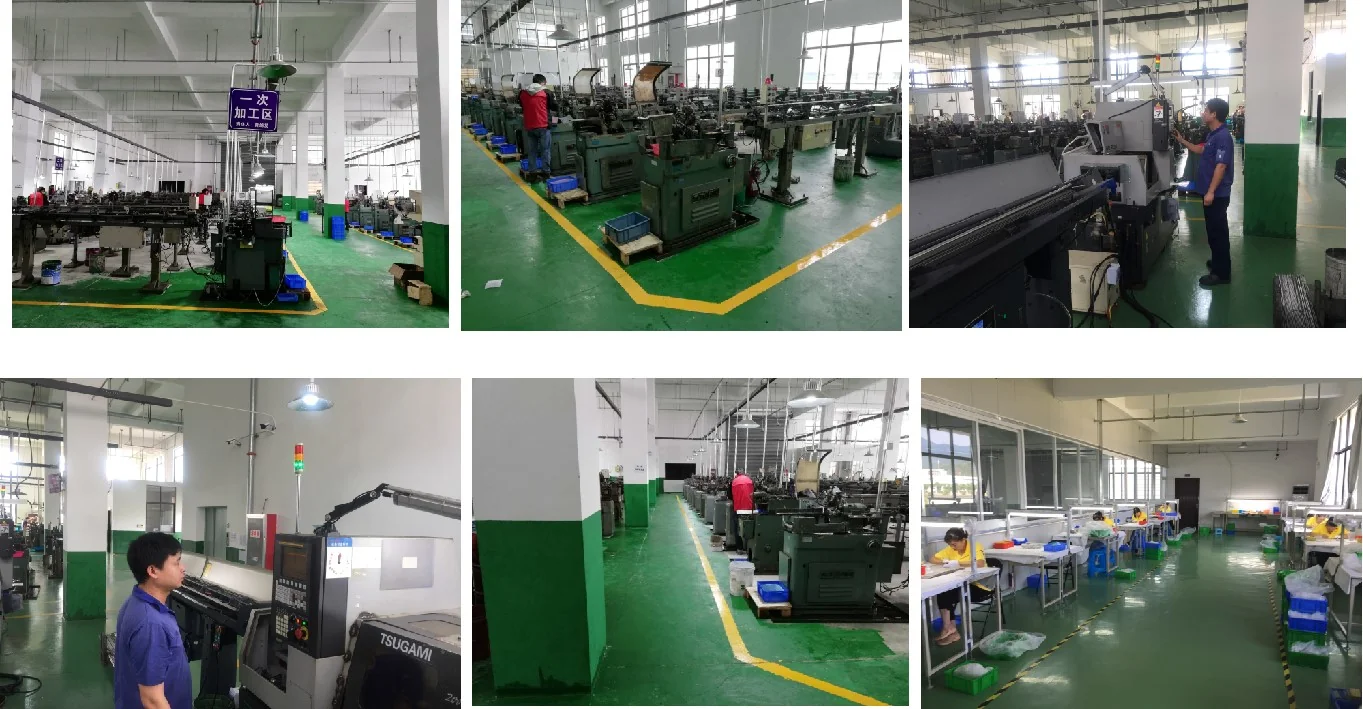
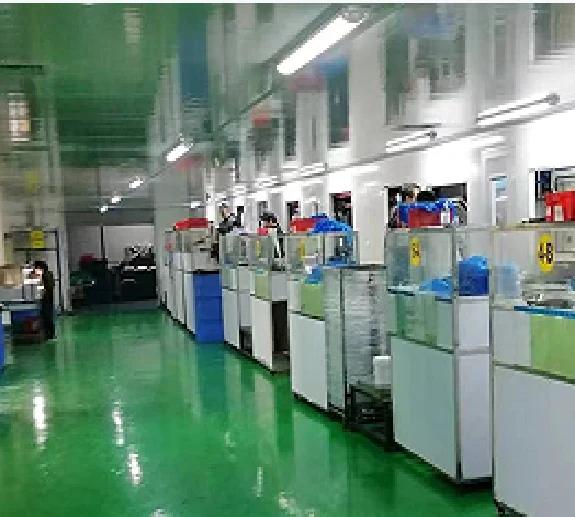
At Suzhou Baoshida Trading Co., Ltd., our Engineering Capability Center forms the backbone of our industrial rubber solutions, delivering high-performance metric rubber grommets tailored to exacting OEM specifications. With a dedicated team of five certified mould engineers and two advanced rubber formulation scientists, we integrate material science with precision tooling to ensure every component meets stringent functional, environmental, and dimensional requirements.

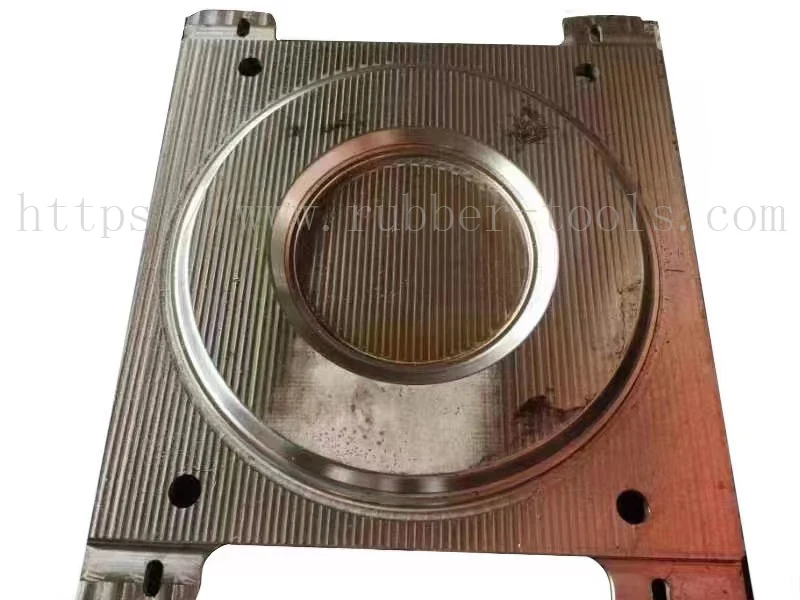
Our mould engineers specialize in the design, simulation, and validation of injection, compression, and transfer moulds for metric rubber grommets across industries including automotive, industrial machinery, and electrical enclosures. Utilizing 3D CAD (SolidWorks, AutoCAD) and Moldflow simulation software, we optimize cavity layout, gate design, and cooling channels to minimize cycle time, reduce flash, and ensure consistent part geometry. Each mould undergoes rigorous in-house testing and dimensional validation before release to production, guaranteeing repeatability and long-term durability.

Complementing our tooling expertise, our two rubber formula engineers bring deep knowledge in elastomer chemistry and compound development. They formulate custom rubber compounds based on NBR, EPDM, silicone, FKM, and CR to meet specific performance demands such as temperature resistance (-40°C to +200°C), oil and chemical exposure, compression set, and Shore A hardness requirements. Every formulation is developed in alignment with international standards including ASTM D2000 and ISO 3601, and is subject to comprehensive testing for tensile strength, elongation, and aging characteristics.

Our OEM capabilities are built on a foundation of co-engineering collaboration. We work directly with client design teams to review application requirements, conduct DFMEA assessments, and propose optimized grommet geometries that enhance sealing performance and assembly efficiency. From prototype to mass production, we maintain full traceability of materials, tooling, and process parameters, ensuring consistency across batches and geographies.

Suzhou Baoshida supports global supply chains with scalable production capacity, rapid tooling turnaround (typically 15–25 days), and strict adherence to IATF 16949 quality management principles. Whether adapting existing metric grommet designs or developing new solutions from concept, our engineering team ensures technical feasibility, cost efficiency, and long-term reliability.

The following table outlines our core technical specifications for metric rubber grommets:

Parameter Specification Range
Inner Diameter (ID) M3 to M50 (metric thread compatible)
Outer Diameter (OD) 6 mm to 80 mm
Height/Thickness 2 mm to 25 mm
Rubber Materials NBR, EPDM, Silicone, FKM, CR, NR
Hardness (Shore A) 40 to 90 ±5
Temperature Range -40°C to +200°C (material-dependent)
Tolerance (per ISO 3302) Class M2 or M3 (standard), M1 (precision)
Mould Development Lead Time 15–25 days (from approved design)
Production Cycle Time 30–120 seconds (automated lines)
Compliance Standards RoHS, REACH, FDA (upon request), ASTM, ISO

Through integrated engineering and formulation expertise, Suzhou Baoshida delivers metric rubber grommets that exceed OEM performance expectations—on time, at scale, and with uncompromised quality.


Customization Process

metric rubber grommets manufacturing

Customization Process for Metric Rubber Grommets

At Suzhou Baoshida Trading Co., Ltd., our customization process for metric rubber grommets integrates rigorous engineering protocols to ensure dimensional accuracy, material resilience, and functional reliability. This four-stage workflow begins with comprehensive drawing analysis. We scrutinize client-provided CAD files or technical drawings against ISO 3601 standards, verifying critical dimensions such as inner/outer diameters, thickness tolerances (typically ±0.1 mm for precision grades), and groove geometry. Concurrently, we assess environmental factors—chemical exposure, temperature extremes, and dynamic load requirements—to pre-qualify material suitability. Any ambiguities in sealing interfaces or tolerance stack-ups are resolved via collaborative engineering reviews before progression.

Material formulation follows, leveraging our polymer science expertise to engineer bespoke rubber compounds. We select base polymers (NBR, EPDM, FKM, or silicone) based on fluid resistance, thermal stability, and mechanical stress profiles. For instance, automotive fuel-line grommets demand FKM for hydrocarbon resistance, while hydraulic systems utilize hydrogenated NBR (HNBR) for enhanced abrasion tolerance. Each compound is optimized for Shore A hardness, compression set resistance, and curing kinetics. Critical additives—including fillers for reinforcement, antioxidants for longevity, and peroxide systems for precise crosslinking—are dosed to meet ASTM D2000 classification codes. This phase concludes with DuPont-approved simulation of compression-deflection behavior under operational loads.

Prototyping validates both design and formulation through iterative physical testing. We produce 5–10 sample units via precision molding, then subject them to multi-axis validation:
Dimensional verification via CMM (Coordinate Measuring Machine) against GD&T callouts
Compression set testing per ISO 815-1 at 70°C for 22 hours
Fluid immersion trials (e.g., ASTM D471 for oil swelling)
Dynamic fatigue cycling to 50,000+ cycles where applicable
Client feedback on seal integrity and assembly ergonomics triggers micro-adjustments to compound viscosity or mold draft angles before final sign-off.

Mass production initiates only after client-approved PPAP documentation and prototype validation. Our ISO 9001:2015-certified facility employs automated molding presses with closed-loop temperature control (±1°C stability) and in-process SPC (Statistical Process Control) monitoring. Every production lot undergoes:
100% visual inspection for flash or voids
Batch-level hardness and tensile strength testing
Random compression set audits per ISO 3384
Traceability to raw material batch numbers ensures full recall capability. Typical lead time from approved prototype to bulk shipment is 14–21 days, with JIT delivery options for OEM assembly lines.

Key Material Specifications for Common Grommet Applications

Material Hardness Range (Shore A) Temp Range (°C) Fluid Resistance Compression Set (70°C/22h) ASTM D2000 Grade
NBR 50–90 -30 to +120 Oils, fuels ≤25% BK2-714
EPDM 50–80 -50 to +150 Water, glycols ≤20% BE2-714
FKM 60–80 -20 to +230 Aggressive chems ≤15% HK2-714
Silicone 40–80 -60 to +200 Steam, ozone ≤22% SC2-714

This systematic approach guarantees grommets that exceed OEM sealing requirements while minimizing field failure risks. All processes adhere to IATF 16949 automotive quality standards where applicable.


Contact Engineering Team

metric rubber grommets manufacturing

Contact Suzhou Baoshida for Precision Metric Rubber Grommets

Suzhou Baoshida Trading Co., Ltd. stands at the forefront of industrial rubber solutions, delivering high-performance metric rubber grommets engineered for reliability, durability, and precise dimensional control. As a trusted OEM partner to manufacturers across automotive, electronics, machinery, and telecommunications sectors, we specialize in custom and standard grommet production that meets stringent international quality standards. Our expertise in rubber compounding, mold design, and batch consistency ensures that every grommet performs under demanding environmental conditions—including temperature extremes, vibration, and exposure to oils or UV radiation.

When sourcing metric rubber grommets for critical sealing, insulation, or cable protection applications, precision matters. At Suzhou Baoshida, we adhere to ISO 9001 quality management protocols and maintain full traceability across our supply chain. Our engineering team works closely with clients to select optimal materials—such as NBR, EPDM, silicone, or neoprene—based on application-specific requirements like chemical resistance, hardness (Shore A), and compression set performance. Whether you require small-batch prototypes or high-volume production runs, our agile manufacturing infrastructure in Eastern China enables rapid turnaround without compromising quality.

Below is a representative specification table for our standard metric rubber grommets, commonly used in panel, chassis, and enclosure installations:

Parameter Specification Range
Inner Diameter (ID) M3 to M50 (metric thread sizes)
Outer Diameter (OD) 8 mm to 80 mm
Height / Thickness 3 mm to 25 mm
Material Options NBR, EPDM, Silicone, Neoprene, CR
Hardness (Shore A) 40° to 80° ±5°
Temperature Range -40°C to +150°C (varies by material)
Color Black, Grey, Red, Green, Custom upon request
Tolerance (ID/OD) ±0.1 mm to ±0.3 mm (based on ISO 3302)
Standards Compliance ROHS, REACH, ISO 3601, DIN 78068

All products undergo rigorous in-house testing for dimensional accuracy, tensile strength, and environmental aging. Custom tooling is developed in collaboration with clients to ensure seamless integration into final assemblies. We also offer value-added services such as laser marking, packaging in anti-static trays, and Just-In-Time (JIT) logistics for global supply chains.

For technical inquiries, material certifications, or custom design support, contact Mr. Boyce, OEM Account Manager at Suzhou Baoshida Trading Co., Ltd. Mr. Boyce brings over 12 years of experience in industrial elastomer applications and serves as the primary liaison for international clients seeking tailored grommet solutions. Reach him directly via email at [email protected] to discuss your project specifications, request samples, or obtain a formal quotation. Our team responds to all inquiries within 12 business hours and supports communication in English, Mandarin, and German.

Partner with Suzhou Baoshida—where precision rubber engineering meets global manufacturing excellence.


⚖️ O-Ring Weight Calculator

Estimate rubber O-ring weight (Approx).


Metric Rubber Grommets Manufacturer | Engineering Guide

Contents of Table

Contact [email protected] Whatsapp 86 15951276160