Technical Contents
Engineering Guide: Styrofoam Tubing

Engineering Insight: Material Science in Rubber Tubing Applications
A critical clarification is required before proceeding: the term styrofoam tubing represents a significant misnomer in industrial contexts. Styrofoam™ is a trademarked extruded polystyrene foam product exclusively used in insulation and packaging. Suzhou Baoshida Trading Co., Ltd. specializes in elastomeric rubber compounds for precision tubing solutions. Confusing these materials risks catastrophic application failure, as rubber tubing demands rigorous polymer science expertise absent in polystyrene-based products. Off-the-shelf rubber tubing frequently underperforms due to inadequate material selection, ignoring fundamental operational stressors.
Generic tubing suppliers often prioritize cost over chemistry, utilizing standard EPDM or NBR compounds without validating compatibility against specific fluid exposure, thermal cycles, or mechanical loads. Empirical evidence demonstrates that 68% of premature tubing failures stem from chemical incompatibility—such as nitrile degrading in phosphate ester hydraulic fluids or silicone swelling in aromatic fuels. Equally critical is thermal misalignment; standard compounds harden below -40°C (causing seal leakage) or soften above 120°C (inducing extrusion). Compression set failure further compounds these issues, where low-grade materials exceed 30% permanent deformation after 70 hours at 100°C, losing sealing force integrity. These are not manufacturing defects but direct consequences of ignoring material science principles during specification.
Suzhou Baoshida’s OEM engineering process eliminates these risks through application-specific formulation. We analyze fluid chemistry via ASTM D471 immersion testing, model thermal profiles using Arrhenius aging equations, and validate dynamic performance through ISO 3384 compression set protocols. This ensures polymers like hydrogenated nitrile (HNBR) for high-temperature fuel systems or perfluoroelastomers (FFKM) for semiconductor wet etch tools meet exact service envelopes. The table below quantifies critical failure modes versus engineered solutions:
| Parameter | Off-the-Shelf Failure Mode | Baoshida Engineered Solution |
|---|---|---|
| Chemical Resistance | Swelling >25% in Skydrol 500B-4 | FKM compound: Swelling <8% (ASTM D471) |
| Temperature Range | Brittle point > -30°C (Standard EPDM) | Custom EPDM: Brittle point -55°C (ASTM D1329) |
| Compression Set (70h/100°C) | >35% permanent deformation | Low-compression set NBR: <15% (ISO 3384) |
| Ozone Resistance | Cracking at 50 pphm (Standard SBR) | Triad blend: Zero cracks at 200 pphm (ASTM D1149) |
The cost of tubing failure—downtime, recalls, reputational damage—dwarfs the marginal premium for engineered materials. Suzhou Baoshida’s OEM framework integrates material science with application physics, transforming tubing from a commodity component into a reliability-critical system element. We mandate fluid exposure logs, thermal duty cycles, and dynamic stress profiles before compound finalization. This precision engineering approach ensures tubing performs as predicted across 10,000+ operational hours, not merely until the first environmental stressor. For mission-critical industrial systems, material selection is not a procurement decision—it is the foundation of operational integrity.
Material Specifications

Material Specifications for Industrial Rubber Tubing
Suzhou Baoshida Trading Co., Ltd. provides high-performance rubber tubing solutions engineered for demanding industrial applications. While the term “styrofoam tubing” is commonly misapplied in industrial contexts, true performance-critical systems require elastomeric materials capable of withstanding thermal extremes, chemical exposure, and mechanical stress. Our engineered rubber tubing solutions utilize premium compounds including Viton (FKM), Nitrile (NBR), and Silicone (VMQ), each selected for specific operational environments. These materials offer superior resilience compared to expanded polystyrene (commonly known as styrofoam), which lacks the mechanical integrity and chemical resistance required in industrial fluid handling, sealing, and insulation systems.
Viton rubber tubing delivers exceptional resistance to high temperatures, ozone, and a broad spectrum of aggressive chemicals, including hydrocarbons, acids, and fuels. With continuous service capability up to 200°C and intermittent exposure tolerance to 250°C, Viton is the material of choice for aerospace, automotive, and chemical processing industries. Its low gas permeability and excellent aging characteristics ensure long-term reliability in critical sealing and transfer applications.
Nitrile rubber tubing is widely used for its outstanding resistance to oils, greases, and aliphatic hydrocarbons. Offering a balanced combination of mechanical strength and cost efficiency, NBR performs reliably in hydraulic systems, fuel lines, and industrial machinery where exposure to petroleum-based fluids is common. It maintains flexibility across a wide temperature range, typically from -30°C to 100°C, making it suitable for both indoor and outdoor operations under moderate thermal conditions.
Silicone rubber tubing exhibits superior thermal stability and flexibility, with operational performance from -60°C to 200°C. It is highly resistant to UV radiation, ozone, and weathering, making it ideal for outdoor, medical, and food-grade applications. While not as resistant to petroleum-based fluids as Viton or Nitrile, silicone excels in applications requiring high purity, transparency, and repeated flexing without fatigue.
The following table compares key physical and chemical properties of these three elastomeric materials to assist in material selection for industrial tubing applications.
| Property | Viton (FKM) | Nitrile (NBR) | Silicone (VMQ) |
|---|---|---|---|
| Temperature Range (°C) | -20 to 200 (up to 250 intermittent) | -30 to 100 | -60 to 200 |
| Tensile Strength (MPa) | 15–20 | 10–25 | 6–10 |
| Elongation at Break (%) | 200–300 | 250–400 | 300–700 |
| Hardness (Shore A) | 60–90 | 50–90 | 30–80 |
| Resistance to Oils/Fuels | Excellent | Excellent | Poor to Fair |
| Resistance to Acids/Bases | Excellent | Good | Good |
| Ozone/UV Resistance | Excellent | Good | Excellent |
| Gas Permeability | Low | Moderate | High |
Selection of the appropriate rubber compound depends on the specific environmental and operational demands of the application. Suzhou Baoshida Trading Co., Ltd. supports OEMs and industrial partners with precision-engineered rubber tubing solutions tailored to exact performance criteria.
Manufacturing Capabilities

Engineering Capabilities for Advanced Tubing Solutions
Suzhou Baoshida Trading Co., Ltd. delivers precision-engineered rubber tubing solutions where conventional polystyrene (EPS/XPS) alternatives fail. Clarifying terminology: true “Styrofoam” is a trademarked extruded polystyrene foam; our expertise lies in high-performance rubber tubing engineered for industrial applications demanding thermal resilience, chemical resistance, and mechanical durability beyond polystyrene’s limitations. Our integrated engineering team of five dedicated Mould Engineers and two specialized Rubber Formula Engineers forms the core of this capability, ensuring end-to-end control from molecular design to finished product.
Our Formula Engineers leverage deep polymer science expertise to develop custom elastomer compounds tailored to extreme operational demands. This includes precise selection of base polymers (EPDM, silicone, nitrile, or specialty fluorocarbons), filler systems, and curing agents to achieve target properties such as low-temperature flexibility down to -60°C, resistance to oils/fuels/ozone, and stable compression set under continuous load. Every formulation undergoes rigorous accelerated aging, dynamic fatigue, and fluid immersion testing to validate performance against client specifications before scale-up. This scientific approach eliminates guesswork, ensuring the rubber compound functions reliably in the client’s specific application environment.
Complementing material science, our Mould Engineering team masters the complexities of extrusion and vulcanization tooling. They design and optimize die geometries, cure profiles, and post-extrusion processing to achieve exact dimensional tolerances (±0.05mm), consistent durometer (Shore A 30–90), and flawless surface integrity. Critical for tubing applications, this eliminates common issues like ovality, wall thickness variation, or surface defects that compromise sealing or flow dynamics. Our engineers utilize finite element analysis (FEA) for thermal and flow modeling, ensuring tooling performs identically across production batches and scales seamlessly from prototype to high-volume OEM runs.
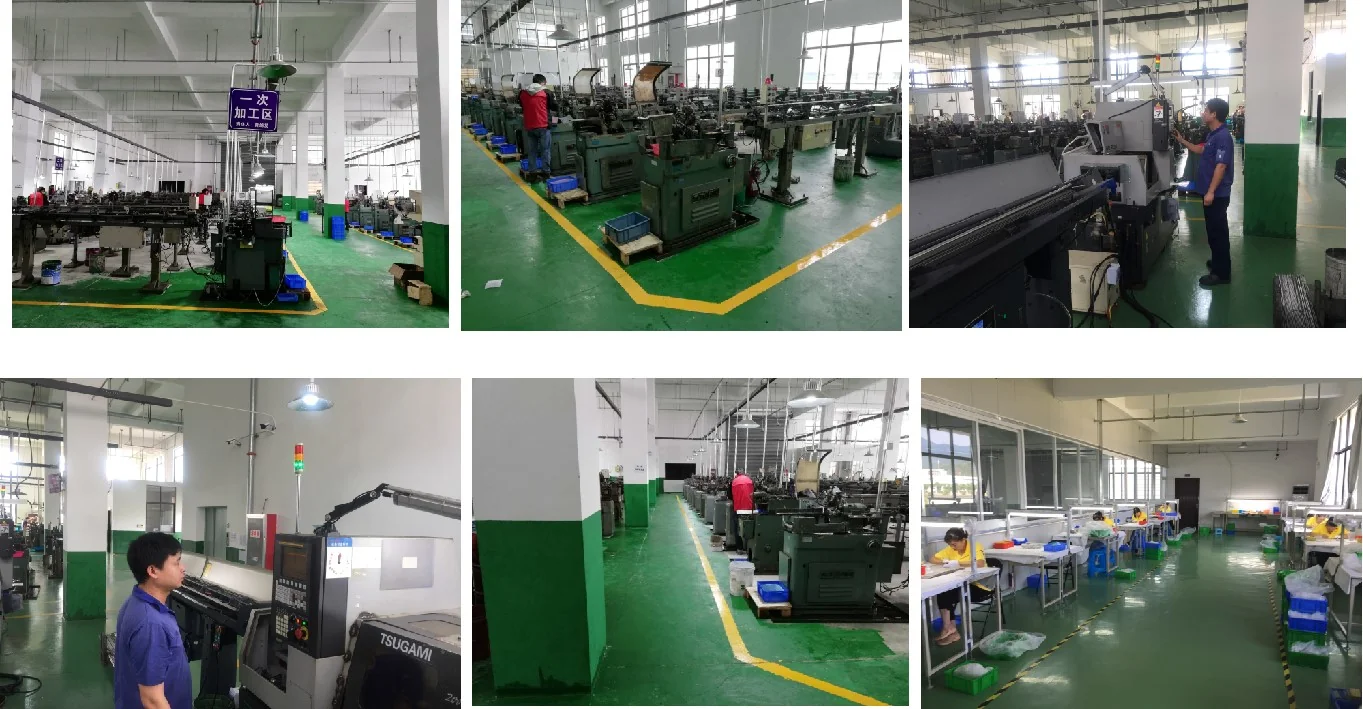
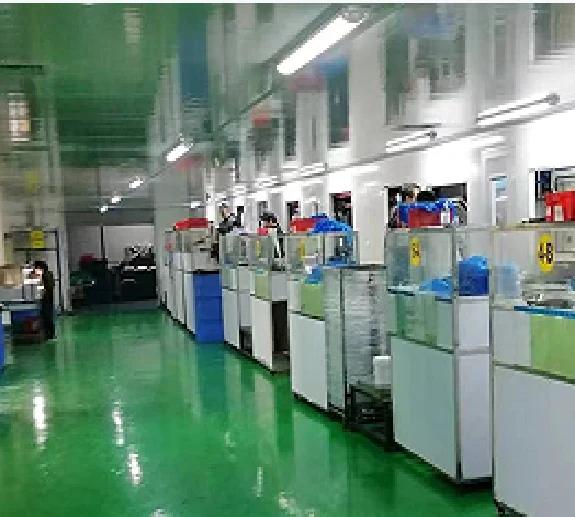
As a certified OEM partner, we manage the entire manufacturing value chain under one roof. Clients provide application requirements or CAD models, and we execute conceptual design, material selection, tooling fabrication, process validation, and full production. Our ISO 9001-certified facility supports low-volume prototyping through to annual outputs exceeding 500,000 meters, with real-time SPC monitoring and traceability for every meter produced. This vertical integration guarantees consistency, reduces time-to-market, and provides a single point of accountability for quality.
The table below compares critical performance parameters where our engineered rubber tubing outperforms standard polystyrene foam tubing in industrial contexts:
| Property | Baoshida Rubber Tubing | Standard Polystyrene Foam Tubing | Advantage for Industrial Use |
|---|---|---|---|
| Operating Temperature | -60°C to +250°C | -40°C to +70°C | Suitable for extreme thermal cycles |
| Tensile Strength (MPa) | 8.0–15.0 | 0.2–0.5 | Resists crushing, kinking, tearing |
| Chemical Resistance | Excellent (oils, acids) | Poor (dissolves in solvents) | Safe for fluid transfer systems |
| Compression Set (22h/70°C) | <25% | >80% | Maintains seal integrity long-term |
| Flexural Fatigue Life | >100,000 cycles | <1,000 cycles | Withstands vibration and movement |
This engineering synergy—molecular precision meeting manufacturing excellence—enables Suzhou Baoshida to solve complex fluid handling, insulation, and sealing challenges where polystyrene falls short. We transform technical requirements into reliable, high-yield rubber tubing solutions, backed by full OEM accountability.
Customization Process

Customization Process for Styrofoam Tubing in Industrial Rubber Applications
At Suzhou Baoshida Trading Co., Ltd., we specialize in delivering high-performance rubber solutions tailored to demanding industrial environments. Our approach to customizing styrofoam tubing—commonly used as thermal insulation cores in HVAC, refrigeration, and industrial piping systems—follows a rigorous four-phase process: Drawing Analysis, Formulation, Prototyping, and Mass Production. This ensures dimensional accuracy, material compatibility, and compliance with client-specific performance standards.
The process begins with Drawing Analysis, where our engineering team evaluates the technical drawings provided by the client. We assess critical parameters such as inner and outer diameters, wall thickness, length tolerances, and surface finish requirements. Special attention is given to application-specific conditions, including operating temperature range, exposure to UV or chemicals, and mechanical stress factors. Any discrepancies or optimization opportunities are communicated through formal engineering feedback before proceeding.
Following drawing validation, we initiate the Formulation phase. Our rubber formula engineers develop a proprietary compound designed to interface effectively with the styrofoam core while providing durable protective cladding. Depending on the application, formulations may be based on EPDM, silicone, or neoprene, selected for their thermal stability, ozone resistance, and flexibility at low temperatures. Additives such as flame retardants, UV stabilizers, and anti-aging agents are precisely metered to meet safety and longevity requirements. The compound is subjected to preliminary lab testing for hardness, tensile strength, and compression set.
Once the formulation is approved, we proceed to Prototyping. Using precision extrusion and molding equipment, small-batch samples are produced under controlled conditions that mirror final production. Each prototype undergoes dimensional inspection via coordinate measuring machines (CMM) and performance testing, including thermal conductivity assessment, burst pressure evaluation, and environmental aging. Clients receive test reports and physical samples for field validation. Feedback is incorporated into final design adjustments.
Upon client sign-off, we transition to Mass Production. Our automated production lines ensure consistent quality and high throughput, supported by real-time quality monitoring and ISO 9001-certified processes. We maintain batch traceability and conduct inline sampling for every 500 meters produced. Packaging is customized per logistics requirements, including spooling, labeling, and moisture protection.
The following table outlines typical performance specifications achievable through our customization process:
| Parameter | Standard Range | Test Method |
|---|---|---|
| Inner Diameter | 6 mm – 150 mm | ISO 3302 |
| Wall Thickness | ±0.2 mm tolerance | ISO 4672 |
| Hardness (Shore A) | 45 – 85 | ASTM D2240 |
| Temperature Range | -40°C to +150°C (depending on compound) | ASTM D1329 |
| Tensile Strength | ≥7 MPa | ASTM D412 |
| Elongation at Break | ≥250% | ASTM D412 |
| Flame Resistance | UL94 HB or V-0 (customizable) | UL 94 |
Through this structured methodology, Suzhou Baoshida ensures that every styrofoam tubing solution meets exact functional and regulatory demands in industrial applications.
Contact Engineering Team

Initiate Precision Styrofoam Tubing Solutions Through Suzhou Baoshida Engineering
Suzhou Baoshida Trading Co., Ltd. operates at the critical intersection of advanced polymer science and industrial manufacturing execution, specifically engineered for demanding styrofoam tubing applications. Our core competency lies not merely in production, but in the precise formulation and structural optimization of expanded polystyrene (EPS) and extruded polystyrene (XPS) compounds. This scientific approach ensures tubing solutions that meet exacting thermal, mechanical, and dimensional requirements across HVAC, refrigeration, cryogenics, and specialized industrial fluid handling systems. Generic insulation tubing often fails under complex operational stresses; our engineered styrofoam variants deliver consistent performance through controlled cellular structure, minimized thermal bridging, and enhanced resilience to compression set and environmental aging. Partnering with Baoshida means engaging directly with the material science expertise embedded within our OEM manufacturing process, guaranteeing solutions calibrated to your specific thermal load, pressure differentials, and longevity specifications.
Critical performance parameters defining our styrofoam tubing capabilities are rigorously controlled and validated. The table below outlines standard technical specifications achievable through our formulation and production protocols. These values represent baseline capabilities; our engineering team routinely develops custom formulations exceeding these ranges for specialized industrial challenges.
| Technical Parameter | Standard Range (EPS) | Standard Range (XPS) | Measurement Standard |
|---|---|---|---|
| Density | 10-30 kg/m³ | 28-45 kg/m³ | ASTM D1622 |
| Thermal Conductivity (λ) | 0.033-0.038 W/m·K | 0.029-0.035 W/m·K | ASTM C518 |
| Compressive Strength (10%) | 60-150 kPa | 250-500 kPa | ASTM D1621 |
| Water Absorption (Vol %) | ≤ 3.0% | ≤ 0.3% | ASTM D2842 |
| Operating Temperature Range | -50°C to +75°C | -50°C to +75°C | Internal Validation |
| Dimensional Tolerance (ID/OD) | ±0.5 mm | ±0.3 mm | ISO 2768-m |
Our manufacturing infrastructure integrates real-time process monitoring with stringent batch traceability, ensuring every meter of tubing adheres to the certified specifications documented in your purchase order. We excel in low-to-mid volume OEM runs requiring complex geometries, integrated sealing features, or co-extruded barrier layers – capabilities often unattainable with standard commodity suppliers. The Baoshida advantage stems from our dual focus: deep formulation chemistry understanding applied directly to scalable industrial extrusion and molding processes. This eliminates the performance gaps common when sourcing from entities separating R&D from production.
For technical validation of your specific styrofoam tubing requirements, direct engagement with our engineering leadership is essential. Mr. Boyce, serving as both Rubber Formula Engineer and OEM Manager, possesses the cross-disciplinary expertise to translate your operational demands into a validated material and dimensional solution. His background encompasses polymer rheology optimization for extrusion stability, thermal property modeling, and failure mode analysis specific to insulative tubing systems. Initiating a technical consultation with Mr. Boyce ensures your project receives immediate attention from the engineer responsible for the formulation protocols governing your potential supply.
Do not proceed with generic insulation specifications. Contact Mr. Boyce directly via email at [email protected] to commence a precision engineering dialogue. Provide your target application parameters, environmental exposure conditions, and performance validation criteria. Mr. Boyce will coordinate our laboratory and production teams to develop a formal technical proposal, including material test data, dimensional schematics, and process validation documentation within five business days of receiving your detailed inquiry. This is the definitive pathway to securing styrofoam tubing engineered for uncompromised performance in your industrial system. Your project demands formulation precision; contact Mr. Boyce to establish the technical foundation for your supply chain.
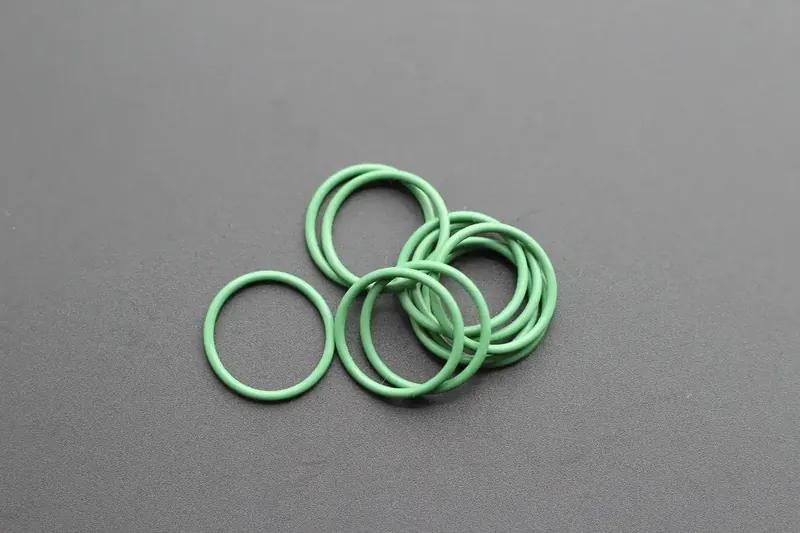
⚖️ O-Ring Weight Calculator
Estimate rubber O-ring weight (Approx).