Commercial Door Gaskets Manufacturer | Engineering Guide

Engineering Guide: Commercial Door Gaskets

commercial door gaskets manufacturing

Engineering Insight: The Critical Role of Material Selection in Commercial Door Gaskets

In commercial building applications, door gaskets serve as the first line of defense against environmental infiltration, energy loss, and acoustic transmission. While often viewed as a commodity component, the performance and longevity of a door seal are fundamentally tied to precise material selection. Off-the-shelf gasket solutions, though cost-attractive, frequently fail to meet the dynamic demands of real-world environments due to a one-size-fits-all approach that neglects application-specific variables such as temperature cycling, chemical exposure, UV stability, compression set resistance, and mechanical stress.

At Suzhou Baoshida Trading Co., Ltd., we emphasize engineered rubber solutions tailored to the operational environment. Standard gaskets, typically fabricated from generic EPDM or silicone, may perform adequately in mild conditions but degrade rapidly when exposed to ozone, industrial solvents, or extreme thermal fluctuations. For instance, a gasket installed in a cold storage facility must maintain flexibility below -40°C while resisting repeated compression cycles. A generic formulation may harden or crack, compromising thermal integrity and increasing energy consumption.

Material science is central to overcoming these challenges. Our precision rubber seals utilize compounded formulations that enhance performance characteristics. For high-traffic commercial entrances, we deploy thermoplastic vulcanizates (TPV) that combine the elasticity of rubber with the processability of thermoplastics, offering superior resilience and weather resistance. In healthcare or food processing environments, where hygiene is paramount, we specify platinum-cured silicone for its non-toxic, non-outgassing properties and compliance with FDA and NSF standards.

Compression set resistance is another critical parameter often overlooked in off-the-shelf designs. A gasket that fails to recover after prolonged compression will create gaps, leading to air leakage and reduced sound attenuation. Our formulations are engineered to retain shape and sealing force over 10,000+ door cycles, validated through accelerated life testing under controlled laboratory conditions.

The following table outlines key material properties for common rubber compounds used in commercial door gaskets:

Material Temperature Range (°C) Compression Set (%) @ 70°C, 22h UV/Ozone Resistance Common Applications
EPDM -50 to +150 20–30 Excellent Exterior doors, HVAC enclosures
Silicone -60 to +230 15–25 Good Cleanrooms, high-temp environments
Nitrile (NBR) -30 to +100 30–40 Poor Industrial settings with oil exposure
TPV -50 to +135 18–28 Excellent High-traffic commercial entrances

Selecting the appropriate compound requires a holistic assessment of the installation environment, lifecycle expectations, and regulatory requirements. Off-the-shelf gaskets, constrained by mass production economics, rarely accommodate such nuances. At Baoshida, we collaborate with OEMs and architects to develop gasket solutions that ensure long-term performance, energy efficiency, and compliance with industry standards. Material is not just a component—it is the foundation of functional reliability.


Material Specifications

commercial door gaskets manufacturing

Commercial Door Gasket Material Specifications

Material selection critically determines the longevity, sealing performance, and environmental resilience of commercial door gaskets. At Suzhou Baoshida Trading Co., Ltd., our OEM-engineered rubber seals undergo rigorous formulation to meet stringent industrial demands. Viton (FKM), Nitrile (NBR), and Silicone (VMQ) represent the primary elastomer families for these applications, each offering distinct performance profiles against thermal exposure, chemical degradation, and compression fatigue. Precision in Shore A hardness, compression set resistance, and fluid compatibility ensures gaskets maintain consistent sealing force across diverse operational cycles, directly impacting energy efficiency and security compliance in commercial infrastructure.

Material Comparison for Commercial Door Gaskets

Material Temperature Range (°C) Key Chemical Resistances Compression Set (70°C/22h) Typical Hardness (Shore A)
Viton (FKM) -20 to +230 Fuels, oils, acids, ozone ≤ 20% 60–80
Nitrile (NBR) -30 to +120 Aliphatic hydrocarbons, water, hydraulic fluids ≤ 25% 50–75
Silicone (VMQ) -60 to +200 Ozone, UV, steam, water ≤ 15% 40–70

Viton excels in high-temperature environments exceeding 150°C and resists aggressive chemicals like jet fuels or concentrated acids, making it indispensable for specialized facilities such as laboratories or industrial processing plants. Its low compression set ensures minimal permanent deformation after prolonged compression, maintaining seal integrity over extended service life. Nitrile remains the cost-optimized solution for standard commercial applications, offering robust resistance to petroleum-based fluids and moderate weathering. Its balanced hardness range (50–75 Shore A) provides effective sealing against air and water infiltration in office buildings or retail spaces without excessive door-closing force. Silicone delivers superior flexibility at sub-zero temperatures and exceptional resistance to ozone/UV degradation, critical for exterior doors in harsh climates. Its low-temperature resilience (-60°C) prevents hardening and cracking, while superior compression set performance guarantees reliable sealing in high-cycle applications like emergency exits.

Suzhou Baoshida’s OEM manufacturing process integrates material-specific curing protocols and precision extrusion to eliminate dimensional variance. We validate all formulations per ASTM D2000 standards, ensuring gaskets meet ISO 1817 chemical resistance requirements and ASTM D395 compression set criteria. For projects demanding non-standard hardness or fluid resistance, our rubber formula engineering team optimizes polymer blends—such as hydrogenated nitrile (HNBR) for enhanced oil stability or fluorosilicone for fuel exposure—without compromising cost efficiency. Partnering with us guarantees gaskets engineered to your architectural specifications, backed by 100% traceable material certifications and accelerated lifecycle testing data.


Manufacturing Capabilities

commercial door gaskets manufacturing

Engineering Excellence in Commercial Door Gasket Manufacturing

At Suzhou Baoshida Trading Co., Ltd., our engineering capability forms the cornerstone of our reputation in the precision rubber seals industry. With a dedicated team of five experienced mould engineers and two specialized rubber formula engineers, we ensure that every commercial door gasket we produce meets exacting performance, durability, and dimensional standards. Our integrated approach combines material science with precision tooling to deliver OEM solutions that perform reliably in demanding environments such as industrial facilities, healthcare buildings, and commercial infrastructure.

Our two in-house rubber formula engineers bring deep expertise in polymer chemistry and elastomer behavior under variable thermal, mechanical, and environmental stress. They formulate custom rubber compounds tailored to specific customer requirements—whether it’s enhanced compression set resistance, low-temperature flexibility, fire retardancy (e.g., UL 94 V-0), or compliance with environmental standards such as RoHS and REACH. This formulation control allows us to optimize gasket performance for sealing efficiency, longevity, and resistance to ozone, UV exposure, and microbial growth—critical factors in commercial building applications.

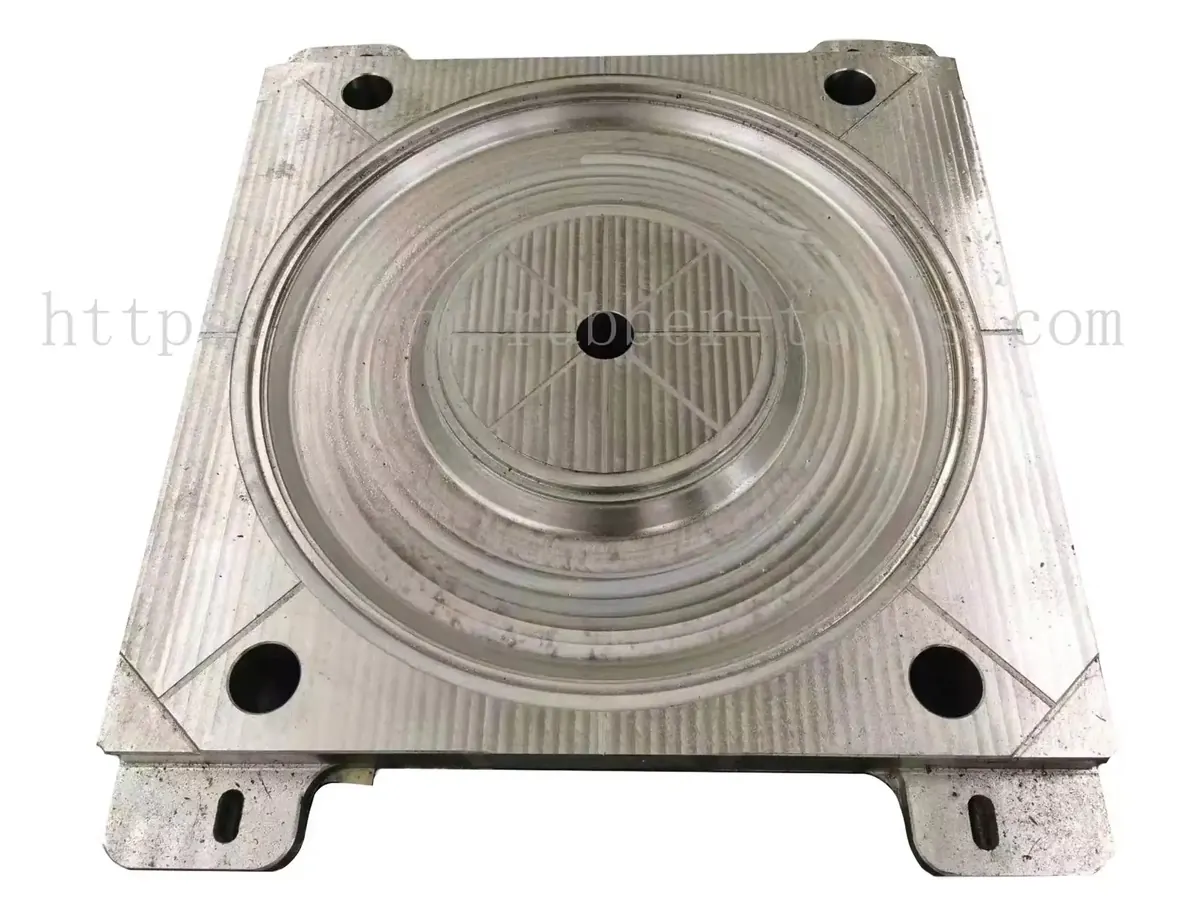
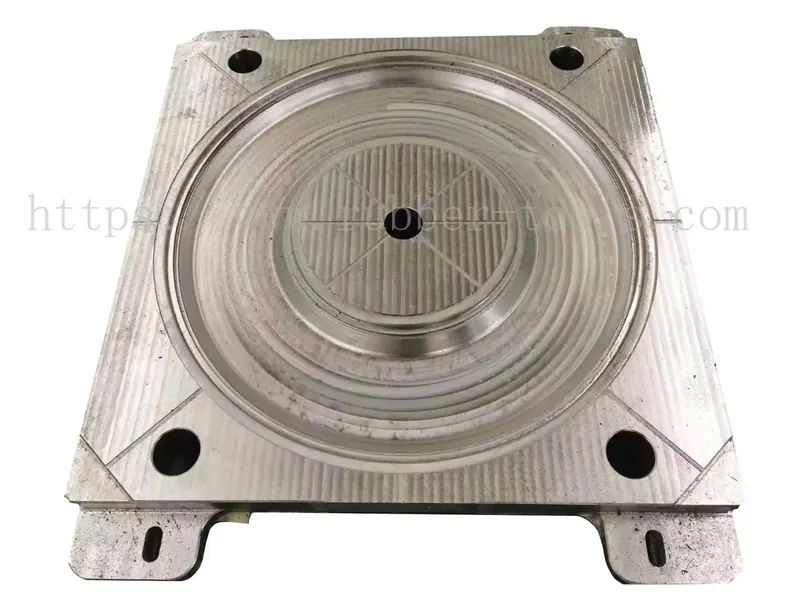
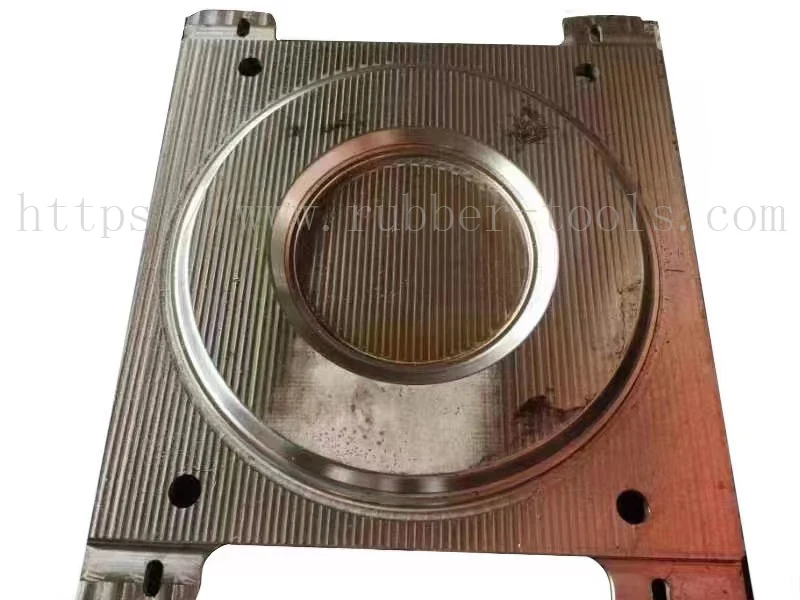
Complementing our material expertise, our five mould engineers specialize in precision tool design and fabrication for rubber compression, transfer, and injection moulding processes. They utilize advanced CAD/CAM software and coordinate closely with the formula team to ensure that the physical geometry of the gasket supports optimal material flow, cure uniformity, and dimensional stability. From initial concept to final production tooling, our engineers apply Design for Manufacturability (DFM) principles to reduce cycle times, minimize flash, and ensure consistent part quality across high-volume runs.

We operate as a full-service OEM partner, capable of managing the entire product development cycle—from technical drawings and prototype validation to mass production and quality assurance. Our engineering team routinely collaborates with architects, door manufacturers, and system integrators to co-develop gaskets that integrate seamlessly into door frames, meet acoustic and thermal insulation targets, and comply with fire and smoke containment regulations such as NFPA 80 and EN 1634-1.

Our manufacturing agility is supported by in-house tooling, rapid prototyping (including 3D-printed mould inserts for concept testing), and a strict APQP/PPAP framework for new product introduction. This enables us to deliver custom gasket solutions with short lead times and full traceability.

Typical Gasket Material Properties and Performance Specifications

Property EPDM Silicone Nitrile (NBR) Custom Hybrid
Temperature Range -50°C to +150°C -60°C to +200°C -30°C to +120°C -55°C to +180°C
Compression Set (22h, 150°C) ≤25% ≤20% ≤30% ≤18%
Hardness (Shore A) 50–80 40–70 60–85 55–75
Flame Resistance UL 94 HB UL 94 V-0 UL 94 HB UL 94 V-0/V-1
Weather/Ozone Resistance Excellent Excellent Good Excellent
Typical Applications Exterior doors, fire-rated assemblies Cleanrooms, high-temp environments High-traffic commercial doors Specialized OEM systems

Through synchronized material and mould engineering, Suzhou Baoshida delivers technically advanced, application-specific gasket solutions that enhance the performance and safety of commercial door systems worldwide.


Customization Process

commercial door gaskets manufacturing

Customization Process for Commercial Door Gaskets: Precision Engineering Pathway

Suzhou Baoshida Trading Co., Ltd. executes a rigorous, science-driven customization process for commercial door gaskets, ensuring optimal performance, longevity, and compliance with stringent building and safety standards. This structured methodology transforms client specifications into high-integrity sealing solutions, minimizing field failure risks and maximizing operational efficiency. The process systematically progresses through four critical phases.

Initial engagement centers on comprehensive Drawing Analysis. Our engineering team meticulously dissects client-provided CAD files or technical sketches, focusing on dimensional tolerances, groove geometry, environmental exposure parameters (temperature extremes, UV, chemicals, fire resistance class), and functional requirements (compression load, cycle life). We cross-reference these against international standards like ASTM D2000 and ISO 3302, identifying potential stress points or material incompatibilities early. This phase includes collaborative dialogue to clarify ambiguities and establish definitive performance benchmarks, forming the technical foundation for subsequent stages.

The Formulation phase leverages our core expertise in polymer science. Based on the environmental and mechanical profile defined in drawing analysis, our rubber chemists select the optimal base polymer system. Critical factors include ozone resistance for exterior applications, low-temperature flexibility for cold storage, or flame retardancy for fire-rated doors. We precisely engineer the compound, balancing vulcanization kinetics, filler reinforcement, plasticizer stability, and antioxidant packages. This is not generic material selection; it is bespoke molecular design validated through predictive modeling and accelerated aging protocols to ensure decades of reliable service under specified conditions.

Prototyping transitions theory into tangible validation. Utilizing precision extrusion or molding techniques on dedicated pilot lines, we produce functional gasket samples adhering strictly to the approved formulation and dimensional specs. These prototypes undergo rigorous in-house testing: compression set per ASTM D395, tensile properties per ASTM D412, thermal aging, ozone resistance per ASTM D1149, and simulated door cycling tests. Crucially, prototypes are subjected to client-specific application trials whenever feasible. Performance data is meticulously documented and compared against the initial benchmarks, enabling iterative refinement of the compound or profile geometry before final sign-off.

Upon successful prototype validation, Mass Production commences under stringent quality management systems. Suzhou Baoshida implements controlled batch processing with real-time monitoring of key parameters (mixing temperature, cure time, extrusion speed). Each production run undergoes 100% dimensional inspection via calibrated gauges and statistical process control (SPC) for critical properties. Full material traceability, from raw polymer batch to finished gasket, is maintained. Dedicated production lines minimize cross-contamination risks, ensuring consistent output that meets the exact specifications validated during prototyping, ready for seamless integration into the client’s door assembly process.

Key Rubber Compound Specifications for Commercial Door Applications

Property EPDM (Standard) Silicone (High Perf) NBR (Oil Resistant)
Temperature Range (°C) -50 to +150 -60 to +230 -30 to +120
Compression Set (70°C, 22h) ≤ 25% ≤ 20% ≤ 30%
Ozone Resistance Excellent Excellent Poor
Flame Resistance (UL94) HB V-0/V-1 HB
Typical Hardness (Shore A) 60-80 40-70 50-80
Primary Application Exterior Doors, General Purpose High-Temp/Fire Doors Doors near machinery/oil exposure

Contact Engineering Team

commercial door gaskets manufacturing

For manufacturers and industrial suppliers seeking precision-engineered commercial door gaskets, Suzhou Baoshida Trading Co., Ltd. stands as a trusted partner in high-performance rubber sealing solutions. With years of expertise in rubber formulation and OEM manufacturing, we specialize in delivering durable, weather-resistant, and compression-molded gaskets tailored to the exacting demands of commercial construction, transportation, and industrial equipment sectors. Our focus on material science, dimensional accuracy, and long-term sealing integrity ensures that every gasket meets or exceeds industry standards.

Commercial door gaskets are critical components in maintaining energy efficiency, sound insulation, and environmental protection in buildings and enclosures. Whether for fire-rated doors, refrigerated units, or exterior access points, the performance of a door system is only as reliable as its seal. At Suzhou Baoshida, we engineer gaskets using advanced EPDM, silicone, neoprene, and thermoplastic vulcanizate (TPV) compounds, each selected for specific thermal, UV, and chemical resistance properties. Our in-house testing protocols validate compression set, tensile strength, and aging performance to guarantee field reliability.

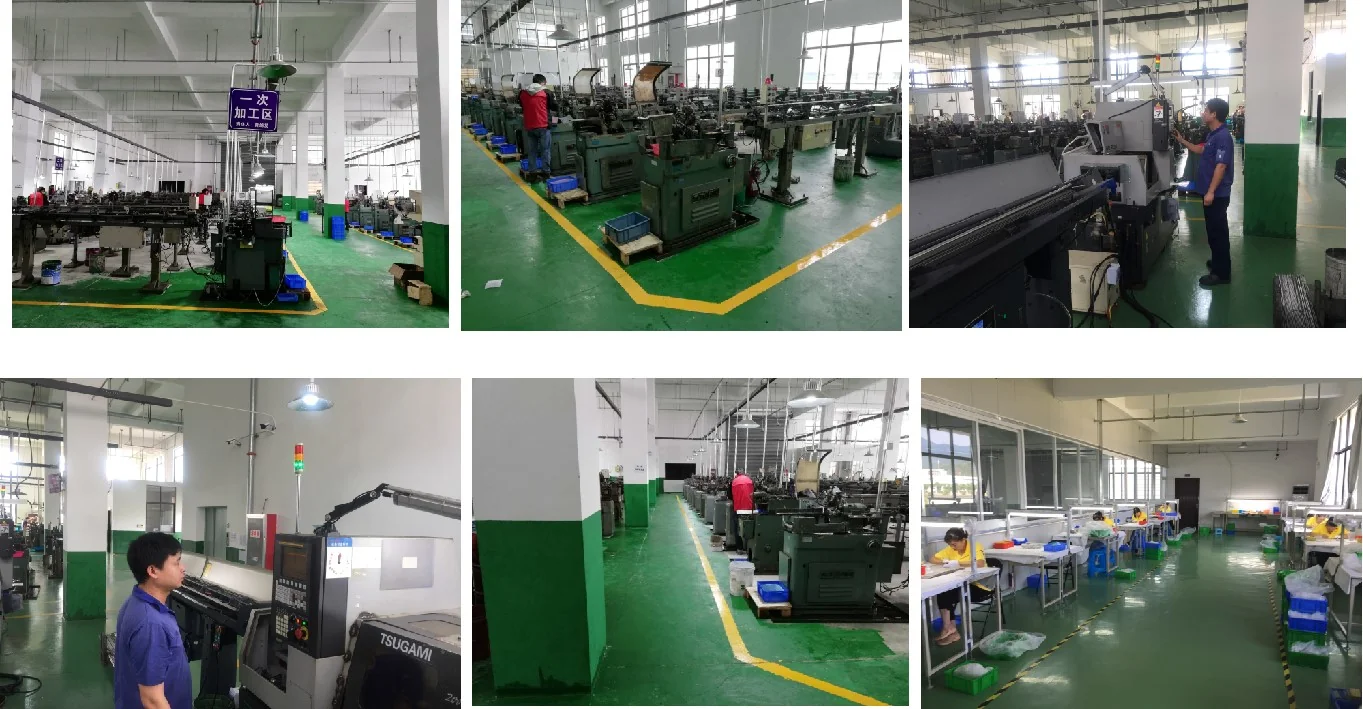
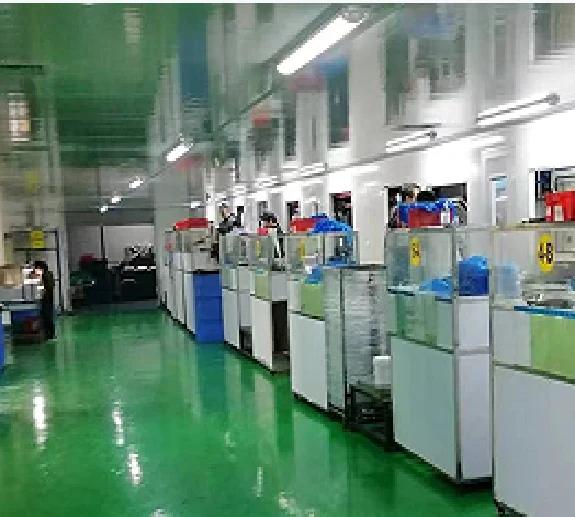
We understand that OEMs and system integrators require more than off-the-shelf components—they demand scalable, repeatable, and documented manufacturing processes. Our facility in Suzhou is equipped with precision extrusion lines, automated splicing stations, and QA laboratories that support ISO-compliant production. From prototype development to full-volume supply, we align with your engineering and procurement timelines to ensure seamless integration.

Below are key technical specifications representative of our standard commercial door gasket offerings. Custom profiles, durometers, and lengths are available upon request.

Property Test Method Typical Value
Material EPDM, Silicone, Neoprene, TPV
Hardness (Shore A) ASTM D2240 40–80 ±5
Tensile Strength ASTM D412 ≥7.5 MPa (EPDM)
Elongation at Break ASTM D412 ≥250%
Compression Set (22 hrs, 70°C) ASTM D395 ≤25%
Temperature Range -40°C to +150°C (varies by compound)
Color Options Black, Gray, White, Custom (Pantone match)
Standard Lengths 10m, 20m, 50m spools; cut-to-length available

Partnering with Suzhou Baoshida means gaining access to technical rubber expertise backed by responsive, solutions-driven service. If you are evaluating gasket materials for a new product line, require a second source for existing components, or need assistance with seal design validation, we invite you to initiate a technical dialogue.

Contact Mr. Boyce, our dedicated OEM Account Manager, to discuss your project requirements, request material data sheets, or obtain a quotation. He is available via email at [email protected] and responds promptly to all technical and commercial inquiries. Let us apply our rubber formulation science and manufacturing precision to enhance the performance and reliability of your commercial door systems.


⚖️ O-Ring Weight Calculator

Estimate rubber O-ring weight (Approx).


Commercial Door Gaskets Manufacturer | Engineering Guide

Contents of Table

Contact [email protected] Whatsapp 86 15951276160