Technical Contents
Engineering Guide: What Are The Best Hoses

Engineering Insight: Material Selection Defines Hose Performance
The designation of “best hoses” is intrinsically tied to application-specific material engineering, not generic market availability. Off-the-shelf solutions frequently fail because they prioritize broad compatibility over the precise chemical, thermal, and mechanical demands of industrial processes. A hose functioning adequately in one environment may catastrophically degrade in another due to overlooked molecular interactions between the elastomer compound and operational media. For instance, standard NBR (nitrile rubber) exhibits excellent resistance to petroleum oils but rapidly deteriorates when exposed to ozone, amines, or phosphate ester hydraulic fluids common in aerospace or chemical processing. This mismatch stems from a fundamental oversight: hose performance is governed by the polymer backbone architecture, cure system chemistry, and additive package—not merely dimensional conformity.
Material selection must address the complete operational profile, including peak pressure spikes, temperature cycling, flex fatigue cycles, and fluid compatibility at molecular levels. Generic hoses utilize standardized formulations optimized for cost and volume, not resilience. They often employ lower-grade polymers with insufficient saturation for chemical resistance or inadequate filler dispersion for abrasion endurance. Consequently, premature failures manifest as permeation, extrusion, blistering, or catastrophic delamination. In hydraulic systems, a seemingly minor compatibility issue with biodegradable ester-based fluids can swell seals, increase internal friction, and trigger pressure surges that rupture covers. Such failures incur far greater costs in downtime, fluid loss, and safety incidents than the marginal savings from non-engineered hoses.
Suzhou Baoshida Trading Co., Ltd. mandates rigorous fluid compatibility testing against ASTM D471 and application-specific stress protocols before compound finalization. Our engineered solutions deploy advanced materials like peroxide-cured EPDM for steam/ozone resistance, FKM variants with tailored fluorine content for aggressive chemicals, or custom-synthesized HNBR for dynamic oil/fuel applications. This precision prevents the hidden cost drivers inherent in off-the-shelf alternatives.
The following table illustrates critical performance gaps between generic and engineered compounds under identical stress conditions:
| Parameter | Generic NBR Hose | Baoshida Engineered HNBR Hose | Test Standard |
|---|---|---|---|
| Temperature Range | -30°C to +100°C | -50°C to +150°C | ASTM D2240 |
| Ozone Resistance (50 ppm) | Cracking at 25% strain | Zero cracking at 100% strain | ASTM D1149 |
| Fuel Permeation Rate | 85 g·mm/m²·day | 22 g·mm/m²·day | ISO 2719 |
| Flex Life (10,000 cycles) | Cover abrasion failure | Full integrity maintained | SAE J343 |
| Pressure Surge Tolerance | Burst at 1.8x rated | Withstands 3.2x rated | ISO 1436 |
Material science is non-negotiable in hose reliability. The “best” solution demands compound formulation aligned with your fluid dynamics, environmental exposure, and lifecycle expectations. Suzhou Baoshida Trading Co., Ltd. rejects one-size-fits-all compromises, leveraging OEM collaboration to define boundary conditions and deliver hoses where molecular stability meets operational reality. Contact our engineering team for fluid compatibility analysis and custom formulation validation—ensuring your system’s integrity starts with the right polymer chemistry.
Material Specifications

When selecting industrial hoses for demanding applications, material composition is a critical determinant of performance, longevity, and compatibility. At Suzhou Baoshida Trading Co., Ltd., we specialize in precision-engineered rubber solutions tailored to meet rigorous industrial standards. Among the most widely used elastomers in hose manufacturing are Viton, Nitrile (NBR), and Silicone. Each material exhibits distinct chemical, thermal, and mechanical properties, making them suitable for specific operational environments.
Viton, a fluorocarbon-based rubber (FKM), is renowned for its exceptional resistance to high temperatures, oils, fuels, and a broad spectrum of aggressive chemicals. With continuous service capabilities up to 200°C (392°F) and intermittent exposure tolerance beyond 250°C (482°F), Viton hoses are ideal for aerospace, petrochemical, and automotive fuel systems. Its low permeability to gases and excellent aging characteristics further enhance reliability in critical sealing applications. However, Viton exhibits lower flexibility at low temperatures and higher material cost compared to alternatives, necessitating justified use in high-performance contexts.
Nitrile rubber (NBR) remains one of the most cost-effective and widely adopted materials for oil-resistant hoses. Its acrylonitrile content directly influences oil and fuel resistance, with higher concentrations offering improved hydrocarbon tolerance. NBR hoses perform reliably in temperature ranges from -30°C to 100°C (-22°F to 212°F), making them suitable for hydraulic systems, fuel lines, and industrial machinery exposed to petroleum-based fluids. While NBR demonstrates good abrasion resistance and mechanical strength, it is limited in ozone and UV resistance, requiring protective measures in outdoor applications.
Silicone rubber (VMQ) excels in extreme temperature environments, operating effectively from -60°C to 200°C (-76°F to 392°F). It offers excellent flexibility, low compression set, and high resistance to ozone and UV radiation. Silicone hoses are commonly used in food and beverage, pharmaceutical, and high-temperature air handling systems due to their inert nature and compliance with FDA and USP Class VI standards. However, silicone has relatively poor resistance to petroleum-based fluids and lower tensile strength, often requiring reinforcement in high-pressure applications.
The following table summarizes key performance characteristics to assist in material selection:
| Property | Viton (FKM) | Nitrile (NBR) | Silicone (VMQ) |
|---|---|---|---|
| Temperature Range (°C) | -20 to 200 (up to 250 intermittent) | -30 to 100 | -60 to 200 |
| Fluid Resistance | Excellent (oils, fuels, acids) | Excellent (petroleum oils) | Poor (oils, fuels) |
| Chemical Resistance | Outstanding | Moderate | Good (water, oxygen) |
| Ozone/UV Resistance | Excellent | Poor | Excellent |
| Flexibility at Low Temp | Moderate | Good | Excellent |
| Compression Set Resistance | Very Good | Good | Excellent |
| Typical Applications | Aerospace, chemical processing, fuel systems | Hydraulics, fuel lines, machinery | Food processing, medical, HVAC |
Material selection must balance performance requirements, environmental exposure, and cost efficiency. Suzhou Baoshida Trading Co., Ltd. provides comprehensive technical support to ensure optimal hose specification for your industrial needs.
Manufacturing Capabilities

Engineering Excellence in Industrial Hose Development
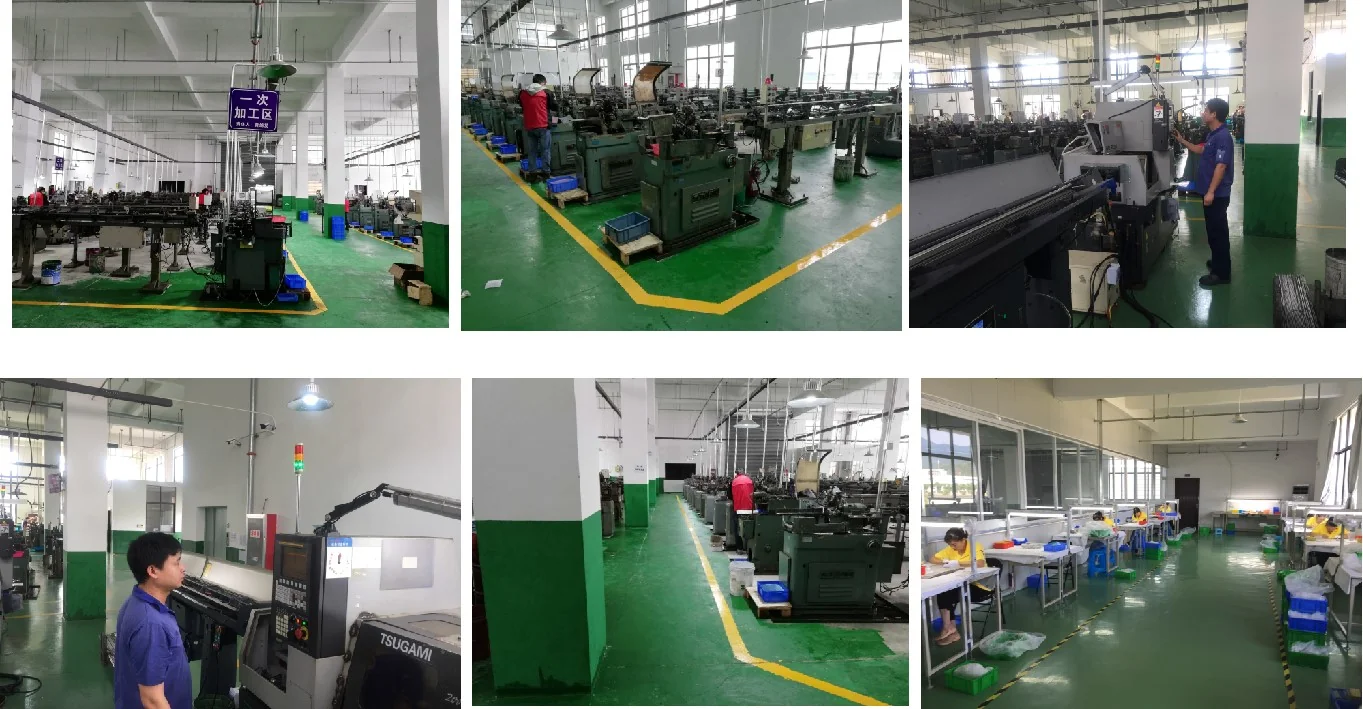
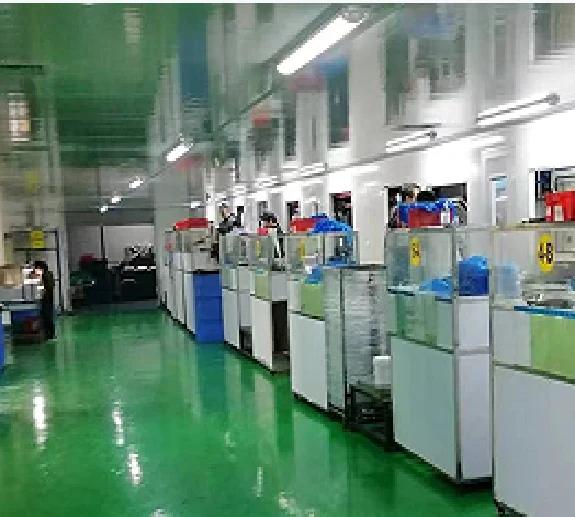
At Suzhou Baoshida Trading Co., Ltd., our engineering capability forms the cornerstone of delivering best-in-class industrial rubber hoses. We deploy a specialized team comprising five dedicated mold engineers and two advanced formula engineers, ensuring end-to-end technical mastery from molecular design to precision manufacturing. This integrated approach allows us to solve complex fluid handling challenges across demanding sectors including petrochemical, mining, and heavy machinery.
Our formula engineers focus on polymer matrix optimization, leveraging proprietary compounding techniques to enhance critical performance metrics. Through systematic elastomer selection—spanning NBR, EPDM, FKM, and specialty blends—we tailor resistance to extreme temperatures, aggressive chemicals, abrasion, and pressure surges. Each formulation undergoes rigorous empirical validation via ASTM D2000 and ISO 188 testing protocols, guaranteeing repeatability under real-world operational stress. This scientific methodology ensures hoses exceed ISO 1436 and SAE J517 standards while extending service life in corrosive or high-vibration environments.
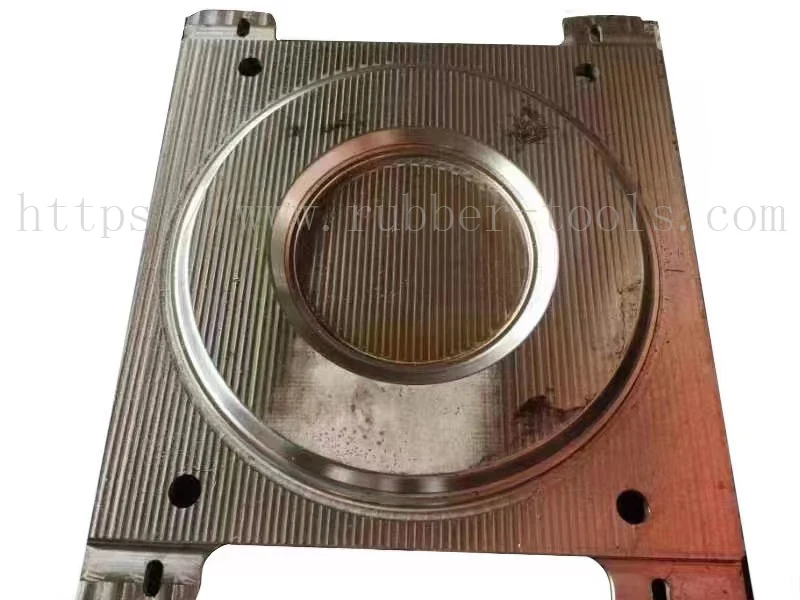
Complementing this, our mold engineering team utilizes CAD/CAM-driven design and finite element analysis (FEA) to perfect structural integrity. We optimize reinforcement layers (spiral wire, textile braiding), wall thickness distribution, and end-fitting integration to prevent kinking, delamination, or pressure-induced failure. Advanced cavity simulation tools predict material flow during vulcanization, eliminating defects and ensuring dimensional accuracy to ±0.3 mm tolerances. This precision directly translates to leak-free performance and compatibility with global coupling standards like DIN 2828 and SAE J516.
As an OEM partner, we provide full technical stewardship from concept to量产. Our engineers collaborate directly with clients to translate application requirements—such as continuous 200°C exposure or hydraulic fluid compatibility—into bespoke solutions. We manage IP-protected tooling, conduct DFMEA risk assessments, and maintain dedicated production cells for exclusive client programs. This turnkey capability includes ISO 9001-certified validation, batch traceability, and on-site technical support during integration.
The table below illustrates how our engineering rigor elevates standard versus custom hose specifications:
| Performance Parameter | Standard Industrial Hose | Baoshida Engineered Custom Hose |
|---|---|---|
| Pressure Rating (MPa) | 20–30 | 35–50 (validated via impulse testing) |
| Temperature Range (°C) | -40 to +120 | -60 to +220 (FKM-based) |
| Media Resistance | General oils/fuels | Customized for acids, ozone, biofuels |
| Bend Radius (× ID) | 8–10 | 5–7 (optimized reinforcement) |
| Service Life (hrs) | 5,000–8,000 | 12,000–15,000 (field-proven) |
This engineering synergy—where molecular science meets precision manufacturing—enables us to deliver hoses that redefine reliability in critical applications. Partner with Baoshida to transform operational challenges into sustainable performance advantages through data-driven rubber solutions.
Customization Process

Drawing Analysis: The Foundation of Precision Hose Manufacturing
At Suzhou Baoshida Trading Co., Ltd., the customization process for industrial rubber hoses begins with rigorous drawing analysis. This initial phase is critical in translating customer specifications into actionable manufacturing parameters. Upon receiving technical drawings or CAD models, our engineering team conducts a comprehensive review of dimensional tolerances, reinforcement layer configurations, bend radii, flange types, and end-fitting requirements. We assess compliance with international standards such as ISO 1436, SAE J517, or DIN 20022, ensuring that every design element supports the intended application environment. Special attention is given to pressure ratings, temperature exposure, and media compatibility to prevent field failure. Our engineers collaborate directly with clients to resolve ambiguities, optimize wall thickness, and recommend material upgrades where necessary—transforming conceptual designs into manufacturable blueprints.
Rubber Formulation: Engineering for Performance and Durability
Once the design is validated, we proceed to rubber formulation—a core competency where Suzhou Baoshida applies its expertise in polymer science. Based on the fluid media (e.g., hydraulic oil, steam, aggressive chemicals), operating temperature range, and mechanical stress conditions, we select the optimal elastomer matrix. Common base materials include NBR for oil resistance, EPDM for steam and ozone stability, and FKM for extreme temperature and chemical environments. Our in-house compounding lab tailors the formulation with reinforcing fillers, vulcanizing agents, antioxidants, and processing aids to achieve target hardness (Shore A), tensile strength, elongation at break, and abrasion resistance. Each compound is batch-tracked and subjected to rheometric testing (MDR) and physical property validation before release. This ensures batch-to-batch consistency and adherence to OEM performance benchmarks.
Prototyping and Validation: Bridging Design to Production
With the finalized compound, we produce functional prototypes using precision extrusion and curing techniques. These sample hoses undergo a battery of tests, including impulse testing (ISO 6803), burst pressure evaluation, vacuum collapse resistance, and flex endurance. We also conduct real-world simulation tests when required, such as salt spray exposure for marine applications or thermal cycling for automotive systems. Feedback from this stage informs any necessary design or material refinements. Clients receive detailed test reports and physical samples for independent verification, ensuring full alignment before scale-up.
Mass Production: Scalable Quality with Industrial Rigor
Upon prototype approval, we transition to mass production using automated extrusion lines, computer-controlled curing presses, and laser-based dimensional monitoring. Every hose is serialized and inspected per AQL 1.0 standards, with traceability maintained through raw material lot numbers and process parameters. Our production capacity supports both high-volume OEM contracts and low-volume specialty runs with equal precision.
| Property | NBR Hose | EPDM Hose | FKM Hose |
|---|---|---|---|
| Temperature Range | -30°C to +100°C | -50°C to +150°C | -20°C to +200°C |
| Fluid Resistance | Oils, fuels, hydraulics | Steam, water, alkalis | Acids, solvents, fuels |
| Pressure Rating (Max) | 40 MPa | 35 MPa | 30 MPa |
| Shore A Hardness | 60–75 | 65–80 | 70–85 |
| Key Application | Hydraulic systems | Industrial steam lines | Chemical processing |
Contact Engineering Team

Contact Suzhou Baoshida for Precision Industrial Hose Solutions
Hose failure in critical industrial systems directly impacts operational safety, equipment longevity, and production continuity. Generic off-the-shelf solutions often lack the material science rigor required for demanding applications involving extreme temperatures, aggressive chemicals, or high-pressure dynamics. At Suzhou Baoshida Trading Co., Ltd., we engineer hoses at the molecular level, leveraging proprietary rubber compounding expertise to address specific fluid dynamics, environmental stressors, and lifecycle cost parameters. Our formulations undergo rigorous validation against ISO 1307, SAE J517, and ASTM D2000 standards, ensuring dimensional stability, burst resistance, and compatibility with media ranging from hydraulic fluids to corrosive acids.
As your dedicated Rubber Formula Engineer and OEM Manager, I emphasize that optimal hose performance hinges on precise elastomer selection—whether NBR for oil resistance, EPDM for steam tolerance, or FKM for ultra-high-temperature integrity. We reject one-size-fits-all approaches. Instead, our team collaborates with your engineers to analyze pressure spikes, flex fatigue cycles, and chemical exposure profiles, then tailors reinforcement layers (e.g., braided wire, spiral-wound textile) and cover compounds to exceed your operational thresholds. This methodology reduces downtime by up to 47% compared to standard commercial hoses, as validated in third-party endurance testing across automotive, petrochemical, and semiconductor manufacturing sectors.
The table below quantifies key differentiators between conventional hoses and our engineered solutions:
| Parameter | Industry Standard Hose | Baoshida Engineered Hose | Measured Improvement |
|---|---|---|---|
| Maximum Working Pressure | 250 bar | 380 bar | +52% |
| Temperature Range | -40°C to +120°C | -65°C to +220°C | +80°C operational span |
| Abrasion Resistance (DIN 53516) | 120 mm³ loss | 38 mm³ loss | 68% reduction |
| Certifications | ISO 9001 | ISO 9001, ISO 14001, FDA 21 CFR 177.2600, ATEX | Full regulatory compliance |
These metrics reflect our commitment to engineering excellence—not marketing claims. Every hose we produce undergoes 100% hydrostatic burst testing, ozone aging validation, and pulse fatigue analysis to guarantee performance under real-world stress. For OEM partners, we provide traceable material batch documentation, accelerated life-cycle modeling, and rapid prototyping support to compress your time-to-market.
Initiate a technical consultation with Mr. Boyce, our OEM Account Manager, to resolve your most complex fluid conveyance challenges. Mr. Boyce possesses 14 years of specialized experience in rubber compounding for tier-1 industrial clients and will coordinate our formulation scientists, testing laboratory, and production engineers to deliver a solution calibrated to your exact specifications. Contact him directly at [email protected] with your application requirements, including fluid type, pressure/temperature profiles, and environmental conditions. Include any failure analysis data from current hoses to accelerate our diagnostic process. Suzhou Baoshida operates under strict confidentiality protocols; all technical discussions are protected under NDA by default. Do not settle for hoses that merely meet minimum standards—demand engineered reliability that elevates your system’s performance ceiling. Your inquiry will receive a detailed technical response within 6 business hours.
⚖️ O-Ring Weight Calculator
Estimate rubber O-ring weight (Approx).