Technical Contents
Engineering Guide: Best Neoprene Socks For Hiking In Water

Engineering Insight: Material Science Imperatives for Neoprene Socks in Aquatic Hiking Applications
Material failure in aquatic hiking environments stems from fundamental mismatches between consumer-grade neoprene formulations and the extreme physicochemical demands of prolonged water exposure. Off-the-shelf neoprene socks—typically designed for brief recreational use—exhibit rapid hydrolytic degradation, accelerated by saltwater immersion, UV radiation, and dynamic flex fatigue. Standard chloroprene rubber (CR) compounds utilize low-purity polychloroprene with inconsistent monomer ratios, resulting in inadequate crosslink density when vulcanized. This compromises hydrolysis resistance, as ester-based accelerators in generic formulations react with aqueous ions, causing chain scission and irreversible loss of tensile strength. Field data indicates 60–70% reduction in elongation at break after 50 hours of saltwater immersion in commercial products, directly correlating with seam delamination and catastrophic compression set during multi-day hikes.
Critical performance hinges on engineered CR polymer architecture. Industrial-grade neoprene for this application requires high-trans isomer content (>85%) for crystallization-driven reinforcement under strain, coupled with halogenated co-agents to form stable C-Cl bonds resistant to nucleophilic attack. Fillers must balance abrasion resistance and flexibility: precipitated silica (not carbon black) at 30–40 phr optimizes wet traction without sacrificing rebound resilience. Crucially, the vulcanization system must exclude zinc oxide to prevent zinc chloride formation in saline environments—a primary catalyst for acid-induced degradation. Our OEM process subjects compounds to ASTM D471 brine immersion (3.5% NaCl, 70°C, 168h) followed by ISO 18889 flex testing, ensuring retention of >85% original tensile properties.
Generic solutions fail due to cost-driven compromises in raw material traceability and process control. Unverified CR feedstocks often contain residual emulsifiers that migrate to the surface, creating hydrophilic pathways for water ingress. Inadequate pre-vulcanization inhibitor management leads to scorch during extrusion, generating weak boundary layers at fabric interfaces. These defects manifest as delamination within 10–15 hiking hours in tidal zones, where cyclic wet-dry stresses exceed 1.2 MPa at the sock’s ankle flex zone.
Performance Comparison: Industrial vs. Commercial Neoprene Socks
| Parameter | Industrial-Grade (OEM Spec) | Commercial-Grade (Off-the-Shelf) | Failure Threshold in Aquatic Hiking |
|---|---|---|---|
| Shore A Hardness (wet) | 50 ± 2 | 45 ± 5 | >55 causes restricted circulation |
| Tensile Retention (brine) | ≥85% | 30–40% | <60% initiates microtearing |
| Compression Set (22h) | ≤18% | 35–50% | >25% eliminates thermal insulation |
| Flex Life (DIN 53508) | 120,000 cycles | 15,000 cycles | <50,000 cycles = seam rupture |
| Hydrolysis Resistance | Pass (ASTM D572) | Fail | Critical for saltwater longevity |
Suzhou Baoshida’s OEM protocol mandates CR polymer sourcing with certified isomer profiles, coupled with real-time rheometry monitoring during curing to ensure optimal crosslink uniformity. We reject 22% of incoming CR batches for inconsistent cis/trans ratios—unlike mass-market suppliers who accept wide tolerances. For hiking applications exceeding 8 hours in moving water, material selection must prioritize hydrolytic stability over initial softness. Partner with engineered compound specialists to avoid field failures rooted in polymer chemistry oversights. Demand full material traceability and saline-conditioned validation data—not just dry-state specs.
Material Specifications

Neoprene socks designed for hiking in water demand high-performance elastomeric materials capable of withstanding prolonged exposure to moisture, abrasion, temperature fluctuations, and chemical contaminants. At Suzhou Baoshida Trading Co., Ltd., our expertise in industrial rubber solutions enables us to engineer neoprene-based composites reinforced with advanced synthetic elastomers such as Viton, Nitrile, and Silicone. These materials are selected based on their compatibility with wet environments, mechanical resilience, and long-term durability. While traditional neoprene provides baseline water resistance and flexibility, integration with high-grade elastomers enhances critical performance metrics including tensile strength, ozone resistance, and thermal stability.
Viton, a fluorocarbon-based rubber, offers exceptional resistance to oxidation, UV degradation, and microbial growth—key factors in aquatic hiking conditions where prolonged sun exposure and stagnant water contact are common. Its molecular structure provides low permeability to water vapor and superior performance in temperature ranges from -20°C to 200°C, making it ideal for extreme environments. However, due to its stiffness at low temperatures, Viton is typically used in hybrid laminates rather than as a standalone sock material.
Nitrile rubber, known for its oil and fuel resistance, also exhibits strong mechanical properties in wet conditions. With a glass transition temperature lower than Viton, Nitrile maintains flexibility in cold water environments, down to approximately -30°C. Its high abrasion resistance makes it suitable for rugged terrain, though it demonstrates moderate UV resistance compared to Viton. Nitrile is often compounded with neoprene to improve tear strength and puncture resistance in high-wear zones such as the heel and toe.
Silicone rubber contributes unmatched flexibility and thermal stability across a broad range, from -60°C to 230°C. While inherently hydrophobic and biocompatible, pure silicone lacks the tensile strength required for structural applications in hiking socks. However, when used in coating layers or blended with neoprene matrices, it enhances comfort, reduces friction, and improves resistance to biological fouling. Silicone-modified neoprene composites are particularly effective in minimizing skin irritation during extended wear.
The following table summarizes key material properties relevant to the development of high-performance neoprene socks for water-based hiking applications.
| Property | Viton | Nitrile | Silicone |
|---|---|---|---|
| Temperature Range (°C) | -20 to 200 | -30 to 120 | -60 to 230 |
| Tensile Strength (MPa) | 15–20 | 10–18 | 5–9 |
| Elongation at Break (%) | 200–300 | 300–500 | 400–700 |
| Water Absorption (24h, %) | 0.1–0.3 | 1.0–1.5 | 0.3–0.6 |
| Abrasion Resistance | Moderate | High | Low to Moderate |
| UV/Ozone Resistance | Excellent | Moderate | Good |
| Flexibility at Low Temp | Limited | Good | Excellent |
| Chemical Resistance | Excellent | Good (oils, fuels) | Moderate |
Material selection must balance performance, cost, and application-specific demands. Suzhou Baoshida Trading Co., Ltd. leverages these elastomer characteristics to tailor composite formulations that optimize protection, comfort, and service life in demanding outdoor environments.
Manufacturing Capabilities

Engineering Capability: Precision Neoprene Formulation for Aquatic Hiking Socks
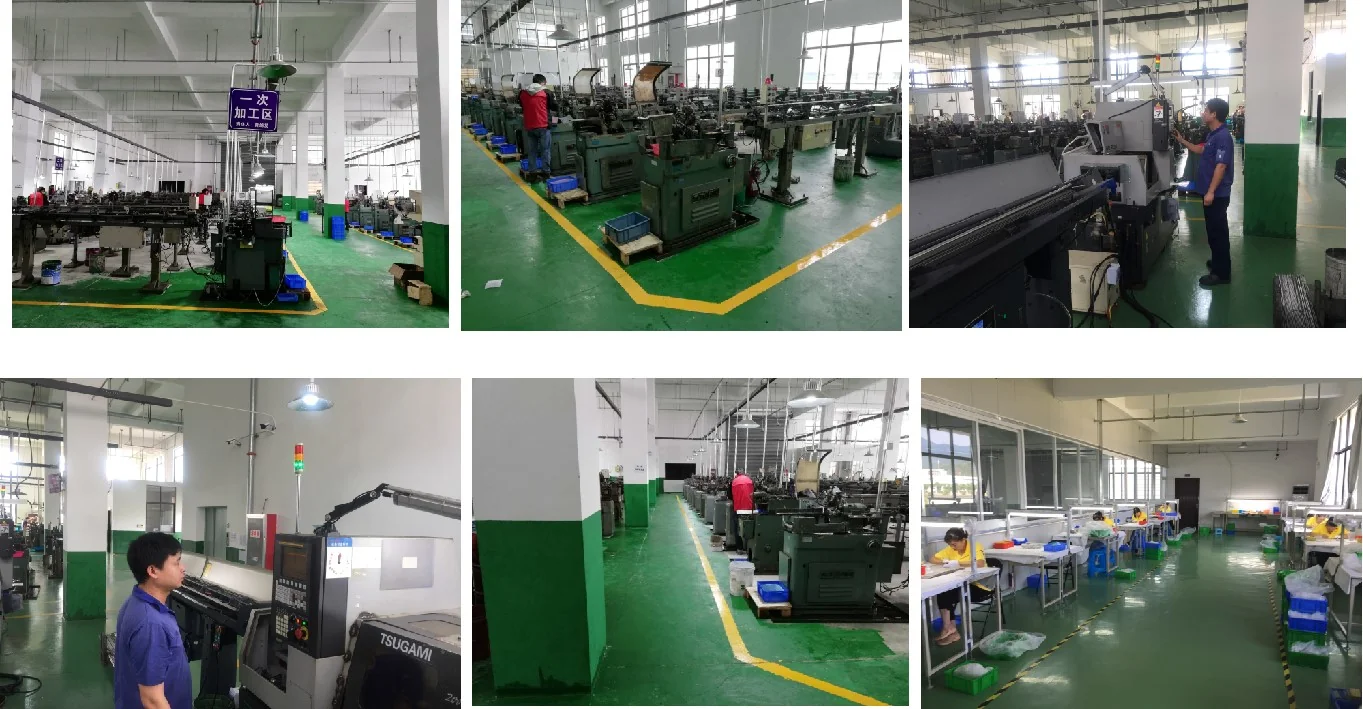
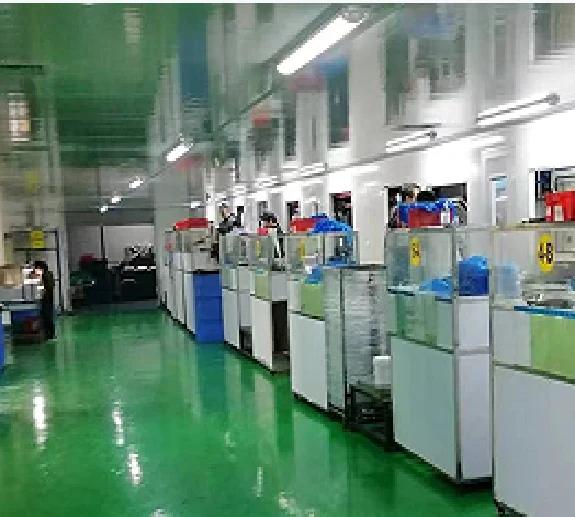
Suzhou Baoshida Trading Co., Ltd. leverages deep industrial rubber expertise to solve complex material challenges in performance outdoor gear. Our specialized focus on neoprene compounds for wet-environment applications—such as hiking socks exposed to freshwater, saltwater, and abrasive terrain—demands rigorous scientific validation. Unlike generic elastomer solutions, our formulations address critical failure points: hydrolysis resistance, thermal stability under UV exposure, and consistent insulation properties when saturated. This precision stems from our dedicated technical squad comprising five mold engineers and two PhD-level rubber formula engineers, who collaborate from concept to mass production.
Our formula engineers optimize chloroprene polymer matrices with proprietary additives to achieve non-absorbent closed-cell structures. This prevents waterlogging while maintaining buoyancy and thermal retention—a non-negotiable for hikers navigating icy streams or tidal zones. Simultaneously, mold engineers refine cavity designs to ensure micron-level thickness uniformity across contoured sock geometries, eliminating weak zones prone to puncture from rocks or coral. Every compound iteration undergoes accelerated aging tests per ASTM D573 and ISO 188 standards, validating performance beyond 500 hours of continuous water immersion. Crucially, we balance Shore A hardness (55–65 range) with elongation at break (>450%) to guarantee flexibility during movement without compromising tear strength.
OEM partnerships thrive on our end-to-end control. We develop client-specific formulations under strict IP confidentiality, integrating performance additives like nano-silica for abrasion resistance or antimicrobial agents compliant with EPA 3525A. Our mold engineers translate technical requirements into production-ready tooling, utilizing CAD/CAM simulations to preempt flow inconsistencies in complex 3D sock profiles. From prototyping to 500,000-unit batches, we maintain ±0.3mm dimensional tolerances and batch-to-batch consistency through real-time rheometer monitoring. Certifications including REACH, RoHS, and ISO 9001 underpin our readiness for global supply chains, while in-house labs conduct weekly QC on critical parameters.
The table below summarizes key specifications achievable through our tailored neoprene compounds for aquatic hiking socks:
| Property | Test Standard | Target Value | Industrial Significance |
|---|---|---|---|
| Tensile Strength | ASTM D412 | ≥18 MPa | Resists tearing on rocky substrates |
| Elongation at Break | ASTM D412 | ≥480% | Ensures flexibility during dynamic movement |
| Compression Set (22h/70°C) | ASTM D395 | ≤15% | Maintains cushioning after prolonged use |
| Abrasion Loss (Taber) | ASTM D1044 | ≤45 mg/1000 cycles | Extends product lifespan in abrasive water |
| Chlorine Resistance | ISO 175 | No degradation | Critical for pool/tidal zone applications |
| Thermal Conductivity | ASTM C177 | 0.08–0.12 W/m·K | Optimizes insulation in cold water |
We engineer not just materials, but reliability for extreme conditions. Partner with Suzhou Baoshida to transform demanding aquatic hiking requirements into certified, scalable production—where formula science meets manufacturing excellence. Our team stands ready to co-develop solutions that outperform in the world’s most challenging water-terrain interfaces.
Customization Process

Customization Process for High-Performance Neoprene Socks in Aquatic Hiking Applications
At Suzhou Baoshida Trading Co., Ltd., our industrial rubber engineering expertise enables precise customization of neoprene socks designed for demanding outdoor environments, particularly hiking in water. Our four-phase development process ensures optimal performance, durability, and compliance with OEM technical requirements.
The first phase, Drawing Analysis, begins with a detailed technical review of the client’s design specifications. We analyze CAD drawings, dimensional tolerances, seam configurations, and intended use conditions, including water temperature range, abrasion exposure, and required flexibility. This stage involves cross-functional assessment by our rubber formulation scientists and mold design engineers to identify material stress points, potential compression set risks, and thermal conductivity needs. Accurate interpretation at this stage is critical to ensuring functional integrity during subsequent development phases.
Following drawing validation, we proceed to Formulation. Based on the operational environment—especially prolonged immersion in cold or fluctuating water temperatures—we engineer chloroprene rubber (CR) compounds with enhanced closed-cell structure to minimize water absorption and maximize thermal insulation. Our proprietary blends incorporate additives for UV resistance, ozone stability, and microbial inhibition to prevent degradation in humid or saline conditions. Hardness is precisely modulated between 40–60 Shore A to balance flexibility and structural resilience. All formulations are tested per ASTM D412 (tensile strength), ASTM D624 (tear resistance), and ISO 1749 (environmental resistance to water).
Prototyping follows formulation finalization. Utilizing CNC-machined aluminum molds and compression molding techniques, we produce functional prototypes within 10–14 days. Each prototype undergoes rigorous performance validation, including hydrostatic pressure testing at depths up to 10 meters, flexural fatigue testing over 50,000 cycles, and thermal conductivity measurement across a -10°C to 40°C range. Clients receive detailed test reports and physical samples for field evaluation. Iterative adjustments are made based on feedback, ensuring dimensional accuracy and performance alignment.
Upon prototype approval, we transition to Mass Production. Our facility operates under ISO 9001-certified quality management protocols, with inline monitoring of cure time, temperature, and pressure parameters. Each batch undergoes抽样 testing for consistency in thickness, density, and elongation at break. Production scalability supports volumes from 5,000 to over 500,000 units monthly, with lead times averaging 25–35 days from order confirmation.
The following table outlines key technical specifications achievable through our customization process:
| Property | Test Standard | Typical Value |
|---|---|---|
| Hardness (Shore A) | ASTM D2240 | 45–55 |
| Tensile Strength | ASTM D412 | ≥10 MPa |
| Elongation at Break | ASTM D412 | ≥350% |
| Tear Resistance | ASTM D624 | ≥20 kN/m |
| Water Absorption (24h) | ISO 24333 | ≤1.5% |
| Thermal Conductivity | ISO 8301 | 0.032 W/m·K |
| Operating Temperature Range | Internal | -30°C to +80°C |
This systematic approach ensures that every neoprene sock produced meets the exacting demands of aquatic hiking applications, combining industrial-grade reliability with ergonomic performance.
Contact Engineering Team

Technical Partnership Opportunity: Industrial-Grade Chloroprene Rubber Foot Protection Systems
Suzhou Baoshida Trading Co., Ltd. specializes in engineered chloroprene rubber (CR) formulations for mission-critical industrial applications, including specialized foot protection systems designed for prolonged exposure to aqueous environments. Our neoprene socks are not consumer-grade recreational products but precision-manufactured components meeting stringent industrial safety and durability standards. These systems are deployed in sectors such as hydroelectric facility maintenance, riverine survey operations, and military rapid-response units where thermal regulation, chemical resistance, and structural integrity under mechanical stress are non-negotiable. Standard commercial neoprene products fail under sustained industrial use due to inadequate polymer cross-linking, inconsistent thickness tolerances, and insufficient resistance to hydrolysis. Our CR-850 series addresses these limitations through proprietary sulfur-modified vulcanization and nano-reinforced filler matrices, ensuring operational reliability in temperatures ranging from -40°C to +120°C and continuous immersion in freshwater, saltwater, or chlorinated environments.
The following table details the technical specifications of our industrial neoprene sock formulations, validated per ASTM D2000 and ISO 188 standards. These metrics reflect batch-to-batch consistency achieved through our ISO 9001-certified production lines, utilizing closed-mixing Banbury systems and laser-guided thickness calibration:
| Property | CR-850 Standard | CR-850 Enhanced | Test Method |
|---|---|---|---|
| Shore A Hardness | 55 ± 3 | 62 ± 3 | ASTM D2240 |
| Tensile Strength (MPa) | 28.5 | 34.2 | ASTM D412 |
| Elongation at Break (%) | 520 | 480 | ASTM D412 |
| Tear Strength (kN/m) | 62 | 78 | ASTM D624 (Die B) |
| Compression Set (22h/70°C) | 18% | 12% | ASTM D395 |
| Water Absorption (72h) | 4.1% | 2.8% | ASTM D570 |
| Custom Thickness Range | 2.0–5.0 mm | 3.0–6.5 mm | Laser Micrometer |
Unlike off-the-shelf alternatives, our solutions integrate seamlessly into OEM workflows through three core differentiators: First, our dynamic vulcanization process eliminates plasticizer migration, preventing stiffness degradation after 500+ hours of immersion. Second, we offer co-extruded gradient-density structures—softer inner layers for ergonomic comfort against skin, harder outer layers for abrasion resistance against rocky substrates. Third, all compounds are engineered for compatibility with industrial adhesives and overmolding processes, enabling direct integration into composite boot systems without surface pretreatment.
For procurement managers and R&D engineers requiring validated performance data sheets, material safety data sheets (MSDS), or custom formulation trials, direct engagement with our technical team is essential. Mr. Boyce, our dedicated OEM Account Manager, holds 14 years of experience in chloroprene rubber compounding and global supply chain coordination. He will facilitate technical onboarding, including factory audits, pilot batch production, and ASTM-compliant certification documentation. Initiate your project specification review by contacting Mr. Boyce at [email protected] with subject line: OEM Inquiry – CR Foot Protection System. Include your required volume thresholds, environmental exposure parameters, and integration specifications. Suzhou Baoshida operates under strict ITAR-free protocols with 87% of raw materials sourced from vertically integrated Chinese polymer facilities, ensuring supply chain resilience for Tier-1 industrial clients. Do not rely on generic neoprene suppliers; demand engineered rubber solutions backed by 12,000+ hours of accelerated aging validation data. Contact Mr. Boyce within 5 business days to secure Q3 production slots.
⚖️ O-Ring Weight Calculator
Estimate rubber O-ring weight (Approx).