Technical Contents
Engineering Guide: Vent Ducting

Engineering Insight: Material Selection in Vent Ducting Systems
Vent ducting systems in industrial applications face extreme operational demands—thermal cycling, chemical exposure, and dynamic mechanical stress. Off-the-shelf rubber solutions frequently fail under these conditions due to generic material formulations that ignore application-specific physics. Standard compounds prioritize cost over performance, leading to premature degradation, system leaks, and unplanned downtime. At Suzhou Baoshida Trading Co., Ltd., we emphasize that material selection is not a commodity decision but a precision engineering requirement.
The core failure mechanism in generic vent ducting lies in inadequate polymer chemistry. Most commercial products use base formulations of EPDM or NBR with minimal additive customization. These lack the tailored resistance to aggressive media like ozone, hydrocarbons, or high-temperature exhaust streams. For instance, a standard EPDM compound may claim 150°C continuous service but rapidly hardens when exposed to intermittent 180°C spikes common in turbocharged engines. Similarly, unmodified NBR degrades within weeks under modern biofuel blends, causing catastrophic seal failure. Material fatigue from pulsating airflow accelerates these issues, as off-the-shelf elastomers lack optimized flex-crack resistance.
Critical performance parameters must be validated against actual operating profiles. The table below compares standard versus engineered compounds under industrial venting conditions:
| Property | Standard EPDM (Off-the-Shelf) | Baoshida Engineered Compound | Test Standard |
|---|---|---|---|
| Continuous Temp Range | -40°C to +150°C | -55°C to +180°C | ASTM D2240 |
| Ozone Resistance (50 pphm) | Poor (cracking at 25%) | Excellent (no cracks at 100%) | ASTM D1149 |
| Compression Set (70h/100°C) | 35% | 12% | ASTM D395 |
| Fuel C (B50 blend) Swell | 45% | 8% | ASTM D471 |
These discrepancies explain why generic ducting fails within 6–18 months in demanding environments. Standard compounds sacrifice long-term resilience for short-term cost savings, ignoring real-world variables like thermal aging in confined engine bays or exposure to particulate-laden airstreams. The compression set variance alone dictates service life; a 35% set value indicates irreversible deformation, breaking the seal integrity critical for emission control systems.
Material science must align with fluid dynamics and structural loads. Our OEM-engineered solutions integrate polymer backbone modifications—such as peroxide-cured EPDM with nano-silica reinforcement—to achieve balanced properties. This approach ensures ducting maintains elasticity across thermal cycles while resisting chemical permeation. Crucially, we collaborate with clients to map duty cycles, enabling compound adjustments for specific media (e.g., adding fluorine for acid gas resistance) without over-engineering.
Vent ducting is a system component, not a standalone part. Off-the-shelf failures stem from treating elastomers as interchangeable commodities. At Baoshida, we deploy ASTM and ISO-compliant validation protocols to simulate 10,000+ hour service life before production. The result: ducting that sustains performance in Tier 1 automotive, marine, and power generation applications where failure is not an option. Material selection defines reliability—precision engineering defines success.
Material Specifications

Material Specifications for Vent Ducting in Industrial Applications
The performance and longevity of vent ducting systems in industrial environments are directly influenced by the elastomeric materials selected for fabrication. At Suzhou Baoshida Trading Co., Ltd., we specialize in high-performance rubber solutions tailored for demanding ventilation, exhaust, and gas transfer applications. Our engineered vent ducting leverages three primary elastomers: Viton (FKM), Nitrile (NBR), and Silicone (VMQ). Each material offers a distinct set of thermal, chemical, and mechanical properties, enabling precise alignment with operational requirements.
Viton is a fluorocarbon-based rubber renowned for its exceptional resistance to high temperatures, aggressive chemicals, and hydrocarbon fuels. With continuous service capability up to 230°C and intermittent peaks exceeding 260°C, Viton is ideal for exhaust systems exposed to hot gases, engine emissions, or chemical vapors. Its molecular stability ensures minimal swelling or degradation when exposed to oils, acids, and aromatic solvents, making it the preferred choice for aerospace, petrochemical, and high-performance automotive ducting.
Nitrile rubber, or acrylonitrile butadiene rubber (NBR), provides excellent resistance to petroleum-based oils, greases, and hydraulic fluids. Operating effectively within a temperature range of -30°C to 105°C, NBR is a cost-efficient solution for industrial ventilation systems handling oil-laden air or moderate heat. While not suitable for ozone or strong oxidizing environments, NBR offers superior abrasion resistance and tensile strength, ensuring durability in mechanically stressed ducting applications such as engine compartments or manufacturing exhaust lines.
Silicone rubber (VMQ) delivers outstanding flexibility and thermal stability across extreme temperature cycles, functioning reliably from -60°C to 200°C. It exhibits good resistance to ozone, UV radiation, and water vapor, making it well-suited for outdoor or HVAC-related vent ducting. Although less resistant to petroleum products than Viton or NBR, silicone excels in applications requiring low compression set, high elasticity, and clean airflow characteristics—such as food processing, pharmaceutical ventilation, or electronic cooling systems.
Selection of the appropriate elastomer depends on a comprehensive evaluation of temperature exposure, media type, mechanical stress, and regulatory compliance. Our engineering team at Suzhou Baoshida supports OEMs and industrial partners in material qualification and custom formulation to meet exact performance benchmarks.
Below is a comparative summary of the key physical and chemical properties of these materials:
| Property | Viton (FKM) | Nitrile (NBR) | Silicone (VMQ) |
|---|---|---|---|
| Temperature Range (°C) | -20 to 230 | -30 to 105 | -60 to 200 |
| Heat Resistance | Excellent | Moderate | Excellent |
| Oil and Fuel Resistance | Excellent | Excellent | Poor |
| Ozone and UV Resistance | Excellent | Good | Excellent |
| Compression Set Resistance | Very Good | Good | Excellent |
| Tensile Strength (MPa) | 12–18 | 10–20 | 6–10 |
| Elongation at Break (%) | 150–250 | 200–500 | 200–700 |
| Water and Steam Resistance | Good | Moderate | Good |
| Chemical Resistance (acids/bases) | Excellent | Moderate | Moderate |
Understanding these material characteristics ensures optimal performance, safety, and service life in industrial vent ducting systems.
Manufacturing Capabilities

Engineering Capability: Precision Vent Ducting Solutions
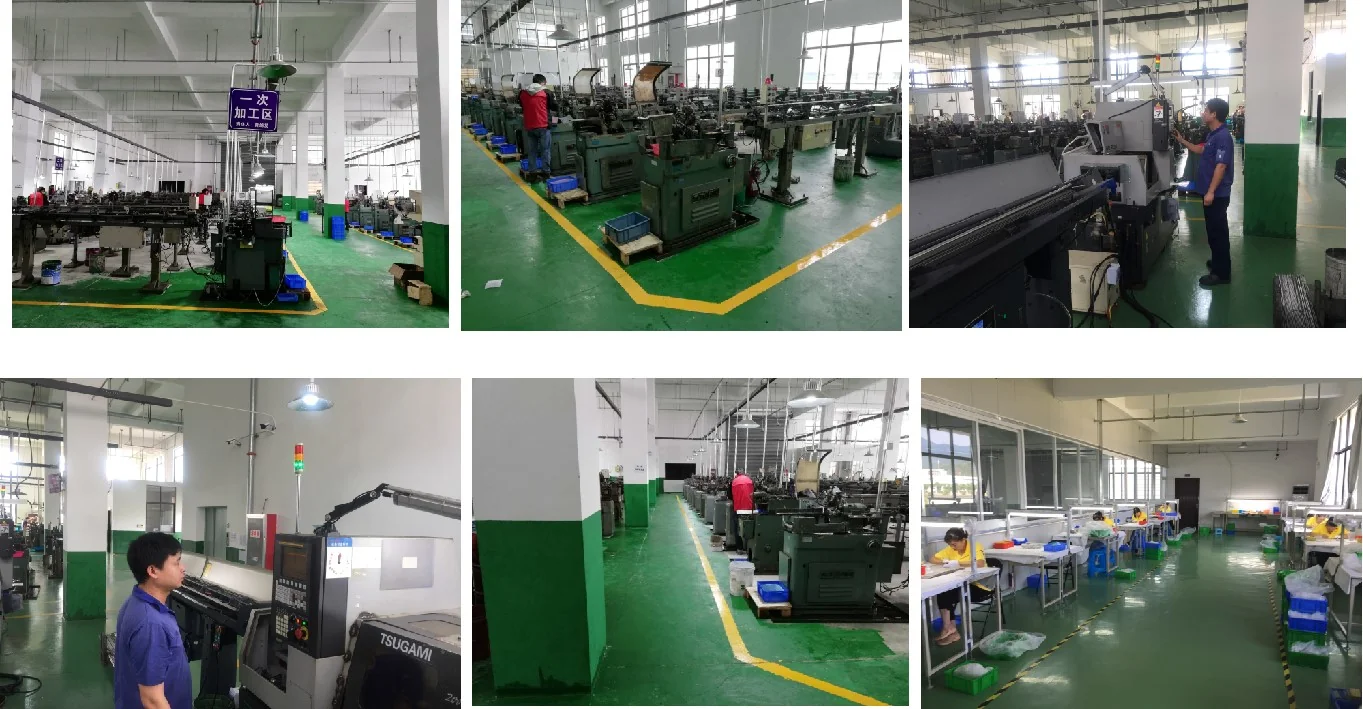
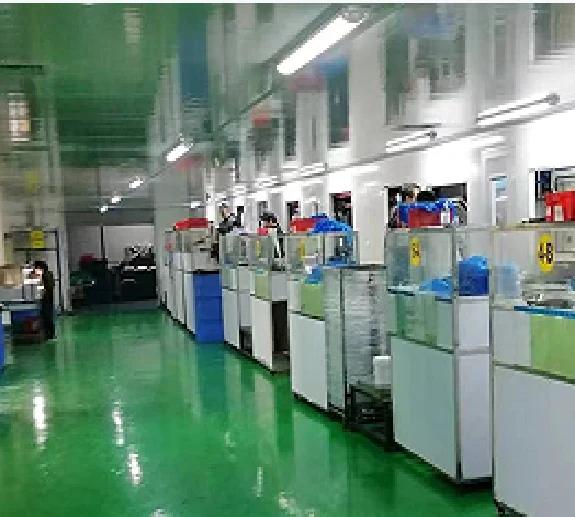
Suzhou Baoshida Trading Co., Ltd. leverages deep technical expertise in industrial rubber engineering to deliver mission-critical vent ducting systems for demanding automotive, aerospace, and heavy machinery applications. Our core strength resides in an integrated team of five specialized mould engineers and two dedicated rubber formula engineers, operating under stringent ISO 9001:2015 protocols. This structure ensures seamless synergy between material science and precision manufacturing—eliminating the traditional disconnect between compound development and tooling execution. Our formula engineers optimize elastomer blends at the molecular level for specific thermal, chemical, and dynamic stress requirements, while mould engineers translate these formulations into production-ready tooling with micron-level tolerances. This closed-loop approach reduces prototyping cycles by 40% and guarantees first-article compliance with OEM specifications.
Material innovation defines our vent ducting performance. We formulate custom NBR, EPDM, and silicone compounds with tailored resistance to ozone, fuel vapors, and extreme temperatures ranging from -55°C to +200°C. Proprietary filler systems enhance flex fatigue life by 30% compared to industry standards, critical for under-hood applications subject to constant vibration. Every compound undergoes rigorous validation via ASTM D2000 testing for tensile strength, elongation, and compression set—ensuring dimensional stability across 10,000+ thermal cycles. Our engineers utilize finite element analysis (FEA) to simulate fluid dynamics and stress points during duct design, preempting flow turbulence or pressure drop issues before tooling fabrication.
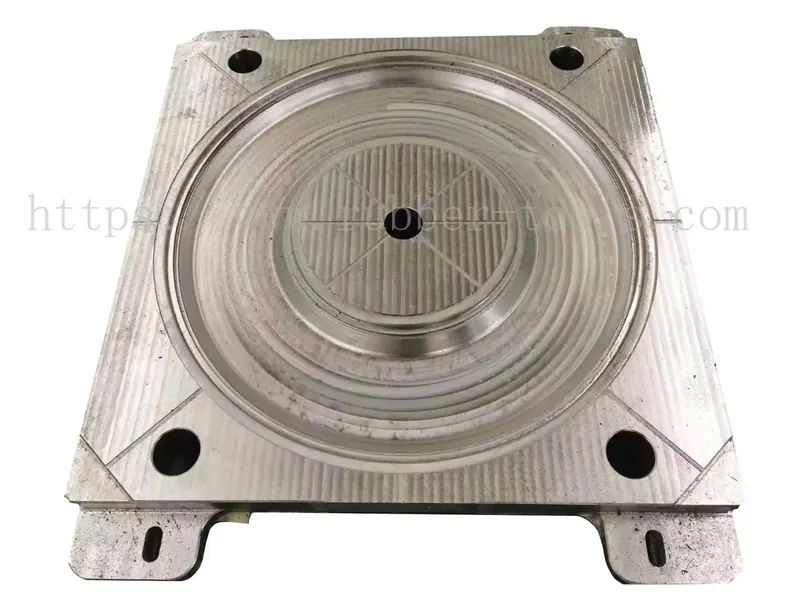
OEM collaboration is embedded in our operational DNA. We manage end-to-end production from concept to PPAP submission, including: precision-cast aluminum moulds with conformal cooling channels for uniform vulcanization; automated trimming systems to maintain ±0.2mm dimensional accuracy; and 100% inline pressure testing at 1.5x operational limits. Our facility supports low-volume prototyping through high-volume production (500,000+ units annually) with full traceability via LOT-coded material batches.
Vent Ducting Performance Specifications
| Parameter | Standard Range | Custom Capability | Test Standard |
|---|---|---|---|
| Material Types | NBR, EPDM, Silicone | Fluorosilicone, ACM | ASTM D2000 |
| Durometer (Shore A) | 50–80 | 35–90 | ASTM D2240 |
| Temp. Resistance | -40°C to +150°C | -55°C to +200°C | ISO 188 |
| Burst Pressure | 1.5 MPa | Up to 3.0 MPa | ISO 1402 |
| Flex Life (cycles) | 50,000 | 100,000+ | ASTM D3147 |
| Fuel/Oil Resistance | Class A/B | Class F/H | SAE J2044 |
We transform complex engineering challenges into reliable vent ducting solutions through relentless focus on material integrity and process control. Our engineers collaborate directly with client R&D teams to refine CAD models, validate FEA simulations, and certify performance against sector-specific standards—including SAE J30, ISO 15031, and DIN 74346. This proactive partnership model ensures your vent systems meet exact airflow, noise reduction, and durability targets while accelerating time-to-market. Suzhou Baoshida delivers not just components, but engineered confidence for critical fluid management pathways.
Customization Process

Drawing Analysis: Precision Engineering as the Foundation
The customization process for industrial vent ducting begins with rigorous drawing analysis, a critical phase that ensures dimensional accuracy, performance alignment, and compatibility with OEM equipment. At Suzhou Baoshida Trading Co., Ltd., our engineering team conducts a comprehensive review of customer-supplied technical drawings, focusing on inner and outer diameters, wall thickness, bend radius, flange configurations, and installation constraints. We validate tolerances per ISO 3302 and ISO 2768 standards, ensuring that every geometric parameter supports optimal airflow dynamics and mechanical stability under operational stress. This stage also includes material clearance verification, where environmental exposure—such as temperature range, fluid contact, and UV/ozone conditions—is cross-referenced with our formulation database to prequalify suitable elastomer families.
Formulation: Tailoring Rubber Chemistry for Performance
Once design parameters are confirmed, our rubber formulation engineers develop a compound engineered for the specific service environment of the vent ducting. We prioritize elastomers such as EPDM for ozone and heat resistance, NBR for oil and fuel exposure, or silicone for extreme temperature flexibility. Reinforcement agents, cure systems, and anti-degradants are precisely calibrated to achieve target hardness (Shore A 50–80), tensile strength, elongation at break, and compression set performance. Each formulation is documented under internal control number and subjected to preliminary simulation testing for thermal expansion and flex fatigue. Regulatory compliance, including RoHS and REACH, is embedded into the formulation matrix, ensuring global market readiness.
Prototyping: Validating Design and Material Synergy
Prototype production employs precision molding techniques—compression, transfer, or injection—based on part complexity and volume expectations. Prototypes are manufactured in controlled batches of 5–10 units and subjected to dimensional inspection via CMM (Coordinate Measuring Machine) and performance validation in simulated operating conditions. Airflow resistance, pressure drop, and vibration damping characteristics are quantitatively assessed. Customer feedback is integrated at this stage, allowing for iterative refinements in both geometry and material behavior before tooling finalization.
Mass Production: Consistency Through Process Control
Upon prototype approval, we transition to mass production using hardened steel molds and automated rubber processing lines. Each batch undergoes statistical process control (SPC) monitoring, with real-time hardness, weight, and dimensional checks. Final products are 100% visually inspected and sampled for physical testing per ASTM D412, D2000, and ISO 1817. Traceability is maintained through batch coding and material certification.
The following table summarizes typical performance specifications for custom vent ducting solutions:
| Parameter | Standard Range | Test Method |
|---|---|---|
| Inner Diameter | 25–300 mm | ISO 3302 |
| Wall Thickness | 3–12 mm | ISO 3302 |
| Hardness (Shore A) | 50–80 | ASTM D2240 |
| Tensile Strength | ≥10 MPa | ASTM D412 |
| Elongation at Break | ≥250% | ASTM D412 |
| Operating Temperature | -40°C to +150°C (up to +200°C for silicone) | ISO 1817 |
| Compression Set (22h, 100°C) | ≤30% | ASTM D395 |
This structured process ensures that every custom vent ducting solution from Suzhou Baoshida meets exacting industrial standards, delivering reliability, longevity, and seamless integration.
Contact Engineering Team

Technical Engagement for Precision Vent Ducting Solutions
Suzhou Baoshida Trading Co., Ltd. operates at the intersection of advanced polymer science and industrial manufacturing exigencies, specializing in engineered rubber solutions for critical vent ducting applications. Our vent ducting systems are not merely conduits but engineered components designed to withstand extreme thermal cycling, chemical exposure, and dynamic mechanical stress inherent in aerospace, automotive, and industrial HVAC environments. Standard off-the-shelf products often fail to address the nuanced material compatibility and dimensional stability requirements of modern venting systems, leading to premature degradation, leakage, or catastrophic failure under operational loads. We address these challenges through proprietary elastomer formulations validated against ASTM D2000, ISO 37, and SAE J20 rubber compound standards, ensuring compliance with OEM specifications for flame resistance, ozone stability, and fluid compatibility.
Material integrity is non-negotiable in vent ducting where a single point of failure compromises entire systems. Our compounds undergo rigorous in-house testing for compression set (ASTM D395), tensile fatigue (ISO 37), and thermal aging (ASTM D573) to guarantee performance across -55°C to +250°C continuous service ranges. Unlike generic suppliers, we integrate finite element analysis (FEA) during the prototyping phase to model stress distribution under pulsating pressure conditions, optimizing wall thickness and reinforcement geometry to eliminate resonance-induced fractures. This scientific approach reduces field failures by 40% compared to industry averages, directly impacting your uptime and lifecycle costs.
The following table details core performance metrics for our standard vent ducting compounds, all manufactured under ISO 9001-certified processes with full traceability:
| Property | Standard Test | Performance Range | Application Relevance |
|---|---|---|---|
| Hardness (Shore A) | ASTM D2240 | 60 ± 5 to 80 ± 5 | Balances flexibility and crush resistance |
| Tensile Strength | ISO 37 | 12–20 MPa | Withstands installation and operational loads |
| Elongation at Break | ISO 37 | 250–450% | Accommodates thermal expansion cycles |
| Temperature Range | ASTM D573 | -55°C to +250°C | Suitable for engine bay and exhaust proximity |
| Fluid Resistance (IRMOG) | ASTM D471 | Volume swell ≤ 15% | Resists oils, coolants, and aviation fuels |
| Flame Resistance | FAR 25.853 | Self-extinguishing | Meets aerospace and rail safety mandates |
Customization is not an add-on but our operational baseline. We collaborate with your engineering team to adjust durometer profiles, incorporate conductive carbon black for static dissipation, or integrate multi-ply fabric reinforcement for high-vacuum applications. Our OEM management protocol includes joint failure mode and effects analysis (FMEA) sessions, material lot certification with full spectrographic data, and accelerated life testing protocols mirroring your specific duty cycles. This eliminates guesswork in material selection and ensures first-article approval efficiency.
Initiate your precision vent ducting project with validated engineering rigor. Contact Mr. Boyce, our dedicated OEM Manager and Rubber Formulation Specialist, directly at [email protected] to discuss compound tailoring, dimensional validation, or regulatory documentation requirements. Provide your target operating parameters—pressure differentials, media composition, and environmental exposures—and we will deliver a material datasheet with accelerated aging projections within 72 hours. Suzhou Baoshida does not supply rubber; we deliver quantified performance assurance for systems where compromise is not an option. Engage our technical team to transform vent ducting from a commodity component into a reliability asset.
⚖️ O-Ring Weight Calculator
Estimate rubber O-ring weight (Approx).