Technical Contents
Engineering Guide: 3D Printing Vendors

Engineering Insight: The Critical Role of Material Selection in 3D Printing for Industrial Rubber Applications
In the evolving landscape of industrial manufacturing, 3D printing vendors are increasingly called upon to deliver functional prototypes and end-use components in elastomeric materials. While advancements in additive manufacturing have expanded the range of printable rubbers, a persistent challenge remains: material suitability for real-world industrial environments. Off-the-shelf 3D printing solutions often fail to meet the rigorous demands of dynamic sealing, vibration damping, or fluid resistance, leading to premature part failure and operational downtime. This underscores the necessity of engineered material selection over generic availability.
At Suzhou Baoshida Trading Co., Ltd., we emphasize that rubber is not a monolithic material. Its performance is dictated by polymer chemistry, crosslink density, filler composition, and post-processing treatments. Standard thermoplastic elastomers (TPEs) or silicone-based resins offered by many 3D printing vendors may demonstrate adequate printability and flexibility, but they frequently lack the thermal stability, compression set resistance, or chemical inertness required in industrial applications. For example, a gasket printed with a generic TPE may exhibit acceptable fit during initial installation but degrade rapidly under continuous exposure to hydraulic oil or elevated temperatures.
The root cause of such failures lies in the divergence between prototyping-grade materials and application-engineered elastomers. Industrial rubber components must endure cyclic mechanical stress, environmental exposure, and long-term dimensional stability—properties that are not prioritized in most commercial 3D printing formulations. Furthermore, additive manufacturing processes such as stereolithography (SLA) or fused deposition modeling (FDM) introduce anisotropy and layer adhesion variables that compound material limitations.
To bridge this gap, collaboration between material scientists, 3D printing vendors, and end-users is essential. Custom formulation development, post-curing protocols, and accelerated aging validation are critical steps in ensuring functional reliability. Suzhou Baoshida supports this integrative approach by providing technical guidance on elastomer selection based on ASTM standards, OEM specifications, and field performance data.
The following table outlines key performance characteristics of common 3D printable rubber-like materials compared to industrial-grade elastomers:
| Property | Generic TPE (FDM) | Silicone Resin (SLA) | Nitrile Rubber (NBR) – Molded | Hydrogenated Nitrile (HNBR) – Molded |
|---|---|---|---|---|
| Tensile Strength (MPa) | 5–8 | 6–10 | 15–20 | 20–28 |
| Elongation at Break (%) | 200–300 | 150–250 | 300–500 | 350–450 |
| Compression Set (22h, 70°C) | 40–60% | 35–50% | 15–25% | 10–20% |
| Heat Resistance (°C) | 80 | 100 | 120 | 150 |
| Oil Resistance | Poor | Moderate | Excellent | Excellent |
| Long-Term Dynamic Stability | Low | Low to Moderate | High | Very High |
This comparison illustrates why off-the-shelf 3D printed elastomers often fall short in industrial service. True performance requires material systems designed for the environment, not merely for printability. At Baoshida, we advocate for a specification-driven approach—where material selection precedes process selection—to ensure reliability, safety, and cost-effectiveness in every application.
Material Specifications

Material Specifications for Industrial Rubber 3D Printing Applications
Precise material selection is critical for successful industrial rubber 3D printing, directly impacting part performance, durability, and process efficiency. Suzhou Baoshida Trading Co., Ltd. provides rigorously formulated rubber compounds optimized for additive manufacturing processes. Understanding the distinct chemical and physical properties of Viton (FKM), Nitrile (NBR), and Silicone (VMQ) is essential for OEMs and printing vendors to match material capabilities with end-use requirements. Each elastomer offers unique advantages under specific environmental stresses, including temperature extremes, chemical exposure, and mechanical loading. Selecting the appropriate base polymer ensures printed components meet stringent industrial validation protocols and achieve target service life.
Viton fluorocarbon rubber delivers unparalleled resistance to high temperatures, aggressive chemicals, and aerospace fluids. Its molecular structure provides exceptional stability against hydrocarbons, acids, jet fuels, and oxidizing agents. Viton maintains integrity continuously up to 250°C with short-term excursions higher, making it indispensable for under-hood automotive, semiconductor, and oilfield applications where failure is not an option. Nitrile butadiene rubber offers an optimal balance of petroleum oil and fuel resistance with cost-effectiveness. NBR formulations are the standard for hydraulic seals, fuel system components, and general industrial gaskets exposed to aliphatic hydrocarbons. While service temperature is limited to approximately 120°C continuously, its robust abrasion resistance and compression set performance suit dynamic sealing applications. Silicone rubber excels in extreme temperature cycling from -60°C to 230°C and demonstrates outstanding biocompatibility and electrical insulation properties. VMQ exhibits superior resistance to water, steam, ozone, and weathering, making it the premier choice for medical devices, food processing equipment, and high-temperature electrical insulation where material purity is paramount.
The comparative analysis below details critical specifications for additive manufacturing feedstock development and print parameter optimization. These values represent typical cured compound ranges under ASTM D2000 standards and must be validated for specific 3D printing processes.
| Material | Temperature Range (°C) | Key Chemical Resistances | Tensile Strength (MPa) | Elongation at Break (%) | Primary Applications |
|---|---|---|---|---|---|
| Viton (FKM) | -20 to +250 | Hydrocarbons, Acids, Jet Fuels, Oils | 15-20 | 150-250 | Aerospace Seals, Chemical Pump Parts, Semiconductor Gaskets |
| Nitrile (NBR) | -30 to +120 | Petroleum Oils, Aliphatic Hydrocarbons, Water | 10-15 | 200-350 | Fuel Hoses, Hydraulic Seals, Automotive Gaskets |
| Silicone (VMQ) | -60 to +230 | Water, Steam, Ozone, Weathering, Dilute Acids | 6-8 | 400-700 | Medical Tubing, Food Processing Seals, High-Temp Insulation |
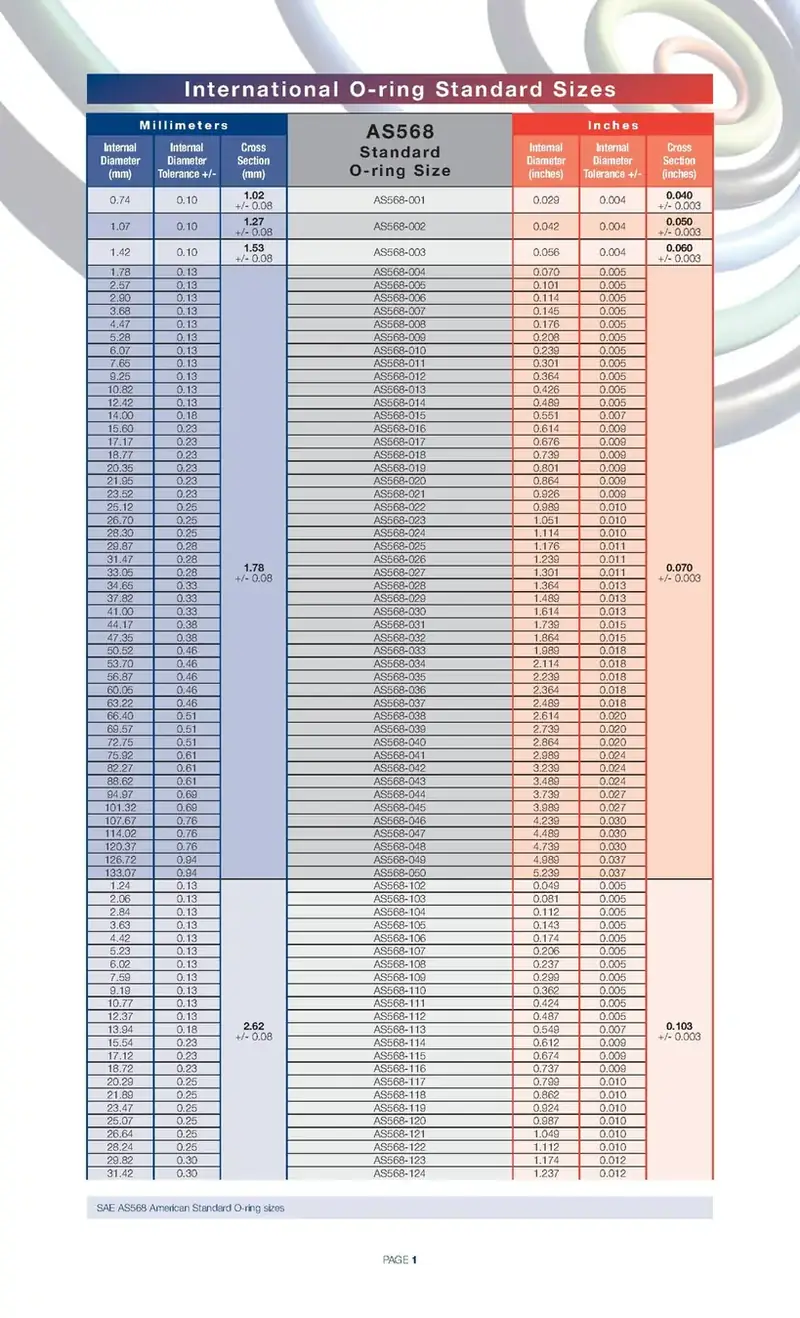
Suzhou Baoshida Trading Co., Ltd. formulates all rubber compounds to stringent OEM specifications, ensuring consistent rheology for reliable extrusion and layer adhesion during 3D printing. Our technical team collaborates closely with printing vendors to adjust compound viscosity, cure kinetics, and filler systems for optimal print fidelity and post-cure properties. Material datasheets include detailed processing windows, recommended post-cure protocols, and validation testing procedures to guarantee printed parts meet ISO 3302 and SAE AS568 dimensional tolerances. Selecting the correct elastomer matrix based on this specification framework minimizes prototyping iterations and accelerates time-to-market for functional rubber components. Contact our engineering department for application-specific formulation support and material qualification documentation.
Manufacturing Capabilities

Engineering Capability: Precision-Driven Rubber Solutions for Industrial 3D Printing Vendors
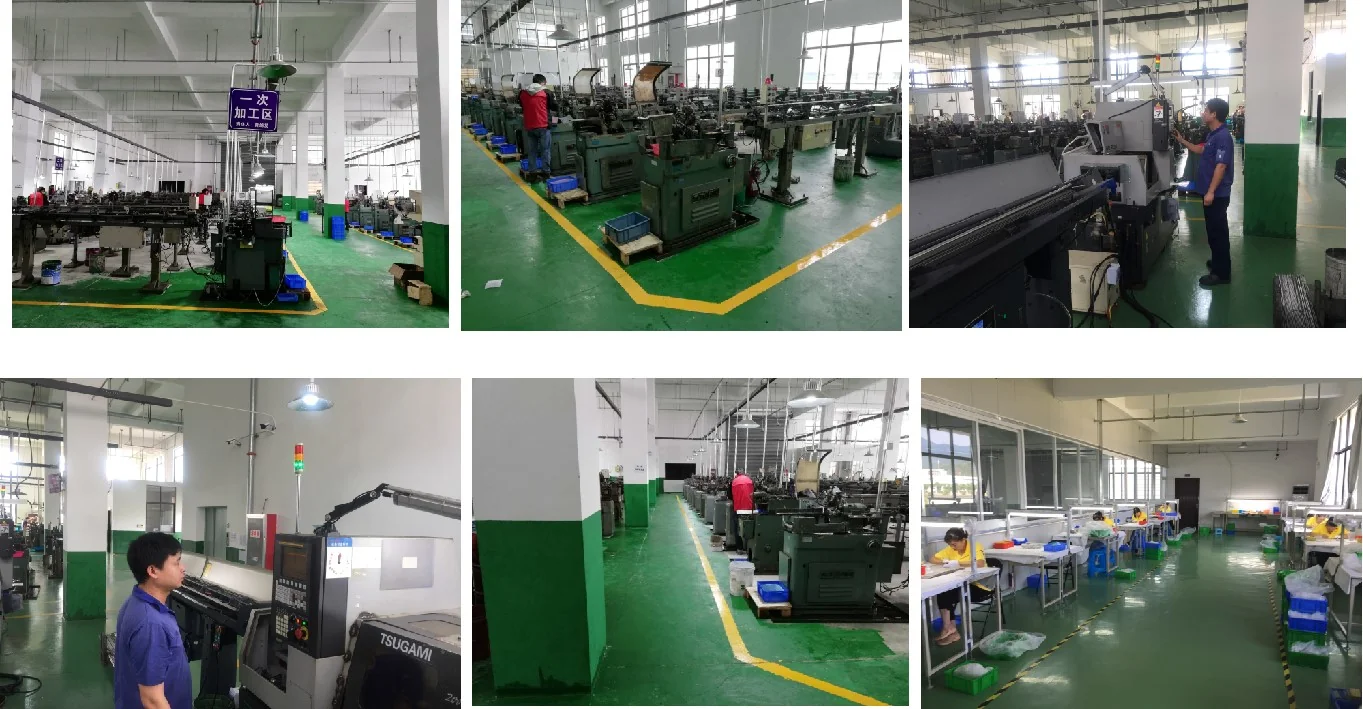
At Suzhou Baoshida Trading Co., Ltd., our engineering capability is anchored in deep material science expertise and advanced mold design proficiency, specifically tailored to meet the demanding requirements of industrial 3D printing vendors. With a dedicated team of five certified mold engineers and two specialized rubber formulation engineers, we deliver technically robust, application-specific elastomeric components that ensure optimal performance in additive manufacturing environments.
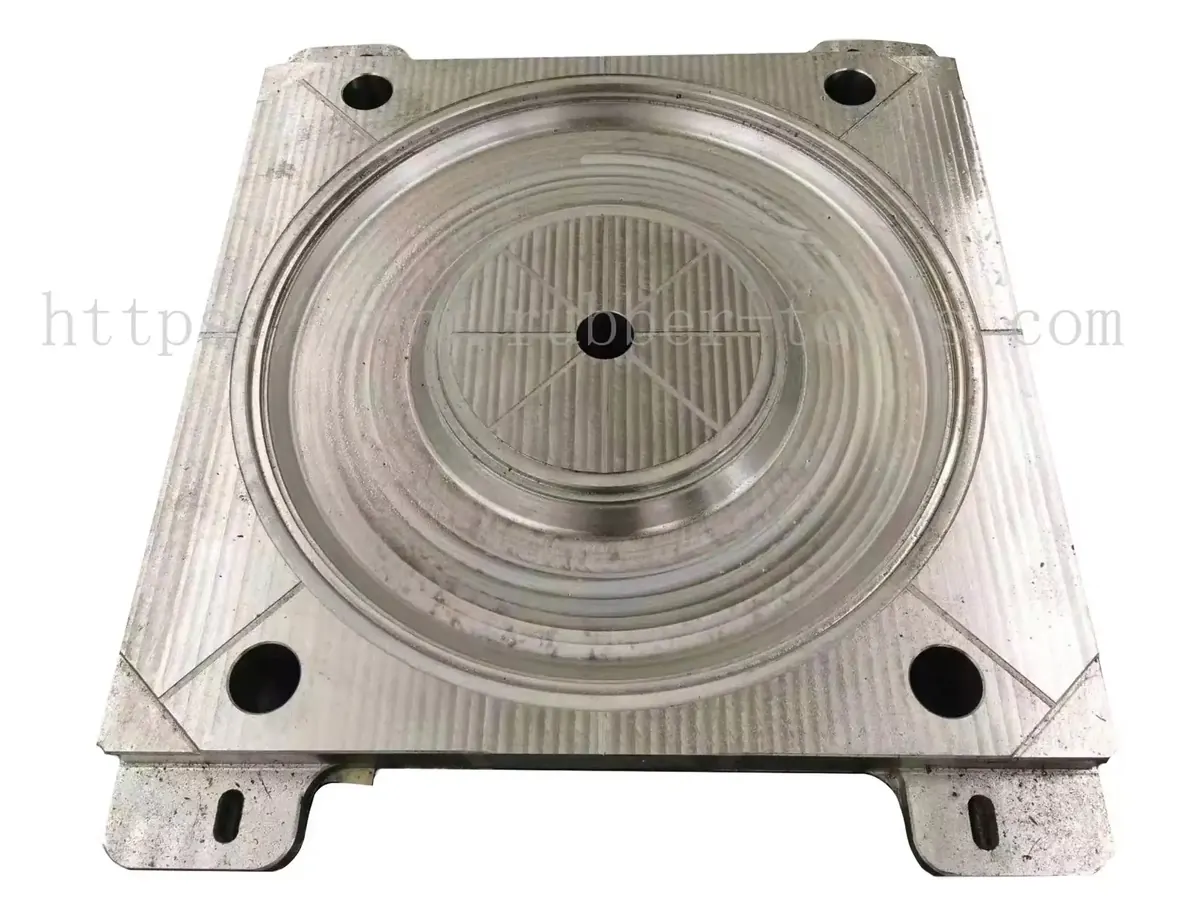
Our mold engineering team leverages state-of-the-art CAD/CAM software—including SolidWorks, AutoCAD, and Moldflow—to design precision rubber molds that support complex geometries, tight tolerances, and high repeatability. These capabilities are essential for producing seals, dampers, wipers, and flexible couplings used in industrial 3D printers, where dimensional accuracy and long-term resilience under thermal cycling are critical. Each mold is engineered with optimized gating, venting, and cooling systems to minimize cycle time and eliminate defects such as voids or flash, ensuring consistent part quality across large production runs.
Complementing our mold design strength is our in-house rubber formulation expertise. Our two formula engineers specialize in developing custom synthetic rubber compounds based on silicone (VMQ), nitrile (NBR), ethylene propylene diene monomer (EPDM), and fluorocarbon (FKM) polymers. These formulations are fine-tuned to meet specific performance criteria such as heat resistance (up to 300°C), ozone stability, compression set resistance, and compatibility with high-temperature printer enclosures or aggressive cleaning agents. By controlling the formulation process internally, we eliminate reliance on third-party material suppliers and ensure full traceability, consistency, and IP protection for OEM partners.
Our integrated engineering approach enables seamless transition from concept to量产 (mass production), supporting 3D printing vendors with full OEM service. We provide complete design for manufacturing (DFM) feedback, rapid prototype development via compression and injection molding, and rigorous validation testing—including hardness, tensile strength, thermal aging, and dynamic mechanical analysis (DMA). This end-to-end control ensures that every rubber component not only meets but exceeds the functional demands of modern industrial 3D printing systems.
The table below summarizes our core engineering specifications and material capabilities:
| Parameter | Specification |
|---|---|
| Mold Tolerance | ±0.05 mm |
| Minimum Feature Size | 0.3 mm |
| Lead Time (Prototype Molds) | 10–15 working days |
| Production Volume Capacity | 5,000–500,000 units/month |
| Standard Rubber Hardness Range | 30–90 Shore A |
| Temperature Resistance | -60°C to +300°C (material-dependent) |
| Key Rubber Types | NBR, EPDM, VMQ, FKM, CR, SBR |
| Testing Capabilities | Hardness, Tensile Strength, Elongation, Compression Set, Thermal Aging, DMA |
By combining advanced mold engineering with proprietary rubber formulation science, Suzhou Baoshida offers 3D printing vendors a strategic advantage in reliability, customization, and speed-to-market.
Customization Process

Customization Process: Precision Rubber Solutions for 3D Printing Applications
At Suzhou Baoshida Trading Co., Ltd., our industrial rubber customization process for 3D printing vendors is engineered for absolute reliability and performance alignment. We treat each project as a critical engineering partnership, moving systematically from design intent to high-volume production. This disciplined approach ensures the final elastomer component meets the exacting thermal, mechanical, and chemical demands of advanced additive manufacturing environments.
Drawing Analysis: Translating Geometry into Material Requirements
The foundation begins with rigorous analysis of your CAD drawings and technical specifications. Our engineering team scrutinizes critical dimensions, tolerances, and functional interfaces. We assess thermal exposure zones, dynamic stress points, and chemical resistance needs inherent to 3D printer operation. This phase identifies potential material limitations early, such as shrinkage compensation requirements during curing or the need for specialized flow characteristics to ensure dimensional fidelity in complex printed geometries. We validate feasibility against established rubber processing parameters before proceeding.
Formulation: Molecular Architecture for Performance
Leveraging our deep expertise in elastomer science, we develop a bespoke rubber compound. This stage defines the molecular architecture – selecting the optimal base polymer (e.g., silicone, EPDM, or specialty fluoroelastomers), crosslinking systems, fillers, and proprietary additive packages. Formulation targets specific Shore A hardness, tensile strength, compression set resistance, and thermal stability required for your printer components, such as heated bed seals, flexible couplings, or high-temperature tubing. Cure kinetics are precisely modeled to integrate seamlessly with downstream prototyping and production cycles, ensuring consistent vulcanization.
Prototyping: Validated Performance Iteration
Prototyping utilizes rapid tooling techniques aligned with final production methods. We manufacture functional prototypes using the exact formulated compound. These undergo stringent in-house testing against your performance criteria and industry standards. Critical validation includes thermal cycling tests simulating printer operation, dynamic compression set measurements for sealing components, and chemical exposure trials against common printing solvents or resins. Feedback from this phase drives iterative refinement of both the compound formulation and the manufacturing process parameters, guaranteeing the prototype performs identically to the future mass-produced part.
Mass Production: Consistency Through Scientific Control
Transition to full-scale production employs Statistical Process Control (SPC) and real-time rheology monitoring. Every batch of raw material is certified against our formulation specs. During mixing, temperature, shear, and time are tightly controlled to ensure homogeneous dispersion and prevent premature vulcanization. Molding parameters – temperature, pressure, and cure time – are optimized based on prototyping data and continuously monitored. 100% dimensional inspection of critical features and periodic full physical property testing per ASTM standards guarantee batch-to-batch consistency essential for OEM integration into 3D printing systems.
Key Rubber Performance Specifications for 3D Printing Components
| Property | Test Standard | Typical Range (Customizable) | Critical Application Relevance |
|---|---|---|---|
| Shore A Hardness | ASTM D2240 | 30 – 90 | Sealing force, flexibility, wear |
| Tensile Strength (MPa) | ASTM D412 | 5.0 – 15.0 | Structural integrity under load |
| Elongation at Break (%) | ASTM D412 | 150 – 600 | Flexibility, resilience to deformation |
| Compression Set (%), 22h/70°C | ASTM D395 | < 25 | Long-term sealing performance |
| Continuous Use Temp (°C) | UL/ISO Standards | -60 to +230 (Material Dep.) | Compatibility with heated print beds |
| Specific Gravity | ASTM D297 | 1.1 – 1.8 | Weight considerations, material cost |
This structured, science-led process eliminates guesswork, delivering rubber components that enhance the reliability and performance of your 3D printing systems from the first prototype to sustained mass production.
Contact Engineering Team

For industrial 3D printing vendors seeking high-performance rubber components, Suzhou Baoshida Trading Co., Ltd. provides engineered elastomeric solutions tailored to the demanding requirements of additive manufacturing systems. Our expertise lies in the development and supply of precision rubber parts critical to the functionality, durability, and efficiency of industrial 3D printers. From sealing elements and dampening mounts to custom-molded elastomeric interfaces, we deliver materials engineered for thermal stability, abrasion resistance, and long-term mechanical integrity under cyclic loading.
Our rubber formulations are optimized for compatibility with high-temperature environments, chemical exposure, and dynamic mechanical stress—common challenges within selective laser sintering (SLS), fused deposition modeling (FDM), and stereolithography (SLA) platforms. We specialize in silicone, fluorosilicone (FVMQ), ethylene propylene diene monomer (EPDM), nitrile (NBR), and hydrogenated nitrile (HNBR), with Shore A hardness ranging from 30 to 90. Each compound is rigorously tested for compression set, tensile strength, elongation at break, and thermal aging performance to ensure reliability in continuous operation.
We understand that 3D printing OEMs require not only material performance but also dimensional precision and batch-to-batch consistency. Our manufacturing processes include injection molding, compression molding, and transfer molding, supported by in-house tooling design and metrology labs equipped with CMM and optical profilometry. This enables us to maintain tight tolerances down to ±0.05 mm and support rapid prototyping with scalable production readiness.
The following table outlines the key physical and mechanical properties of our standard rubber compounds commonly specified by 3D printing system integrators:
| Material | Shore A Hardness | Tensile Strength (MPa) | Elongation at Break (%) | Compression Set (22h, 70°C) | Operating Temp Range (°C) | Key Attributes |
|---|---|---|---|---|---|---|
| Silicone (VMQ) | 40–80 | 6.5–9.0 | 250–450 | ≤20% | -60 to +200 | High thermal stability, excellent electrical insulation |
| Fluorosilicone (FVMQ) | 50–80 | 5.0–7.5 | 200–350 | ≤25% | -55 to +175 | Fuel and oil resistance, retains properties at temp |
| Nitrile (NBR) | 50–90 | 10–20 | 200–400 | ≤30% | -30 to +120 | High abrasion resistance, excellent compression set |
| HNBR | 60–90 | 15–25 | 150–300 | ≤20% | -40 to +150 | Superior mechanical strength, ozone and UV resistant |
| EPDM | 50–80 | 8–14 | 250–400 | ≤25% | -50 to +135 | Excellent weathering, steam, and water resistance |
Collaborating with Suzhou Baoshida means partnering with a supplier who understands the technical nuances of industrial additive manufacturing. We offer full material traceability, RoHS and REACH compliance, and engineering support from concept to validation.
To discuss your specific rubber component requirements for 3D printing systems, contact Mr. Boyce directly at [email protected]. Our technical team is prepared to assist with material selection, design for manufacturability (DFM), and rapid sample delivery to accelerate your development cycle.
⚖️ O-Ring Weight Calculator
Estimate rubber O-ring weight (Approx).