Technical Contents
Engineering Guide: Natural Rubber Tube

Engineering Insight Natural Rubber Tube Material Selection Criticality
Natural rubber (NR) remains indispensable for demanding tube applications due to its unparalleled combination of high tensile strength, exceptional resilience, and low heat build-up under dynamic flexing. However, the criticality of precise material formulation cannot be overstated. Off-the-shelf natural rubber tubes frequently fail prematurely in industrial service because generic compounds prioritize cost and basic compliance over the specific, often extreme, operational parameters encountered in real-world machinery, fluid transfer systems, or structural components. Field failure analysis consistently reveals that inadequate material selection is the root cause, not inherent flaws in NR itself.
The molecular structure of polyisoprene provides NR’s advantages but also creates specific vulnerabilities. Standard commercial NR compounds exhibit poor resistance to ozone and oxygen degradation, leading to surface cracking under even moderate atmospheric exposure, especially when strained. They suffer significant thermal reversion above 80°C, causing permanent loss of mechanical properties and seal integrity. Furthermore, generic formulations lack tailored resistance to specific fluids beyond water or air, experience accelerated fatigue in dynamic applications, and possess insufficient protection against environmental contaminants like salts or industrial chemicals. These limitations become critical failure points when tubes operate under continuous pressure, vibration, temperature cycling, or exposure to aggressive media – conditions rarely fully replicated in basic ASTM D2000 classification testing for generic grades.
Suzhou Baoshida Trading addresses these challenges through precision compound engineering. We move beyond commodity NR grades by integrating specific antiozonant packages, advanced vulcanization systems for enhanced thermal stability, and selective polymer blending or functionalized NR derivatives. Critical additives are meticulously dosed to optimize dynamic flex fatigue life, fluid compatibility, and compression set resistance without sacrificing NR’s core benefits of high green strength and low hysteresis. This targeted approach ensures the tube performs reliably within the exact pressure, temperature, media, and mechanical stress envelope defined by the OEM’s application, preventing costly downtime and safety hazards associated with generic part failure.
The performance gap between standard and engineered NR tubes is quantifiable. Key property comparisons highlight the necessity of application-specific formulation:
| Property | Standard NR Tube | Engineered NR Tube (Baoshida OEM Grade) | Performance Impact |
|---|---|---|---|
| Ozone Resistance (50 pphm, 20%) | Cracking in < 24 hours | No cracking > 168 hours | Eliminates premature surface failure |
| Heat Aging (70°C x 72h) | Tensile loss > 35% | Tensile loss < 15% | Maintains pressure integrity long-term |
| Dynamic Flex Life (DIN 53504) | Failure < 50,000 cycles | Failure > 250,000 cycles | Critical for vibration/isolation apps |
| Fluid Resistance (SAE 20W50) | Volume swell > 25% | Volume swell < 10% | Prevents seal extrusion & leakage |
| Compression Set (B, 70°C x 22h) | > 35% | < 20% | Ensures long-term sealing capability |
Investing in rigorously engineered natural rubber compounds is not a cost premium but a strategic risk mitigation. The total cost of ownership plummets when tubes operate reliably for their designed service life, avoiding unplanned maintenance, warranty claims, and production stoppages. Suzhou Baoshida Trading leverages deep compound expertise and OEM collaboration to transform natural rubber’s potential into field-proven, application-specific reliability. Generic solutions compromise performance; engineered materials deliver it.
Material Specifications

Material Specifications for Natural Rubber Tubing in Industrial Applications
Natural rubber tubing is widely employed across industrial sectors due to its excellent elasticity, resilience, and mechanical strength. At Suzhou Baoshida Trading Co., Ltd., we engineer high-performance rubber tubing solutions tailored to demanding operational environments. While natural rubber serves as a foundational material, performance-critical applications often require synthetic elastomers such as Viton, Nitrile (NBR), and Silicone. These materials offer enhanced resistance to temperature extremes, chemical exposure, and aging, making them suitable for specialized industrial systems including fluid transfer, pneumatic controls, and chemical processing.
Viton, a fluorocarbon-based rubber, demonstrates superior resistance to high temperatures, ozone, and a broad range of chemicals, including oils, fuels, and acids. It maintains integrity in continuous service temperatures up to 200°C, making it ideal for aerospace, automotive, and chemical processing applications where reliability under extreme conditions is paramount. However, Viton exhibits lower flexibility at low temperatures and higher material cost compared to other elastomers.
Nitrile rubber, or Buna-N, is a copolymer of butadiene and acrylonitrile. It is particularly valued for its excellent resistance to petroleum-based oils, fuels, and hydraulic fluids. With a service temperature range of -30°C to 120°C, Nitrile offers a balanced combination of durability, compression resistance, and cost-effectiveness. It is commonly used in automotive fuel systems, industrial hydraulics, and machinery requiring oil-resistant tubing. Limitations include poor ozone and UV resistance, necessitating protective measures in outdoor applications.
Silicone rubber is an elastomer composed of silicon, oxygen, carbon, and hydrogen. It exhibits exceptional thermal stability from -60°C to 200°C and maintains flexibility over a wide temperature range. Silicone is highly resistant to ozone and UV radiation, making it suitable for outdoor, medical, and food-grade applications. Additionally, it offers excellent electrical insulation properties. However, silicone has lower tensile strength and abrasion resistance compared to natural rubber or Nitrile, which may limit its use in high-wear environments.
Selection of the appropriate elastomer depends on the operational parameters, including temperature, chemical exposure, pressure, and mechanical stress. Below is a comparative summary of key performance characteristics.
| Property | Natural Rubber | Viton (FKM) | Nitrile (NBR) | Silicone (VMQ) |
|---|---|---|---|---|
| Temperature Range (°C) | -40 to 100 | -20 to 200 | -30 to 120 | -60 to 200 |
| Tensile Strength (MPa) | 18–28 | 10–20 | 15–25 | 5–10 |
| Elongation at Break (%) | 600–800 | 200–400 | 300–500 | 400–800 |
| Hardness (Shore A) | 40–80 | 60–90 | 50–90 | 30–80 |
| Resistance to Oils/Fuels | Low | Excellent | Excellent | Good |
| Resistance to Ozone/UV | Poor | Excellent | Poor | Excellent |
| Chemical Resistance | Moderate | Excellent | Good | Moderate |
| Flexibility at Low Temp | Good | Fair | Moderate | Excellent |
Understanding these material properties enables precise matching of tubing to application requirements, ensuring longevity, safety, and operational efficiency. Suzhou Baoshida Trading Co., Ltd. provides expert consultation and customized rubber solutions to meet exact industrial specifications.
Manufacturing Capabilities

Engineering Capability: Precision Natural Rubber Tube Development
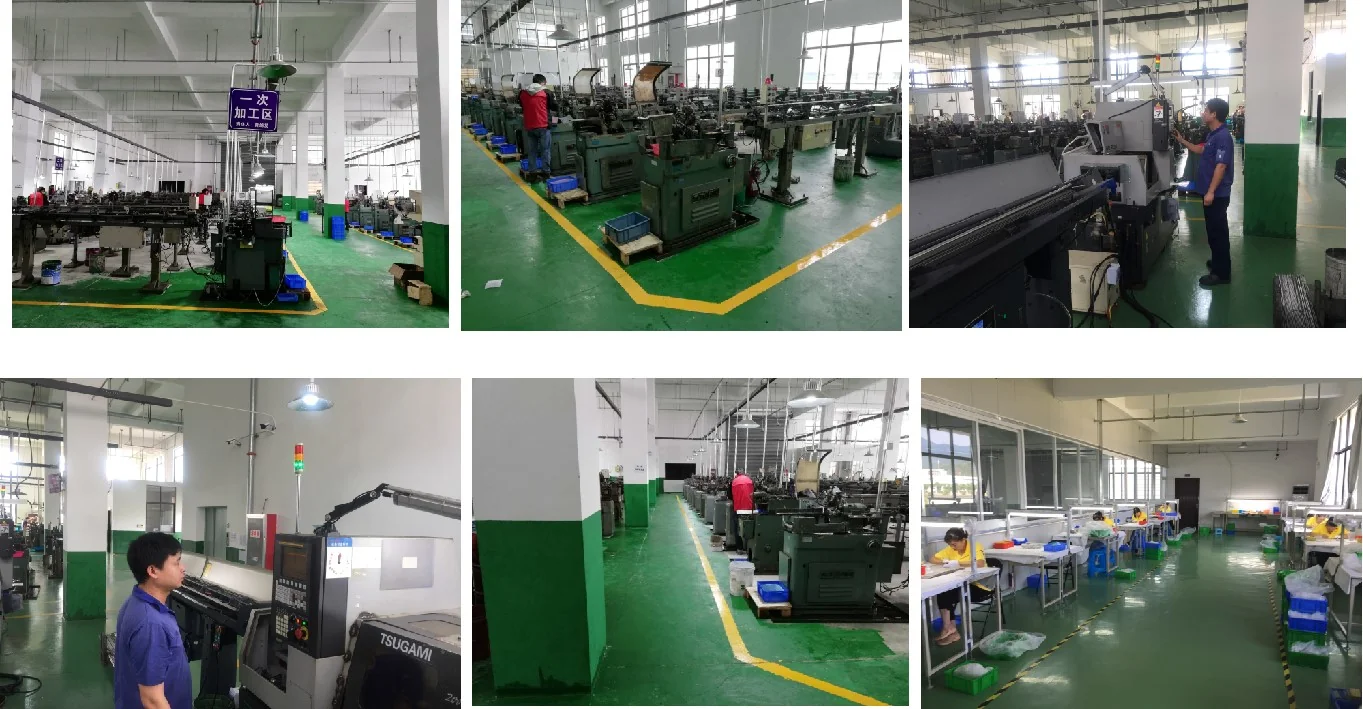
Suzhou Baoshida Trading Co., Ltd. leverages dedicated in-house engineering resources to deliver technically rigorous natural rubber tube solutions for demanding industrial applications. Our core strength lies in the integrated expertise of five specialized Mould Engineers and two advanced Formula Engineers, ensuring end-to-end control from molecular design to precision manufacturing. This dual-engineering framework eliminates third-party dependencies, accelerating development cycles while guaranteeing material and dimensional integrity.
Our Formula Engineering team applies deep polymer science knowledge to tailor natural rubber (NR) compounds for specific performance criteria. We optimize polymer chain architecture, filler dispersion, and vulcanization kinetics to achieve target properties such as ozone resistance, low-temperature flexibility, or fluid compatibility. Every formulation undergoes rigorous laboratory validation using ASTM D2000 standards, with iterative adjustments based on client-specified service conditions. Critical parameters—including tensile strength, elongation, and compression set—are fine-tuned to prevent premature failure in hydraulic, pneumatic, or chemical transfer systems. This scientific approach ensures consistent batch-to-batch repeatability, reducing client downtime risks.
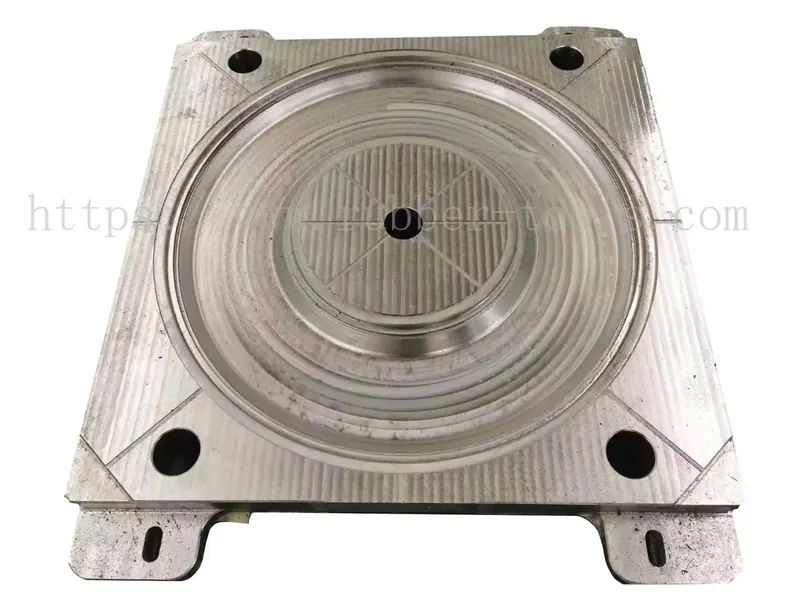
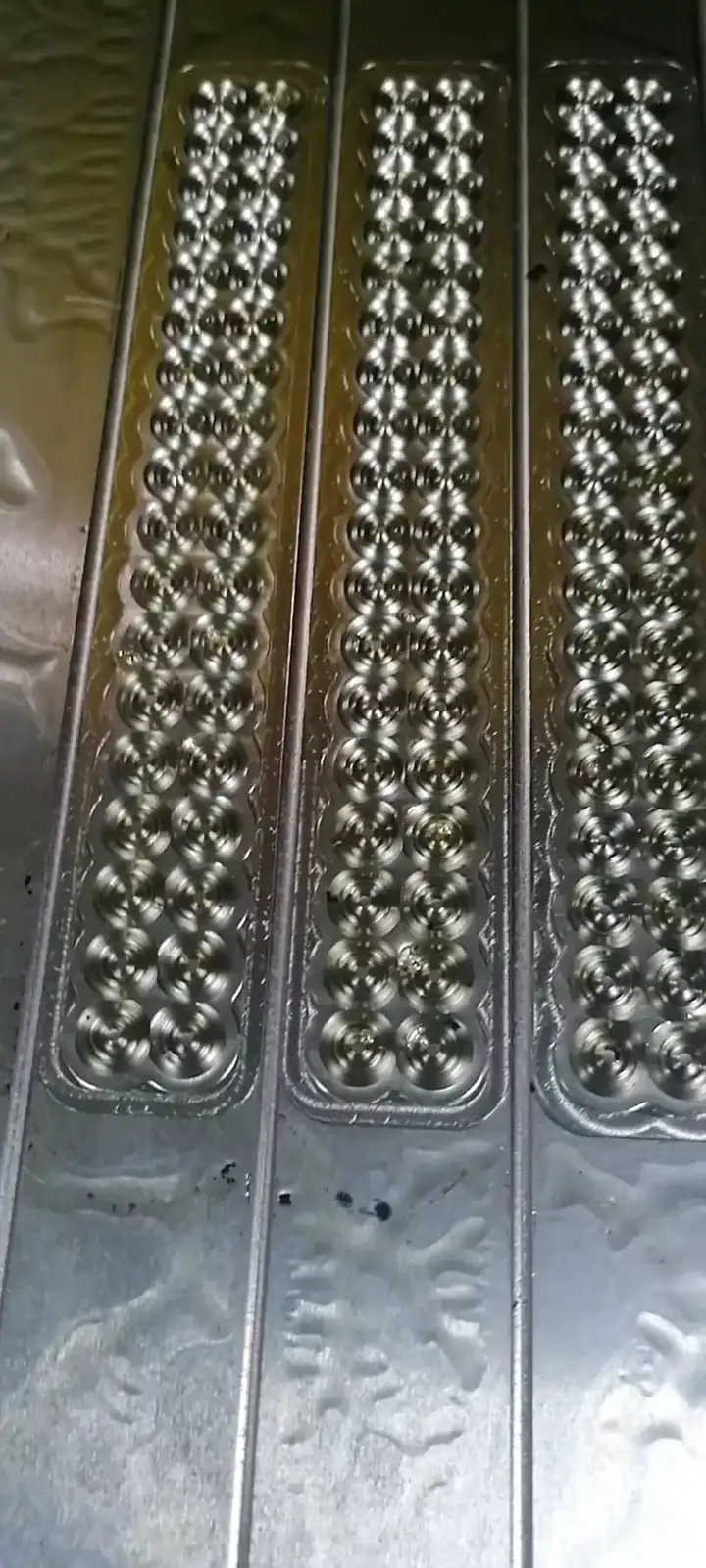
Complementing formula development, our Mould Engineering division utilizes CAD/CAM-driven precision tooling design. We analyze flow dynamics and thermal gradients to eliminate knit lines, voids, or dimensional drift during extrusion and vulcanization. Finite element analysis (FEA) validates mould geometry for complex profiles, ensuring tight tolerances (±0.1 mm) even in multi-lumen or reinforced tube configurations. This capability is critical for applications requiring exact sealing interfaces or pressure containment, such as automotive brake lines or semiconductor coolant circuits.
As an OEM partner, we execute seamless turnkey manufacturing under strict ISO 9001 protocols. Clients provide functional requirements or CAD models; our engineers translate these into validated production processes within 15 working days. We manage raw material sourcing (including FSC-certified Hevea brasiliensis latex), in-process quality checkpoints, and final validation testing. This vertical integration guarantees supply chain transparency and rapid scalability from prototype to high-volume production, with full traceability from polymer batch to finished tube.
Key natural rubber tube specifications achievable through our engineering process include:
| Parameter | Typical Range | Test Standard |
|---|---|---|
| Hardness (Shore A) | 40–80 | ASTM D2240 |
| Tensile Strength (MPa) | 18–30 | ASTM D412 |
| Elongation at Break (%) | 450–700 | ASTM D412 |
| Temperature Range (°C) | -50 to +100 (continuous) | ASTM D573 |
| Fluid Resistance | Water, glycols, aliphatic oils | ISO 1817 |
This engineering-led methodology ensures Suzhou Baoshida delivers natural rubber tubes that exceed operational demands while minimizing total cost of ownership. Our technical team collaborates directly with client engineers to resolve application-specific challenges, transforming material science into reliable industrial performance.
Customization Process

Customization Process for Natural Rubber Tubes at Suzhou Baoshida Trading Co., Ltd.
At Suzhou Baoshida Trading Co., Ltd., we specialize in delivering high-performance natural rubber tubes tailored to the exacting demands of industrial applications. Our structured customization process ensures precision, repeatability, and compliance with international quality standards. The journey from concept to mass production follows four critical phases: Drawing Analysis, Formulation Development, Prototyping, and Mass Production.
The process begins with Drawing Analysis, where technical specifications provided by the client are rigorously evaluated. This includes dimensional tolerances, wall thickness, inner and outer diameter requirements, length, and any special features such as flares, tapers, or reinforcement layers. Our engineering team conducts a geometric and functional assessment to verify manufacturability and identify potential challenges in extrusion or curing. Compatibility with operating environments—such as temperature ranges, fluid exposure, and mechanical stress—is also evaluated at this stage.
Following drawing validation, we proceed to Formulation Development. Natural rubber (NR) offers excellent elasticity, tensile strength, and resilience, but its performance must be optimized through compounding. Our rubber chemists design a proprietary formulation based on the application’s chemical, thermal, and mechanical requirements. Additives such as sulfur for vulcanization, accelerators, antioxidants, fillers (e.g., carbon black or silica), and processing oils are precisely balanced. The formulation is adjusted to achieve target properties such as hardness (Shore A), elongation at break, compression set, and resistance to ozone or UV exposure.
Once the compound is finalized, we initiate Prototyping. Short production runs are conducted using calibrated extrusion lines and steam-cured in autoclaves or continuous vulcanization tunnels, depending on the tube geometry. Prototypes undergo rigorous quality testing, including dimensional inspection, burst pressure tests, and dynamic flexing evaluations. Clients receive sample batches for field validation, and feedback is incorporated into final adjustments.
Upon approval, we transition to Mass Production. Our facility operates automated extrusion and curing systems with real-time monitoring to ensure batch consistency. In-process quality checks, including durometer testing and visual inspection, are conducted at defined intervals. Final products are packaged per client specifications, with full traceability maintained through lot numbering and material certifications.
The following table summarizes typical technical parameters for customized natural rubber tubes:
| Parameter | Standard Range | Test Method |
|---|---|---|
| Inner Diameter | 3 mm – 150 mm | ISO 3302 |
| Wall Thickness | 1.5 mm – 15 mm | ISO 3302 |
| Hardness (Shore A) | 40 – 80 | ISO 48-4 |
| Tensile Strength | ≥18 MPa | ISO 37 |
| Elongation at Break | ≥450% | ISO 37 |
| Operating Temperature | -40°C to +80°C (standard) | ASTM D1329 |
| Fluid Resistance | Water, aliphatic oils, mild acids | ISO 1817 |
Our end-to-end customization framework ensures that every natural rubber tube meets both functional requirements and long-term reliability standards in demanding industrial environments.
Contact Engineering Team

Precision Natural Rubber Tubing Solutions: Engineering Partnership Through Suzhou Baoshida
Natural rubber tubing remains a critical component in demanding industrial applications where resilience, elasticity, and chemical resistance are non-negotiable. At Suzhou Baoshida Trading Co., Ltd., we transcend basic supply by functioning as your dedicated rubber formula engineering partner. Our expertise lies in translating complex OEM specifications into high-performance natural rubber (NR) extrusions that meet exacting tolerance and durability requirements. Generic tubing solutions often fail under sustained pressure, thermal cycling, or exposure to specific media, leading to premature system failure and costly downtime. Our engineered NR compounds, rigorously validated against ASTM D2000 and ISO 37 standards, ensure dimensional stability, consistent flow characteristics, and extended service life in hydraulic systems, medical device conduits, laboratory instrumentation, and specialized industrial fluid transfer.
As your OEM Manager and Rubber Formula Engineer, I oversee the entire development lifecycle from initial compound design through precision extrusion and final validation. We do not merely manufacture tubing; we co-engineer solutions. This begins with a deep analysis of your application’s operational parameters: maximum working pressure, temperature extremes, fluid compatibility, required flex life, and critical dimensional tolerances. Our in-house laboratory conducts compound optimization, adjusting vulcanization systems, filler reinforcement, and anti-degradant packages to achieve the precise balance of tensile strength, elongation, and compression set required. The result is a tubing product engineered for your specific use case, minimizing field failures and optimizing total cost of ownership. The following table details the performance benchmarks achievable with our premium natural rubber formulations compared to typical industry standards.
| Property | Industry Standard NR Tube | Baoshida Premium Grade NR Tube | Test Method |
|---|---|---|---|
| Tensile Strength (Min) | 18 MPa | 24 MPa | ASTM D412 Type A |
| Elongation at Break (Min) | 550% | 700% | ASTM D412 Type A |
| Hardness (Shore A) | 50 ± 5 | 55 ± 3 | ASTM D2240 |
| Compression Set (22h/70°C) | 25% Max | 15% Max | ASTM D395 Method B |
| Inner Diameter Tolerance | ±0.20 mm | ±0.08 mm | ISO 3302-1 |
| Ozone Resistance | Poor | Excellent | ASTM D1149 |
Partnering with Suzhou Baoshida means gaining direct access to engineering expertise focused solely on rubber performance. Our commitment extends beyond the initial order; we provide ongoing technical support, batch traceability, and rapid response to any field performance queries. For applications demanding uncompromising reliability in natural rubber tubing, initiating a technical dialogue is the first step toward a robust supply solution. Do not settle for off-the-shelf compromises where precision matters. Contact Mr. Boyce directly to discuss your specific tubing requirements and receive a tailored compound proposal. Mr. Boyce possesses the engineering authority to evaluate your application data, recommend optimal formulations, and expedite sampling for validation. Reach out today to establish a partnership built on material science expertise and manufacturing excellence. Contact Mr. Boyce at [email protected] to schedule a technical consultation and advance your next-generation natural rubber tubing project.
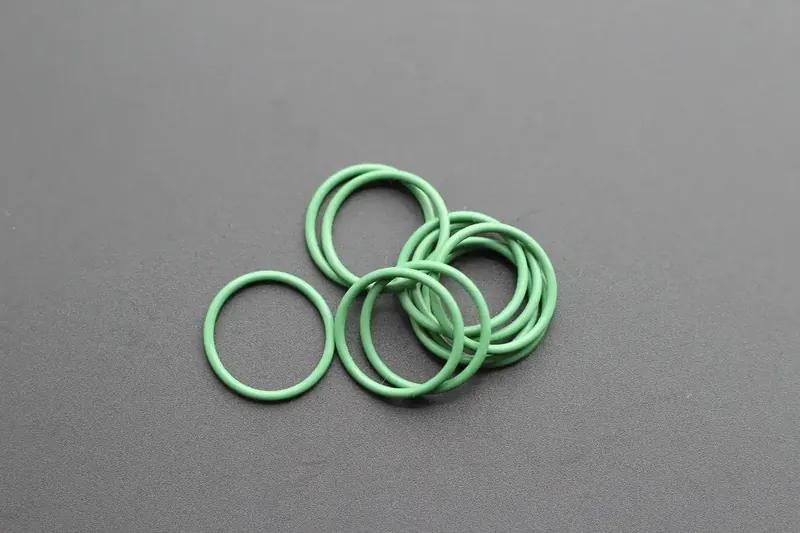
⚖️ O-Ring Weight Calculator
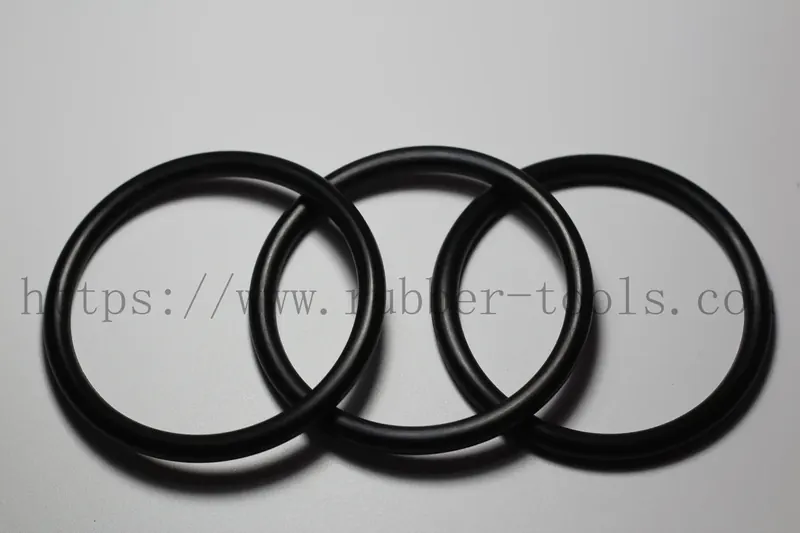
Estimate rubber O-ring weight (Approx).